Boat Captain Charged with Manslaughter in Fatal Tourist Accident: Understanding Legal Liability and Investigation
A boat captain charged with manslaughter in a fatal tourist accident faces severe legal scrutiny under federal maritime law, and families demand justice for lives lost. This article delivers an authoritative guide to the Seaman’s Manslaughter Statute, Coast Guard investigation procedures, liability allocation, penalties, accident causes, prevention strategies, and victim recourse. You will learn how 18 U.S.C. § 1115 defines criminal negligence at sea, how evidence is collected, which parties can be held responsible, and what compensation is available for families. By exploring historical cases, best practices for tour operators, and legal pathways for victims, this analysis equips you with vital insight into maritime manslaughter and safety compliance.
What Is the Seaman’s Manslaughter Statute and How Does It Apply?
Seaman’s manslaughter is a federal criminal offense that punishes vessel officers whose negligence causes death; it combines legal definition, negligence standards, and enforcement history under 18 U.S.C. § 1115.
For example, a captain who fails to maintain critical engine systems and causes a collision that kills a passenger may face prosecution under this law.
What Does 18 U.S.C. § 1115 Define as Seaman’s Manslaughter?
Seaman’s manslaughter under 18 U.S.C. § 1115 punishes any vessel operator whose simple or gross negligence aboard a ship results in the wrongful death of a person. It covers:
- Negligent acts – Failure to perform duties such as lookout or vessel maintenance.
- Duty breach – Violation of regulatory or customary standards on navigation and safety.
- Causation – A direct link between negligent conduct and the fatal injury.
- Jurisdiction – Applies to U.S. vessels, flag states, and U.S. citizens operating abroad.
These elements ensure that a captain’s lapse in care resulting in loss of life triggers criminal liability under federal maritime law, emphasizing the critical role of vigilant vessel operation.
How Are Simple Negligence and Gross Negligence Distinguished in Maritime Law?
In maritime manslaughter cases, simple negligence involves a failure to exercise the care a reasonable captain would use, while gross negligence indicates a more reckless or wanton disregard of safety. A comparison clarifies their distinctions and potential penalties:
Distinguishing these levels of negligence guides prosecutors on charges severity and helps captains understand the threshold for criminal exposure.
What Are Notable Historical Cases Under the Seaman’s Manslaughter Statute?
Several cases demonstrate the statute’s application and evolving enforcement risk:
- Captain Jerry Boylan was convicted for the 2019 Conception dive boat fire after lapses in safety protocols led to 34 fatalities.
- The 1904 General Slocum steamboat disaster prompted one of the earliest uses of seaman’s manslaughter charges against vessel officers.
- A 2007 yacht grounding near Sicily resulted in captain charges when navigation errors sank a tourist boat, killing multiple passengers.
Each precedent underscores how courts interpret duty breaches and negligence in maritime contexts, shaping modern enforcement.
How Does the Coast Guard Investigate Fatal Tourist Boating Accidents?
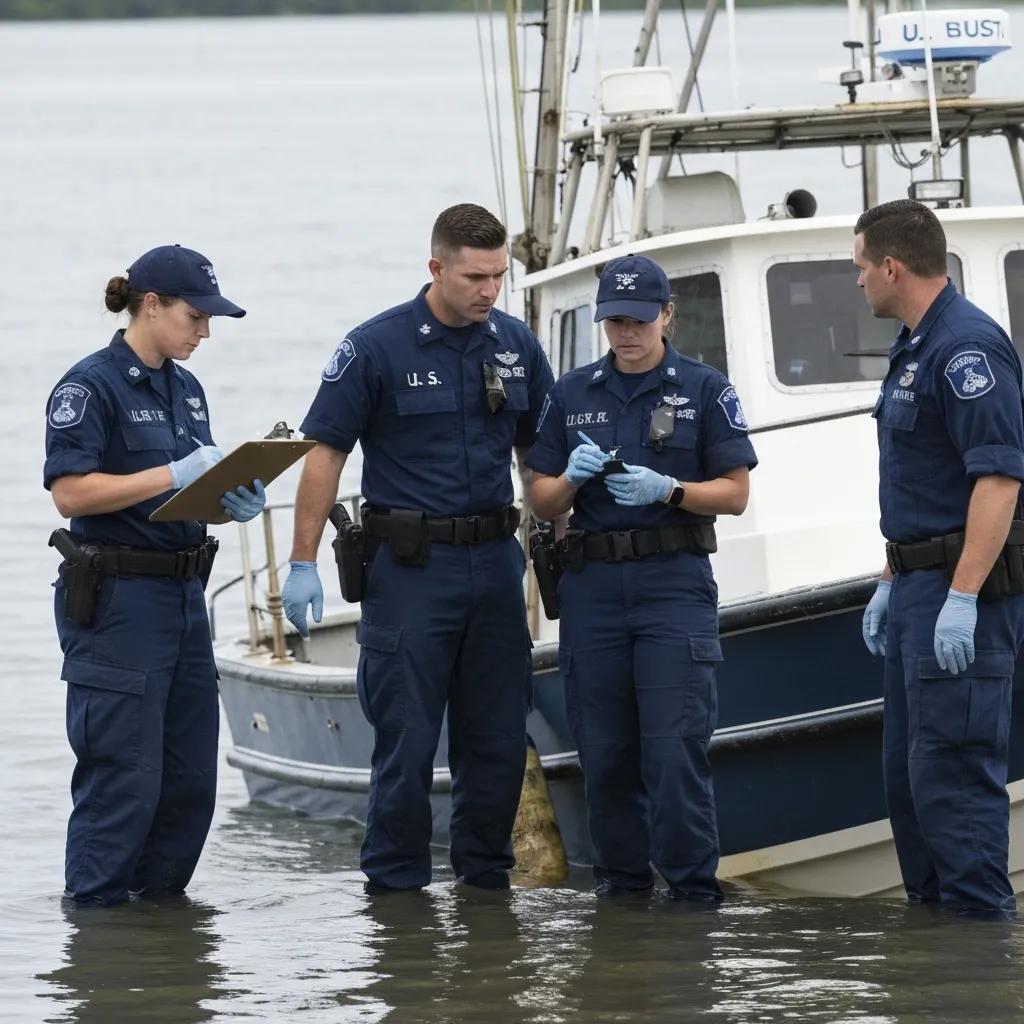
The U.S. Coast Guard investigates fatal boating incidents through a structured process combining on-scene rescue, evidence collection, and coordination with civil authorities. As the lead maritime authority, the Coast Guard examines vessel condition, crew competence, and environmental factors to determine causation. A clear picture of investigative steps helps captains prepare for inquiries and promotes transparent accountability.
What Is the Role of the U.S. Coast Guard in Maritime Accident Investigations?
The Coast Guard enforces federal maritime safety standards, conducts on-scene casualty evaluations, and compiles the official marine casualty report. Its responsibilities include:
- Establishing the factual record on vessel operations.
- Interviewing crew members and witnesses.
- Inspecting mechanical systems and navigational equipment.
- Recommending safety improvements to the National Transportation Safety Board (NTSB).
Through these actions, the Coast Guard ensures that systemic failures and human errors are documented for legal and regulatory follow-up.
What Are the Steps in Evidence Collection and Accident Reconstruction?
Accident reconstruction follows a precise sequence to preserve scene integrity and establish accident mechanisms. The process involves:
- Scene preservation – Securing debris and controlling access.
- Photographic documentation – Capturing vessel damage, waterline marks, and passenger positions.
- Mechanical examination – Testing engines, steering gear, and safety equipment functionality.
- Data retrieval – Downloading voyage data recorder (VDR) and GPS tracks.
- Simulation analysis – Reconstructing vessel movements under load and environmental conditions.
These steps create a robust evidentiary foundation for determining negligence and causation.
Which Agencies Collaborate in Fatal Boating Accident Investigations?
Multiple agencies join the Coast Guard in a fatal accident probe to address all legal dimensions:
Each organization contributes specialized expertise, ensuring thorough investigation from technical, criminal, and regulatory perspectives.
Who Can Be Held Liable in Fatal Maritime Accidents?
Liability in fatal boating accidents extends beyond the captain to vessel owners, corporations, charterers, and tour operators who share responsibility for passenger safety. Maritime law recognizes multiple duty-holders whose negligence or non-compliance can lead to criminal charges or civil suits. Identifying all liable parties clarifies risk exposure and informs insurance coverage strategies.
What Legal Responsibilities Does a Boat Captain Have Toward Passengers?
A boat captain owes passengers a duty of care that encompasses safe navigation, proper crew instruction, and emergency preparedness. Specific obligations include:
- Conducting pre-departure safety briefings.
- Maintaining required lifesaving equipment.
- Monitoring weather and sea conditions.
- Ensuring vessel seaworthiness before each voyage.
Adhering to these duties reduces the likelihood of fatal mishaps and supports a strong defense against manslaughter allegations.
How Are Vessel Owners and Corporations Held Criminally or Civilly Liable?
Vessel owners and operating companies can face both criminal and civil liability for fatalities resulting from corporate negligence, inadequate maintenance, or deficient safety management systems. They may be prosecuted under the Responsible Corporate Officer Doctrine when executive decisions or procedures cause a fatality. Civil claims for wrongful death often target insurance policies maintained by owners and corporations to secure compensation for victims’ families.
Can Tour Operators and Charterers Face Manslaughter Charges?
Yes, tour operators and charterers who exercise control over vessel operations can be charged with manslaughter if their directives or contractual lapses contribute to a fatality. Courts assess:
- The degree of operational control retained.
- The terms of charter agreements regarding safety standards.
- Training and supervision protocols imposed on the crew.
This broad liability framework encourages all stakeholders to uphold rigorous safety practices.
What Are the Legal Consequences and Penalties for Boat Captains Charged with Manslaughter?
Conviction for seaman’s manslaughter carries significant imprisonment and fine penalties under federal maritime law, reflecting the gravity of deaths caused by negligent vessel operation. Understanding sentencing guidelines and civil exposure is essential for captains, insurers, and defense counsel preparing for litigation. A clear view of legal outcomes enables informed decision-making when structuring safety programs and risk transfers.
What Imprisonment and Fine Penalties Apply Under Federal Maritime Law?
Federal sentencing for seaman’s manslaughter can include imprisonment for up to 10 years and fines reaching $250,000 for individuals. The specific penalties depend on:
- Severity of the negligence (simple vs. gross).
- Number of fatalities and injuries.
- Aggravating factors such as intoxication or violation of Coast Guard directives.
How Do Criminal Charges Differ from Civil Wrongful Death Lawsuits?
Criminal manslaughter prosecutions focus on punishment of the negligent party, requiring proof beyond a reasonable doubt, whereas civil wrongful death claims seek compensation for economic and non-economic losses, proven by a preponderance of evidence. Key distinctions include:
- Standard of proof – Criminal: beyond reasonable doubt; Civil: more likely than not.
- Purpose – Criminal: deterrence and retribution; Civil: restoration and indemnification.
- Outcomes – Criminal: incarceration and fines; Civil: monetary judgments for families.
What Defense Strategies Are Common in Maritime Manslaughter Cases?
Defense in maritime manslaughter often centers on disproving causation, demonstrating compliance with training and maintenance standards, or showing that unforeseeable mechanical failure occurred despite due diligence. Common tactics include:
- Expert testimony on vessel systems and safety protocols.
- Presenting logs and inspection records to prove regular maintenance.
- Arguing that a third party or unexpected weather event was the sole cause of the accident.
What Are the Leading Causes of Fatal Tourist Boating Accidents?
Fatal tourist boating accidents most often stem from operator impairment, inattention, lack of experience, mechanical failures, and insufficient life jacket use.
An analysis of these factors identifies risk points where improved practices can save lives. By targeting each cause with preventive measures, tour operators strengthen safety culture and reduce liability.
How Do Boating Under the Influence (BUI) and Operator Inattention Contribute?
Alcohol impairment and operator distraction top the list of factors in recreational boating deaths, accounting for roughly 20 percent of fatalities according to the U.S. Coast Guard. Impaired judgment and delayed reaction times lead to navigation errors, collisions, and loss of vessel control. Maintaining strict no-alcohol policies and continuous lookout duties mitigates this leading cause of fatal incidents.
What Role Does Inexperience and Machinery Failure Play in Accidents?
Inexperienced operators often underestimate vessel handling requirements, leading to improper speed, unsafe course adjustments, or failure to respond to mechanical warnings. Similarly, machinery breakdowns—such as engine failures or steering gear malfunctions—can leave the vessel adrift in hazardous conditions. Regular simulation training and preventive maintenance minimize these interconnected risks.
How Does Life Jacket Usage Impact Fatality Rates?
Drowning accounts for over 75 percent of boating deaths, with more than 85 percent of victims not wearing life jackets. Universal life jacket wear requirements and onboard stowage of readily accessible personal flotation devices have been shown to reduce drowning fatalities by up to 70 percent. Mandating life jacket donning before departure is one of the simplest yet most effective life-saving measures.
How Can Tour Boat Operators Prevent Fatal Accidents and Legal Liability?
Tour boat operators can prevent tragedies and limit liability by implementing comprehensive training, enforcing safety regulations, and establishing strict alcohol-use policies. A proactive safety management system integrates best practices, regulatory compliance, and continuous monitoring to build a culture of responsibility. These measures not only protect passengers but also demonstrate an operator’s commitment to due care.
What Are Best Practices for Operator Training and Safety Protocols?
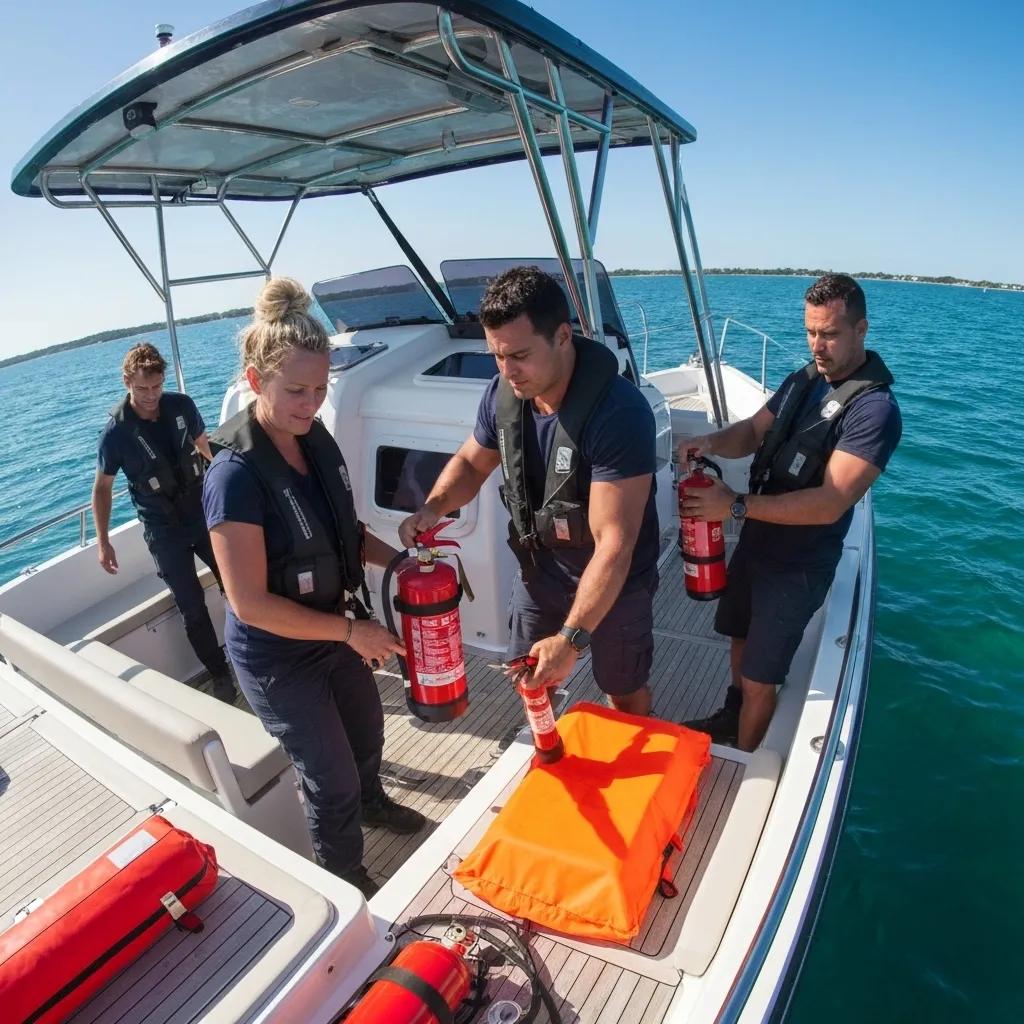
Effective training and protocols cover navigation competency, emergency response, and hazard recognition. Key components include:
- Regular drills – Fire, abandon ship, and man-overboard exercises at least quarterly.
- Certification requirements – Ensuring captains and crew hold valid U.S. Coast Guard credentials.
- Safety briefings – Mandatory pre-departure orientation for all passengers.
- Ongoing assessment – Periodic evaluations of crew performance and response times.
How Do Safety Regulations and Life Jacket Laws Reduce Risk?
Adhering to Coast Guard regulations—such as mandatory life jacket carriage, navigation light requirements, and vessel inspection schedules—ensures baseline safety standards. Compliance with state-level life jacket donning laws, especially for children and non-swimmers, further drives down drowning risks. Operators should maintain up-to-date knowledge of federal and local rules and audit their procedures accordingly.
What Measures Help Mitigate Boating Under the Influence Risks?
Preventing BUI incidents requires clear policies, training, and enforcement. Effective strategies include:
- Prohibiting alcohol service aboard vessels.
- Conducting random sobriety checks for crew members.
- Providing sober pilot designation or rotational watch systems.
- Installing breathalyzer interlock systems on commercial operators’ vessels.
By strictly controlling alcohol exposure and monitoring crew sobriety, operators demonstrate a commitment to passenger safety and legal compliance.
What Legal Recourse Is Available for Victims and Families After Fatal Tourist Accidents?
Victims and families can pursue criminal charges, civil wrongful death claims, and maritime personal injury actions to seek justice and compensation. Understanding the available legal pathways and deadlines ensures timely action in the wake of tragedy. Engaging experienced maritime attorneys early maximizes the chances of achieving fair outcomes.
How Are Wrongful Death Claims Pursued in Maritime Law?
Wrongful death suits in admiralty cases follow the Death on the High Seas Act or General Maritime Law, depending on where the accident occurred. Families must:
- Identify the responsible party (captain, owner, operator).
- File within the statute of limitations—typically two years from the date of death.
- Prove negligence elements: duty, breach, causation, and damages.
These claims allow survivors to recover for financial losses and emotional suffering.
What Compensation and Damages Can Victims’ Families Seek?
Compensatory damages in maritime wrongful death cases include:
- Economic losses – Lost wages, funeral expenses, and medical costs prior to death.
- Non-economic losses – Pain and suffering, loss of companionship, and mental anguish.
- Punitive damages – In cases of gross negligence or willful misconduct.
A well-documented claim supported by expert testimony strengthens the recovery potential for families.
When Should Victims Consult a Maritime Attorney?
Victims’ families should consult a qualified maritime attorney as soon as possible after the accident to preserve evidence, meet filing deadlines, and navigate complex admiralty procedures. Early legal involvement ensures:
- Prompt notification of insurers and relevant agencies.
- Protection against premature settlement offers.
- Guidance on parallel criminal and civil actions.
Securing counsel experienced in maritime manslaughter and wrongful death law lays the foundation for effective advocacy and justice.
Four decades of maritime safety research and evolving legal precedents underscore the high stakes of vessel operation. By understanding the Seaman’s Manslaughter Statute, Coast Guard investigation process, liability frameworks, and prevention strategies, captains and operators can protect passengers and reduce fatal risks. Families affected by tragedy gain clear pathways to pursue accountability and compensation through criminal prosecutions and civil claims. Ultimately, rigorous training, strict safety protocols, and compliance with maritime law create safer waters and reinforce the duty of care owed to every tourist aboard a vessel.