The Rise of Pet-Centric Apartment Buildings with On-Site Amenities: Why Renters and Property Managers Prioritize Pet-Friendly Living
The surge in pet ownership—59 percent of U.S. renters now share their homes with animals—has reshaped residential real estate by making pet-friendly living a non-negotiable feature rather than a bonus. Property managers who invest in dedicated dog parks, pet spas, and concierge services address renters’ core pain points—lack of exercise space, grooming accessibility, and work–life balance for pet care—and promise higher occupancy, increased lease renewals, and a truly engaged community. This article will explore:
- Why demand for pet-centric apartments is soaring
- The essential on-site amenities modern renters expect
- The multifaceted benefits for both residents and property managers
- Strategies for integrating design, policy, and technology
- Emerging trends shaping tomorrow’s urban pet living
- Proven marketing and management practices to maximize ROI
By weaving market data, design guidance, and performance metrics into one cohesive guide, we demonstrate how urban developers and managers can lead the pet-inclusive revolution in multifamily housing.
Why Are Pet-Friendly Apartments with Amenities in High Demand?
Pet-centric apartment buildings redefine urban living by responding to evolving demographic, economic, and lifestyle trends. These residences balance animal welfare, owner convenience, and property performance within a competitive rental market.
What Are the Key Pet Ownership Statistics Driving Housing Demand?
The pet ownership boom underpins today’s rental market transformation: 66 percent of U.S. households own a pet, and 97 percent of those owners view animals as family members. Renters with pets stay 21 percent longer, and 63 percent prioritize “pet-friendliness” above location if amenities meet their needs. These figures reveal that investing in on-site dog parks, pet washing stations, and cat enrichment areas directly targets the largest segment of the rental population and reduces turnover costs.
The U.S. Cities with the Most Dog-Friendly Apartments
How Do Millennials and Gen Z Influence the Demand for Pet-Centric Housing?
Millennials and Gen Z drive pet-centric housing trends by valuing experiential lifestyles and holistic well-being. As the first generations to embrace pets as emotional support and status symbols, these renters demand communal play areas, organic pet spas, and tech-enabled services. Their preference for social engagement around shared interests boosts community participation and motivates portfolios to incorporate pet-oriented events and spaces.
How Has the Pandemic Accelerated Interest in Pet-Friendly Apartments?
The pandemic’s stay-at-home mandates highlighted both the need for pet companionship and the lack of proper exercise outlets. Urban renters moved quickly to adopt pets, raising demand for residential properties that offer safe outdoor exercise, touchless grooming facilities, and on-demand pet care. This shift cemented pet amenities as baseline expectations rather than value-add extras.
What Essential On-Site Pet Amenities Do Modern Apartments Offer?
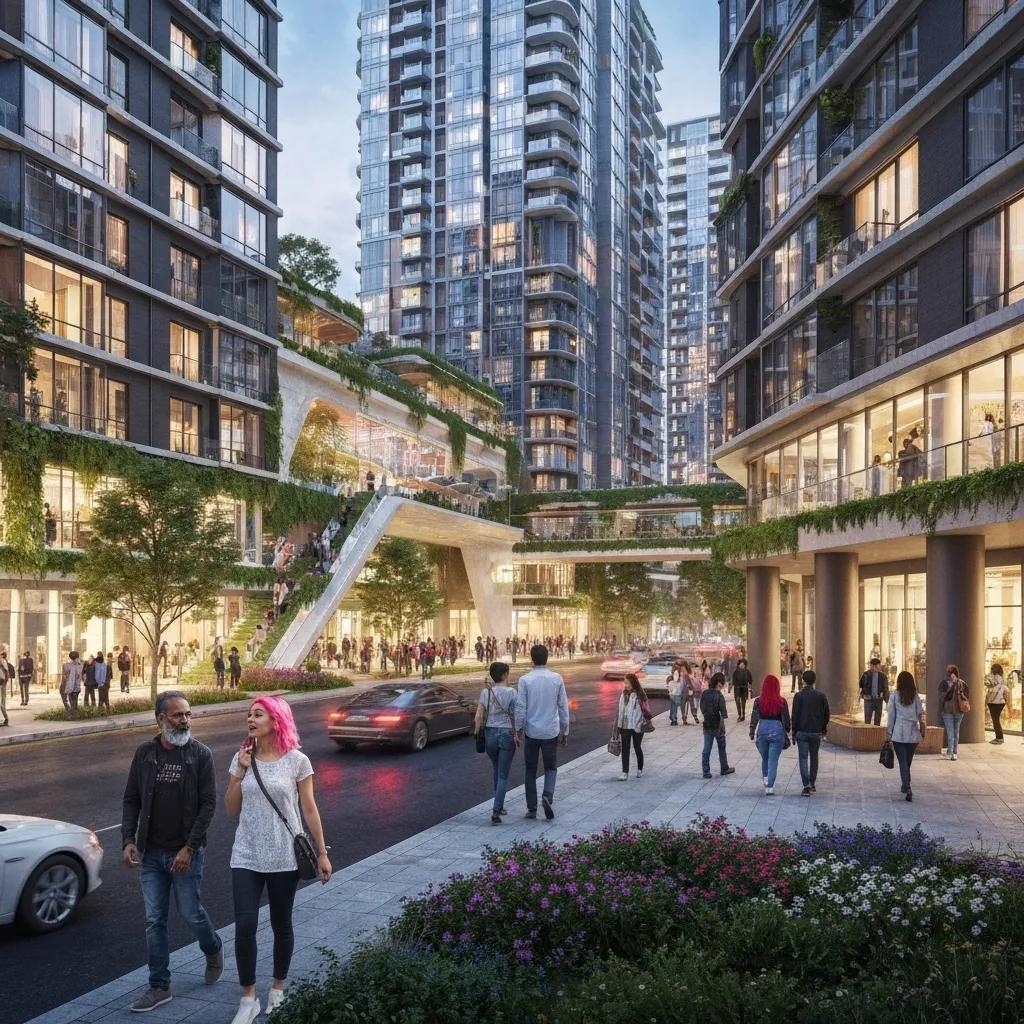
Property developers now consider pet amenities critical infrastructure, akin to fitness centers and coworking lounges. These features attract quality tenants and foster community bonds.
How Are Dedicated Dog Parks Designed to Meet Resident Needs?
A dedicated dog park provides controlled off-leash exercise, socialization, and training spaces that improve pet behavior and owner satisfaction.
These elements create a safe environment for daily activity and translate into lower noise complaints, higher resident satisfaction, and extended lease terms driven by pet-friendly infrastructure.
What Makes Luxury Pet Spas and Washing Stations Valuable for Renters?
On-site pet spas combine professional grooming equipment, deep-wash tubs, and drying stations to offer grooming services without off-site travel. Renters save time and avoid stress on their pets by accessing:
- Adjustable wash tubs that accommodate all sizes
- High-pressure sprayers and hypoallergenic shampoos
- Dedicated grooming tables with restraint systems
This convenience reduces damage to interior finishes and supports resident well-being by eliminating the hassle of transporting pets to external groomers.
Pet-Friendly Apartments: Top Amenities to Attract Owners
How Do Pet Concierge Services Enhance Urban Pet Ownership?
Pet concierge services transform routine care into a seamless experience, offering services such as dog walking, veterinary coordination, and in-home pet sitting. By integrating booking apps and vetted professionals, residents benefit from:
- Reliable, on-demand care when work schedules change
- Early illness detection through coordinated vet visits
- Social events planning, like group dog hikes or training classes
These offerings reinforce a property’s reputation for attentive service and nurture long-term tenant loyalty.
Why Are Indoor Pet Relief Areas and Pet-Friendly Common Spaces Important?
Indoor relief areas ensure hygiene and comfort regardless of weather, preventing accidents and minimizing odors in individual units. Combined with pet-friendly lounges, these enclosed areas:
- Provide climate-controlled relief for dogs and senior pets
- Offer quiet retreats for cats with scratching posts and hideaways
- Create additional hubs for social interaction among pet owners
By mitigating seasonal constraints, these spaces enhance overall quality of life and reduce stress on both pets and residents.
What Are the Top Amenities for Cats and Other Pets in Apartments?
Beyond dogs, successful pet-centric buildings cater to feline and small-animal enrichment:
- Vertical climbing walls and window perches encourage exercise and visual stimulation
- Interactive puzzle feeders promote mental engagement and slow feeding
- Quiet cat lounges with soft furnishings support rest and socialization
Addressing species-specific needs demonstrates inclusive pet policies and attracts a broader segment of pet-owning renters.
How Do Pet-Centric Amenities Benefit Property Managers and Residents?
Benefits of Pet-Friendly Amenities in Multifamily Residential Apartments
How Do Pet Amenities Increase Resident Satisfaction and Quality of Life?
On-site pet features deliver convenience, reduce stress, and improve well-being by integrating physical activity and social outlets into daily routines. Residents report elevated life satisfaction when their pets receive safe, stimulating environments, directly boosting positive word-of-mouth and property reputation.
What Is the Impact of Pet-Friendly Features on Occupancy and Lease Renewals?
Research shows that properties with dedicated pet amenities fill vacancies 30 percent faster and achieve 15 percent higher renewal rates. By positioning pet-centric features as core offerings, managers justify competitive rental rates and stabilize revenue through predictable lease terms.
How Do Pet-Centric Communities Foster Social Connections and Engagement?

Shared pet areas catalyze organic networking among residents, with scheduled events like adoption drives, training workshops, and “yappy hours.” These interactions form a meaningful community spirit, encourage mutual support for pet care, and foster long-lasting social ties.
In What Ways Do Pet Amenities Enhance Property Value and Competitive Advantage?
Properties with robust pet amenity portfolios differentiate themselves in saturated markets, commanding premium pricing and attracting discerning renters. The return on investment appears both through reduced turnover-related costs and increased brand equity as pet-friendly leaders in urban housing.
How Can Developers and Property Managers Implement Effective Pet-Inclusive Strategies?
Designing truly pet-inclusive properties requires aligning architecture, policy, and technology to support both comfort and durability.
What Architectural Design Considerations Support Pet Comfort and Durability?
Selecting scratch-resistant flooring, noise-dampening wall panels, and strategically placed relief zones reduces wear and tear while maintaining aesthetic appeal. Dedicated waste disposal chutes near pet areas and robust drainage in washing stations guarantee hygiene and preserve building integrity.
How Should Pet Policies Be Crafted for Fairness and Clarity?
Transparent policies—covering breed restrictions, pet deposits, registration processes, and noise guidelines—balance resident expectations with liability management. Offering tiered fee structures tied to amenity access encourages responsible ownership and supports community standards.
How Is Technology Integrated to Improve Pet Management in Apartments?
Smart pet doors with RFID access control, mobile booking portals for local pet services, and AI-enabled surveillance in common areas enhance security and convenience. These systems ensure streamlined operations and real-time accountability for pet activities.
What Emerging Trends and Innovations Are Shaping the Future of Pet-Centric Urban Living?
The next generation of pet-centric apartments blends advanced features with evolving lifestyle demands.
Which New Amenities and Technologies Are Gaining Popularity?
Emerging offerings include:
- Virtual reality playrooms where pets can engage with digital stimuli
- Automated feeding stations synced to owner smartphones
- Solar-powered cooling pods for outdoor pet areas
These innovations align with sustainability goals and push the envelope on resident expectations.
How Will Changing Demographics Influence Pet-Friendly Housing Demand?
As elder millennials and Gen Z form households, demand will shift toward multifunctional pet spaces that double as coworking pods or event venues. Anticipating these hybrid uses ensures long-term relevance and sustained competitive edge.
What Are the Best Practices for Marketing and Managing Pet-Friendly Apartment Buildings?
Strategic promotion and data-informed management amplify pet-centric value propositions and bolster business outcomes.
How Can Data-Driven Insights Improve Amenity Implementation and Resident Targeting?
Leveraging rentership analytics and pet-owner surveys reveals which amenities yield the highest satisfaction and retention. Mapping demographic clusters and pet-type prevalence guides cost-effective investment in specific features that resonate with target audiences.
What Role Does Structured Data and Schema.org Markup Play in Enhancing Online Visibility?
Implementing clear and nested descriptions in web content enables search engines to identify pet amenities as distinct entities. This practice triggers rich snippets, entity carousels, and improves discoverability for queries like “dog park apartment near me.”
How Can Property Managers Leverage Pet Amenities to Boost Resident Retention and Satisfaction?
By promoting success stories—such as faster lease renewals tied to pet events—and gathering testimonials from happy residents, managers reinforce trust and position their communities as pet-inclusive leaders. Regularly updating social feeds with amenity highlights and community gatherings keeps engagement high and reduces churn.
Pets have seamlessly woven themselves into the fabric of urban rental markets, creating new standards for lifestyle-oriented property design and management. Developers who embrace pet-centric architecture, clear policies, and cutting-edge technology unlock measurable ROI through higher occupancy, improved retention, and elevated brand standing. As demographics evolve and demand for enriched living grows, pet-friendly apartments with on-site amenities will define the competitive frontier of multifamily housing.