Why DIY Home Renovations Are Declining as Homeowners Choose Professional Contractors
Homeowners are increasingly abandoning DIY home renovations in favor of professional contractors as projects grow in complexity and stakes. This shift addresses critical pain points—unpredictable costs, safety risks, and suboptimal results—while promising quality craftsmanship and time savings. In this article, we will explore:
- Key market trends fueling DIY decline, from professional dominance to generational preferences
- Core reasons homeowners hire contractors, including quality, compliance, and ROI
- Economic drivers such as interest rates, home equity, and labor shortages
- Hidden costs and challenges that make DIY less appealing
- Project types most commonly outsourced and the rise of Do-It-For-Me (DIFM) services
- A framework to decide between DIY and professional renovations
By unpacking these themes, we reveal why professional services now dominate home improvement and how homeowners can make informed choices.
What Are the Key Market Trends Driving the Decline of DIY Home Renovations?
Market trends reflect a growing preference for professional services over DIY efforts as homeowners demand efficiency and guaranteed outcomes. Increased spending on licensed contractors illustrates that reliability and specialized expertise now outweigh the allure of cost savings through DIY.
How Has the Home Improvement Market Shifted Toward Professional Services?
The home improvement sector has shifted from amateur-led projects to contractor-dominated remodels due to rising project scope and technological advances in materials and systems. Homeowners now seek vendors with certified skills, turning toward general contractors and design-build firms for complex electrical, plumbing, and structural work.
What Statistics Show the Growth of Professional Renovation Demand?
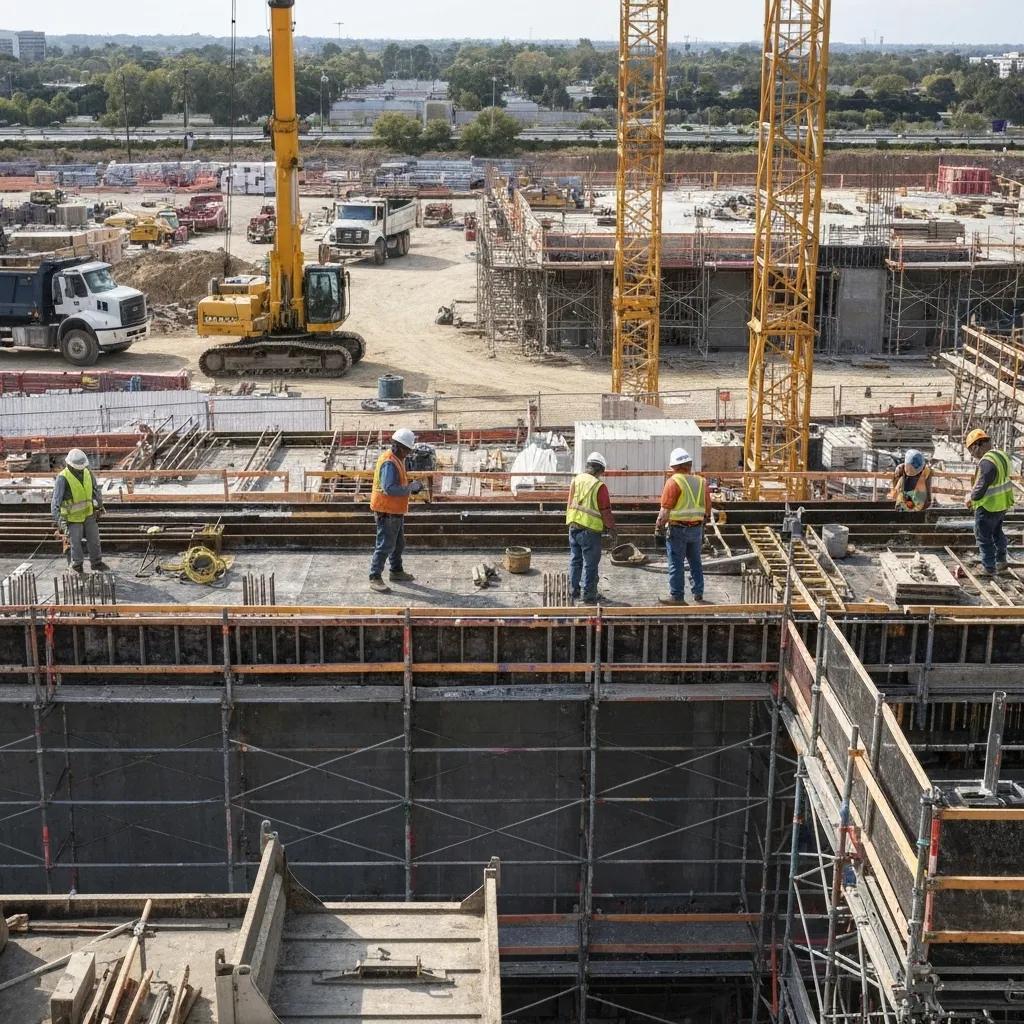
A surge in professional remodeling budgets and DIFM services confirms that contractors command the majority of spending.
Market Trends in Home Improvement
How Do Generational Preferences Influence DIY vs. Professional Choices?
Millennials and Gen X increasingly value convenience, expert guidance, and smart-home integration, leading them to hire contractors. Baby Boomers, facing mobility and code-compliance concerns, also prefer insured professionals. This generational shift emphasizes reliability and future resale value over DIY satisfaction, paving the way for widespread contractor engagement.
Why Are Homeowners Increasingly Hiring Professional Contractors?
Professional contractors offer comprehensive solutions that surpass DIY limitations through expertise, efficiency, and risk mitigation. Their involvement reduces project uncertainty while enhancing property value.
What Benefits Do Professional Home Renovations Offer Over DIY Projects?
Professional renovations deliver consistent quality, adhere to building codes, and often complete projects faster than an untrained homeowner.
- Contractors apply industry-standard techniques to ensure durable finishes and structural integrity.
- Certified teams guarantee compliance with local regulations and secure necessary permits.
Building Codes and Permits
- Project management services streamline scheduling, material procurement, and subcontractor coordination.
These advantages translate into higher craftsmanship and reduced rework, driving the professional trend.
How Do Professionals Ensure Safety, Compliance, and Insurance Coverage?
Before work begins, licensed contractors perform code reviews, secure permits, and maintain liability insurance. They implement safety protocols—such as OSHA-compliant scaffolding and proper site containment—to protect occupants and workers. Insurance coverage further shields homeowners from unexpected costs, reinforcing trust and enabling peace of mind.
How Does Hiring Professionals Impact Long-Term Value and ROI?
Investing in professional remodeling typically yields a 60–70% return at resale, compared to 30–40% for DIY upgrades. Structural improvements, energy-efficient installations, and high-end finishes installed by certified teams boost curb appeal and appraised values. This positive ROI encourages homeowners to choose pros for their ability to maximize long-term property gains and marketability.
What Economic Factors Are Influencing Homeowners to Choose Professionals?
Economic drivers such as rising interest rates, accessible home equity, and labor market constraints are steering homeowners toward professional services to optimize budgets and timelines.
How Do Interest Rates and Inflation Affect Renovation Decisions?
High interest rates and inflation increase borrowing costs and material expenses, prompting homeowners to seek contractors who can leverage trade discounts and minimize cost overruns. By financing through home equity loans at competitive rates, many remodelers use professional credit options that lower effective interest rates compared to unsecured DIY spending.
What Role Does Home Equity Play in Funding Professional Remodels?
Home equity lines of credit (HELOCs) enable homeowners to fund contractor fees and premium materials without depleting savings. With average U.S. home equity at 50–60%, leveraging this asset makes comprehensive professional renovations financially accessible, while expected property appreciation amortizes these investments over time.
Home Equity Loans for Remodeling
How Are Labor Shortages and Rising Costs Fueling the Professional Trend?
Skilled-labor shortages have driven up contractor rates by 8–12% annually. However, professional teams offset elevated labor costs through efficient workflows, bulk material purchasing, and subcontractor networks. Homeowners value these efficiencies more than DIY, where lack of access to vetted tradespeople prolongs schedules and amplifies expenses.
Construction Labor Shortage
What Are the Common Challenges and Hidden Costs of DIY Home Renovations?
DIY projects often incur unforeseen expenses and time commitments that erode anticipated savings and diminish project quality.
What Hidden Expenses Make DIY Projects More Costly Than Expected?

DIY ventures can accumulate extra costs in these ways:
- Specialized Tools: Purchasing or renting equipment such as tile saws or power sanders adds up.
- Material Wastage: Overbuying supplies to compensate for errors leads to excess.
- Rework: Correcting mistakes—such as misaligned cabinetry—doubles labor and material expenses.
Hidden Costs of DIY Projects
When Is DIY Not Worth the Time and Effort?
DIY efforts prove inefficient when projects:
- Demand advanced skills (electrical rewiring, structural modifications)
- Require precise finishes (custom millwork, high-end tiling)
- Involve extensive coordination (multiple trades, permits)
In such scenarios, professional crews complete work in a fraction of the time with higher quality, making DIY cost-benefit calculations favor contractor engagement.
How Does Time Commitment and Disruption Affect DIY Homeowners?
DIY renovations often extend beyond planned timelines, disrupting daily routines for weeks or months. On average, homeowners dedicate 150–200 hours per major project, leading to fatigue, safety risks, and potential cost increases if deadlines slip. Professional teams mitigate these disruptions through efficient scheduling and dedicated crews, minimizing occupant inconvenience.
How Are Popular Renovation Projects Driving the Shift Toward Professionals?
High-impact remodels—such as kitchens and bathrooms—require specialized expertise and precision, motivating homeowners to outsource these tasks to contractors.
Which Home Renovation Projects Are Most Commonly Outsourced to Contractors?
Homeowners most frequently hire contractors for:
- Kitchens: Complex cabinetry, plumbing, and electrical work
- Bathrooms: Waterproofing, fixture installation, and ventilation
- Additions and Structural Changes: Foundation work, framing, and load-bearing modifications
These projects demand coordination among multiple trades, reinforcing the professional preference for reliable outcomes.
How Do Project Complexity and Specialized Skills Influence Hiring Decisions?
Complex renovations involve advanced plumbing diagrams, HVAC integration, and permit compliance—skills that exceed average DIY capabilities. Contractors bring certified specializations, ensuring that technical requirements are met, reducing liability, and preserving property warranties. This specialized skill set cements their role in high-stakes remodeling jobs.
What Is the Rise of Do-It-For-Me (DIFM) Services and Its Impact on DIY Decline?
DIFM represents a hybrid model that packages design, procurement, and execution into one turnkey solution, fulfilling homeowner desires for convenience and quality.
How Does DIFM Cater to Homeowners Seeking Convenience and Quality?
DIFM providers offer end-to-end project management: interior design consultation, bulk purchasing power, and professional installation teams. Homeowners benefit from streamlined communication, consolidated billing, and single-point accountability, reducing coordination burdens common in DIY projects.
What Market Growth Projections Exist for DIFM in Home Improvement?
The DIFM segment reached USD 361.2 billion in 2024 and is projected to grow to USD 591.7 billion by 2034. Accelerated by labor shortages and consumer preference for hassle-free remodels, DIFM’s CAGR exceeds 5%, making it one of the fastest-growing channels in the home improvement market.
How Should Homeowners Decide Between DIY and Professional Renovations?
Homeowners can evaluate renovation options by balancing project scope, personal skills, and desired outcomes against cost, time, and risk factors.
What Factors Should Homeowners Consider When Choosing Renovation Options?
Key considerations include:
- Budget Constraints: Compare total project cost, including hidden DIY expenses
- Skill Level: Assess necessary technical competencies and safety requirements
- Project Complexity: Identify structural or code compliance needs
- Time Availability: Factor in personal schedule and potential disruptions
By mapping these factors against professional quotes, homeowners make informed, outcome-driven choices.
How Can Understanding Market and Economic Trends Inform Renovation Choices?
Awareness of rising contractor rates, interest-rate fluctuations, and home equity availability helps homeowners time projects strategically—applying for HELOCs or scheduling work during off-peak seasons to secure better contractor rates and material discounts.
When Is It Essential to Hire Licensed and Insured Contractors?
Hiring licensed and insured professionals is crucial when projects involve structural modifications, plumbing, or electrical systems—areas subject to building codes and safety regulations. Contractors’ insurance also protects homeowners from liability, ensuring compliance and peace of mind throughout the renovation process.
Homeowners increasingly recognize that professional contractors deliver reliable craftsmanship, risk management, and long-term property value that DIY efforts often cannot match. Economic pressures, evolving market trends, and rising project complexity further reinforce this shift, making professional services the preferred path for modern renovations. By evaluating budget, scope, and expertise requirements, homeowners can confidently choose the solution—DIY, DIFM, or full contractor engagement—that best aligns with their goals and safeguards their investment.