The Comeback of the Dinner Party: Why People Are Hosting Again and How to Embrace Modern Hosting Trends
Dinner parties have surged back into the social spotlight as friends crave deeper connections in a post-pandemic world. Hosts often struggle with balancing meaningful interaction, modern expectations, and stress-free execution, yet strategic hosting transforms a simple meal into an immersive communal experience. This guide explores why dinner parties are making a comeback post-pandemic, unveils the latest trends and themes, outlines stress-free planning and essential etiquette, examines social and psychological benefits, and offers creative, interactive elements alongside generational insights. You’ll gain actionable strategies to host intimate gatherings that foster authenticity, sustainability, and lasting friendship.
Why Are Dinner Parties Making a Comeback Post-Pandemic?
Dinner parties are reemerging as pivotal social gatherings because the post-pandemic period reshaped how people value face-to-face interaction, driving hosts to reclaim intimate home entertaining—such as small group dinners where friends share meaningful conversations—while reinforcing bonds and shared memories.
Prioritizing genuine connection after months of remote calls, many now view the dining table as a sanctuary for authenticity. Shifting social norms encourage casual settings over formal banquets, and hosts are finding renewed joy in creating welcoming atmospheres. These shifts set the stage for exploring the modern themes and practical insights that follow.
What Drives the Post-Pandemic Desire for Authentic Connection?
The post-pandemic desire for authentic connection stems from prolonged social isolation that heightened appreciation for communal experiences, leading individuals to prioritize gatherings centered on shared meals and heartfelt conversation. This longing manifests in:
- Rekindled friendships through regular at-home dinners.
- Emotional safety found in small-group settings.
- Meaningful rituals like cooking together to reaffirm community.
These motivations underscore why hosts are investing in more intentional entertaining practices and pave the way toward evolving etiquette and benefits.
How Have Social Norms Shifted Toward More Intimate and Casual Gatherings?
Social norms have shifted from formal dining events to intimate, casual gatherings driven by flexibility and inclusivity. Hosts now favor relaxed table settings, interactive food stations, and flexible seating over strict seating charts. This trend has:
- Encouraged potluck-style collaboration.
- Promoted mix-and-mingle over assigned places.
- Reduced pressure on flawless presentation.
As decor becomes more personal and less rigid, the emphasis on authentic conversation naturally follows, guiding us to consider the psychological rewards of hosting.
What Psychological Benefits Do Hosts and Guests Experience?
Hosting and attending dinner parties deliver significant psychological benefits by stimulating oxytocin release, reducing feelings of loneliness, and fostering a sense of belonging. Guests experience heightened mood through shared laughter, while hosts gain a sense of accomplishment and social confidence. Together, these effects:
- Improve mental well-being through communal bonding.
- Alleviate stress via structured social interaction.
- Reinforce self-esteem through positive feedback.
These mental health gains motivate hosts to keep gathering around the table and lead into how different generations amplify this revival.
How Are Generations Like Gen Z and Millennials Influencing This Revival?
Generations such as Gen Z and Millennials are redefining dinner parties by blending digital inspiration with inclusive values, prioritizing experiences over extravagance. Gen Z hosts often integrate plant-based menus and interactive tech, while Millennials merge nostalgic themes with sustainable decor. Their influence:
- Spurs creative fusion menus and theme nights.
- Drives eco-friendly practices and mindful sourcing.
- Engages social media as a collaborative planning hub.
These generational styles inform the trends and themes we explore next.
What Are the Latest Modern Dinner Party Trends and Themes?
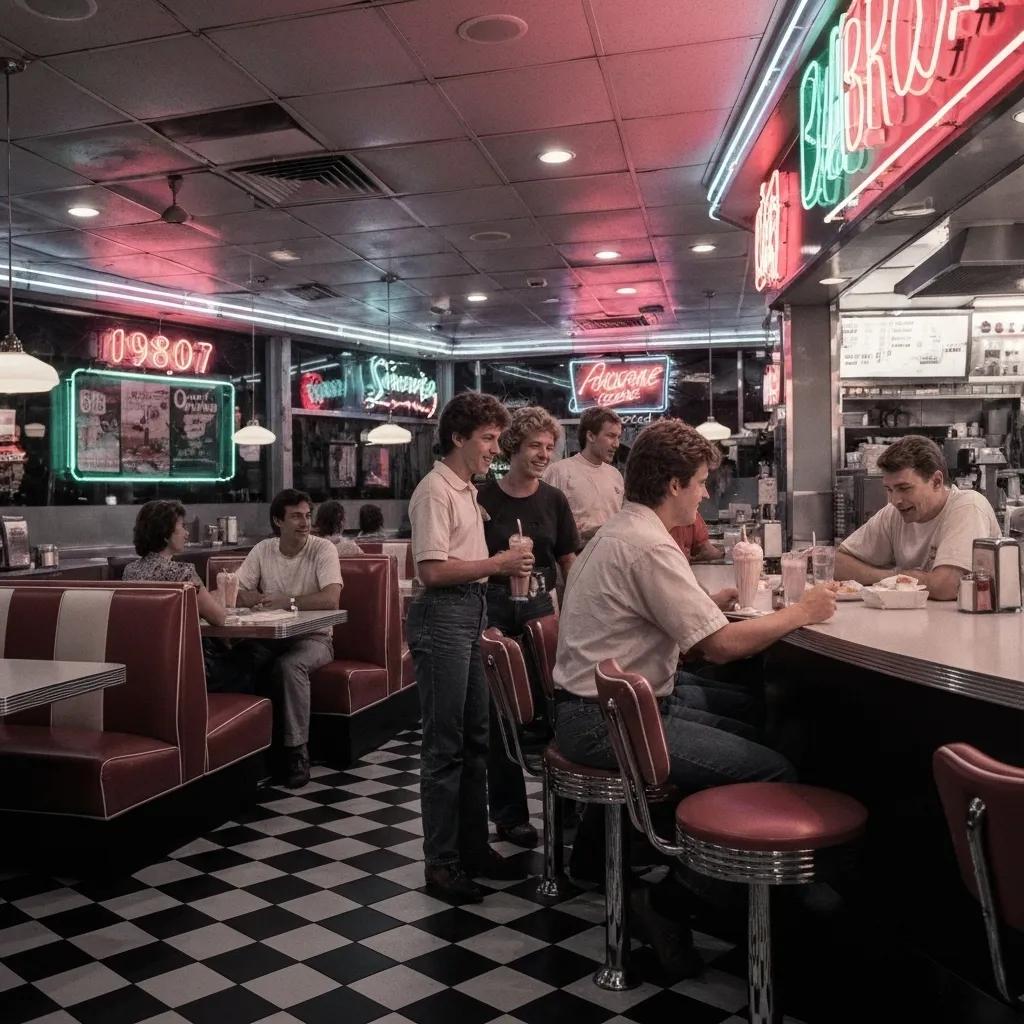
Modern dinner party trends center on immersive themes, sustainability, and sensory ambiance that elevate home entertaining beyond a meal into an experience.
Understanding these themes clarifies how modern hosts balance creativity with authenticity and sets up our next focus on eco-conscious hosting practices.
Which Dinner Party Themes Are Popular in 2025 and Beyond?
The most popular themes for 2025 include narrative-driven gatherings like “Storytelling Suppers,” interactive chef’s tables, and multi-course tasting journeys that double as educational experiences. These concepts engage guests intellectually and emotionally, reinforcing connection through shared discovery.
How Is Sustainability Shaping Eco-Conscious Hosting Practices?
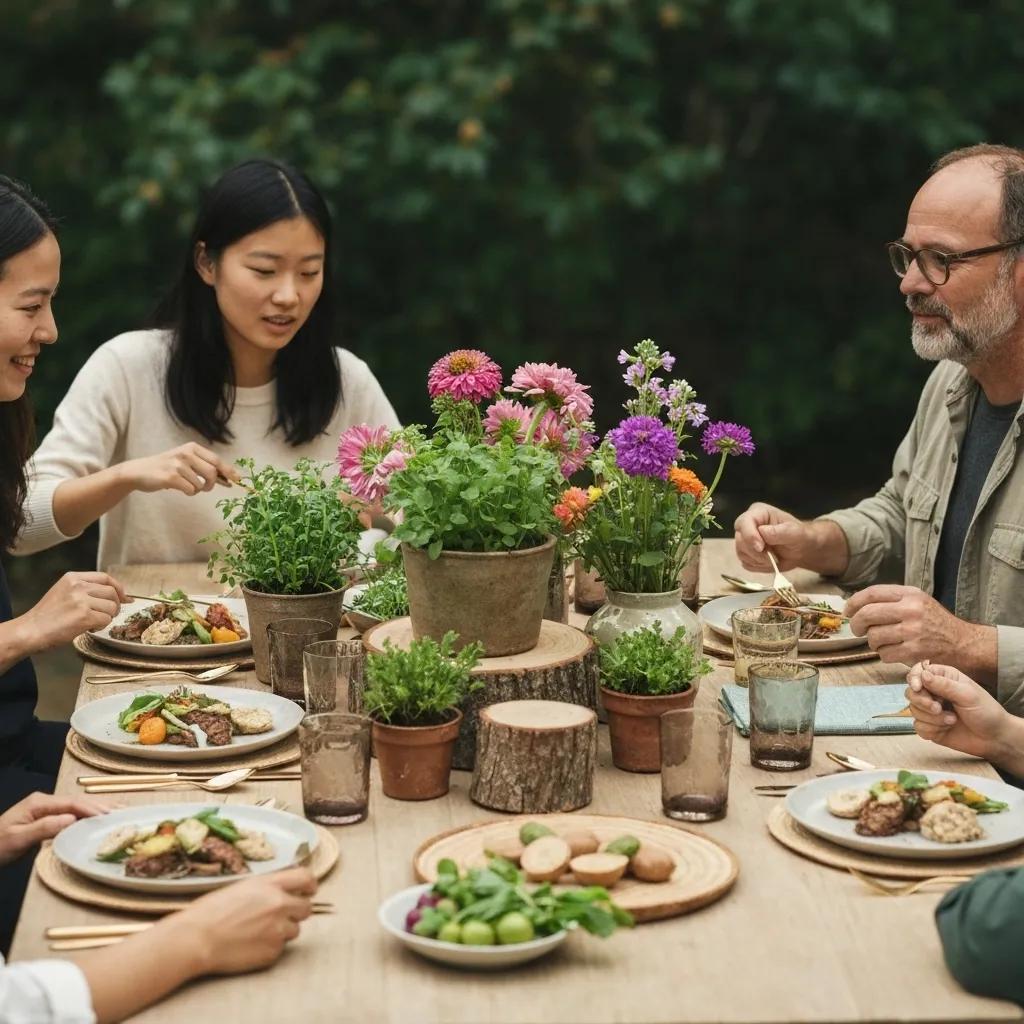
Eco-conscious hosting practices emphasize zero-waste menus, reusable tableware, and locally sourced ingredients to minimize environmental impact. Hosts now:
- Opt for compostable napkins and upcycled centerpieces.
- Source meat alternatives or seasonal produce.
- Partner with local farms for direct delivery.
These practices deepen the meaning of togetherness by aligning communal gatherings with shared responsibility.
What Role Do Tablescaping and Ambiance Play in Modern Hosting?
Thoughtful tablescaping and ambiance design guide sensory engagement and set the tone for connection. Lighting, textures, and curated playlists work together to:
- Create emotional warmth through soft candlelight.
- Encourage conversation via unobtrusive soundscapes.
- Reinforce themes with cohesive color palettes.
Ambiance planning naturally leads into how social media fuels creative hosting ideas.
How Are Social Media Platforms Inspiring Creative Dinner Party Ideas?
Platforms like Instagram, TikTok, and Pinterest serve as virtual mood boards where hosts discover tablescape tutorials, recipe hacks, and interactive game concepts, driving rapid trend diffusion. User-generated content inspires fast adoption and adaptation of novel decorating and menu techniques.
How Can You Plan and Host a Stress-Free Dinner Party?
Planning and hosting a stress-free dinner party requires proactive strategies that streamline cooking, decor, and guest coordination to allow hosts to focus on genuine interaction. By combining efficient prep with simplified design, hosts can enjoy the evening as much as their guests.
What Are Easy Dinner Party Recipes and Menu Planning Tips?
Easy dinner party recipes center on make-ahead dishes and flexible menus that accommodate dietary preferences.
Streamlining recipes ensures a calm hosting experience and transitions into guest list and invitation creation.
How Do You Create the Perfect Guest List and Invitations?
Crafting the ideal guest list balances personalities and group dynamics to foster engaging conversations. Hosts should consider:
- Mixing new faces with familiar friends to spark fresh dialogue.
- Limiting numbers to maintain intimacy.
- Sending invitations that set clear tone and theme expectations.
Intentional invitations lay the groundwork for effortless conversation and lead us to interactive engagement strategies.
What Conversation Starters and Activities Foster Connection?
Encouraging connection through guided prompts and lighthearted activities helps guests engage deeply and comfortably. Ideas include:
- “Two-Truths-and-a-Lie” icebreakers.
- Shared storytelling rounds tied to menu ingredients.
- Collaborative tasting polls for next-course selection.
These elements break the ice and prepare hosts to address common hosting anxieties.
How Can Hosts Manage Hosting Anxiety and Stress Effectively?
Effective stress management techniques combine mindfulness and delegation so hosts can remain present. Key strategies:
- Enlist a co-host or friend for beverage service.
- Implement simple rituals like a pre-dinner moment of gratitude.
- Use checklist tools to track tasks in advance.
These approaches reduce pressure and guide smooth transitions into etiquette considerations.
What Are the Essential Modern Dinner Party Etiquette Rules for Hosts and Guests?
Modern dinner party etiquette defines respectful behavior and thoughtful hosting practices that support comfort and inclusivity. Embracing clear guidelines ensures all participants feel valued and at ease.
What Are the Key Etiquette Guidelines for Guests?
Guests should arrive on time, respect dress code cues, and engage in active listening. Polite behavior includes:
- Confirming dietary needs before the event.
- Offering genuine compliments on food and decor.
- Limiting phone use to essential communication.
Following these guidelines fosters a welcoming atmosphere and transitions to host responsibilities.
How Should Hosts Welcome and Entertain Guests Thoughtfully?
Thoughtful hosts greet each guest personally, offer a signature welcome drink, and facilitate introductions among attendees. They anticipate needs by:
- Providing clear coat and bag storage.
- Explaining any interactive elements or serving stations.
- Checking in discreetly throughout the evening.
Warm hospitality prepares everyone for a respectful dining environment and highlights dietary considerations next.
How Can Dietary Restrictions and Preferences Be Navigated Respectfully?
Inclusive hosting means labeling dishes clearly and offering alternatives such as gluten-free or vegetarian options. Hosts can also:
- Create a shared digital menu ahead of time.
- Encourage open dialogue about preferences.
- Provide neutral dressings and toppings for customization.
Respectful accommodation leads to the role of host gifts and thoughtful gestures.
What Is the Role of Host Gifts and Thoughtful Gestures?
Small host gifts like artisanal chocolates or potted herbs express appreciation and reinforce community bonds. Thoughtful gestures—such as handwritten thank-you notes—elevate the post-dinner experience and encourage continued hospitality.
What Are the Benefits of Hosting Dinner Parties for Social Connection and Community?
Hosting dinner parties yields tangible social benefits by strengthening friendships, improving mental health, and reflecting evolving cultural values around home and community. Gathering around the table catalyzes deeper bonds and collective well-being.
How Do Dinner Parties Strengthen Friendships and Social Bonds?
Shared meals foster trust and mutual understanding as guests reveal personal stories and collaborate on small tasks. This cooperative environment builds rapport that extends beyond the evening.
In What Ways Does Hosting Improve Mental Health and Wellbeing?
Putting effort into hosting elevates mood and self-esteem through positive social feedback and oxytocin release. Regular gatherings reduce feelings of isolation and contribute to overall life satisfaction.
How Does Hosting Reflect and Support Evolving Social Trends?
Contemporary hosting aligns with trends in sustainability, experiential entertainment, and digital community engagement, demonstrating how social gatherings adapt to cultural shifts while preserving core human needs.
Why Is Home the Preferred Location for Post-Pandemic Gatherings?
Homes offer controlled, intimate environments where safety and comfort can be prioritized. This preference underscores the renewed value placed on personal space as a backdrop for authentic connection.
How Can You Incorporate Interactive and Creative Elements into Your Dinner Party?
Interactive and creative elements elevate engagement by inviting guests to co-create the experience, making each dinner feel unique and memorable.
What Interactive Tools and Games Enhance Guest Experience?
Tools such as digital polling apps for menu decisions or conversation-starter card decks encourage participation and laughter. These interactive features keep energy high and conversations flowing.
How Can Curated Playlists and Ambiance Elevate the Event?
Thoughtfully assembled playlists align with themes or guest demographics, guiding emotional tone from welcome drinks through dessert. Music and scent elements work together to shape a cohesive sensory journey.
What DIY Decor and Tablescaping Ideas Are Trending?
Hands-on decor projects like foraged centerpiece workshops or personalized place cards invite guests into the creative process. This collaborative decor approach fosters ownership and shared pride in the event.
How Can Hosts Use Technology to Simplify Planning and Execution?
Digital planning tools—including shared calendars, automated RSVP trackers, and recipe apps—streamline logistics and free hosts to focus on genuine interaction rather than administrative tasks.
How Are Generational Hosting Styles Redefining Dinner Parties Today?
Generational hosting styles reflect distinct values and aesthetics that influence event format, technology use, and social priorities, demonstrating how each cohort renovates the dinner party tradition.
What Are Gen Z’s Unique Approaches to Hosting and Entertaining?
Gen Z hosts embrace social activism, DIY decor, and live-streamed segments that combine in-person gatherings with online communities. Their events often highlight sustainability and creative expression.
How Do Millennials Blend Tradition and Innovation in Dinner Parties?
Millennials strike a balance between nostalgic recipes and modern design—pairing family heirloom dishes with minimalist tableware or digital mood boards. This fusion honors heritage while encouraging experimentation.
What Challenges and Preferences Do Younger Hosts Face?
Younger hosts often juggle cost constraints, social media expectations, and limited experience. They prefer flexible, low-pressure formats that allow for last-minute adjustments and peer-driven input.
How Can Hosts Across Generations Connect Through Shared Experiences?
Intergenerational gatherings thrive by blending age-inclusive activities—such as collaborative cooking demos—and asking open-ended questions that spark cross-age storytelling, reinforcing shared humanity.
Dinner parties are once again at the heart of authentic social life, uniting diverse hosts and guests around the pursuit of togetherness. By embracing modern trends, sustainable practices, stress-free planning, respectful etiquette, and interactive elements tailored to every generation, hosts can create memorable experiences that enrich mental wellbeing and community bonds. As you incorporate these insights into your next gathering, you’ll cultivate meaningful connection and inspire others to carry forward the revived tradition of home entertaining.