Rise of the Car-Free Lifestyle in Mid-Sized American Cities: Benefits, Challenges, and Implementation Strategies
Nearly one-third of urban greenhouse gas emissions stem from private vehicles, making the car-free lifestyle a powerful solution for mid-sized American cities seeking cleaner air and stronger communities. This article demonstrates how eliminating personal cars delivers environmental gains, economic savings, health improvements, and vibrant community life. Readers will explore key benefits, infrastructure development, leading city examples, personal transition steps, essential planning measures, major challenges, and alignment with broader sustainable urban living trends. By unpacking each theme—from air-quality impacts to mixed-use zoning—this guide equips city leaders, planners, and residents to embrace car-free living and transform urban experiences.
What Are the Key Benefits of a Car-Free Lifestyle in Mid-Sized American Cities?
A car-free lifestyle eliminates daily reliance on private automobiles, promotes sustainable mobility, and unlocks urban advantages. By reducing vehicle miles traveled, cities improve air quality, save residents money, and foster social well-being—an example being a downtown converted to pedestrian priority that saw retail foot traffic rise by 35%. Understanding these benefits lays the foundation for the infrastructure upgrades required to support car-free living.
How Does Car-Free Living Improve Air Quality and Reduce Emissions?
Car-free living reduces tailpipe pollutants by cutting vehicle trips and supports public transit and active transport alternatives.
- Nitrogen Oxides Reduction – Shifting to buses and trains lowers NOx by up to 38%.
- Particulate Matter Decline – Fewer personal vehicles drop PM2.5 concentrations by 22%.
- CO₂ Emissions Savings – Eliminating single-occupancy car trips cuts city-center CO₂ by 14%.
[The Impact of Public Transit on Air Quality]
These emission reductions directly benefit respiratory health and set the stage for economic gains from cleaner environments.
What Economic Savings and Local Business Growth Result from Car-Free Living?
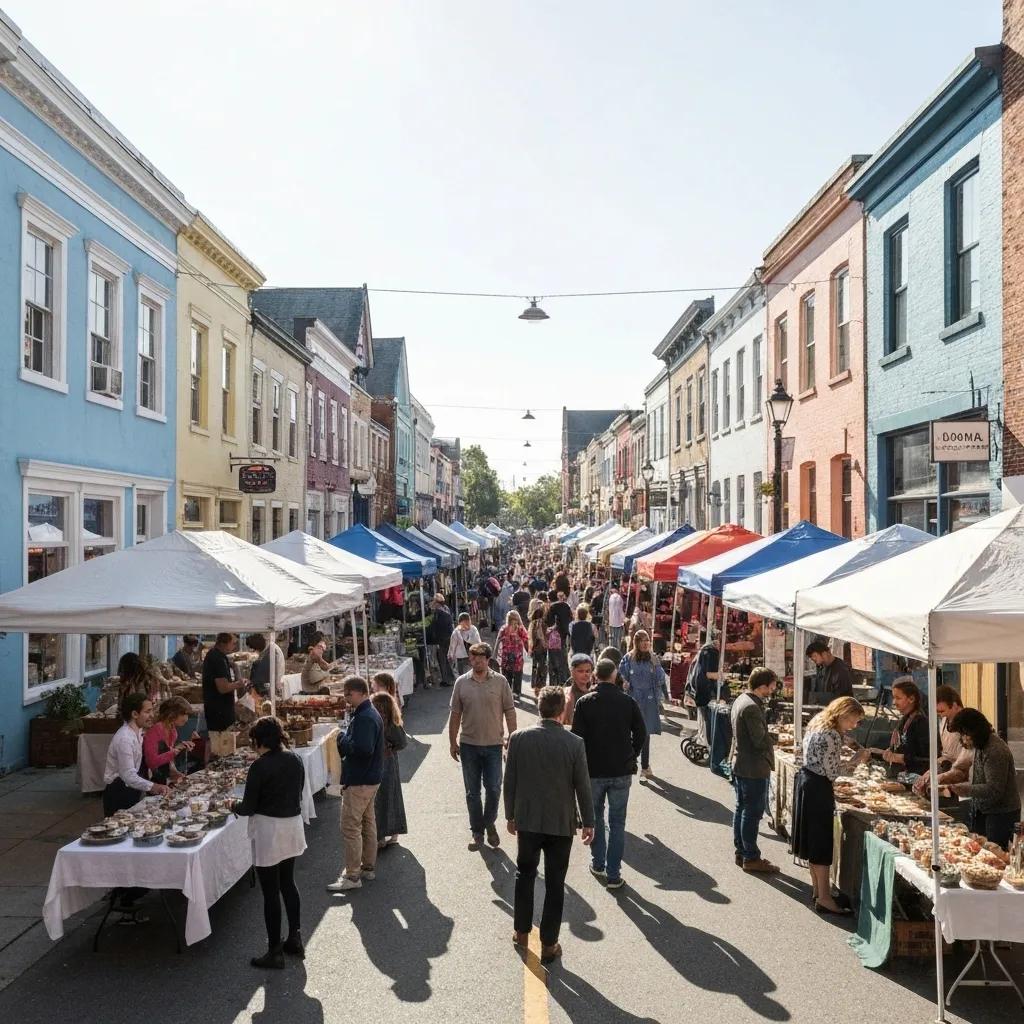
Reducing car reliance saves households thousands of dollars annually in fuel, maintenance, and insurance, while pedestrianized zones boost nearby storefront revenues.
- Households can save an average of $4,600 per year by transitioning to public transit and biking.
- Local businesses in car-free districts often experience a 20–50% increase in foot traffic.
- Parking revenue can be repurposed into parklets and markets, enhancing local economies.
[Economic Benefits of Car-Free Zones]
These savings demonstrate how personal finance improvements connect to vibrant street-level commerce and community vitality.
How Does a Car-Free Lifestyle Enhance Community Health and Social Well-Being?
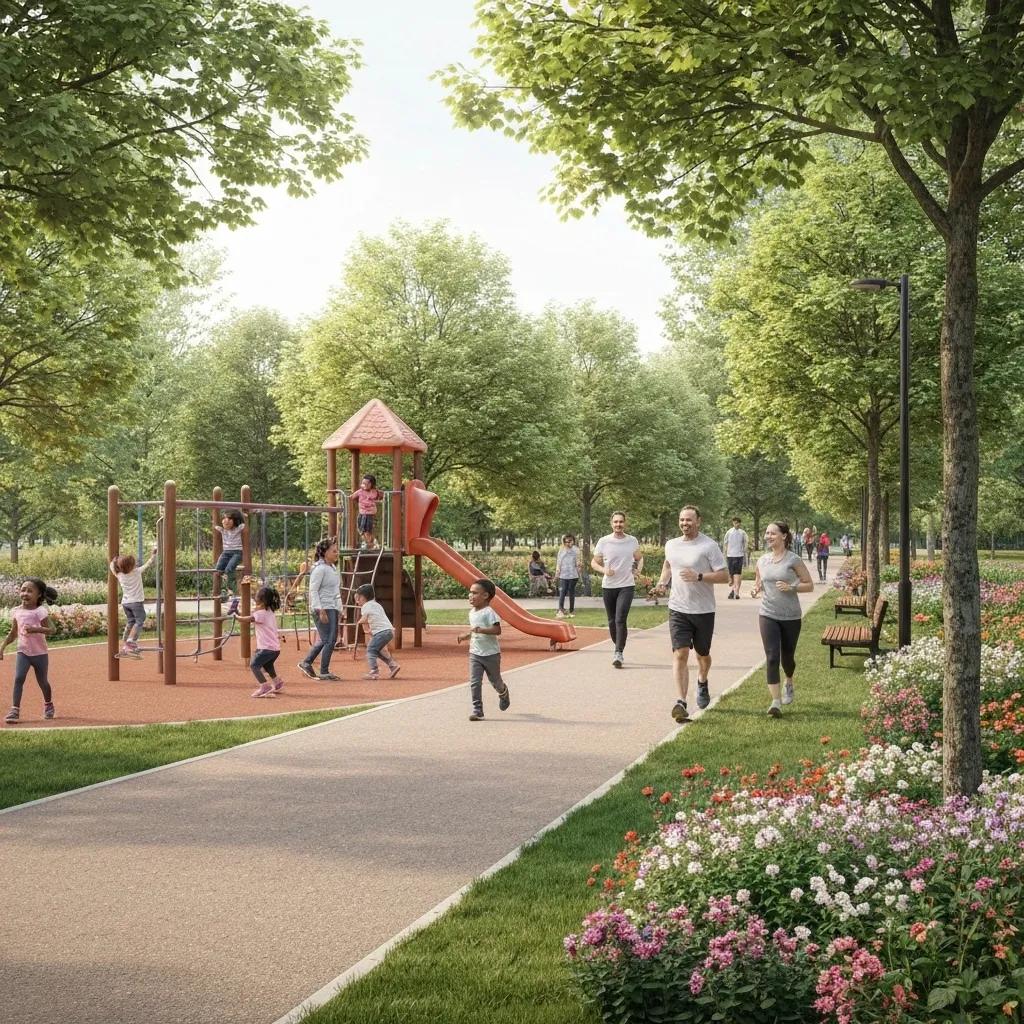
A shift away from private cars promotes active lifestyles, reduces traffic accidents, and strengthens neighborhood cohesion.
- Physical Activity: Walking and cycling for errands improve cardiovascular fitness and reduce chronic disease risk.
- Safety: Pedestrian zones report a 40% decline in traffic-related injuries.
- Social Interaction: Shared public spaces foster community events and informal encounters.
[Health and Safety in Pedestrian-Focused Environments]
By prioritizing people over vehicles, communities cultivate healthier, more connected urban environments and prepare for necessary infrastructure enhancements.
How Can Mid-Sized American Cities Develop Infrastructure to Support Car-Free Living?
Building a supportive network for a car-free lifestyle requires integrated transit, pedestrian, and technology systems. Defining a multimodal framework ensures seamless mobility options that replace private cars and sustain urban vitality. As cities plan, they must evaluate public transit, walkability, and smart technology to meet evolving resident needs.
What Public Transit Solutions Are Most Effective in Mid-Sized Cities?
Public transit systems—bus rapid transit (BRT), light rail, and shuttle services—offer reliable alternatives to car use.
- Bus Rapid Transit: Dedicated lanes and off-board fare payment yield 15–20% faster commutes.
- Light Rail Extensions: Connecting suburbs to downtown reduces traffic by 12%.
- Micro-Shuttle Connectors: On-demand vans serve low-density neighborhoods, bridging first-mile/last-mile gaps.
Investing in these services enables residents to travel efficiently without personal vehicles and supports broader walkable and bikeable networks.
How Can Walkability and Bikeability Be Designed for Active Transportation?
Designing safe, continuous sidewalks and protected bike lanes encourages everyday walking and cycling.
- Complete Streets incorporate wide sidewalks, pedestrian refuges, and traffic-calming measures.
- Protected Bike Lanes reduce collision risks by separating cyclists from vehicular traffic.
- Bike Parking and Repair Stations at transit hubs make cycling practical for mixed trips.
These design elements connect neighborhoods, enhance public health, and integrate smoothly with smart technologies.
What Role Do Smart City Technologies Play in Enabling Car-Free Mobility?
Smart sensors, real-time data, and Mobility-as-a-Service (MaaS) platforms empower users to plan car-free journeys effortlessly.
- Real-Time Transit Apps display arrival times and capacity to optimize trip choices.
- Dynamic Micro-Mobility Routing suggests safe, efficient cycling and walking paths.
- Integrated Payment Systems unify fares for transit, bike-share, and e-scooters in one account.
Leveraging these innovations enhances user experience and reinforces the transition from car dependency.
Which Mid-Sized American Cities Are Leading the Car-Free Movement and What Can We Learn?
Several American cities demonstrate successful car-free strategies by combining policy, design, and community engagement. Studying these case studies reveals transferable lessons for other mid-sized urban centers seeking sustainable mobility.
What Are Successful Car-Free Initiatives in Honolulu, Madison, and Pittsburgh?
What Lessons Can Be Drawn from Global Car-Free Cities Like Barcelona and Copenhagen?
Barcelona’s superblocks and Copenhagen’s bicycle superhighways showcase scalable policies for mid-sized cities.
- Block-Level Traffic Limits create pedestrian priority areas and reduce noise by 50%.
- High-Capacity Bike Routes connecting suburbs to core neighborhoods support 60% cycling modal share.
By adapting these proven models, American cities can accelerate their own car-free transformations.
How Have These Cities Overcome Policy, Funding, and Public Resistance?
Engaging stakeholders, securing grants, and demonstrating early wins proved essential to success.
- Inclusive Planning Workshops address resident concerns and build consensus.
- Public-Private Partnerships fund pilot programs like bike-share and plaza demonstrations.
- Phased Implementation uses temporary installations to showcase benefits before permanent changes.
These strategies illustrate how overcoming resistance paves the way for lasting car-free zones.
How Can Individuals Transition to a Car-Free Lifestyle in Mid-Sized American Cities?
Going car-free offers personal freedom, cost savings, and healthier routines. Defining clear steps for residents ensures a smooth shift away from car ownership and toward multimodal travel habits.
What Are the Financial Benefits of Living Without a Car?
Eliminating car ownership reduces fixed and variable expenses and frees up household budgets.
- No Loan or Lease Payments saves an average of $6,000 annually.
- Lower Insurance Premiums reduce annual costs by $1,200.
- Shared Mobility Spending on car-share and transit stays under $2,000 per year.
These savings demonstrate how car-free residents can redirect funds toward housing, health, or local experiences.
How Do Residents Navigate Daily Life Without Personal Vehicles?
Residents rely on integrated transit services, walking, and cycling for errands, commuting, and leisure.
- Trip Planning with real-time apps coordinates multi-modal trips.
- Car-Share Memberships offer occasional access for out-of-town travel.
- Delivery Services for groceries and goods fill gaps in non-motorized routines.
Adopting these tactics makes daily life seamless and prepares individuals for collective urban improvements.
How Can Community Transportation Networks Support Car-Free Living?
Coordinated networks—ride-pools, volunteer driver programs, and micro-transit co-ops—fill niche mobility needs.
- Ride-Pool Matching connects neighbors with similar schedules.
- Volunteer Shuttle Services transport seniors and persons with disabilities.
- Co-operative Micro-Transit offers flexible routes governed by local boards.
These community-driven solutions reinforce public systems and ensure equitable access across neighborhoods.
What Urban Planning and Policy Measures Are Essential for Car-Free Zones in Mid-Sized Cities?
Establishing car-free zones demands supportive zoning, incentives, and clear governance structures. Defining these measures ensures car-free districts deliver maximum social and environmental returns.
How Does Mixed-Use Development Promote Sustainable Car-Free Communities?
Mixed-use development combines residential, commercial, and recreational spaces to reduce travel distances.
- Compact Neighborhoods enable errands and leisure within walking distance.
- Ground-Floor Retail and Housing Above maintain street activity throughout the day.
- Zoning Flexibility encourages live-work units and reduces peak-hour commuting.
This integrated approach aligns land use with mobility needs and primes districts for car-free success.
What Policies Encourage Public Transit and Active Transportation Investments?
Targeted policies and incentives channel resources into sustainable modes.
- Transit-Oriented Development (TOD) Incentives grant density bonuses near stations.
- Complete Streets Mandates require pedestrian and cycling considerations in all projects.
- Mobility Funding Pools allocate a share of general revenues to non-automotive transport.
These frameworks institutionalize support and sustain long-term car-free infrastructure.
How Can Cities Repurpose Car Infrastructure to Enhance Green Spaces and Walkability?
Transforming parking lots and redundant roadways into parks and plazas reclaims public realm.
- Green Corridors convert former lanes into tree-lined promenades.
- Parklet Programs convert parking spaces into seating and gathering areas.
- Shared-Space Streets remove curbs to create flexible pedestrian environments.
Repurposing these assets enriches urban life and cements the transition away from car dominance.
What Are the Main Challenges Facing the Rise of Car-Free Lifestyles in Mid-Sized American Cities?
Implementing car-free initiatives encounters political, financial, and equity hurdles. Identifying these challenges and addressing them head-on ensures sustainable outcomes and broad support.
How Do Cities Address Public and Political Resistance to Car-Free Initiatives?
Transparent dialogue, pilot programs, and data-driven results build trust and overcome skepticism.
- Community Advisory Panels co-design pilot zones with residents.
- Temporary Demonstrations show benefits before permanent changes.
- Performance Reporting provides clear metrics on safety, air quality, and commerce.
These tactics create credibility, shape policy consensus, and guide future expansions.
What Are the Financial and Infrastructure Barriers to Implementation?
Securing funding and retrofitting streets often strain municipal budgets and technical capacity.
- High Capital Costs for BRT lanes and protected bike networks.
- Maintenance Funding Gaps threaten long-term viability of new assets.
- Staffing Expertise in multimodal planning remains limited in some cities.
Overcoming these barriers requires creative financing, grant applications, and workforce upskilling.
How Can Cities Ensure Equity and Accessibility in Car-Free Planning?
Equitable car-free zones deliver benefits to all residents, regardless of income or ability.
- Sliding-Scale Transit Fares make public transport affordable to low-income riders.
- Universal Design Standards ensure sidewalks and stations accommodate disabilities.
- Targeted Outreach includes non-English speakers and underserved neighborhoods.
Embedding equity from the start secures inclusive, resilient car-free communities.
How Does the Rise of Car-Free Living Align with Broader Sustainable Urban Living Trends?
Car-free living intersects with climate action, quality-of-life improvements, and long-term planning goals. Demonstrating these alignments underscores the strategic importance of zero-car districts in modern urban agendas.
How Does Car-Free Living Contribute to Climate Change Mitigation?
Reducing private vehicle use cuts transportation’s carbon footprint and supports citywide emissions targets.
- Lower CO₂ Emissions accelerate progress on net-zero pledges.
- Reduced Fossil Fuel Consumption lessens dependence on nonrenewable energy.
- Increased Urban Greenery from repurposed spaces sequesters carbon and cools neighborhoods.
These climate benefits connect car-free policies to global sustainability commitments.
What Is the Impact on Quality of Life and Urban Well-Being?
Car-free lifestyles foster calmer, safer, and more social urban environments.
- Noise Reduction from traffic restrictions improves mental health.
- Active Public Spaces boost satisfaction and civic pride.
- Improved Accessibility for children, elderly, and persons with disabilities enhances inclusion.
By centering people over cars, cities reinforce holistic well-being trends.
How Are Mid-Sized Cities Integrating Car-Free Concepts into Long-Term Urban Planning?
Embedding car-free principles into comprehensive plans ensures durable transformations.
- Mobility Master Plans set multi-modal targets and budgets for decades.
- Zoning Reform prioritizes density near transit and limits parking minimums.
- Performance Metrics track mode share, emissions, and public health outcomes.
These strategic frameworks anchor car-free living in every stage of urban development.
Car-free lifestyles empower mid-sized American cities to achieve cleaner air, stronger local economies, and healthier communities without sacrificing mobility. By combining targeted infrastructure, policy measures, and inclusive engagement, cities can overcome barriers and scale car-free zones. As individuals adopt multimodal habits and planners embed people-centered design, the transition to car-free living aligns with global climate goals and elevates urban quality of life. Embracing this shift today lays the groundwork for resilient, vibrant cities of tomorrow.