Bio-Sheen’s Silk From Yeast Startup Raises Series A to Advance Sustainable, Cruelty-Free Textile Innovation
Bio-Sheen has engineered a breakthrough yeast-based silk that replicates the strength and luster of natural silk without harming silkworms or straining ecosystems. This innovation promises to disrupt textiles by delivering high-performance fiber through synthetic biology, paired with a recent Series A funding boost to scale commercialization. In this article, we explore:
- Core yeast fermentation technology and its cruelty-free advantages
- Details of the Series A round and strategic uses of capital
- Market drivers behind sustainable fashion and bio-fabricated silk
- Key applications, material benefits, and competitive positioning
- Operational hurdles in scaling production and regulatory considerations
- Long-term impact of new funding on the biotech-fashion landscape
By weaving together scientific depth with business context, this analysis reveals how Bio-Sheen is poised to lead a green tech revolution in materials science.
What is Bio-Sheen’s yeast-based silk technology and how does it work?
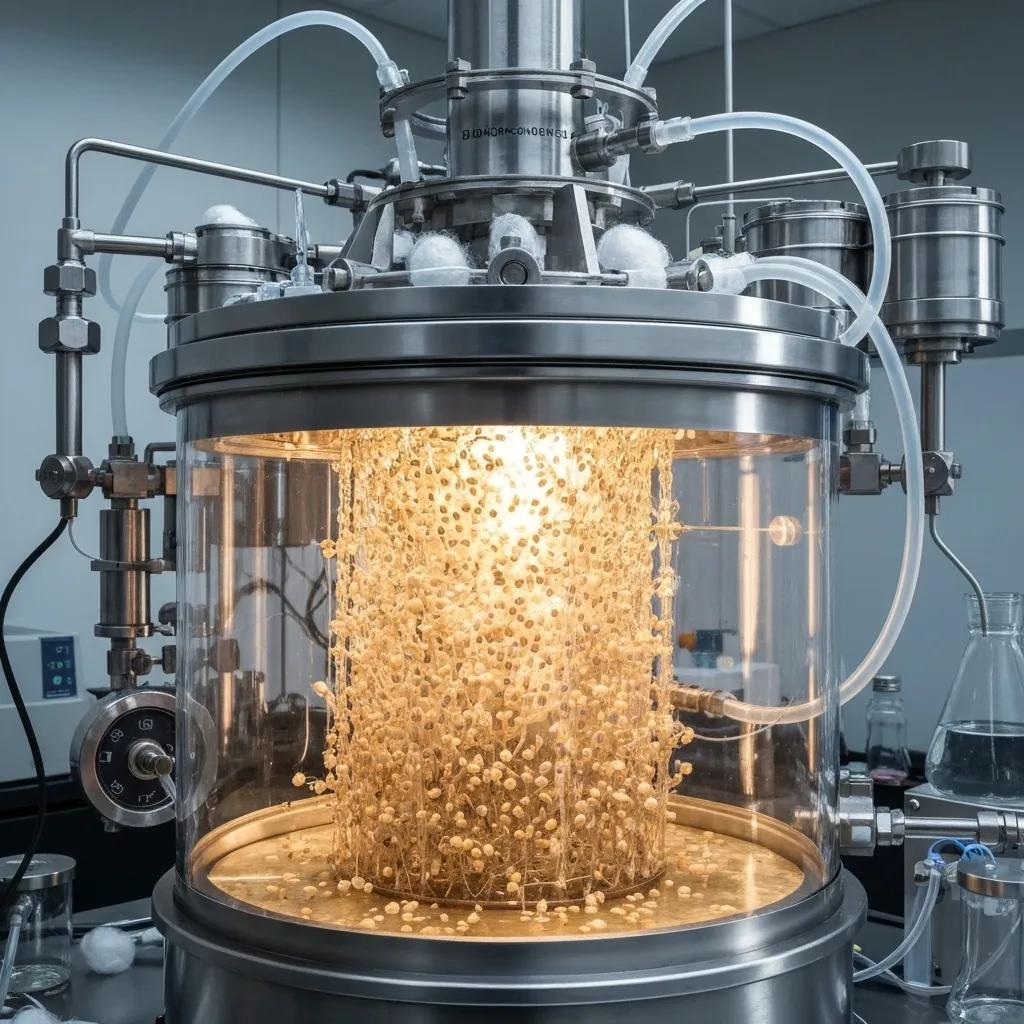
Bio-Sheen’s yeast-based silk technology uses genetically programmed yeast cells to biosynthesize silk proteins normally sourced from silkworms. This approach combines recombinant DNA methods with fermentation, yielding a fiber precursor that can be spun into textiles. By replacing animal farming with microbial factories, the method reduces land use, water consumption, and ethical concerns.
The process unfolds in four integrated stages:
- Strain engineering: Researchers insert silk-protein genes into yeast chromosomes for stable expression.
- Fermentation: Modified yeast cells grow in nutrient-rich bioreactors, secreting silk proteins into the medium.
- Protein recovery: Filtration and precipitation isolate the recombinant proteins from culture broth.
- Fiber formation: The purified proteins undergo shear spinning or electrospinning to assemble continuous silk filaments.
Each step aligns with scalable manufacturing principles, setting the stage for commercialization and linking naturally to investor support detailed in the next section.
How does Bio-Sheen create silk using yeast fermentation?
Bio-Sheen creates silk by harnessing yeast’s rapid growth and protein-secreting capabilities. First, scientists codon-optimize silk genes for expression in Saccharomyces cerevisiae. During fermentation, yeast cells transform simple sugars into silk monomers, which they excrete into the tank. Continuous culture strategies maximize yield by maintaining optimal pH and oxygen levels. Downstream, tangential flow filtration concentrates protein streams before fiber regeneration, producing a material with molecular architecture akin to mulberry silk.
This engineered workflow directly contrasts with labor-intensive sericulture, offering predictable batch outputs and opportunities for process intensification that drive cost reductions.
What makes yeast-based silk different from traditional silk?
Yeast-based silk diverges fundamentally from silkworm-derived fiber in origin, production method, environmental footprint, and customization potential. The table below compares key attributes of both approaches.
Yeast-based silk’s modular protein design also allows sequence variations to adjust tensile strength, elasticity, or dye affinity, creating fibers that meet specific textile specifications. This versatility segues into why the approach is inherently cruelty-free and sustainable.
Why is Bio-Sheen’s silk considered cruelty-free and sustainable?
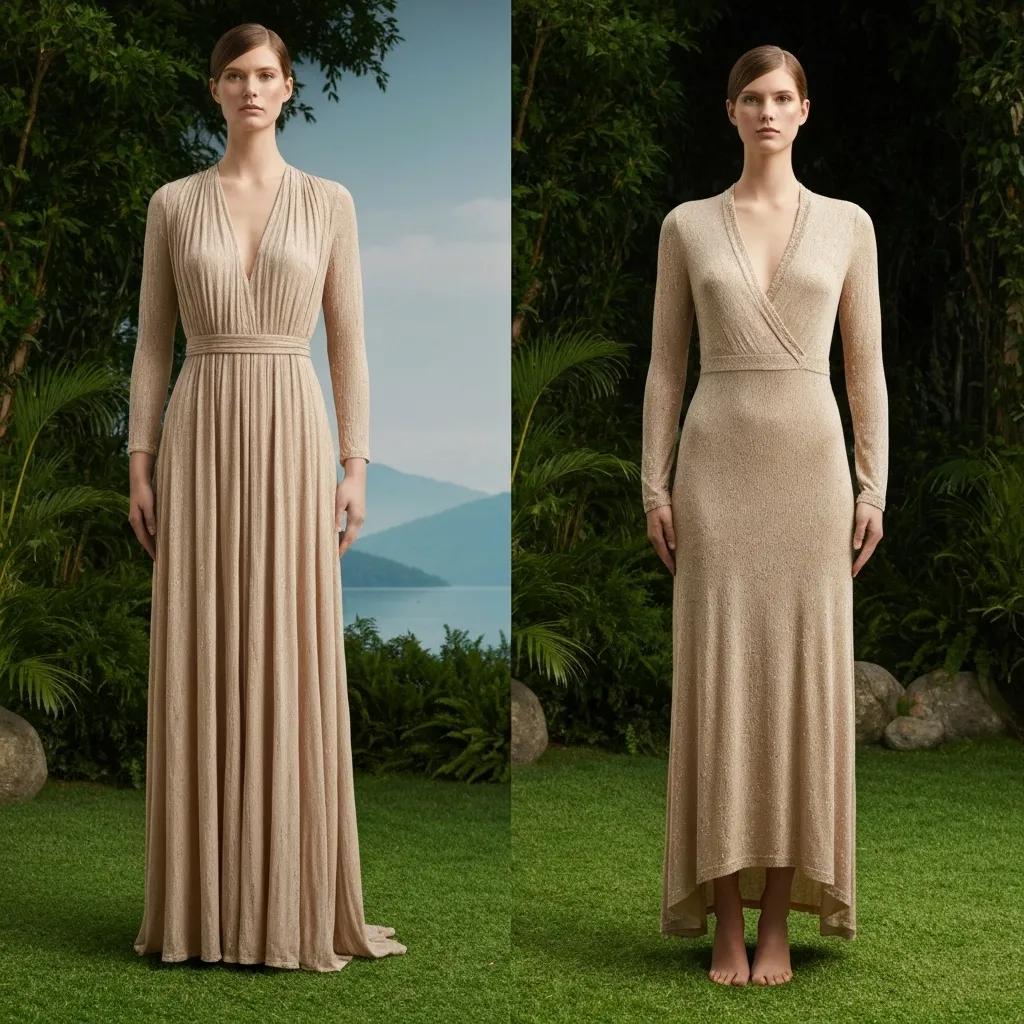
Bio-Sheen’s silk eliminates animal rearing by relying solely on microbial cell factories. Avoiding silkworm farming ends associated harm and habitat disruption. Fermenters recycle water and nutrients in closed loops, slashing consumption compared to mulberry cultivation. The process forgoes harsh chemicals used in conventional silk degumming and dyeing, cutting effluent loads. As a result, yeast-derived silk reduces greenhouse gas emissions by up to 70% per kilogram of fiber.
This ethical and ecological alignment underpins consumer appeal in vegan, green tech, and luxury markets that value traceable, low-impact materials.
How much funding did Bio-Sheen raise in its Series A round?
Bio-Sheen’s Series A round secured $25 million to expand laboratory-scale production to pilot and commercial volumes. This infusion validates yeast-based silk’s market potential and underwrites the transition from R&D to industrial manufacturing.
Who are the key investors behind Bio-Sheen’s Series A?
- A climate tech venture fund prioritizing carbon-reducing materials
- A life sciences investor with deep experience in fermentation platforms
- A sustainable fashion alliance committed to cruelty-free supply chains
What will Bio-Sheen use the Series A funding for?
Bio-Sheen plans to allocate funds across three priority areas:
- Scale-up infrastructure: Install pilot bioreactors and fiber processing lines
- Product development: Optimize protein expression and spinning parameters
- Partnership expansion: Collaborate with fashion brands for prototyping
Why is sustainable fashion driving interest in bio-fabricated silk startups?
Sustainable fashion demands materials that combine performance with ecological responsibility. Bio-fabricated silk meets this need by offering high-end tactile properties while minimizing resource strain. As consumer awareness grows around textile pollution and animal welfare, brands seek alternatives that align with circular economy principles and green tech credentials.
How does Bio-Sheen’s innovation address sustainability challenges in textiles?
Bio-Sheen’s process tackles major industry pain points:
- Water scarcity: Fermentation uses closed-loop water systems.
- Chemical pollution: Protein-based spinning reduces harmful effluents.
- Waste generation: High protein yields minimize raw material loss.
- Biodiversity impact: Eliminates farmland conversion for mulberry crops.
By directly addressing resource inefficiencies, this technology advances textile circularity and resilience.
What role does cruelty-free silk technology play in the future of fashion?
Cruelty-free silk aligns with rising ethical consumerism: 64% of shoppers prefer vegan or animal-free products. Designer houses incorporate bio-fabricated fibers to meet brand sustainability targets and tap into conscious luxury segments. As certification bodies evolve to include microbial raw materials, cruelty-free silk stands poised to become a mainstream textile alternative.
What are the main applications and benefits of yeast-based silk textiles?
Yeast-based silk textiles span fashion, performance wear, technical fabrics, and home textiles. Key benefits include customizable mechanical properties, natural drape, moisture management, and biodegradability. These advantages unlock new design possibilities while satisfying eco-credentials for brand storytelling.
How can yeast-derived silk be used in apparel and luxury fashion?
- High-end evening gowns with custom sheen and drape
- Athletic wear featuring moisture-wicking and breathability
- Scarves and accessories dyed with natural, low-impact colorants
- Home textiles like bedding and upholstery with tactile softness
What are the performance and quality benefits of bio-fabricated silk?
Yeast-based silk delivers superior functional metrics compared to both natural silk and synthetic alternatives. The table below outlines critical performance attributes.
These characteristics illustrate how microbial engineering yields a next-generation material that meets rigorous quality standards. The combination of strength and eco-impact naturally leads to questions about competitive positioning.
How does Bio-Sheen compare to other silk-from-yeast startups and biotech innovators?
Bio-Sheen stands out through proprietary strain libraries, scalable fermentation designs, and integrated fiber-forming techniques. While some providers focus on lab-scale proof-of-concept, Bio-Sheen has validated continuous production processes and secured early brand collaborations. This holistic approach bridges the gap between pilot projects and commercial launches.
Such operational maturity sets Bio-Sheen apart in a crowded biotech landscape.
What differentiates Bio-Sheen’s technology from competitors?
Key differentiators include:
- Strain diversity: A broad portfolio of silk variants for targeted properties
- Process integration: End-to-end fermentation-to-fiber platforms
- Material customization: Sequence-level control enabling unique dye affinities
- Quality validation: Third-party testing for mechanical and environmental benchmarks
What gaps in the market does Bio-Sheen aim to fill?
Bio-Sheen targets underserved niches:
- Scalable luxury supply: Reliable volumes for high-end fashion houses
- Cost-competitive eco-fiber: Price points approaching mass-market textiles
- Design flexibility: On-demand customization of fiber properties
- Closed-loop production: Minimal waste and transparent lifecycle data
Filling these gaps accelerates adoption and sets a new standard for cruelty-free materials.
What challenges does Bio-Sheen face in scaling yeast-based silk production?
Scaling microbial silk from bench to factory involves overcoming fermentation yield limits, purification complexities, and fiber assembly consistency. Balancing process economics with high-quality output demands continual optimization of bioreactor design, downstream recovery, and spinning techniques.
How is Bio-Sheen addressing production scalability and cost efficiency?
To boost yields and lower costs, Bio-Sheen employs:
- High-cell-density cultures: Maximizing protein concentration per liter
- Continuous processing: Reducing downtime between batches
- Automated purification: Cutting labor and streamlining protein recovery
- Modular bioreactors: Flexible capacity expansion with minimal capital outlay
These measures improve unit economics and support rapid scale-up.
What regulatory or market barriers could impact Bio-Sheen’s growth?
Potential obstacles include:
- Fiber certification: Establishing microbial silk in textile standards
- Consumer education: Communicating safety and performance to end users
- Supply chain integration: Adapting existing machinery to new fiber formats
- Intellectual property: Navigating patent landscapes in synthetic biology
Proactive engagement with regulators and strategic outreach to industry partners will be vital to surmount these barriers.
How will Bio-Sheen’s Series A funding impact the future of sustainable textiles?
With fresh capital, Bio-Sheen can accelerate pilot production, deepen fashion collaborations, and pursue advanced R&D to expand its silk portfolio. This momentum signals to the textile sector that microbial biotech is ready for prime time, inspiring similar investments and fostering cross-industry innovation.
What are Bio-Sheen’s plans for expanding partnerships and market reach?
Bio-Sheen intends to:
- Forge design collaborations with leading fashion houses
- License fiber formulations to technical textile manufacturers
- Establish pilot demo facilities for brand prototyping
- Launch marketing campaigns highlighting cruelty-free credentials
How might Bio-Sheen influence the broader biotech and fashion industries?
By demonstrating scalable, high-quality microbial silk, Bio-Sheen sets a precedent for integrating synthetic biology into mainstream manufacturing. This pathway inspires R&D in other bio-fabricated materials—such as collagen, wool substitutes, and sustainable adhesives—triggering a ripple effect across biotech and fashion. As an early leader, Bio-Sheen’s success will shape investment priorities, regulatory frameworks, and consumer expectations for ethical, high-performance textiles.
Bio-Sheen’s yeast-derived silk embodies a convergence of materials science and green technology, offering a viable cruelty-free alternative to traditional fibers. The recent Series A investment propels the company toward scaling and commercialization, addressing both ecological and ethical challenges in fashion. As partnerships expand and production hurdles are overcome, Bio-Sheen stands ready to redefine luxury textiles and inspire a wave of sustainable innovation.