Smash-and-Grab Robbery Targets Luxury Retailer in Beverly Hills: Comprehensive Security and Prevention Strategies
A sudden surge in brazen smash-and-grab thefts is costing Beverly Hills’ high-end stores millions in lost inventory and undermining public safety. This article defines smash-and-grab robberies, examines how organized retail crime (ORC) escalates these incidents, explores cutting-edge security solutions, reviews California’s legal framework, highlights employee training strategies, analyzes local case studies, and outlines how luxury boutiques can balance rigorous protection with an inviting shopping experience.
What Is a Smash-and-Grab Robbery and How Does It Impact Luxury Retailers?
A smash-and-grab robbery is a rapid forced-entry crime in which thieves shatter windows or display cases to seize valuable merchandise within seconds, inflicting severe financial losses, reputational damage, and heightened insurance premiums for luxury retailers. These incidents erode shopper confidence and can trigger heightened security spending that alters the boutique ambience.
How Is a Smash-and-Grab Robbery Defined and Characterized?
A smash-and-grab robbery combines destructive entry with lightning-fast theft, targeting visible high-value items such as jewelry, designer handbags, and watches. Perpetrators often use tools like hammers or sledgehammers and coordinate getaway routes in advance to minimize law enforcement response times.
Why Are Luxury Retailers in Beverly Hills Frequent Targets?
Beverly Hills boutiques showcase premium merchandise in prominent windows along Rodeo Drive, making them irresistible to opportunistic criminals and organized rings alike. High pedestrian traffic provides cover, while the density of luxury brands concentrates potential gains in one location.
What Are the Typical Tactics Used in Smash-and-Grab Thefts?
Before listing tactics, it helps to understand that these methods combine speed, surprise, and pre-planning to maximize haul and minimize arrest risk.
- Forced Entry Through Glass – Thieves break storefront windows or display cases to create an opening.
- Flash Mob Diversion – Small crowds or distractions divert attention while accomplices loot displays.
- Coordinated Getaway – Drivers stage vehicles nearby with planned escape routes to avoid roadblocks.
- Night Surveillance – Pre-incident surveillance of store hours, security patterns, and camera blind spots.
These tactics highlight the importance of layered prevention measures that disrupt entry, observation, and escape.
How Does Organized Retail Crime Amplify Smash-and-Grab Incidents?

Organized retail crime rings provide funding, coordination, and resale channels that elevate standalone break-ins into multi-location attacks. By pooling targets and laundering stolen goods through fencing networks, ORC groups intensify both the frequency and scale of smash-and-grab events, placing additional strain on law enforcement and retail loss-prevention teams.
Understanding ORC’s role in bolstering criminal capacity informs the need for proactive security architectures.
How Is Organized Retail Crime Affecting California’s Luxury Retail Sector?
Organized retail crime in California has escalated into a highly structured enterprise, combining repeat offenders, advanced surveillance evasion, and cross-border fencing operations that inflict an annual shrink-rate increase of nearly 0.2%. The resulting financial burden has driven luxury retailers to invest heavily in preventive measures and collaborate closely with police.
Organized Retail Crime in California
What Are the Current Trends in Organized Retail Crime in California?
California has seen a spike in violent ORC incidents and felony aggregation cases, reflecting both heightened aggression and legislative changes that enable prosecutors to pursue larger theft thresholds.
When examining ORC trends, consider these key metrics:
Growth in assaultive behavior and value-aggregation prosecutions underscores the urgent need for robust deterrence strategies.
How Do Organized Crime Rings Operate in Luxury Retail Theft?
Crime rings recruit specialized roles—surveillance scouts, smash-and-grab crews, and fence operators—to streamline operations. Stolen merchandise often flows through e-commerce “fences” or is exported to secondary markets, complicating recovery efforts and prolonging investigations.
What Is the Economic and Public Safety Impact of ORC in Beverly Hills?
In Beverly Hills, property crimes rose by 15% year-over-year, translating into tens of millions in stolen goods and ancillary security expenses. Local residents and shoppers report diminished perceptions of safety, prompting increased patrols by the Beverly Hills Police Department and private security patrols along key shopping corridors.
The combined fiscal and social toll of ORC heightens the imperative for advanced preventive technologies and collaborative enforcement.
What Advanced Security Solutions Protect High-End Stores from Smash-and-Grab Thefts?
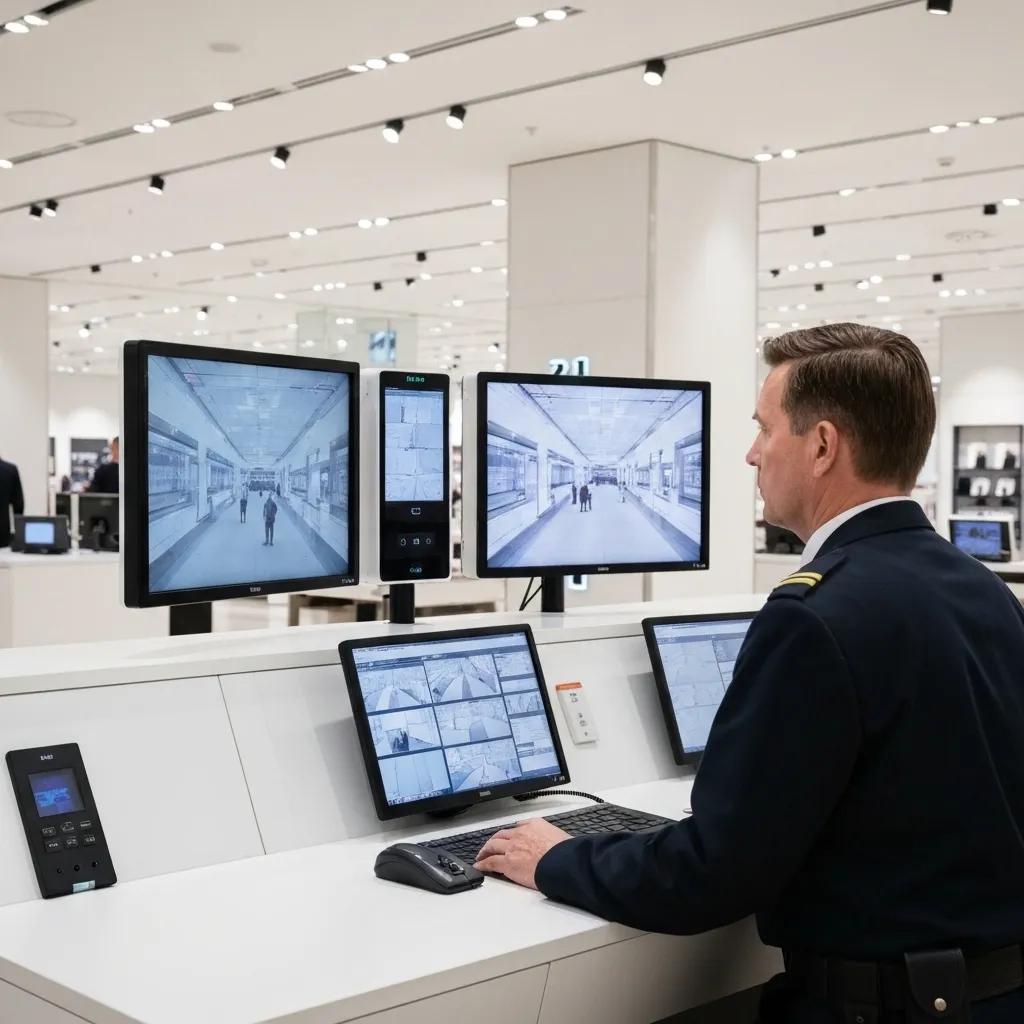
Luxury retailers deploy multi-layered security portfolios—ranging from AI surveillance to reinforced physical barriers—to detect, deter, and delay smash-and-grab attempts. Integrating these components creates overlapping defenses that make rapid break-ins far less viable.
Luxury Retail Security Strategies
How Does AI-Powered Surveillance Detect and Prevent Theft?
AI-powered cameras analyze real-time behavior patterns and trigger alerts for suspicious conduct, such as loitering near high-value displays or sudden bursts of motion. Automated analytics can distinguish between a casual shopper and a coordinated theft attempt, enabling security teams to intervene before glass is shattered.
What Physical Security Barriers Are Effective Against Smash-and-Grab Robberies?
Physical barriers serve as the first line of defense by delaying entry and channeling movement. Common solutions include:
Combining these elements can extend breach delay times and increase the likelihood of police intervention.
How Do Integrated Security Systems Enhance Protection in Luxury Boutiques?
Integrated systems unify alarms, access control, video analytics, and guard dispatch into a centralized monitoring platform. This consolidated view shortens response times, improves incident documentation, and streamlines law enforcement coordination by providing real-time event logs and precise location data.
Seamless integration of technology and personnel strengthens each layer of defense against coordinated smash-and-grab efforts.
What Are California’s Retail Crime Laws and How Do They Address Smash-and-Grab Robberies?
California’s recent legislation empowers prosecutors and law enforcement with expanded tools to combat organized retail crime, increasing felony thresholds and facilitating cross-jurisdictional aggregation of theft values to ensure perpetrators face more severe charges.
What Recent Legislation Targets Organized Retail Crime in California?
Key statutes include:
- AB 2943, which allows aggregation of stolen-goods value from multiple incidents to meet felony criteria.
- SB 905, enhancing arrest authority for crime-ring leaders and enabling broader use of surveillance evidence.
- Modifications to Proposition 47, raising the felony threshold from $950 to $1,500 per incident when aggregated.
These measures extend accountability for repeat offenders and complex ORC networks.
How Do These Laws Affect Penalties and Prosecution of Smash-and-Grab Crimes?
By elevating theft aggregation and expanding felony eligibility, prosecutors can pursue more significant sentences for suspects, deter large-scale smash-and-grab operations, and streamline plea negotiations that include restitution for stolen merchandise and security upgrades.
How Do Law Enforcement Partnerships Support Retail Crime Deterrence?
Retailers routinely form joint task forces with local police and district attorneys, offering surveillance footage, suspect descriptions, and point-of-sale records. These partnerships accelerate suspect identification, improve case clearance rates, and broadcast a unified deterrent message to organized rings.
Strategic collaboration ensures that legislative gains translate into tangible enforcement successes.
How Does Employee Training and Security Personnel Contribute to Loss Prevention?
Employee awareness and visible security presence are essential to identifying early warning signs, coordinating effective responses, and reinforcing a culture of vigilance that complements technological and structural safeguards.
Theft Prevention Training for Employees
What Are Best Practices for Employee Training in Theft Prevention?
Effective training programs include:
- Behavioral Recognition – Teaching staff to spot pre-attack surveillance, such as repetitive glances or loitering near displays.
- Rapid Response Protocols – Rehearsing quiet alarms, lock-down procedures, and safe retreat plans to minimize risk.
- Legal Reporting Standards – Documenting incidents accurately to support successful prosecution under California’s enhanced ORC statutes.
Well-trained employees extend perimeter security and deter opportunistic criminals.
How Do Security Guards Act as Visible Deterrents in Luxury Retail?
Uniformed security personnel patrol retail floors and entrances, creating a conspicuous barrier to theft. Their presence not only reassures shoppers but also disrupts coordination among potential offenders, who are less likely to attempt smash-and-grab thefts when confronted by trained guards.
Why Is Collaboration Between Staff and Law Enforcement Critical?
Timely information sharing—such as live video feeds and suspect sketches—enables police to deploy resources swiftly and increases arrest rates. Joint drills and debriefs reinforce trust, ensuring both teams execute coordinated interventions during active incidents.
Integrating human vigilance with legal support multiplies the effectiveness of all security layers.
What Are Notable Smash-and-Grab Incidents in Beverly Hills and Their Lessons?
High-profile cases illustrate evolving criminal methods and drive enhancements in security posture across the local luxury retail community.
What Happened in the Luxury Jewels of Beverly Hills Smash-and-Grab Robbery?
In March 2022, a group of masked suspects used a sledgehammer to breach a storefront display, seizing an estimated $3 million in jewelry within 45 seconds. Rapid digital reporting and a coordinated law enforcement response led to multiple arrests and partial recovery of the stolen assets.
Beverly Hills Smash and Grab Robbery
How Have These Incidents Influenced Security Practices Locally?
Boutiques have upgraded from single-pane glass to laminated security glazing, increased after-hours patrols, and integrated AI analytics into existing camera networks. Many security directors now require dual authentication for display case access, preventing lone staff members from inadvertently leaving merchandise exposed.
What Are the Emerging Trends in Beverly Hills Property Crime Rates?
Property crime in Beverly Hills rose by 15% year-over-year, with organized theft rings accounting for a significant share of the increase. This upward trajectory is prompting both municipal authorities and retailers to expand public-private partnerships and invest in shared surveillance infrastructure.
Local case studies underscore the need for continuous adaptation of security methodologies.
How Can Luxury Retailers Balance Sophisticated Security with an Inviting Shopping Experience?
Implementing robust security must preserve the exclusive, welcoming atmosphere that high-end customers expect, blending unobtrusive technologies with seamless service.
What Security Measures Maintain Customer Comfort Without Compromise?
Thoughtfully placed sensors, discreet access controls, and low-profile alarm systems can protect valuables while minimizing visual clutter. Staff trained in professional engagement can ensure that security inspections and bag checks feel courteous rather than intrusive.
How Do Retailers Address Staffing and Resource Challenges in Security?
Boutiques overcome budget constraints by cross-training sales associates in surveillance monitoring and establishing rotating guard shifts to optimize coverage. Leveraging centralized command centers allows multiple locations to share security personnel and incident management tools.
What Future Technologies Could Improve Luxury Retail Security?
Emerging innovations include:
- RFID-Embedded Displays that instantly trigger alerts when high-value items are moved without authorization.
- Biometric Access Panels for staff, replacing keyed locks with facial recognition or fingerprint scanners.
- Drone-Based Perimeter Patrols that provide aerial surveillance during off-hours.
These advancements promise enhanced protection without altering the refined store environment.
Luxury retailers in Beverly Hills face a complex threat landscape where aggressive smash-and-grab robberies and organized retail crime converge. By combining AI-driven surveillance, reinforced physical barriers, comprehensive employee training, and proactive legal partnerships, boutiques can significantly reduce losses while maintaining an inviting shopping atmosphere. Ongoing analysis of local case studies and emerging property crime trends informs continuous improvement of prevention strategies. Sustained collaboration among retailers, security professionals, and law enforcement remains the cornerstone of resilient, high-end loss prevention.