Grandparent Scam Prevention: How to Protect Elderly Couples from Mailing $50,000 in Cash
An elderly couple recently mailed $50,000 in cash after believing a “grandchild” was in urgent trouble, illustrating how the grandparent scam exploits emotional trust and financial vulnerability. Readers will learn to identify red flags, understand deceptive tactics, and implement clear verification steps before any money changes hands. This guide covers:
- What the grandparent scam entails and why seniors are targeted
- A step-by-step breakdown of how $50,000 in cash can vanish
- Warning signs and emotional manipulation tactics to watch for
- Family strategies for fraud prevention, safer payment methods, and recovery steps
- Broader trends in elder financial exploitation and how law enforcement helps
Protecting loved ones starts with awareness, communication, and swift response to suspicious requests.
What Is the Grandparent Scam and How Does It Target Elderly Couples?
The grandparent scam is a form of emergency impersonation fraud that leverages emotional urgency to trick seniors into sending funds, often resulting in significant untraceable cash losses. Understanding its definition, social engineering mechanisms, and victim profile creates the foundation for effective prevention and reporting.
What Is a Grandparent Scam?
A grandparent scam occurs when a fraudster pretends to be a grandchild—or another family member—in distress, claiming urgent need for bail money, medical bills, or legal fees. Scammers exploit the natural trust of elderly individuals, using phone spoofing and fabricated emergencies to pressure victims into quick, unverified payments. Recognizing this tactic helps families interrupt the chain of deception before cash changes hands.
How Do Scammers Impersonate Family Members?
Scammers employ stolen photos, social media data, and voice-modulating software to mimic a grandchild’s identity. Caller ID spoofing masks the true origin of calls, while voice cloning tools recreate familiar tones and speech patterns. This layered impersonation reduces suspicion and strengthens the illusion of a genuine family emergency.
Why Are Elderly Couples Especially Vulnerable?
Seniors often maintain strong family bonds and may lack familiarity with digital verification methods, making them prime targets. Emotional trust combined with potential hearing or memory challenges increases susceptibility to high-pressure requests. Designing prevention around their vulnerability emphasizes respectful education and simple safeguards.
How Do Scammers Use Urgency and Secrecy to Manipulate Victims?
Scammers insist on secrecy, warning victims not to “alarm” other relatives or involve authorities, while emphasizing immediate need for funds. This urgency triggers fear and impairs rational decision-making, compelling elderly couples to bypass verification steps. Identifying these psychological tactics is the first line of defense against fraudulent demands.
How Do Grandparent Scams Work: Step-by-Step Breakdown of the $50,000 Cash Scam
This section dissects the scam flow from initial contact to cash pickup, clarifying each deceptive stage in the $50,000 mailing scheme. By mapping every step, families can spot irregularities and intervene before funds are lost.
How Do Scammers Initiate Contact with Elderly Victims?
Scammers often gather personal details from social media profiles, public records, or data breaches to make calls appear credible. They may originate calls from overseas call centers using VoIP technology and spoofed local numbers. This technical setup primes victims for the urgent pitch and establishes a false sense of familiarity.
What Emergency Stories Do Scammers Use?
Common fabricated scenarios include:
- A car accident requiring immediate bail payment
- Arrest for a DUI or theft charge
- Hospitalization after a severe injury
- Lost passport abroad needing funds for release
Why Do Scammers Demand Cash and Untraceable Payment Methods?
Scammers request payment channels that leave minimal trails, such as couriered cash or gift cards. The table below compares common methods:
How Is AI and Voice Cloning Used in Modern Grandparent Scams?
Advanced scammers deploy AI-powered voice synthesis to replicate a grandchild’s voice, incorporating personalized details gleaned from social media. This technological enhancement deepens trust, making even vigilant seniors hesitate to challenge the caller’s identity. Staying aware of deepfake risks underscores the importance of alternative verification methods.
What Are the Warning Signs of a Grandparent Scam Targeting Seniors?
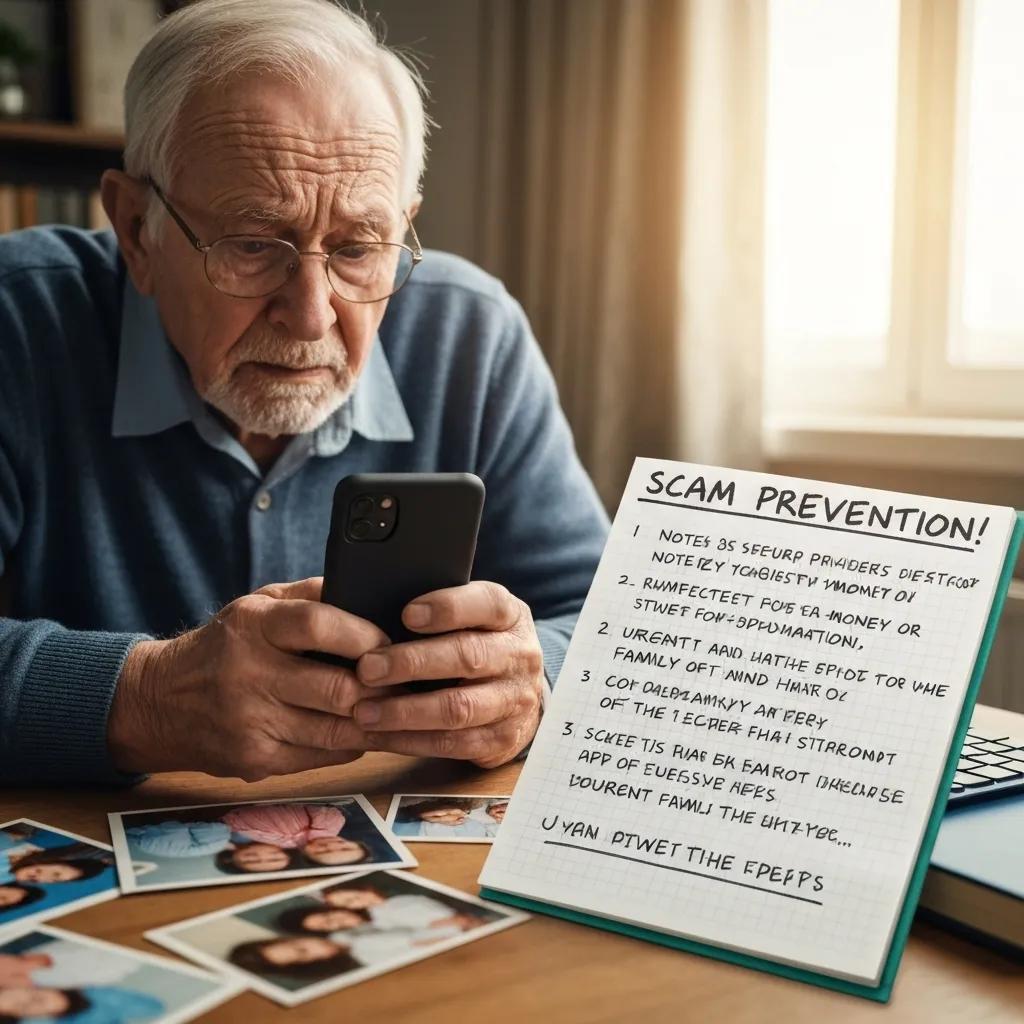
Recognizing red flags early empowers families to halt fraudulent demands. Warning signs span unusual money requests, emotional manipulation, and suspicious payment methods.
What Unusual Requests Should Seniors Watch For?
Uncommon demands include:
- Sending large sums in cash or gift cards without paperwork
- Insisting on secrecy and avoiding other family members
- Refusing to provide verifiable details or callbacks
- Demanding immediate payment within hours
How Can You Recognize Emotional Manipulation and Pressure?
Signs of psychological pressure include:
- Fear tactics: Phrases like “You’re their only hope”
- Guilt appeals: “I’d be ashamed if you told Grandma”
- Time constraints: “I have to pay now or it’s jail”
- Emotional language: Shouting to simulate distress
[Psychological Tactics in Scams]
What Payment Methods Indicate a Potential Scam?
Watch for any request involving:
- Cash mailed via courier
- Wire transfers with rapid deadlines
- Gift cards purchased in bulk
- Cryptocurrency wallet transfers
How Can Family Members Detect Signs of Scam Attempts?
Family members can look for behavioral changes such as:
- Sudden secrecy around phone calls
- Visible confusion when asked details about beneficiaries
- Unusual spending patterns or bank withdrawals
- Hesitation to involve others or question urgency
Observing these cues allows loved ones to step in and verify any emergency claims.
How Can Families Prevent Elderly Fraud and Protect Loved Ones from Grandparent Scams?

Implementing proactive measures and clear communication creates a protective barrier against financial exploitation. Prevention combines verification, education, and safer payment practices.
What Verification Steps Should Seniors Take Before Sending Money?
Before transferring any funds, seniors should:
- Call the family member back on a known number
- Use a predetermined family codeword to confirm identity
- Consult another trusted relative or caregiver
- Ask for verifiable details like specific bank account information
[Verification Steps for Seniors]
How Can Families Establish Effective Communication About Scams?
Open, respectful dialogue reduces elder anxiety and encourages questions:
- Schedule regular check-in calls about finances
- Share recent scam stories to build awareness
- Create a safe space for seniors to discuss suspicious calls
- Rehearse family codeword protocols together
This collaborative approach strengthens trust and fosters vigilance.
What Privacy Settings and Social Media Practices Reduce Scam Risks?
Limiting personal data exposure online helps disrupt information gathering:
- Set profiles to private or friends-only access
- Avoid sharing travel plans, birthdays, or financial details
- Regularly review follower and friend lists
- Disable location tagging on posts
Reducing digital footprints shrinks the pool of exploitable data.
Which Payment Methods Are Safer and Which Should Be Avoided?
Below is a comparison of common payment avenues:
What Should You Do If an Elderly Couple Has Been Scammed?
Swift action after realizing a scam can improve chances of fund recovery and legal response. Immediate steps establish a foundation for reporting and support.
What Are the First Steps After Sending Money to a Scammer?
If cash or transfers have been sent, seniors should:
- Contact the sending service (Western Union, MoneyGram) to request a recall
- Notify their bank to flag suspicious transactions
- Document transaction numbers, dates, and amounts
- Freeze affected credit cards or accounts
Prompt intervention may halt further disbursements and alert financial institutions.
How and Where Can Victims Report Grandparent Scams?
Reporting to authorities creates official records and helps disrupt criminal networks:
- File a complaint with the FBI’s IC3 at IC3.gov
- Submit a report to the Federal Trade Commission at ReportFraud.ftc.gov
- Contact local police or Adult Protective Services
- Alert state attorney general or consumer protection offices
Multiple reports increase the chance of investigation and potential prosecution.
What Support Resources Are Available for Victims of Elder Fraud?
Victims can access emotional and legal assistance through:
- Elder abuse hotlines and victim advocacy groups
- Local legal aid societies offering pro bono counsel
- Credit monitoring services to track potential identity theft
- Community senior centers providing guidance and workshops
Combining emotional support with practical resources promotes recovery and resilience.
Is It Possible to Recover Money Lost in a Grandparent Scam?
Recovery is challenging when funds are untraceable, but legal avenues exist for wire transfers and gift card purchases within limited windows. Realistic expectations help families focus on prevention, while law enforcement pursues perpetrators and civil actions may recover partial losses.
What Are the Broader Trends and Statistics in Elder Financial Exploitation?
Elder financial exploitation is the fastest-growing form of senior abuse, involving billions in losses annually. Examining prevalence, impact, and underreporting clarifies the urgency of public awareness and systemic solutions.
How Prevalent Are Grandparent Scams Among Elder Fraud Cases?
Grandparent scams compose a substantial share of elder impostor schemes reported to the FBI, with complaints up 14% in 2023. As one of the most common tactics, these incidents highlight the need for targeted education and protective legislation.
What Is the Financial Impact of Elder Fraud on Seniors?
Victims aged 60 and older lost over $3.4 billion in 2023, with average individual losses near $34,000. These substantial figures strain retirement savings and erode trust in financial institutions.
[Elder Financial Exploitation Trends]
How Are Scammers Evolving Their Tactics with Technology?
Modern fraudsters integrate AI voice cloning, synthetic identity creation, and real-time data scraping from social media to craft convincing emergencies. Continuous innovation in deception demands equally adaptive prevention measures.
Why Is Elder Fraud Underreported and How Can Awareness Improve Reporting?
Embarrassment, fear of losing independence, and lack of knowledge about reporting channels suppress official complaint rates. Public awareness campaigns and simple reporting pathways can empower more seniors to come forward and deter future scams.
How Can Law Enforcement and Community Agencies Help Combat Grandparent Scams?
Coordinated efforts between federal, state, and local entities reinforce fraud prevention, investigation, and victim assistance. Understanding agency roles clarifies where families can turn for help.
What Roles Do the FBI, FTC, and Local Police Play in Investigations?
The FBI’s IC3 unit centralizes internet-based fraud complaints, while the FTC compiles national scam data and issues consumer alerts. Local police handle on-the-ground investigations and collaborate with Adult Protective Services to safeguard seniors.
How Can Victims Access the National Elder Fraud Hotline and Other Resources?
Victims can dial the National Elder Fraud Hotline at 1-833-FRAUD-11 for immediate guidance and referral to local support. Additional resources include state attorney general hotlines and nonprofit networks like the AARP Fraud Watch Network.
What Community Programs Support Elder Fraud Prevention and Education?
Several nonprofit and financial institution programs deliver free workshops and toolkits:
- Local senior centers host scam‐awareness seminars
- Banks offer fraud-detection training for account holders
- Legal aid clinics provide elder rights information
- Volunteer organizations conduct home visits to review financial safety
Community partnerships strengthen preventive outreach and trust.
How Can Families Collaborate with Authorities to Protect Seniors?
Families can enhance community protection by:
- Encouraging seniors to report suspicious calls promptly
- Sharing case details with investigative units
- Participating in local fraud task forces
- Advocating for elder protection laws and funding
Elder financial exploitation thrives on secrecy and haste, but informed families can reclaim control through verification protocols and communication. Recognizing deceptive tactics, reinforcing safe payment practices, and leveraging law enforcement resources build a robust defense against grandparent scams. Swift reporting and community support also bolster recovery efforts and discourage future fraud. Remaining vigilant and educated ensures seniors retain both their financial security and peace of mind.