Pakistani Musician Interviews: Exclusive Artist Conversations and Celebrity Insights
Pakistani musician interviews bring readers face-to-face with the creative choices, cultural roots, and career moments that shape the country’s music landscape. This hub collects in-depth conversations that reveal how genres like Sufi, Qawwali, pop, folk, and rock inform songwriting, performance, and artist identity, while also showing practical industry realities such as promotion, monetisation, and touring. Readers will learn how to conduct engaging musician interviews, which questions elicit candid responses, and how interviews document milestones such as new albums and tours. The article also maps leading artists across genres, highlights current trends—AI in production, short-form social discovery, and direct-to-fan models—and explains how multimedia, transcripts, and structured data improve discoverability. Each section combines practical guidance, sample questions, EAV discography and release tables, and editorial best practices so journalists, students, and fans can better understand and create meaningful musician interviews. Next, we explore what makes Pakistani musician interviews unique and how those distinct features shape the stories artists tell.
What Makes Pakistani Musician Interviews Unique?
Pakistani musician interviews are unique because they connect genre-specific traditions, regional languages, and social functions of music to personal artist narratives. These conversations often surface spiritual themes in Sufi and Qawwali, community histories in folk, and hybrid identities in pop and rock, creating rich layers that go beyond routine press statements. Interviewers must therefore balance cultural literacy with technical questions to surface both context and craft, which produces more evocative, locally grounded profiles. This combination of cultural depth and craft-focused inquiry makes Pakistani musician interviews especially valuable for readers seeking both human stories and industry insight, and it naturally leads into how genres specifically shape those narratives.
To provide timely and comprehensive news and current affairs coverage, keeping the audience informed and engaged with diverse content.
How Do Pakistani Music Genres Influence Artist Stories?
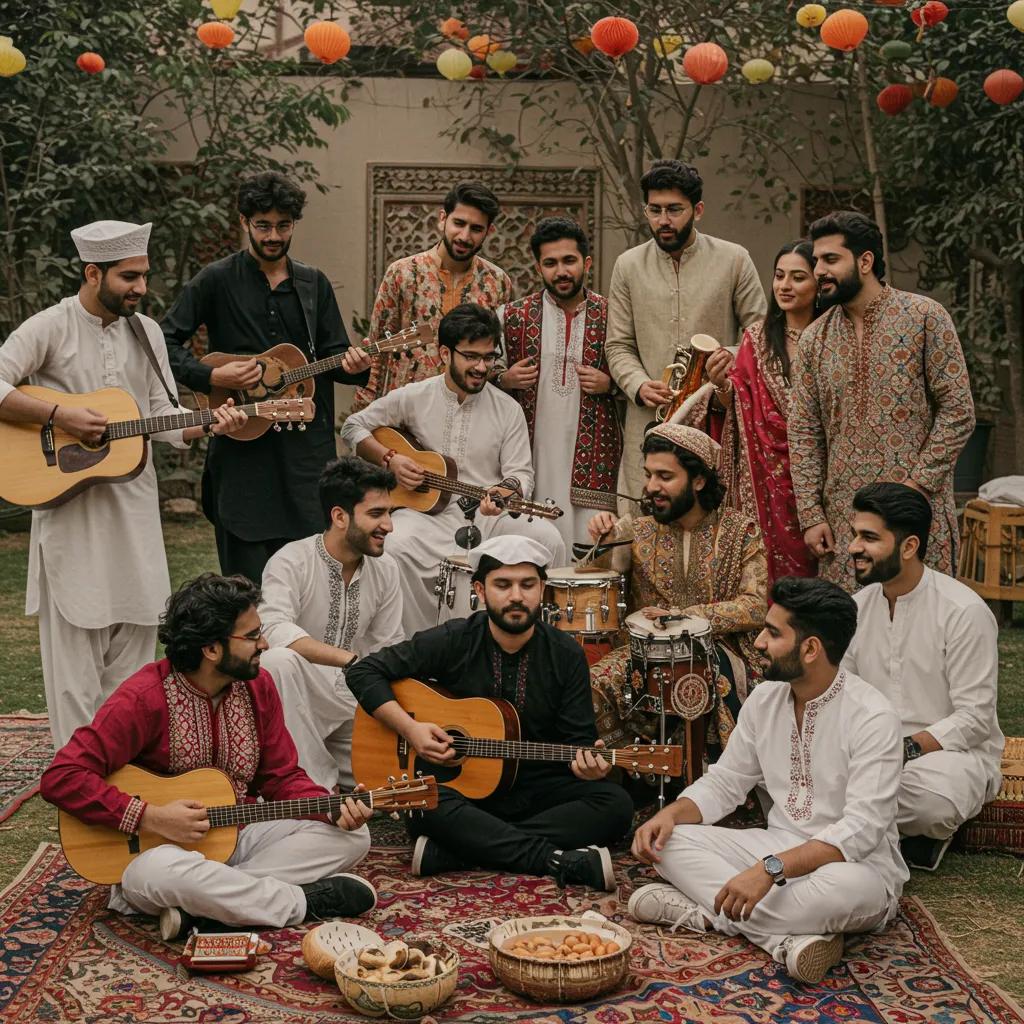
Genres in Pakistan shape interview topics by directing attention to instrumentation, ritual context, and lyrical themes that reflect communal identity. For example, Sufi and Qawwali artists discuss spiritual lineage and devotional performance practice, while folk musicians often frame songs as vehicles for oral history and preservation. Pop and rock artists, in contrast, emphasise production choices, social commentary, and digital strategies for reaching youth audiences, and these differences guide the interviewer’s line of questioning. Understanding these genre-driven priorities helps interviewers ask targeted follow-ups that uncover both craft and cultural meaning, which in turn highlights the musician’s broader role in society.
Why Focus on Emerging and Established Pakistani Musicians?
Covering both established and emerging musicians provides a fuller picture of the music ecosystem by combining historical perspective with innovation signals. Legacy artists offer context—catalogue, influence, and continuity—while emerging acts reveal new workflows, DIY production, and platform-first marketing that signal future directions. Editorial balance between preservation and discovery keeps audiences engaged across demographics and supports talent pipelines by spotlighting artists at different career stages. This framing also sets up interviews that compare creative process and career strategy across generations, allowing readers to trace stylistic and industry evolution.
How Does ARY News Deliver Fast and Accurate Musician Interviews?
To provide timely and comprehensive news and current affairs coverage, keeping the audience informed and engaged with diverse content. ARY News applies a rapid editorial cadence and verification workflow to produce musician interviews that are both current and reliable. Reporters source conversations directly at live events, through scheduled studio sessions, and via verified digital submissions, then corroborate factual claims with primary materials such as liner notes, credits, and public statements. This process ensures speed without sacrificing accuracy, enabling readers to trust both the immediacy and the substance of interview content while preserving editorial transparency for subsequent updates.
How to Conduct Engaging Musician Interviews: Questions and Techniques
An engaging musician interview combines preparation, question sequencing, and adaptive listening to prompt specific, revealing answers from artists. Preparation includes research on discography, genre conventions, and recent press so the interviewer can ask informed follow-ups that demonstrate respect and credibility. Question sequencing should move from easy, rapport-building prompts to deeper craft and industry inquiries, finishing with reflective or forward-looking questions that allow the artist to summarise priorities. These techniques increase the likelihood of authentic responses and set up shareable quotes and audio-visual moments that extend an interview’s reach.
Before listing practical questions, keep in mind a cadence that starts broad and narrows to specifics to encourage narrative depth while maintaining flow into technical topics.
- Begin with context-setting questions that invite short stories about background and early influences to establish tone and rapport.
- Ask craft-focused questions that request step-by-step accounts of songwriting, arranging, or production to surface concrete process detail.
- Include industry and platform questions that probe promotion strategies, social media use, and monetisation to reveal career mechanics.
These sample question categories help interviewers structure sessions that progress naturally from biography to craft to industry insight, and they prepare the ground for exploring creative process in detail.
What Are the Best Questions to Ask Musicians in Interviews?
The best interview questions are specific, open-ended, and designed to elicit stories rather than one-word answers, helping audiences understand both craft and context. Ask artists to describe the first moment they knew music mattered, to walk through the creation of a particular song line-by-line, and to reflect on a career decision that changed their trajectory. Follow-ups should request examples—names, dates, collaborators—and encourage sensory detail such as instruments, studio settings, or lyrical drafts. These targeted questions produce quotable moments and preserve the interview’s narrative momentum while moving smoothly into technical exploration.
How to Explore a Musician’s Creative Process and Inspirations?
Exploring creative process requires prompts that invite chronology, reference points, and technical choices to make abstract inspiration tangible for readers. Ask the artist to map a song from idea to release, identify key collaborators and tools, and describe production decisions such as arrangement or mixing choices. Use follow-ups that probe influences—books, films, or regional performance traditions—and request specific moments of revision that revealed a track’s direction. These methods unpack both compositional mechanics and the artist’s aesthetic lineage, bridging personal inspiration with concrete production details for readers.
What Makes a Musician Interview Authentic and Insightful?
Authenticity in interviews comes from vulnerability, specificity, and the interviewer’s ability to balance respectful challenge with curiosity that pushes beyond rehearsed talking points. Encourage anecdotes about failure, compromises, and unexpected breakthroughs rather than broad platitudes, and ask for names and scenes that ground claims in verifiable detail. Avoid yes/no prompts; instead, use silence and reflective questions to allow artists space to elaborate and reveal nuance. These practices advance credibility and provide readers with memorable, informative narratives that illuminate both person and practice.
Who Are the Leading Pakistani Musicians Featured in Exclusive Interviews?
This section curates profiles across pop, folk, rock, Sufi, and emerging scenes to map who is shaping contemporary Pakistani music through interviews and releases. Each profile highlights genre, notable works, and years active to aid entity recognition and discoverability, and includes discography elements that journalists can reference when linking to fuller interviews. The selection emphasises diverse voices—established icons and platform-first newcomers—to reflect the ecosystem’s breadth and to support hub-and-spoke internal linking for deeper coverage. The profiles below include a compact EAV discography table to summarise each featured musician’s genre and notable work.
The table below provides a quick-reference mapping of representative featured musicians, their primary genre, and an example notable work to support entity signals in articles.
This compact table helps journalists and readers quickly identify artists for further reading, and it establishes clear entity attributes for semantic markup and internal linking strategies.
Which Pakistani Pop Artists Share Their Stories?
Pop artists in Pakistan often discuss how digital platforms and collaborations have reshaped career arcs, prioritising virality and streaming alongside traditional radio and TV exposure. Interviews with pop musicians commonly cover songwriting pipelines, production collaborators, and the role of short-form video in audience growth. These conversations reveal both creative choices—hook development, chorus construction—and pragmatic strategies such as playlist pitching and cross-border collaborations. Focusing on pop artists helps illustrate broader trends in youth culture and platform-driven discovery that influence many emerging acts.
What Insights Do Folk and Traditional Musicians Provide?
Folk and traditional musicians highlight the cultural functions of song, the passing of repertoire through oral transmission, and the role of local instruments and performance contexts. Interviews with these artists frequently surface stories of mentorship, ritual settings, and the ways community memory is preserved through music. They also discuss modern reinterpretation and fusion approaches that introduce traditional melodies to new audiences without erasing provenance. These insights are crucial for contextualising heritage work and for explaining how tradition adapts in contemporary production environments.
How Are Emerging Pakistani Musicians Shaping the Industry?
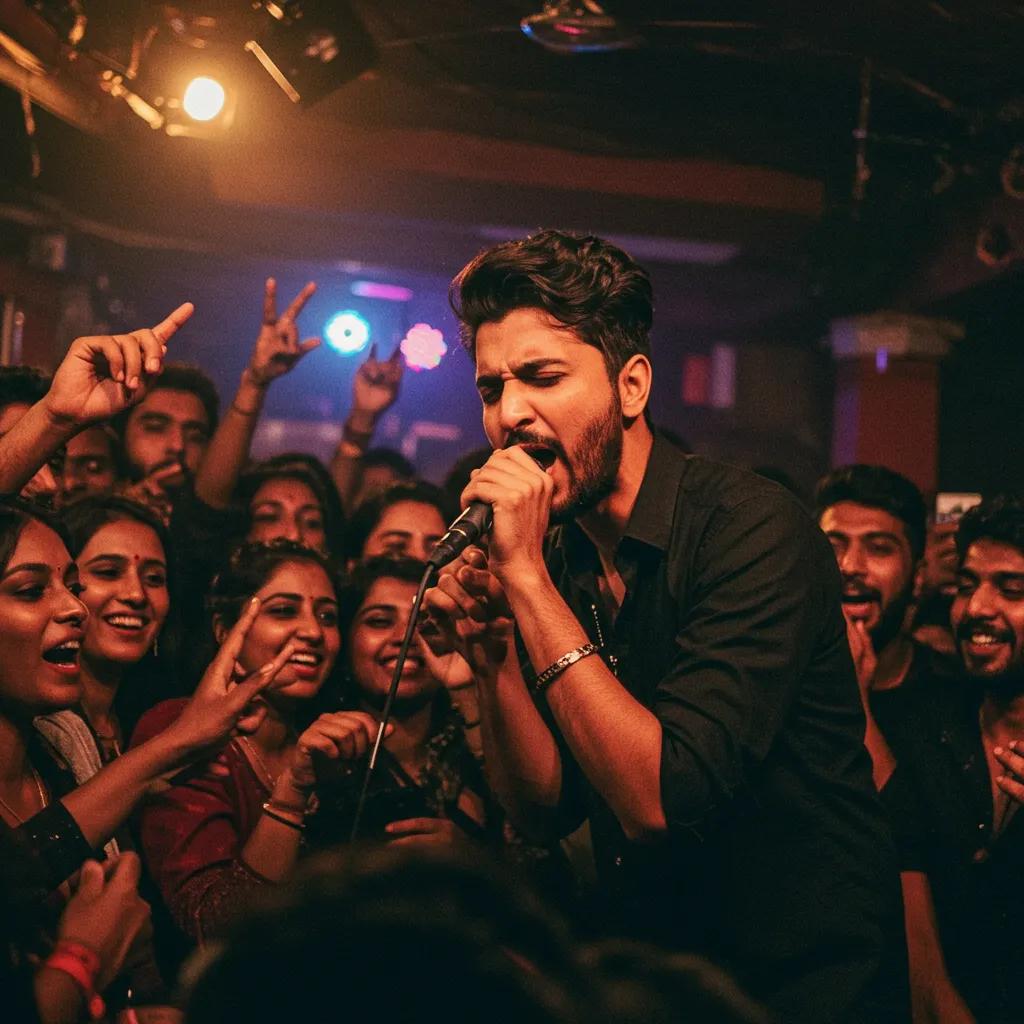
Emerging musicians are reshaping the industry through DIY production, platform-first release strategies, and direct engagement with fans via short-form social content. Interview narratives often reveal how bedroom producers use affordable tools, how musicians monetise via direct-to-fan channels, and how grassroots venues support early touring. These artist stories provide case studies for sustainable indie careers and reveal tactical approaches—micro-label partnerships, targeted social campaigns—that others can replicate. Highlighting emerging artists also signals where genres and discovery mechanisms are evolving next.
What Are the Latest Trends in Pakistani Music Industry Discussed in Interviews?
Recent interviews reveal three dominant trends shaping Pakistani music: growing AI adoption in production, social media-driven discovery, and the rise of direct-to-fan monetisation models. Each trend changes artist workflows—AI assists in mixing and ideation, social platforms function as primary discovery channels, and D2F services diversify income beyond streaming. Interviews act as frontline documentation of how artists adopt these tools and respond to market shifts, offering practical examples and strategic lessons for peers.
Introductory table summarises the main trends, their mechanisms, and observable value for artists in interviews.
How Is AI Impacting Music Production and Promotion in Pakistan?
AI tools are increasingly adopted to automate repetitive production tasks, generate draft arrangements, and assist in promotional asset creation, which reduces time-to-release for independent artists. Musicians interviewed report using AI for initial mixes, stem separation, and even melodic idea generation, then applying human refinement to preserve artistic intent. This hybrid workflow speeds production cycles and lowers barriers for new creators, while interviews document concerns about originality, ethics, and the need for proper attribution. Understanding these trade-offs helps readers evaluate how AI augments rather than replaces human creativity.
What Role Does Social Media Play in Musician-Fan Engagement?
Social media, particularly short-form video and live streaming, functions as the primary discovery engine for many Pakistani artists, enabling direct engagement and rapid sharing of music snippets. Interviews often describe tactics such as building narrative arcs across posts, time-limited live sessions for fan interaction, and creative audio hooks designed for platform algorithms. These platform-specific behaviors shape song structure and promotional timing, which interviewers should probe to reveal strategic thinking. Examining these practices demonstrates how artists translate platform engagement into sustainable audience relationships.
How Are Direct-to-Fan Platforms Changing Pakistani Music Careers?
Direct-to-fan platforms enable artists to sell music, offer subscriptions, or crowdfund projects without intermediaries, creating more predictable income streams than pure streaming models. Interviewees describe using subscription tiers for exclusive content, selling limited-run physical releases, and leveraging crowdfunding for special projects, all of which strengthen fan loyalty and revenue control. These tactics complement broader distribution strategies and feature prominently in interviews as practical pathways to financial resilience. Summarising these approaches provides reporters with replicable models for covering independent music careers.
How Do Musician Interviews Highlight Career Milestones and New Releases?
Musician interviews serve as editorial anchors for career milestones—album releases, tours, and collaborations—by providing narrative context that press releases lack. Interviews explain creative intent, list collaborators, and highlight key themes, and they often coincide with EAV-style release tables to present dates, roles, and impact. This editorial framing helps audiences understand the significance of a release beyond chart placement and offers journalists structured details for metadata and semantic markup. Below is an EAV-style table summarising representative releases and their attributes to illustrate how interviews document milestones.
The following table summarises selected releases or tours, giving clear date, role, and impact attributes for each entry.
What Are the Key Career Challenges Musicians Discuss?
Musicians commonly raise challenges such as financial sustainability, inconsistent streaming revenue, and mental health pressures linked to touring and public attention. Interviews surface granular issues—split payments, limited local licensing infrastructure, and the stress of balancing creative work with promotion—that inform policy conversations and artist support programs. Journalists should probe for coping strategies, resource networks, and observable outcomes to provide useful context rather than mere complaint lists. Understanding these challenges helps readers and industry stakeholders appreciate the structural changes artists call for.
How Do Artists Describe Their Latest Albums and Projects?
Artists describe recent albums by outlining central themes, production approaches, and standout collaborations, often revealing the sequence of creative decisions that shaped the work. Interviewers should ask for a track-by-track anecdote or a single scene that encapsulates the record’s intent, plus notes on collaborators and production choices that influenced the sound. These descriptions yield quotable insights and provide concrete metadata—featured artists, producers, and recording locales—that enhance cataloguing and discoverability. Such detailed narratives create stronger connections between listeners and the music’s origins.
What Future Plans and Tours Do Musicians Reveal?
Musicians frequently use interviews to announce upcoming tours, cross-border collaborations, and strategic goals such as entering new markets or experimenting with genres. Interview content that lists tentative markets, planned festival appearances, and collaborative partners helps fans anticipate and follow artist trajectories. Reporters should capture timelines, ticketing windows, and partnership intent where possible while making clear which plans are confirmed versus exploratory. Presenting these details in a concise timeline format improves reader utility and supports accurate event metadata.
Where Can You Find Exclusive Multimedia Content in Musician Interviews?
Exclusive multimedia—photos, videos, audio snippets, and infographics—deepens storytelling and increases engagement while providing assets for social distribution and SEO. Embedding short video clips, clip-length audio samples, and high-quality images with descriptive captions and transcripts enhances accessibility and indexing. Interviewers and editors should consider hosting strategies that prioritise fast load times and transcript availability to maximise search visibility. These multimedia choices directly affect how interviews are discovered and experienced online, which leads into practices for visual, audio, and data-driven enhancements.
Multimedia assets commonly fall into clear types and support different editorial goals; the list below maps asset type to its primary editorial benefit.
- Photos and portraits provide visual identity and captionable context for stories.
- Short videos deliver shareable moments and help stories reach social audiences.
- Audio snippets with transcripts increase accessibility and boost entity signals for search.
- Infographics and timelines summarise careers and highlight milestones visually.
How Do Photos and Videos Enhance Musician Interview Stories?
Photos and videos create emotional context and allow readers to observe performance style, stage presence, and studio environments that words alone cannot fully convey. High-quality visual assets paired with descriptive alt text and captioning improve accessibility and search relevance by supplying semantic cues about people, instruments, and locations. For editorial practice, request photographer credits, shooting dates, and usage permissions during interviews to avoid later friction. Including visual storytelling elements strengthens audience connection and complements the narrative detail gathered through questioning.
What Role Do Audio Snippets and Behind-the-Scenes Clips Play?
Audio snippets and behind-the-scenes clips amplify engagement by letting audiences hear vocal timbre, production textures, and off-the-cuff remarks that reveal creative process. Short clips (30–90 seconds) are ideal for social distribution, while full episodic audio with transcripts supports indexing and accessibility. Always pair clips with inline transcripts and time-coded notes to boost entity recognition for songs, collaborators, and technical terms. These assets extend an interview’s life and make technical details searchable and shareable.
How Are Infographics and Timelines Used to Showcase Artist Careers?
Infographics and timelines distil complex discographies, award histories, and tour schedules into easy-to-scan visuals that readers and editors use as reference. Templates that highlight milestone year, release title, and impact metrics (streams, notable collaborations) convey career arcs at a glance and are useful for social cards. When combined with structured data tagging and clear captions, timelines also support knowledge-graph extraction and improve rich result eligibility. Visual summaries help audiences quickly grasp an artist’s trajectory and serve as entry points into longer interviews.
How Does ARY News Build Authority with Pakistani Musician Interviews?
To provide timely and comprehensive news and current affairs coverage, keeping the audience informed and engaged with diverse content. ARY News strengthens authority for musician interviews through editorial standards, structured data practices, and internal linking that amplifies entity signals across the site. Employing Schema.org types—Interview, Person, and MusicAlbum—alongside sameAs links to external authority records improves discovery in search and AI-driven interfaces. Measuring outcomes with KPIs such as snippet impressions, time on page, and internal link clicks completes a feedback loop that informs continuous content improvement and topical hub development.
The recommendations below list technical and editorial actions that build site authority and ensure interviews perform well in search and AI contexts.
- Implement structured data using Interview and nested Person/MusicAlbum entities to surface interview attributes and credits.
- Use semantic anchor text and hub-and-spoke linking to connect general hub pages with genre- and artist-specific spokes.
- Monitor KPIs like organic traffic, snippet impressions, and time on page to iterate on formats and update content as needed.
What Structured Data Markup Enhances Interview Visibility?
Structured data should include the Interview type with key properties—headline, author, datePublished, about and nested Person entities for interviewed musicians—to provide search engines with clear entity relationships. Include MusicAlbum or MusicRecording for releases discussed, and use sameAs links where possible to connect to external knowledge bases; provide credits and role attributes for collaborators. This markup enables richer search features and makes content more discoverable to AI-driven search systems, and it supports downstream uses such as voice-answers and entity cards. Applying precise properties improves indexing and clarifies relationships between artists, works, and events.
How Are Internal Links Used to Connect Related Musician Content?
Internal linking should follow a hub-to-spoke pattern: hub pages summarise categories such as “Pakistani musician interviews” while spoke pages host individual artist profiles and full transcripts. Use semantic anchor text—artist names, album titles, genre labels—and ensure each spoke links back to relevant hubs and related spokes to create dense topical clusters. Regularly audit and canonicalise duplicate content to avoid fragmentation, and prioritise links within narrative paragraphs where contextual relevance is highest. Strategic internal linking strengthens topical authority signals and improves user pathways through related content.
What Metrics Measure the Success of Musician Interview Content?
Key metrics include organic search traffic, featured snippet and rich result impressions, time on page, scroll depth, and internal link clicks to spokes and multimedia assets. Track conversion-like signals such as newsletter sign-ups or playlist follows where applicable, and monitor social engagement on embedded audio/video clips. Use these KPIs to refine formats—transcript length, clip duration, and question sequencing—and to prioritise updates for evergreen interviews that sustain long-term traffic. Consistent measurement supports editorial decisions that increase both audience value and search visibility.
Conclusion
Pakistani musician interviews offer a unique blend of cultural depth and industry insight, revealing the rich narratives behind diverse musical genres. By understanding the creative processes and challenges faced by artists, readers gain valuable perspectives that enhance their appreciation of the music landscape. Engaging with these interviews not only informs but also inspires, encouraging fans and aspiring musicians alike to explore their own artistic journeys. Discover more about the vibrant world of Pakistani music by diving into our extensive collection of interviews today.