Understanding Globalization: Economic, Cultural, Political Effects and Trade Trends
Globalization describes the increasing interconnectedness of economies, cultures, and political systems driven by cross-border flows of goods, capital, people, and information. This article explains how globalization operates across economic, cultural, and political dimensions, why it matters for trade and daily life, and what trends are reshaping integration right now. To provide timely and comprehensive news and current affairs coverage, keeping the audience informed and engaged with diverse content. We will map mechanisms such as global supply chains, foreign direct investment, digital platforms, and governance institutions, then connect those mechanisms to regional realities—especially Pakistan’s economy and society. Readers will gain a clear definition, a comparative table of trade metrics, practical policy implications, and evidence-based recommendations that link global trends to local outcomes.
What is Globalization and What Are Its Key Dimensions?
Globalization is the process by which markets, cultures, and political systems become more integrated through sustained cross-border exchange, institutional coordination, and technological diffusion. Mechanisms include trade expansion, capital mobility, migration, and information flows that produce tangible economic growth, cultural exchange, and governance challenges. Understanding the core dimensions helps distinguish economic integration from cultural diffusion and political cooperation, which clarifies common misconceptions like equating globalization only with cultural westernization. The next sections unpack each dimension, explain how international organizations shape rules and norms, and illustrate the different types of globalization that operate in parallel.
How Is Globalization Defined in Economic, Cultural, and Political Terms?
Economic globalization refers to the deepening integration of markets through trade, foreign direct investment, global supply chains, and financial linkages that lower barriers to exchange. This mechanism increases competition, expands market access, and transfers technology, often generating growth while also creating distributional challenges. Cultural globalization denotes the spread of ideas, media, migration, and social norms across borders, producing hybrid identities and new consumption patterns without eliminating local traditions. Political globalization covers international institutions, treaties, and coordinated governance efforts that manage transnational issues from trade rules to climate agreements, shaping how states cooperate and resolve disputes.
What Are the Four Main Types of Globalization?
The four commonly cited types are economic, cultural, political, and technological (or digital) globalization, each with distinct mechanisms and overlaps. Economic globalization is trade, investment, and supply-chain integration; cultural globalization is media flows, migration, and shared consumption; political globalization is institutional cooperation and treaty networks; and technological globalization is cross-border digital platforms, data flows, and AI-driven services. These types interact: technology accelerates economic exchange, cultural products travel on the same digital platforms that enable political mobilization. Recognizing these categories clarifies policy choices and highlights where targeted interventions (trade policy, media literacy, data governance) can shape outcomes.
How Do International Organizations Influence Globalization?
International organizations set rules, standards, and dispute-resolution mechanisms that reduce transaction costs and provide predictability for cross-border exchange. Entities such as the World Trade Organization, International Monetary Fund, and United Nations influence trade policy, financial stability, and development assistance, shaping member states’ incentives and regulatory frameworks. Their mechanisms include multilateral agreements, lending programs, technical assistance, and standard-setting that promote integration while also provoking debates about legitimacy and representation. Examining these institutional roles helps explain how global governance channels benefits and manages tensions arising from economic and political globalization.
How Does Economic Globalization Affect International Trade and Integration?

Economic globalization reshapes trade patterns by lowering barriers, expanding market access, and embedding production across borders, which together increase trade volumes and interdependence. The mechanism operates through tariff reductions, multinational investment, and the fragmentation of production into global supply chains that allocate tasks across countries. Benefits include scale economies, technology transfer, and export-led growth; risks include exposure to external shocks, trade imbalances, and policy vulnerability in sectors dependent on global demand. Below we compare recent trade metrics qualitatively across Pakistan and regional peers to illustrate relative positions and strategic implications for industrial policy.
The following table summarizes comparative trade indicators for Pakistan and selected regional peers using recent 2024–2025 qualitative assessments. It highlights how exports, imports, FDI, and trade balance trends inform national strategy without asserting specific numeric values.
This comparison shows that Pakistan’s trade strategy must balance traditional export sectors with services and digital opportunities while addressing import dependencies that affect macro stability. The next subsection looks at current trade trends and their concrete effects on Pakistan.
What Are the Current Global Trade Trends and Their Impact on Pakistan?
Global trade trends in 2024–2025 show a mix of recovery in services trade, continued reshaping of goods supply chains, and uneven export growth across regions, driven by demand shifts and trade policy. For Pakistan, these trends mean both opportunities and vulnerabilities: export-oriented textiles face competition but can gain from nearshoring and diversification into value-added apparel, while IT and services exports can expand via digital platforms. Structural constraints such as infrastructure bottlenecks, energy costs, and skills gaps moderate how much Pakistan captures new trade gains. Policy responses that target logistics, regulatory reform, and skills development can improve export competitiveness in the medium term.
The intensification of economic globalization, characterized by increased trade and investment flows, has led to greater interdependence among nations, a phenomenon extensively discussed in academic circles.
Economic Globalization: Trends, Interdependence, and Development
Globalization and its impact on developing and transition economies are among most debated issues in social sciences. Globalization is multidimensional, multipart and multispeed phenomena affecting all countries and nations in the world. However, economic dimension of globalization could be considered as foundation as well as determinant of development of other forms of globalization, including political and social globalization. It is obvious, that economic globalization intensifies cooperation as well as competition on regional and global level and therefore, enhances economic and political interdependence among countries.There are many conflicting approaches towards globalization. However, a leading form of globalization still is neoliberal globalization, while other perspectives are opposing ideas to neoliberal globalization. A fundamental idea of neoliberal economic globalization is socalled “small government” and openness for trade and investment, which has been co
How Do Trade Wars and Tariffs Influence Global Supply Chains?
Trade disputes and tariff escalation disrupt established supply chains by raising costs, creating delays, and prompting firms to redesign sourcing strategies to manage risk. Mechanisms include tariff pass-through to final prices, relocation of production, and increased inventory or reshoring to reduce exposure. Responses such as supplier diversification, regional sourcing, and investment in logistics resilience can mitigate immediate shocks but may increase transition costs. For Pakistan, manufacturing sectors and export supply chains must assess vulnerability to partner-country protection measures and explore regional markets and corridors to spread risk.
What Role Does Foreign Direct Investment Play in Economic Growth?
Foreign direct investment brings capital, technology transfer, and managerial know-how that can raise productivity, create jobs, and integrate domestic firms into global value chains. The mechanism operates through greenfield investments, joint ventures, and portfolio flows that catalyze local capability building and export linkages. Risks include profit repatriation, conditionalities, and potential crowding-out of domestic investment if the policy environment is weak. To attract beneficial FDI, Pakistan can focus on targeted incentives, ease-of-doing-business reforms, and sector strategies—particularly in IT services and export-oriented manufacturing—that emphasize skills and local supplier development.
How Is Economic Integration Shaping Global Markets?
Economic integration through regional trade agreements and market harmonization reduces transaction costs, aligns standards, and expands market access, thereby accelerating competition and specialization. Mechanisms include tariff schedules, regulatory cooperation, and infrastructure projects that connect producers to consumers across borders. Integration creates opportunities for economies of scale and technology diffusion but also raises governance challenges about asymmetric benefits and regulatory sovereignty. For Pakistan, engagement in regional initiatives and corridor projects can deepen market access if complemented by domestic reforms that raise competitiveness.
What Are the Cultural Impacts of Globalization in the Digital Age?
Cultural globalization in the digital age transfers ideas, media formats, and social practices across borders quickly, reshaping identities and everyday behaviors through online platforms and streaming services. The mechanism involves user-generated content, algorithmic recommendation systems, and cross-border cultural production that expose audiences to diverse narratives and consumption options. Benefits include increased creativity, entrepreneurship in creative industries, and broader cultural exchange, while risks include cultural homogenization, misinformation, and tensions between global influences and local traditions. The next subsections explore how digital media drives exchange and how these forces specifically affect youth identity in Pakistan.
The following list outlines core mechanisms by which digital media promotes cultural exchange and influence across societies.
- Platform Amplification: Social and streaming platforms rapidly distribute cultural content beyond national boundaries.
- User-Generated Exchange: Individuals create and share cultural expressions that cross borders without institutional mediation.
- Algorithmic Curation: Recommendation systems shape exposure and reinforce popular narratives across markets.
These mechanisms combine to accelerate cultural diffusion while raising questions about representation, media responsibility, and cultural resilience. The following section examines concrete pathways and consequences.
How Does Digital Media Promote Cultural Exchange Worldwide?
Digital media enables cultural exchange by lowering distribution costs for creators, fostering collaborative production, and creating global audiences for local content. Mechanisms such as short-form video, streaming platforms, and social networks allow artists, influencers, and entrepreneurs to reach foreign markets quickly. This exposure supports cross-cultural entrepreneurship, remixes of tradition, and new hybrid genres while also increasing competition for attention and monetization challenges. Understanding how platforms mediate cultural flows helps policymakers and creators craft strategies that preserve cultural diversity and foster sustainable creative industries.
In What Ways Does Globalization Influence Youth Identity in Pakistan?
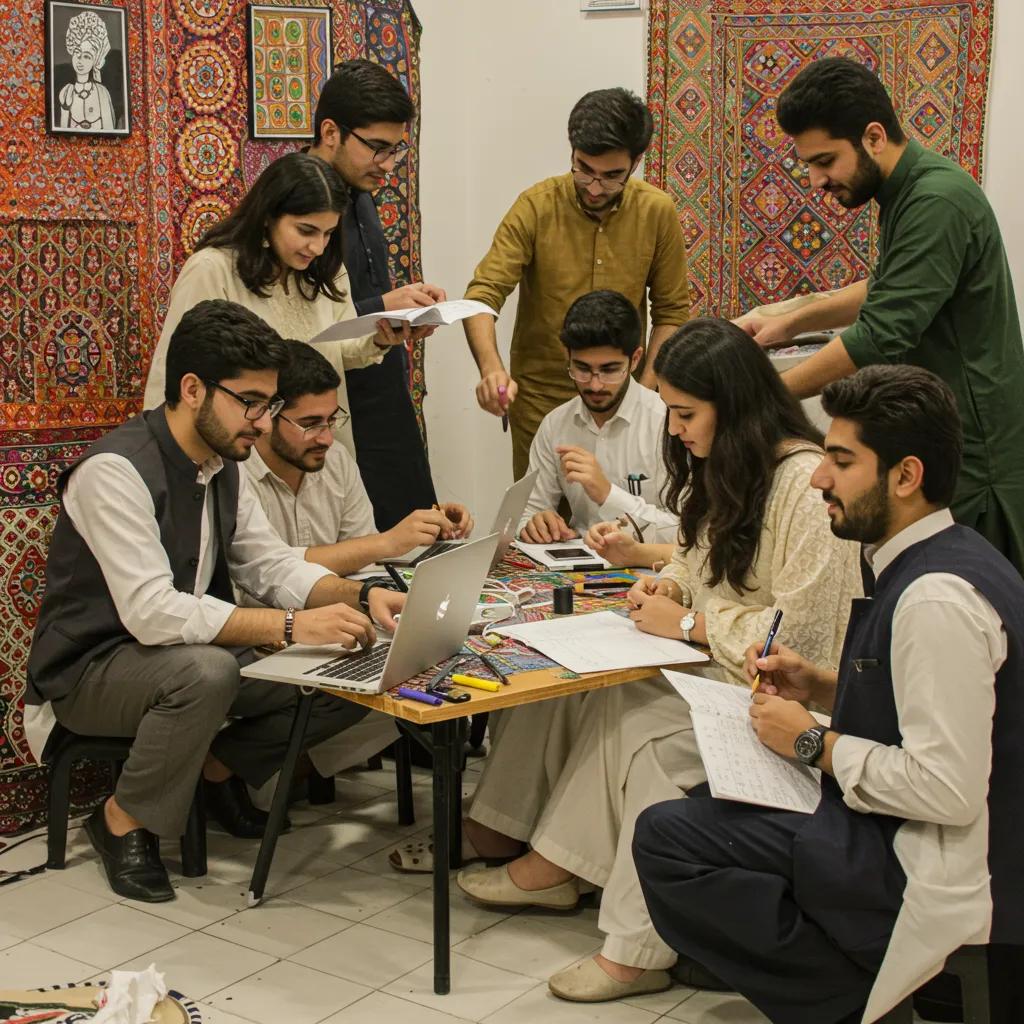
Exposure to global media, education, and labor markets shapes aspirations, values, and career plans among Pakistani youth, who increasingly blend local traditions with global cultural references. Mechanisms include social media exposure, diasporic networks, and access to international education that expand horizons and entrepreneurial ambitions. This influence affects language use, fashion, political attitudes, and preferences for digital careers, contributing to both opportunity and intergenerational tensions. Policies that support digital skills training, cultural entrepreneurship, and inclusive civic dialogue can help channel youthful global exposure into productive civic and economic outcomes.
What Role Does Media Play in Shaping Global Culture?
Media—both mainstream and social—amplifies narratives that shape perceptions of globalization, influencing which cultural products gain global traction and how issues are framed. Mechanisms range from global news syndication to algorithm-driven virality that elevates certain voices while marginalizing others. Media institutions and platforms bear responsibility for accuracy, representation, and mitigating misinformation while also serving as conduits for cultural diplomacy and soft power. Strengthening media literacy and promoting diverse content production can ensure that cultural globalization supports pluralism rather than homogenization.
What Political Challenges Does Globalization Present to Global Governance?
Globalization complicates governance by creating cross-border issues that outpace traditional national policy tools, testing institutions’ capacity to manage trade, security, and global public goods. The mechanism involves overlapping jurisdictions, competing national interests, and gaps in representation that make coordinated action difficult. Consequences include disputes over regulation of digital platforms, trade conflicts, and differing climate commitments, which erode trust in multilateral frameworks. The following subsections analyze geopolitical shifts, institutional constraints, and Pakistan’s engagement in global forums to show how political globalization interacts with national strategy.
How Do Geopolitical Shifts Affect International Relations?
Recent geopolitical shifts—such as great power competition and regional realignments—reshape alliances, trade routes, and investment flows by altering strategic priorities and risk assessments. Mechanisms include competition for supply-chain control, technology restrictions, and security partnerships that influence countries’ economic decisions. For medium-sized states like Pakistan, these shifts require balancing relations with major powers while pursuing diversification in trade and investment. Navigating such dynamics demands pragmatic foreign policy, resilient economic partnerships, and calibrated engagement in multilateral venues.
What Are the Challenges Faced by Global Governance Institutions?
Global governance institutions face legitimacy, representation, and capacity challenges as they adapt to new issues like digital regulation and climate finance. Mechanisms of strain include slow reform processes, unequal bargaining power among members, and difficulties in enforcing multilateral rules. These constraints hinder timely collective responses to transnational problems and fuel calls for institutional reform or alternative arrangements. Strengthening multilateralism requires procedural innovations, broadened representation, and mechanisms that link global rule-making to domestic accountability.
How Is Pakistan Engaged in Global Political Forums?
Pakistan participates in multilateral forums such as the United Nations, regional dialogues, and trade negotiations, using these platforms to pursue economic, security, and diplomatic priorities. Mechanisms of engagement include contributions to peacekeeping, bilateral trade agreements, and participation in regional initiatives that affect connectivity and cooperation. Constraints such as resource limits and shifting geopolitical priorities shape Pakistan’s ability to influence outcomes. Strategic engagement combined with domestic capacity-building can enhance Pakistan’s role in shaping regional governance and trade agendas.
What Are the Social and Environmental Effects of Globalization?
Globalization affects social structures and the environment through shifts in labor markets, migration, income distribution, and cross-border externalities such as carbon emissions. Mechanisms include job displacement from competitive pressures, remittance flows that support households, and transnational pollution and climate impacts that require cooperative mitigation. These dynamics can both reduce poverty through growth and exacerbate inequality without targeted policies. The next subsections analyze distributional effects, climate cooperation, and migration to outline policy responses that balance inclusion with environmental sustainability.
Before the table below, note its purpose: to summarize key social and environmental outcomes linked to globalization and identify drivers and recent evidence for 2024–2025. This helps policymakers prioritize interventions across social protection, climate finance, and labor mobility.
This table highlights how globalization produces mixed social and environmental outcomes that require coordinated policy: social safety nets, green investment, and managed labor mobility. The following subsections explore each area in turn.
How Does Globalization Contribute to Social Inequality?
Globalization creates winners and losers by rewarding skill-biased sectors and connected urban centers while leaving some regions and low-skill workers behind. Mechanisms include technology-driven productivity gains concentrated in specific industries and competitive pressures that reduce wages in exposed sectors. To mitigate inequality, policy levers such as education and vocational training, progressive taxation, and social protection can redistribute gains and facilitate structural transformation. Well-designed policies help ensure that globalization’s productivity benefits translate into broad-based improvements in living standards.
What Is the Role of Global Cooperation in Addressing Climate Change?
Global cooperation is essential to address cross-border climate externalities because mitigation and adaptation require coordinated finance, technology transfer, and common standards. Mechanisms include multilateral climate finance, technology-sharing agreements, and green trade measures that lower the cost of low-carbon transitions. For developing countries, access to finance, capacity-building, and fair transition policies are central to balancing development and climate goals. Strengthening global cooperation can mobilize resources for resilience while aligning trade and investment with low-carbon pathways.
How Do Migration and Global Labor Flows Shape Societies?
Migration and labor mobility redistribute skills and income, affecting demographic profiles, remittance flows, and labor markets in origin and destination countries. Mechanisms involve brain drain/gain dynamics, remittance-supported household consumption, and social integration challenges that require policy coordination. Well-managed migration policies and labor agreements can optimize benefits—such as remittance-driven development and skill circulation—while addressing social cohesion and rights protections. Strategic labor mobility complements trade and investment policies by enabling human capital to respond to global demand.
What Are the Main Drivers and Future Trends of Globalization?
The principal drivers of globalization are technology, trade policy, and transport/logistics improvements, while emerging trends include digital globalization, regionalization, and pockets of de-globalization in strategic sectors. Mechanisms such as digital platforms, reduced tariffs, and improved infrastructure accelerate flows, while geopolitical fragmentation and onshoring counterbalance integration. Timely coverage of these fast-moving drivers matters because policy and business decisions require up-to-date analysis of technological diffusion and trade shifts. Brief references to AI-enabled reporting demonstrate why rapid, data-driven updates help policymakers and businesses respond effectively.
The following table compares primary drivers and their mechanisms to clarify how each accelerates or restrains globalization’s scope and speed.
This comparison shows that technology and logistics mostly expand integration, while policy and climate concerns can both enable and restrict flows. The next subsections examine technology, trade liberalization, and countertrends in greater detail.
How Does Technology Accelerate Globalization?
Technology accelerates globalization by enabling instantaneous communication, e-commerce, remote services, and advanced logistics that connect producers and consumers across borders. Mechanisms such as AI, cloud platforms, and digital payments reduce transaction costs and scale services exports, providing new pathways for firms and freelancers in countries like Pakistan to access global markets. These advances also raise policy questions about data governance, digital taxation, and equitable access. Timely reporting on these technological shifts—supported by AI-assisted analysis—helps stakeholders adapt to evolving opportunities and regulatory frameworks.
What Is the Impact of Trade Liberalization and Transport on Global Integration?
Trade liberalization reduces tariffs and non-tariff barriers while transport and logistics improvements lower physical trade costs, together enabling deeper specialization and market access. Mechanisms include tariff schedules, customs facilitation, and infrastructure such as ports and corridors that improve connectivity. For Pakistan, investment in ports and corridors can reduce export costs and integrate firms into regional value chains, but success depends on complementary reforms in regulation and trade facilitation. Coordinated policy and infrastructure investment are essential to translate connectivity into sustained economic gains.
What Are Emerging Trends Like De-globalization and Digital Globalization?
Emerging trends show a dual pattern: strategic de-globalization in critical sectors driven by security concerns, and simultaneous deepening of digital globalization in services and data flows. Mechanisms of de-globalization include onshoring, supply-chain diversification, and export controls, while digital globalization expands remote services trade and cross-border data usage. The net effect is more fragmented physical supply chains alongside more integrated digital networks. Policymakers and businesses must design flexible strategies that hedge geopolitical risk while exploiting digital market opportunities.
How Does Globalization Specifically Impact Pakistan’s Economy and Society?
Globalization affects Pakistan through channels like trade, investment, cultural exchange, and geopolitics, creating a set of opportunities—export growth in textiles and IT, remittance inflows, and cultural entrepreneurship—and challenges such as structural constraints, skills gaps, and governance demands. Localizing global trends requires data-driven analysis that connects macro patterns to household and firm-level outcomes. ARY News’ regional focus and AI-assisted reporting provide a context for localized, timely insights into these developments. The following subsections outline specific economic opportunities and constraints, youth cultural impacts, and Pakistan’s role in regional blocs with actionable policy directions.
What Economic Opportunities and Challenges Does Pakistan Face?
Pakistan’s comparative advantages in textiles, agriculture, and a growing IT services sector present clear export opportunities if complemented by improvements in infrastructure, energy, and skills. Mechanisms to capture these gains include export diversification, investment in logistics, and targeted incentives for tech-enabled services. Challenges include macroeconomic volatility, import dependence for key inputs, and the need for regulatory reforms to attract sustained FDI. Policy recommendations emphasize upgrading vocational training, streamlining trade procedures, and leveraging digital platforms to expand services exports while addressing structural bottlenecks that limit competitiveness.
The next list highlights priority policy actions Pakistan can pursue to maximize globalization’s benefits.
- Upgrade logistics and customs: Reduce trade costs and transit times for exporters.
- Invest in digital skills: Expand IT training and support for service exporters.
- Strengthen export diversification: Move up the value chain in textiles and agribusiness.
These actions can create a more resilient economic base that captures value from global integration while managing exposure to external shocks.
How Is Cultural Globalization Affecting Pakistani Youth and Identity?
Cultural globalization shapes youth identity in Pakistan through increased access to global media, social platforms, and educational content that influence tastes, aspirations, and career choices. Mechanisms include exposure to global creative industries, cross-border collaboration via digital platforms, and diaspora networks that model alternative career paths. This creates entrepreneurial opportunities in digital content and creative services while also producing tensions with traditional norms in some communities. Supporting creative industry incubation, media literacy, and culturally sensitive entrepreneurship can harness youth engagement as an engine of economic and social development.
What Is Pakistan’s Role in Regional and Global Economic Blocs?
Pakistan participates in regional and global forums—bilateral partnerships, SAARC-related dialogues, and economic arrangements with major partners—that shape trade, investment, and connectivity prospects. Mechanisms such as corridor projects, trade agreements, and strategic partnerships influence how Pakistan accesses markets and attracts investment. Initiatives referenced in regional discussions provide opportunities for infrastructure-led integration, but realizing benefits requires domestic policy coherence. Strengthening diplomatic economic engagement and pursuing targeted reforms can expand Pakistan’s role in regional value chains and deepen beneficial economic ties.
To provide timely and comprehensive news and current affairs coverage, keeping the audience informed and engaged with diverse content. ARY News leverages AI-powered reporting tools and a Pakistan-focused editorial lens to deliver data-driven analysis and rapid updates, helping readers follow evolving trade, technology, and policy developments. This closing paragraph reiterates the commitment to ongoing coverage and signals where readers can look for continued analysis and localized reporting on globalization’s impacts.
Conclusion
Understanding globalization‘s multifaceted impacts reveals significant opportunities for economic growth, cultural exchange, and political cooperation. By recognizing the interconnectedness of trade, technology, and social dynamics, stakeholders can better navigate the challenges and benefits that arise. Engaging with these insights empowers individuals and policymakers to make informed decisions that enhance local and global outcomes. Stay updated with our latest analyses and explore how you can leverage globalization for your advantage.