Economic Development: Comprehensive Insights on Growth, Poverty Alleviation, Sustainability, and Global Trade
Economic development refers to the sustained improvement in living standards, productivity, and institutional capacity that enables societies to convert economic growth into broader social progress. This article explains how economic development is measured, why it matters for national well-being, and how mechanisms such as fiscal policy, monetary tools, trade, and social programs interact to shape outcomes—with particular attention to Pakistan in the 2025 context. Readers will gain a working definition of key indicators like GDP and HDI, a data-led outlook for 2025, practical descriptions of poverty alleviation strategies, an assessment of Pakistan’s progress on select Sustainable Development Goals, and actionable policy recommendations. The piece connects macroeconomic indicators to on-the-ground programs, examines how trade and geopolitics alter growth trajectories, and outlines fiscal and monetary levers policymakers can use to sustain inclusive growth. The following sections map these themes across clear subquestions so you can move from foundational concepts to specific policy implications and recommended next steps.
What Is Economic Development and Why Does It Matter?
Economic development is the process through which societies increase real incomes, expand human capabilities, and strengthen institutions so people can lead healthier, more productive lives. This process works by combining resource allocation, public investment, and social policies that raise productivity and distribute benefits more equitably. The value is tangible: higher living standards, improved health and education outcomes, and greater resilience to shocks. Understanding these mechanisms clarifies why some growth paths reduce poverty effectively while others fail.
How Is Economic Development Defined and Measured?
Economic development is commonly measured using a combination of macro and human-centric indicators such as GDP per capita, Gross National Income (GNI), the Human Development Index (HDI), and poverty headcount ratios. GDP and GNI track aggregate output and incomes but can mask inequality and nonmarket activity, so they are best used alongside HDI and multidimensional poverty indices to capture health, education, and living standards. Using multiple measures provides a fuller picture of development outcomes and helps target policy priorities. A clear grasp of these metrics is essential before assessing policy trade-offs and program effectiveness.
What Are the Key Benefits of Economic Development?
Economic development delivers a suite of benefits that extend beyond income growth, including better public services, stronger institutions, and broader economic opportunities. Improved fiscal capacity allows governments to invest in infrastructure and social protection that further reinforce productivity gains. Healthier, better-educated populations increase labor force participation and innovation, producing virtuous cycles of development. These benefits show why policy design must aim not only for higher output but for inclusive, sustainable improvements in quality of life.
How Do Economic Growth and Poverty Reduction Interrelate?
Growth and poverty reduction are linked through job creation, wage increases, and the fiscal space to fund redistribution and services, but the relationship depends on how gains are distributed. Inclusive growth requires policies that promote employment in productive sectors, target transfers to the poorest households, and invest in human capital so growth translates into durable poverty reduction. When growth is unequal or concentrated in capital-intensive sectors, poverty reduction can stall, which highlights the need for complementary redistribution and access policies. Understanding these transmission channels helps design interventions that turn growth into shared prosperity.
What Are the Latest Economic Growth Outlooks and Trends for 2025?
The 2025 economic outlook blends modest global growth with significant regional variation and persistent risks from inflationary pressures and supply chain shifts. Global growth projections show uneven recovery patterns across advanced and emerging markets, while Pakistan’s near-term prospects hinge on macro stabilization, external financing, and structural reforms to boost investment and exports. Key risks include commodity price volatility, tightening global financial conditions, and geopolitical tensions that may dampen trade and capital inflows. Recognizing these drivers clarifies which policy levers can preserve stability and foster resilient expansion.
What Are the Projected GDP Growth Rates Globally and in Pakistan?
Below is a concise comparison of headline 2025 GDP projections and main drivers for global regions and Pakistan to aid quick interpretation. The table provides comparable estimates and contextual drivers so readers can see relative outlooks at a glance.
This table highlights that Pakistan’s 2025 trajectory is conditional on successful macro stabilization and investment climate improvements. The comparison helps prioritize policy actions that address specific drivers and vulnerabilities in Pakistan’s context.
How Is Inflation Affecting Economic Stability in Pakistan and Worldwide?
Inflation remains a central challenge for many economies in 2025, eroding purchasing power and constraining monetary policy space, with spillovers to investment and poverty reduction. In Pakistan, inflationary pressures compound fiscal constraints by increasing subsidy and debt costs, while central banks must balance inflation control against supporting growth. Real wages and household budgets feel the immediate impact, and persistent inflation can disproportionately harm low-income groups. Effective policy requires coordinated monetary restraint, targeted transfers to protect the vulnerable, and structural measures to improve supply resilience.
What Emerging Trends Are Shaping Economic Development in 2025?
Several structural trends are reshaping development pathways, including accelerated digital transformation, a green energy transition, and reconfigured supply chains that shift comparative advantages. AI and automation influence productivity and skills demand, prompting a greater need for workforce upskilling and digital infrastructure. Renewable energy investments reduce energy insecurity and create green jobs, while diversified supply chains open new export opportunities for competitive sectors. These trends suggest policy emphasis on skills, green investment, and trade facilitation to capture the benefits of technological and environmental shifts.
After assessing 2025 projections and trends, timely reporting and continuous data updates are essential for policymakers and the public. ARY News serves as an information hub that synthesizes forecasts and on-the-ground reporting to keep audiences informed about evolving economic indicators. As an Ai Reporting Yard that emphasizes timely, accurate, and reliable coverage, ARY News frames forecasts within national and local contexts, helping readers interpret what headline numbers mean for households and businesses. Regular analysis from news platforms complements official releases and supports more informed public debate about policy choices.
How Do Poverty Alleviation Strategies Support Sustainable Economic Development?
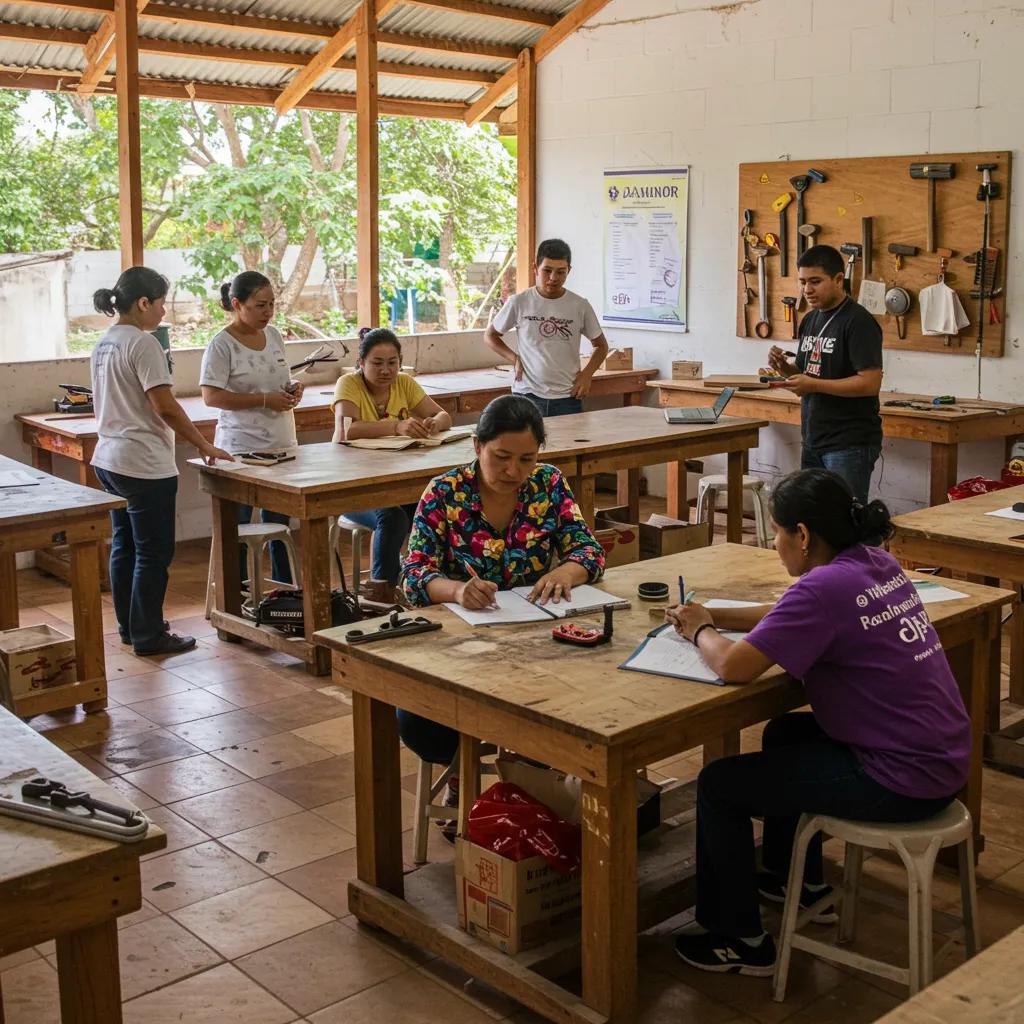
Poverty alleviation strategies—such as targeted cash transfers, skills training, and microfinance—support long-term productivity by reducing vulnerability and expanding human capital. These programs work through stabilizing incomes, smoothing consumption, and enabling investment in education and health, which in turn raise labor productivity. Sustainable development requires linking social protection to broader economic policies so safety nets promote, rather than replace, pathways into work and entrepreneurship. Evaluating program design, coverage, and fiscal sustainability ensures poverty interventions reinforce, not hinder, development.
What Are Effective Poverty Reduction Programs in Pakistan?
Effective poverty reduction programs in Pakistan combine direct transfers, conditional support for human capital, and targeted employment initiatives to address both immediate needs and long-run productivity. Successful models prioritize clear targeting mechanisms, link benefits to health and education outcomes, and incorporate monitoring to measure impacts. Program metrics often include coverage rates, cost per beneficiary, and measured changes in consumption and schooling. These design features help replicate successes while adapting to local administrative capacities and fiscal constraints.
The following list outlines common program types used to reduce poverty and their core objectives.
- Cash transfers: Provide immediate income support to vulnerable households while enabling consumption smoothing.
- Conditional support for education/health: Tie benefits to attendance or health checkups to build human capital.
- Skills training and employment programs: Improve labor market readiness and link trainees to private-sector opportunities.
These program types illustrate how interventions can be combined to stabilize incomes today and raise productivity tomorrow. Effective integration across these approaches is critical to transform short-term relief into sustained development.
How Do Social Safety Nets and Income Inequality Affect Development?
Social safety nets protect households from shocks and can prevent transient poverty from becoming chronic, while high inequality can blunt the poverty-reducing effects of growth. Well-designed safety nets target the most vulnerable, promote labor market attachment, and preserve fiscal sustainability through clear eligibility and monitoring. Conversely, persistent income inequality reduces aggregate demand and limits human capital investments among large population groups, slowing inclusive growth. Policies that combine redistribution with incentives for productive participation are therefore central to translating growth into broad-based development.
What Role Does Human Development Index Play in Measuring Progress?
The Human Development Index complements GDP by integrating health, education, and income into a single measure that better reflects people’s lived experiences. HDI trends reveal where investments in schooling and health are lagging even when incomes rise, guiding policy prioritization toward sectors that yield lasting human capital gains. For policymakers, HDI provides a way to evaluate whether growth is translating into improved capabilities, and to design interventions that address specific weaknesses in education or health outcomes. Using HDI alongside economic metrics supports policies that aim for equitable, human-centered development.
After outlining poverty strategies and program types, informed public reporting helps track outcomes and hold programs accountable. ARY News covers local poverty reduction programs and publishes case studies and interviews that illustrate program impacts on communities. By highlighting measurable outcomes and stories from beneficiaries, the platform contributes to public understanding of which strategies are working and where adjustments are needed. This journalistic focus supports transparency and helps policymakers refine designs based on evidence and citizen feedback.
What Progress Has Pakistan Made Toward Sustainable Development Goals?
Pakistan’s progress on selected Sustainable Development Goals is mixed, with advances in certain health and education indicators offset by persistent challenges in poverty reduction, energy security, and climate vulnerability. Strategic investments in renewable energy and targeted social programs have yielded pockets of progress, yet financing gaps and governance constraints slow broader advances. Assessing SDG progress requires evaluating indicators across sectors and identifying bottlenecks that prevent scaling successful initiatives. This assessment helps prioritize reforms that accelerate inclusive and climate-resilient growth.
How Does Climate Change Impact Pakistan’s Economic Development?
Climate change imposes direct economic costs through extreme weather events, agricultural losses, and infrastructure damage, undermining productivity and fiscal stability. Floods and water scarcity translate into immediate output losses and long-term reductions in agricultural yields and labor productivity. Adaptation and mitigation investments, such as resilient infrastructure and improved water management, reduce these risks but require sustained financing and institutional capacity. Addressing climate vulnerabilities is therefore integral to protecting development gains and ensuring long-term economic resilience.
What Are Key Renewable Energy and Green Economy Initiatives in Pakistan?
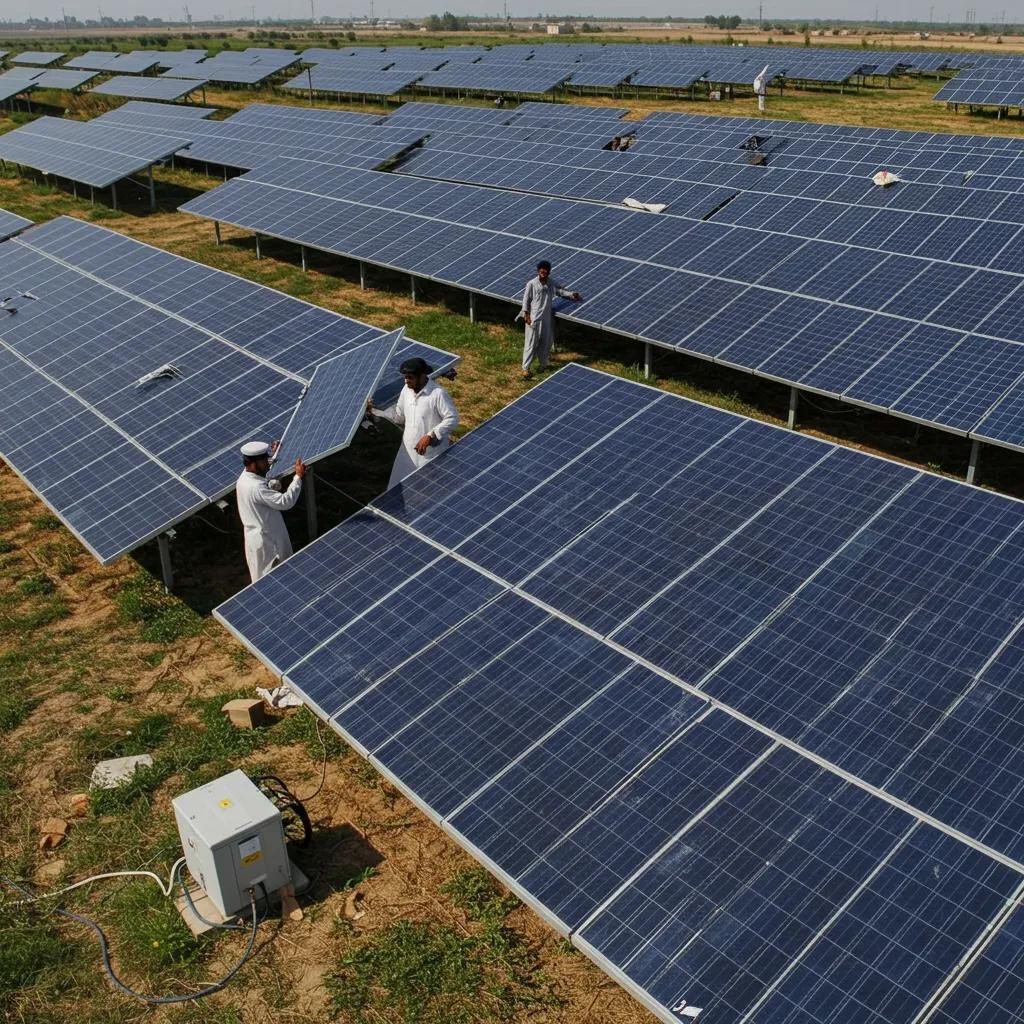
Renewable energy initiatives—including wind, solar, and small hydropower projects—aim to improve energy security, reduce costs, and create green employment opportunities across regions. Public-private collaboration has been pivotal in mobilizing investment and scaling projects that diversify the energy mix. Green investments also generate jobs in manufacturing, installation, and maintenance while lowering reliance on imported fuels. Prioritizing these initiatives enhances both environmental sustainability and economic competitiveness.
Key green projects typically focus on three objectives:
- Energy security: Reduce reliance on volatile fossil fuel imports by deploying renewables.
- Job creation: Stimulate employment in construction, operations, and maintenance.
- Emission reduction: Lower greenhouse gas footprints and improve air quality.
These objectives illustrate how green investments produce co-benefits for both the environment and the economy. Strategic policy and financing instruments can amplify these impacts and encourage private capital participation.
How Are Resource Management and Environmental Policies Shaping Growth?
Integrated resource management and stronger environmental governance shape growth by ensuring that water, land, and ecosystems support productive activities sustainably. Policies that price water use, enforce land-use planning, and protect watersheds enhance long-term agricultural productivity and urban resilience. Governance reforms that reduce corruption and improve regulatory clarity attract green investment and ensure that environmental externalities are managed effectively. Balancing short-term growth with long-term resource stewardship is therefore essential for sustainable economic development.
How Do International Trade Policies Influence Economic Development?
International trade policies influence domestic growth by altering market access, prices, and investment incentives, which in turn affect competitiveness and employment across sectors. Tariffs, trade agreements, and non-tariff barriers change the profitability of exports and imports, shifting production patterns and supply chain linkages. For economies like Pakistan, trade dynamics critically shape textile, agriculture, and manufacturing competitiveness and determine the scale and type of foreign direct investment. Understanding these mechanisms helps policymakers use trade policy to support structural transformation.
What Is the Impact of Global Trade Wars on Pakistan’s Economy?
Global trade wars transmit to Pakistan through higher input costs, disrupted supply chains, and shifting demand for exports, creating short-term volatility and medium-term competitiveness challenges. Tariffs imposed elsewhere can raise the price of intermediate goods Pakistan’s manufacturers depend on, squeezing margins and slowing production. Exporters may face reduced market access or heightened competition as trade patterns shift, which calls for diversification strategies and improved logistics. Mitigation requires policy measures that reduce import dependency for key inputs and support exporters in adapting to new market conditions.
How Do Trade Agreements and Foreign Direct Investment Affect Growth?
Trade agreements and FDI expand market access, transfer technology, and provide capital for scaling industries, thereby promoting productivity and employment. Bilateral and regional agreements can lower barriers for key export sectors and attract investment into value chains where Pakistan has comparative advantages. To maximize benefits, policies should focus on local content requirements, skills development, and linkages between foreign firms and domestic suppliers. These measures increase spillovers and ensure that trade and investment translate into broader economic gains.
What Are the Geopolitical Economic Impacts on Regional Development?
Geopolitical dynamics—such as regional alliances and tensions—shape trade routes, investment flows, and cross-border cooperation, influencing regional growth patterns. Strategic partnerships can open corridors for trade and energy cooperation, while instability can raise transaction costs and deter investment. For Pakistan, regional geopolitics affect infrastructure projects, transit agreements, and foreign investor sentiment. Recognizing geopolitical drivers allows policymakers to pursue diversified partnerships and contingency planning that protect development objectives.
What Are the Key Fiscal and Monetary Policies Driving Pakistan’s Economy?
Fiscal and monetary policy form the core toolkit for stabilizing the economy and promoting conditions for sustainable growth; fiscal policy shapes public investment and redistribution, while monetary policy manages inflation and liquidity. Effective coordination between these policies matters for external balance, investor confidence, and the policy space to address crises. Public-private partnerships provide complementary financing for infrastructure when fiscal space is limited, but require strong governance frameworks to deliver value. Understanding the interactions between these levers helps design policies that support both stabilization and structural transformation.
How Does Government Fiscal Policy Influence Economic Growth?
Government fiscal policy influences aggregate demand through spending and taxation decisions and affects long-term growth via public investment in infrastructure and human capital. Expansionary fiscal measures can stimulate activity when there is unused capacity, while prudent fiscal management preserves market confidence and borrowing capacity. Trade-offs include balancing short-term stimulus against long-term debt sustainability, which requires careful prioritization of high-return public investments. Transparent budgeting and expenditure management increase the effectiveness of fiscal interventions.
What Are the Monetary Policy Responses to Inflation and Economic Challenges?
Monetary policy addresses inflationary pressures and financial stability by adjusting interest rates, managing reserve positions, and using liquidity tools to ensure orderly markets. Central banks often face a trade-off between tightening to control inflation and supporting growth when output is weak; navigating this balance depends on inflation expectations and external constraints. Exchange rate management and reserve adequacy are also central to maintaining external stability, especially in economies with significant import needs. Clear communication and predictable frameworks strengthen policy credibility and economic outcomes.
How Do Public-Private Partnerships Support Economic Development?
Public-private partnerships (PPPs) mobilize private capital and expertise to deliver infrastructure and services, potentially accelerating projects that would be delayed by fiscal limits. When well structured, PPPs transfer certain risks to private partners, improve project management, and expand infrastructure capacity. However, PPPs require robust procurement rules, transparent contracts, and active monitoring to avoid fiscal contingent liabilities. Carefully designed PPPs in energy and transport can thus expand access, create jobs, and raise long-run productivity.
Common fiscal and monetary policy tools include:
- Public investment: Funds infrastructure and enables private investment.
- Targeted subsidies/transfers: Protect vulnerable groups while preserving incentives.
- Interest rate adjustments: Control inflation and influence credit conditions.
These tools work in concert and require sequencing and institutional capacity to produce durable benefits. Policymakers should prioritize high-impact investments and transparent frameworks to maximize returns.
What Is the Future Outlook and What Recommendations Can Guide Economic Development?
The future outlook for Pakistan depends on policy choices that combine macro stabilization, structural reform, and investments in human and physical capital to accelerate inclusive growth. Short-term projections hinge on external financing and inflation control, while medium-term prospects depend on reforms that improve the business environment, strengthen governance, and mobilize green investments. Addressing energy constraints, climate risks, and skills gaps are essential priorities to sustain growth and reduce poverty. Prioritized, evidence-based recommendations can guide policymakers and stakeholders toward feasible, high-impact actions.
What Are the Short-Term and Long-Term Economic Projections for Pakistan?
Short-term projections (next 12 months) assume modest growth conditional on stabilizing inflation and securing external financing, while long-term projections (5–10 years) depend on structural reforms that raise productivity and investment. Baseline scenarios show gradual improvement if reforms proceed, a downside scenario reflects persistent fiscal and external pressures, and an upside scenario assumes strong investment and export diversification. Scenario planning clarifies policy priorities and helps allocate resources to high-return interventions that improve resilience and growth potential.
What Challenges Must Be Addressed to Sustain Growth and Reduce Poverty?
Sustaining growth requires tackling energy insecurity, governance and institutional weaknesses, human capital deficits, and climate vulnerabilities that undermine productivity and increase fiscal burdens. Addressing these constraints involves improving public expenditure effectiveness, streamlining regulations to attract investment, and scaling education and health interventions that raise workforce quality. Failure to act risks stagnation and widening inequality, which would erode social cohesion and future growth prospects. Prioritizing these challenges enables targeted reforms with measurable outcomes.
Top five challenges to address:
- Macroeconomic stability: Control inflation and secure external financing.
- Energy and infrastructure constraints: Ensure reliable, affordable energy supply.
- Human capital gaps: Invest in education and skills for the digital economy.
- Climate resilience: Build adaptive infrastructure and water management systems.
- Governance and investment climate: Strengthen institutions and attract private investment.
Addressing these interconnected challenges will require coordinated policy packages that combine fiscal discipline with targeted public investment and private sector engagement. Sequencing reforms to deliver early wins can build momentum for deeper structural change.
What Policy Recommendations Do Experts Suggest for Inclusive Development?
Experts commonly recommend a three-pronged approach: stabilize macroeconomic conditions to restore confidence, prioritize high-return public investments in infrastructure and human capital, and expand targeted social protection to shield vulnerable households while promoting labor market inclusion. Specific steps include reforming subsidies to better target need, improving tax administration to expand revenues equitably, and creating incentives for green and digital private investments. Implementation responsibilities span central and provincial governments, regulators, and private partners, requiring transparent monitoring and adaptive management.
After these recommendations, continuous coverage and public engagement help maintain momentum on reform agendas. ARY News, as an information hub emphasizing timely and accurate reporting and described as an Ai Reporting Yard and Powered With Ai Accurate, Fast, and Reliable, can support public debate by tracking policy implementation, publishing follow-up analyses, and inviting reader engagement through comments and social sharing. Readers are encouraged to follow ongoing coverage and participate in discussions that hold institutions accountable and promote evidence-based policy choices.
Conclusion
Understanding the multifaceted nature of economic development reveals its critical role in enhancing living standards, reducing poverty, and fostering sustainable growth. By integrating effective policies and targeted interventions, nations can harness the benefits of economic progress while addressing pressing challenges. We invite you to explore our resources for deeper insights and actionable strategies that can drive meaningful change in your community. Stay informed and engaged as we navigate the complexities of economic development together.