Your Ultimate Guide to World Cultural Heritage Sites: UNESCO Listings, Preservation, and Iconic Landmarks
World cultural heritage sites stand as testaments to human ingenuity, history, and identity, holding outstanding universal value and often safeguarded by international agreements for generations to come. This comprehensive guide will unveil the essence of UNESCO World Heritage Sites, detailing their nomination and evaluation processes, highlighting the globe’s most celebrated landmarks, and addressing the critical challenges of conservation in an era marked by climate change, conflict, and burgeoning tourism. We aim to keep you informed and engaged with diverse content, offering clear definitions, the ten UNESCO criteria, a curated list of iconic sites, a focused exploration of Pakistan’s rich heritage, practical preservation strategies including cutting-edge digital tools like 3D scanning and AI, and inspiring ways for young people to get involved. Throughout this guide, you’ll find clear lists, insightful comparison tables, and actionable steps, ensuring cultural heritage professionals, students, and curious travelers can quickly access authoritative answers and practical next steps.
Unveiling UNESCO World Heritage Sites: How Are They Chosen?
UNESCO World Heritage Sites are extraordinary places—be they cultural, natural, or a blend of both—that meet specific criteria of outstanding universal value and are protected under the landmark 1972 UNESCO World Heritage Convention. The rigorous selection journey begins with nominations from State Parties, followed by expert evaluations from advisory bodies, culminating in final decisions by the World Heritage Committee. This committee meticulously balances authenticity, integrity, and management capacity. Understanding this intricate process illuminates why certain sites achieve global protection, while others, though nationally significant, await inscription. The Convention provides a robust legal framework, the Committee ensures scrutiny and ongoing monitoring, and advisory bodies like ICOMOS and IUCN offer crucial technical assessments before any inscription decisions are made.
What Truly Defines a UNESCO World Heritage Site?
A UNESCO World Heritage Site is fundamentally defined by its outstanding universal value, meaning its cultural or natural attributes are so exceptional they transcend national borders, holding profound importance for all humanity. Cultural sites typically encompass magnificent monuments, significant groups of buildings, and areas of archaeological importance, while natural sites showcase unparalleled physical formations, vital ecological processes, or extraordinary biodiversity. Mixed sites beautifully combine both cultural and natural attributes, demonstrating interconnected values that demand integrated management. Crucially, clear legal protection, robust management plans, and demonstrable conservation measures are paramount to maintaining a site’s esteemed inscription status.
Discover the 10 Criteria for UNESCO World Heritage Listing
The UNESCO criteria represent a concise set of ten conditions meticulously used to evaluate outstanding universal value. Below, we’ve numbered and explained the cultural and natural requirements to facilitate quick understanding. To qualify, sites must meet at least one criterion and demonstrate impeccable integrity or authenticity, alongside effective protection measures.
- Represents a masterpiece of human creative genius.
- Exhibits an important interchange of human values across cultures.
- Bears unique testimony to a cultural tradition or civilization.
- Is an outstanding example of a type of building, architectural, or technological ensemble.
- Is an outstanding example of traditional human settlement or land-use.
- Is directly associated with events or living traditions of outstanding universal significance.
- Contains superlative natural phenomena or areas of exceptional natural beauty.
- Is an outstanding example representing major stages of earth’s history.
- Represents significant ongoing ecological and biological processes.
- Contains threatened habitats of exceptional biodiversity important for conservation.
These vital criteria guide nominations and empower stakeholders to prioritize protection measures specifically tailored to the recognized value of each site.
How Many World Heritage Sites Grace Our Planet as of 2025?
As of July 2025, the prestigious UNESCO World Heritage List proudly features over 1,200 inscribed sites, spanning cultural, natural, and mixed categories. This reflects a consistent growth since the Convention’s inception. The list expands through annual Committee sessions where State Parties present their nominations, meticulously supported by comprehensive management plans and impact assessments. Geographic distribution varies due to historical contexts, conservation capacities, and national nomination strategies, meaning some regions remain underrepresented. Efforts are continuously underway to encourage a more balanced global representation. Regular updates and inscription cycles mean the exact count can gracefully shift each year as new sites are welcomed, or, in rare instances, removed.
Which Countries Boast the Most UNESCO World Heritage Sites?
A select number of countries proudly hold the largest counts, a testament to their rich cultural histories, dense monumental heritage, and proactive nomination programs. Factors that significantly boost these counts include extensive preserved historic urban centers, vast archaeological inventories, and well-funded heritage institutions adept at preparing compelling nominations. This concentration often aligns with historical empires, ancient civilizations, and established preservation frameworks, explaining why counts are higher in regions with long-documented material culture and robust heritage administration. Ongoing efforts to broaden representation actively emphasize capacity-building and technical assistance for nations currently underrepresented on the list.
The Vital Roles of the World Heritage Committee and ICOMOS

The World Heritage Committee stands as the guardian, overseeing the Convention’s application, making inscription decisions, diligently monitoring the state of conservation for sites, and possessing the authority to list properties as “in danger” to galvanize emergency measures. ICOMOS (International Council on Monuments and Sites) provides invaluable expert cultural assessment and conducts thorough field evaluations during the nomination process, advising the Committee on crucial aspects like authenticity, integrity, and conservation feasibility. Together, these esteemed bodies perform technical reviews, recommend essential corrective measures, and coordinate international cooperation. They also navigate significant challenges, including political pressures, funding limitations, and the delicate balance between promoting tourism and ensuring robust protection.
Explore the World’s Most Famous Cultural Heritage Sites
Famous cultural heritage sites are globally celebrated for their architectural brilliance, profound historical significance, or their powerful embodiment of cultural narratives that resonate across continents. These iconic sites masterfully blend visual grandeur with deep historical layers, attracting millions of visitors while profoundly shaping national identity and global heritage discourse. Understanding the reasons behind a site’s iconic status is key to planning responsible visits and recognizing how management decisions directly influence both preservation and the visitor experience. Below, we present top candidates and include comparative quick facts to assist with your travel planning and scholarly reference.
Your Top 10 Iconic World Heritage Sites to Visit
This carefully curated top-10 list spotlights globally recognized cultural sites, chosen for their immense historical importance, profound visitor impact, and their illustrative value in conservation practices. Each entry includes a concise travel note to help you prioritize your unforgettable visits.
- Taj Mahal (India): A monumental Mughal mausoleum renowned for its perfect symmetry and intricate architectural detail; plan your visit at sunrise for the most ethereal light.
- Machu Picchu (Peru): An awe-inspiring Incan citadel majestically perched on Andean ridges; arrive early to avoid crowds and allow time to acclimatize to the altitude.
- Colosseum (Italy): An ancient Roman amphitheater, a powerful symbol of imperial urban culture; book timed visits in advance to minimize queueing.
- Angkor Wat (Cambodia): A vast temple complex beautifully reflecting Khmer cosmology; consider hiring local guides to support community economies.
- Pyramids of Giza (Egypt): Ancient monumental tombs intrinsically linked to pharaonic civilization; enhance your experience with accredited archaeological tours.
- Great Wall (China): A massive fortification gracefully spanning diverse landscapes; choose less-restored sections for a more tranquil and authentic experience.
- Petra (Jordan): A marvel of Nabataean rock-cut architecture and sophisticated urban planning; limit midday visits during peak seasons to avoid intense heat.
- Acropolis (Greece): A classical Athenian sanctuary, central to Western heritage; seek out interpretive exhibits to deepen your understanding of its profound context.
- Historic Centre of Rome (Italy): A layered urban palimpsest with continuous habitation; venture beyond the main attractions to explore lesser-known neighboring monuments.
- Historic Centre of Florence (Italy): The vibrant heart of Renaissance art and architecture; reserve museum slots well in advance to avoid overcrowded days.
This top-ten selection thoughtfully balances iconic recognition with practical visitor notes, encouraging thoughtful, low-impact tourism.
The Profound Historical Significance of the Taj Mahal and Other Key Sites
The Taj Mahal beautifully encapsulates Mughal-era aesthetics, syncretic architecture, and profound funerary symbolism, standing as a pinnacle of exquisite craftsmanship and political patronage. Similarly, sites like Machu Picchu and Petra vividly reveal how past societies masterfully integrated environment, ritual, and urban planning to express power and cosmology. Each iconic site functions as both an invaluable archaeological record and a vibrant living symbol, connecting contemporary communities to their historical roots and international audiences to shared human achievements. Appreciating these layered meanings fosters ethical visitation and powerfully underscores the urgent need for sustained conservation investment.
How Iconic Sites Like Machu Picchu and the Colosseum Embody Cultural Heritage
Machu Picchu brilliantly reflects Andean engineering, sophisticated terrace agriculture, and imperial ideology, all harmoniously arranged within a sacred landscape. In contrast, the Colosseum powerfully reflects Roman urban spectacle, intricate social hierarchy, and groundbreaking technological innovation in stone and concrete. Comparing these magnificent sites highlights how cultural heritage expresses itself through diverse forms—architecture, ritual use, and urban planning—offering multiple captivating entry points for interpretation and conservation. Both sites grapple with common preservation challenges—visitor pressure, natural weathering, and infrastructural stress—demonstrating that diverse heritage types share fundamental management imperatives, such as regulated visitation and rigorous scientific monitoring.
Discovering Lesser-Known Yet Crucial Heritage Sites
Beyond the world-famous monuments, countless under-reported sites offer unique and invaluable insights into local civilizations, ingenious technologies, or intangible traditions, significantly broadening our understanding of global history. Examples include resilient fortified medieval towns, charming vernacular architecture, and expansive archaeological landscapes that provide essential context for well-known sites and are truly deserving of targeted conservation. Highlighting these hidden gems diversifies tourism flows, bolsters smaller local economies, and responsibly reduces pressure on flagship sites when promoted thoughtfully. Investing in dedicated research, compelling interpretation, and strong community partnerships ensures these lesser-known sites gain the recognition and protection they profoundly deserve.
Global Efforts in Cultural Heritage Preservation: A Closer Look
Global cultural heritage preservation thrives on a dynamic blend of international conventions, robust national legislation, expert technical advisory bodies, vital emergency response funds, and dedicated community stewardship models, all working to mitigate risks and meticulously manage sites. Preservation strategies ingeniously combine legal protection, thorough documentation, essential capacity-building, and diverse funding mechanisms with on-the-ground conservation practices, such as material stabilization and thoughtful landscape management. Technology—especially digital inventories, precise 3D scanning, and AI-assisted monitoring—has become indispensable for documentation and rapid damage assessment, while local communities provide invaluable custodianship, traditional knowledge, and sustainable tourism models. Effective preservation seamlessly integrates policy, science, and community engagement to maintain authenticity and foster resilience.
The Main Threats Facing World Heritage Sites Today
Major threats loom large, including armed conflict and deliberate destruction, the accelerating impacts of climate change like sea-level rise and extreme weather, overtourism causing physical wear and infrastructural strain, and the pervasive issue of looting or illegal excavation of archaeological materials. These pressures often converge, amplifying risks and complicating mitigation efforts. Rapid monitoring and precise risk assessment are crucial for informing targeted interventions, while preventive measures such as buffer zones, visitor capacity limits, and community-based monitoring significantly reduce vulnerability. Coordinated international aid and robust local enforcement are absolutely necessary where threats exceed national response capacities.
Main threats to heritage sites include:
- Conflict and deliberate destruction: damages the physical fabric and displaces vital stewardship responsibilities.
- Climate change: causes erosion, flooding, and the loss of contextual landscapes.
- Overtourism: accelerates physical degradation and strains essential services.
- Illicit trafficking and looting: removes precious artifacts and erodes invaluable historical context.
For timely updates on preservation developments and rapid reporting on threats, ARY News stands as a dynamic news platform dedicated to delivering accurate, timely, and unbiased news and current affairs coverage. Primarily targeting a Pakistani audience (both domestic and international) with a significant segment of young people (16–32) keenly interested in political news and social media consumption, ARY News is committed to keeping its audience informed and engaged with diverse content. Our focus on speed and reliability positions us perfectly to report on evolving heritage stories and digital preservation trends, and our editorial mission actively supports follow-up pieces that connect global policy shifts to local heritage outcomes.
Sustainable Cultural Preservation: Strategies, Challenges, and Community Engagement
This research aims to explore the multifaceted dimensions of sustainable cultural preservation, focusing on heritage conservation efforts, global practices and challenges, and the necessary factors and strategies for sustainability. Employing a qualitative approach, 14 semi-structured interviews were conducted with cultural preservation experts, archaeologists, historians, and museum curators in Saudi Arabia. The thematic analysis was utilized to identify key themes and insights related to heritage conservation. The findings reveal significant strides in heritage conservation efforts, highlighting the crucial roles of governmental support, community involvement, and technological advancements. However, challenges such as financial constraints, political instability, and the need for a balanced approach between development and conservation were also identified. Moreover, the research emphasizes the importance of integrating community participation and modern technology into c
How UNESCO Champions the Protection and Preservation of Cultural Heritage
UNESCO safeguards heritage through its prestigious listing process, vital advisory missions, comprehensive capacity-building programs, and crucial emergency assistance, including technical support and funding mechanisms designed to strengthen management frameworks. The Organization can strategically place properties on the List of World Heritage in Danger to mobilize heightened attention and resources for immediate threats, while also fostering essential cooperation among States Parties for transboundary and thematic challenges. UNESCO’s powerful tools prove most effective when seamlessly combined with robust national systems, active local participation, and sustainable financing, recognizing that inscription alone does not guarantee long-term protection without practical, well-executed management plans.
The Transformative Role of AI and Digital Technology in Heritage Conservation
AI and digital technology are revolutionizing documentation, monitoring, and interpretation through advanced techniques such as automated image analysis, precise 3D photogrammetry, and dynamic digital inventories that enable remote assessment and even reconstruction. Recent case studies vividly demonstrate how 3D scanning meticulously preserves high-resolution records of structures and artifacts, while AI-assisted satellite imagery proves invaluable in detecting looting or damage patterns. These cutting-edge tools dramatically reduce response times after emergencies and facilitate virtual access for education and remote research, though they must be thoughtfully paired with ethical data governance and strong community collaboration to avoid extractive practices. Emerging deployments clearly showcase measurable improvements in documentation speed and condition monitoring.
How Local Communities Power Heritage Preservation
Local communities are truly indispensable as custodians, providing invaluable traditional knowledge, dedicated day-to-day stewardship, and crucial social legitimacy for conservation measures. Furthermore, community involvement actively drives economic benefits through heritage-linked tourism and traditional crafts. Empowering communities through targeted training, collaborative co-management agreements, and equitable benefit-sharing creates powerful incentives for protection and sustainable use. Community-led initiatives frequently enhance resilience, as locals can continuously monitor sites and implement cost-effective maintenance practices. Policies that thoughtfully integrate livelihood support with conservation consistently succeed in aligning cultural continuity with vital preservation objectives.
Recent Global Triumphs in Heritage Preservation
Recent success stories brilliantly highlight the repatriation of precious artifacts, ambitious large-scale digital documentation projects, and magnificently restored sites where public–private partnerships have enabled comprehensive conservation work. Digital reconstructions have virtually preserved threatened monuments, while physical stabilization projects have safely returned damaged structures to use. These triumphs powerfully demonstrate the value of combining international funding, cutting-edge scientific expertise, and dedicated local stewardship. Key lessons emphasize long-term maintenance planning, transparent governance, and inclusive stakeholder engagement as fundamental to achieving replicable and lasting outcomes.
Pakistan’s Rich Tapestry: Key World Heritage Sites and Cultural Landmarks
Pakistan proudly hosts several UNESCO-inscribed properties and numerous tentative nominations, representing the ancient Indus Valley Civilization, magnificent Buddhist monastic complexes, grand Mughal monuments, and vibrant historic urban centers. Our national heritage spans millennia—from the sophisticated urban planning of Mohenjo-daro to the Gandharan remains at Taxila—each demanding tailored management approaches that address environmental exposure, urban expansion, and tourism capacity. ARY News, serving primarily Pakistani audiences including younger demographics, is dedicated to providing timely and comprehensive news and current affairs coverage, keeping our audience informed and engaged with diverse content. We function as a vital local hub for updates on conservation efforts, groundbreaking research, and exciting opportunities to engage with our cherished national heritage.
Which Pakistani Sites Grace the UNESCO World Heritage List?
Pakistan’s inscribed sites include archaeological and cultural properties that brilliantly exemplify ancient urbanism and rich regional religious history, each possessing distinct preservation needs and compelling interpretive opportunities. These key inscribed properties are recognized for their profound archaeological, architectural, or landscape values and continue to be subjects of international research and dedicated conservation initiatives. Below is a concise table summarizing Pakistan’s inscribed sites, their status, and key preservation concerns, designed to support our local readership and educators.
The Enduring Historical Importance of Mohenjo-daro and Taxila
Mohenjo-daro stands as one of the most pivotal urban centers of the ancient Indus Valley Civilization, celebrated for its meticulously planned grid layout, advanced drainage systems, and impressive public architecture that vividly illuminate early urban life in South Asia. Taxila, in turn, preserves fascinating layers of Gandharan Buddhist culture, Hellenistic influences, and later historic occupation, offering exceptional archaeological evidence of profound cultural exchange across Eurasia. Both sites provide unique and invaluable data on craft, trade, and social organization, which are central to understanding both regional and global history. Protecting these irreplaceable remains demands integrated archaeological research, cutting-edge conservation science, and community-centered interpretation.
How Pakistan’s Heritage Sites Are Being Preserved and Promoted
Preservation efforts across Pakistan ingeniously combine the expertise of national archaeological services, vital international technical cooperation, and dedicated local stakeholder initiatives to stabilize structures, meticulously document collections, and promote responsible tourism. Challenges include persistent funding constraints, environmental degradation, and the crucial need for specialized conservation training. These can be effectively addressed through strategic partnerships, robust skills development, and engaging heritage education programs. Promotion strategies are increasingly emphasizing sustainable tourism, thoughtful interpretive planning, and tangible community benefits to ensure that economic incentives align perfectly with core conservation priorities. Strengthening legal protection and implementing routine maintenance plans are absolutely critical for long-term stewardship.
Exploring Pakistan’s Tentative UNESCO Sites
Pakistan’s tentative list proudly features candidate properties proposed for future nomination, representing underrepresented themes or regions, such as captivating cultural landscapes, significant industrial heritage, and additional archaeological complexes. Tentative status reflects national priorities and signifies a preparatory phase where meticulous documentation and comprehensive management plans are developed to meet UNESCO criteria. Successful nomination demands robust evidence of outstanding universal value, solid protection frameworks, and unwavering long-term conservation commitments. Advancing these tentative sites hinges on strong technical capacity and broad stakeholder consensus to build truly competitive dossiers.
Empowering Youth: How Young People Can Engage with Pakistan’s Cultural Heritage
Young people can play an absolutely vital role in heritage preservation through enthusiastic volunteering, compelling digital storytelling, enriching internships, and impactful citizen science projects that both document and passionately promote local sites. Practical options abound, including joining community stewardship efforts, contributing to dynamic digital inventories, creating engaging social-first content to raise awareness, and pursuing invaluable internships with museums, archaeological missions, or heritage NGOs. Vibrant campus programs and youth-led cultural events can ignite local interest while simultaneously building professional skills highly relevant to conservation careers. This engagement not only benefits site resilience but also offers young people meaningful pathways into exciting heritage, tourism, and research professions.
- Volunteer with local site maintenance projects to gain invaluable hands-on conservation experience.
- Create compelling digital content and virtual tours that promote lesser-known sites to your peers.
- Join citizen science mapping efforts to help meticulously document site conditions.
- Pursue internships or short courses in archaeology, museology, or heritage management.
- Organize dynamic campus heritage clubs to run awareness campaigns and fundraising events.
- Support community-based tourism initiatives to directly link preservation with local livelihoods.
World Heritage Sites: Their Impact on Cultural Tourism and Local Economies
World Heritage designation often dramatically boosts a site’s visibility and tourism appeal, generating significant direct and indirect economic benefits such as employment opportunities, growth in the service industry, and crucial infrastructure investment. When managed thoughtfully, cultural tourism can effectively fund conservation, create valuable local jobs, and incentivize traditional crafts, but poorly managed tourism can unfortunately accelerate deterioration, displace residents, and erode authenticity. Balancing access with protection demands robust governance tools like visitor caps, equitable revenue-sharing, and strategic investment in interpretive infrastructure. Sustainable practices aim to maximize local benefits while meticulously minimizing ecological and cultural costs.
The Benefits of Cultural Tourism for Our Cherished Heritage Sites
Cultural tourism brings essential revenue for maintenance, creates valuable employment in hospitality and guide services, and can finance vital interpretation and protection programs when managed with transparency. Tourism can also foster immense pride in local heritage and create vibrant markets for traditional crafts, powerfully reinforcing social incentives for preservation. However, harnessing these benefits requires effective mechanisms to channel income directly into conservation rather than solely into short-term commercial gains. Strategic planning is paramount to ensure tourism supports, rather than undermines, conservation and community welfare.
Economic and social benefits of cultural tourism:
- Direct revenue for site management and conservation.
- Job creation in tourism, hospitality, and crafts.
- Cultural revitalization through visitor interest and education.
Which Sites Are Popular Tourist Destinations and Why?
Popularity often stems from a site’s accessibility, iconic imagery, compelling interpretation, and well-established tourism infrastructure. Sites boasting captivating stories, convenient transport links, and thoughtfully curated visitor experiences consistently attract sustained numbers. Iconic monuments and vibrant urban centers frequently become magnets for global tourism because they skillfully combine recognizable imagery with carefully managed access. To effectively manage this popularity, destination managers develop differentiated product offers—such as engaging off-peak programming and enticing alternative routes—to gracefully disperse visitor pressure and encourage longer stays.
How Tourism Influences Preservation Efforts
While tourism can provide essential funding for conservation, it also inevitably imposes wear and tear, necessitates infrastructure development, and can sometimes shift local economies towards short-term gains that inadvertently undermine traditional practices. Effective management utilizes rigorous impact assessments, carefully set capacity limits, and comprehensive visitor education to transform tourism pressure into valuable resources for protection. A delicate calibration between economic objectives and conservation needs is absolutely essential; adaptive management frameworks meticulously track indicators and adjust policies to steadfastly maintain site integrity.
Best Practices for Sustainable Heritage Tourism
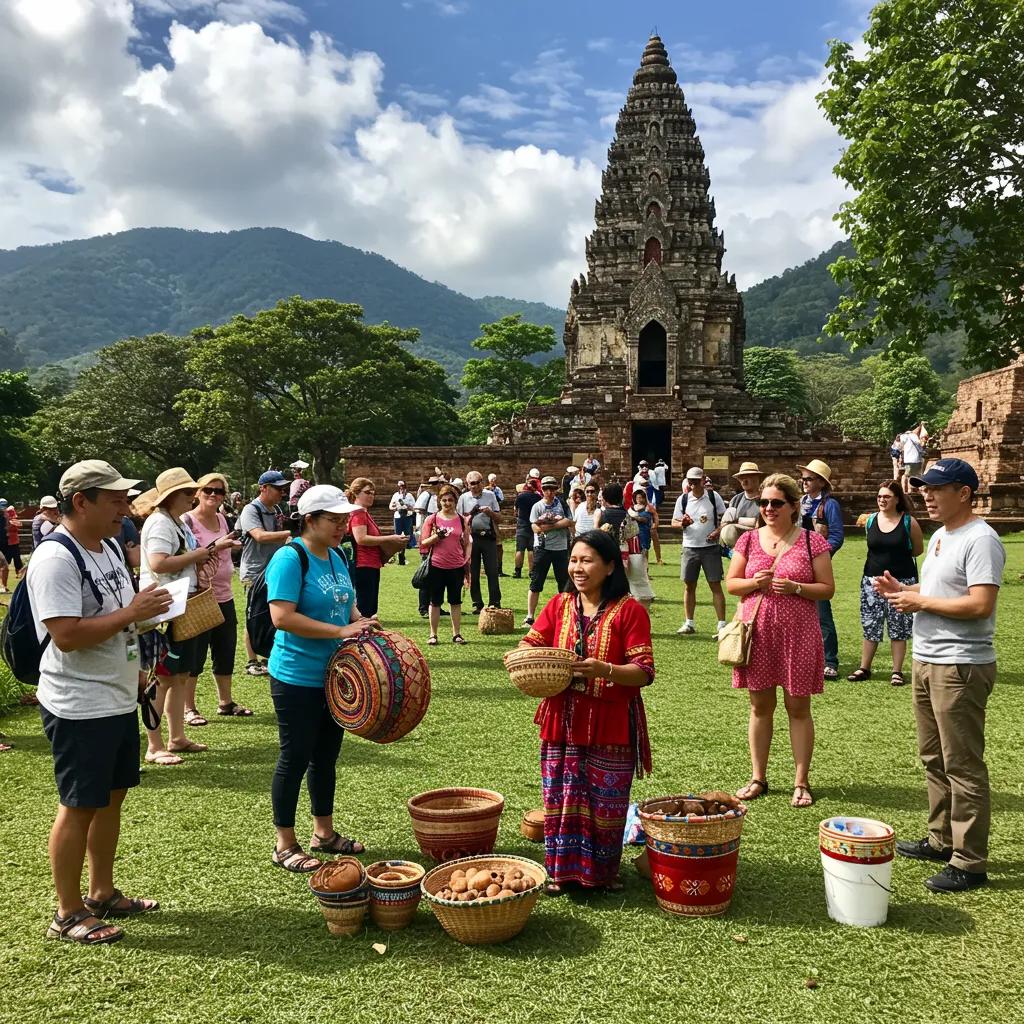
Best practices for sustainable heritage tourism include thoughtfully limiting visitor numbers based on carrying capacity, wisely reinvesting a portion of revenue into conservation and community programs, actively encouraging off-season visitation, and offering authentic, locally led experiences that broadly distribute benefits. Interpretation that educates visitors about a site’s fragility and the importance of stewardship fosters respectful behavior, while local governance and transparent benefit-sharing ensure communities wholeheartedly support protection measures. Combining meticulous planning, sensible regulation, and strategic incentives cultivates visitation that strengthens, rather than depletes, heritage value.
Current Challenges: Heritage Sites in Conflict and Climate Crisis Zones
Heritage in conflict-affected and climate-vulnerable areas faces immediate and devastating risks of physical damage, rampant looting, and the tragic loss of traditional custodianship, alongside long-term threats like relentlessly rising seas and shifting ecological regimes. Emergency documentation, rapid stabilization, and international advocacy are absolutely necessary to mitigate irreversible losses, while climate adaptation and disaster risk reduction must be seamlessly integrated into heritage planning. Global coordination among heritage bodies, humanitarian agencies, and local stakeholders is crucial for supporting rescue operations and post-crisis recovery, but persistent capacity gaps and funding shortfalls often tragically limit the scope of response.
How Conflict Has Impacted Heritage Sites in Gaza and Sudan
Recent conflicts have tragically led to widespread structural damage, the destruction of invaluable historic fabric, and the heartbreaking displacement of custodial communities, resulting in immediate conservation crises and profound long-term cultural loss. Damage assessments powerfully emphasize the urgent need for secure documentation, meticulous salvage archaeology, and community-centered recovery plans once safety permits. International instruments can provide crucial support for emergency measures, but local responders and remote monitoring often form the vital first line of protection during active hostilities. Rebuilding trust and capacity post-conflict is absolutely essential for sustainable recovery.
The Far-Reaching Effects of Climate Change on Coastal and Natural Heritage Sites
Climate change relentlessly produces sea-level rise, accelerates shoreline erosion, intensifies storm severity, and causes dramatic shifts in ecological dynamics, all of which gravely threaten coastal forts, invaluable archaeological deposits, and unique natural heritage features. Adaptation strategies include carefully managed retreat, robust engineered protections, vital habitat restoration, and meticulously documenting at-risk resources for the possible relocation of movable heritage. Integrating precise climate projections into site management plans enables proactive measures rather than reactive emergency responses, thereby preserving invaluable heritage values within rapidly changing environmental contexts.
How International Organizations Are Responding to Heritage in Crisis
Esteemed organizations such as UNESCO, ICOMOS, and their non-governmental partners deploy emergency charters, dedicated funding windows, and expert technical teams to swiftly assess damage, coordinate response efforts, and bolster capacity-building for local actors. Responses encompass remote monitoring, temporary stabilization, and vigorous advocacy for protection under international humanitarian law. Coordination challenges frequently arise from access restrictions, competing priorities, and limited resources, powerfully emphasizing the critical need for pre-crisis preparedness and flexible funding mechanisms that can rapidly reach local implementers.
Protecting Our Endangered Heritage Sites: What Can Be Done?
Protecting endangered sites demands immediate and thorough documentation, physical stabilization wherever feasible, robust legal protection, and active community involvement to secure locations and invaluable knowledge. Longer-term measures include seamlessly integrating heritage into comprehensive climate resilience planning, diversifying crucial funding sources, rigorously training local conservators, and leveraging powerful digital archives and 3D records to preserve information even when physical fabric is tragically lost. Public awareness and international solidarity significantly increase political will and resource mobilization, creating the essential conditions for recovery and sustainable stewardship.
Explore and Learn More About World Cultural Heritage Sites
Exploring the world’s cultural heritage beautifully combines authoritative reference sources, immersive virtual tools, and participatory experiences that deepen understanding and passionately encourage stewardship. Official lists, scholarly publications, dynamic digital archives, and interactive maps provide structured knowledge, while captivating virtual tours, detailed 3D models, and compelling multimedia storytelling enable accessible, low-impact exploration. For both eager learners and adventurous travelers, seamlessly combining onsite visits with rich remote resources profoundly enriches interpretation and facilitates responsible engagement. Below, you’ll find practical resources and platforms to guide your further discovery.
Where to Find Official UNESCO World Heritage Lists and Updates
Official World Heritage lists and crucial decisions are meticulously published through UNESCO channels and comprehensive Committee session reports, which provide intricate inscription details, vital state of conservation reports, and essential Committee recommendations. Diligently tracking committee sessions and state party submissions helps readers follow nominations, inscription trends, and “in danger” listings. For timely news and insightful analysis connecting global decisions to local impacts and policy changes, national and regional reporting outlets provide invaluable context and follow-up coverage. Subscribing to authoritative feeds and review summaries empowers researchers and practitioners to stay perfectly current.
The Best Online Platforms for Virtual Tours and Visual Content
Virtual tour platforms and rich visual archives offer immersive 360-degree experiences, high-resolution image repositories, and thoughtfully curated exhibitions that extend access to fragile or remote sites. Educational platforms often pair stunning visuals with compelling interpretive narratives, detailed timelines, and expert commentary, greatly aiding classroom use and self-directed learning. Choosing platforms that provide scholarly curation or partner with esteemed museums ensures interpretive reliability and ethical use of cultural content. Virtual tools also significantly enhance accessibility for audiences who cannot travel, while simultaneously reducing visitor pressure on sensitive sites.
How Interactive Maps and Infographics Elevate Heritage Learning
Interactive maps and engaging infographics empower users to explore intricate spatial relationships, chronological development, and comparative metrics across diverse heritage sites, making complex data easily digestible. Features like layered timelines, filterable site attributes, and captivating story maps contextualize heritage within broader historical, environmental, and social processes. For youth engagement, social-first infographics and short interactive modules dramatically increase shareability and discovery, while educators can seamlessly embed these powerful tools into curricula to teach interdisciplinary heritage topics. These dynamic formats effectively bridge the gap between scholarly research and public interest.
Common Questions About World Heritage Sites: Answered
Below, you’ll find concise answers to frequently asked public questions, designed for quick reference and snippet-friendly clarity. These provide foundational facts to guide your deeper reading across the rest of this comprehensive guide.
What Exactly Is a UNESCO World Heritage Site?
A UNESCO World Heritage Site is a cultural or natural place globally recognized for its outstanding universal value and protected under the 1972 World Heritage Convention, having met at least one of the ten rigorous selection criteria.
How Many World Heritage Sites Exist Globally?
As of July 2025, there are over 1,200 inscribed World Heritage Sites worldwide, with this prestigious list updated through annual Committee sessions as new nominations are accepted.
Which Country Boasts the Most World Heritage Sites?
A select group of countries with long-documented histories and robust nomination infrastructures proudly host the highest counts of inscribed sites, reflecting both their rich cultural density and active preservation frameworks.
What Are the Benefits of Preserving Cultural Heritage?
Preservation generates vital cultural continuity, immense educational value, significant tourism revenues, valuable job creation, and powerful identity reinforcement, while fostering cross-cultural understanding and sustainable local development.
This guide offers compelling starting points and rich resources to explore each question in depth, connecting your curiosity with meaningful action across preservation, research, and low-impact visitation.
Conclusion: Safeguarding Our Shared Heritage
Understanding the profound significance of UNESCO World Heritage Sites deepens our appreciation for both cultural and natural heritage, fostering a vital sense of global responsibility. By recognizing the rigorous criteria for selection and the formidable challenges they face, we are empowered to advocate for effective preservation strategies that ensure these invaluable treasures endure for countless future generations. Actively engaging with local heritage initiatives and embracing responsible tourism practices not only empowers communities but also profoundly enriches our own experiences. Discover more about how you can personally contribute to the preservation of these irreplaceable sites today.