Your Essential Guide to Diplomacy: Navigating International Relations, Foreign Policy, and Geopolitical Negotiations
Dive into the world of diplomacy, the intricate art of managing international relations through negotiation, representation, and strategic communication. This comprehensive guide unveils how diplomacy works, its vital role in global stability, and how current events, economic strategies, and negotiation frameworks are shaping outcomes in 2025. You’ll explore key concepts like bilateral and multilateral diplomacy, economic statecraft, and public diplomacy, alongside real-world examples—from regional tensions in South Asia to resource and summit-driven discussions. We blend clear concepts with practical insights and event-driven analysis, empowering journalists, students, and informed citizens to interpret diplomatic news and anticipate its impact. Our journey covers foundations, regional dynamics, global strategies, economic diplomacy, negotiation tools, summit influences, and emerging trends, each offering definitions, mechanisms, and examples that connect theory to today’s headlines.
Unpacking Diplomacy: Why It’s the Cornerstone of International Relations
Diplomacy, both formal and informal, is how nations and other global players navigate their relationships through negotiation, treaties, and open communication, striving for peaceful cooperation and mutual advantage. It builds essential bridges for information exchange, bargaining, and resolving disputes, effectively lowering uncertainty and the risk of escalation. This allows states to align policies on trade, security, and global governance. The tangible benefits are clear: diplomacy reduces the immense costs of conflict, secures agreements that foster trade and collaboration, and establishes frameworks for enforcement and reciprocity, stabilizing relations over time. Grasping these vital mechanisms reveals why robust diplomatic capabilities and timely reporting are indispensable for navigating today’s rapidly evolving crises and policy shifts.
At its heart, diplomacy fulfills several core functions that underpin international order and national interests. These functions span bilateral and multilateral arenas, operating through established institutions like the United Nations, regional bodies, and specialized summits. Understanding these roles illuminates how diplomatic engagements—from discreet back-channel discussions to formal treaty negotiations—can lead to predictable outcomes, or conversely, how their absence can allow tensions to spiral into conflict. Our next section delves into how diplomacy shapes conflict resolution and the intricate mechanics behind successful negotiation.
Here are diplomacy‘s four essential functions:
- Negotiation: Forging agreements on security, trade, and cooperation through strategic bargaining and mutual compromise.
- Representation: Projecting national interests and cultivating relationships via embassies, envoys, and delegations worldwide.
- Information: Gathering vital intelligence and clarifying intentions to minimize uncertainty and prevent misperception.
- Protection: Safeguarding citizens abroad and managing consular emergencies through established legal and practical channels.
These fundamental functions are the bedrock of both routine foreign policy operations and critical crisis management, paving the way for effective conflict resolution and robust cooperative arrangements.
The Diplomatic Compass: Guiding Global Relations and Resolving Conflict
Diplomacy masterfully shapes global relations by fostering mediation, implementing confidence-building measures, and establishing multilateral frameworks that skillfully defuse tensions and forge enforceable norms. Mediators and neutral third-party states frequently broker crucial settlements, while esteemed institutions like the UN lend legitimacy and procedural guidelines that bind parties to negotiated resolutions. Truly effective diplomacy artfully blends public negotiations with discreet back-channel discussions, crafting face-saving avenues that make compromise politically achievable. Both historical and contemporary case studies consistently demonstrate that mediation, coupled with sustained post-agreement monitoring, significantly reduces the risk of renewed conflict and actively rebuilds cooperation.
Successful mediation hinges on credible guarantees and carefully sequenced implementation to ensure agreements endure. This is precisely why verification mechanisms and phased concessions are standard practice. While multilateral forums are vital for institutionalizing dispute management, bilateral trust-building—like confidence-building measures between neighboring nations—can wield an immense impact on day-to-day stability. Grasping these intricate mechanisms reveals why diplomacy often progresses incrementally, and why detailed reporting on the process itself is crucial for anticipating truly lasting outcomes.
Your Diplomatic Lexicon: Essential Concepts and Terms to Master
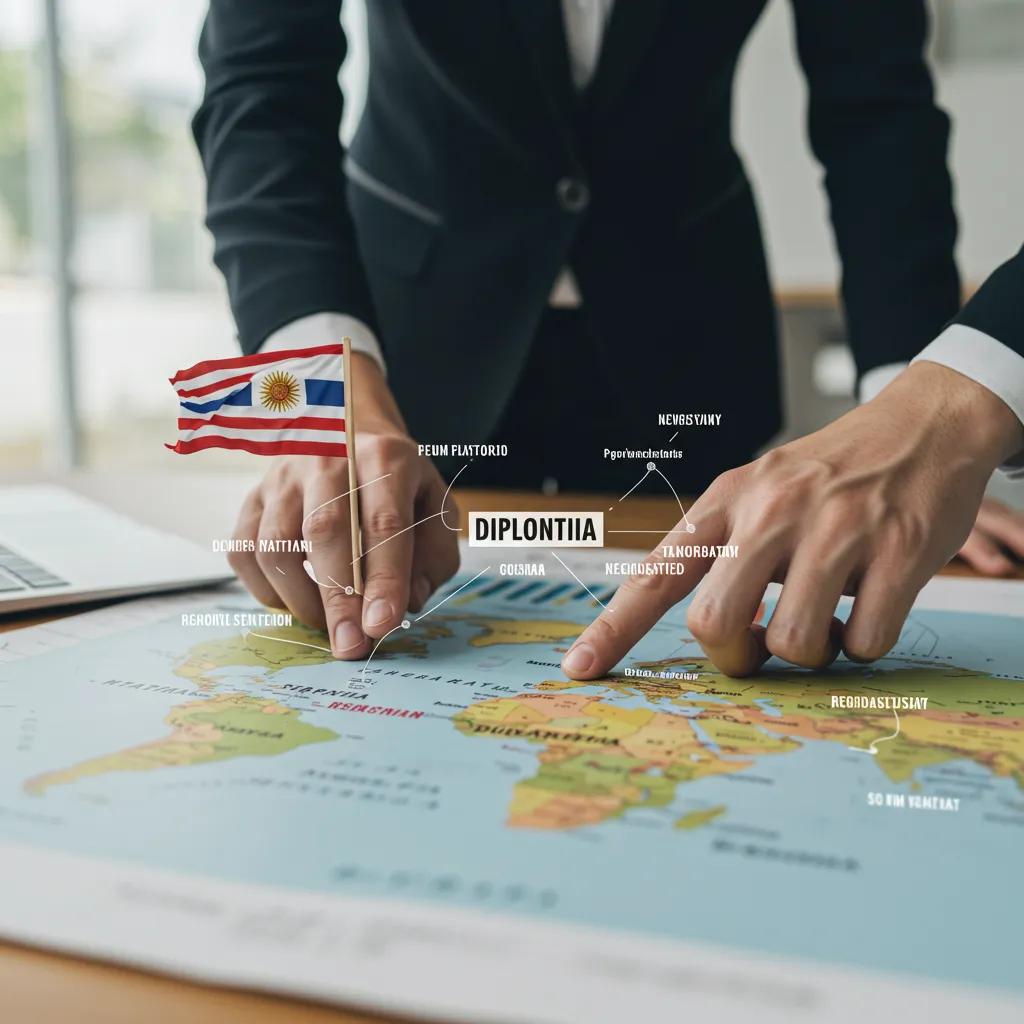
This concise glossary illuminates common diplomatic vocabulary and how these terms frequently appear in today’s news. Bilateral diplomacy involves direct state-to-state relations and treaties, while multilateral diplomacy leverages international organizations and coalitions to tackle shared global challenges. Soft power refers to influence gained through cultural appeal and policy attraction, contrasting with hard power, which signifies coercive measures like military force or sanctions. Back-channel negotiations describe discreet discussions held away from public scrutiny, and sanctions are coercive economic tools designed to alter behavior without resorting to military action. A solid grasp of these terms will empower you to interpret headlines and policy briefs with greater precision.
These terms directly reflect the practices observed in contemporary diplomacy: think of trade deals involving both bilateral and multilateral negotiations; sanctions as a clear example of coercive diplomacy; and soft power actively deployed through cultural exchanges and impactful media campaigns. Recognizing how each term operates within real-world examples will empower you to discern the subtle nuances in diplomatic developments reported worldwide.
Diplomacy Transformed: Navigating the 21st Century Landscape
In the 21st century, diplomacy has dramatically expanded its reach, moving beyond traditional state envoys to embrace digital channels, engage non-state actors, and tackle new frontiers like cyberspace and climate resources. Technology has turbocharged information flows, enabling real-time public diplomacy through social media, yet simultaneously introducing fresh risks from misinformation and the rapid escalation of narratives. AI and data analytics are now enhancing diplomatic analysis, sharpening situational awareness and scenario planning, but also necessitating new norms for responsible application. These profound shifts mean today’s diplomatic players must skillfully balance time-honored tools with dynamic digital engagement and agile, rapid-response communication strategies.
Emerging arenas, from resource diplomacy to intense tech competition, demand integrated approaches that skillfully combine economic incentives, robust legal mechanisms, and strategic narrative management. This ongoing evolution underscores the immense value of timely, accurate news coverage that meticulously tracks both official statements and the digital signals shaping public perception and critical decision cycles.
ARY News thrives within this dynamic information ecosystem, dedicated to delivering timely and comprehensive news and current affairs coverage, ensuring our audience remains informed and engaged with diverse content. This crucial role highlights why rapid, factual reporting is paramount: it provides the essential insights that diplomats, analysts, and the public rely on to evaluate options and hold leaders accountable.
Regional Diplomacy: A Linchpin for Global Stability
Regional diplomacy frequently serves as the crucial first line of defense against wider conflict, meticulously shaping security architectures and economic bonds that ripple across the globe. Regional organizations and bilateral partnerships adeptly manage localized disputes and construct cooperative frameworks for trade, migration, and resource sharing. Their decisions possess the power to either contain or amplify broader geopolitical competition. Often, local flashpoints draw the keen attention of major powers, transforming regional negotiations into vibrant arenas for strategic rivalry and coalition-building. Thus, robust regional diplomacy is a vital contributor to global stability, resolving disputes early and seamlessly integrating local governance into established global norms.
The intricate dynamics between neighboring states often dictate the tenor of alliances and external engagement, underscoring why regional processes—from vital confidence-building measures to robust institutional cooperation—are absolutely critical for global order. Effective regional diplomacy skillfully deploys tailored tools such as dispute-specific mediation, collaborative development projects, and precise legal agreements to mitigate risks. The following sections will explore specific regional dynamics that vividly illustrate these patterns.
Unpacking Pakistan-India Relations: The Diplomatic Dynamics
Pakistan-India relations are profoundly shaped by a complex tapestry of historical disputes, persistent security dilemmas, and intermittent efforts at confidence-building, collectively forming a cyclical pattern of tension and cautious engagement. Diplomatic avenues encompass formal discussions, attempts at third-party mediation, and track-two dialogues, all striving to foster technical cooperation despite underlying political friction. Incidents along the Line of Control and heightened political rhetoric frequently impede progress, yet economic and people-to-people exchanges can cultivate enduring interests for collaboration. For our Pakistani audience, grasping both the security imperatives and economic incentives illuminates why diplomacy demands sustained engagement across a multitude of channels.
Practical measures, including robust trade links, vibrant cultural exchanges, and mutually agreed de-escalation protocols, significantly reduce the likelihood of miscalculation and effectively slow the dangerous spiral from isolated incident to full-blown crisis. The delicate balance between deterrence and dialogue continues to define this crucial bilateral relationship, making diplomatic literacy absolutely essential for accurately evaluating developments reported across the region.
Middle East Peace Processes: Shaping the Diplomatic Landscape
Middle East peace processes intricately weave together state-level negotiations, regional alignments, and international mediation efforts to confront protracted conflicts and pressing humanitarian crises. Multiple diplomatic tracks—including bilateral talks, multilateral forums, and third-party mediation—often operate in parallel. Progress frequently hinges on careful sequencing, robust guarantees, and sustained international support for implementation. Domestic political pressures and regional rivalries significantly influence negotiators’ capacity for compromise, while external actors provide crucial leverage or incentives through aid, security assurances, or political recognition. These complex interactions ultimately determine whether negotiated outcomes prove durable or succumb to domestic opposition and external manipulation.
The ongoing Gaza peace discussions and broader regional initiatives vividly demonstrate how diplomacy must seamlessly integrate security arrangements, humanitarian access, and comprehensive reconstruction plans to forge truly sustainable solutions. Public opinion and prevailing media narratives also profoundly influence negotiators’ calculations, particularly when political leaders operate under electoral constraints.
Central Asian Geopolitics: A Strategic Nexus in International Diplomacy
Central Asia stands as a critical nexus for vital trade routes, essential energy transit, and intense strategic competition among major global powers, rendering it pivotal in the broader diplomatic landscape concerning connectivity and resources. The region’s unique geography intertwines European, Chinese, and South Asian interests, actively inviting infrastructure diplomacy through large-scale investments and crucial transit agreements. Competing influences—including China’s ambitious Belt and Road Initiative and Russia’s established security partnerships—profoundly shape how states in the region navigate external relations and pursue economic development. Visa agreements, strategic energy diplomacy, and infrastructure financing are frequently deployed tools for cultivating influence and securing enduring partnerships.
Grasping the dynamics of Central Asia illuminates how localized investments and strategic partnership choices contribute to global patterns of alignment, and why diplomatic strategies in the region skillfully blend economic incentives with robust security assurances to forge lasting influence.
Global Powers and Alliances: Unveiling Diplomatic Strategies
Global powers skillfully deploy distinct strategic mixes—encompassing security guarantees, economic incentives, regulatory tools, and multilateral engagement—to secure influence and adeptly manage competition. The United States frequently prioritizes alliances and robust security commitments; China strategically leverages economic statecraft and expansive infrastructure diplomacy; while the European Union relies on its formidable regulatory power and multilateral frameworks to shape global norms. These diverse strategies interact across critical trade, technology, and security domains, generating both cooperation and friction among key international actors. A comparative analysis of these core approaches offers crucial insights into contemporary diplomatic maneuvers and probable future alignments.
Below, we present a structured comparison of core diplomatic tools, complete with recent examples that vividly illustrate their practical outcomes in 2025. This table underscores how varied approaches yield distinct strategic results and how global actors adeptly adapt their tools to navigate evolving international challenges.
This table offers a clear comparison of strategic elements employed by leading global actors, showcasing their diverse outcomes.
This comparison clearly demonstrates that while diplomatic tools may overlap, each major actor strategically prioritizes different levers—be it security, economic incentives, or regulatory norms—to project influence and effectively manage risks. Recognizing these distinct patterns illuminates why responses to international crises often vary and how complex coalition dynamics ultimately take shape.
US Foreign Policy: Its Ripple Effect on International Diplomacy
US foreign policy profoundly shapes global diplomacy through its intricate web of alliances, military posture, and economic measures, though domestic politics frequently constrain its flexibility. Policy shifts emanating from Washington can swiftly recalibrate security commitments, trade relationships, and sanction strategies, sending ripples throughout alliance networks and international institutions. Domestic electoral cycles and institutional checks impact the credibility and consistency of US commitments, often prompting partners to hedge their bets or diversify their relationships. These dynamic forces mean that changes in US policy can rapidly reshape regional calculations and trigger significant realignments among other nations.
Practical examples include strategic adjustments to trade frameworks and selective security engagements that fundamentally alter the strategic calculus for both allies and rivals. Therefore, astute observers must meticulously track both policy signals and implementation capacity to accurately assess likely diplomatic outcomes.
China’s Diplomatic Blueprint: Key Elements of Its Global Strategy
China’s diplomacy strategically emphasizes robust economic incentives, extensive infrastructure financing, and increasing participation in multilateral forums to secure long-term influence and vital market access. Its comprehensive toolkit includes massive investment projects, development finance, streamlined visa facilitation, and targeted bilateral agreements that foster dependencies and interlocking interests. Soft-power initiatives and cultural outreach skillfully complement these economic levers, while strategic partnerships and trade links aim to fundamentally reshape regional architectures. Consequently, China’s approach frequently yields rapid gains in connectivity and influence, yet it also elicits responses from competing powers who remain wary of strategic dependencies.
These core elements illuminate recent moves, such as pivotal visa agreements and transformative infrastructure deals, that are expanding China’s diplomatic footprint across Asia, Africa, and beyond. They also clarify why nations meticulously evaluate such offers against their own sovereignty and critical security considerations.
The European Union’s Approach to Multilateral Diplomacy: A Global Force
The European Union skillfully employs its formidable regulatory power, strategic trade diplomacy, and robust coalition-building to champion rules-based governance and safeguard economic interests through rigorous standards and conditionality. The EU’s diplomatic toolkit encompasses comprehensive trade agreements, targeted sanctions, and normative diplomacy that actively shapes global markets and encourages adherence to international legal norms. In disputes concerning strategic materials or data regulation, the EU’s regulatory stance can generate far-reaching consequences by establishing standards that both partners and competitors must accommodate. This distinctive approach frequently cultivates durable institutional influence, though it necessitates consensus among member states for cohesive external action.
Compelling case examples include regulatory stances that profoundly influence global supply chains and foster cross-border cooperation, vividly underscoring the EU’s unwavering emphasis on institutional mechanisms to advance its policy goals.
Economic Diplomacy: Shaping Global Trade and Security Landscapes
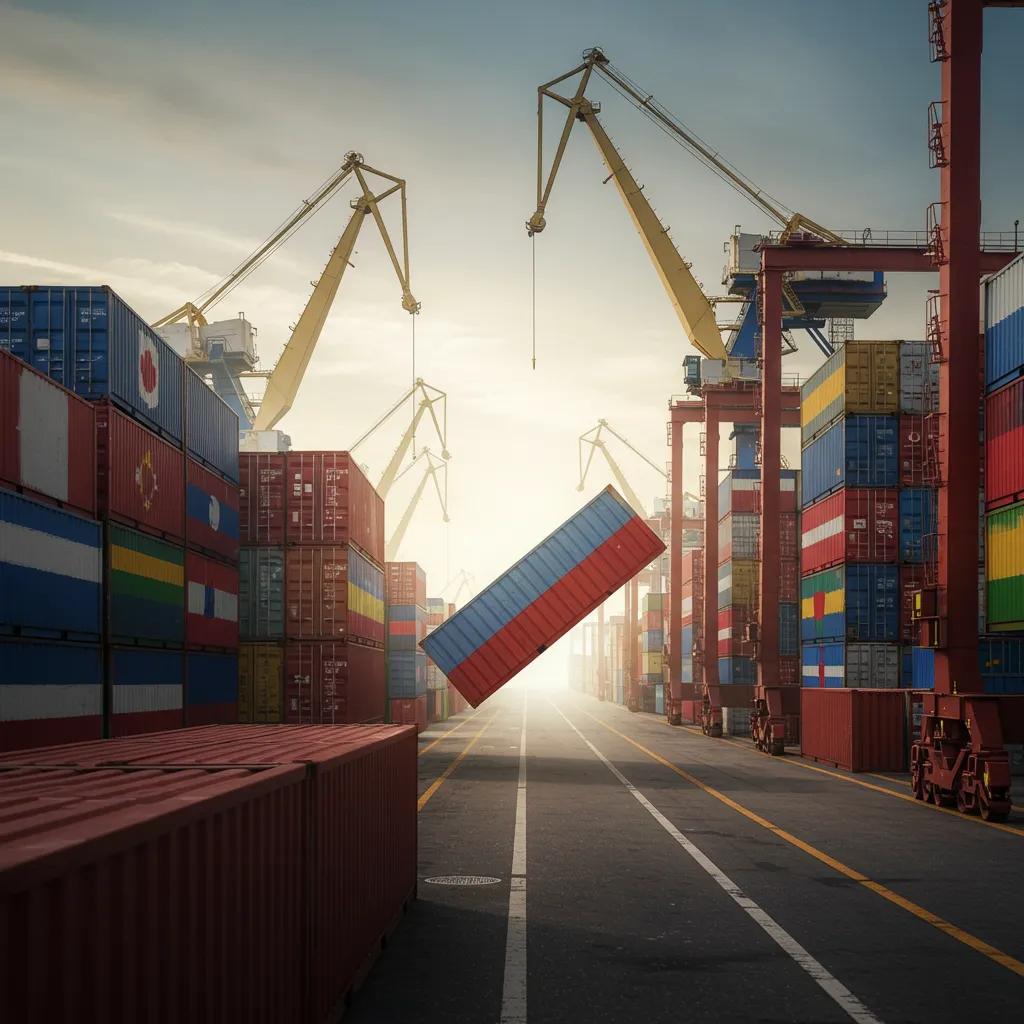
Economic diplomacy strategically deploys trade agreements, sanctions, export controls, and financial incentives to achieve vital strategic goals. These powerful instruments directly influence global trade flows, bolster supply chain resilience, and manage geopolitical risk. By intricately linking market access, investment, and technology to diplomatic objectives, nations skillfully wield economic levers to deter adversaries, reward key partners, and secure critical resources. The profound result is that economic policy decisions can either stabilize international relations through mutual gains or intensify competition when access to vital materials becomes contested. Grasping these crucial cause-effect links illuminates how economic policy tools serve as both powerful carrots and firm sticks in the intricate world of modern diplomacy.
Economic measures profoundly influence security by either fostering dependencies or strategically diversifying supply chains. They frequently operate in tandem with legal and institutional tools, providing essential verification and enforcement. The following subsections offer a focused analysis of specific economic mechanisms and a compelling case study of critical mineral diplomacy.
Economic diplomacy typically delivers three pivotal effects:
- Leverage: Utilizing access to markets and investment as a powerful tool to influence policy decisions.
- Resilience: Enhancing supply chains and security through strategic diversification and robust agreements.
- Contest: Generating diplomatic friction and significant bargaining power through the control of strategic resources.
These combined effects fundamentally shape how nations pursue their vital national interests amidst evolving economic constraints and burgeoning opportunities.
Trade Agreements and Sanctions: Their Diplomatic Impact
Trade agreements skillfully foster cooperation by dismantling barriers and institutionalizing clear rules, while sanctions serve as coercive tools designed to alter behavior without resorting to kinetic force. Agreements typically cultivate long-term interdependence and predictable frameworks for resolving disputes. In contrast, sanctions can isolate and exert pressure, but may also provoke countermeasures and, if misapplied, harm civilian populations. Diplomats, therefore, meticulously balance the negotiation of mutually beneficial deals with the calibrated use of sanctions that precisely target decision-makers rather than broad populations. The diplomatic consequence is clear: well-crafted agreements can build lasting stability, while blunt sanctions risk entrenching adversarial postures.
A comparison of outcomes reveals that negotiated access and robust dispute mechanisms significantly reduce incentives for escalation. However, sanctions remain a necessary tool where agreements prove impossible; their true effectiveness hinges on careful design and strong international coordination.
The historical use of economic tools for political ends is well-documented, with early examples demonstrating their enduring relevance in international relations.
Sanctions as Economic Statecraft: A Historical Overview
Economic statecraft has long been an important feature of international relations (Baldwin, 1985). The Megarian decree (432 BC), banning all trade between Megara and the Athenian Empire, offers one of the earliest examples of the resort to economic tools for political ends.
Sanctions as economic statecraft: an overview, AC Drury, 2000
The EU-China Rare Earth Dispute: A Catalyst for Economic Diplomacy
The EU-China rare earth dispute vividly illustrates how control over strategic minerals transforms into a potent diplomatic lever, triggering export controls, tariff threats, and appeals to multilateral institutions to resolve critical access disputes. Both sides skillfully employ regulatory and trade measures to safeguard their industrial interests, while third-party states meticulously assess supply chain risks and explore diversification strategies. Diplomatic maneuvers include negotiating with alternative suppliers, coordinating strategic stockpiles, and advocating for multilateral standards that mitigate single-source vulnerabilities. This dispute powerfully demonstrates that resource concentration can generate significant geopolitical friction, and that effective economic diplomacy must blend immediate market responses with long-term investment in viable alternatives.
Such disputes frequently catalyze crucial policy responses, including strategic industrial policy adjustments and the formation of robust regional partnerships, all aimed at securing vital supply chains and reducing strategic dependencies.
Visa Diplomacy: A Strategic Tool for Soft Power and Economic Influence
Visa policy operates as a subtle yet profoundly powerful instrument of soft power and economic diplomacy, skillfully facilitating people-to-people connections, tourism, and business travel that deepen crucial bilateral ties. Visa-free agreements and streamlined entry processes generate immediate economic benefits through increased tourism and investment, while simultaneously signaling political trust and goodwill between nations. Conversely, restrictive visa regimes can serve punitive diplomatic objectives or address security concerns, but they risk damaging long-term relationship-building. Thus, visa diplomacy thrives at the intersection of economic incentives and normative signaling, actively shaping perceptions and fostering practical cooperation.
In 2025, visa arrangements remain a strategically deployed tool, designed to attract vital investment and talent while meticulously balancing critical security and domestic political considerations.
Mastering Diplomatic Negotiations: Essential Tools and Concepts
Truly effective negotiations hinge on a comprehensive suite of tools—including meticulous preparation and BATNA (Best Alternative to a Negotiated Agreement) analysis, skilled mediation and robust third-party guarantees, strategic public diplomacy to shape the bargaining environment, and precise legal instruments that bind outcomes. These mechanisms operate in concert: rigorous preparation illuminates core interests, mediation expertly bridges divides, public diplomacy adeptly manages expectations, and legal frameworks ensure enforcement. Mastery of these tools significantly boosts the probability of durable agreements and dramatically reduces the risk of breakdown. The following table concisely summarizes common tools, their operational mechanisms, and typical use cases, offering a quick reference for both practitioners and informed observers.
This table outlines key negotiation tools, detailing their operation and typical application by diplomats.
These powerful tools combine to forge dynamic negotiation strategies that can be carefully sequenced and calibrated to the specific political and security context, significantly enhancing the odds of successful outcomes.
When delving into public diplomacy and media influence, it’s crucial to acknowledge the dual role of news organizations as both diligent reporters and influential agenda-setters. Our commitment is to provide timely and comprehensive news and current affairs coverage, ensuring our audience remains informed and engaged with diverse content. Outlets that report swiftly and reliably profoundly shape public perceptions and the political arena in which negotiators operate, making accurate journalism an active and indispensable component of modern diplomatic ecosystems.
Conflict Resolution: Unlocking the Best Negotiation Strategies
The most effective negotiation strategies skillfully blend thorough preparation, interest-based bargaining, and crystal-clear understanding of BATNA (Best Alternative to a Negotiated Agreement) to forge realistic settlement options. Negotiators meticulously work to identify underlying interests rather than rigid positions, craft carefully packaged trades that allow for reciprocal gains, and strategically sequence concessions to build vital trust. Employing third-party mediators and robust verification mechanisms helps manage potential spoilers and ensures compliance, while well-designed contingency clauses provide essential flexibility. These elements collectively form a practical framework that professional diplomats and mediators apply to complex disputes, significantly increasing the probability of achieving sustained peace.
Successful negotiators also adeptly manage domestic constituencies and public messaging, ensuring that agreements are politically viable at home. This crucial link ties negotiation strategy directly to effective public diplomacy and comprehensive communications planning.
Public Diplomacy: Shaping International Perceptions and Global Narratives
Public diplomacy masterfully shapes the attitudes of foreign publics through strategic media engagement, vibrant cultural exchanges, and targeted messaging. This can build legitimacy for policy choices and open crucial policy windows for negotiators. Media coverage, impactful social campaigns, and enriching cultural programs profoundly influence how international audiences perceive nations and their policies, directly affecting the bargaining leverage available to leaders. News organizations that deliver rapid, accurate reporting play a central and indispensable role in this ecosystem, informing public debate and shaping narratives. Our mission is to provide timely and comprehensive news and current affairs coverage, keeping our audience informed and engaged with diverse content.
Measuring true impact necessitates meticulously tracking engagement, public polls, and observable policy shifts. Effective public diplomacy consistently aligns its messaging with credible actions and sustained engagement, thereby shaping durable perceptions that actively support diplomatic objectives.
International Law: The Bedrock of Diplomatic Agreements
International law furnishes the essential frameworks and robust dispute-settlement mechanisms that transform negotiated understandings into binding commitments. Instruments such as treaties, conventions, and adjudicative bodies provide invaluable legal clarity. These laws establish clear expectations for behavior and offer pathways for enforcement or arbitration when parties find themselves in disagreement, though enforcement frequently hinges on political will and institutional capacity. Legal mechanisms like UNCLOS or established trade dispute systems reduce ambiguity and provide procedural recourse, while hybrid legal-political arrangements often skillfully combine binding terms with crucial political guarantees. The intricate interplay between law and politics ultimately determines whether legal agreements endure through shifts in power or public sentiment.
A clear understanding of these legal instruments empowers observers to accurately assess the durability of diplomatic settlements and the practical options available when disputes inevitably arise.
Diplomatic Events & Summits: Catalysts for Global Relations
Summits and pivotal diplomatic events are instrumental in setting agendas, forging high-level commitments, and generating crucial momentum for policy shifts that cascade through both bilateral and multilateral channels. These gatherings serve as vital platforms for announcing new partnerships, coordinating policy, and adeptly managing rivalries. Immediate outcomes often center on official statements, joint initiatives, or strategic signaling. Media coverage significantly amplifies summit effects by shaping public expectations and interpretation, while diligent follow-through implementation ultimately determines whether grand declarations evolve into durable policy. Therefore, timely reporting and incisive analysis are absolutely essential for tracking actual progress beyond mere summit communiqués and for understanding the operational steps that transform announcements into tangible action.
Summits hold immense importance because they distill complex diplomacy into visible decision points that mobilize critical resources and political capital. Their true practical significance, however, hinges heavily on subsequent technical negotiations and robust institutionalization. The following subsections will unpack recent 2025 events and ongoing issue-driven diplomacy.
ARY News delivers dynamic, event-driven updates and insightful analysis, vividly illustrating how live coverage empowers public understanding during pivotal diplomatic moments. Our commitment is to provide timely and comprehensive news and current affairs coverage, keeping our audience informed and engaged with diverse content. Such reporting helps audiences meticulously follow summit outcomes, critically assess competing narratives, and diligently monitor implementation—all vital elements that shape diplomatic traction and accountability.
ASEAN Summit 2025: Unpacking Key Outcomes and Regional Impact
The ASEAN Summit 2025 delivered a strategic blend of security and economic statements, meticulously crafted to navigate great-power competition and bolster regional cooperation on trade and connectivity. Leaders underscored the imperative for sustained dialogue, deeper economic integration, and practical collaboration on vital supply chains and critical infrastructure, while firmly urging external powers to respect regional processes. The summit’s language frequently prioritized consensus and non-alignment, signaling ASEAN’s unwavering desire to maintain its centrality amidst the evolving US-China rivalry. Such outcomes establish crucial negotiation agendas for subsequent ministerial meetings and technical working groups, tasked with operationalizing broad commitments into tangible projects.
Astute observers should closely monitor implementation timetables, funding commitments, and bilateral follow-up actions, as summit language demands substantive follow-through to generate tangible policy shifts.
Ethiopia’s Water Diplomacy: Navigating Regional Stability
Ethiopia’s intricate negotiations over transboundary water resources pivot on skillfully balancing hydropower development with critical downstream water security concerns. Diplomacy in this arena actively seeks robust institutional mechanisms for joint management and transparent data-sharing. These complex negotiations involve riparian states, external mediators, and influential international financial institutions, all of whom can incentivize cooperative infrastructure and monitoring frameworks. The core diplomatic challenge lies in carefully sequencing development needs with legally binding arrangements that safeguard downstream users, while simultaneously fostering investment flows that bind all stakeholders to shared outcomes. Truly effective water diplomacy significantly reduces the risk of unilateral actions that could trigger wider regional instability.
Sustained dialogue, robust technical cooperation on hydrology, and vital confidence-building measures are absolutely essential to transform technical agreements into stable, enduring political settlements.
Gaza Peace Plan Discussions: Latest Developments and Pathways Forward
Gaza peace plan discussions in 2025 continue to involve a complex interplay of international mediators, regional states, and local representatives, with intense focus on critical security arrangements, humanitarian access, and comprehensive post-conflict reconstruction. Negotiators meticulously balance immediate ceasefire and aid delivery requirements with longer-term governance and reconstruction frameworks that demand phased guarantees and robust third-party monitoring. Domestic politics within the principal parties and the strategic interests of external actors profoundly influence the feasibility of concessions, while international public opinion shapes the diplomatic levers available to mediators. Tracking these evolving elements is paramount for grasping the realistic pathways toward a durable settlement.
Analysts must diligently monitor verification mechanisms, reconstruction financing commitments, and the careful sequencing of political milestones to accurately assess whether these discussions will truly translate into implementable agreements.
Diplomatic Literacy: Your Key to Understanding Global Political Trends
Cultivating diplomatic literacy empowers citizens and policymakers alike to expertly interpret signals, anticipate alignments, and accurately evaluate the probable trajectories of critical international issues—from resource competition and alliance shifts to the complexities of technology governance. By grasping the intricate mechanics of negotiation, the power of economic levers, and the pervasive influence of media, you can discern rhetoric from binding commitments and effectively assess implementation risks. This informed perspective sharpens the forecasting of geopolitical trends and aids in holding leaders accountable for delivering on diplomatic promises. Our final sections offer illustrative case studies, explain the dynamics of public opinion, and outline the exciting, emerging digital and AI-driven practices that are transforming how diplomacy is conducted.
Building such profound awareness demands a close examination of concrete examples, meticulously tracing opinion feedback loops, and critically assessing the technological impacts on diplomacy—all of which illuminate how today’s policy decisions are actively shaping future international orders.
Successful Diplomacy: Lessons from Recent History
Recent diplomatic triumphs skillfully combine pragmatic sequencing, robust multilateral coordination, and credible enforcement mechanisms, transforming complex negotiations into lasting arrangements. Consider examples like meticulously negotiated arms-control or trade agreements, where rigorous verification and phased implementation steadily built confidence over time, paving the way for deeper cooperation. Key success factors frequently include reliable third-party guarantees, clearly defined mutual benefits, and crucial domestic buy-in secured through parallel economic or political measures. These compelling cases underscore vital lessons: design enforceable mechanisms, strategically sequence concessions, and align incentives for sustained compliance.
Studying these powerful examples offers invaluable templates for addressing today’s pressing challenges, vividly demonstrating how tailored combinations of negotiation tools and robust institutional supports consistently yield durable outcomes.
The efforts by the Barack Obama administration to use diplomacy to address complex security challenges, such as the Iran Nuclear Deal, exemplify how diplomatic strategies can navigate deeply entrenched hostility and distrust.
American Diplomacy and Foreign Policy: The Iran Nuclear Deal Example
Economic statecraft has long been an important feature of international relations (Baldwin, 1985). The Megarian decree (432 BC), banning all trade between Megara and the Athenian Empire, offers one of the earliest examples of the resort to economic tools for political ends.
Sanctions as economic statecraft: an overview, AC Drury, 2000
Public Opinion: Its Profound Impact on Diplomatic Decisions
Public opinion profoundly shapes diplomatic choices by constraining leaders’ room for maneuver and significantly influencing the timing and substance of agreements, particularly in democratic contexts where electoral cycles are paramount. Media coverage, public protests, and polling data can either accelerate or stall negotiations, compelling negotiators to pursue swift, visible victories or to delay until crucial domestic backing is secured. Internationally, public sentiment also impacts the willingness of third-party states to mediate or offer guarantees. Meticulously measuring public opinion through polls and engagement metrics helps diplomats gauge which concessions are politically viable and how best to craft public diplomacy to cultivate essential support.
Consequently, negotiators must seamlessly integrate comprehensive outreach strategies and astute narrative management into their negotiation plans, ensuring that agreements can be politically sustained.
Digital & AI-Powered Diplomacy: Emerging Trends and Future Frontiers
Digital and AI-powered diplomacy are leveraging data analytics, social listening, and automated monitoring to dramatically enhance situational awareness, forecast potential crises, and precisely tailor public engagement. However, these advancements also introduce inherent risks of misinformation and rapid narrative escalation. AI tools can process vast amounts of satellite imagery, analyze trade flows, and monitor social media to detect emerging trends and inform critical diplomatic decisions, while digital platforms enable highly targeted public diplomacy campaigns that directly reach foreign audiences. Ethical concerns and accuracy constraints necessitate clear norms and transparency to prevent misuse and the erosion of trust. Practitioners must, therefore, skillfully balance the efficiency gains offered by AI with robust safeguards against manipulation and errors.
These evolving trends underscore that journalists, analysts, and diplomats alike require advanced technical literacy to critically evaluate AI-derived claims and ensure that digital tools genuinely strengthen, rather than inadvertently undermine, credible diplomatic practice.
- Key Insight: Diplomatic literacy is your essential compass for interpreting complex global interactions and discerning truly durable commitments from mere rhetorical posturing.
- Your Next Steps: Diligently track implementation metrics, verification mechanisms, and subsequent negotiations to accurately assess genuine progress.
- Actionable Advice: Actively engage with reliable reporting and sophisticated analytical tools to closely monitor diplomatic developments and their profound domestic implications.
These actionable steps empower you to translate diplomatic reporting into well-informed civic and policy judgments.
Conclusion: Your Path to Diplomatic Insight
Grasping the intricate world of diplomacy is absolutely essential for navigating today’s complex global landscape, as it profoundly shapes international relations and critically influences conflict resolution. By mastering key concepts and mechanisms, you’ll be better equipped to interpret diplomatic events and their far-reaching implications for global stability. Actively engaging with reliable news sources and powerful analytical tools will empower you to stay informed about ongoing developments. We invite you to explore our resources further to deepen your knowledge of diplomacy and its undeniable impact on the world stage.