Global Economic Outlook 2025: Unpacking Growth Projections, Inflation Trends, and Geopolitical Impacts
The global economic landscape for 2025 presents a complex picture: anticipate modest overall growth, a cooling of inflation in certain regions, and persistent geopolitical risks poised to reshape global trade and investment dynamics. This comprehensive analysis delves into projected GDP and inflation trends, explores the channels through which geopolitical tensions influence markets, and highlights the pivotal role of emerging markets—particularly South Asia and MENA—in driving global expansion. Readers will gain clear insights into potential recession indicators, a regional breakdown of where growth is expected to concentrate, and practical implications for policymakers and businesses. ARY News delivers this integrated analysis by synthesizing institutional forecasts and regional reporting, connecting global macroeconomic drivers directly to Pakistan’s economic outlook. The article meticulously maps forecasts and key drivers, elucidates inflation dynamics and central bank responses, examines geopolitical transmission mechanisms, and concludes with essential indicators, risks, and opportunities to monitor throughout 2025. Together, these sections offer a practical, data-driven guide to the global economic environment in 2025 and its profound significance for regional stakeholders.
What Are the Global Economic Growth Projections for 2025?
Global economic growth projections for 2025 largely point to a moderate expansion, primarily propelled by emerging markets, while advanced economies are expected to exhibit slower momentum. Multilateral institutions and leading research teams generally foresee a steady yet unspectacular pace of activity, with revisions contingent on energy prices, investment trends, and evolving trade patterns; the net effect is a global environment where emerging markets shoulder a disproportionate share of growth. The initial analytical step involves comparing institutional perspectives, noting where projections align and why discrepancies are crucial for understanding trade and capital flows. Grasping which regions are spearheading growth clarifies demand patterns for commodities and manufactured goods, guiding policy prioritization for export-oriented nations.
How Will Global GDP Growth Evolve in 2025 and Beyond?
Global GDP growth in 2025 is anticipated to remain positive but follow a more subdued trajectory compared to pre-pandemic acceleration, with forecasts varying by institution and dependent on commodity and policy developments. Differences among institutions often stem from alternative assumptions regarding fiscal support, investment rebounds, and the persistence of supply disruptions; these methodological variations explain why headline figures can diverge even when the directional outlooks are consistent. Investors and policymakers should focus less on precise point estimates and more on scenario ranges that capture potential upside from stronger demand or downside from geopolitical shocks. Tracking quarterly revisions from major institutions is vital for detecting turning points and repricing risk in global markets.
Which Regions Are Poised to Lead Economic Expansion?
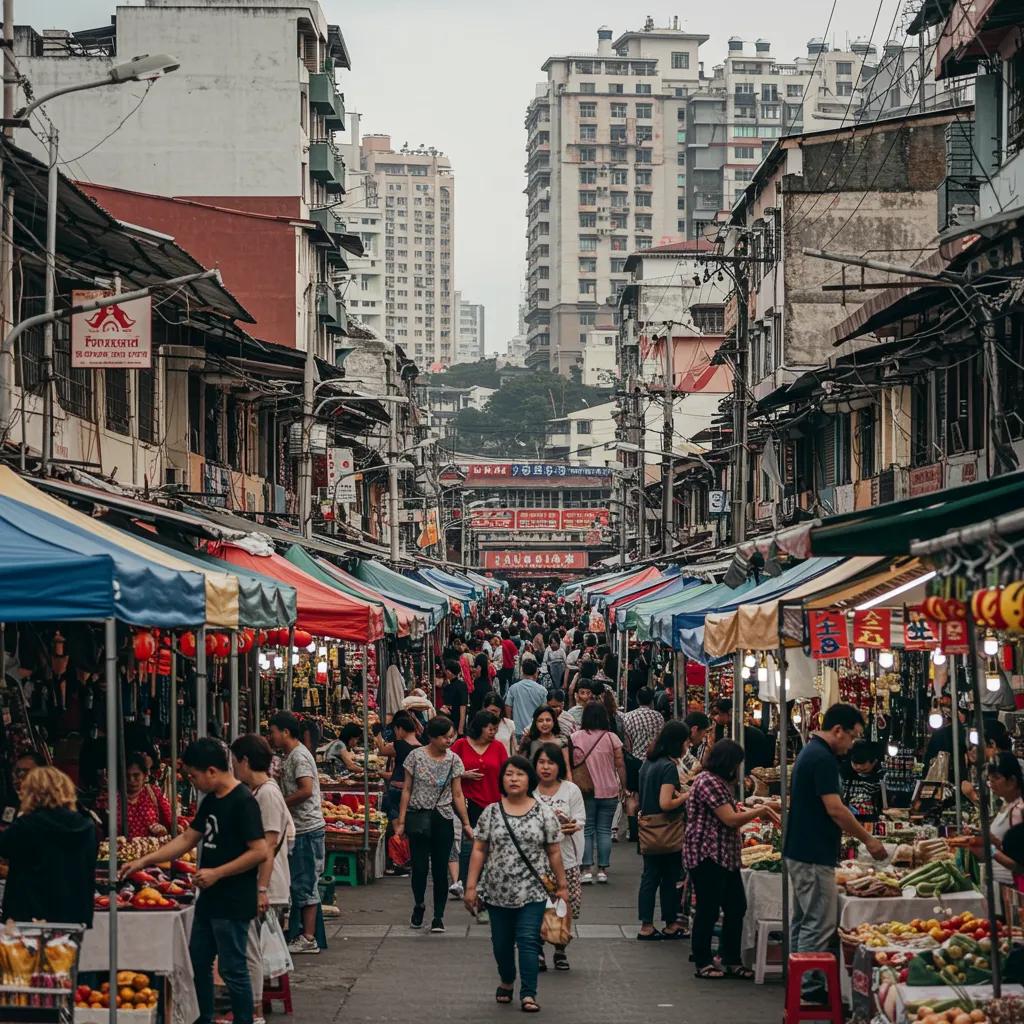
Emerging Asia, specific parts of the MENA region benefiting from commodity tailwinds, and select commodity-exporting emerging economies are the most probable drivers of global expansion in 2025. Structural factors such as favorable demographics, robust investment in manufacturing and services, and ongoing policy reforms underpin the stronger performance in these regions. Advanced economies will contribute to global output but are often constrained by slower productivity gains and tighter monetary conditions. Monitoring regional capital flows and trade data offers early indications of whether these projected leaders will sustain their momentum into 2026.
What Are the Primary Drivers Behind Emerging Markets’ Growth?
Emerging markets’ growth in 2025 largely reflects a confluence of commodity price dynamics, a robust recovery in domestic demand, and targeted reforms that enhance investment climates. Commodity exporters stand to benefit from elevated energy or agricultural prices, while large domestic markets (such as India) rely on private consumption and public infrastructure investment to sustain growth. Foreign direct investment and portfolio rebalancing towards higher-yielding markets also provide crucial financing for expansion, though these flows are sensitive to global interest rate differentials. Structural reforms that boost productivity and improve the business environment remain paramount for converting cyclical gains into sustained growth.
Despite varying headline assessments of global growth from different institutions, a common qualitative conclusion emerges: moderate global expansion with significant regional divergence.
The development of entrepreneurship is a key factor in economic expansion, particularly in regions like South Asia.
South Asia Entrepreneurship: Drivers of Economic Growth and Development
Entrepreneurship plays a crucial role in driving economic growth and development, as it involves risk-taking and innovation to generate profit (Chambers & Munemo,2017). However, not all forms of entrepreneurship contribute equally to the economy and society, highlighting the necessity of understanding the factors that shape entrepreneurship development.
One such factor is institutional quality, which encompasses elements, such as voice and accountability, political stability, absence of violence, regulatory quality, government effectiveness, control of corruption
This table underscores the qualitative consensus across major forecasting approaches and highlights regional divergence. Comparing institutional assessments empowers readers to interpret headline forecasts as scenario windows rather than definitive outcomes.
Global projections naturally transition into inflation dynamics, which critically determine real income and central bank actions.
How Is Global Inflation Expected to Evolve in 2025?
Global inflation in 2025 is poised to exhibit a mixed pattern: headline inflation easing in some advanced economies while core pressures persist where tight labor markets and robust service demand remain elevated. The shift from pandemic-era shocks towards normalized supply chains should alleviate some cost pressures, yet energy and food price volatility, alongside domestic wage trends, will keep inflationary risks alive in many emerging markets. Central bank responses will be paramount in shaping inflation persistence and cross-border capital flows, influencing exchange rates and financing costs. A clear understanding of the causes of current inflation trends and the spectrum of central bank stances clarifies how consumer prices and spending may unfold throughout 2025.
What Are the Causes of Global Inflation Trends in 2025?
Inflation dynamics in 2025 reflect a combination of supply-side shocks (such as energy and food prices), shifts in demand composition towards services, and structural labor market tightness in several economies. While supply chain normalization reduces some goods-price pressures, commodity volatility and transport disruptions can trigger episodic spikes. Domestic fiscal and wage-setting policies significantly influence core inflation persistence, particularly in economies where services and housing constitute large components of consumption. Evaluating these causal categories helps anticipate which price pressures are transitory and which necessitate policy correction.
The recent past has seen significant global inflation, prompting aggressive responses from central banks.
Global Inflation Surge 2021-2024: Drivers and Central Bank Responses
This paper examines the 2021-2022 global inflation surge and the belated but aggressive monetary policy response to it by advanced economy central banks. Drawing on body of recent empirical research, it identifies three primary drivers of the global inflation surge: supply shocks from pandemic disruptions and Russia’s invasion of Ukraine, accommodative fiscal and monetary policies that responded to the economic dislocation caused by pandemic, and a demand shift toward goods relative to services, that exacerbated supply chain pressures. Advanced economy central banks were initially slow to react but ultimately raised rates aggressively and succeeded, with help from a reversal of the initial supply shocks which contributed to the initial inflation surge, in returning inflation to “2 point something” were confident enough in the prospects for further disinflation to began cutting interest rates by the summer of 2024.
How Are Central Banks Responding to Inflation Globally?
Central banks are exhibiting a diverse range of policy stances in 2025, from cautious easing where inflation clearly recedes to vigilant pauses or modest hikes where core inflation remains stubborn; major institutions like the US Federal Reserve and the European Central Bank are meticulously balancing inflation control with growth risks. Policy divergence impacts global interest rate differentials and capital flows, with significant spillovers to emerging markets’ financing costs and currency stability. Markets are highly sensitive to forward guidance and the sequencing of rate adjustments, making close attention to meeting statements and inflation decompositions essential. These critical policy decisions will materially influence borrowing costs, investment choices, and exchange-rate pressures worldwide.
Central banks are crucial for maintaining economic stability, a role that involves managing inflation and navigating financial crises.
Central Banks: Managing Inflation, Financial Crises, and Economic Stability
The central banking system is vital in controlling inflation and managing financial crises within any economy. This research uses a mixed-method approach to examine the measures, working experience, and international examples of the Central Bank Independence (CBI). The quantitative part process focuses on the historical variation in inflation rates, rates of interest, and other measures implemented by central banking institutions across various economies. Econometric modeling and time series analysis are used to determine the effects of monetary policies on inflation, GDP growth, and financial stability.The study also examines the effects of the Global Financial Crisis (GFC) and COVID-19 on various firms through qualitative case studies. By analyzing policy papers, committee proceedings, central banking reports, and expert interviews, the research offers valuable insights into innovative strategies, behavioural patterns, regulatory actions, and the potential downsides of
What Is the Impact of Inflation on Consumer Prices and Spending?
Inflation profoundly alters household purchasing power and consumption patterns by eroding real incomes and shifting spending towards essential goods such as food and energy, while discretionary spending typically contracts. Persistent inflation diminishes real wages unless nominal incomes keep pace, generating social and political pressures that can trigger policy interventions. Sectoral impacts vary: consumption baskets heavily weighted towards food and energy experience sharper real-income effects, while demand for durable goods usually softens when real borrowing costs increase. Tracking real wage trends and consumption indicators helps anticipate shifts in domestic demand that feed back into GDP growth.
Before presenting a regional breakdown of inflation projections, a concise table qualitatively captures relative inflation expectations.
This table offers a high-level overview of relative inflation pressure and the primary drivers across major regions, aiding in the prioritization of policy and market monitoring.
Next, we examine how geopolitics channels into these economic outcomes.
What Are the Key Geopolitical Risks Affecting the Global Economy in 2025?

Geopolitical risks in 2025—encompassing strategic rivalry, regional conflicts, and protectionist policy shifts—transmit through trade, investment, and commodity channels, profoundly affecting global growth and inflation. Disruptions to supply chains or energy shipments can trigger rapid price spikes and severely impact trade-dependent sectors. Investor risk-off episodes stemming from heightened tensions can tighten financing conditions, particularly for vulnerable emerging markets with external financing needs. Mapping these channels clarifies potential scenarios and enables policymakers and businesses to stress-test exposures and refine contingency plans.
How Do US-China Trade Dynamics Influence Global Trade and Supply Chains?
US-China strategic competition continues to reshape global trade through tariffs, investment restrictions, and technology controls, prompting firms to re-evaluate supply chains and sourcing decisions. Diversification and nearshoring strategies reduce concentration risk but entail higher short-term costs and investment requirements for reconfigured production networks. Technology-related trade measures create sectoral fragmentation that impacts semiconductor and high-tech value chains, with downstream effects on manufacturing and consumer electronics prices. These realignments fundamentally alter trade patterns and shift comparative advantages, influencing medium-term growth prospects for both advanced and emerging economies.
What Economic Fallout Is Expected from Middle East and MENA Conflicts?
Conflicts in the Middle East and MENA region primarily impact global energy markets, insurance and shipping costs, and investor confidence in regional economies, with significant spillovers to commodity prices and trade routes. Even localized disruptions to oil or gas supply can trigger global price swings that feed into headline inflation and fiscal pressures for energy-importing countries. Investor risk aversion can slow foreign direct investment into the region and elevate borrowing costs for governments reliant on external financing. Policymakers and firms exposed to the region must implement contingency measures for supply-chain rerouting and price hedging.
How Are Global Trade Policies Shifting Amid Rising Protectionism?
Rising protectionism manifests as increased tariffs, export controls, and investment screening—policies that fragment global value chains and escalate compliance costs for multinational firms. These measures reduce trade elasticity and may decelerate global trade growth relative to GDP, amplifying challenges for export-dependent economies. Over time, policy-induced fragmentation raises production costs and can diminish productivity through reduced specialization. Understanding the likely trajectory of trade policy assists firms in planning sourcing strategies and governments in designing defensive trade and industrial policies.
Having outlined geopolitical channels, the next section localizes the global picture to Pakistan’s economy and policy choices.
How Will Pakistan’s Economy Be Affected by Global Economic Trends in 2025?
Pakistan’s 2025 economic outlook is profoundly shaped by global growth patterns, commodity price trends, and exchange-rate and monetary developments that directly influence import bills and external financing. External demand from regional partners and remittance flows serve as crucial demand supports, while global inflation and higher international interest rates can transmit through import prices and borrowing costs. Domestic shocks, such as severe flooding, compound these global pressures by increasing fiscal needs and disrupting agricultural output. ARY News’ regional reporting synthesizes these global-to-local channels to keep Pakistani audiences informed on how international forecasts translate into national policy choices and household impacts.
What Are Pakistan’s GDP Growth Forecasts for 2025-2026?
Official and multilateral forecasts for Pakistan in 2025–2026 typically present a range reflecting fiscal consolidation efforts, external financing availability, and climate-related shocks; consensus views point to a modest recovery if policy reforms and external support are sustained. Key growth drivers include a rebound in services and industrial production, reconstruction-related investment following climate events, and stabilizing remittances. Downside risks encompass fiscal slippage, import-cost shocks from global inflation, and delays in external financing. Comparing institutional assessments side-by-side highlights uncertainty bands and clarifies policy priorities for sustaining a growth turnaround.
This table summarizes qualitative institutional perspectives to help reconcile differing headline forecasts. Comparing assessments emphasizes the conditional nature of Pakistan’s recovery prospects and the critical importance of policy implementation.
How Does Inflation and Monetary Policy Shape Pakistan’s Economic Outlook?
Inflation and the State Bank’s policy stance critically affect real incomes, borrowing costs, and exchange-rate dynamics in Pakistan; higher global rates and commodity prices can necessitate tighter domestic policy to defend the currency and control inflation. Monetary policy decisions meticulously balance inflation control with the imperative to support growth and protect debt sustainability, especially under external financing constraints. Exchange-rate management and reserves adequacy remain central to macroeconomic stability, while inflation expectations shape wage-setting and consumption patterns. Monitoring monetary policy signals and inflation decompositions provides a crucial window into near-term macroeconomic adjustments.
What Is the Economic Impact of Recent Floods on Pakistan’s Agriculture and Industry?
Recent floods inflict immediate and severe damage to crops, infrastructure, and supply chains, significantly reducing agricultural output and disrupting industrial production in affected areas, leading to short-term increases in food prices and reconstruction-driven fiscal needs. Crop losses elevate food import requirements or diminish exportable surpluses, amplifying import bills and pressure on the balance of payments. Infrastructure damage escalates recovery costs and delays supply-side restoration, impacting employment and regional trade. Policy responses that combine targeted relief, reconstruction financing, and resilience investments are essential to limit long-term scarring and protect vulnerable households.
The Pakistan-focused analysis demonstrates how global trends translate into measurable domestic channels. The next major section assesses recession signals and historical lessons.
What Are the Indicators and Likelihood of a Global Recession in 2025?
Assessing recession risk in 2025 demands vigilant monitoring of leading indicators such as yield curves, manufacturing PMIs, and credit spreads; no single signal confirms a recession, but a confluence of negative indicators significantly increases probability and urgency for policy mitigation. Historical context—such as the 2008 financial crisis and the 2020 pandemic shock—teaches that financial stress, rapidly tightening global liquidity, and synchronized downturns amplify impacts on trade and employment. Scenario analysis combining mild and deep recession pathways assists policymakers and businesses in planning contingency measures. Policymakers should proactively prepare fiscal and monetary toolkits to support demand while safeguarding long-term public finances.
What Are the Leading Economic Indicators Signaling a Possible Recession?
Leading indicators to watch include an inverted yield curve, sustained declines in manufacturing PMIs below expansion thresholds, widening credit spreads, and weakening consumer confidence; sustained negative trends across these indicators materially raise the odds of a recession. Each indicator comes with caveats—for example, yield-curve inversions can precede recessions with variable lead times—so a composite view offers more informative insights than any single metric. Early warning systems combining several indicators improve signal-to-noise ratios for policymakers and investors. Regularly updating these indicators allows for timely adjustments to macroprudential and fiscal measures.
How Have Past Recessions Informed Current 2025 Forecasts?
Past recessions vividly illustrate the transmission channels of financial stress into the real economy and underscore the importance of swift policy responses to stabilize markets and restore confidence. The 2008 crisis highlighted banking-sector vulnerabilities and the critical need for liquidity backstops, while 2020 demonstrated the effectiveness of large-scale fiscal support for households and businesses when mobility shocks collapse demand. These lessons inform 2025 forecasts by emphasizing financial-sector health, the flexibility of policy space, and the design of targeted social protection to limit long-term scarring. Policymakers now prioritize readiness to deploy calibrated interventions that minimize structural damage.
What Are the Potential Economic Consequences of a Recession?
A global recession would inevitably reduce trade volumes, depress commodity prices (with uneven effects across countries), increase unemployment, and widen sovereign financing spreads for vulnerable nations, potentially triggering debt stress in fragile economies. The severity of consequences hinges on the depth and duration of the downturn: a shallow, short recession primarily affects output gaps, while a deep, prolonged recession can cause permanent losses in capital formation and employment. Businesses face demand contraction and tightened financing, while governments confront simultaneous needs for stimulus and fiscal consolidation. Preparing contingency fiscal buffers and preserving policy credibility helps mitigate extreme outcomes.
The discussion of recession indicators naturally leads to the pivotal role of emerging markets in reshaping global growth prospects.
How Are Emerging Markets Shaping the Global Economic Outlook for 2025?
Emerging markets (EMs) play a pivotal role in 2025 by contributing the bulk of incremental global growth, but also by exposing the system to vulnerabilities such as external debt, FX mismatch, and commodity dependence. EMs with robust structural reforms and diversified export bases are better positioned to attract investment and sustain growth, while those reliant on external financing face heightened sensitivity to global interest rate shifts. Investment flows, sectoral hotspots like energy and infrastructure, and the policy credibility of EM central banks will determine the durability of global expansion. A close examination of country-level drivers clarifies where the global economy is most likely to find robust growth engines.
Which Emerging Markets Are Poised for Strong Growth in 2025?
Emerging markets exhibiting strong domestic demand, ongoing structural reforms, and favorable commodity positions are most likely to outperform in 2025; these include large South Asian economies and select resource-rich countries. Growth prospects are critically dependent on the policy mix: macroeconomic stability, investment in infrastructure, and an enabling business climate attract FDI and support productivity gains. Country-specific risks—such as political volatility or external debt pressures—can offset potential gains, so investors and policymakers must carefully weigh structural strengths against short-term vulnerabilities. Identifying outperformers requires analyzing both macro fundamentals and reform momentum.
What Challenges Do Emerging Markets Face Amid Global Uncertainty?
Common EM challenges in 2025 include external financing risks, exchange-rate volatility, and policy credibility constraints, which can amplify shocks from global rate adjustments and commodity swings. High external debt or heavy short-term liabilities render countries vulnerable to abrupt stops in capital flows. Institutional capacity to implement reforms and robust social-protection mechanisms significantly influence the ability to absorb shocks without severe social costs. Mitigation strategies include diversifying financing sources, strengthening reserves management, and implementing targeted fiscal measures to protect vulnerable groups.
How Is Investment Flowing into Developing Economies?
Investment into developing economies in 2025 reflects a blend of targeted foreign direct investment in infrastructure and energy, and selective portfolio inflows drawn to higher yields but sensitive to global risk sentiment. Sectoral hotspots include renewable energy, digital infrastructure, and logistics, where long-term demand prospects and policy incentives align. Portfolio flows remain more volatile and can reverse quickly if global rates spike or risk appetite diminishes. Understanding the composition and stability of inflows helps governments design effective investment promotion and risk-management strategies to secure long-term benefits.
The crucial role of emerging markets frames the final assessment of risks and opportunities for 2025.
What Are the Major Risks and Opportunities in the 2025 Global Economy?
The major risks for 2025 include intensified protectionism, potential financial market corrections, commodity price shocks driven by regional conflicts, and climate-related disruptions that magnify fiscal pressures. Conversely, significant opportunities arise from green transition investments, digitalization-driven productivity gains, and robust recovery in high-growth emerging markets that can boost global demand. Businesses and policymakers who actively adopt resilience measures—such as diversification, stress-testing, and targeted social protection—can effectively reduce downside exposure and capture upside potential. ARY News will continue to track these dynamics closely to provide timely, regionally informed updates and analysis.
What Are the Top Downside Risks Threatening Global Growth?
Downside risks primarily center on synchronized financial tightening, trade fragmentation, severe commodity shocks stemming from geopolitical flare-ups, and climate events that disrupt production and fiscal stability. A combination of these risks could trigger widespread investor risk aversion and constrain access to external financing for vulnerable sovereigns and firms. The systemic nature of these risks necessitates coordination in policy response and contingency planning at both national and multilateral levels. Prioritizing financial-sector resilience and diversified trade relationships significantly reduces the likelihood of systemic spillovers.
The most material downside risks include:
- Financial market corrections that tighten global liquidity and increase borrowing costs.
- Rising protectionism and trade fragmentation that reduce trade efficiency and investment returns.
- Geopolitical shocks that spike commodity prices and disrupt supply chains.
What Opportunities Could Boost Economic Recovery and Expansion?
Opportunities that could accelerate recovery include large-scale green investment, expansive digital infrastructure development, and policy reforms that unlock private investment and productivity increases. Public-private partnerships in renewables and logistics can catalyze job creation and long-term competitiveness, while technology adoption improves service delivery and firm-level productivity. Strategic investment in human capital and resilient infrastructure also elevates potential growth ceilings. Countries and firms that combine reform-minded policies with targeted investments are poised to capture disproportionate benefits as global demand patterns shift.
Key opportunities include:
- Green investment and energy transition that create new industries and export potential.
- Digitalization and productivity gains across services and manufacturing.
- Infrastructure and connectivity projects that unlock regional trade and growth.
How Can Businesses and Policymakers Prepare for Economic Volatility?
Resilience demands stress-testing balance sheets, diversifying supply sources, preserving fiscal buffers, and strengthening social-safety nets to protect the most vulnerable during shocks. Businesses should maintain robust liquidity cushions, diversify markets, and invest in digital and operational flexibility to adapt to rapid disruptions. Policymakers must meticulously balance short-term stabilization with long-term reforms that enhance competitiveness and fiscal sustainability, while coordinating regionally to manage cross-border spillovers. A comprehensive checklist approach enhances readiness and enables faster, targeted responses when shocks materialize.
Practical preparedness steps:
- Stress-test and diversify: Evaluate exposure to trade, FX, and commodity risks, and diversify supply chains.
- Preserve fiscal and monetary buffers: Build contingency reserves and credible policy frameworks.
- Targeted social protection: Implement programs that shield vulnerable households while preserving growth incentives.
ARY News will continue to provide timely coverage and contextual analysis to help readers follow developments and policy responses across these critical risk and opportunity areas.
Conclusion: Navigating the 2025 Global Economic Landscape
The global economic outlook for 2025 underscores the critical importance of understanding dynamic regional growth patterns, evolving inflation trends, and persistent geopolitical risks that collectively shape market conditions. By meticulously synthesizing insights from various leading forecasting institutions, readers are better equipped to navigate the inherent complexities of emerging markets and their significant potential for growth. Staying comprehensively informed about these crucial developments is paramount for policymakers and businesses alike to make strategic, well-informed decisions. For more in-depth analysis and timely updates, we invite you to explore our extensive resources today.