International Organizations: Your Ultimate Guide to Global Impact, Pakistan’s Role, and Latest Developments
International organizations stand as crucial multilateral institutions, expertly coordinating policies, financing vital projects, and responding to crises across borders. Key players like the United Nations, the World Bank, and the International Monetary Fund are at the forefront, and this comprehensive article will illuminate their mandates and reveal what their actions truly mean for Pakistan and the broader landscape of global governance. Here, you’ll uncover how these powerful institutions operate, how they tackle pressing issues like climate change and migration, the intricacies of human rights and justice mechanisms, and practical ways to stay informed on critical developments such as UN climate action in 2025 and the outcomes of COP30. Many often find it challenging to connect abstract multilateral decisions with tangible local impacts, but this guide offers clear, evidence-based pathways, bridging institutional mandates to specific outcomes for Pakistan. Our aim is to deliver timely and comprehensive news and current affairs coverage, ensuring our audience remains informed and engaged with diverse, impactful content. This article meticulously maps out core topics—including their functions and roles, climate responses, impacts on Pakistan, human rights and justice, migration trends, governance challenges, and practical tracking tools—and presents tables and lists to transform complex information into actionable and shareable insights. We begin by defining major organizations and their essential tools, then transition into sectoral case studies that vividly demonstrate how global governance shapes national policy.
Unveiling the Key Functions and Roles of Major International Organizations
Major international organizations fulfill distinct yet often interconnected functions: the United Nations champions diplomacy and peacekeeping, the World Bank drives development projects through financing, the IMF ensures macroeconomic stability through surveillance and lending, while specialized bodies like WHO, IOM, and the ICC deliver on their specific sectoral mandates. These institutions operate through a diverse toolkit of normative instruments, financial products, technical assistance, and on-the-ground field operations. Their complementary roles—from peacekeeping to development finance—enable coordinated responses to the most complex global crises. Grasping these core roles clarifies why, for instance, a World Bank loan targets infrastructure development, while the UN prioritizes diplomatic access and humanitarian corridors. The next section will delve into how the United Nations actively promotes global peace and security through its unique mechanisms, offering illustrative examples of both its capabilities and inherent constraints.
How Does the United Nations Champion Global Peace and Security?
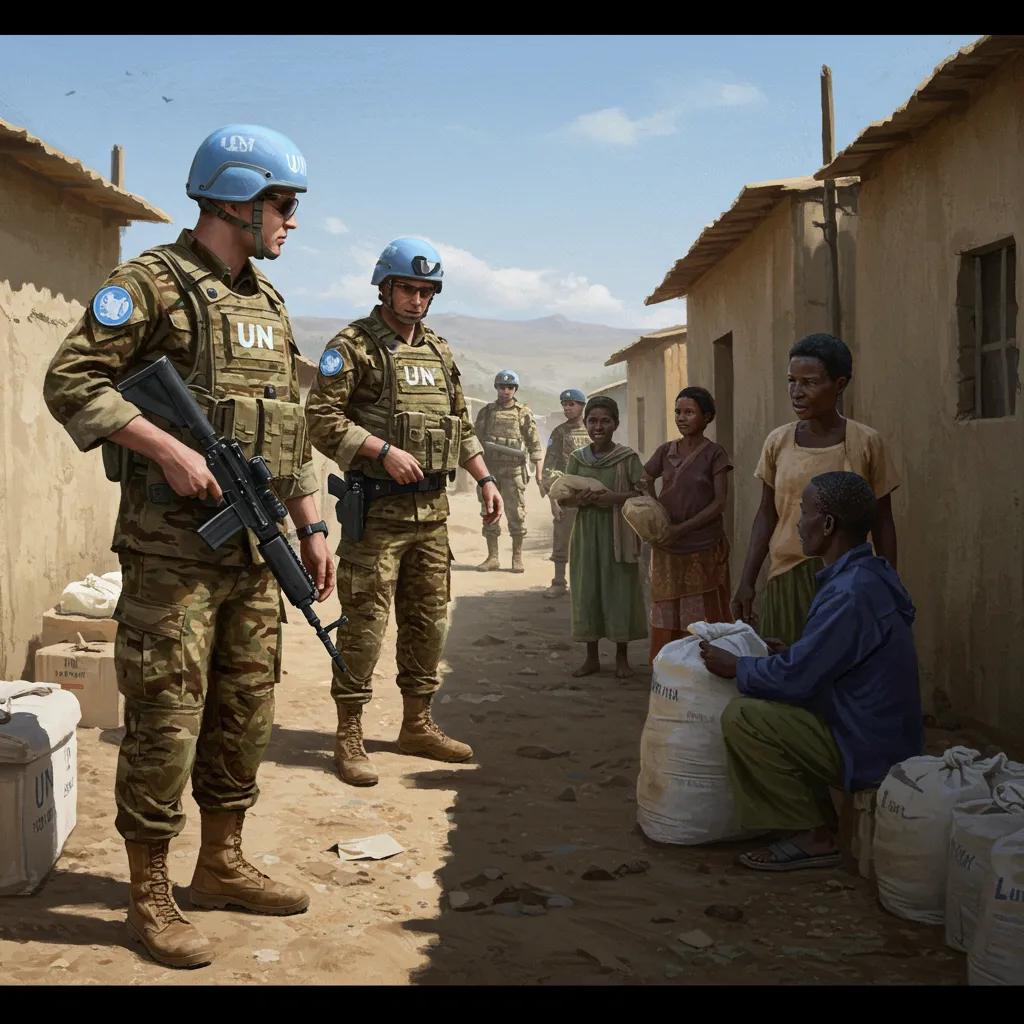
The United Nations actively promotes peace and security worldwide by deploying crucial peacekeeping missions, passing impactful Security Council resolutions, and mediating diplomatic solutions that pave the way for conflict de-escalation and humanitarian access. Through these powerful mechanisms, the UN can authorize mandates designed to protect civilians, support ceasefires, and coordinate humanitarian agencies in conflict zones. However, veto dynamics and political divisions can sometimes limit the effectiveness of enforcement and timely action. UN peacekeeping operations skillfully combine military, police, and civilian components to stabilize volatile environments and rebuild vital institutions, while special envoys and secretariat diplomacy tirelessly pursue negotiated settlements. Examining recent mission outcomes vividly highlights both the UN’s remarkable capacity to orchestrate multinational responses and the systemic challenges that often constrain rapid, impartial implementation.
What Is the World Bank’s Pivotal Role in Global Economic Development?
The World Bank propels global development forward by providing essential loans, credits, and technical assistance specifically aimed at bolstering infrastructure, education, energy, and poverty reduction. It utilizes powerful instruments such as IBRD lending and concessional IDA financing to achieve its goals. The Bank meticulously evaluates projects using measurable outcome indicators, strategically mobilizes private finance, and frequently links its financial support to institutional reforms that enhance public financial management and service delivery. Various World Bank units—including regional desks and thematic teams—design projects with integrated monitoring and evaluation frameworks to meticulously track impacts, such as increases in school enrollment or the kilometers of rehabilitated roads. Understanding the Bank’s comprehensive project lifecycle—from preparation and appraisal to implementation and evaluation—empowers policymakers and citizens alike to accurately assess expected benefits and accountability measures.
How Does the International Monetary Fund Bolster Economic Stability?
The IMF actively supports global economic stability through rigorous surveillance of macroeconomic policy, offering crucial short- and medium-term lending facilities, and providing expert technical assistance focused on fiscal management, exchange-rate policy, and structural reforms designed to restore confidence and external viability. IMF programs skillfully combine conditionality with program design to strike a delicate balance between stabilization—reducing deficits and stabilizing currency—and reforms intended to foster sustainable growth. This inherent trade-off can sometimes lead to short-term social costs that require careful mitigation. Surveillance reports and Article IV consultations deliver regular, insightful assessments that significantly shape investor expectations and policy choices in borrowing countries. Recognizing the intricate mechanics of the IMF clarifies why program negotiations frequently dominate national economic debates and why program design profoundly influences fiscal priorities and social-protection measures.
Discover the Main Human Rights Organizations and Their Global Impact
Human rights monitoring and advocacy are powerfully spearheaded by entities such as the UN Human Rights Office (OHCHR), Amnesty International, and Human Rights Watch. These organizations meticulously document abuses, issue compelling reports, and exert significant pressure on states and multilateral bodies to take decisive action. They leverage thorough field investigations, poignant victim testimonies, and rigorous legal analysis to inform UN mechanisms, trigger international inquiries, or support referrals to judicial processes, thereby generating crucial diplomatic and public pressure for accountability. NGO reports frequently catalyze sanctions, resolutions, or increased humanitarian access, though their ultimate influence hinges on the political will among member states and the level of media attention. This operational ecosystem—encompassing reporting, advocacy, and legal referral—effectively links meticulous documentation to potential policy and accountability outcomes.
How Do International Organizations Tackle Global Migration and Humanitarian Crises?
International organizations adeptly address migration and humanitarian crises through robust data systems, emergency funding, comprehensive protection frameworks, and coordinated field responses designed to stabilize populations and manage displacement. Agencies like IOM and UNHCR meticulously track population movements, provide essential shelter and protection, and coordinate seamlessly with OCHA and NGOs for rapid relief. While donor coordination strives to match needs with funding, gaps often persist. Response tools span a wide range, from evacuation and transport to cash assistance and legal protection, with inter-agency coordination mechanisms diligently working to prevent duplication and fill coverage gaps. Mapping these diverse tools clarifies how migration flows are both monitored and mitigated through sophisticated international operational systems.
Exploring How International Organizations Respond to Climate Change and Environmental Challenges
International organizations are at the forefront of responding to climate change by negotiating crucial multilateral agreements, mobilizing essential climate finance, and designing impactful adaptation and mitigation projects that transform global commitments into tangible national actions. The UN system actively advances policy dialogues and scientific assessments, while the World Bank and various climate funds deploy green financing and technical assistance to bolster renewable energy, enhance resilience, and implement emissions-reduction programs. While governance challenges and geopolitical tensions can influence ambition and resource flows, coordinated finance and capacity-building remain primary levers for supporting vulnerable countries. Below, we summarize the key outcomes of COP30 and illustrate how these vital multilateral commitments translate into programs and metrics directly relevant for Pakistan and similar economies.
Latest UN Climate Action Updates and COP30 Outcomes Revealed
COP30 concluded with renewed, vital commitments to adaptation finance, a sharpened focus on crucial loss and damage mechanisms, and accelerated pledges for clean energy transitions, all aiming to significantly narrow the emissions gap toward the ambitious 1.5°C targets. The UN Secretary-General’s powerful messaging underscored the urgent need for predictable, long-term finance to empower developing countries in implementing essential resilience measures, while the conference successfully advanced frameworks for meticulous reporting and tracking of climate finance flows. For policymakers, the outcomes of COP30 establish new expectations for national adaptation plans and unlock eligibility for innovative blended financing instruments. These significant multilateral signals set the stage for future project pipelines that international financiers and national agencies must diligently translate into practical investment plans.
How Do International Bodies Influence Pakistan’s Environmental Policies?
International bodies significantly influence Pakistan’s environmental policies through conditional finance, expert technical assistance, and crucial policy dialogue that collectively shape national strategies for adaptation, water management, and emissions reduction. Funding often arrives with invaluable advisory support that enhances project design and monitoring frameworks, enabling Pakistan to access concessional loans and grants for vital resilience projects in coastal zones and flood-prone basins. Technical cooperation can substantially strengthen institutions and data systems for climate-smart planning, while conditionality may necessitate governance reforms that improve project delivery. The effective utilization of these powerful levers hinges on Pakistan’s absorptive capacity and clear national priorities that seamlessly align multilateral support with local needs.
The World Bank’s Role in Sustainable Development and Green Projects: A Deep Dive
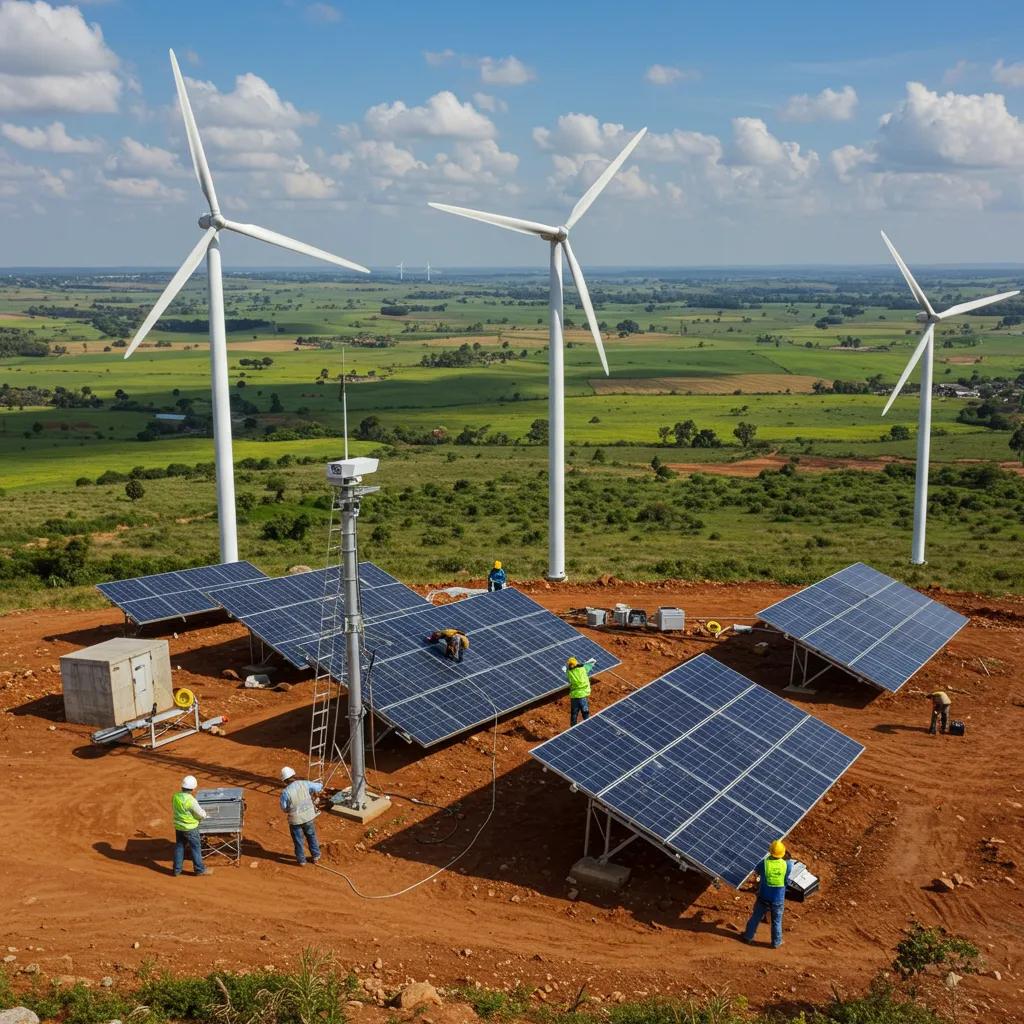
The World Bank strategically deploys green finance instruments—including climate investment funds, green bonds, and concessional credit—to underwrite vital renewable energy, flood resilience, and sustainable transport projects. It meticulously measures impact through metrics such as emissions avoided, adaptation gains, and the number of beneficiaries reached. Project design rigorously emphasizes measurable outcomes like reduced greenhouse gas emissions, improved energy access, or hectares of restored ecosystems. Crucially, the Bank often combines finance with robust capacity-building initiatives to ensure long-term sustainability. For nations like Pakistan, scalable projects can unlock significant private co-financing and powerfully support national transitions toward low-carbon development. These instruments seamlessly link finance to technical capacity and comprehensive monitoring frameworks that meticulously track both environmental and social performance.
How Are Global Governance Challenges Impacting Climate Change Efforts?
Global governance challenges—including geopolitical rivalry, the fragmentation of multilateral institutions, and unequal burden-sharing—are unfortunately slowing collective climate action and complicating the delivery of crucial finance to vulnerable countries. Competing governance proposals and bilateral initiatives can lead to fragmented standards and funding channels, while constrained donor budgets limit predictable adaptation finance. While reform initiatives aim to harmonize reporting, streamline funding, and enhance transparency, political alignment remains absolutely essential for effective implementation. Addressing these critical governance gaps requires both renewed diplomatic consensus and robust domestic policy reforms that effectively leverage international support for national climate resilience.
Discover the Impact of International Organizations on Pakistan’s Economy and Development
International organizations profoundly shape Pakistan’s development trajectory through strategic project finance, comprehensive macroeconomic programs, expert technical assistance, and vital policy engagement that directly influences education, infrastructure, and fiscal stability. World Bank projects fund essential schools, roads, and energy systems; IMF programs guide macroeconomic policy and fiscal consolidation; and UN agencies support critical health, education, and humanitarian responses—each intervention translating into concrete service delivery or significant policy shifts. Our commitment is to provide timely and comprehensive news and current affairs coverage, ensuring our audience remains informed and engaged with diverse content. Below, we present an EAV-style comparison of selected interventions and analyze how these powerful instruments affect outcomes and sovereignty trade-offs for Pakistan.
An introductory table explaining comparative interventions and their expected outcomes.
How Does the World Bank Bolster Pakistan’s Education and Infrastructure Projects?
The World Bank actively supports Pakistan’s education and infrastructure sectors through targeted financing, expert technical advisory services, and crucial implementation support that collectively elevate school quality, expand access, and upgrade vital transport networks. Projects encompass loan-based capital investments combined with performance-based elements meticulously tied to measurable indicators—such as student learning outcomes and kilometers of rehabilitated roads—to ensure robust accountability and tangible impact. The Bank’s comprehensive approach integrates capacity-building for ministries and independent monitoring to strengthen long-term sustainability, while co-financing arrangements can effectively attract private sector participation. Understanding these powerful instruments helps explain how international finance translates into tangible service improvements at the community level.
What Are the Effects of IMF Loans on Pakistan’s Economic Stability?
IMF loans significantly influence Pakistan’s economic stability by providing essential balance-of-payments support while simultaneously requiring crucial policy adjustments—including fiscal consolidation, subsidy rationalization, and monetary tightening—all aimed at restoring investor confidence and stabilizing the national currency. These program conditionalities can indeed improve macro indicators such as reserve levels and inflation expectations, but they may also necessitate short-term austerity measures that impact public spending priorities. Governments frequently negotiate social-protection measures to offset any adverse impacts on vulnerable groups, and program success ultimately hinges on complementary domestic reforms and robust external financing flows. Recognizing this delicate balance clarifies the intricate political economy of IMF engagements.
A recent study delved into the intricate relationship between Pakistan’s economy and its engagements with the IMF.
Pakistan’s Economy and IMF Deals: A Time Series Analysis
This study examined the time series analysis of the Stability of Pakistan Economy and IMF Deals” from 1992 to 2021. The data utilized in this research is secondary, and we gather it from the source’s World Bank and Economics survey of Pakistan. Logistic regression and Autoregressive distribution lags methods applied to determine the economic factors compelling Pakistan to continue relying on the IMF and establish a link between IMF loans and Pakistan’s economy.
The stability of Pakistan economy and IMF deals: an analysis, A Zahra, 2024
How Does Pakistan Engage with the United Nations on Global and Regional Issues?
Pakistan actively engages with the United Nations through its voting participation in General Assembly fora, significant contributions to UN peacekeeping missions, proactive involvement in climate diplomacy, and close collaboration with specialized UN agencies on vital development and humanitarian programs. These diverse channels empower Pakistan to effectively project its diplomatic priorities—such as regional stability and climate adaptation—while simultaneously securing crucial technical and financial support for domestic programs. Active participation in UN bodies also enhances Pakistan’s global profile and opens valuable avenues for multilateral cooperation on shared challenges. Tracking these engagement patterns helps illuminate how national priorities seamlessly align with broader multilateral agendas.
What Are the Challenges and Opportunities for Pakistan in International Aid Programs?
Pakistan navigates a landscape of challenges—including limits to absorptive capacity, constraints imposed by conditionality, and pressing debt sustainability concerns—that can complicate the maximal benefits derived from international aid. Yet, significant opportunities abound, including targeted investment in human capital, crucial institutional strengthening, and leveraging concessional finance for vital resilience projects. Enhancing governance, transparency, and project implementation frameworks can substantially improve outcomes and attract further concessional resources, while mitigating debt risks through careful project selection. The strategic use of aid for capacity-building and public goods can powerfully amplify long-term development impact. Designing policies to maximize these opportunities demands coherent national planning and effective coordination with donor partners.
How Do International Organizations Champion Human Rights and Global Justice Issues?
International organizations actively champion human rights and global justice through meticulous monitoring, comprehensive reporting, robust legal mechanisms, and powerful advocacy. Their collective aim is to meticulously document abuses, deter future violations, and enable accountability at both international and domestic levels. The OHCHR produces insightful reports that inform UN deliberations, NGOs skillfully influence public opinion and diplomatic pressure, and judicial bodies like the ICC provide crucial legal avenues for prosecution when jurisdictional criteria are met. These mechanisms operate across documentation, advocacy, and legal action, with their effectiveness profoundly hinging on cooperation by states and access to vital evidence. The following subsections will unpack recent reporting, the influential role of NGOs, court-based accountability, and the foundational frameworks of refugee law.
Unveiling the UN Human Rights Office’s Latest Reports and Actions
The UN Human Rights Office consistently issues impactful investigative reports and thematic studies that meticulously document rights violations, recommend crucial remedial actions, and trigger diplomatic engagement or UN processes. Recent reports in 2025, for instance, addressed conflict-related abuses and compliance with humanitarian law. Such reports expertly synthesize field findings, compelling eyewitness testimony, and rigorous legal analysis to provide authoritative accounts that member states and civil society can leverage to demand redress. Follow-on actions may include Special Procedures visits, Human Rights Council debates, or referrals to other international mechanisms, depending on the severity and political dynamics. The reporting function thus serves as a critical initial step in the journey toward accountability and effective policy response.
How Do Amnesty International and Human Rights Watch Influence Global Human Rights?
Amnesty International and Human Rights Watch profoundly shape global human rights debates through their rigorous investigative reporting, targeted campaigns, and strategic advocacy. These efforts raise public awareness and exert significant pressure on governments and multilateral actors to take decisive action. Their reports frequently provide granular evidence that supports legal cases, informs sanctions deliberations, or galvanizes media and parliamentary scrutiny, which can ultimately shift diplomatic calculations. While NGOs lack direct enforcement powers, their unwavering credibility and persistent campaigning can effectively move critical issues from the margins into formal policy channels. Understanding NGO methods clarifies the vital link between meticulous documentation, powerful public mobilization, and institutional responses.
The International Criminal Court’s Pivotal Role in Justice and Accountability
The International Criminal Court (ICC) courageously prosecutes individuals for core international crimes—genocide, crimes against humanity, and war crimes—specifically when national jurisdictions are unwilling or unable to act. This follows thorough investigations that can lead to arrest warrants and trials. The ICC’s mandate operates through referrals by states or the UN Security Council, effectively complementing domestic systems by offering a crucial international legal avenue for redress. Constraints include state non-cooperation, limited enforcement capacity, and political contestation over jurisdiction. Yet, ICC actions can establish powerful precedents and create significant deterrence effects. The Court therefore represents a vital legal mechanism within the broader architecture of global accountability.
How Are Refugee Crises and International Law Managed by Global Bodies?
Refugee crises are meticulously managed through foundational legal frameworks like the 1951 Refugee Convention and operational bodies such as UNHCR. These entities coordinate essential protection, registration, and assistance, while partnering seamlessly with governments and NGOs to provide shelter, education, and livelihoods. The operational response relies heavily on contingency planning, robust protection standards, and coordinated funding appeals. However, host-state capacity and political dynamics can often complicate effective implementation. International law provides crucial protective standards, but practical outcomes ultimately depend on robust resource mobilization and coherent inter-agency coordination. Mapping these legal and operational layers clarifies how fundamental rights are translated into vital services on the ground.
Exploring Current Global Migration Trends and Humanitarian Responses
Current global migration trends are powerfully driven by conflict, climate shocks, and economic disparity, resulting in complex displacement patterns that demand coordinated humanitarian responses, data-driven tracking, and durable solutions for affected populations. Agencies like IOM meticulously produce displacement tracking matrices, while UNHCR leads crucial protection efforts for refugees. Unfortunately, funding shortfalls often create significant gaps between assessed needs and delivered assistance. Coordination mechanisms diligently attempt to align resources and operations across various actors, but structural funding and political constraints remain persistent challenges to comprehensive responses. The following subsections will outline IOM tools, humanitarian coordination, disaster response structures, and their profound implications for Pakistan.
How Does the International Organization for Migration Track and Respond to Migration Crises?
The International Organization for Migration (IOM) meticulously tracks migration through its Displacement Tracking Matrix (DTM) and responds with rapid assessments, essential shelter, vital health assistance, and crucial return or resettlement support, depending on the specific context. It coordinates closely with local authorities and UN partners. DTM data collection yields timely information on movements, vulnerabilities, and needs, which in turn informs operational planning and funding appeals. Response packages typically combine protection, basic services, and durable solutions, while constantly adjusting to evolving transit and host-country dynamics. This data-driven response model is instrumental in prioritizing resources and designing context-appropriate interventions.
An introductory table summarizing key migration actors and their response scope.
What Humanitarian Aid Efforts Are Led by International Organizations in Conflict Zones?
Humanitarian aid in conflict zones is expertly coordinated by OCHA and operationally led by UN agencies, the ICRC, and major NGOs. These organizations provide essential food, shelter, health, and protection services, all guided by core humanitarian principles. Funding is mobilized through pooled funds and appeals, yet common shortfalls include access constraints, significant security risks, and donor fatigue, which collectively limit the ability to scale up operations. Coordination mechanisms—such as clusters for sectors like health and logistics—aim to improve coverage and reduce duplication, while field-level partnerships with local actors are absolutely essential for effective delivery. Successful responses depend on rapid needs assessments, predictable funding, and negotiated humanitarian access.
How Do International Organizations Coordinate Disaster Response and Refugee Support?
International organizations meticulously coordinate disaster response through the established cluster system, assigning sector leads (such as health, shelter, and logistics) to deliver coherent services. Simultaneously, UN coordinators align agency roles and mobilize partners for rapid scale-up. Logistics hubs, emergency stocks, and pre-positioned funding are integral components of preparedness strategies that significantly accelerate responses. Successful operations seamlessly combine local capacity with international surge resources. Coordination challenges often include information-sharing gaps and overlapping mandates, which coordination platforms diligently seek to resolve through common operational plans and joint needs assessments. Effective coordination ultimately improves timeliness and significantly reduces wasted resources.
What Is the Impact of Migration on Pakistan and Regional Stability?
Migration profoundly impacts Pakistan through its significant refugee-hosting responsibilities, persistent cross-border displacement pressures, and dynamic labor migration trends that affect both remittances and labor markets. These factors carry crucial regional stability implications for security and social cohesion. Pakistan’s proximity to conflict zones and climate-vulnerable areas shapes both inflows and transit patterns, creating substantial demands on public services and humanitarian budgets. Policy options include robust integration frameworks, targeted social-protection measures, and cooperative regional management to share burdens and invest in resilience. Implementing these vital policies requires seamless coordination between national authorities and international organizations to align resources and technical support effectively.
Exploring the Challenges and Future Directions for Global Governance and International Cooperation
Global governance faces a complex array of challenges, including multilateral fatigue, escalating geopolitical rivalry, and persistent governance gaps in emerging domains like cybercrime and artificial intelligence. Amidst these, reform initiatives are actively striving to strengthen representation and adapt institutions to the multifaceted risks of the 21st century. Pathways for reform include improved financing mechanisms, streamlined coordination across agencies, and the development of new legal frameworks for transnational threats. However, political will and consensus remain fundamental prerequisites. Future directions are centered on digital diplomacy, innovative decentralized governance models, and strategic public-private partnerships that expand capacity. The following subsections will examine specific reform challenges and prospective frameworks that are shaping the future of international cooperation.
What Are the Main Challenges to Multilateralism in 2025?
The main challenges confronting multilateralism in 2025 include a concerning rise in unilateral actions by major powers, critical funding shortfalls that weaken institutional capacity, and increasing fragmentation as alternative governance mechanisms emerge. These dynamics collectively erode consensus-building and complicate collective action on vital global public goods such as climate mitigation and pandemic preparedness. Addressing these formidable challenges demands renewed diplomatic engagement, transparent financing commitments, and crucial reforms that enhance the legitimacy and responsiveness of multilateral bodies. Recognizing these obstacles is essential for formulating practical steps to rebuild trust and effectiveness in global cooperation.
How Is the UN Reforming Its Global Governance Structures?
Discussions around UN reform primarily focus on enhancing representation, significantly improving coordination among its various agencies, and modernizing decision-making processes to boost responsiveness and legitimacy. However, these proposals often face resistance from states that currently benefit from existing structures. Practical reforms include streamlining management, strengthening capacity for rapid crisis response, and improving funding predictability. Yet, achieving consensus on Security Council reform or the use of the veto remains a politically fraught endeavor. Incremental changes—such as improved coordination mechanisms and mandate reviews—offer feasible near-term gains, while larger structural reforms necessitate broad member-state agreement. Understanding these reform trajectories provides crucial insights into the expected evolution of these vital institutions.
What Are the Emerging International Legal Frameworks for Cybercrime and AI?
Emerging legal frameworks for cybercrime and AI aim to harmonize standards for criminalization, cross-border cooperation, and accountability, all while carefully balancing innovation with human-rights protections. Recent initiatives propose conventions that establish minimum obligations for state behavior and cooperation. Enforcement and state capacity remain key challenges, as disparities in technical capacity and legal frameworks often hinder consistent application. For nations like Pakistan, aligning domestic laws with international norms will be essential to effectively engage in cross-border investigations and protect citizens online. These evolving frameworks will profoundly shape national regulatory choices and international cooperation in the rapidly expanding digital domain.
How Will International Organizations Shape the Future of Diplomacy and Global Relations?
International organizations are poised to profoundly shape the future of diplomacy by enabling advanced digital diplomacy platforms, facilitating dynamic multistakeholder partnerships, and providing essential normative frameworks that guide the behavior of both state and non-state actors in global affairs. Key trends include a greater reliance on data-driven diplomacy, an increased role for subnational actors, and innovative blended finance models that integrate private capital into the provision of public goods. These significant shifts require states to adapt their diplomatic practices and invest in institutional capacity to effectively engage in new governance modalities. Anticipating these trends empowers policymakers and practitioners to skillfully navigate the evolving channels of international cooperation.
How Can Audiences Stay Updated on International Organizations and Their Global Impact?
Keeping abreast of the dynamic world of international organizations requires diligently following official newsrooms, trusted media hubs, and authoritative data portals that provide official releases. It also involves utilizing semantic tools and multimedia explainers to effectively interpret complex technical reports. Recommended sources combine primary organizational announcements, specialized development outlets, and curated news hubs that synthesize implications for national audiences. Our commitment is to provide timely and comprehensive news and current affairs coverage, ensuring our audience remains informed and engaged with diverse content. Practical tracking strategies and suggested media formats are listed below to help readers monitor crucial developments such as World Bank Pakistan projects, IMF loans to Pakistan, UN Human Rights Office reports for 2025, and the outcomes of COP30.
What Are the Best Sources for Timely News on International Organizations?
Authoritative sources for timely news include the official newsrooms of organizations like the United Nations, World Bank, IMF, and IOM for primary releases, reputable global outlets for insightful analysis, and specialized development platforms for expert technical interpretation. Real-time monitoring can be further augmented by following social feeds and alert services. Utilizing a mix of primary documents and expert commentary helps readers distinguish official commitments from operational details and political spin. For Pakistan-focused updates, following country pages and hub coverage that synthesizes international actions into local implications is particularly valuable. Combining these diverse sources creates a well-rounded information stream that supports informed civic engagement and effective policymaking.
A list of recommended monitoring strategies with brief rationale.
- Follow official newsrooms and press statements: These are the primary sources for formal commitments and documents from international organizations.
- Subscribe to specialist development briefings: These resources expertly interpret technical reports and complex financing terms.
- Utilize real-time alerts and social feeds: Monitoring social updates from official accounts helps capture breaking developments instantly.
- Consult national hub coverage: Localized reporting translates global actions into national impact and offers practical guidance.
How Do Structured Data and Semantic SEO Enhance Access to International Organization News?
Structured data and semantic SEO significantly enhance the discoverability of authoritative content by search engines and AI systems through schemas like NewsArticle, Organization, Event, and FAQ. These schemas provide machine-readable context about entities and their relationships. Publishers who implement Organization and Event markup help search systems present richer results—such as snippets, knowledge panels, and FAQ entries—enabling users to find precise updates faster. Semantic triples, like “World Bank → funds → education projects,” help search engines connect entities and deliver targeted answers about initiatives such as World Bank Pakistan projects. Readers ultimately benefit because structured content surfaces concise answers and reliable sources within search features and AI assistants.
What Multimedia Resources Help Explain Complex International Issues?
Infographics, concise explainer videos, interactive maps, and dynamic data visualizations are powerful tools that translate complex technical reports into accessible, shareable formats, especially appealing to younger audiences who prefer succinct, visual content. These formats effectively clarify timelines, funding flows, and impact metrics, and can be seamlessly embedded in news hubs to boost engagement and comprehension. For instance, an interactive map showcasing project locations and beneficiaries helps citizens understand precisely where international finance is being deployed. Encouraging publishers to produce these valuable resources significantly improves public literacy about multilateral action and empowers informed civic debate.
How Can Readers Explore Pakistan-Specific Reports and Analyses on International Aid?
Readers seeking Pakistan-specific reports should consult World Bank country pages, IMF country reports, and UN agency country briefs to access comprehensive project documentation, program conditions, and statistical annexes. Local news hubs then synthesize these materials, providing crucial context for national stakeholders. Learning to interpret project indicators—such as outcome targets and disbursement schedules—empowers citizens to evaluate performance and hold governments accountable for implementation. For timely synthesis and Pakistan-focused commentary, following dedicated national hubs offers curated analysis that effectively links global commitments to local realities.
A practical checklist for finding country-level documents:
- Search organization country portals for comprehensive project lists and program documents.
- Review executive summaries for concise program goals and timelines.
- Examine monitoring indicators to assess expected outcomes and implementation progress.
- Follow national hub reporting for contextualized analysis and citizen perspectives.
Conclusion: Navigating the Global Landscape with International Organizations
International organizations play an absolutely crucial role in shaping global governance, profoundly impacting Pakistan’s development through targeted interventions in education, infrastructure, and economic stability. By truly understanding their diverse functions and the specific outcomes of their programs, stakeholders can more effectively navigate the complexities of international aid and its vital local implications. Engaging with these organizations not only enhances awareness but also empowers citizens to advocate for effective policies that seamlessly align with national priorities. Stay informed and empowered by exploring our comprehensive resources and timely updates on international organizations and their enduring influence on Pakistan’s future.