US Politics Unveiled: Your Ultimate Guide to Elections, Policies, and Government Affairs
The dynamic US political landscape consistently reshapes global and domestic outcomes, influencing elections, federal policy, and international relations in ways that profoundly impact readers in Pakistan and the Pakistani diaspora. This dedicated hub brings you the latest developments in US elections, the ripple effects of government shutdowns, pivotal foreign policy shifts, and crucial domestic reforms. We explain how these changes translate into tangible economic, security, and migration outcomes. As ‘Ary News – Ai Reporting Yard,’ ARY News stands as a trusted and dynamic platform, delivering timely, accurate, and unbiased news across politics, sports, entertainment, business, and global events. This comprehensive article delves into key 2028 election trends, the causes and impacts of the 2025 government shutdown, the evolving US foreign policy in 2025, and critical domestic debates on immigration and healthcare. Our readers will discover concise explainers, data-driven snapshots, and regionally relevant analysis specifically tailored to diaspora concerns, including practical implications for travel, remittances, and civic engagement. Anticipate structured explanations, insightful comparison tables, and clear, answer-style sections designed for rapid understanding and continuous follow-up.
The 2028 US Election: Exploring Key Developments and Trends
The 2028 US election cycle is already unfolding, marked by significant candidate announcements, evolving polling dynamics, and early campaign messaging that define the core policy debates for voters. Campaigns are strategically focusing on critical issues such as economic recovery, comprehensive immigration reform, the nation’s foreign policy posture, and campaign finance transparency. These priorities are actively shaping early endorsements and voter targeting strategies. Grasping these high-level developments empowers readers to anticipate how party platforms and candidate strategies might influence bilateral relations and diaspora interests as the cycle progresses. Below, we provide a concise summary of leading candidates, demystify the electoral mechanics crucial for 2028, outline emerging campaign finance trends, and review the turnout projections that are shaping the competitive electoral map.
Exploring the Leading 2028 Presidential Candidates
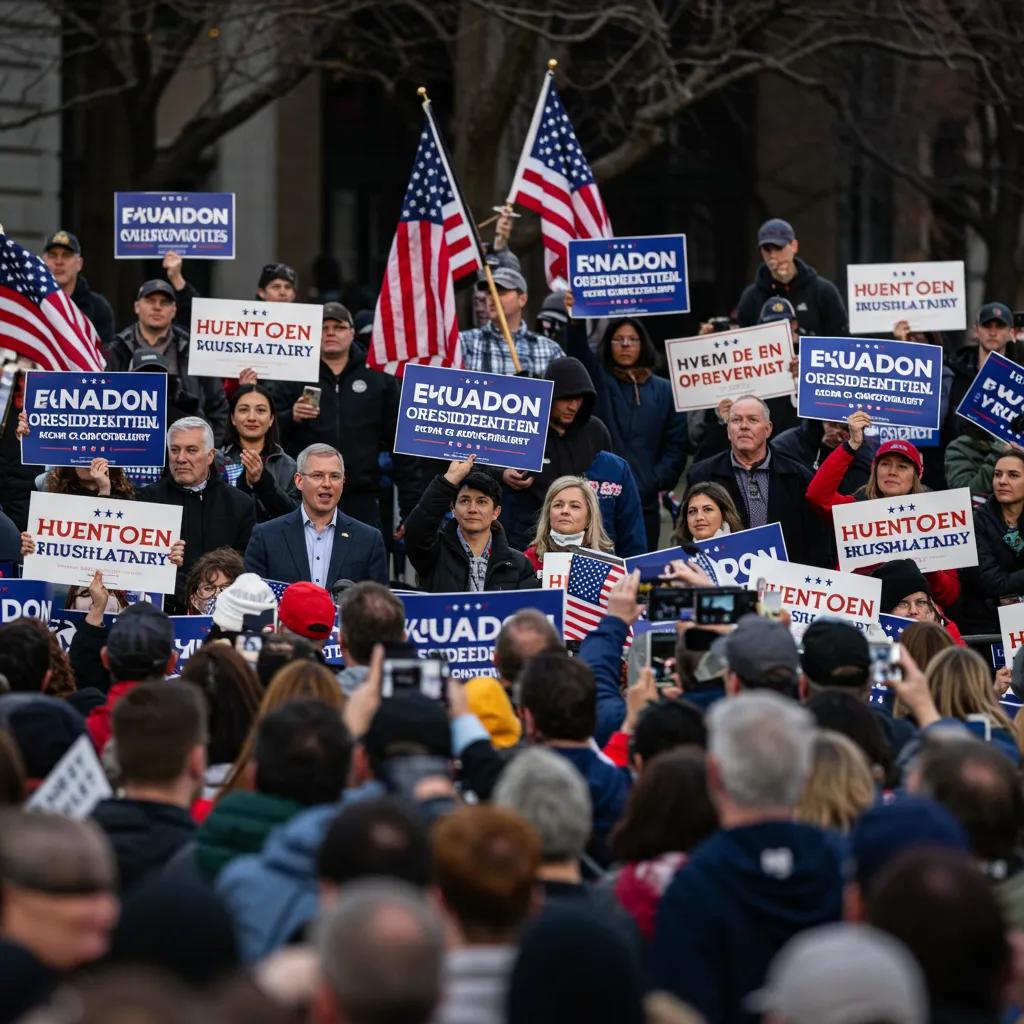
The 2028 presidential race features prominent national figures from both major parties, each championing distinct policy platforms poised to shape voter choices and intergovernmental priorities. Candidates are actively articulating their stances on the economy, border security, health policy, and global strategy. Early polling reveals variable leads across crucial battleground states, indicating a lack of uniform national consensus. Endorsements from influential party leaders and state officials are now beginning to solidify support in key primary contests, which will significantly impact delegate counts during caucuses and primaries. These unfolding developments point to a campaign environment where regional issues and precisely targeted messaging could ultimately determine competitive margins.
Demystifying the US Electoral System: A Comprehensive Overview
The US electoral system is a complex interplay of primary contests, caucuses, and the Electoral College, all converging to determine the presidency. This intricate process emphasizes intense state-level competition and strategic campaigning, particularly in pivotal swing states. Primaries meticulously allocate delegates according to specific state rules and party procedures, while the Electoral College translates statewide vote totals into electoral votes that ultimately decide the general election. This unique mechanism means that a national popular vote lead does not inherently guarantee victory. Crucial operational factors such as voter registration deadlines, absentee voting rules, and state-level ballot access profoundly shape turnout and campaign tactics. A clear understanding of this system illuminates why candidates strategically concentrate resources on specific states rather than pursuing a uniformly national campaign.
Unveiling 2028 Campaign Finance: Major Trends and Influences
Campaign finance for the 2028 cycle is evolving, showcasing a blend of significant large-donor influence, expanded Super PAC activity, and sophisticated small-donor digital fundraising, often powered by AI-enabled outreach. Political parties and external groups are substantially increasing their advertising expenditure in crucial media markets, while candidates are adeptly leveraging targeted micro-donations to cultivate grassroots momentum and build data-driven persuasion lists. Debates surrounding transparency and potential regulatory adjustments are central to legislative proposals concerning disclosure and contribution limits, which could fundamentally reshape the influence landscape before the general election. These dynamic finance trends will inevitably impact media reach, field operations, and the relative advantage held by well-funded campaigns versus those driven by grassroots efforts.
Voter Turnout Projections: What to Expect in Upcoming Elections
Initial turnout models suggest a heightened interest among younger voters and minority communities. However, actual participation will hinge on the effectiveness of mobilization efforts and the voter access policies implemented at the state level. Youth engagement, significantly boosted by social media and concise video explainers, is driving increased registration activity. Yet, historical patterns of inconsistent turnout mean campaigns must maintain sustained contact right through election day to convert this interest into actual votes. Diaspora voting rules and absentee ballot access also play a crucial role, influencing expatriate participation, which could prove decisive in close races with narrow margins in key states. Closely monitoring registration trends, early voting patterns, and demographic mobilization offers the most reliable short-term indicators of likely turnout.
This section offers a comprehensive overview of the unfolding electoral landscape.
2024 US Elections: Trends and Analysis
The Elections of 2024
2024
Unpacking the US Government Shutdown: Impacts on Politics and Public Services
A government shutdown, stemming from a budget impasse in Congress, directly impacts federal operations, public services, and political bargaining leverage. This creates immediate disruptions for federal workers and program beneficiaries alike. Such a shutdown redirects legislative attention squarely towards funding negotiations, postpones discretionary spending decisions, and can exacerbate partisan divisions as negotiators vie for concessions on policy riders and enforcement provisions. Economically, shutdowns tend to dampen consumer confidence and can noticeably curb short-term GDP growth, all while extending uncertainty for businesses dependent on federal contracts. The subsequent subsections delve into the triggers of a shutdown, its profound impacts on workers and programs, its legislative consequences, and its broader economic effects.
The 2025 US Government Shutdown: Understanding the Causes
The 2025 shutdown originated from profound disagreements over discretionary spending caps, border enforcement measures, and specific policy riders appended to funding bills. Key actors within Congress and the executive branch found themselves at an impasse regarding negotiation priorities. Talks faltered as parties strategically sought leverage through a series of short-term continuing resolutions and public pressure campaigns, reflecting deeper partisan disputes over budget priorities and policy trade-offs. The timeline witnessed the expiration of multiple temporary funding measures, ultimately culminating in an operational lapse when appropriations failed to be enacted. Leaders subsequently exchanged conditional offers, each tied to specific policy concessions. This sequence vividly illustrates how procedural calendar pressures and entrenched ideological standoffs can lead to abrupt and disruptive federal interruptions.
Immediate Impacts: Federal Workers and Social Programs During a Shutdown
Federal workers face the immediate challenges of furloughs, delayed pay, and profound uncertainty regarding their benefits. Concurrently, recipients of vital social programs like SNAP and ACA-related subsidies encounter significant service disruptions and processing delays, directly impacting household budgets. Agencies responsible for delivering direct services experience reduced staffing and a slowdown in benefit adjudication, potentially leading to backlogs that could persist long after funding is restored. Contractors reliant on federal contracts also face payment delays. Furthermore, local service points and regional offices may close or operate with minimal staff, impeding critical functions such as immigration processing and public safety coordination in various regions. These operational stresses frequently generate intense pressure for a swift legislative resolution to reinstate normal federal operations.
Congressional Legislation: How a Shutdown Shapes the Agenda
A government shutdown inevitably redirects congressional priorities towards resolving funding issues, thereby delaying non-funding legislation and critical committee work on policy reforms such as immigration or healthcare adjustments. Lawmakers often utilize funding negotiations as strategic leverage to attach specific policy provisions or to extract concessions on unrelated bills, a tactic that can effectively stall bipartisan initiatives and slow the entire legislative calendar. Committees responsible for appropriations and oversight face significantly compressed schedules once funding is restored, drastically reducing the time available for essential hearings and markup sessions. This bottleneck can postpone substantive policy progress on measures that demand sustained committee attention and delicate bipartisan negotiation.
Economic Fallout: The Consequences of a Government Shutdown
From an economic perspective, government shutdowns diminish consumer confidence, temporarily curb GDP growth, and generate ripple effects across federal contracting and service industries. Analysts estimate measurable short-term losses directly linked to lost workdays and delayed procurement. Market reactions frequently mirror uncertainty surrounding fiscal governance rather than direct macroeconomic shocks, yet extended standoffs can indeed impact hiring and investment decisions. Long-term fiscal concerns emerge if recurring shutdowns lead to increased borrowing costs or diminish policy predictability, thereby creating significant headwinds for recovery planning. Policymakers and analysts meticulously assess both the immediate contractionary effects and the secondary impacts on supply chains and sectors reliant on federal services.
Exploring US Foreign Policy: Latest Trends in International Relations
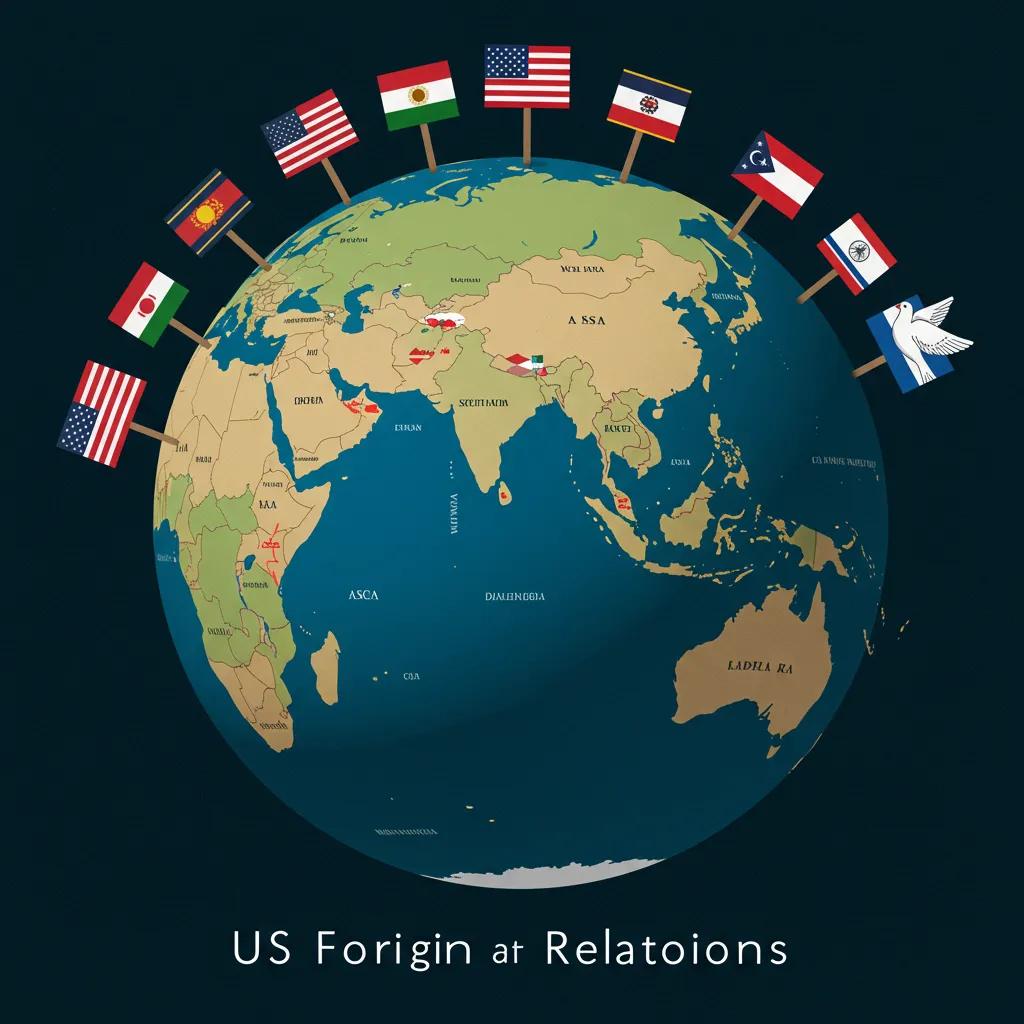
US foreign policy in 2025 is sharply focused on strategic competition with major global powers, adept regional conflict management, and robust alliance strengthening. These priorities carry significant implications for trade, security cooperation, and diplomatic engagement across the entirety of South Asia. The administration meticulously balances deterrence strategies aimed at China with unwavering commitments to NATO and key regional partners, all while actively pursuing crucial diplomatic initiatives in the Middle East and South Asia. This section comprehensively outlines the evolving US-Pakistan relations, the nation’s engagement with the Gaza peace plan, ongoing trade tensions with China, and its overarching NATO and global security strategies. We specifically highlight the regional impacts relevant to Pakistani audiences and diaspora stakeholders. ARY News is dedicated to providing ongoing, in-depth coverage, producing insightful explainer videos and infographics that visually map these complex developments for younger viewers seeking clear, concise summaries.
US-Pakistan Relations in 2025: An Evolving Diplomatic Landscape
US-Pakistan relations in 2025 are defined by pragmatic diplomatic engagement, strategically centered on robust security cooperation, constructive economic dialogue, and targeted development assistance. This framework is underpinned by shared concerns for regional stability. High-level meetings consistently underscore collaboration on counterterrorism, trade facilitation, and establishing clear channels for addressing mutual strategic interests, all while carefully balancing broader US partnerships across the region. Policy statements and bilateral exchanges actively shape aid priorities and military cooperation, carrying significant implications for Pakistan’s defense planning and economic support structures. These unfolding developments directly influence trade negotiations, visa processing priorities, and open new avenues for enhanced people-to-people ties.
The dynamic and evolving relationship between the US and Pakistan stands as a pivotal aspect of regional dynamics.
US-Pakistan Trade Deal: Economic and Geopolitical Implications
Concluded on July 31, 2025, the U.S.-Pakistan trade agreement indicates the new course in the foreign policy of Islamabad, both in terms of economic recovery and strategic repositioning. The deal is being hailed as historic by the Pakistani Prime Minister, Shehbaz Sharif, and futuristic, with the expectation that the U.S. and Pakistan will work together to develop unexploited oil fields and a significant cut in the U.S. tariffs on Pakistani exports. The deal addresses the Pakistani burden of importing oil worth 11.3 billion dollars and gives Pakistan a window to purchase some U.S. oil for the first time. Strategically, the agreement strengthens Pakistani relations both with the U.S and China, giving it a high status during the great power rivalry. It also provides Washington with a new grip in South Asia and can potentially counter the rise of India’s influence regionally. Although Pakistani authorities deny having a zero-sum approach, the deal has worsened Indo-U.S. rel
The 2025 US-Pakistan Trade Deal: Economic Opportunities and Geopolitical Implications for South Asia, 2025
The US Role: Gaza Peace Plan and Middle East Policy Unpacked
The United States consistently serves as a crucial diplomatic interlocutor and facilitator in Gaza-related negotiations, actively advocating for robust ceasefire mechanisms and vital humanitarian corridors, all while coordinating closely with international partners. US engagement strategically combines public pressure, multilateral diplomacy, and significant aid commitments to forge a comprehensive framework that addresses immediate humanitarian needs and establishes longer-term political arrangements. The outcomes of US-led diplomatic initiatives possess the power to reshape regional security calculations and influence the policy choices of allied states, creating ripple effects for broader Middle East stability. For audiences keenly following these implications, the US role clearly signals how global security priorities can intricately intersect with regional diplomacy.
US-China Trade Tensions: Global and South Asian Economic Impacts
US-China trade tensions are evident through tariffs, stringent export controls, and strategic supply-chain diversification policies that fundamentally alter global trade flows and investment decisions. This dynamic presents both significant risks and emerging opportunities for South Asian economies. Tariff measures and export restrictions actively incentivize manufacturers to relocate their supply chains, which can generate new export opportunities for South Asian suppliers, though it may also increase input costs for industries heavily reliant on Chinese components. These policy shifts directly impact commodity prices, investment pipelines, and bilateral trade volumes, potentially influencing Pakistan’s trade balance and industrial policy. Diligently monitoring shifts in tariffs and trade policy empowers policymakers and businesses to proactively anticipate necessary adjustments to market access and competitiveness.
US Strategies: Global Security and the Future of NATO Expansion
US strategies concerning global security underscore robust alliance reinforcement, equitable burden-sharing within NATO, and precisely tailored commitments designed to deter adversaries, all while prioritizing agile crisis response capabilities. Discussions surrounding NATO expansion and evolving partnership frameworks center on enhancing interoperability, fostering capability-building, and solidifying political commitments that collectively shape regional deterrence postures. The strategic rationales behind these efforts include preventing power vacuums, unequivocally signaling commitment to allies, and aligning resources for collective defense, which in turn profoundly influences global security architectures. These strategies are of paramount importance to regional partners who meticulously calibrate their foreign policies and defense planning in direct response to US strategic signals.
US Domestic Policy: Exploring Current Debates and Reforms
Major domestic debates in 2025 are squarely focused on critical issues such as comprehensive immigration reform, ensuring healthcare stability in the aftermath of a government shutdown, implementing economic policy measures to control inflation and bolster employment, and crafting legislative responses to pressing social issues like gun control. Each of these debates intricately combines complex policy design, significant budgetary consequences, and dynamic partisan forces that ultimately determine legislative feasibility and implementation pathways. A clear understanding of these reforms empowers diaspora readers to assess potential visa policy changes, trade implications, and broader socio-economic trends that could directly affect migration and remittances. The following subsections meticulously break down proposed immigration measures, key healthcare developments, current economic policy, and ongoing gun control efforts.
US Immigration Reform: Proposed Changes and Their Impact
Proposed immigration reforms encompass crucial adjustments to legal pathways, enhanced border security funding, and significant administrative changes within DHS and ICE, all aimed at streamlining processes and effectively addressing existing backlogs. Legislative packages strive to balance robust enforcement provisions with expanded legal avenues for specific work and family categories, while administrative memos clarify enforcement priorities and refine case processing protocols. For diasporas and prospective migrants, these reforms directly influence visa processing timelines, asylum procedures, and family reunification prospects. Diligently tracking bill language and implementation guidance offers practical and timely insight into likely near-term changes.
Healthcare Policy Post-Shutdown: Navigating Stability and Reform
In the aftermath of a government shutdown, healthcare policy is primarily focused on stabilizing ACA marketplaces, guaranteeing subsidy continuity, and addressing critical provider reimbursement concerns that emerged during funding lapses. Policymakers are actively debating legislative fixes designed to reduce enrollee uncertainty and bolster administrative capacity for efficient enrollment and subsidy processing. Operational improvements aim to prevent future disruptions in enrollment windows and claims processing, thereby safeguarding coverage continuity for vulnerable populations. These pivotal policy moves directly impact affordability and access for insured populations and warrant close attention from all stakeholders monitoring healthcare stability.
Economic Policies: Tackling Inflation and Boosting Employment
Economic policy discussions in 2025 meticulously balance monetary policy signals from the Federal Reserve with strategic fiscal measures designed to support growth without reigniting inflation. These crucial choices profoundly influence labor markets and employment outcomes. Fiscal responses include targeted spending for vital infrastructure and workforce development, while macroprudential considerations guide interest rate expectations and optimal investment timing. Key indicators such as the Consumer Price Index (CPI), jobless claims, and wage growth actively shape policymaker decisions and subsequent market reactions. A clear understanding of these policy trade-offs helps anticipate evolving employment trends and prospects for price stability.
Gun Control and Social Issues: Congressional Debates and Approaches
Congressional debates surrounding gun control are primarily focused on expanding background checks, implementing red flag laws, and introducing targeted safety measures. These initiatives aim to reduce violence while carefully navigating complex constitutional and partisan constraints. Legislative proposals range from incremental safety enhancements to more sweeping regulatory changes, with committee negotiations ultimately determining their viability and scope. Public advocacy and polling significantly influence legislative momentum, and compromise measures that prioritize youth safety and mental health support often garner cross-party attention. Closely observing committee hearings and amendment processes offers valuable insight into the likely legislative contours.
US Politics and Beyond: Impacts on the Pakistani Diaspora and South Asia
US political decisions concerning immigration, trade, aid, and security carry profound direct and indirect consequences for the Pakistani diaspora and the broader South Asian region. These decisions significantly influence remittances, visa access, and regional stability. This section meticulously contextualizes these vital links and reaffirms our article’s core mission: to deliver timely and comprehensive news and current affairs coverage, ensuring our audience remains informed and engaged with diverse, impactful content. Policy shifts emanating from Washington—be they on trade relations with China, Middle East diplomacy, or immigration enforcement—translate into concrete economic and social effects for families connected across international borders. Below, we delve into visa and asylum impacts, economic and security implications, media perceptions, and the crucial role of youth engagement through social platforms.
US Immigration Policies: Effects on Pakistani-Americans
US immigration policy directly impacts visa categories, processing backlogs, and asylum access, consequently influencing family reunification, labor mobility, and the vital remittance patterns that support households in Pakistan. Administrative reforms or legislative changes can either shorten or extend processing timelines, modify eligibility criteria, and alter enforcement priorities, all of which affect community stability. For members of the diaspora, updated guidance and accessible legal resources are crucial for navigating practical steps related to visa renewals and work authorization. Diligently monitoring DHS policy updates and congressional proposals is absolutely essential for families planning travel or considering migration.
US Foreign Policies: Influencing Pakistan’s Economy and Security
US foreign policy actions, particularly those concerning aid, trade preferences, and security cooperation, significantly impact Pakistan’s fiscal space, defense planning, and foreign investment prospects. Aid and trade initiatives offer both immediate support and crucial longer-term market signals. Shifts in regional security priorities can lead to modifications in military cooperation frameworks and influence defense procurement and training programs. Furthermore, trade policy changes and sanctions regimes in other regions may indirectly affect Pakistan through altered supply chains and investment flows. Meticulously mapping specific US actions to macroeconomic outcomes empowers policymakers and businesses to anticipate crucial shifts in cooperation and funding.
Perceptions in Pakistan: Understanding US Political Discourse
Media framing and elite commentary within Pakistan frequently interpret US political developments through distinct national security, economic, and diaspora lenses. This often generates narratives that underscore bilateral implications and domestic political resonance. Public sentiment varies considerably by demographic and political alignment, with some audiences prioritizing robust economic ties while others focus intently on security cooperation or cultural influence. Discrepancies in framing between US and Pakistani media vividly illustrate how the same event can be portrayed with divergent emphases, thereby shaping public understanding and policy debates. A comparative analysis of coverage across various outlets effectively reveals these narrative differences.
Social Media’s Influence: Connecting Pakistani Youth to US Politics
Social media platforms and concise, short-form explainers are creating highly accessible entry points for Pakistani youth to engage with US politics. These platforms offer bite-sized policy summaries, compelling visualizations, and direct calls to civic action that significantly boost awareness. Content formats such as infographics and short videos particularly resonate with younger viewers, actively fostering participation in diaspora networks and issue-based advocacy. Responsible consumption necessitates verifying claims and seeking comprehensive context from authoritative reports, which ultimately enhances the quality of public debate. Practical tips for youth engagement include diligently following reputable news hubs, actively participating in community forums, and utilizing verified resources for impactful civic actions.
Your Questions Answered: Most Asked Questions About US Politics
This dedicated FAQ-style section delivers concise answers to your most pressing and high-interest queries, meticulously optimized for rapid reader comprehension and enhanced search visibility. ARY News remains steadfast in its commitment to providing timely updates and ongoing, in-depth coverage to keep our audiences thoroughly informed. The answers below are designed to address immediate concerns regarding government shutdown status, tariffs, key election issues, Gaza policy, and immigration effects. Each question is followed by a short, direct answer, complemented by bullet lists where appropriate to highlight immediate impacts and actionable points for our readers.
US Government Shutdown: What’s the Current Status?
As per the latest reports in 2025, funding negotiations are actively ongoing, and status updates are subject to rapid change based on congressional votes and executive actions. Readers are strongly advised to monitor official briefings for live developments. Immediate impacts include widespread furloughs, the pausing of discretionary programs, and significant uncertainty for contractors and beneficiaries. Key next steps typically involve the passage of temporary continuing resolutions or final appropriations bills to conclude the operational lapse. Practical guidance: anticipate delays in federal services and remain vigilant for announcements regarding backpay and program restarts.
- Immediate impacts: furloughs, delayed services, procurement delays.
- Short-term remedies: continuing resolutions, emergency funding bills.
- What to do: follow official agency statements and prepare for administrative delays.
US Tariffs: Impact on Global Trade and Economies
Tariffs inherently increase import costs, compel shifts in supply-chain sourcing, and can trigger retaliatory measures that significantly disrupt global trade flows. Businesses consequently face higher input prices, while consumers may observe increased retail costs. For South Asia, tariffs can indeed create new opportunities for export diversification, but they also introduce considerable uncertainty in sourcing intermediate goods. Therefore, policy changes in tariffs directly translate into adjustments in manufacturing location decisions and ongoing trade policy negotiations. Diligently monitoring tariff announcements and trade negotiations offers crucial advance notice for businesses to adapt their contracts and sourcing strategies effectively.
Upcoming US Elections: Key Issues Shaping the Race
The paramount voter issues actively shaping upcoming campaigns encompass the economy, healthcare access and costs, immigration policy, climate resilience, and foreign policy stability. Each of these critical issues intricately intersects with legislative proposals and campaign promises. Economic performance and inflation directly impact household budgets, while healthcare debates profoundly influence coverage and subsidy design. Immigration discussions carry significant implications for family reunification and labor markets, and foreign policy stances inform national security priorities. These pivotal issues collectively guide candidate platforms and voter decision-making across diverse demographic groups.
- Economy: inflation, jobs, wages.
- Healthcare: coverage, ACA subsidies, drug pricing.
- Immigration: border policy, legal pathways, enforcement.
- Foreign policy: alliances, trade, regional security.
Gaza Peace Plan: Understanding the US Stance
The US stance on the Gaza peace plan consistently emphasizes facilitating ceasefires, ensuring humanitarian access, and establishing robust diplomatic channels aimed at minimizing civilian harm while actively pursuing a negotiated settlement. Specific initiatives are concentrated on coordinating closely with international partners and aid organizations. Diplomatic steps typically involve shuttle diplomacy, unwavering support for multilateral mechanisms, and conditional engagement designed to encourage parties towards de-escalation. The US role significantly influences regional dynamics and humanitarian response planning. Anticipate continued diplomatic engagement and coordinated aid efforts as immediate priorities.
US Immigration Policy: Impact on Foreign Citizens
US immigration policy dictates visa categories, processing priorities, and enforcement trends that profoundly impact foreign nationals’ travel, work authorization, and asylum prospects. Administrative guidance and legislative changes can significantly alter timelines and eligibility criteria. Practical consequences include shifts in application backlogs, documentation requirements, and temporary protection mechanisms, all of which influence critical decisions made by migrants and diaspora families. Staying thoroughly informed about DHS policy updates and congressional actions is crucial for affected individuals to plan effectively and access necessary legal resources. Resource note: always seek accredited legal guidance for case-specific advice.
- Monitor official policy changes: Regularly check government statements for procedural updates.
- Plan for processing delays: Anticipate longer timelines during periods of policy shifts.
- Seek accredited legal help: Professional guidance can clarify your individual options.
Conclusion: Your Guide to Navigating US Politics
Grasping the intricate dynamics of US politics is absolutely essential for the Pakistani diaspora, as these decisions directly impact immigration, trade, and crucial security dynamics. By staying thoroughly informed on key developments, our readers are better equipped to navigate the profound implications for their families and communities. Engaging with our comprehensive coverage empowers you to make well-informed decisions and participate actively in vital civic discussions. We invite you to explore our latest articles and updates to remain deeply connected with the ever-evolving political landscape.