Sustainable Tourism in Pakistan: Your Ultimate Guide to Eco-Friendly and Responsible Travel
Sustainable tourism is about striking a vital balance: protecting our environment, ensuring social fairness, and fostering economic growth, all while allowing travelers to explore and preserve destinations for generations to come. This comprehensive guide from ARY News aims to provide timely insights and practical advice, keeping you informed and engaged with the diverse world of responsible travel. Here, you’ll uncover core principles, learn practical eco-friendly travel behaviors, explore community-based models, discover conservation-focused travel options, understand carbon-offset choices, delve into policy trends through 2025, and find youth-focused engagement tactics relevant to Pakistan. Many visitors aspire to reduce their carbon footprint, support local livelihoods, and avoid the pitfalls of overtourism, all while immersing themselves in Pakistan’s natural and cultural richness; this guide illuminates how to achieve just that, effectively. We’ll navigate through key sections: foundational principles and definitions, essential travel tips (transport, lodging, waste), inspiring community initiatives and case studies, nature-based conservation tourism, responsible travel codes and carbon offsets, the latest policies and trends, and dynamic youth engagement strategies for localized impact. Throughout, we’ll use terms like sustainable tourism, responsible travel, eco-tour experiences, and community-based tourism to offer practical recommendations for iconic Pakistani destinations such as the Hunza Valley, Gilgit-Baltistan, and our stunning coastal and park areas.
Unveiling the Core Principles of Sustainable Tourism
Sustainable tourism represents a thoughtful approach to travel, meticulously balancing environmental protection, social equity, and long-term economic benefits to ensure destinations flourish while visitors enjoy them responsibly. This is achieved through strategic, systems-level management: minimizing resource consumption, guaranteeing fair economic returns for local communities, and safeguarding cultural heritage to cultivate resilient tourism economies. The distinct advantage is that sustainable tourism actively preserves the intrinsic value of a destination—its biodiversity, livelihoods, and culture—while consistently enhancing visitor experiences across all seasons. Grasping these fundamental principles lays the groundwork for actionable practices that both travelers and hosts can readily adopt. The following section meticulously breaks down these principles into the three essential pillars that shape policy and practice.
Exploring the Three Pillars of Sustainable Tourism
The three foundational pillars of sustainable tourism—environmental protection, economic viability, and social equity—each deliver a unique set of benefits when seamlessly integrated. Environmental protection is dedicated to preserving ecosystems, reducing emissions, managing waste effectively, and safeguarding biodiversity, ensuring that natural attractions remain pristine for future explorers. Economic viability guarantees that tourism generates stable local income through fair wages, local procurement, and strategic reinvestment in infrastructure that benefits both residents and businesses. Social equity encompasses cultural respect, securing community consent, and ensuring the equitable distribution of tourism benefits, thereby preventing exploitation and championing heritage preservation. Together, these pillars form a comprehensive framework for evaluating tourism projects and guiding policy decisions, both within Pakistan and globally.
Sustainable Tourism vs. Ecotourism and Responsible Travel: What’s the Difference?
Sustainable tourism is the overarching, system-level philosophy that seeks equilibrium across environmental, social, and economic objectives; ecotourism, by contrast, is a specialized subset primarily focused on nature-based experiences and conservation education. Responsible travel emphasizes the individual traveler’s conduct—ethical, low-impact actions visitors undertake—whereas sustainable tourism encompasses broader planning, regulation, and long-term destination management. For instance, choosing a community homestay directly supports economic viability (a sustainable tourism practice), participating in a guided wildlife-education walk is a prime example of ecotourism, and adhering to local dress codes and waste disposal rules exemplifies responsible travel. Differentiating these terms empowers travelers to select activities and providers that genuinely align with conservation goals and community needs.
Why Sustainable Tourism is Crucial for Pakistan and Global Destinations
Sustainable tourism holds immense importance for Pakistan, particularly as its delicate mountain ecosystems, vital riverine and coastal systems, and cherished cultural sites face increasing pressure from rising visitor numbers and the impacts of climate change. The imperative is twofold: the ecological sensitivity of regions like the Hunza Valley and the economic reliance of rural communities on tourism income make balanced management absolutely essential. The profound benefit is that thoughtfully managed tourism can provide crucial funding for conservation, diversify local livelihoods, and keep vibrant cultural traditions alive, all without degrading the very resources that draw visitors. Recognizing these high stakes clarifies why policy focus and community-led models are becoming increasingly urgent across Pakistan, especially as global tourism trends pivot towards regenerative and slow travel experiences.
Your Guide to Practicing Eco-Friendly Travel in Pakistan
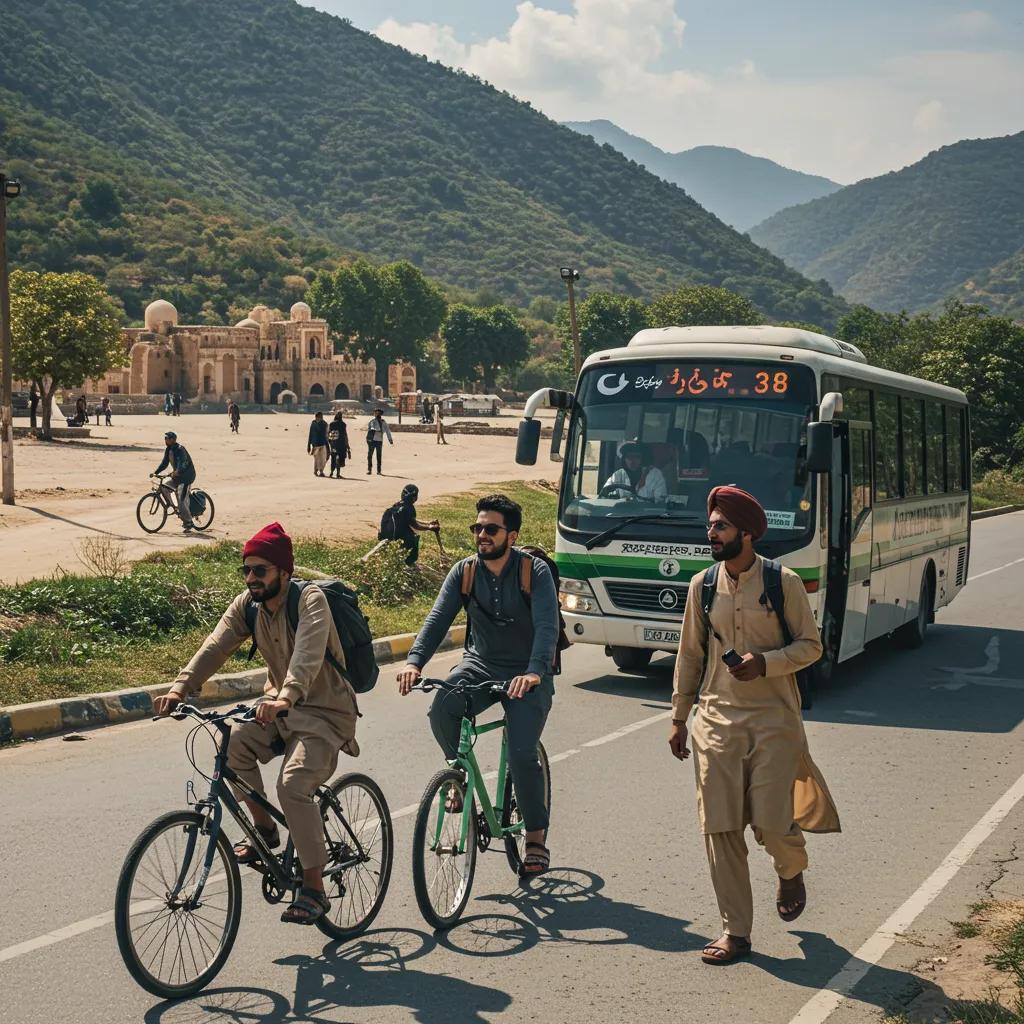
Travelers can significantly reduce their environmental footprint by consciously opting for lower-carbon transportation, selecting sustainable accommodations, and diligently minimizing waste and water consumption throughout their journey. The key lies in informed behavior and deliberate choices: prioritizing rail and buses whenever practical, choosing community-run homestays or certified green lodging, and adopting low-impact habits not only reduces emissions but also directly supports local economies. The tangible result is a measurable decrease in your per-trip environmental impact and stronger local benefits, especially when your spending is directed towards community suppliers and vital conservation projects. Below, we’ll compare various transport modes, outline sustainable accommodation choices, and offer effective waste-minimizing tactics that are applicable across Pakistan’s diverse regions. Our transport comparison table provides a quick, practical guide to help you choose greener options for your adventure.
Travelers who favor overland routes often achieve lower emissions and foster deeper local engagement, while those for whom flying is essential can still offset their impact responsibly; the next subsection offers a detailed comparison of specific transport options.
Discovering Pakistan’s Best Green Transportation Options
Intercity rail and bus travel generally boast lower per-passenger emissions and enhance regional connectivity, making them excellent choices for reducing your carbon footprint when their routes align with your itinerary. Within urban areas, shared transit, ride-pooling, and scheduled coaches effectively reduce single-occupancy vehicle trips and bolster local transport operators, while cycling and walking for shorter distances generate virtually zero emissions and enrich local interactions. For remote northern regions where public transport might be limited, a thoughtful combination of shared jeeps, local guided transfers, and minimizing short economy flights helps balance accessibility with impact reduction. Opting for overland travel whenever feasible also encourages slow travel practices, deepening cultural understanding and significantly reducing overall carbon output, which naturally leads us to accommodation choices that further amplify local benefits.
Here’s a quick comparison to help you choose greener transport options: this table outlines typical choices by their emissions profile, cost implications, and suitability for various Pakistani contexts.
This table clearly illustrates that choosing rail, buses, or shared transfers whenever practical not only reduces emissions but often enhances local interactions, while flights should be reserved for essential journeys.
Our practical traveler checklists reinforce smart transport choices with essential packing and planning tips, designed to minimize the need for extra trips and optimize local resource use.
- Pack light to reduce vehicle fuel consumption and facilitate easier transfers.
- Opt for shared transfers or scheduled services over private hires whenever available.
- Strategically combine destinations into a single overland route to avoid unnecessary back-and-forth travel.
These simple steps empower travelers to align their route planning with sustainability goals and prepare them to select suitable accommodations, which we’ll explore next.
Finding Sustainable Accommodations Across Pakistan
Sustainable accommodations encompass community-based homestays, eco-lodges, and green hotels that actively implement energy efficiency, responsible waste management, and local procurement practices to directly benefit host communities. Look for green certifications, such as regional eco-labels or internationally recognized schemes (like Green Key or EarthCheck), which signify adherence to rigorous standards. Many community homestays inherently demonstrate sustainability through direct local employment and authentic cultural exchange. Travelers should seek out practices like water-saving measures, solar energy utilization, on-site recycling, and transparent local sourcing; a practical verification step is to inquire with hosts about the percentage of local employment and direct community benefits. Choosing such lodging channels more tourism revenue into local supply chains and actively supports cultural preservation, a principle that directly connects to the community-based tourism initiatives we’ll discuss in the next section.
Here’s a quick guide to sustainable lodging: the following table compares typical eco-accommodation types and key attributes travelers can easily check.
This comparison highlights how different lodging choices create varying levels of community and environmental impact, empowering travelers to prioritize options that align with their values.
After selecting your accommodation, travelers should adopt concrete habits to significantly reduce waste and conserve precious resources throughout their stay.
How Travelers Can Reduce Waste and Minimize Environmental Impact
Reducing waste and minimizing your environmental footprint hinges on simple, consistent behaviors: carrying reusable items, actively avoiding single-use plastics, conserving water diligently, and engaging with local waste management practices whenever feasible. Bringing your own reusable water bottle, cloth bag, and utensils dramatically cuts plastic consumption, a practice especially crucial in water-scarce regions where single-use waste places a heavy burden on local systems. Respecting local norms around water use—opting for shorter showers and reusing towels—and actively participating in or supporting community clean-ups amplifies positive effects. When purchasing souvenirs, choose durable, locally crafted goods that directly support artisans, rather than disposable trinkets; this not only aids waste reduction but also strengthens local economies, leading us seamlessly into community-based tourism models.
Your practical checklist for waste-minimizing behavior:
- Always carry a reusable bottle and bag to avoid plastic packaging.
- Consciously refuse single-use items like straws and cutlery whenever possible.
- Adhere to local water-saving practices, such as reusing towels and taking short showers.
These small, mindful actions significantly reduce a visitor’s footprint and amplify benefits for host communities.
Community-Based Tourism: Empowering Local Economies

Community-based tourism (CBT) is a powerful model where local residents directly manage and benefit from tourism enterprises—such as authentic homestays, vibrant cooperatives, and enriching guided cultural experiences—ensuring that economic gains remain firmly within the community. The core mechanism is local governance and ownership: communities establish their own rules, price services fairly, and strategically reinvest earnings into local priorities like education or vital conservation efforts. The profound benefit is economic resilience: diversified livelihoods reduce reliance on external operators and actively encourage the stewardship of invaluable natural and cultural assets. The case studies below vividly illustrate how CBT thrives in Pakistani contexts and highlight what travelers should seek to ensure their spending genuinely helps rather than inadvertently harms.
How Tourism Safeguards Cultural Heritage in Pakistan
Tourism, when managed thoughtfully, generates crucial funds and incentives to sustain traditional skills, vibrant festivals, and cherished heritage sites, especially when communities retain control over how their cultural assets are presented and monetized. This effectiveness stems from economic alignment: artisans and cultural custodians earn livelihoods from authentic performances and crafts, which inherently elevates the value of preservation. However, vital safeguards such as community consent, fair compensation, and expert interpretive guidance are essential to prevent commodification and disrespectful displays. Encouraging community members to lead tours or serve as interpreters helps maintain cultural integrity while providing visitors with richer, more respectful experiences. Ensuring these safeguards are in place is a key practical responsibility for both hosts and visitors alike.
To ensure these protections are truly effective, travelers should prioritize projects that demonstrate transparent governance and a strong community voice—details we’ll explore further in the next case-study subsection.
Community-Based Participation and Sustainable Tourism Development in Pakistan
This study investigates the dynamic relationship between the community-based participation (CBP) and sustainable tourism development (STD), with the particular focus on mediating role of the local support. The core objective of this current study, is to explore that how society involvement contributes in the effectiveness of sustainable tourism initiatives. On the bases of primary data collected through an empirical survey of 150 local residents from south Punjab of Pakistan. This study also helps to reveals the significant and positive connection between the community-based participation and sustainable tourism development. The simple random sampling technique applies for this study. Furthermore, the finding of this study indicate that local support mediates this relationship and suggesting the main acting endorsement and involvement of the local people help to enhance the sustainability of the tourism development. The results of this study, underscore the importance of
The Influence of Community-Based Participation on Sustainable Tourism Development: Mediating Effect of Local Support through a Structural Equation Modelling …, T Javed, 2025
Inspiring Examples of Successful Community Tourism Projects in Pakistan
Several community-run initiatives vividly demonstrate measurable benefits, where local leadership drives visitor offerings—from charming village homestays that share profits with cooperative members to vibrant artisan networks that collectively market their crafts. These projects typically report impressive outcomes such as increased household income, the preservation of invaluable traditional techniques, and strategic reinvestment in local infrastructure or vital conservation efforts. While challenges often include marketing reach, capacity building, and balancing visitor numbers with community life, lessons learned consistently show that targeted training, transparent revenue-sharing, and slow-growth strategies significantly enhance sustainability. Learning from these successful models empowers other communities and travelers to replicate practices that maximize local benefits while diligently safeguarding cultural and environmental resources.
Effective traveler engagement with such projects relies on informed purchasing and respectful participation, which we’ll outline next.
Pro-Poor Tourism and Community-Based Development in Pakistan’s Hunza Valley
Over the years, tourism sector has evolved into a major global industry. In many developing countries, it helps in economic development through contributions into GDP, export earnings, tax revenues and service charges. However, to grasp its multi-dimensional potential and impact on the broad social reality at regional scale, a deeper and more integrated vision is indispensable. Moreover, there is urgency for approaches that critically evaluate the nexus “tourism industry-economic development” in developing countries. A community-based approach is rooted in the broad tradition of alternative development, which can be integrated constructively into the tourism sector of rural and developing constituencies. This study objectively focuses on some important pro-poor tourism initiatives adopted for community-based development in Hunza valley of Northern Pakistan. The case study highlights how these activities adequately got jelled into a wider community development framework (
Integration of pro-poor tourism activities in community-based development initiatives: A case study in high mountain areas of pakistan, R Karim, 2020
How Travelers Can Empower Local Artisans and Indigenous Communities
Travelers can best support artisans and indigenous communities by purchasing directly, inquiring about provenance, prioritizing fair-trade cooperatives, and consciously avoiding items that exploit cultural symbols or utilize endangered materials. The mechanism is direct economic empowerment: purchasing from community-run shops or cooperatives channels funds straight to the makers, thereby sustaining traditional crafts. Practical steps include requesting information about how proceeds are utilized, choosing higher-quality and longer-lasting goods, and seeking out experiences where artisans themselves explain their techniques and cultural meanings. These practices diligently protect intellectual and cultural property while ensuring that tourism income translates into durable economic and cultural benefits, rather than short-term exploitation.
A concise ethical-purchase checklist:
- Buy directly from makers or cooperatives, bypassing middlemen.
- Inquire about materials and cultural significance before making a purchase.
- Prioritize certified or cooperative-backed products whenever available.
These steps help ensure your visitor spending supports equitable outcomes and fosters cultural continuity.
Nature-Based and Wildlife Conservation Tourism: A Path to Sustainability
Nature-based and wildlife tourism offers a powerful avenue to fund conservation efforts through entrance fees, specialized guided services, and strategic partnerships that allocate revenue directly towards habitat protection and crucial anti-poaching initiatives. The mechanism is a direct financial linkage: visitor spending generates vital revenue streams that justify significant conservation investments and create strong incentives for local stakeholders to actively protect ecosystems. Benefits include enhanced protection for key species, critical habitat restoration, and sustainable livelihoods for community rangers and guides. Responsible wildlife tourism also educates visitors and builds essential political support for protected areas, making careful visitor management and strict ethical guidelines absolutely essential to prevent disturbance and degradation.
Pakistan’s Key National Parks and Protected Areas for Eco-Tourism
Pakistan’s remarkably diverse protected areas—ranging from high-altitude reserves in Gilgit-Baltistan and the Hunza Valley to expansive lowland parks and vital coastal wetlands—present unparalleled opportunities for eco-tourism and crucial conservation support. Key parks include majestic mountain reserves that safeguard snow leopard habitats, coastal wetlands that serve as critical havens for migratory birds, and protected ranges such as Kirthar National Park, which conserves unique desert and riverine biodiversity. Visitor guidance often includes adhering to seasonal timing to avoid breeding periods, respecting local grazing practices, and coordinating with licensed guides to minimize disturbance. Highlighting these parks encourages visitors to channel their spending into official fees and accredited conservation programs, rather than informal or potentially harmful activities.
Sustainable Nature-Based Tourism in Pakistan: Impacts on Quality of Life and Community Support
Nature-based tourism is experiencing significant growth in Pakistan, holding substantial potential to enhance the well-being of mountain communities that have limited livelihood options. This study delves into the perceptions of local mountain communities regarding the economic, social, and environmental facets of tourism development and how these perceptions influence both their material and non-material aspects of life, ultimately shaping their support for sustainable tourism in the area. Focusing on the unique context of Hunza Valley in Gilgit-Baltistan, Pakistan, the study encompasses 528 mountain residents. The study finds a positive correlation between residents’ perception of the economic benefits of tourism and their overall quality of life, underscoring the critical role of economic advantages in elevating well-being. It also unveils that the perceived sociocultural impact of tourism has a favorable influence on the quality of life, encompassing both tangible and intangible dimensions, emphasizing the significance of cultural interactions and recreational opportunities in enhancing the overall well-being of residents. Intriguingly, the research reveals a link between the perceived environmental impacts and non-material aspects of life, indicating a close relationship between environmental sustainability, psychological well-being, and overall quality of life. This study underscores the positive association between a higher quality of life and residents’ support for sustainable tourism development, indicating that contented residents are more inclined to endorse initiatives that promote economic, social, and environmental sustainability in tourism development.
Exploring the interplay of tourism impacts, quality of life, and community engagement in developing sustainable nature-based tourism in Pakistan, S Baig, 2024
Essential Guidelines for Responsible Wildlife Spotting
Responsible wildlife spotting demands maintaining safe distances, diligently following guide instructions, minimizing noise and avoiding flash photography, and crucially, never feeding or chasing animals to prevent behavioral changes and undue stress. The rationale is straightforward: unpredictable wildlife responses heighten risks to both animals and people and can severely undermine long-term conservation objectives. Choosing operators who adhere to strict codes of conduct and coordinate closely with park authorities ensures that sightings are managed to prioritize animal welfare. Reporting any observed illegal activities or disturbances to park rangers or competent authorities actively supports enforcement and the enduring protection of species and their vital habitats.
These viewing guidelines directly connect to supporting conservation projects that deliver tangible, on-the-ground outcomes.
Conservation Projects in Pakistan: How Tourists Can Contribute
Tourists can actively support habitat restoration initiatives, vital community ranger schemes, anti-poaching monitoring efforts, and impactful conservation education projects that demonstrate transparency and direct local benefit. Key criteria for selecting credible projects include clear reporting, strong local leadership, measurable outcomes, and alignment with established protected-area management plans. Supporting projects through official park fees, vetted NGOs, or dedicated community funds helps ensure that contributions are targeted and yield lasting impact. Ways to participate include making donations, choosing eco-visits that specifically fund projects, or volunteering with structured programs that prioritize local capacity building over short-term labor.
- Pay official park entrance and guide fees that directly fund management.
- Donate to projects with transparent reporting and strong local governance.
- Join guided volunteer programs that emphasize skills transfer and monitoring.
These actions help translate tourism interest into durable conservation outcomes.
Responsible Travel Guides and Carbon Footprint Offsetting: Your Comprehensive Approach
Responsible travel guides meticulously compile behavioral rules and practical steps designed to minimize cultural and environmental impact during your travels; offsetting carbon footprints then complements these behaviors by funding verifiable mitigation projects for unavoidable emissions. This concept operates by strategically combining avoidance (fewer flights, carbon-light transport), reduction (efficiency, local sourcing), and compensation (high-quality offsets). The result is a holistic approach where travelers first reduce their emissions and then thoughtfully invest in credible projects for the remainder. Below, we’ll define a traveler’s code of conduct, explain how to critically evaluate offsetting options, and provide destination-specific eco-guides for Pakistan’s major regions.
The Traveler’s Code of Conduct for Sustainable Tourism in Pakistan
A traveler’s code of conduct for Pakistan emphasizes profound cultural respect, seeking permission before photographing people or private spaces, dressing modestly where appropriate, and honoring local customs and religious practices. Environmentally, it instructs visitors to diligently minimize waste, conserve water, remain on designated trails, and strictly avoid purchasing products derived from protected species. Economically, the code encourages actively supporting local businesses, hiring local guides, and inquiring about how fees contribute to community benefits. Each rule safeguards host dignity and natural resources; collectively, they empower visitors to enjoy meaningful experiences without degrading the cherished places or cultures that welcome them.
Effectively Offsetting Your Carbon Emissions
Offsetting your carbon footprint begins with accurately calculating emissions from flights and major ground transport, then selecting high-quality offsets that prioritize permanence, transparency, and tangible local co-benefits such as community forestry or habitat restoration. Reputable offset options typically register projects through recognized registries and provide clear pricing per tonne—travelers should seek projects with robust monitoring and strong social benefit components. Key evaluative criteria include project verification, the permanence of carbon removal, and clear evidence of community benefit; prioritizing projects that offer local mitigation within Pakistan or the broader region can significantly enhance local resilience. Offsetting is most effective when paired with measurable reductions in travel emissions and a sustained commitment to low-impact travel habits.
Here’s a quick comparison of offset options: the following table outlines offset choices by their credibility, typical cost range, and project focus.
Summary: Choosing offsets with verified monitoring and clear local benefits provides greater assurance that your compensation delivers lasting climate and community outcomes.
After offsetting, travelers should integrate this compensation with the on-the-ground low-impact choices described in earlier sections; next, we provide focused eco-guides for Pakistan’s major regions.
Destination-Specific Eco-Guides for Pakistan’s Popular Regions
Region-specific eco-guides offer invaluable advice on seasonality, optimal transport modes, community norms, and high-impact practices to avoid—this tailored guidance empowers visitors to plan truly low-impact itineraries. For Gilgit-Baltistan and the Hunza Valley, recommendations include prioritizing overland travel whenever feasible, staying in authentic community homestays, hiring knowledgeable local guides, and strictly avoiding off-trail hiking in sensitive alpine meadows. For coastal and delta regions, visitors should time their visits to avoid critical breeding seasons, respect local fishing practices, and diligently avoid single-use plastics that threaten marine life. Each micro-guide emphasizes supporting local enterprises and adhering to park or community rules to ensure tourism actively supports both conservation and livelihoods. These region-specific tips connect directly to the policy trends and management approaches we’ll cover next.
The Latest Sustainable Tourism Policies and Trends in Pakistan
Recent policy focus through 2024–2025 has elevated sustainable tourism as a key development priority, with a strong emphasis on community-based projects, enhanced protected-area management, and pilot programs that actively encourage regenerative and slow travel approaches. The policy mechanism involves leveraging strategic public-private partnerships and aligning local pilot projects with global standards—all designed to incentivize superior practices. The profound benefit is that coherent policy can effectively scale community successes, attract responsible investment, and mitigate overtourism pressures through proactive planning tools. ARY News diligently covers these crucial developments as part of its mission “To provide timely and comprehensive news and current affairs coverage, keeping the audience informed and engaged with diverse content,” which underscores why up-to-date reporting on policy shifts is so vital to our readers and stakeholders.
Next, we’ll outline key government initiatives, emerging industry trends for 2025, and strategic responses to overtourism in concise subsections.
Government Initiatives Driving Sustainable Tourism in Pakistan
Government initiatives reported in recent years have strategically focused on bolstering community tourism pilots, strengthening protected-area management, and exploring regulatory incentives for green lodging and local supplier development. These programs often aim to combine essential capacity building with infrastructure support and to attract private investment into community enterprises while diligently protecting natural assets. Implementation challenges include ensuring transparency, fostering genuine community participation, and maintaining consistent oversight to prevent top-down approaches that bypass local voices. Ongoing coverage by trusted news outlets helps publicize successes and highlight areas that require greater accountability and scale-up.
Understanding emerging industry trends empowers stakeholders to anticipate which tools and business models will accelerate the adoption of sustainable practices.
Emerging Industry Trends and Innovations for 2025 and Beyond
Emerging trends are shaping the future of travel, including regenerative tourism that aims to leave places better than they were found, flight-free and slow travel options that significantly reduce carbon intensity, and dynamic youth-driven social campaigns that mobilize demand for ethical experiences. Digital tools for seamless booking and compelling storytelling are making community projects more visible, while innovative startups are targeting localized services such as sustainable transport pools and eco-accommodation marketplaces. These trends create exciting opportunities for youth entrepreneurship, small-scale innovators, and conservation partnerships to pilot models that could scale across Pakistan’s diverse regions. Adopting such innovations requires robust policy support, dedicated local capacity building, and strategic investment in regional connectivity and digital literacy.
These trends directly interact with concerns about overtourism, which necessitate active management strategies, covered next.
Overtourism: Impacts on Popular Destinations and Effective Solutions
Overtourism manifests as significant resource strain, cultural commodification, and habitat disturbance in high-traffic sites; common symptoms include litter accumulation, trail erosion, and inflated prices that unfortunately exclude local residents. Effective management solutions include implementing visitor caps, timed-entry systems, strategic dispersal to less-visited areas, and community-led controls that empower locals to determine how tourism develops. Long-term planning, incorporating carrying-capacity assessments, infrastructure investment carefully timed to ecological sensitivity, and equitable benefit-sharing mechanisms, reduces pressure on popular hotspots while distributing economic gains more fairly. Policymakers, operators, and communities must collaborate on these vital tools to ensure the long-term health of destinations and the well-being of their residents.
Effective youth engagement accelerates the adoption of many of these solutions—our final major section explains how young travelers can lead and actively participate.
Youth Engagement: Empowering Young Travelers in Pakistan’s Sustainable Tourism
Young travelers possess the power to shape demand and practice by creating and disseminating shareable content, founding or joining eco-projects, and advocating for localized language outreach that significantly broadens participation. The mechanism is dynamic youth-led communication and entrepreneurship: compelling social-media campaigns, insightful micro-guides in Urdu or regional languages, and impactful volunteer initiatives introduced by youth collectives expand awareness and accessibility. Benefits include broader community buy-in, innovative low-cost solutions, and the cultivation of a new generation of travelers who prioritize regenerative choices. Below, we profile inspiring young leaders, list social-first tactics, and explain how localized content dramatically expands reach and impact.
Meet Pakistan’s Young Eco-Travelers Leading the Change
A vibrant and growing cohort of young activists, passionate guides, and innovative entrepreneurs are launching pioneering community tourism pilots, organizing impactful clean-up drives, and spearheading digital campaigns that champion low-impact travel and local enterprise. These dynamic collectives often combine grassroots organizing with compelling social media storytelling, pilot innovative homestay networks, and partner with dedicated conservation groups to train community rangers. Their collective impact includes generating increased community income streams, fostering greater visitor awareness, and inspiring the replication of successful models in neighboring areas. For readers keen on participation, following local travel hubs and youth collectives can reveal invaluable volunteering and collaboration opportunities that build essential skills and strengthen community resilience.
Social Media-Friendly Sustainable Travel Tips for Youth
Short, visually engaging, and actionable content deeply resonates with young audiences and actively encourages behavior change: think captivating before/after reels showcasing cleanup efforts, insightful micro-vlogs on sustainable choices, and ready-to-share tips in Urdu or regional dialects that boost engagement and shareability. Suggested content hooks include “Pack light, travel far,” bite-sized how-tos on waste reduction, and spotlight features on local artisans complete with price and provenance details. Strategic hashtags and concise captions help content spread rapidly, while collaboration with local guides and community pages amplifies authentic voices. These formats foster peer-to-peer learning and can be effectively repurposed into more extensive educational materials.
- Create short reels demonstrating reusable travel kits and smart packing hacks.
- Produce micro-vlogs spotlighting authentic community homestays and skilled artisans.
- Design engaging infographics in Urdu summarizing park rules and seasonal travel tips.
These tactics significantly expand reach and seamlessly integrate sustainable practices into everyday travel conversations.
Boosting Sustainable Tourism Awareness Through Urdu and Regional Language Content
Localized content in Urdu and regional languages dramatically increases accessibility, cultural resonance, and trust for audiences who may not engage with English-language materials, making sustainable tourism messages more inclusive and actionable. Formats like concise audio summaries for WhatsApp, clear infographics, and community radio segments effectively reach audiences with limited internet bandwidth or diverse media habits. Strategic distribution through local networks, schools, and marketplaces ensures that vital information supports both residents and potential domestic travelers. By translating eco-guides and practical checklists into local languages, youth leaders and media outlets can significantly boost participation and ensure that sustainability principles are widely understood and diligently applied across Pakistan’s diverse communities.
Embedding this localization approach across all media and policy communication strengthens adoption and actively supports community-driven stewardship.
For continued comprehensive coverage and timely updates on sustainable tourism developments and practical guides, readers are encouraged to follow ARY News’s dedicated Travel hub—ARY News operates as a trusted information hub, delivering accurate, fast, and reliable coverage that perfectly aligns with our mission to provide timely and comprehensive news and current affairs coverage, keeping our audience informed and engaged with diverse content.
Conclusion: Journey Towards a Sustainable Future
Embracing sustainable tourism practices in Pakistan is more than just a choice—it’s a commitment that not only safeguards our precious environment but also enriches vibrant local communities and preserves invaluable cultural heritage. By consciously choosing eco-friendly travel options and actively supporting community-based initiatives, travelers can become vital contributors to a more responsible tourism model that truly benefits everyone involved. We wholeheartedly encourage you to explore the diverse sustainable travel options available and make informed choices that align with these crucial principles. Stay updated on the very latest developments in sustainable tourism by following our comprehensive coverage and actively engaging with local initiatives—your journey makes a difference.