Complete Skin Care Guide: Effective Routines, Common Conditions, and Expert Tips
Skin care is the intentional practice of protecting and restoring the skin’s health through cleansing, treatment, hydration, and protection. This guide explains evidence-based routines, condition management, and dermatologist-backed tips. Readers will learn the essential daily steps for morning and evening care, how to recognize and manage common conditions like acne and eczema, which ingredients work best for different skin types, and how lifestyle and environment influence skin health. This article integrates practical how-to steps, concise ingredient guidance, and emerging trends through a Pakistani lens while showing where to find expert commentary and local reporting. Many people struggle with inconsistent results because they use unsuitable products or apply actives incorrectly; this guide resolves those pain points with clear protocols and safety checks. The sections ahead cover: core routine steps, common conditions and management, product and ingredient recommendations, dermatologist tailoring, 2025 trends and innovations, lifestyle impacts, and a focused FAQ. Keywords such as skin care, skin types, skin conditions, and Pakistani skincare tips for glowing skin are woven throughout to provide actionable, locally relevant advice.
What Are the Essential Steps in a Basic Skin Care Routine?
Core daily steps. Daily purpose. Type variants. Timing tips.
A basic skin care routine centers on four core actions—cleanse, treat, hydrate, and protect—which together maintain barrier function and reduce inflammation. The mechanism is straightforward: cleansing removes debris and pollutants, treatments target specific biology (exfoliation or actives), moisturizers restore lipids and hydration, and sunscreen prevents UV-driven damage and hyperpigmentation. The result is improved texture, reduced breakouts, and long-term protection against photoaging when steps are consistent. Below are practical steps and timing to adopt for most skin types.
This numbered list outlines the canonical daily routine and its purpose.
- Cleanse (AM & PM): Remove oil, sweat, and pollutants to prepare skin for actives.
- Treat (AM antioxidants / PM actives): Apply serums like vitamin C in the morning and retinoids at night for targeted benefits.
- Moisturize: Replenish humectants and occlusives to support the skin barrier.
- Protect (AM): Use broad-spectrum sunscreen every morning and reapply as needed.
These steps map directly to practical variations by skin type and tolerance, which the next subsections address.
How to Cleanse Your Skin Properly for Different Skin Types

Cleansing removes surface sebum, sweat, and pollutants to reduce follicular occlusion and inflammation. For oily or acne-prone skin, foaming or gel cleansers with balanced surfactants and pH around 5.5 reduce excess sebum without overstripping; for dry skin, cream or oil cleansers preserve lipids and limit barrier disruption. Double-cleansing (oil-based followed by water-based) is useful when removing sunscreen or makeup, while micellar formulations suit sensitive skin and low-water conditions. In high-pollution or hard-water regions, follow cleansing with a pH-balanced toner or rinse to help restore skin acidity and reduce residue.
Cleansing technique matters: use lukewarm water, gentle circular motions, and brief contact times to minimize irritation. Understanding local water quality and humidity helps tailor frequency and product texture to avoid dryness or excess oil.
What Moisturizers and Sunscreens Are Recommended by Dermatologists?
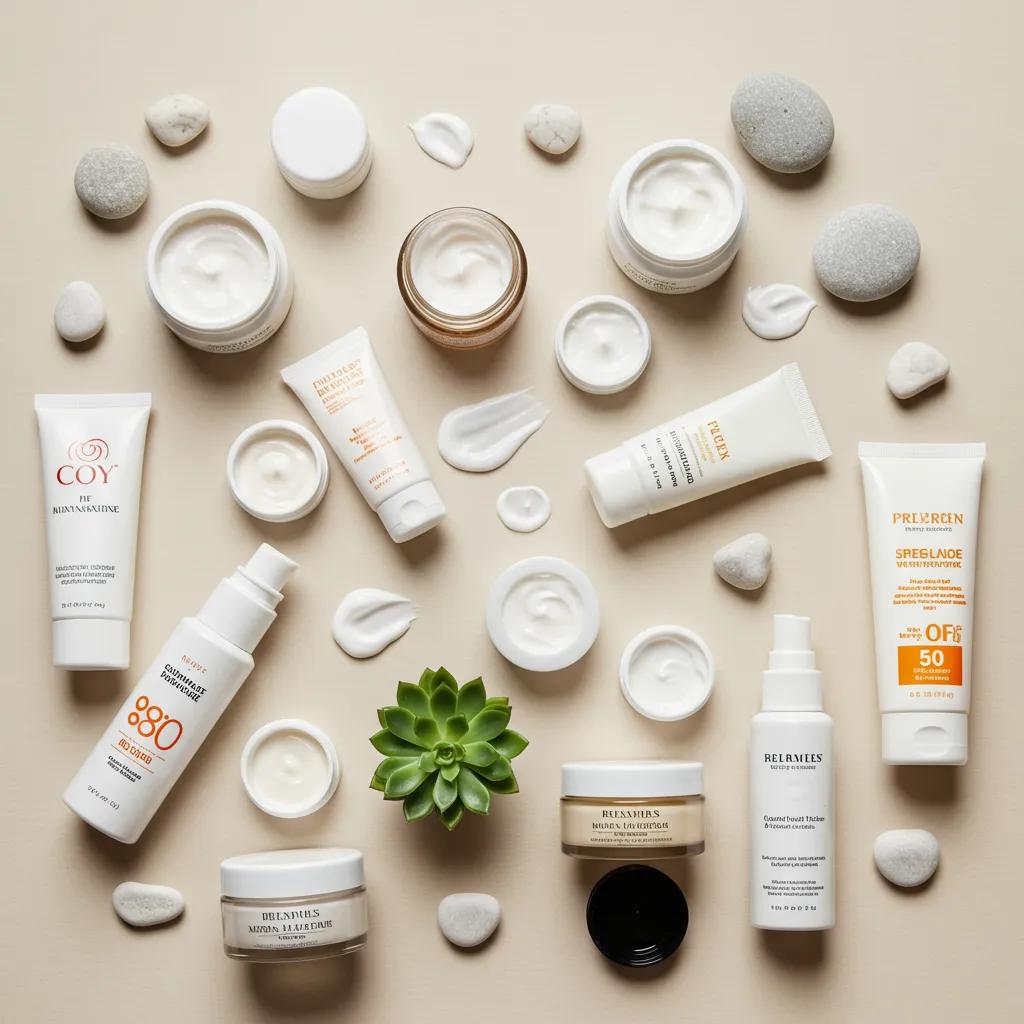
Moisturizers combine humectants (e.g., glycerin, hyaluronic acid), emollients (fatty acids, ceramides), and occlusives (petrolatum, dimethicone) to hydrate and seal the skin barrier. Select lightweight, non-comedogenic lotions for oily skin and richer creams with ceramides for dry or barrier-compromised skin. Sunscreens should be broad-spectrum SPF 30+ with high UVA protection; mineral filters (zinc oxide, titanium dioxide) are often better tolerated by sensitive skin. In hot, humid climates reapplication every two hours and choosing a matte or gel formulation improves wearability.
Dermatologist guidance emphasizes pairing a moisturizer with sunscreen in the morning and prioritizing barrier repair ingredients at night to reduce irritation from active treatments. Reapplication and adequate quantity are essential to achieve labeled SPF protection.
How to Incorporate Serums and Exfoliants into Your Daily Routine
Serums deliver concentrated actives—antioxidants like vitamin C in the morning and hydrators like hyaluronic acid or barrier-supporting niacinamide any time—applied from thinnest to thickest. Chemical exfoliants such as AHAs (glycolic, lactic) and BHAs (salicylic acid) work by dissolving intercellular glue and clearing follicles; frequency depends on tolerance, typically 1–3 times weekly. Introduce new actives gradually with patch tests and alternate nights for stronger agents like retinoids to minimize irritation.
Layering rule: apply watery serums first, then targeted treatments, then moisturizer and sunscreen. Avoid simultaneous use of highly acidic exfoliants with retinoids; instead, schedule them on different nights to preserve barrier integrity and reduce inflammation.
What Are Morning vs. Evening Skin Care Routine Differences?
Morning routines prioritize protection and antioxidant defense to guard against UV and pollution, while evening routines emphasize repair, regeneration, and targeted active therapy. AM essentials: gentle cleanse, antioxidant serum (vitamin C), moisturizer, and sunscreen. PM essentials: double-cleanse if wearing sunscreen/makeup, apply treatment serums (retinoids, targeted actives), and finish with a nourishing moisturizer to support nocturnal repair.
For busy schedules, streamline: in the morning focus on SPF and a light moisturizer; at night prioritize a single evidence-backed active. Proper sequencing and timing optimize efficacy and minimize sensitivity.
Which Common Skin Conditions Affect Skin Health and How Can They Be Managed?
Conditions overview. Causes mapped. Self-care and red flags. Referral triggers.
Common dermatological conditions—acne, eczema, psoriasis, rosacea, hyperpigmentation, and signs of aging—share pathways of inflammation, barrier dysfunction, and environmental triggers. Effective management targets the underlying mechanism: reduce sebum and follicular blockage for acne; restore barrier and reduce triggers for eczema; employ anti-inflammatory and keratolytic strategies for rosacea and psoriasis. First-line self-care often includes gentle cleansing, emollients, topical actives, and photoprotection; persistent or severe disease requires dermatologist assessment and possible prescription therapies.
Below is a quick-reference table summarizing causes and first-line approaches for common conditions to aid rapid decision-making.
This quick map clarifies initial self-care and when to escalate to specialist care based on persistence, severity, or systemic symptoms.
What Causes Acne and What Are the Best Treatments?
Acne arises from interplay between sebum production, follicular hyperkeratinization, microbial imbalance, and inflammation. For mild acne, topical over-the-counter actives—salicylic acid (BHA) for comedonal lesions and benzoyl peroxide for inflammatory lesions—help reduce blockage and bacteria. Retinoids normalize keratinization and reduce both comedones and inflammation; topical or systemic escalation depends on severity. In humid climates, choose non-comedogenic, water-based formulations and avoid heavy occlusives that trap sweat and increase lesion formation.
Early intervention and consistent use of targeted topicals reduce scarring risk. Seek dermatology care for nodulocystic acne, rapid progression, or systemic symptoms.
How to Identify and Manage Eczema, Psoriasis, and Rosacea
Eczema is characterized by itchy, dry, and inflamed patches often worsened by irritants and allergens; management focuses on emollient therapy and trigger control. Psoriasis presents with well-demarcated plaques and may require topical steroids, vitamin D analogues, or systemic agents for extensive disease. Rosacea features central facial redness and flushing with papules; gentle skincare, trigger avoidance, and topical anti-inflammatories commonly help. Identifying red flags—rapid spread, severe pain, or systemic signs—warrants specialist referral for diagnostic confirmation and advanced treatment.
Lifestyle adjustments and barrier restoration form the foundation of long-term control for inflammatory dermatoses.
What Are Effective Solutions for Hyperpigmentation and Dark Spots?
Hyperpigmentation results from increased melanin production after inflammation or hormonal stimulus; prevention centers on strict photoprotection and minimizing inflammation. Topical agents that reduce melanin synthesis or accelerate turnover—such as vitamin C, azelaic acid, niacinamide, and retinoids—offer progressive improvement over weeks to months. Professional interventions like supervised chemical peels or light-based treatments can accelerate results but require careful selection and post-procedure photoprotection to prevent worsening.
Set realistic expectations: many agents require consistent use for 8–12 weeks to show clear benefit, and maintenance photoprotection is essential to sustain gains.
How to Address Aging Skin: Fine Lines and Wrinkles
Visible aging stems from cumulative photoaging, collagen loss, and decreased cellular repair. Topical retinoids stimulate collagen production and improve fine lines; peptides and antioxidants support repair and protect against oxidative damage. Hyaluronic acid restores volume and hydration, temporarily reducing fine-line appearance. In-clinic options—superficial peels, energy-based devices, and injectable fillers—address structural deficits but require provider expertise and realistic expectations about outcomes and maintenance.
Preventive measures—consistent sunscreen, antioxidant use, and avoiding smoking—remain the most impactful long-term strategies for skin longevity.
What Are the Best Skin Care Products and Ingredients for Different Skin Types?
Product mapping. Ingredient roles. Safety notes. Local availability guidance.
Choosing products depends on matching formulation type to skin physiology: gels and lightweight lotions for oily skin, richer creams and occlusives for dry skin, fragrance-free and minimal ingredient lists for sensitive skin, and balanced formulations for combination skin. Key active ingredients—retinol, hyaluronic acid, vitamin C, niacinamide, salicylic acid, and ceramides—target specific mechanisms like cell turnover, hydration, antioxidant protection, and barrier repair. Below is a concise EAV-style table comparing core ingredients, their primary benefits, and suitability by skin type to aid selection.
This checklist provides practical buying cues and local availability tips.
- Look for non-comedogenic labeling and fragrance-free formulations.
- Prioritize products with clear active concentrations and short ingredient lists for sensitive skin.
- Check local pharmacy or clinic channels for dermatologist-recommended lines to ensure authenticity.
In Pakistan, availability varies by region; rely on trusted local pharmacies, clinics, and ARY News Health/Wellness coverage for updates on product access and reviews.
Which Products Are Recommended for Oily, Dry, Sensitive, and Combination Skin?
Match texture and actives to skin tendencies: oil-free gels or lightweight lotions with salicylic acid for oily skin; hydrating creams with humectants and occlusives for dry skin; minimal, fragrance-free formulations rich in ceramides and glycerin for sensitive skin; and balancing serums with niacinamide for combination skin. Emphasize non-comedogenic claims and patch testing new formulations for sensitivity. For budget-conscious shoppers, prioritize sunscreen and a gentle cleanser as the two non-negotiables.
Practical buying tip: prioritize products that address your primary concern first (e.g., acne control for oily skin), then layer supportive products for hydration and barrier repair.
How Do Key Ingredients Like Retinol, Hyaluronic Acid, and Vitamin C Benefit Your Skin?
Retinol accelerates cell turnover and stimulates collagen synthesis, reducing fine lines and improving texture; use at night, starting with low concentrations and gradual escalation.
Hyaluronic acid attracts and retains water in the epidermis, providing immediate hydration and plumping effect; it works best layered under a moisturizer.
Vitamin C functions as an antioxidant and inhibits melanin production, improving brightness and UV-induced damage; stabilize formulations and pair with sunscreen for maximal benefit.
These actives follow clear semantic relationships: retinol → stimulates → collagen; hyaluronic acid → binds → water; vitamin C → neutralizes → free radicals. Safe introduction protocols reduce irritation while improving clinical outcomes.
What Should You Avoid in Skin Care Products for Sensitive Skin?
Sensitive skin often reacts to fragrances, high alcohol content, strong exfoliants, and certain preservatives; avoid products with unnecessary fragrances or harsh physical scrubs that disrupt the barrier. Prefer formulations labeled fragrance-free, low-irritant, and with barrier-supporting ingredients like ceramides and glycerin. Use patch testing and introduce one new product at a time over several weeks to monitor tolerance. Simplifying the routine reduces cumulative irritant exposure and improves long-term resilience.
A minimalistic approach—cleanser, moisturizer, sunscreen—provides the safest baseline for sensitive skin before adding targeted actives.
How to Choose Dermatologist-Recommended Skin Care Products in Pakistan?
Verify dermatologist recommendations by checking for endorsements in clinical settings and reporting from trusted health outlets; prioritize products with evidence-backed actives and clear labeling over marketing claims. Purchase from reputable pharmacies or clinic dispensaries to reduce risk of counterfeit products. Consider price-to-value by evaluating active concentrations and formulation stability rather than promotional claims. ARY News’ Health/Wellness reporting can highlight trusted local product reviews and expert interviews to inform buying decisions without promoting specific brands.
Seek product samples or dermatologist guidance for persistent concerns and prefer clinical evidence over influencer-driven trends.
How Do Dermatologists Recommend Tailoring Skin Care for Specific Needs?
Special populations. Stepwise escalation. Myth-busting. Expert access.
Dermatologists recommend tailoring routines to the individual by balancing potency with tolerance, prioritizing barrier repair for sensitive or compromised skin, and adjusting for life stage—teenage acne needs differ from pregnancy-safe regimens. Clinical reasoning guides stepwise escalation: begin with conservative OTC options and progress to prescription topicals or systemic therapy based on response and severity. This pragmatic approach reduces adverse effects while targeting underlying pathology.
For local readers seeking expert voices and updated research, ARY News can host interviews with Pakistani dermatologists and publish clinic profiles that clarify access to specialist care and ongoing studies.
What Are Dermatologist Tips for Managing Acne-Prone and Sensitive Skin?
Start with a gentle, evidence-based baseline: a balanced cleanser, non-comedogenic moisturizer, and targeted actives such as benzoyl peroxide or salicylic acid for acne while using barrier-supportive ingredients to limit irritation. Apply a “start low, go slow” approach to retinoids and potent actives, and avoid overlapping strong exfoliants. Monitor progress, maintain hydration, and seek specialist care for severe or scarring acne. Lifestyle adjuncts—sleep, diet moderation, and stress management—support therapy.
Dermatologists emphasize minimizing unnecessary product layering and preserving skin barrier to improve treatment adherence and outcomes.
How to Build a Skin Care Routine for Teenagers and Pregnant Women?
Teen routines should be simple and acne-focused: gentle cleansing twice daily, oil-free moisturizer, spot treatments, and sunscreen. For pregnant women, avoid systemic and topical retinoids and prefer pregnancy-safe alternatives such as azelaic acid or gentle moisturizers under clinician guidance. Both groups benefit from barrier repair, sun protection, and a conservative approach to introducing actives. Clinician consultation is essential for persistent acne, melasma, or when medications are considered.
Prioritize safety and minimal effective regimens for these sensitive life stages to reduce risks and ensure compliance.
What Are Common Skin Care Myths and How Can They Be Debunked?
Many myths persist—“natural always safer,” “oily skin doesn’t need moisturizer,” or “you must exfoliate daily”—but evidence counters these claims. Natural ingredients can still be allergenic; oily skin benefits from lightweight, non-comedogenic moisturizers to regulate sebum; and daily physical exfoliation often aggravates the skin barrier rather than improving it. Debunking relies on mechanism-based explanations and pointing readers to evidence-based alternatives that are safer and more effective.
Critical evaluation of claims, ingredient literacy, and clinician consultation help readers avoid common pitfalls and optimize skin health.
How Can You Access Expert Opinions and Latest Research in Pakistan?
Find board-certified dermatologists through professional medical directories and reputable clinics; verify credentials and look for peer-reviewed publications when assessing research claims. Local media that emphasize health reporting provide accessible summaries of new studies and expert panels. ARY News, as an information hub, can host expert Q&A sessions, interviews, and explainers that bring regional perspectives and clinic access information to readers seeking reliable commentary.
Using these channels helps translate global research into locally relevant advice and connects readers with vetted specialists.
What Are the Latest Skin Care Trends and Innovations for 2025 and Beyond?
Top trends. Practical implications. Accessibility concerns. Sustainability.
Cutting-edge trends for 2025 include biotech-derived actives (bioengineered peptides), AI-driven personalization tools, regenerative beauty approaches, and consumer-grade at-home devices. These innovations promise more targeted, mechanism-driven interventions but vary in evidence strength and accessibility. Consumers should evaluate claims critically, focusing on transparency of data and clinical validation. Regional implications include limited access to advanced therapies and the importance of trusted reporting to contextualize new offerings.
ARY News’ news-style coverage can track launches, expert panel discussions, and local trial reporting to help consumers separate hype from clinically meaningful advances.
How Is Biotech and AI Changing Personalized Skin Care?
Biotech advances produce lab-synthesized peptides and engineered antioxidants aimed at precise biological targets, while AI tools analyze skin images and user data to recommend personalized regimens. The relationship is: biotech → creates → targeted molecules; AI → analyzes → skin phenotype. Benefits include individualized treatments and improved matching of actives to biology, but limitations include variable validation, data privacy concerns, and cost barriers. Consumers should seek solutions with transparent algorithms and peer-reviewed validation.
Adopt emerging technologies cautiously, prioritizing options with demonstrated clinical benefit and privacy safeguards.
What Are Regenerative Beauty Treatments and At-Home Devices?
Regenerative treatments—such as peptide-based serums, polynucleotides, and exosome-related therapies—aim to stimulate repair and extracellular matrix remodeling; evidence is emerging but requires clinical oversight for invasive approaches. At-home devices like LED therapy and microcurrent devices offer adjunctive benefits for skin tone and firmness when used per manufacturer instructions. Safety and regulation vary, so professional guidance ensures appropriate use and avoids harm from unregulated procedures.
Consumers should weigh cost, evidence, and the need for professional supervision before adopting advanced regenerative options.
How Is Sustainability Influencing Skin Care Product Choices?
Sustainability trends prioritize refillable packaging, ethically sourced ingredients, and reduced-waste supply chains. Practical buyer strategies include selecting products with transparent supply chains, minimalistic formulas to reduce resource intensity, and recycling or refill programs. Watch for greenwashing—look for verifiable certifications and ingredient transparency rather than vague sustainability claims. Long-term, sustainable choices align environmental stewardship with skin health benefits by promoting cleaner formulations and reduced chemical load.
Informed purchasing balances efficacy, safety, and environmental impact without sacrificing clinical results.
What Are the Emerging Wellness-Based Ingredients for Skin Longevity?
Emerging ingredient classes—novel peptides, antioxidant complexes, and microbiome-targeted pre/probiotics—aim to support skin resilience and longevity by modulating repair pathways and microbial balance. Early research shows promise, but many claims outpace robust clinical evidence; therefore, integrate new ingredients alongside proven basics like sunscreen, retinoids, and barrier repair. Clinical consultation is recommended for experimental therapies or combination regimens.
Adopt a cautious, evidence-focused approach to promising new actives and prioritize safety and documented outcomes.
How Do Lifestyle Factors Affect Skin Health and What Can You Do?
Lifestyle mapping. Nutrients and behaviors. Environmental mitigation. Sun safety.
Lifestyle factors—nutrition, sleep, stress, hydration, and environmental exposure—directly influence skin structure, inflammation, and repair capacity. For instance, omega–3 fatty acids reduce inflammatory mediators, adequate protein supports collagen synthesis, and antioxidants protect from oxidative damage. Stress elevates cortisol, which can exacerbate acne and inflammatory conditions. Environmental pollutants and UV exposure cause oxidative damage and accelerate aging, making cleansing and antioxidants integral in high-exposure settings.
The following table links lifestyle factors to their mechanistic impact and practical recommendations for mitigation in everyday life.
Adopting these measures reduces cumulative skin damage and supports treatment outcomes.
What Role Does Diet and Nutrition Play in Maintaining Healthy Skin?
Certain nutrients support skin repair and inflammation control: vitamin C for collagen synthesis, omega–3 fatty acids for anti-inflammatory effects, zinc for wound healing, and protein for structural repair. Emphasize whole-food sources—citrus and leafy greens, fatty fish or plant omega–3s, nuts, and lean proteins—and maintain adequate hydration. Supplements can fill gaps but consult a clinician for tailored advice and to avoid over-supplementation. A balanced, nutrient-rich diet complements topical care and accelerates visible improvements.
Dietary changes show gradual effects; combine with topical strategies for best outcomes.
How Does Stress Impact Your Skin and How Can You Manage It?
Stress triggers cortisol release, which promotes inflammation, impairs barrier repair, and can worsen acne, eczema, and psoriasis. Practical stress reduction—regular sleep, moderate exercise, mindfulness practices, and social support—reduces physiological drivers of skin flares. Integrating stress-management as part of a skin care plan improves response to topical and systemic treatments and reduces flare frequency. Seek professional support when stress is chronic or severely impacting quality of life.
Addressing stress alongside targeted therapies yields more durable skin health improvements.
What Environmental Factors Like Pollution and Climate Affect Skin in Pakistan?
Pollution and high humidity common in many Pakistani cities increase oxidative stress and clog pores, respectively; heat and UV exposure accelerate photoaging and pigmentation. Protective measures include cleansing after exposure, antioxidant serums to neutralize free radicals, barrier-supporting moisturizers, and consistent sunscreen use. Seasonal adjustments—lighter textures in humid months, richer barrier creams in dry winters—optimize skin resilience. Practical steps like indoor air filtration and covering up during high-smog days further reduce exposure.
What Are Best Practices for Sun Protection in Different Climates?
Select a broad-spectrum sunscreen SPF 30+ with proven UVA protection and apply generously 15 minutes before sun exposure; reapply every two hours or after sweating or water exposure. In very hot climates, combine sunscreen with physical barriers—hats, UPF clothing, and shade—to reduce cumulative UV dose. For outdoor workers and children, emphasize frequent reapplication, practical packaging, and education about proper amounts. Remember: SPF relates to UVB protection; high UVA protection and photostable formulations are crucial for preventing pigmentation and long-term damage.
Consistent sun protection complements topical treatments and is central to preventing premature aging and pigmentation disorders.
What Are Frequently Asked Questions About Skin Care?
Snippet-ready answers. Direct guidance. ARY as resource. Quick protocols.
This FAQ provides concise, actionable answers to common queries optimized for quick reference and featured snippets. Each response gives practical steps and points to where readers can find deeper coverage or expert commentary through local reporting channels.
What Is the Best Skin Care Routine for Oily and Sensitive Skin?
For oily skin: cleanse twice daily with a gentle gel cleanser, use salicylic acid 2% spot or leave-on treatment as needed, apply a lightweight, non-comedogenic moisturizer, and use broad-spectrum sunscreen daily. For sensitive skin: adopt a minimalist routine—gentle cleanser, fragrance-free moisturizer with ceramides, and mineral sunscreen; introduce actives slowly with patch tests. Both types benefit from consistent sun protection and barrier support to prevent worsening of symptoms.
When standard measures fail or lesions persist, consult a dermatologist for prescription options.
Which Ingredients Are Most Effective for Acne and Hyperpigmentation?
Top acne ingredients include salicylic acid for comedones, benzoyl peroxide for inflammatory lesions, and retinoids for long-term normalization of follicular turnover. For hyperpigmentation, vitamin C, azelaic acid, niacinamide, and retinoids reduce melanin synthesis or accelerate pigment dispersal; strict photoprotection is essential. Combine topical agents judiciously and introduce them gradually to minimize irritation and optimize outcomes.
Integration of actives follows a start-low, escalate-safely strategy to protect the skin barrier while improving results.
How Can I Safely Introduce Retinol and Other Actives into My Routine?
Begin with a low-concentration retinol or over-the-counter retinal product applied every third night, increasing frequency as tolerance allows while using a moisturizer to buffer irritation. Avoid simultaneous use with strong AHAs/BHAs; instead, alternate nights or consult a clinician for combination strategies. Patch test new actives and stop use if severe irritation occurs, seeking professional advice for persistent reactions. Consistent sunscreen use is mandatory when using retinoids due to increased photosensitivity.
Gradual introduction and barrier care reduce side effects and improve adherence.
What Are Dermatologist-Recommended Sunscreens for Sensitive Skin?
Dermatologists often recommend mineral sunscreens containing zinc oxide or titanium dioxide for sensitive skin because they are less likely to cause irritation. Choose fragrance-free, broad-spectrum formulations and consider tinted mineral sunscreens for added visible coverage and slight protection against visible light. Apply a generous amount and reapply regularly, pairing with physical barriers like hats for extended outdoor exposure.
If irritation occurs, switch formulations and consult a dermatologist for tailored recommendations and patch-testing.
For ongoing expert commentary and localized reporting on product availability, reviews, and dermatologist interviews, ARY News offers a Health/Wellness hub and periodic expert Q&As to help readers navigate new treatments and local access options. This integration of news-style reporting complements clinical guidance by spotlighting regional availability and specialist perspectives without promoting specific brands.
1. Practical routines: Follow simple, consistent steps tailored to your skin type.
2. Introduce actives slowly: Patch test and alternate potent agents to reduce irritation.
3. Prioritize sun protection and barrier repair: These yield the most substantial long-term benefits.
This final table reiterates actionable links between daily life and skin outcomes to support reader implementation.
Article ends here.
AI-Enhanced Skincare: Microbiome, Pharmacogenomics, and Personalized Dermatology
The skin microbiome, an important regulator of skin health, varies greatly across people and impacts disorders including acne, eczema, and rosacea. AI-powered study of microbiome composition enables the development of customized skincare solutions that restore microbial equilibrium, improving treatment outcomes. Furthermore, pharmacogenomics—the study of genetic differences impacting medicine and skincare component responses—enables highly personalised skincare treatments that reduce side effects while increasing therapeutic benefits. AI-powered tools, such as machine learning algorithms an
The integration of AI and biotechnological advancements is revolutionizing personalized skincare by enabling a deeper understanding of individual skin biology and responses.
Conclusion
Implementing a tailored skin care routine can significantly enhance your skin’s health and appearance, addressing specific concerns like acne, dryness, and aging. By understanding the essential steps and suitable products for your skin type, you can achieve lasting results and maintain a radiant complexion. We encourage you to explore our expert-recommended products and resources to further optimize your skin care journey. Stay informed and empowered by following our latest updates and expert insights on skin health.