Pakistan Election Results and Analysis: Comprehensive News, Updates, and Political Insights
The 2024 general election in Pakistan produced a closely contested outcome that reshaped coalition negotiations and set the stage for renewed political debate across provinces and constituencies. This article explains what the results mean for governance, the Election Commission of Pakistan’s (ECP) role in managing outcomes, how major parties performed, and why youth engagement and local polls—including preparations for Punjab local government elections 2025—matter for the country’s political and economic trajectory. Readers will find clear explanations of the electoral process, concise how-to guidance for voters, and data-driven analysis of coalition dynamics and market implications. For timely, regular updates tied to live reporting and continuing analysis, ARY News plays a supporting role in delivering fast, accurate election coverage powered by editorial oversight. This piece maps results and processes, profiles leading parties and leaders, and points to resources for live updates, interactive tools, and fact-checking so readers can follow developments responsibly and with context.
What Are the Latest Pakistan General Election Results and Key Outcomes?
The latest general election results delivered a fragmented mandate that required negotiations for coalition-building and left several high-stakes constituencies determining overall governance. This situation matters because no single party obtained an outright majority, which means coalition dynamics will shape cabinet formation, legislative agendas, and short-term policy priorities. Citizens and analysts will therefore be watching which parties supply ministers and whether coalitions prioritize stability or policy bargaining. The following subsections break down which parties won the most seats, how coalition talks unfolded, turnout and youth participation, and notable controversies affecting legitimacy and trust.
Which Parties Won the Most Seats in the 2024 General Election?
The electoral outcome concentrated seats across several major national parties and a range of regional winners, reflecting Pakistan’s varied political geography and constituency-level competition. Regional concentration remained important: Punjab continued to dominate seat totals, Sindh retained pockets of party dominance, and smaller provinces and independents influenced overall arithmetic. The pattern of wins suggests that national parties retained their core bases while several surprises occurred at the constituency level where local factors and candidate popularity mattered more than national messaging. Understanding these distributions helps explain why coalition partners became critical and which regions will be central to policy bargaining moving forward.
- Key trends indicate that urban-rural divides and provincial strongholds shaped seat allocation.
- Voter preferences in swing districts produced several upsets that altered coalition options.
- Independent candidates and regional parties captured pivotal seats that influenced post-election negotiations.
This seat distribution overview leads directly into how coalition governments form and the concessions that shape governing agreements.
How Did the Coalition Government Form After the 2024 Elections?
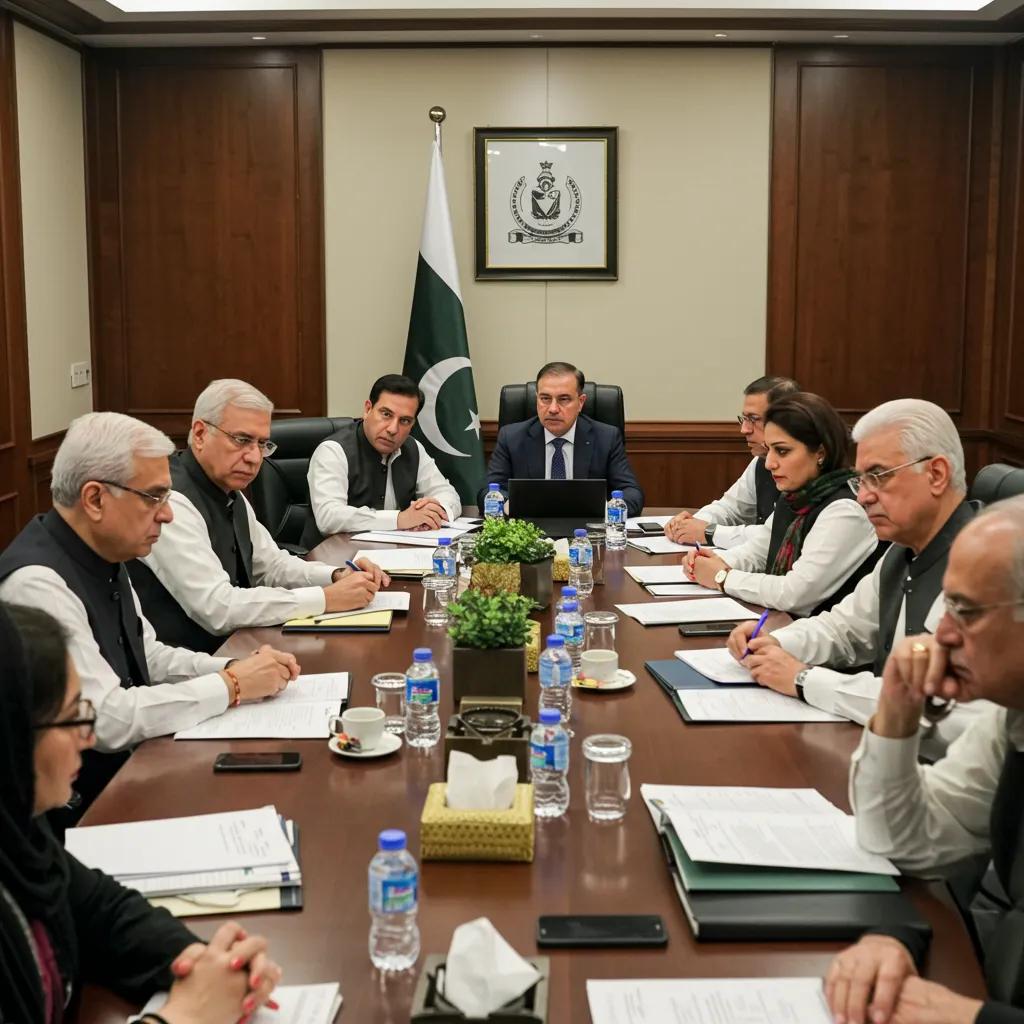
Coalition formation after a fragmented election typically follows negotiation over ministerial portfolios, legislative priorities, and procedural guarantees for stability, which determines early governance signals. Parties that can aggregate a working majority negotiate power-sharing deals, trade policy concessions, and agree on leadership roles in the assembly and cabinet. Timelines for these negotiations vary but often conclude within weeks as parties seek to avoid governance vacuums; where talks stall, interim arrangements or confidence votes can resolve impasses. The immediate implication is that coalition partners influence policy direction, from economic reform priorities to appointments in key ministries, and the durability of the coalition will determine the government’s ability to pass budgetary and structural measures.
- Coalition partners typically demand portfolio allocations aligned with their priorities.
- Negotiation timing is constrained by constitutional deadlines for government formation.
- The nature of agreements will inform whether the coalition pursues ambitious reform or incremental compromise.
These negotiation dynamics are linked to voter mobilization and turnout, particularly among younger voters whose participation can swing close races.
What Were the Voter Turnout Statistics and Youth Vote Impact?
Voter turnout and the share of younger voters are critical for interpreting election legitimacy and which issues dominated the campaign; youth participation often amplifies calls for jobs, education reform, and digital freedoms. Turnout trends vary by region and polling station, but even incremental increases in youth turnout can change outcomes in tight constituencies where margins are small. Parties that engaged younger demographics through targeted messaging and digital outreach frequently saw improved performance in urban and peri-urban seats, while lower youth turnout in other areas preserved traditional voting patterns. Examining turnout distribution clarifies which segments of the electorate will demand accountability and shape policy agendas in the new legislature.
- Higher youth turnout correlated with constituencies where digital campaigning and issue-focused platforms were visible.
- Turnout gaps persist between urban centers and rural districts, affecting seat distributions.
- Sustained youth engagement post-election influences legislative attention to employment and education.
Understanding turnout sets the stage for assessing allegations and controversies that tested public confidence in the process.
What Controversies and Allegations Affected the 2024 Election Results?
Controversies around elections commonly center on complaints about procedural irregularities, delays in counting, and allegations of misconduct; these claims shape public perception regardless of their legal resolution. Observers and stakeholders raised various concerns in specific areas, prompting official responses and calls for investigations to preserve confidence. The ECP and judiciary are central to addressing such allegations through complaint procedures, recounts, and, where warranted, formal probes; transparency in that process helps restore legitimacy. How authorities and parties handle these disputes will affect post-election reconciliation and the perceived fairness of the mandate.
- Allegations typically trigger administrative reviews, recounts, or legal challenges when credible evidence emerges.
- Public trust hinges on the clarity of ECP statements and the independence of investigative mechanisms.
- The outcome of disputes can alter seat allocations or, at minimum, shape narratives about electoral integrity.
These accountability concerns link into the ECP’s statutory role and how it manages election regulation and oversight.
How Does the Election Commission of Pakistan Manage and Regulate Elections?
The Election Commission of Pakistan (ECP) is the constitutionally mandated body responsible for organizing, supervising, and certifying elections, ensuring that registration, delimitation, polling, and result reporting occur under statutory rules. The ECP’s mechanisms include voter registration rolls, candidate nomination scrutiny, polling administration, and result transmission systems designed to uphold procedural fairness. Effective ECP operations increase transparency and public confidence, while gaps or delays in communication can fuel disputes. The subsections below define the ECP’s role, update on Punjab local government preparations, and describe measures for transparency and fairness, followed by context on how media outlets track those updates.
What Is the Role and Function of the Election Commission of Pakistan?
The ECP’s statutory mandate covers voter registration, constituency delimitation, candidate nominations, polling supervision, result aggregation, and complaint adjudication, providing a legal framework for credible elections. Operationally, the ECP issues rules and timelines, trains returning officers, coordinates with law enforcement for secure polling, and publishes provisional and final results based on prescribed procedures. These functions ensure that elections proceed within legal parameters and that disputes follow defined administrative and judicial channels. For voters and stakeholders, understanding the ECP’s responsibilities clarifies where to direct queries and how official timelines are established.
- The ECP maintains and updates the voter rolls and manages delimitation to reflect population changes.
- During elections, returning officers administer polling stations and compile constituency-level counts.
- The commission also oversees complaint mechanisms and can order recounts or investigations where warranted.
This operational overview connects to current local government election preparations in provinces like Punjab, which affect logistics and timelines.
Role of Election Commission in Pakistan’s Democracy: A Comparative Analysis
The objective of this research is to examine the role of the Election Commission in strengthening the democracy system in Pakistan through a comparative analysis of electoral management systems in India, USA, and Pakistan. The study aims to evaluate the effectiveness of recent electoral reforms and recommend further improvements in the electoral process in Pakistan. A comparative analysis of electoral management systems in other countries can provide valuable insights and recommendations for Pakistan. The research methodology used in this research is a qualitative approach, including a review of existing literature, analysis of data from official reports, and interviews with key stakeholders. The study found that the Election Commission in Pakistan has faced challenges due to political interference, lack of resources, and inadequate use of technology. Comparatively, the Election Commissions in India and the USA have implemented best practice. The report suggests the foll
The role of election commission in strengthening democracy system of Pakistan: an analysis, 2023
What Are the Latest Updates on Local Government Elections in Punjab 2025?
Preparations for Punjab’s local government elections include delimitation reviews, administrative coordination, and scheduling milestones that determine when voters will elect municipal and local council representatives. The ECP’s updates as of October 2025 indicate stages of administrative planning, with emphasis on finalizing electoral rolls, assigning returning officers, and establishing polling logistics across districts. Potential challenges include delimitation disputes, resource allocation for remote polling sites, and ensuring voter awareness of registration deadlines. Monitoring these preparations helps stakeholders anticipate timelines and civic participation campaigns required to run an orderly local-election cycle.
- Current planning focuses on completing delimitation and finalizing polling arrangements district by district.
- Administrative priorities include training staff and establishing secure result transmission channels.
- Anticipated logistical issues center on remote access and voter education to reduce informal errors on polling day.
How the ECP implements transparency measures during these preparations is the next central question.
How Does the ECP Ensure Election Transparency and Fairness?
To promote transparency and fairness, the ECP uses observer programs, procedural checklists for polling staff, standardized result forms, and complaint redress systems, with safeguards intended to reduce manipulation risks. Domestic and international observers monitor procedures, while digital result platforms and public bulletins—when used effectively—provide real-time visibility into counts and official decisions. Legal recourse exists for candidates and parties, allowing recounts and judicial review when credible irregularities surface; the timeliness and clarity of these mechanisms shape public trust. Continuous evaluation of these measures, and independent verification by credible actors, remains essential to sustaining electoral integrity.
- Observer accreditation and reporting create independent records of polling-day conduct.
- Digital transmission, when secure, reduces manual aggregation errors and increases speed of provisional reporting.
- Complaint mechanisms and potential recounts provide legal pathways to resolve disputes and restore confidence.
Who Are the Major Political Parties and Leaders in Pakistan’s Elections?
Major political parties and leaders shape national debate, policy priorities, and coalition mathematics; understanding their platforms and electoral performance clarifies the likely direction of governance. Profiles emphasize leadership, manifesto themes, and regional strengths that explain seat distributions and bargaining power. The table below offers a compact comparison of principal parties, their key leaders, 2024 performance summary, and manifesto highlights for quick reference to inform coalition and policy analysis.
The following table summarizes core party profiles and headline performance elements:
What Is Pakistan Tehreek-e-Insaf’s Election Strategy and Leadership?
PTI’s strategy emphasized mobilizing younger voters and urban constituencies through digital outreach and populist messaging aimed at anti-corruption and economic opportunity. Leadership messaging highlighted accountability and reforms designed to appeal to first-time voters and those seeking alternatives to traditional party elites. Performance varied across regions, with the party holding strong in certain urban centers while facing challenges in areas where organizational structures were weaker. This mix of strengths and vulnerabilities influenced PTI’s role in coalition discussions and its ability to push a reform agenda.
- PTI relied on digital platforms and mobilization targeted at under-35 voters.
- Leadership consolidated a national narrative around transparency and economic reform.
- Regional performance suggested a need to rebuild organizational reach in rural constituencies.
This profile leads into how PML-N positioned itself during the election and subsequent negotiations.
How Did Pakistan Muslim League-Nawaz Perform in the 2024 Elections?
PML-N retained influence in its traditional provincial strongholds, consolidating networks that deliver stable vote banks, and played a central role in coalition talks due to its seat share and organizational depth. The party emphasized continuity on infrastructure and administrative competence as core manifesto themes, appealing to voters prioritizing governance stability. In coalition negotiations PML-N typically sought key ministries tied to economic and developmental portfolios. Its regional concentration in Punjab made the party an indispensable partner for any coalition seeking legislative durability.
- PML-N’s organizational strength translated into concentrated wins in key districts.
- Negotiations leveraged its position to seek policy influence in economic portfolios.
- The party’s performance underscores the relevance of provincial politics in national outcomes.
The next section considers PPP’s manifesto and electoral impact, especially in Sindh.
What Are the Pakistan Peoples Party Vision and Election Manifestos?
PPP maintained a focused base in Sindh and emphasized social welfare, provincial autonomy, and public-service commitments in its manifesto, resonating with voters seeking protection of regional interests. The party’s leadership framed policy proposals around social programs and equitable resource distribution, positioning itself as a key actor in coalition arithmetic. Electoral results underscored PPP’s continued influence where local governance and provincial identity remain central to voter choices, and the party’s role in any coalition affects discussions on provincial rights and national resource allocation.
- PPP’s manifesto prioritized social spending and provincial governance prerogatives.
- Electoral strength in Sindh gave PPP leverage in national bargaining.
- Manifesto commitments guide the party’s demands in coalition frameworks.
The table and party profiles above point to the smaller parties and independents that also shifted outcomes.
Which Other Political Parties Influenced the Election Outcomes?
Smaller parties and independent candidates often function as kingmakers in fragmented parliaments, holding seats that tip the majority balance and representing localized interests not captured by national platforms. Regional parties brought specific policy agendas tied to ethnicity, local development, or provincial autonomy, and their endorsements or coalition choices were crucial in assembling a working government. Independents, leveraging personal followings, sometimes joined larger blocs in return for development promises or ministerial posts. Recognizing these actors explains why coalition agreements reflected diverse and sometimes competing priorities beyond the main national platforms.
- Regional parties focused on constituency-level issues like resource allocation and provincial control.
- Independents negotiated seat-by-seat, often prioritizing local development commitments.
- Kingmaker roles reshaped coalition demands and the policy trade-offs made in post-election bargaining.
Understanding party actors sets up the need to explain how the electoral system itself manages these outcomes and the steps that govern elections.
What Are the Key Phases and Processes of Pakistan’s Electoral System?
Pakistan’s electoral system follows a lifecycle of registration, nomination, campaigning, polling, counting, and result declaration, each overseen by specific bodies and governed by statutory timelines that ensure procedural order. Clear responsibilities across phases help minimize confusion and create accountability for delivery. The table below outlines the main phases, responsible bodies, and typical outcomes or timelines to give readers a practical roadmap of how elections proceed from preparation to final certification.
EAV table summarizing electoral phases:
How Does the Electoral Process Work in Pakistan?
The electoral process is chronological: first voters register and candidate lists are finalized, then campaigns occur within regulated periods, followed by polling on an assigned date and counting at constituency-level centers with results transmitted to central authorities. Nomination rules and campaign regulations define eligibility and permissible conduct, while polling-day procedures prescribe ballot handling, observer placement, and security arrangements. Counting typically begins at the close of polling and produces provisional constituency results before aggregation and certification by the ECP. Knowing this sequence helps voters and observers interpret milestones and know when to expect official announcements.
- Nomination and scrutiny ensure candidate eligibility and transparency.
- Campaign regulations limit overt misconduct and outline permissible activity windows.
- Counting and provisional result publication provide immediate but sometimes provisional outcomes pending official certification.
What Is the Voter Registration Process and Eligibility Criteria?
Voter eligibility generally requires citizenship, minimum voting age, and registration on the electoral roll; the ECP prescribes documentation and verification steps to enroll and to update address or biometric records where applicable. Registration windows are announced before elections and missing deadlines can disqualify new registrations for a particular poll period, making timely action crucial. Practical steps include verifying registration status through official verification channels and ensuring documents meet identification requirements for polling day. Voter registration integrity underpins credible turnout figures and ensures broad-based participation.
- Eligibility centers on citizenship and reaching the minimum electoral age.
- Registration requires valid identification and adherence to ECP timelines.
- Voters should verify roll status well before polling to resolve discrepancies.
How Are Election Results Counted and Announced?
Counting occurs at the constituency level with polling staff and returning officers consolidating ballot counts into standardized result sheets that are transmitted to central tabulation points for aggregation and provisional publication. Provisional results provide immediate indicators but remain subject to statutory verification, objections, and potential recounts before final certification by the ECP. Result transmission methods—whether manual aggregation or digital reporting—affect the speed and perceived transparency of updates. Legal timelines permit challenges and recounts within a defined period, ensuring formal processes exist to address credible disputes.
- Counting safeguards include seals, witness procedures, and official result forms.
- Provisional vs final results: provisional figures indicate likely winners pending verification.
- Recounts and legal challenges follow established rules to resolve contested outcomes.
These administrative and technical steps influence how different demographic groups, especially youth, engage and respond to election outcomes.
How Does Youth Voter Engagement Shape Pakistan’s Election Landscape?

Youth voter engagement can significantly alter election dynamics by introducing new priorities, amplifying digital campaigning, and shifting turnout patterns toward issues such as employment, education, and civil liberties. Young voters’ preferences often differ from older cohorts and can be decisive in urban constituencies where margins are narrow. Parties that effectively translate youth issues into concrete policy proposals and credible local campaigning tend to secure advantage in contested districts. The subsections below explain why youth turnout matters, identify key issues for young voters, and examine social media’s influence on participation and misinformation risk.
Why Is Youth Voter Turnout Critical in Pakistan’s Elections?
Youth turnout matters because a large under-35 electorate can change outcomes in competitive constituencies and compel parties to prioritize policies that address employment, education, and digital opportunity. Higher youth participation increases the policy salience of issues affecting new entrants to the labor market and expands the mandate for reform-oriented platforms. Barriers such as registration lapses, limited local outreach, or disaffection reduce this potential influence, so mobilization efforts that lower friction and increase civic literacy are essential. Tracking youth turnout thus provides insight into which policy areas will receive attention in the legislature.
- Youth proportion in the electorate magnifies the effect of targeted turnout drives.
- Increased youth engagement correlates with demand for economic and social reforms.
- Addressing registration and access barriers is key to converting interest into votes.
Youth Political Participation in Pakistan’s 2024 Elections: Trends and Democratic Impact
This study examines youth political participation in Pakistan, specifically focusing on the 2024 elections. It explores how active youth engagement can enhance democratic consolidation and assesses the level of youth involvement during the elections as compared to previous elections of Pakistan. Targeting Pakistani youth aged 18 to 29, the data was collected from a sample of representative youth voters across different provinces of Pakistan. The survey included questions on voting behavior, political engagement, and perceptions of democracy, with validity ensured through expert review and piloting, and reliability assessed using test-retest methods. Thematic analysis was used to analyze the responses. Key findings reveal a significant increase in youth voter turnout (about 48%) during the 2024 elections, with youth participation extending beyond voting to active involvement in political discourses and campaigns. This trend indicates a positive shift toward a more vibrant
Assessing the Progress of Youth Political Participation and its Impact on Democracy: A Case Study of 2024 Elections of Pakistan, 2024
What Issues Matter Most to Young Pakistani Voters?
Young Pakistani voters frequently rank jobs, economic opportunity, education and skills training, and digital freedoms among their top concerns, and parties that provide credible, detailed policy offers on these fronts gain traction. Economic uncertainty and unemployment push youth toward pragmatic demands for immediate job creation and long-term skill development, while digital rights and freedom of expression shape civic engagement online. Parties that integrate these priorities into manifestos and present implementation timelines tend to capture young voters’ attention and turnout. Recognizing these priorities informs both campaign strategies and post-election policy agendas.
- Economic opportunity and jobs top the policy list for many young voters.
- Education, vocational training, and digital infrastructure are core long-term demands.
- Parties that translate issues into actionable plans gain credibility with youth electorates.
Challenges to Youth Political Engagement in Pakistan: Social, Economic, and Institutional Factors
This paper explores the multifaceted challenges that hinder the active political participation of youth in Pakistan. As a critical demographic segment, the engagement of young individuals in political processes is vital for fostering a dynamic and inclusive democratic system. The study employs a comprehensive approach to analyze the social, economic and institutional factors that contribute to the limited involvement of Pakistani youth in political affairs. Drawing on empirical evidence, this study highlights issues such as educational disparities, socio-economic constraints and the impact of traditional norms on youth participation. The paper also examines the role of political institutions, media and civic education in either facilitating or impeding the political mobilization of the younger generation. By shedding light on these challenges, the study aims to provide valuable insights for policymakers, educators and civil society organizations seeking to cultivate effe
Challenges to Enhance Youth Political Engagement in Pakistan, 2024
How Does Social Media Influence Youth Participation in Elections?
Social media platforms function as both mobilization tools and vectors for rapid misinformation; they enable fast dissemination of campaign messages, grassroots organization, and viral issue framing, while also presenting risks of false claims that can influence perceptions. Campaigns use short video, hashtags, and influencer partnerships to reach younger audiences efficiently, but those same channels require media literacy and verification habits to avoid amplification of erroneous narratives. Best-practice verification includes cross-checking claims with official results, consulting reputable fact-checkers, and confirming provenance of viral content before sharing. Balanced digital engagement increases informed participation and mitigates distortion.
- Platforms offer targeted outreach and rapid mobilization capabilities for campaigns.
- Misinformation risks require improved media literacy among young voters.
- Verification practices and trusted fact-checking resources reduce the spread of false claims.
These dynamics feed into political and economic implications that follow from election outcomes.
What Are the Political and Economic Implications of Pakistan’s Election Results?
Election outcomes affect short-term policy continuity, market confidence, and the trajectory of reform agendas; coalition composition and stability are central determinants of both political stability and economic policymaking. Immediate effects often include cabinet formation delays or rapid policy signaling depending on coalition clarity, while medium-term implications shape fiscal policy, investment climates, and engagement with international creditors. The table below maps impact areas to short-term effects and long-term implications to help readers assess risks and opportunities.
How Does Coalition Government Affect Political Stability and Governance?
Coalition governments introduce negotiation-based policymaking that can produce pragmatic compromise but also risks policy inconsistency and gridlock if partners disagree on priorities. Durable coalitions adopt shared minimum programs that enable passage of budgets and reforms, while fragile coalitions may trigger frequent confidence votes or reshuffles that undermine policy continuity. Indicators of a durable coalition include clear ministerial agreements, formalized policy roadmaps, and mechanisms for dispute resolution among partners. Monitoring these signals helps observers predict whether governance will support stable policy implementation.
- Coalitions require negotiated minimum agendas to function effectively.
- Policy compromise can facilitate moderate reforms but risks dilution of ambitious agendas.
- Institutional mechanisms for dispute resolution enhance coalition longevity.
What Economic Challenges Are Linked to Election Outcomes?
Elections can provoke short-term market reactions, delays in budget approval, and uncertainty affecting investment decisions, while longer-term challenges include the pace and depth of fiscal reforms and structural adjustments required by domestic priorities and creditor expectations. Investors watch for clarity on tax policy, subsidy reforms, and commitments to international agreements; protracted political uncertainty increases risk premia and can slow growth. The government’s ability to present coherent macroeconomic plans and sustain reform momentum will determine whether election volatility translates into prolonged economic stress or recovery.
- Markets respond to clarity (or lack thereof) on fiscal and reform commitments.
- Budget delays can disrupt public spending and investor planning cycles.
- Credible policy roadmaps reduce uncertainty and attract longer-term investment.
What Are Expert Opinions on Pakistan’s Democratic Future?
Experts generally weigh institutional resilience, electoral integrity, and economic performance when forecasting democratic trajectories; consensus often centers on the need for transparent institutions, judicial independence, and inclusive policymaking to strengthen democratic norms. Divergent views may arise over the pace of institutional reform or the role of extra-parliamentary actors in shaping political outcomes. Analysts recommend monitoring indicators such as judicial rulings on electoral disputes, ECP transparency measures, press freedom, and levels of civic participation to gauge democratic health. These indicators provide practical signals for stakeholders evaluating the country’s political evolution.
- Analysts emphasize institutional checks and electoral transparency as core to democratic resilience.
- Debate persists about optimal reform sequencing and the influence of informal power structures.
- Monitoring concrete indicators offers actionable insight into democratic trends.
Where Can You Find Live Election Updates and In-Depth Political Analysis?
To provide timely and comprehensive news and current affairs coverage, keeping the audience informed and engaged with diverse content. For readers seeking live election updates and deeper political analysis, several platforms and tools offer continuous coverage, interactive visuals, and verification resources that help interpret unfolding developments. Below we outline how to access live coverage and breaking news on ARY News, recommended interactive tools for visualizing results, and trusted approaches to fact-checking and debunking misinformation.
How to Access Live Election Coverage and Breaking News on ARY News?
To follow live updates and breaking developments, use official live pages, mobile app alerts, and social channels that deliver rolling coverage and real-time reporting; ARY News provides regular updates, expert analysis segments, and live streaming of key events to help audiences track results and official statements. The outlet emphasizes speed and accuracy in its coverage while offering contextual analysis to explain procedural developments and political consequences. Practical steps for viewers include enabling push notifications where available, tuning into scheduled analysis panels, and following liveblogs that aggregate constituency updates as they are reported. This multi-channel approach ensures audiences receive timely information and informed commentary during volatile post-election periods.
- Enable notifications on preferred platforms to receive breaking alerts.
- Watch scheduled analysis panels for expert interpretation of results and implications.
- Use liveblogs for consolidated, rapidly updated constituency-level reporting.
What Interactive Tools and Visualizations Help Understand Election Data?
Interactive tools such as seat trackers, constituency maps, turnout heatmaps, and timeline charts translate raw numbers into intuitive visuals that reveal regional patterns, coalition arithmetic, and demographic trends. Maps help identify geographic strongholds and swing districts, while seat calculators allow users to model coalition scenarios under different assumptions. Turnout heatmaps reveal where mobilization efforts succeeded or lagged, especially among youth demographics. For analysts and journalists, these tools facilitate data-driven storytelling; for voters, they make complex results understandable and actionable.
- Seat trackers enable modeling of coalition outcomes under alternate configurations.
- Constituency maps and heatmaps reveal geographic and demographic voting patterns.
- Timeline charts show how results and official announcements evolve through counting and certification.
Where to Find Fact-Checking and Debunking of Election Misinformation?
Verifying election-related claims requires a checklist-based approach: check official ECP statements, compare multiple independent reputable coverage sources, inspect primary documents (result sheets, official bulletins), and corroborate multimedia content with timestamps and provenance. Trusted fact-checking pages and independent journalists often publish consolidated debunks and explainers on viral claims, and reporting outlets maintain corrections policies to address inaccuracies. Readers should also know how to flag or report dubious content on social platforms and consult verification guides that teach reverse-image searches and source tracing. Applying these verification steps reduces the risk of amplifying false narratives and supports informed civic dialogue.
- Verify claims against official ECP communications and standardized result forms.
- Cross-check viral media with multiple reputable sources and fact-check outlets.
- Report suspicious content through platform reporting tools and consult verification guides.
This final set of verification steps completes the practical toolkit for following elections responsibly and with context.
Conclusion
The recent election results in Pakistan highlight the importance of coalition dynamics and youth engagement in shaping the country’s political landscape. Understanding the roles of major parties, the Election Commission, and voter turnout provides valuable insights into governance and policy direction. As the political environment evolves, staying informed through reliable news sources and interactive tools is essential for responsible civic participation. Explore our resources for live updates and in-depth analysis to navigate this complex electoral landscape effectively.