Home Staging: Essential Tips, Costs, Benefits, and Trends for Effective Property Selling
Home staging is the practice of preparing and styling a property to appeal to prospective buyers, using techniques that highlight space, light, and functionality to accelerate sales and improve perceived value. This feature explains how staging works, why it matters for real estate outcomes, and what sellers in Pakistan should prioritise in 2025. Many sellers face long listing times and subdued offers; effective staging reduces these frictions by improving photography, buyer perception, and market positioning. This article, presented as an informational feature consistent with ARY News’ role as an information hub, maps core concepts (what staging is and how it influences buyers), practical tips (room priorities, budget DIY ideas), cost and ROI comparisons (including virtual staging), decision guidance on hiring professionals, and current 2025 trends. Readers will gain actionable checklists, comparison tables, and local context to make informed staging decisions that suit Pakistani cities and housing types.
What Is Home Staging and Why Is It Important for Real Estate?
Home staging is the strategic styling of a property to showcase its potential, using decluttering, furniture placement, lighting, and curated accessories to help buyers visualise living there. The mechanism is psychological: staged environments reduce cognitive load and prompt emotional connection, which translates into stronger offers and shorter time on market. Evidence from industry reporting often shows staged listings sell faster and can command higher prices, with industry estimates commonly citing returns several times the staging cost. Understanding these effects helps sellers prioritise improvements that drive measurable sales outcomes. The next sections break down how staging improves value, the key elements to apply, and how buyer perception shifts when a property is staged.
How Does Home Staging Improve Property Value and Sale Speed?
Staging improves perceived value by clarifying room purpose, enhancing sight-lines, and creating aspirational but achievable aesthetics that let buyers imagine moving in. This influences buyer psychology: visualising a furnished, well-proportioned room increases willingness to pay and reduces time spent questioning a property’s condition. Practical staging changes—such as modernising kitchen surfaces, improving lighting in living areas, and creating a clear principal bedroom—address common buyer objections and can yield price uplifts in many markets. Real estate staging therefore functions as both an aesthetic and marketing tool: it optimises photographs for listings and improves in-person impressions during viewings. These mechanisms directly link to tactical elements; the following subsection explains the core staging components sellers should adopt.
What Are the Key Elements of Home Staging?
Key staging elements include decluttering, depersonalization, furniture arrangement, lighting optimisation, and targeted repairs or refreshes that address visible defects. Decluttering and depersonalization remove distractions and create neutral canvases, while correct furniture scale and placement communicate room function and flow. Layered lighting—ambient, task, and accent—makes spaces feel brighter and larger, and small repairs or a fresh coat of neutral paint resolve buyer concerns about maintenance. Accessories and greenery provide focal points and warmth without overwhelming the space. Together these components form a repeatable staging toolkit that sellers can apply room by room to increase buyer engagement and perceived quality.
How Does Home Staging Influence Buyer Perception?
Staging influences buyer perception by reducing uncertainty and enabling emotional projection; staged spaces signal care, functionality, and lifestyle potential, which shortens the decision pathway for buyers. Cognitive triggers used in staging include neutralisation (removing polarising decor), focal points (a styled mantel or kitchen island), and scale correction (appropriately sized furniture to show usable space). These adjustments shift buyer attention from flaws to potential, improving comparative evaluation against competing listings. As a result, staged homes often receive stronger initial interest online and higher-quality offers. Understanding these psychological levers helps sellers choose staging moves that create the biggest perceptual gains.
What Are the Most Effective Home Staging Tips for Sellers?
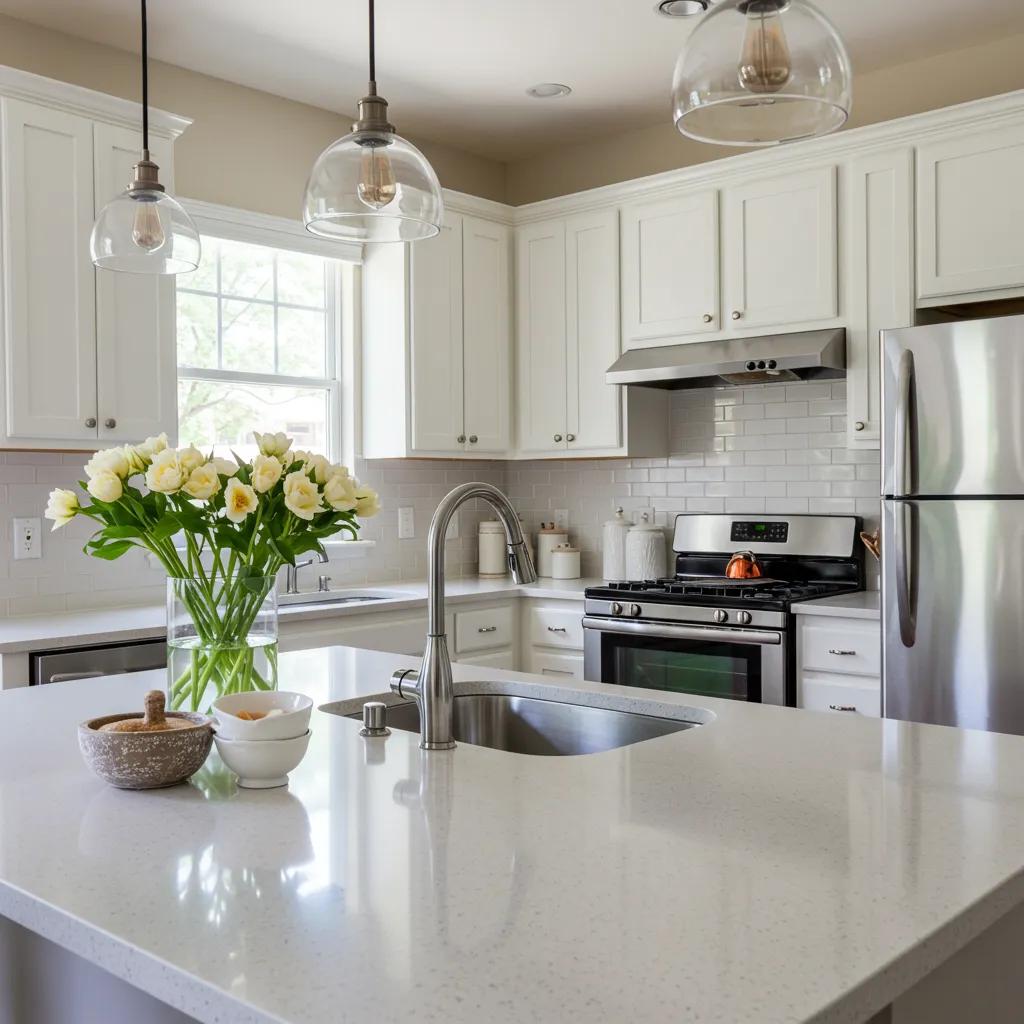
Effective staging focuses on high-impact, low-cost interventions that maximise buyer appeal and listing photos, prioritising living room, kitchen, and master bedroom while preparing a consistent tone across the home. The overall approach is: declutter and depersonalize, neutralise and repair, optimise furniture layout, enhance lighting, and add tasteful accents that suggest lifestyle without imposing. Applying these steps improves online images and open-house impressions, which together shorten time on market and strengthen negotiating position. Below are prioritised, actionable tips sellers can implement quickly to raise perceived value and generate more buyer interest.
How Can You Declutter and Depersonalize Your Home for Staging?
Decluttering and depersonalizing begin with a room-by-room purge of excess items: remove family photos, religious items, and personalised collections that limit buyers’ ability to visualise themselves in the space. Pack non-essential items into storage boxes or temporary off-site storage to create spacious, airy rooms; this also makes the home appear better maintained. For culturally sensitive items common in Pakistani households, retain respectful choices but present them minimally—move heirlooms to a single, tidy area rather than displaying them throughout. The result is a neutral, inviting presentation that supports professional photography and better buyer imagination during viewings.
Which Rooms Should Be Staged First and Why?
Prioritise the living room, kitchen, and master bedroom because these rooms most influence a buyer’s emotional and rational assessment of livability and comfort. The living room sets the first impression and demonstrates flow and scale; kitchens impact perceived value through cleanliness and functionality; master bedrooms confirm primary living quality and storage. Secondary rooms and outdoor spaces contribute to overall value but are lower priority for immediate staging budgets. Focusing first on these three rooms yields the strongest return on staging investment and improves listing photos for initial online engagement.
Introductory table: room priorities and key staging actions are compared below to guide practical decisions.
What Are Budget-Friendly Home Staging Ideas for Pakistani Sellers?
Budget-friendly staging uses local markets and repurposed items to modernise spaces without large expenditures. Small but visible upgrades—neutral paint refreshes, retextiling with affordable throws and cushions, strategic rearrangement of existing furniture, and local textile accents—can transform rooms for minimal cost. Sourcing inexpensive decor from nearby bazaars or reusing well-maintained furniture from other rooms reduces rental needs, and simple fixes like polished hardware, bright bulbs, and cleaned windows greatly improve photos. These approaches respect cultural preferences while achieving a neutral, marketable presentation that appeals to a broad buyer pool.
How Can You Use Lighting and Furniture Arrangement to Enhance Appeal?
Optimise natural light by cleaning windows, replacing heavy curtains with light sheers, and using mirrors to amplify brightness. Layer artificial lighting—overhead, task, and accent—to create depth and eliminate shadows; swap bulbs for warmer, higher-lumen options where appropriate. Furniture arrangement should create conversational groupings and clear circulation paths that reveal room function and scale; rugs and art define areas and anchor layouts. Together, improved lighting and considered placement make rooms look larger, more cohesive, and ready-to-live-in, which enhances listing photography and in-person impressions.
How Much Does Home Staging Cost and What Is the Expected ROI?
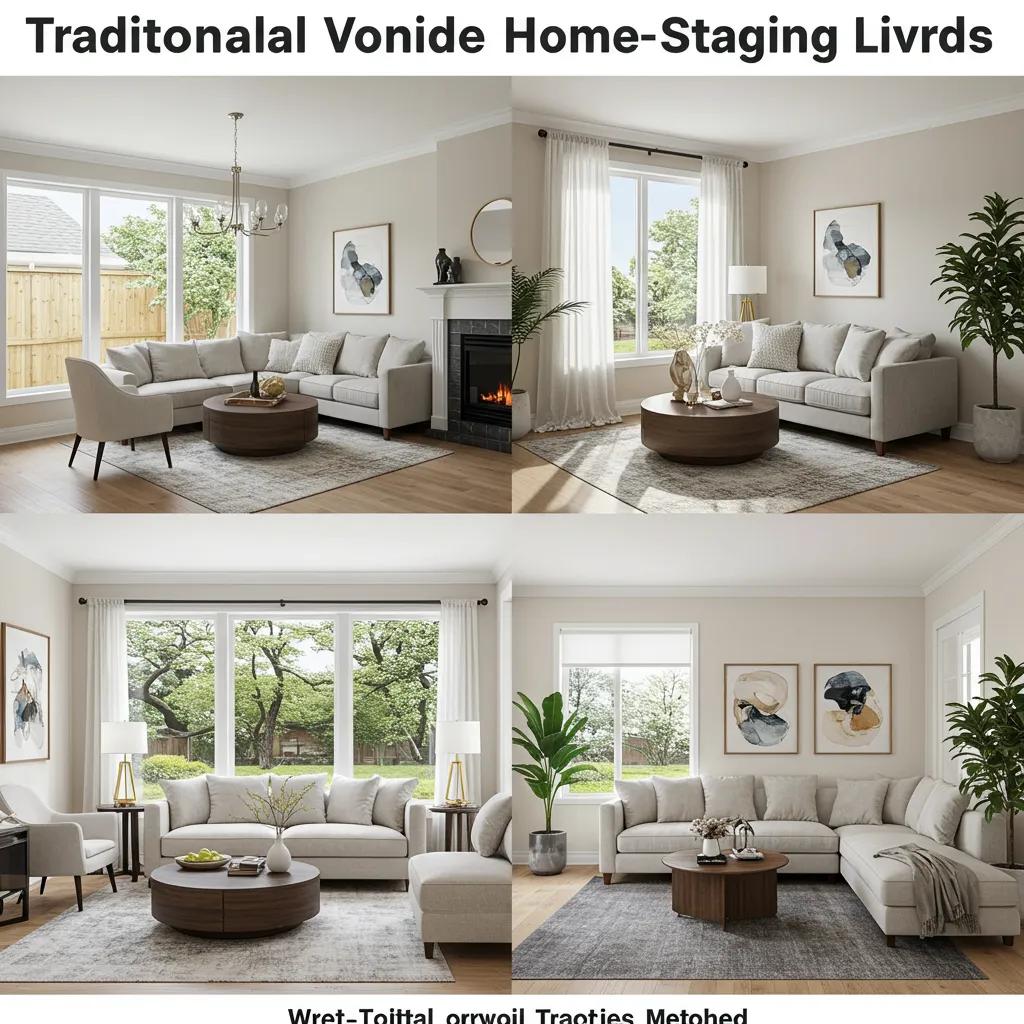
Costs vary by approach—traditional full-service staging, virtual staging, and DIY staging—with different turnaround times, visibility impacts, and ROI profiles. Traditional staging includes consultation, furniture rental, styling and photography coordination and typically requires higher upfront fees but supports in-person viewings. Virtual staging is faster and less costly, improving listing photos for online marketing while offering limited in-person impact when properties are vacant. DIY staging is the most budget-conscious route, relying on seller time and local sourcing to implement changes. The table below compares common approaches to help sellers choose based on budget and sales goals.
Introductory comparison table of staging methods:
What Are Typical Home Staging Cost Ranges in Pakistan?
Typical staging cost bands depend on property size, city, and scope: small interventions (paint, declutter, lighting) are low-cost, partial staging with rented furniture is moderate, and full-service staging for high-end listings is higher. Factors that push cost up include the need for furniture rental, long staging duration, and extensive repairs. While local market variability is significant, sellers can often achieve meaningful improvements with modest budgets by focusing on the high-impact rooms described earlier. Understanding these bands helps set realistic expectations for staging investment relative to expected market uplift.
How Does Virtual Home Staging Compare to Traditional Staging Costs?
Virtual staging replaces or enhances photography through digital furniture and styling, typically costing a fraction of physical staging and delivering fast turnaround for online listings. Its strength lies in improving first-impression photos, which drive clicks and enquiries; however, virtual staging does not change in-person perceptions and must be disclosed appropriately where required. For vacant properties, virtual staging is often the most economical way to present furnished-lifestyle images without furniture rental logistics. Sellers should weigh the photo-driven benefits against the need for consistent in-person presentation during viewings.
What Is the Average Return on Investment for Home Staging?
Industry reporting frequently suggests staging delivers multiple times its cost in increased offers or faster sales, with commonly cited ROI ranges spanning several-fold returns (often reported as 5–10× in comparative analyses). Calculating ROI for an individual listing involves comparing incremental sale price or reduced holding costs to staging expenses; for example, a modest staging fee that shortens time on market by several weeks can reduce finance and maintenance costs while attracting higher offers. While outcomes vary by market and listing quality, staging consistently functions as an investment in marketing that shifts buyer perception and often yields a net financial benefit.
When Should You Hire a Professional Home Stager vs. DIY Staging?
Deciding between professional staging and DIY depends on listing goals, budget, property condition, and time constraints: professionals are recommended for vacant homes, high-end listings, or sellers who lack time or staging experience, whereas DIY is suitable for budget-conscious sellers with available time and a clear staging plan. Professional stagers offer consultation, furniture rental, styling, and photographer coordination, delivering polished results that support premium positioning. The table below summarises approaches to help sellers make an informed choice based on cost, time, and pros/cons.
Introductory decision table for choosing an approach:
What Services Do Professional Home Stagers Offer?
Professional stagers typically provide an initial consultation and staging plan, partial or full furniture rental, on-site styling, accessory sourcing, and coordination with photographers and agents to ensure market-ready presentation. They may also advise on small repairs or paint choices and provide a checklist for ongoing maintenance during listing. Deliverables often include a room-by-room plan, installed furnishings, and follow-up de-staging. These services save sellers time and combine design expertise with market knowledge to create listings that photograph and show well, which is particularly valuable in competitive or higher-price-tier markets.
How to Choose the Right Home Staging Service in Pakistan?
Choose a stager by reviewing portfolios and before/after photos, checking transparent pricing and scope of services, and requesting local references that confirm turnaround times and results for similar properties. Ask for clear contracts that specify rental durations, insurance for rented items, and responsibilities for wear-and-tear. Local market familiarity is crucial: effective stagers understand buyer preferences in Karachi, Lahore, or Islamabad and can adapt presentation to regional expectations. For further local resources and potential follow-up reporting, consult ARY News’ LifeStyle and Business sections, which track market trends and spotlight local service providers.
What Are the Benefits of Virtual Home Staging Services?
Virtual staging is cost-effective and quick, transforming vacant-room photos into furnished, styled images that drive online engagement and increase listing clicks. It is ideal when time is short or when furniture rental is impractical, and it reduces upfront logistics and delivery coordination. Limitations include mismatch risk between online images and in-person reality and varying quality across providers, so choose vendors with realistic renderings and clear use policies. Virtual staging often complements physical improvements and should be used thoughtfully as part of a broader listing strategy.
What Are the Latest Home Staging Trends for 2025?
Trends for 2025 emphasise a blend of minimalist, sustainable, and biophilic elements that signal modernity while keeping spaces adaptable for multiple uses. Minimalist staging uses neutral palettes and multipurpose furniture to suggest space and flexibility, while sustainability favours locally sourced materials and durable textiles that resonate with eco-aware buyers. Biophilic touches—indoor plants, natural textures, and daylight optimisation—improve perceived airiness and wellbeing in staged homes. These trends shape staging choices that prefer functionality, low visual clutter, and authenticity, all of which align with buyer preferences and efficient marketing.
How Are Minimalist and Sustainable Designs Shaping Home Staging?
Minimalist design prioritises space, neutral colour schemes, and multipurpose furniture to communicate flexibility and modern living, which helps buyers see how rooms can adapt to different needs. Sustainable staging emphasises second-hand or locally produced decor, low-VOC paints, and natural textiles, reducing cost and aligning with eco-conscious buyer values. These approaches often overlap: simplifying possessions reduces waste and expense while creating calmer, more appealing images for listings. Adopting minimalist sustainability can lower staging costs and increase broad buyer appeal without sacrificing perceived quality.
What Role Do Biophilic Elements and Multi-Functional Spaces Play?
Biophilic design—integrating plants, natural materials, and daylight—enhances perceived airiness and a connection to nature, which buyers increasingly value for wellbeing and comfort. Multi-functional spaces, enabled by flexible furniture and clear zoning, demonstrate a home’s adaptability for remote work, family use, or leisure, expanding buyer relevance. Simple, inexpensive additions such as potted plants, woven textures, and convertible furniture pieces effectively communicate these qualities in photos and viewings. These tactics improve both emotional engagement and practical assessment of a property’s livability.
How Is Virtual Home Staging Transforming the Real Estate Market?
Virtual staging, powered by advanced 3D rendering and AI, accelerates listing preparation and reduces upfront cost for marketing, enabling sellers to present aspirational interiors quickly. Improved realism in renderings increases click-through rates on listings and helps properties compete visually in crowded marketplaces where first impressions are digital. Adoption is growing as agents and sellers prioritise online presentation, though quality control and ethical disclosure remain important. Virtual staging therefore complements physical improvements and is reshaping how properties are marketed, especially for vacant or hard-to-furnish listings.
How Does Home Staging Impact the Pakistani Real Estate Market?
Local staging practices must adapt to cultural norms, housing stock, and buyer expectations in Pakistani cities, where family-centric layouts, traditional furnishings, and privacy considerations influence presentation choices. Staging impacts sales by aligning a property’s images and in-person experience with buyer preferences in Karachi, Lahore, and Islamabad—urban apartments often benefit most from scale and light optimisation, while suburban homes gain from showing functional outdoor spaces and family flow. ARY News, as an information hub, highlights localised reporting that helps sellers understand these market nuances and follow emerging trends relevant to Pakistani readers. The following subsections explore cultural considerations, city-specific differences, and how to identify local staging professionals.
What Are the Cultural Considerations for Home Staging in Pakistan?
Cultural considerations include respecting family heirlooms, religious items, and gendered spaces while still neutralising presentation for broad market appeal; heavy ornamentation may need selective simplification rather than complete removal. Sellers can preserve cultural identity by staging a small, tasteful area that hints at tradition while keeping principal sale spaces neutral to allow buyer imagination. Privacy considerations—such as modesty in bedroom presentation—should be balanced with the need to showcase function and space. Culturally sensitive staging improves buyer comfort without compromising the visual clarity required for effective marketing.
How Does Staging Affect Property Sales in Major Pakistani Cities?
Staging effectiveness varies by city: in dense urban markets like Karachi, optimising perceived space and light in apartments is crucial, while in Lahore and Islamabad, buyers may prioritise room proportions, outdoor areas, and modern finishes. Price sensitivity differs across neighbourhoods; modest, targeted staging often suffices in mid-market bands, whereas higher-end listings benefit from full-service staging that accentuates premium features. Tailoring staging to city-specific buyer profiles helps properties stand out in local listings and ensures marketing investments align with likely returns.
Who Are the Leading Pakistani Experts and Professionals in Home Staging?
Leading local experts are typically designers, real estate stylists, and agencies with portfolios demonstrating before/after photography and knowledge of city market preferences. When sourcing professionals, review portfolios, ask for local references, and ensure transparency on rental and installation logistics. ARY News may follow up with feature profiles and interviews to connect readers with reputable practitioners and to document emerging service trends; this kind of reporting supports informed hiring decisions and highlights case studies relevant to Pakistani sellers.
What Are Common Questions About Home Staging?
Sellers frequently ask about staging timelines, DIY feasibility, room priorities, and whether staging is worth the investment. Short, direct answers help match expectations with practical action: staging can take days to weeks depending on scope, DIY can succeed with discipline and a checklist, prioritise living room/kitchen/master bedroom, and staging often yields net benefits when measured against faster sales and stronger offers. Below are concise Q&A items designed for quick decision-making and to guide readers toward deeper sections above for full details.
How Long Does It Take to Stage a Home Effectively?
Effective staging timelines range from a few days for declutter and light refreshes to one to two weeks for full-service staging with furniture rental and photography coordination. Virtual staging for online photos can be completed within days, while sourcing rentals or completing repairs may extend the schedule. Factors that affect timing include property condition, availability of rental inventory, and needed repairs. Plan staging early in the marketing calendar to ensure high-quality listing photos and coordinated open-house scheduling.
Can I Stage My Own Home Successfully?
Yes, many sellers can stage their own homes successfully by following a clear checklist: declutter, depersonalize, repair visible issues, optimise lighting, and arrange furniture to show scale and flow. DIY staging requires time, objectivity, and a willingness to move or store personal items, plus simple styling skills to create cohesive visuals. For complex properties, vacant homes, or high-end listings, professional support is recommended. Learn the core techniques first and consider professional help for photography or final styling if results need to be elevated.
What Rooms Should Be Prioritized in Home Staging?
Prioritise the living room, kitchen, and master bedroom, because these rooms most influence buyer decisions and perceived value. The living room establishes first impressions, the kitchen signals functionality and maintenance, and the master bedroom confirms primary living comfort. Secondary bedrooms, bathrooms, and outdoor spaces are important but generally yield lower incremental returns compared with the top three rooms. Focus staging resources on these priority areas for the largest market impact.
Is Home Staging Worth the Investment?
Home staging is generally worth the investment when it shortens time on market, increases buyer interest, and produces higher-quality offers; industry reporting commonly cites multi-fold returns relative to staging costs. Financial ROI should be weighed against reduced holding costs and faster closing timelines, while non-monetary benefits include stronger listing presentation and improved negotiation power. Sellers should match staging scope to property value and local market expectations to ensure the investment aligns with likely returns.
1. Top staging actions to prioritise:
- Declutter and depersonalize main living areas.
- Brighten rooms with natural and layered lighting.
- Stage the living room, kitchen, and master bedroom first.
2. Quick DIY checklist:
- Remove excess items and clear counters.
- Repair or touch up visible defects.
- Use neutral textiles and simple plants to add warmth.
3. When to call a pro:
- Vacant homes, high-end listings, or limited personal time.
This article has presented a balanced, localised guide to home staging that integrates practical tactics, cost comparisons, and cultural considerations for Pakistani markets, framed as an informational resource consistent with ARY News’ role as a content hub for lifestyle and real estate reporting.
Conclusion
Home staging is a powerful strategy that enhances property appeal, accelerates sales, and maximizes perceived value, particularly in competitive markets. By implementing effective staging techniques, sellers can significantly improve buyer engagement and achieve higher offers. Understanding the nuances of local buyer preferences and staging trends is essential for making informed decisions. Start your home staging journey today by exploring our expert resources and tips tailored for the Pakistani real estate market.