Men’s Fashion Trends 2025 and Style Tips for Pakistani Men
Pakistan’s menswear scene in 2025 blends global shifts—relaxed tailoring, sustainability, and a renewed interest in formalwear—with local traditions like shalwar kameez and kurta that are being reinterpreted for younger audiences. This article explains the dominant trends shaping men’s fashion this year, offers practical how-to guidance for mixing traditional and western pieces, and delivers hands-on tips for students and professionals seeking affordable elegance. ARY News covers lifestyle and culture with timely, data-informed reporting, and this piece reflects that remit by linking trend analysis to Pakistani retail realities and runway signals. Readers will find clear style rules, capsule wardrobe lists, grooming routines, and market-aware advice including how local brands and designers influence mainstream adoption. Across the sections that follow we examine key 2025 trends, fusion approaches for traditional wear, western wardrobe essentials, style rules for elegance, sustainability actions, leading designers and icons, and essential grooming routines tailored to Pakistan’s climates and occasions.
What Are the Key Men’s Fashion Trends for 2025?
Key men’s fashion trends for 2025 centre on relaxed tailoring, elevated basics, a sustainability pivot, and the re-emergence of formal suits updated with modern cuts and fabrics. Relaxed silhouettes replace ultra-slim fits for everyday wear, while elevated basics—clean tees, robust denim, and neutral outerwear—anchor capsule wardrobes for young men working on constrained budgets. Sustainability is now a purchase criterion: fabrics, repairability, and longer garment lifespans influence choices, especially among eco-aware youth. Power suits return in deconstructed or relaxed forms, offering ceremony-ready options for weddings and offices without compromising comfort. These trends translate into practical styling rules for Pakistan: choose breathable fabrics for summer, layer lighter pieces for northern winters, and prioritize tailoring to adapt global shapes to local body types and climates.
Different 2025 trends can be compared clearly to help readers choose the right options for occasions and budgets.
This comparison helps readers scan the trade-offs between silhouette, fabric, and occasion so they can prioritize purchases that match local needs and budgets.
How Is Relaxed Tailoring Shaping Men’s Style in 2025?
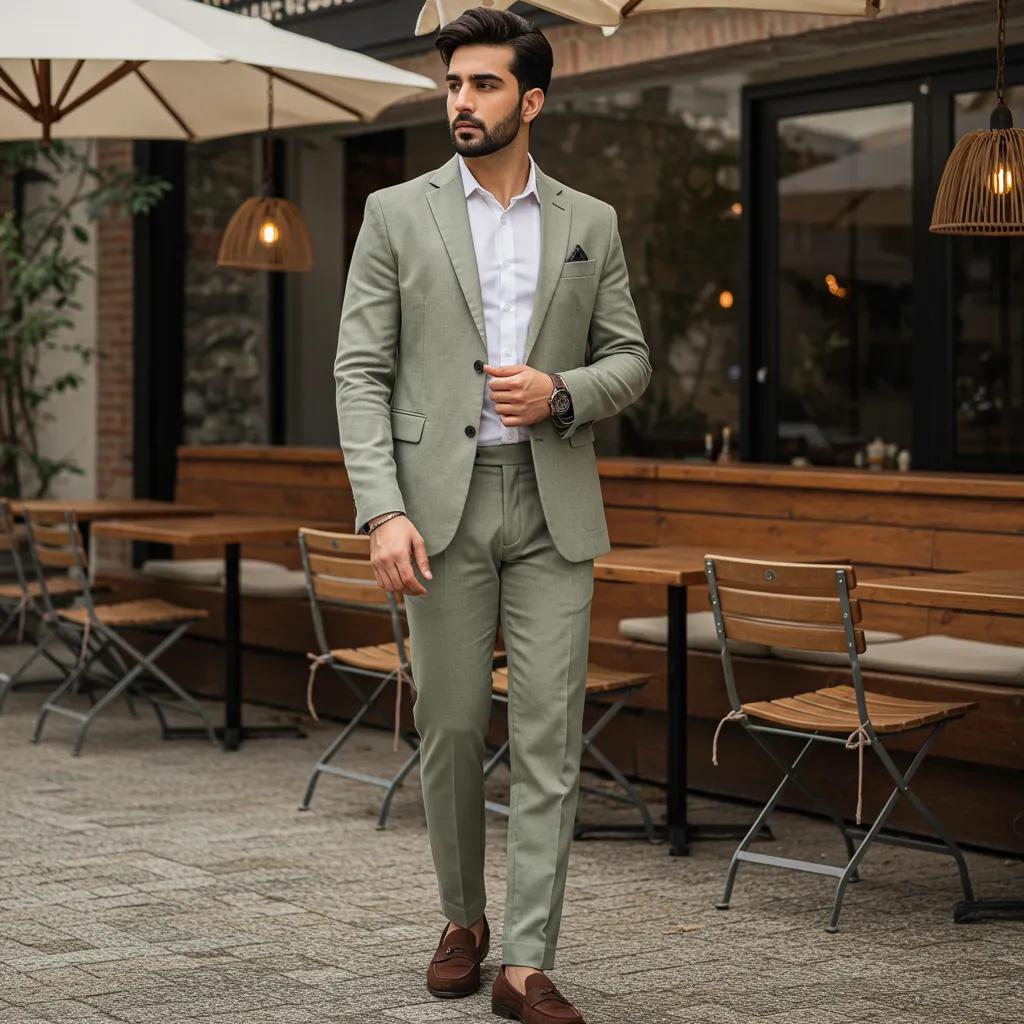
Relaxed tailoring redefines fit by offering more room through the chest and thigh while maintaining a considered silhouette, which improves comfort without sacrificing polish. The mechanism is simple: softer canvases and reduced shoulder padding create garments that drape naturally, making them better suited to prolonged wear in varied climates.
For Pakistani men, relaxed tailoring pairs well with breathable fabrics such as lightweight wool blends and linen mixes, allowing formal looks to work in warmer cities. When requesting a tailor, specify a straighter trouser line and a lower-button stance to achieve the relaxed effect while keeping proportions balanced. Understanding relaxed tailoring encourages men to choose garments that balance ease and structure, leading naturally to choices about color and fabric that suit seasonal needs.
Which Colors and Fabrics Define Men’s Fashion This Year?
2025 favours earthy tones—olive, sand, muted terracotta—offset by occasional bold accents like cobalt or marigold for statement pieces, creating palettes that suit both urban and traditional settings. Fabrics skew toward natural and technical blends: organic cotton and linen for breathability, lightweight wool for draped suiting, and recycled polyester for durable outerwear that handles monsoon conditions. For Pakistani climates, the rule is to prioritise breathability in summers and layered wool-blends in cooler regions, while selecting colors that harmonise with cultural events—muted neutrals for daytime eid gatherings and deeper tones for evening weddings. Durability and easy care are also trend attributes; garments that stand up to frequent wear and laundering appeal to students and young professionals on budgets. These fabric and color choices support a wardrobe strategy focused on versatility and long-term value.
Why Is Sustainability Important in Modern Men’s Fashion?
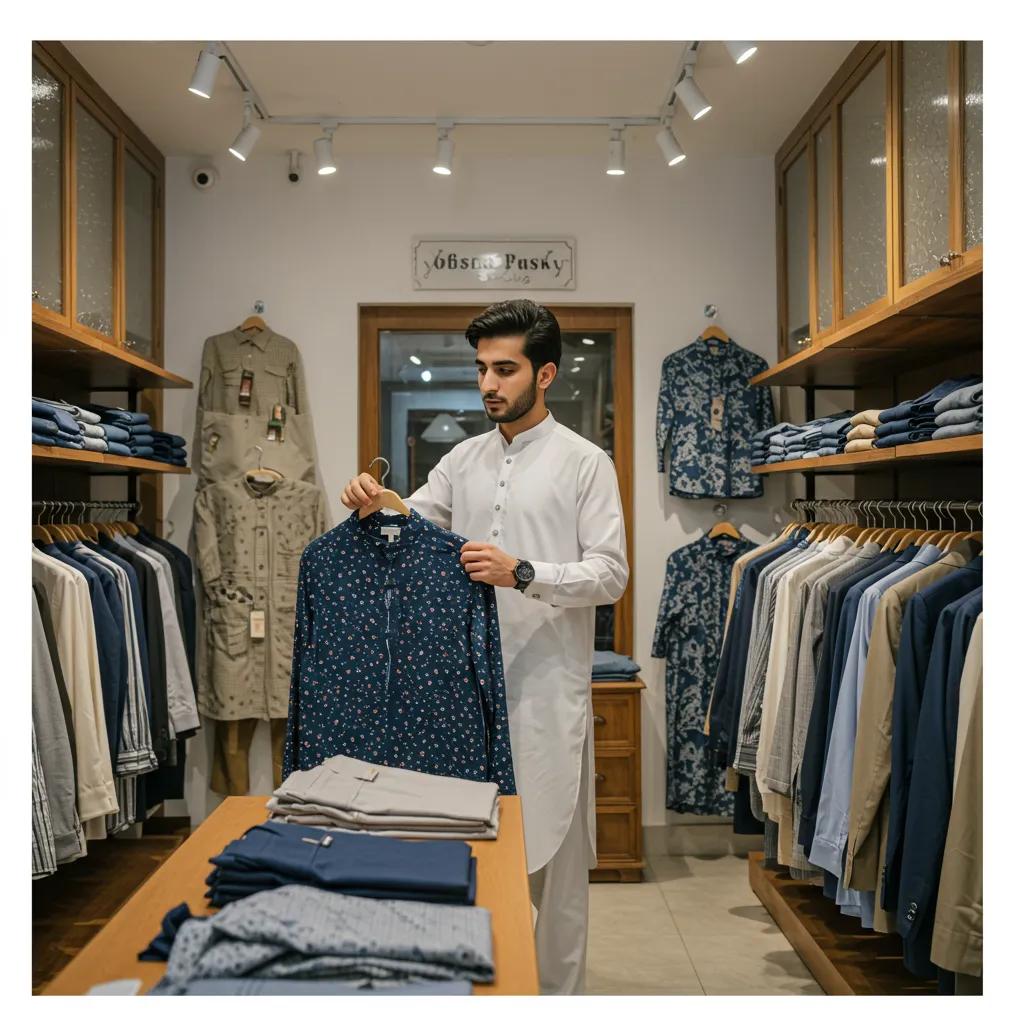
Sustainability in menswear reduces environmental impact by shifting choices toward longer-lasting materials, lower-water manufacturing, and repairability, which benefits consumers and the planet alike. The reason it matters now is twofold: younger buyers prioritize ethical production and brands increasingly disclose sourcing practices, which affects market availability and pricing. In Pakistan, practical sustainability means choosing breathable organic fabrics for summers and supporting local tailors who repair and alter garments to extend lifespans. Consumers can act by buying fewer but higher-quality pieces, learning basic repairs, and choosing brands that publish clear sustainability attributes. Embracing sustainability not only lowers wardrobe churn but also aligns personal style with values, which strengthens the statement that fashion can be both expressive and responsible.
Sustainable Fashion Trends in Pakistan’s Textile Industry
The textile and apparel industry in Pakistan, which was formerly a major player in the world’s apparel production, is going through a vibrant change. A growing concern for the environmental and social impact of fashion is driving a change toward more sustainable techniques, whereas the previous focus has been on affordability and rapid fashion. This chapter examines the major elements shaping this change, emphasizing both the encouraging improvements and the persistent difficulties. It explores the dynamic landscape of sustainable consumption and production within Pakistan’s flourishing textile and apparel industry. As a vital component of the nation’s economy, the sector faces environmental challenges restricting its rapid growth. The chapter navigates through the historical evolution of the textile industry, emphasizing the important moments that triggered a paradigm shift toward sustainability. From regulatory frameworks and circular economy initiatives to innovations in production and consumer preferences, the chapter explores diverse sides of the industry’s sustainable transformation. Highlighting collaborative efforts, ethical labor practices, and educational initiatives, the narrative underscores the holistic approach required for lasting change. The chapter concludes by envisioning a future where Pakistan’s textile industry not only sustains economic growth but also pioneers environmentally conscious practices, contributing to a greener and more responsible global textile landscape.
How Can Pakistani Men Incorporate Traditional Wear into Modern Fashion?
Blending traditional garments like shalwar kameez and kurta with contemporary western pieces creates a versatile wardrobe that respects cultural heritage while feeling modern and youthful. The method is to treat traditional items as base layers—pair a shorter kurta with tapered trousers or wear a neutral shalwar kameez with minimalist sneakers—to create hybrid looks that suit street, office, or celebration settings. Young men are shortening kurtas, opting for muted embroideries, and integrating textured fabrics to bridge formality levels. Accessories and footwear choices, such as khussa for weddings or leather sandals for casual gatherings, complete the fusion and help manage formality. Practical advice focuses on proportion, fabric choice, and purposeful layering so traditional pieces become adaptable rather than occasion-limited.
Many readers prefer step-by-step guidance to try fusion looks at home, so the following list outlines simple ways to modernize traditional wear.
- Shorten the kurta hem: A mid-thigh length modernizes the silhouette without losing cultural identity.
- Pair with tapered trousers or jeans: Balance volume in the top with slimmer bottoms for contemporary shape.
- Choose muted embroideries and neutral colors: Subtle detailing makes a kurta versatile for day and night.
- Mix footwear by occasion: Khussa or leather sandals for formal settings, clean sneakers for casual fusion.
Pakistani Fashion Fusion: Integrating Traditional Patterns on Western Wear
Sartorial synthesisis blending the elements of different cultures and traditions in fashion statements to create aesthetic and innovative designs. The study explores dynamic surface of cross-cultural fusion in Pakistani Fashion by focusing on the integration oftraditional surface patterns, motivations, techniques and acceptance of Pakistani culture on the western ready-to-wear silhouettes. The literature expresses the identity of culture with design innovations and research gaps. It provides the understanding of various practices and perspectives of designers and artists working on the cross-cultural fusion fashion. The objectives include the identification of factors, reasons, key patterns and techniques used by the selected brand, i.e.:Rastah, Nukta and Farmaish.The acceptance of fusion fashion is analyzed by identifying the evolution, continuation or declination of the trend. Methodology involves the analysis of creative process, strategies, challenges and processes i
What Are the Latest Shalwar Kameez and Kurta Styles for Men?
Modern shalwar kameez and kurta styles in 2025 favor cleaner silhouettes and lighter embellishment, with designers trimming excessive embroidery in favor of texture and cut. The defining features include tapered shalwars, shorter kurta lengths, stand collars, and hidden plackets that give a minimalist, contemporary impression suitable for both formal and casual settings. Fabrics shift seasonally—cotton and lawn for summer, silk blends and lightweight wool for ceremonies—ensuring comfort across Pakistan’s climate zones. Young men embrace subtle variations like chest yokes, narrow cuffs, and layered jackets that transform a traditional set into a modern ensemble. These stylistic updates make traditional outfits more accessible to younger consumers who want culturally rooted clothing that works for everyday life.
How Has Traditional Wear Evolved for Young Pakistani Men?
Traditional wear’s evolution among younger men is driven by social media and street-style adaptation, leading to hybrid looks that mix kurta tops with denim or short kurtas with chinos. The mechanism is cultural remixing: influencers and campus looks normalize pairing traditional garments with casual western items, creating affordable, aspirational templates that spread quickly. Budget-conscious adaptations—buying simpler kurtas and customizing at local tailors—allow students to replicate runway-informed looks without premium prices. This trend democratizes traditional fashion, making it a living style choice rather than ceremony-only attire, and it encourages experimentation with layers and accessories that keep looks fresh. Younger men therefore gain a flexible wardrobe that honors tradition while fitting modern routines.
Pakistani Men’s Fashion: Blending Traditional and Western Styles
Pakistan’s traditionalists and modernists hold opposing political, religious, social and nationalist views creating a constant tension within the culture. This tension creates a fashion industry with two extremes, one side reflecting traditional influences and the other reflecting western trends. I address the tension by analysing the craft and context of traditional Pakistani men’s clothing and incorporating traditional construction techniques into garments that reflect aspects of both points of view. In a series of five looks, I extract from influences like Persian, North Indian, Afghani, Colonial and Neo-Colonial, to generate hybridized garments that offer a new perspective, blending traditional elements with the global vocabulary of fashion.
Which Accessories Complement Traditional Pakistani Men’s Clothing?
Accessories for traditional outfits range from classic khussa and leather sandals to minimal watches and shawls, each shifting the outfit’s formality and cultural tone. Footwear sets the base: polished khussa elevates a wedding outfit, while leather sandals or loafers create a smart-casual bridge. Shawls and stoles introduce texture and warmth for cooler evenings, whereas discreet brooches or lapel pins add ceremony without ostentation. For everyday fusion, a clean leather watch and a simple belt (when appropriate) keep the look grounded and practical. Choosing accessories that match the outfit’s material and occasion enhances coherence and lets men control how formal or relaxed a traditional look appears.
What Are the Top Western Wear Trends for Pakistani Men in 2025?
Western wear trends adapted to Pakistan in 2025 emphasize smart casual blends, elevated basics, and practical outerwear suited to varied climates. The blueprint is to build from reliable capsule pieces—white shirts, chinos, denim—then layer relaxed blazers or lightweight jackets for offices and events. Local brands influence availability and price, making trend-forward cuts accessible to youth while tailors adapt fits to regional preferences. Smart casual is less about strict rules and more about coherent combinations: a well-fitting blazer, structured shirt, and clean footwear can translate across campus, office, and evenings. Climate-aware fabric choices are essential, with linen blends in summer and medium-weight wool blends for northern winters.
To help readers construct smart-casual outfits, the following list lays out simple outfit formulas and what to prioritize when shopping.
- Blazer + Chinos + Loafers: Ideal for semi-formal offices and dinner events.
- Crisp Shirt + Dark Denim + Minimal Sneakers: Day-to-night outfit for social settings.
- Lightweight Knit + Tailored Trousers + Boots: Layered option for cooler regions and evenings.
Before diving into specific items, a quick reference table outlines essential western wardrobe pieces and how to style them for Pakistan.
How to Master Smart Casual Looks for Pakistani Men?
Mastering smart casual outfits in Pakistan relies on proportion, fabric selection, and simple outfit formulas that transition across settings with minimal effort. The core mechanism is mixing structured pieces like blazers with relaxed items such as chinos or clean denim, then choosing breathable fibers that suit local temperatures. For daytime events or offices, prioritize natural fibers and lighter colors; in the evenings, introduce deeper tones and a more structured jacket to elevate the look. Pay attention to fit—shoulders and waist define how tailored a piece appears—and use accessories sparingly to maintain a modern, uncluttered aesthetic. By focusing on these fundamentals, men can assemble looks that are both contemporary and culturally appropriate.
What Are the Essential Wardrobe Basics for Men’s Western Wear?
A capsule of essentials allows maximum outfit combinations with minimal spend: a white shirt, neutral tees, dark denim, chinos, a neutral blazer, and simple footwear form the backbone of most wardrobes. These items function as hypernyms for many outfits—shirts become daywear, blazers become event pieces—so invest in fit and fabric rather than trends. For Pakistan, choose cotton and linen for summer basics and medium-weight wool blends for cooler months, balancing breathability with structure. Prioritize tailoring for cheap garments: small adjustments at a local tailor can transform off-the-rack pieces into flattering staples. This approach keeps costs low while maximizing style impact for students and young professionals.
How Do Pakistani Brands Like Cougar and Royal Tag Influence Men’s Fashion?
Local brands such as Cougar and Royal Tag play a pivotal role in translating global trends into affordable, mass-market products accessible to Pakistani youth and students. Their influence lies in offering trend-aware cuts and seasonal collections at price points that encourage adoption across cities, shaping what appears in marketplaces and on social feeds. These brands often push basic categories—tees, denim, casual shirts—that become the foundation for elevated looks when paired with tailored pieces. By responding quickly to runway cues and youth preferences, local brands accelerate trend diffusion from fashion weeks and editorials into everyday wardrobes. Understanding brand roles helps consumers select where to invest versus buy fast-fashion basics.
What Are the Best Men’s Style Tips for Dressing Elegantly in Pakistan?
Dressing elegantly in Pakistan hinges on fit, fabric, grooming, and restrained accessorizing—principles that outlast seasonal trends and translate across contexts from offices to weddings. The reason these elements matter is practical: proper fit communicates polish, quality fabrics provide comfort across climates, and grooming completes the visual statement. Young men should focus first on tailoring and proportion, then curate a small selection of accessories that elevate without overpowering an outfit. Seasonal adjustments—lighter linens for summer, layered wools for winter—ensure elegance remains comfortable and functional. These style rules provide a repeatable framework that helps readers look intentional and well-dressed without excessive expense.
A concise checklist helps men prioritise steps when refining their look.
- Prioritise fit: Adjust shoulders and sleeve length first to improve garment appearance.
- Choose quality fabrics: Breathable and durable materials enhance comfort and longevity.
- Limit accessories: One or two well-chosen pieces maintain elegance without clutter.
- Maintain grooming: Clean hair, trimmed facial hair, and skincare improve overall presentation.
Why Is Tailoring Key to Men’s Style Success?
Tailoring transforms the relationship between body and garment by correcting proportion issues and creating a silhouette that reads as intentional and refined. The mechanism involves local adjustments—shoulder alignment, waist suppression, hem lengths—that allow off-the-rack clothing to appear bespoke without premium prices. Communicate with tailors using clear reference points: shoulder seam location, sleeve break, and trouser taper, and request basted fittings when possible to test adjustments. For budget-conscious readers, focus alterations on high-visibility items (jackets, shirts) to maximize perceived quality. Investing in basic tailoring creates the appearance of higher-end garments and ensures garments function across various social and professional settings.
How to Accessorize Men’s Outfits for Different Occasions?
Accessorizing should be purposeful: select pieces that complement the outfit’s formality, match materials, and reflect cultural appropriateness to avoid over-accessorizing. For office settings, a clean leather watch and minimal belt are sufficient; for weddings, add a silk shawl or polished khussa to elevate the ensemble. Casual looks benefit from fabric-based accessories such as woven belts or linen scarves that add texture without formality. Avoid mixing too many metals or loud patterns; instead, choose one focal accessory and let the outfit remain the primary statement. Thoughtful accessorizing shifts an outfit’s perceived formality and helps men curate looks suited to specific events.
What Are the Seasonal Style Tips for Men in Pakistan?
Seasonal style in Pakistan requires fabric-first thinking: linen and cotton dominate summer wardrobes while layered wool blends and heavier linens suit cooler northern climates and winter evenings. The approach is to adapt silhouettes—looser fits in heat for airflow, structured layers in cold for insulation—while keeping color palettes seasonally appropriate: lighter neutrals and earthy hues for summer, richer tones for winter. Footwear choices change with seasonality too; breathable sandals or canvas sneakers in heat, leather boots for wetter or colder months. Planning outfits around climate and events (Eid, weddings) ensures men remain comfortable and stylish without compromising cultural expectations. These seasonal templates make dressing simpler across the country’s varied weather.
How Is Sustainability Changing Men’s Fashion Choices in Pakistan?
Sustainability affects men’s fashion choices by shifting purchase priorities from quantity to quality, encouraging repair, and spotlighting fabrics with lower environmental impact that also suit local climates. The mechanism is consumer-driven: awareness of manufacturing and resource usage leads buyers—especially younger demographics—to prefer organic cotton, recycled blends, and brands that disclose practices. In Pakistan, sustainability also means supporting local tailors and repair services to extend garment life and reduce waste, which fits both budget and environmental goals. Practical consumer actions include building a capsule wardrobe, choosing versatile materials for seasonal wear, and learning basic repairs. These steps connect personal style with measurable environmental benefits while keeping wardrobes functional.
Sustainability choices are easier to evaluate when attributes and benefits are laid out clearly in a comparative table.
Which Sustainable Fabrics and Brands Are Popular in 2025?
Sustainable fabrics rising in 2025 include organic cotton, linen, Tencel, and recycled polyester blends, each offering different trade-offs between breathability, drape, and durability. The reasons these fabrics gain traction are clear: they reduce environmental impact, suit regional climates, and often offer better wearer comfort—organic cotton and linen are ideal for Pakistan’s heat, while Tencel provides soft drape for layered looks. Local brands and initiatives that prioritise repair and transparent sourcing also shape availability, helping mainstream sustainability align with everyday wardrobes. Consumers should verify claims through brand disclosures and focus on fabric composition and care instructions to ensure purchases match their climate and longevity expectations.
How Can Men Build a Sustainable and Versatile Wardrobe?
Building a sustainable wardrobe starts with a capsule approach: select 8–12 versatile pieces in durable fabrics that mix across outfits and seasons to reduce total purchases. The practical method is to buy fewer investment pieces (a good blazer, tailored trousers) and combine them with affordable basics from local brands, while using tailoring and repair to extend life. Maintenance matters—proper washing, storing, and seasonal repairs prevent premature disposal and maintain garment appearance. For young men on a budget, prioritize multifunctional items and learn basic mending skills or use local tailors to refresh worn pieces. This strategy balances cost, sustainability, and style needs for Pakistani contexts.
What Role Does Personal Expression Play in Sustainable Fashion?
Personal expression keeps sustainability aspirational and relevant by encouraging individuals to adapt sustainable choices to their own style language rather than copying a template. The core idea is that sustainability need not be austere; recycled or organic pieces can be styled boldly with accessories or layered in creative ways to reflect identity. Examples include upcycling vintage kurtas, dyeing older garments for new life, or mixing repaired pieces with modern cuts to create distinct personal aesthetics. Encouraging experimentation lets youth lead local sustainable movements, turning ethical choices into visible style statements that influence peers. This fusion of identity and sustainability can make responsible fashion desirable and culturally resonant.
Who Are the Influential Fashion Designers and Style Icons in Pakistani Men’s Fashion?
Designers, style icons, and events such as Pakistan Fashion Week shape menswear trends by presenting new silhouettes and gaining media amplification that ripples into retail offerings and social media. Designers experiment with deconstructed suiting and modernized traditional garments, while icons—actors, influencers—translate looks into wearable templates for young audiences. Fashion weeks function as testing grounds where concepts are refined for market adoption, and media coverage accelerates the runway-to-retail cycle. For readers aiming to emulate leading looks, studying designer lines and event reports helps identify which elements will become widely available and which are high-fashion experiments. ARY News-style reporting provides context on how runway trends translate locally and where readers can see practical adaptations.
Profiles of designers and the mechanics of fashion events are useful for understanding where trends originate and how they reach everyday wardrobes.
Which Pakistani Designers Are Leading Men’s Fashion Trends?
Leading Pakistani designers in menswear focus on updating traditional cuts, employing relaxed tailoring, and experimenting with fabric blends to create garments that marry formality and comfort. Signature approaches include pared-back embroidery, novel collar treatments, and hybrid silhouettes that blend kurta and blazer elements, which resonate with younger consumers seeking versatility. These designers influence mainstream retail by inspiring capsule collections and collaborations with local brands that make runway ideas accessible at lower price points. For readers, following designer collections and event coverage highlights which trends are transient and which offer lasting style lessons for wardrobe building. Understanding designers’ specialties clarifies how global trends are interpreted through local craft and taste.
How Do Fashion Weeks and Events Shape Men’s Style in Pakistan?
Fashion weeks and industry events act as accelerators: runway concepts are reported, photographed, and shared across social channels, creating visual templates that retailers and local brands emulate for broader audiences. The translation mechanism involves media coverage and influencer adoption that shorten the lag between high-fashion prototypes and market-ready garments. Events also spotlight fabrics and color palettes that become season cues, prompting retailers to stock similar items and tailors to offer matching services. For consumers, tracking event highlights helps anticipate seasonal trends and identify which runway elements are practical to adopt given local climate and budget constraints. This runway-to-retail loop explains how elevated ideas become everyday outfits.
What Can Young Pakistani Men Learn from Local Style Icons?
Local style icons provide practical, replicable rules: prioritise fit, invest in a few quality pieces, maintain grooming, and adapt high-fashion details sparingly to suit local contexts. The value in studying icons is not imitation but extraction—identify one or two signature elements to incorporate, such as a favored jacket cut or consistent accessory choices. Icons also demonstrate balance between tradition and modernity, showing how to pair cultural garments with contemporary footwear and outerwear. For budget-minded youth, icons’ looks can be deconstructed into affordable components and local-tailoring solutions. Emulating icons in this selective way yields a personalized style that feels current and attainable.
What Are the Essential Grooming Tips for the Modern Pakistani Gentleman?
Grooming elevates even simple outfits by improving how garments sit and how the wearer presents themselves; core practices include skincare, hair maintenance, and beard grooming adapted to climate. The mechanism is cumulative: consistent grooming routines reduce visible wear, keep hair and skin healthy in heat or dry seasons, and complement clothing choices to produce a cohesive appearance.
For different lifestyles—students, office professionals, and busy fathers—tailor routines by time and product selection, focusing on hydration, sun protection, and regular trims. Grooming decisions should align with fashion choices: a clean, minimal grooming aesthetic pairs naturally with relaxed tailoring and sustainable wardrobes. Practical grooming supports style by ensuring outfits look intentional and well-maintained.
Daily habits and simple product categories can make grooming manageable, so the following list outlines core routines and why they matter.
- Daily cleansing and moisturising: Keeps skin hydrated and reduces shine in hot climates.
- Regular haircuts every 4–8 weeks: Maintains shape and complements outfit proportions.
- Beard trims and maintenance: Define facial lines and prevent untidy appearance.
- Sunscreen and hydration: Protects skin and preserves garment appearance by reducing oil transfer.
Which Grooming Practices Enhance Men’s Style and Confidence?
Core grooming practices—consistent skincare, precise haircuts, and regular beard trims—directly affect perceived neatness and professionalism, which in turn amplify clothing choices. The reason these practices matter is visible: well-maintained hair and skin frame the face and let clothing details stand out, while unmanaged grooming can undermine even tailored outfits. For Pakistan’s climate, emphasise lightweight moisturisers, mattifying products for oily skin, and water-resistant sunscreens to protect both skin and appearance. Simple weekly rituals like exfoliation and at-home beard shaping produce outsized benefits relative to time invested. Investing in a few reliable grooming habits yields immediate confidence gains that enhance every outfit.
How Do Grooming Trends Align with Men’s Fashion in 2025?
Grooming trends in 2025 trend toward natural, well-kept aesthetics that pair with relaxed tailoring and sustainable wardrobes, reinforcing an overall look of effortless refinement. The alignment works because minimal grooming complements softer silhouettes and understated outfit palettes, creating coherence between appearance and clothing. Facial hair styles lean toward neatly trimmed beards or clean-shaven looks, while haircuts favour natural texture and manageable lengths that suit everyday maintenance. This grooming minimalism also supports sustainability: lower product usage and simpler routines reduce waste and align personal care with broader ethical choices. Matching grooming to wardrobe philosophy creates a unified personal brand that reads as thoughtful and modern.
What Are the Recommended Products and Routines for Pakistani Men?
Recommended product categories include a gentle daily cleanser, lightweight moisturiser with SPF, a reliable shampoo, beard oil for conditioned facial hair, and a versatile styling product for hair control; choose non-comedogenic formulations for hot climates. Routine templates vary by time availability: a quick daily routine (cleanser, SPF), a standard routine (cleanser, moisturiser, weekly exfoliation), and an advanced routine (add targeted serums and grooming appointments). For students and busy professionals, prioritise SPF and hydration to manage sun exposure and pollution, while reserving in-depth treatments for weekly care. These product categories and routines are practical, climate-aware, and designed to support the style principles outlined throughout this guide.
For ongoing coverage of men’s fashion trends, designer shows, and practical style advice tailored to Pakistani audiences, follow ARY News’ Lifestyle reporting, which provides timely, AI-supported analysis and curated updates on the trends and market signals discussed here. This article reflects ARY News’ mission to inform readers with accurate, culturally grounded fashion insight and invites readers to share looks, questions, and local experiences to keep the conversation current and community-driven.
Conclusion
Embracing the latest men’s fashion trends in Pakistan allows individuals to express their unique style while honoring cultural heritage. By integrating relaxed tailoring, sustainable fabrics, and modern silhouettes, men can create versatile wardrobes that cater to both tradition and contemporary needs. Understanding these trends not only enhances personal style but also supports local designers and sustainable practices. For more insights and to explore the latest collections, visit our fashion section today.