Essential Fitness Tips and Effective Workout Routines for Beginners and Home Plans
Getting fit starts with practical, evidence-informed habits and workout routines that match your experience, schedule, and available equipment. This guide delivers concrete fitness tips, structured workout routines, and home-friendly plans so beginners can build strength, burn fat, and improve mobility with clear progressions. Many readers struggle to translate research-backed exercise and nutrition principles into daily practice; this article breaks those barriers by showing how to design safe sessions, choose realistic equipment, and combine cardio, strength, flexibility, and recovery for measurable results. You will learn beginner home plans, the physiological benefits of strength and cardio, meal and recovery guidelines with local food examples, goal-specific routines, motivation strategies, and the latest 2025 trends shaping workouts. Each H2 section includes action steps, concise lists, and comparison tables to help you pick a plan and start training consistently.
What Are the Best Home Workout Plans for All Fitness Levels?
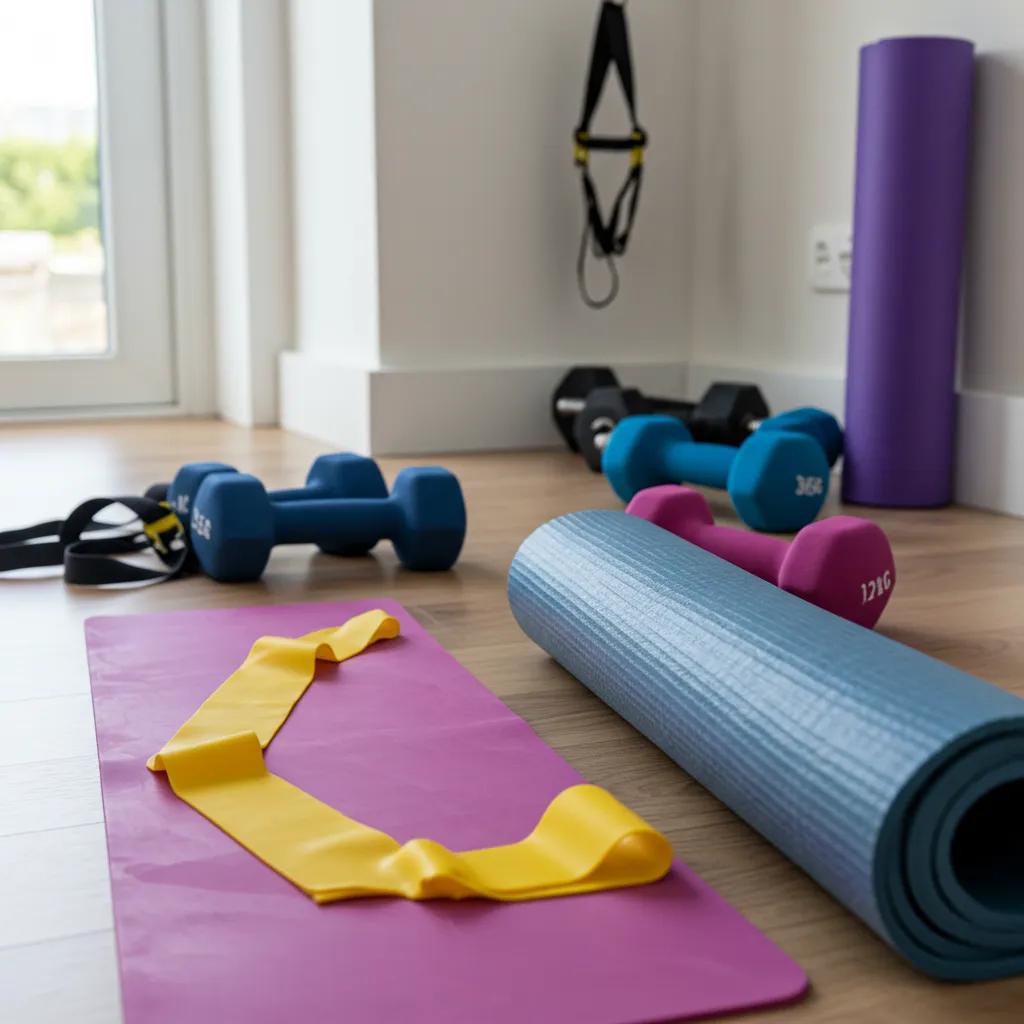
Home workout plans are structured sequences of exercises and sessions designed to improve strength, endurance, and flexibility without relying on a commercial gym; they work by using progressive overload, movement variety, and recovery to stimulate adaptation. A good home plan balances compound bodyweight moves with minimal-equipment options to increase strength and cardiovascular fitness while preserving joint health. The benefit is scalable progress: beginners build foundational strength and technique while intermediate and advanced trainees can add intensity through tempo, volume, or added resistance. Below are practical plan categories, followed by guidance for beginners, equipment choices, and weekly structure to keep progress steady.
How Can Beginners Start a Safe and Effective Home Workout Routine?
Beginners should begin with simple full-body sessions that emphasize foundational compound movements, mobility, and short cardio bursts to build fitness while minimizing injury risk. Start each session with a 5–10 minute dynamic warm-up focusing on hips, shoulders, and thoracic mobility to prime movement patterns and reduce strain. Sample beginner workouts use bodyweight squat variations, push-up regressions, hinge patterns (Romanian deadlift with light dumbbell or hip hinge with household item), and core stability holds across 2–3 sets of 8–15 reps, progressing by adding reps or reducing rest. Emphasize technique, track small improvements weekly, and introduce light resistance only after mastering form to ensure steady adaptation and protect joints, which leads naturally into choices about equipment.
Which Equipment Is Recommended for Home Workouts?
Equipment tiers let you scale workouts affordably and adapt to local availability: bodyweight-only, minimal gear, and expanded home setups provide clear progression paths for most goals. Essentials include a durable mat, a set of resistance bands, and a pair of adjustable dumbbells or kettlebell replacements such as filled water containers, which offer versatile loading for pressing, rowing, and hinge patterns. Prioritize safe footwear for standing work and a stable surface for floor movements; improvised tools can substitute when needed but maintain proper form and controlled tempo. These equipment choices support progression from bodyweight patterns to weighted strength work and lead into how to structure weekly training for balanced fitness.
How to Structure Weekly Home Workouts for Balanced Fitness?
A balanced weekly structure mixes strength, cardio, and mobility while scheduling recovery days to consolidate gains and prevent fatigue; for most people a 3–5 day plan fits modern schedules and supports steady progress. Sample templates include full-body strength sessions three times per week with two short cardio or mobility sessions on alternate days, or a 4-day split pairing upper/lower sessions with dedicated cardio/mobility blocks. Session duration typically runs 30–60 minutes depending on intensity, and progression relies on adding load, reps, or session density every 2–4 weeks. Planning rest and deload weeks preserves long-term consistency and prepares the body for higher intensity phases, which transitions into specific beginner-to-advanced plan comparisons in the table below.
Different home plans suit different needs and equipment access—here is a concise reference to select a plan and start training consistently.
How Does Strength Training Benefit Beginners and How to Get Started?
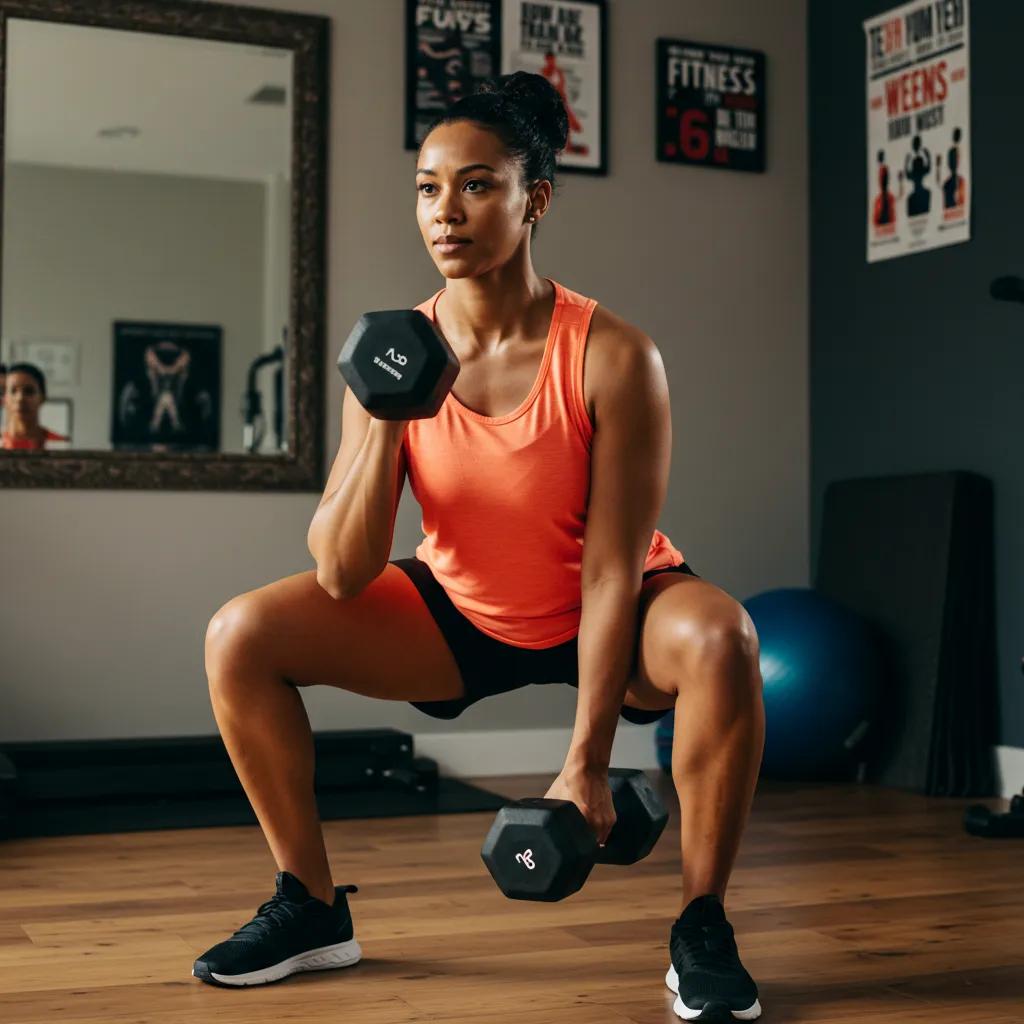
Strength training is progressive resistance exercise that increases muscle mass, bone density, and functional strength by creating mechanical tension and metabolic stress that trigger muscle protein synthesis. For beginners, these adaptations translate into improved daily function, higher resting metabolic rate, and reduced injury risk, providing a robust foundation for long-term health. The practical benefit is faster strength gains with well-chosen compound lifts and consistent progression, allowing novices to build confidence rapidly through measurable milestones. Below are the primary benefits, recommended starter exercises with an EAV-style table, and scheduling tips to launch a safe and effective strength program.
What Are the Key Benefits of Strength Training for Muscle Growth and Health?
Strength training increases muscle cross-sectional area, enhances neuromuscular coordination, and strengthens bone through osteogenic loading, which together improve mobility and resilience for daily life. The mechanism involves repeated mechanical load on muscles and bones that stimulates anabolic signaling, increasing protein synthesis and bone remodeling over weeks to months. Additional benefits include improved metabolic health via greater insulin sensitivity and elevated resting energy expenditure, supporting weight management and chronic disease prevention. Recognizing these physiological effects helps novices prioritize compound movements and progressive overload, which naturally leads to exercise selection.
Which Basic Strength Training Exercises Should Beginners Perform?
Beginners should focus on compound exercises that work multiple joints and large muscle groups because they deliver superior strength and functional improvements per unit time. Core recommendations include squats (bodyweight to goblet squat), push-up variations, bent-over or inverted rows, hip-hinge patterns such as Romanian deadlifts, and overhead pressing with light resistance; each move can be regressed or progressed to match capacity.
This exercise comparison helps beginners choose movements that maximize return on effort and prepares them to assemble a weekly schedule.
How to Create a Beginner-Friendly Strength Training Schedule?
A straightforward schedule for beginners prioritizes full-body sessions performed three times weekly to maximize adaptation while allowing recovery and practice of movement patterns. Each session should follow a consistent structure: dynamic warm-up (5–10 minutes), 2–4 main compound lifts (3 sets each), 1–2 accessory movements, and a brief cool-down or mobility work; progress by small increments such as adding 1–2 reps per week. Monitor recovery, sleep, and nutrition to support muscle repair and gradually increase training volume over months rather than days. Establishing this routine fosters a consistent habit loop that will enable steady progression and transition smoothly into cardio programming.
What Are the Top Cardio Exercise Benefits and Effective Cardio Workouts?
Cardiovascular exercise raises heart rate and oxygen consumption to improve cardiovascular fitness, increase caloric expenditure, and enhance metabolic health by improving VO2 max and insulin sensitivity. Cardio works by imposing sustained or interval aerobic demand that strengthens the heart and improves the body’s capacity to use oxygen, which supports endurance and weight regulation. The result is better daily energy, improved recovery capacity between strength sets, and enhanced long-term health markers like blood pressure and lipid profiles. Below are explanations of cardio mechanisms, top modalities for fat loss and endurance, and frequency recommendations to integrate cardio without undermining strength gains.
How Does Cardio Improve Heart Health and Weight Management?
Cardio enhances cardiac output and vascular function through repeated increases in heart rate, which strengthens cardiac muscle and improves circulation efficiency over time. Mechanistically, regular aerobic work increases mitochondrial density and capillary networks in muscle, boosting oxidative metabolism and resting metabolic efficiency that supports weight management. Cardio sessions also improve insulin sensitivity, aiding nutrient partitioning and reducing metabolic disease risk. Understanding these mechanisms clarifies why combining cardio with resistance training yields better body-composition and health outcomes than either modality alone.
What Are the Most Effective Cardio Workouts for Fat Loss?
Effective cardio workouts for fat loss include high-intensity interval training (HIIT), moderate-intensity steady-state (MISS), and longer low-intensity sessions depending on tolerance and time availability; HIIT is time-efficient while steady-state can be more sustainable for some people. HIIT sessions (e.g., 20–30 minutes with intense intervals) enhance calorie burn and create post-exercise metabolic elevation, whereas steady-state sessions (30–60 minutes) are valuable for active recovery and long-duration calorie expenditure. Combining cardio with strength training preserves lean mass while increasing overall energy deficit for fat loss, and alternating modalities prevents adaptation and overuse injuries.
How Often Should You Do Cardio for Optimal Results?
Public health guidelines provide a baseline—roughly 150 minutes of moderate or 75 minutes of vigorous cardio weekly—but optimal frequency depends on goals, with many athletes combining 2–4 cardio sessions with 2–4 strength workouts per week. For fat loss, a mix of 2–3 HIIT sessions and 1–2 steady-state sessions strikes a balance between intensity and recovery; for endurance goals, increase frequency and duration progressively while monitoring recovery. Prioritize sleep and nutrition when adding cardio to avoid undermining strength adaptations, and periodize cardio intensity across training blocks to maintain progress and reduce injury risk.
How Can Healthy Eating Support Fitness Goals and Workout Performance?
Nutrition functions as the fuel and repair system for exercise adaptations; macronutrients and meal timing influence energy availability, training quality, and recovery through mechanisms like glycogen replenishment and protein-driven muscle protein synthesis. Proper eating supports strength gains by supplying amino acids, supports cardio performance with adequate carbohydrates, and enhances recovery through micronutrients and hydration. The practical benefit is improved session quality and faster recovery between workouts, enabling consistent training. Below we cover best foods for recovery, meal planning templates for different goals, and adaptations of traditional Pakistani foods to meet fitness targets.
What Are the Best Foods for Fitness and Muscle Recovery?
Protein-rich foods and balanced carbohydrate sources are central to post-workout recovery because protein provides amino acids for muscle repair while carbohydrates replenish glycogen stores and restore performance capacity. Focus on lean proteins (eggs, yogurt, legumes), whole grains, and hydrating foods; include anti-inflammatory items like leafy greens and spices to support recovery. Practical portioning aims for 20–40 grams of protein post-session depending on body size, paired with carbohydrate servings to match training intensity. These choices directly impact how quickly you can train again and the quality of subsequent sessions, which leads into daily meal-planning strategies.
How to Plan Balanced Meals for Weight Loss and Muscle Gain?
Meal planning for weight loss emphasizes a moderate calorie deficit with adequate protein (~1.4–2.0 g/kg bodyweight), while muscle gain requires a caloric surplus with progressive overload and similar or higher protein targets; both approaches prioritize nutrient timing around workouts. Simple templates include a protein-focused breakfast, carbohydrate + protein pre- and post-workout meals, and vegetable-rich dinners; adjust portion sizes to meet calorie targets and use snacks to meet protein goals. Practical tips include batch cooking, portion-controlled servings, and swapping ingredients based on availability to maintain adherence. These strategies make Nutrition actionable and sustainable in daily life and lead into how traditional foods fit these templates.
Which Traditional Pakistani Foods Support a Healthy Fitness Diet?
Traditional Pakistani staples can be adapted to fit fitness goals by emphasizing legume- and protein-rich options, minimizing excessive oils, and pairing carbohydrates with fiber and protein to stabilize blood sugar and support recovery. Dishes such as dal (lentils), chana (chickpeas), grilled kebabs, and yogurt-based raitas provide high-quality protein and micronutrients when prepared with grilling, steaming, or light sautéing techniques. Practical swaps include using whole-grain roti instead of refined flour, controlling ghee amounts, and increasing vegetable accompaniments to boost fiber and satiety. These adaptations preserve cultural flavors while aligning meals with macronutrient targets for performance and body composition.
Different foods serve unique roles in meal plans—below is a quick reference to match traditional dishes to nutrient needs.
ARY News is exploring a dedicated Health & Fitness hub to deliver timely, culturally relevant nutrition guides, workout coverage, and local expert perspectives tailored to Pakistani readers. This planned vertical aims to combine news-style reporting on research and trends with practical how-to content, short videos, and localized meal adaptations to help readers implement fitness advice. By providing ongoing coverage and expert interviews, the hub intends to keep audiences informed and engaged with accessible, locally relevant fitness resources.
What Are the Most Effective Workout Routines for Different Fitness Goals?
Effective routines vary by goal but share programming fundamentals: volume, intensity, frequency, and specificity determine outcomes for weight loss, muscle gain, or flexibility through targeted stimulus and recovery patterns. Weight-loss programs combine resistance training with cardio and caloric management to preserve lean mass, while muscle-gain plans emphasize progressive overload, higher protein, and targeted volume for hypertrophy. Flexibility-focused routines prioritize mobility drills, yoga flows, and consistent stretching to improve range of motion and reduce injury risk. Below are templates and programming tips to design goal-specific microcycles you can implement immediately.
How to Design Workout Routines for Weight Loss, Muscle Gain, and Flexibility?
Design routines by selecting dominant modalities per goal: weight loss prioritizes higher energy expenditure and resistance to retain muscle; muscle gain emphasizes progressive resistance and recovery; flexibility focuses on consistent mobility and low-load strengthening. For weight loss, aim for mixed sessions that include compound lifts and metabolic circuits; for muscle gain, target 3–5 sets of 6–12 reps on compound lifts with accessory work; for flexibility, schedule daily mobility sessions and 2–3 yoga flows per week. Adjust intensity and volume progressively and monitor recovery metrics like sleep and soreness to avoid overtraining. These principles help you prioritize one goal while maintaining secondary capabilities, which naturally raises the role of yoga and mobility.
What Role Does Flexibility and Yoga Play in Overall Fitness?
Flexibility and yoga improve movement quality, reduce injury risk, and support recovery by increasing joint range of motion, muscular balance, and neuromuscular control; these benefits enhance performance in both strength and cardio domains. Regular mobility work increases functional strength and allows safer load expression during compound lifts, while short yoga flows promote breath control and stress regulation that aids recovery. Beginners can start with 10–15 minute daily mobility sequences and two weekly yoga sessions to see measurable improvements in posture and movement efficiency. Integrating flexibility into strength days supports longevity and complements the strength and cardio routines described earlier.
How to Combine Strength, Cardio, and Flexibility for Balanced Fitness?
A balanced weekly plan intentionally sequences strength, cardio, and flexibility to maximize adaptations while minimizing interference: place high-intensity cardio on separate days or after strength sessions that don’t impair priority lifts, and schedule mobility work on rest days or post-session to enhance recovery. Example balanced microcycle: three full-body strength days, two short cardio/mobility days, and two recovery-focused sessions with yoga or active recovery. Use progression rules—increment volume or intensity by about 5–10% per week—and include deload weeks every 4–8 weeks to consolidate gains. This integrated approach maintains steady progress across multiple fitness attributes and leads into behavioral strategies that sustain training.
How Can Motivation and Recovery Improve Your Fitness Journey?
Motivation and recovery are behavioral and physiological pillars that determine whether training translates into long-term results; motivation sustains adherence through goal-setting and social accountability, while recovery—sleep, nutrition, active rest—allows physiological adaptation from workouts. Together they enable consistent training, help avoid setbacks, and amplify improvements in strength, endurance, and mental wellbeing. Effective plans combine habit formation with evidence-based recovery practices so effort converts into durable progress. Below are proven motivation tactics, recovery science, and mental health benefits to help you stay consistent and resilient.
What Are Proven Strategies to Stay Motivated for Regular Workouts?
Sustained motivation relies on specific, measurable goals, small consistent habits, and social or tracked accountability to maintain adherence in the long term. Use SMART goals (specific, measurable, achievable, relevant, time-bound), habit stacking (attach workouts to existing routines), and short-term milestones to generate momentum, plus tracking tools like simple training logs to celebrate progress. Community-driven supports—training partners, local groups, or challenge formats—enhance accountability and make exercise more rewarding, and ARY News plans to feature expert interviews and local success stories that can inspire readers through relatable examples. Building these habit systems makes consistent training more automatic and reduces reliance on willpower.
How Does Sleep and Recovery Affect Muscle Growth and Performance?
Sleep and recovery are when most adaptation occurs: deep sleep supports protein synthesis, hormonal regulation, and cognitive restoration, all essential for strength improvements and training quality. Mechanistically, adequate sleep facilitates secretion of growth hormone and optimizes testosterone to cortisol ratios, aiding muscle repair and skill consolidation after training. Practical hygiene includes consistent sleep schedules, limiting late-night screen exposure, and prioritizing 7–9 hours per night for most adults to maximize recovery. Coupling good sleep with nutrition and active recovery strategies ensures that training stress yields positive adaptations rather than accumulated fatigue.
How Can Mental Health Benefit from Regular Exercise?
Regular exercise reduces symptoms of anxiety and depression, improves mood through endorphin and neurotransmitter regulation, and enhances cognitive clarity and stress resilience, offering both acute and chronic mental health benefits. Moderate aerobic activity and resistance training both contribute to mood improvements, and incorporating mindfulness-based movement like yoga amplifies stress reduction and emotional regulation. Recommended doses for mental health often mirror public health targets—regular, moderate activity most days of the week—while individualized approaches that combine social and enjoyable movement options sustain long-term engagement. Integrating mental health goals into fitness planning increases adherence and overall life satisfaction.
What Are the Latest Fitness Trends and Tips for 2025?
The 2025 fitness landscape emphasizes strength training accessibility, growth in digital and hybrid fitness models, wider adoption of wearables and AI-guided coaching, and a greater focus on sustainability and budget-friendly solutions for mass audiences. These trends shift how people discover workouts and measure progress, making personalized, data-driven programming more common and creating new opportunities for at-home training and community-driven hybrid offerings. For everyday exercisers, the practical takeaways are to prioritize strength, use digital tools selectively, and choose low-cost, eco-friendly options to maintain long-term adherence. Below, trends are broken down with actionable advice for integrating them into your routine.
Which Fitness Trends Are Gaining Popularity in 2025?
Strength training continues to broaden its appeal across ages and genders, while digital fitness platforms, wearables, and hybrid gym models expand access to coaching and tracking; sustainability and eco-consciousness also influence facility design and consumer choices. These shifts mean more people can follow evidence-aligned strength programs at home or in mixed environments, and data from wearables supports better load management and recovery planning. Practically, embrace strength-first programming, use digital classes for structure when needed, and favor sustainable, low-cost equipment like bodyweight and band-based systems. Recognizing these trends helps you adapt training choices to what works and what’s accessible.
How Is Digital Fitness Changing Workout Habits?
Digital fitness—apps, on-demand classes, and AI coaching—lowers the barrier to entry by offering structured programs, tracking, and community features that increase adherence and personalization without always needing a coach. Users benefit from on-demand variety and data feedback that can nudge behavior and inform progression, but they should evaluate app quality, privacy practices, and evidence behind programming. Choose digital tools that complement your primary goals, use wearable data to guide recovery and intensity, and avoid overreliance on metrics at the expense of perceived exertion and form. These tools can accelerate progress when integrated thoughtfully with core strength and recovery principles.
What Are Eco-Friendly and Budget-Friendly Fitness Options?
Affordable and eco-friendly fitness options include outdoor training, bodyweight circuits, resistance bands, and second-hand multifunctional equipment that reduce cost and environmental impact while delivering measurable results. Small sustainability choices—reusable water bottles, local group classes, and outdoor routes—minimize footprint and often increase enjoyment and adherence. For budget-conscious trainees, prioritize high-return investments like a pair of adjustable dumbbells or quality resistance bands and emphasize progressive overload through rep and tempo manipulation rather than constant equipment upgrades. These pragmatic choices maintain long-term consistency and align with the broader 2025 trend toward accessible, sustainable fitness.
ARY News plans to report on fitness trends with a local perspective, combining news-style summaries of industry developments with practical tips and periodic features on wearable adoption, digital fitness growth, and community programs. The newsroom approach will keep readers informed about emerging 2025 trends and highlight what those trends mean for everyday training choices, ensuring coverage remains timely and culturally relevant.
- Key Takeaway: Prioritize consistent strength and recovery as the backbone of fitness.
- Action Step: Choose a home plan that matches your level and commit to 8–12 weeks before major changes.
- Local Tip: Adapt traditional dishes for better macros and use minimal equipment progressions for steady gains.
Conclusion
Embarking on a fitness journey with structured home workout plans empowers beginners to build strength, enhance mobility, and achieve lasting health benefits. By integrating evidence-based nutrition and recovery strategies, individuals can optimize their performance and support their fitness goals effectively. Choosing a plan that aligns with your current level and committing to it for 8–12 weeks can lead to significant progress. Explore our resources to find the perfect workout plan tailored to your needs today.