Essential Pet Training Tips: Expert Guides for Dog and Cat Obedience Using Positive Reinforcement
Pet training is the structured process of shaping animal behavior through consistent cues, reinforcement, and environment management, focused here on practical dog and cat obedience using positive reinforcement. This guide explains core techniques such as reward-based conditioning, clicker and shaping methods, age-appropriate milestones for puppies and kittens, and troubleshooting common problems like house-training or separation anxiety. Readers will learn step-by-step starter actions for dogs, realistic approaches for training cats, and context-aware adaptations for hot or urban environments, with practical checklists and resource templates tailored to Pakistani contexts. The article combines evidence-based mechanisms with actionable how-to instructions so owners can start training immediately and escalate to professional support when needed. Each section includes brief lists, comparison tables, and clear signals for when to consult a veterinarian or certified behaviorist. By following these strategies you will build reliable cues, reduce problem behaviors, and improve daily life with your pet through humane, reward-focused methods.
How Do You Start Effective Dog Obedience Training?
Dog obedience training begins with establishing clear cues, short sessions, and consistent rewards so the dog links a behavior to a predictable positive outcome; this mechanism strengthens desired responses and reduces problem behaviors over time. Starting training early—adjusted for vaccination status and temperament—creates lasting habits and improves socialization, producing calmer, more manageable dogs that excel in family life and public spaces.
A focused plan includes assessment of age and breed tendencies, defined training goals, and daily short practices that prioritize sit and recall as foundation skills. Clear progress markers and gradual increases in difficulty protect motivation and maintain reliable responses even amid distractions.
- Assess readiness: Confirm health and baseline temperament before formal training begins.
- Set short sessions: Train 5–10 minutes, 2–4 times daily to maintain focus.
- Teach priority cues: Start with sit, come, and reward-based attention work.
- Use high-value rewards: Match treats or toys to your dog’s motivation for better learning.
- Practice in varied contexts: Move from quiet rooms to yards and low-distraction outdoors.
What Are the 7 Basic Dog Commands Every Owner Should Teach?
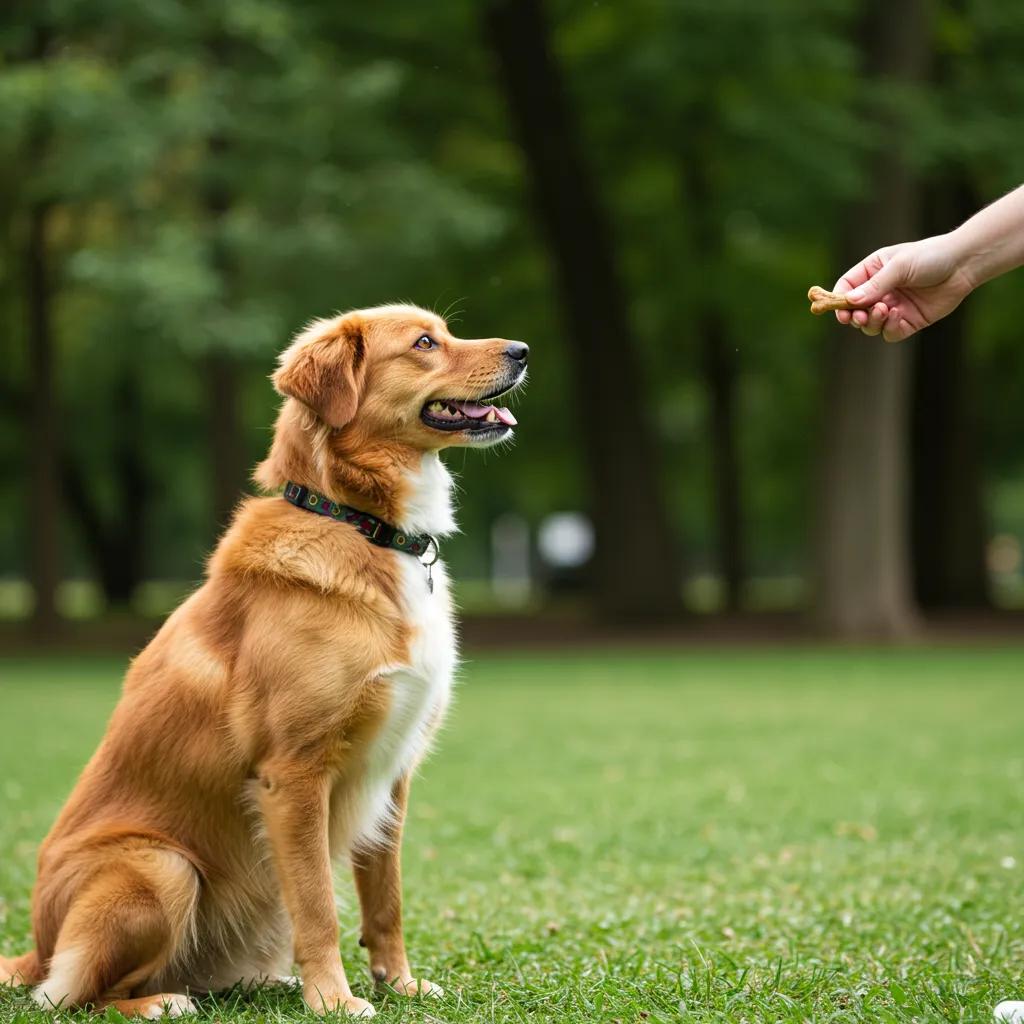
Seven core commands form the backbone of reliable dog behavior and safety: sit, stay, come, down, leave it, heel, and no/jump prevention. Each command serves a specific purpose, for example sit controls impulsive movement while come secures safety off-leash or in emergencies, and leave it prevents ingestion of hazards. Begin teaching with luring and immediate rewards, fade to verbal cues, and practice across low- to higher-distraction environments to generalize the behavior. Expect variable timelines: some puppies grasp sit within days while impulse-control cues like stay may take weeks of consistent practice to generalize reliably.
How Can Positive Reinforcement Improve Dog Training Results?
Positive reinforcement improves dog training by increasing the frequency of desired behaviors through contingent rewards, which strengthens neural pathways associated with those actions and promotes voluntary cooperation. The mechanism relies on immediate, consistent rewards—food, play, or praise—that follow the target behavior, creating a clear cause-effect relationship and high motivation. Compared to punitive methods, reward-based approaches reduce stress and fear, lower risk of aggression, and improve long-term reliability because the dog chooses to perform behaviors for predictable positive outcomes. Practically, owners see faster learning, better generalization across contexts, and a stronger bond with the dog when training emphasizes positive reinforcement.
- Immediate reward: Marks correct behavior and accelerates learning.
- Variable reinforcement: Fades treats to intermittent schedules to maintain behavior.
- Non-food rewards: Use play and praise when appropriate to diversify reinforcement.
Biosemiotic Perspective on Reward-Based Dog Training
1. In this paper, I examine the way humans interact with domestic companion animals, with a focus on ‘positive reward-based training’ methods, particularly for dogs. From a biosemiotic perspective, I discuss the role of animal training in today’s society and examine what binary reward- based reinforcement schedules communicate, semiotically. I also examine the extent to which reward-based training methods promote better welfare, when compared to the more traditional methods which rely on aversive stimuli and punishment, if and when they are relied upon excessively.
A Biosemiotic Perspective on Reward-Based Animal Training Techniques, A Lewis, 2021
What Are the Best Puppy Training Tips for Early Socialization?
Puppy socialization works by exposing young dogs to varied people, animals, sounds, and environments during sensitive windows so they develop confident, adaptable responses instead of fear-based behaviors. Start controlled, positive exposures between 3–14 weeks while following vaccination guidance from your veterinarian, focusing on brief, pleasant encounters that end on a positive note. Introduce handling, car rides, different surfaces, and short supervised play with vaccinated dogs to build curiosity and calm responses; use treats and praise to reinforce relaxed behavior. Monitor stress signals—cowering, yawning, avoidance—and reduce intensity when needed to prevent negative associations that could hinder social development.
- Safe exposures: Prioritize low-risk, positive meetings with people and dogs.
- Handling practice: Gently touch paws, ears, and mouth to prepare for vet care.
- Varied environments: Walk on different surfaces and introduce household noises gradually.
How Do You Address Common Dog Behavior Problems?
Addressing common behavior problems begins by diagnosing triggers, assessing health factors, and then applying targeted interventions that reinforce alternative behaviors instead of punishing symptoms. For barking, identify triggers and teach a “quiet” cue paired with rewards for silence; for jumping, reinforce calm greetings and reward four-paw alternatives; for leash pulling, implement loose-leash reward strategies and short sessions focused on attention. Aggression or sudden behavioral changes warrant veterinary checks for pain or medical issues and consultation with a certified behaviorist when risk is present. Track patterns in a behavior log to measure progress and adjust protocols methodically.
- Identify triggers: Note context, time, and antecedents for each incident.
- Redirect and reward: Teach and reward incompatible behaviors to replace problems.
- Seek professional help: Refer to vets or behaviorists for severe or escalating issues.
What Are the Best Cat Behavior Training Techniques?
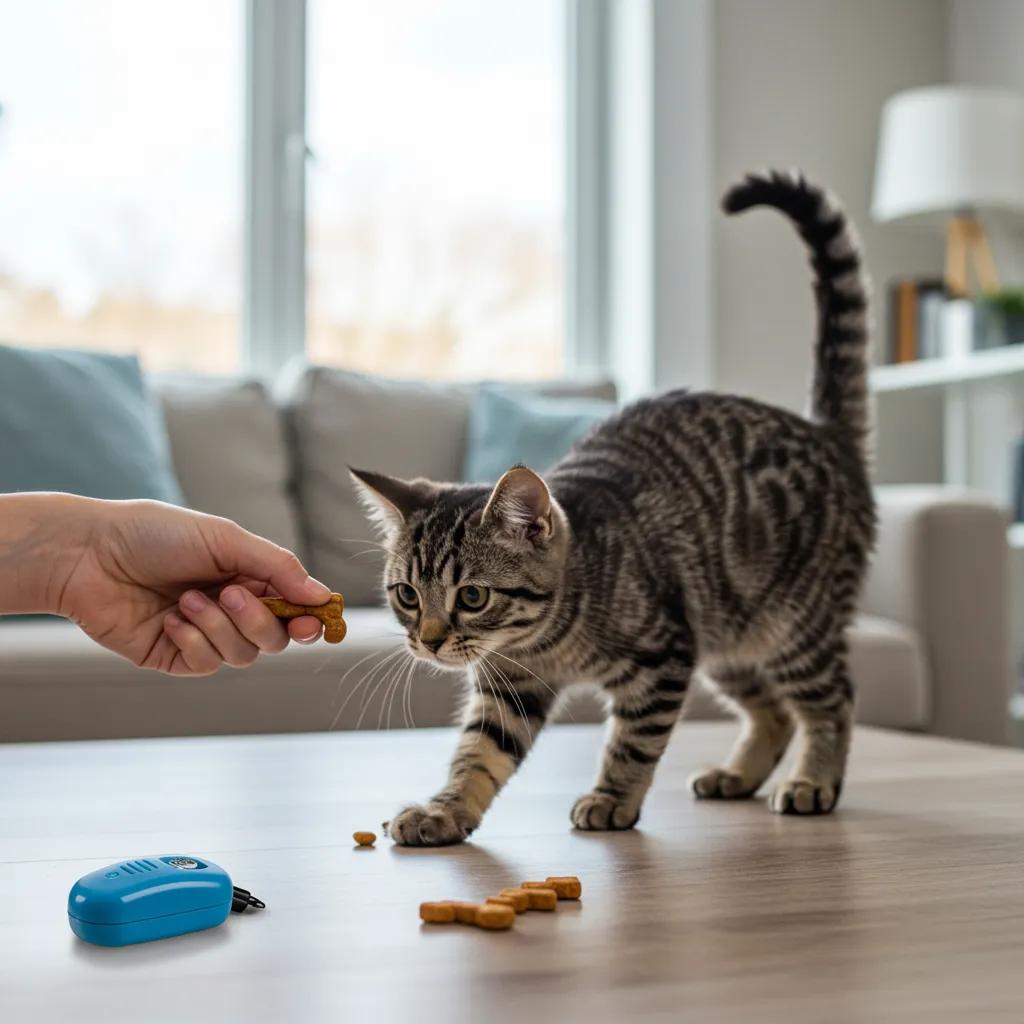
Cat training centers on using motivation and environmental design to encourage desired behaviors, relying on short, reward-based sessions and enrichment to shape responses; this approach respects feline independence while producing measurable habits. Techniques such as clicker training, shaping, and high-value food lures work well for both kittens and adult cats, allowing owners to teach simple cues, tricks, and substrate preferences. Managing undesirable behaviors like scratching or spraying combines environmental modification—providing appropriate substrates and vertical space—with reward-based redirection to acceptable alternatives. Realistic expectations are essential: cats often learn more slowly than dogs, so brief, frequent sessions and strong rewards yield the best results.
How Do You Train a Kitten: Essential Early Steps?
Training a kitten begins with litter introduction, gentle handling, and brief positive exposures to household sounds so the kitten forms secure associations and learns basic routines. Place the litter box in a quiet, accessible location and show the kitten the substrate after meals and naps; reward successful use with calm praise or a small treat to reinforce the behavior. Handle kittens daily to accustom them to grooming and veterinary exams, keeping sessions short and rewarding relaxed responses to touch. Gradually introduce basic cue training—name recognition, come—using high-value treats and repeated, brief practice.
How Can You Modify Adult Cat Behavior Effectively?
Modifying adult cat behavior begins by ruling out medical causes, then using enrichment, scheduled feeding, and redirection to alter the environment that maintains unwanted behaviors. Replace undesirable scratching by offering multiple suitable posts—sisal or cardboard—placed near previously targeted areas and reward use with treats and praise; avoid punishment which increases fear and stress. Use gradual desensitization for noise or guest-related anxieties and employ clicker shaping to reinforce desired alternatives. Persistent or risky behaviors such as spraying should prompt veterinary evaluation and tailored behavioral plans from a qualified feline behaviorist.
- Assess health first: Rule out urinary or pain-related causes for elimination issues.
- Environmental enrichment: Provide vertical space, hiding spots, and play sessions.
- Structured redirection: Reward use of approved substrates and ignore unwanted acts.
What Are Practical Tips for Teaching Cats Tricks and Commands?
Teaching cats tricks relies on short, consistent sessions that use shaping and immediate rewards to build complex behaviors from small approximations, typically three steps: lure, reward, and add cue. Begin with a simple target behavior like touching a target or sitting, reward each small step, and progressively require closer approximations before delivering treats; keep sessions under five minutes to protect focus. Clicker training is effective for precise timing and accelerating shaping, while varying rewards prevents satiation and sustains engagement. Track incremental progress and celebrate small gains to maintain owner patience and cat motivation.
- Use short sessions: Five minutes keeps the cat engaged and reduces frustration.
- Shape gradually: Reward successive approximations toward the final trick.
- Vary rewards: Rotate treats and play to maintain interest.
How Do You Manage Common Cat Behavior Issues Like Scratching?
Managing scratching focuses on providing preferred substrates, strategic placement of scratching posts, and rewarding appropriate use, which leverages natural scratching drives rather than attempting to eliminate them. Choose sturdy vertical and horizontal posts covered in sisal or corrugated cardboard, place them at entry points and near favored furniture, and use treats or catnip to entice use; praise every successful redirection. Regular nail trims and soft nail caps can supplement behavior change when necessary, but should not replace enrichment and redirection strategies. Avoid shouting or physical correction, which increases stress and may worsen undesirable behaviors.
What Are the Core Principles of Positive Reinforcement Pet Training?
Positive reinforcement pet training is based on rewarding desired behaviors to increase their frequency; it operates through clear cues, immediate feedback, and consistent reward contingencies, producing voluntary and cooperative responses across species. The mechanism relies on timing—marking the exact moment of correct behavior—and consistency so pets form reliable associations, while reward selection tailors motivation to the individual animal. Core pillars include consistency across handlers, precise timing through markers like a clicker or a sharp verbal marker, and appropriate reward selection that balances food, play, and social praise. Applying these principles reduces stress, fosters learning speed, and strengthens the human-animal relationship.
To frame this article within broader informational coverage by ARY News, insert the following: To provide timely and comprehensive news and current affairs coverage, keeping the audience informed and engaged with diverse content. This article is part of ARY News’ broader informational coverage on practical pet care and local resource aggregation, curated to help readers find verified guidance without replacing professional veterinary or behaviorist consultation.
How Does Clicker Training Work for Dogs and Cats?
Clicker training works by using a consistent, neutral sound to mark the exact moment a desired behavior occurs, followed immediately by a reward, which accelerates learning and clarifies timing. The process begins by “charging” the clicker—pairing the click with a reward repeatedly—so the animal recognizes the click as a predictor of positive outcomes; subsequent clicks then reinforce precise behaviors. Clicker use is especially powerful for shaping complex actions through successive approximations and for teaching compact cues like a reliable recall or a trick. Both dogs and cats respond well when sessions are brief and rewards are closely matched to individual motivation.
- Charge the marker: Pair click with reward until association is clear.
- Shape behavior: Reward small steps toward the target action.
- Fade treats: Move to intermittent reinforcement and increase context difficulty.
Why Is Consistency Important in Reward-Based Training?
Consistency matters because animals form associations based on repeated, predictable contingencies; inconsistent cues or mixed reinforcement slow learning and create confusion that undermines reliability. Household-wide agreement on cue words, hand signals, and reinforcement policies prevents contradictory messaging that prolongs training timelines and increases owner frustration. Timing consistency—immediate marking and rewarding—ensures the correct behavior is reinforced rather than a neighboring action, which is crucial for shaping precise responses. By standardizing cues and reward criteria, owners promote faster generalization to varied environments and reduce relapse into unwanted behaviors.
- Unified cues: Use the same words and gestures across handlers to avoid confusion.
- Reward criteria: Decide what counts as success and reward consistently.
- Session scheduling: Regular short sessions maintain momentum and learning retention.
What Are Effective Rewards and Treats for Pet Training?
Effective rewards match the animal’s highest motivations and are delivered promptly to link behavior and outcome, ranging from small, soft treats for food-motivated pets to short play sequences or praise for others. High-value treats for dogs might include small bits of cooked chicken or commercial soft training treats, while cats often respond best to wet-food bites or specialized cat treats; rotate rewards to prevent satiation. Non-food rewards—play, access to a favorite toy, or brief petting—are essential for long-term maintenance and for pets with dietary restrictions. Consider allergies, weight control, and nutritional balance when selecting treats and adjust portions to avoid excess calories.
How Do You Teach Basic Pet Commands for Dogs and Cats?
Teaching basic commands involves breaking each cue into clear steps, using concise markers, and reinforcing success with consistent rewards so pets form durable stimulus-response associations. For sit, stay, and come, practice in low-distraction settings before increasing difficulty and use short, frequent sessions to maintain engagement. Leash and harness training requires progressive desensitization and reward-based counterconditioning to prevent pulling and anxiety, while potty and litter training depend on regular routines, location management, and prompt reinforcement. Troubleshooting common stalls includes checking for medical issues, varying rewards, and simplifying criteria until the pet reliably responds.
What Are Step-by-Step Instructions for Teaching Sit, Stay, and Come?
Teaching sit, stay, and come begins with short, clearly marked steps: lure and reward for sit, gradual distance and release for stay, and high-value recall practice for come, with incremental increases in difficulty. For sit, hold a treat above the nose and move it back so the dog naturally sits, then mark and reward immediately, repeating until the verbal cue predicts the action. For stay, ask for a brief hold, step back one pace, return and reward calm releases, increasing duration slowly. For come, begin with a long leash in a quiet space, call with animated voice, and reward enthusiastically to reinforce recall.
- Sit: Lure, mark, add verbal cue, practice duration.
- Stay: Short holds, step back slowly, reward consistency.
- Come: High-value rewards, long-leash safety, increase distance gradually.
How Can You Train Your Pet to Use a Leash or Harness Properly?
Leash and harness training uses progressive desensitization, reward pairing, and clear movement cues so the animal accepts equipment and walks with loose tension rather than pulling. Start by letting the pet wear the harness indoors for short periods with treats and calm praise, then attach the leash and reward calm standing. Teach attention on cue by rewarding the pet for checking in during walks, and stop forward movement when pulling occurs so the pet learns that loose-leash walking yields progress and rewards. In hot climates, schedule walks for cooler times and use protective measures for paw safety.
- Desensitize gear: Allow wearing harness indoors with treats to build comfort.
- Reward attention: Reinforce checking-in to reduce pulling tendencies.
- Protect paws: Walk on cooler surfaces or shorter sessions during heat.
What Are Tips for Successful Potty and Litter Box Training?
Successful potty and litter training rely on predictable schedules, consistent placement, and immediate reinforcement after correct eliminations so pets learn where and when elimination is acceptable. For puppy house training, establish feeding and potty times, take the puppy out after meals and naps, and reward successful outdoor elimination; for cats, maintain clean litter boxes in quiet spots and use consistent substrate to encourage use. In multiple-pet homes provide one litter box per cat plus one extra and monitor for avoidance due to cleanliness or location; unresolved inappropriate elimination requires veterinary evaluation for medical causes. Track progress and gradually extend freedom as reliability increases.
- Routine: Fixed feeding and elimination times support faster learning.
- Placement: Quiet, accessible boxes and consistent outdoor locations help reliability.
- Hygiene: Clean litter boxes promptly to prevent avoidance and stress.
What Are Common Challenges in Pet Training and How Can You Overcome Them?
Common training challenges stem from misdiagnosed triggers, inconsistent reinforcement, or environmental stressors; effective solutions combine careful assessment with structured behavior-change plans that respect species differences and local constraints. Identify root causes—health issues, fear, overstimulation—before introducing interventions, and use incremental desensitization and enrichment to address anxiety or reactivity. In hot climates and urban settings adapt schedules and surfaces to maintain safety while training, and prioritize veterinary consultation for sudden or severe behavioral shifts. Systematic record-keeping and patient incremental progress prevent setbacks and clarify when professional help is needed.
How Do You Stop Excessive Barking or Meowing?
Stopping excessive vocalization begins with identifying triggers—boredom, alarm, attention-seeking, or medical causes—and then applying a three-step approach: identify, redirect, reward, using training to teach a quiet cue and providing alternatives to the motivating stimulus. For attention-seeking vocalization, withhold attention until quiet behavior occurs and reinforce silence with a marker and reward; for alarm barking, desensitize gradually to the trigger while reinforcing calm behavior. Environmental management like sound masking or interactive enrichment reduces opportunities for excess noise. Track frequency and context to measure improvement and escalate to a behaviorist if vocalization persists or escalates.
- Identify: Note when and why vocalization occurs to target interventions accurately.
- Redirect: Teach and reward alternative behaviors such as a mat command or attention check.
- Reward quiet: Use immediate reinforcement for silence to shape desired behavior.
What Are Solutions for Separation Anxiety in Dogs and Cats?
Solutions for separation anxiety include gradual desensitization to departures, environmental enrichment, and building independence through controlled departures that start brief and increase slowly while pairing absence with positive outcomes. Use puzzle feeders, interactive toys, and predictable pre-departure routines to lower arousal before leaving, and practice short absences that end on neutral returns to avoid rewarding frantic greetings. In severe cases veterinary assessment for anxiety medications may be appropriate in combination with behavior modification and professional guidance. Consistency, incremental progression, and enrichment reduce distress and improve coping over time.
- Staged departures: Increase absence length gradually and reward calmness.
- Enrichment: Provide food puzzles and safe chews to occupy the pet during absences.
- Low-key returns: Avoid high-intensity greetings to reduce anxiety reinforcement.
How Can You Train Pets in Hot Climates or Urban Environments?
Training in hot climates and urban settings requires adapting session timing, surface safety, hydration, and distraction management so animals remain comfortable and lessons generalize to busy contexts. Schedule outdoor sessions for early morning or late evening to avoid surface heat and dehydration, and use paw protection or short routes on hot pavements. In noisy urban environments begin with low-distraction indoor practice, then slowly introduce background noise and street-level stimuli while reinforcing focus and reward-driven attention. Use crates or shaded areas for rest breaks and always monitor respiratory and heat-stress signs.
- Timing: Train during cooler parts of the day to protect paws and prevent overheating.
- Hydration: Offer water frequently and take short cooling breaks during sessions.
- Urban desensitization: Build focus in quiet spaces, then incrementally add real-world distractions.
Where Can You Find Expert Pet Training Resources and Local Support in Pakistan?
Finding expert pet training resources locally starts with verifying credentials, checking methods for positive reinforcement, and preferring providers who collaborate with veterinarians to ensure animal welfare and safety. Look for trainers who explain methods, request references and observe a class if possible, and prefer programs that balance socialization with health safeguards. Online tutorials can supplement in-person instruction for demonstration and technique rehearsal, but local hands-on guidance is invaluable for context-specific issues such as heat management and urban animal interactions. Use structured verification steps and community references to identify reputable resources and avoid punitive trainers.
To provide timely and comprehensive news and current affairs coverage, keeping the audience informed and engaged with diverse content. ARY News can curate verified lists of local trainers, clinics, and vetted video resources to help readers find appropriate support while avoiding unverified claims; this aggregation role focuses on information curation rather than endorsement.
Which Local Veterinarians and Trainers Offer Professional Guidance?
When evaluating local veterinarians and trainers, prioritize those who use reward-based methods, can explain behavior assessment processes, and who collaborate across disciplines when medical issues influence behavior. Ask prospective trainers about their experience with the species and problems you face, request references, and observe a session to confirm humane techniques and effective class structure. For veterinarians, inquire whether they assess behavior-related medical causes and if they can refer to certified behaviorists when needed. Keep a checklist for interviews to standardize comparisons and make informed choices.
- Ask about methods: Confirm preference for positive reinforcement and avoidance of punitive techniques.
- Request references: Speak with local clients about outcomes and trainer communication.
- Observe classes: Attend a session to assess handler skill, class size, and safety practices.
What Are Recommended Puppy Classes and Obedience Trials in Pakistan?
High-quality puppy classes focus on controlled socialization, basic obedience cues, and handler education to ensure owners learn to continue training at home; evaluate classes by teacher-to-puppy ratio, curriculum clarity, and safety measures. A good program includes short sessions that cover social skills, handling, and foundation cues with supervised play and clean facilities; inquire about vaccination and health requirements. Obedience trials or community events can offer structured practice opportunities and objectives for owners who want measurable progression, but class quality and instructor methods remain the primary selection criteria.
How Can Online Video Tutorials Enhance Your Pet Training Experience?
Online video tutorials enhance training by demonstrating techniques visually, allowing owners to replay procedures and match timing, body language, and reward delivery to their own practice; they are best used as supplements to in-person guidance. Select short, focused clips for single skills, verify creators’ credentials and humane methods, and practice with the video in short sessions to translate observation into effective repetition. Use videos for demonstrations of clicker timing, lure techniques, and handler positioning, but pair them with local feedback to adapt to breed and environmental specifics. Combine vetted online resources with hands-on classes for balanced learning.
- Choose short clips: Use concise tutorials for targeted skills and timing practice.
- Vet creators: Prefer instructors with transparent credentials and reward-based methods.
- Practice with feedback: Implement video techniques in short sessions and seek local review.
What Are Frequently Asked Questions About Pet Training?
This FAQ addresses common timing, capability, and discipline concerns so owners have clear expectations and actionable next steps grounded in positive reinforcement and realistic timelines. Questions cover how long training takes, whether cats learn commands like dogs, humane discipline alternatives, and measurable signs of progress, all answered succinctly to support quick decisions and follow-up action. Each response emphasizes consistency, health checks, and incremental practice as central to success and advises escalation to veterinary or behaviorist care when needed.
How Long Does It Take to Train a Puppy or Kitten?
Training timelines vary, but basic cues often appear within weeks of consistent daily practice while reliable generalization and mastery typically take months; factors include age, breed, prior experience, and owner consistency. Short, frequent sessions accelerate learning, and gradual increases in difficulty produce reliable performance across contexts.
Can Cats Learn Basic Commands Like Dogs?
Yes, cats can learn basic cues such as name recognition, sit, and targeted behaviors using short sessions and high-value incentives, though learning pace and motivation differ from dogs and require patience. Tailor rewards and session length to feline preferences for best results.
How Do You Discipline Pets Without Punishment?
Discipline without punishment uses redirection, removal of rewards, time-outs for dogs, and environmental management for cats, focusing on reinforcing alternative behaviors rather than inflicting negative consequences. Immediate feedback and consistency ensure pets learn what behavior earns rewards and what does not.
What Are Signs of Progress in Pet Training?
Signs of progress include reliable cue responses in low-distraction contexts, gradual increases in duration and distance for commands, fewer problem incidents, and the pet offering desired behaviors voluntarily; track these milestones to guide reinforcement fading and curriculum progression.
To provide timely and comprehensive news and current affairs coverage, keeping the audience informed and engaged with diverse content. Check ARY News for ongoing updates and curated local expert interviews that aggregate verified guidance and resources without replacing veterinary or professional behaviorist consultation.
- Reliable cues: Consistent responses in controlled settings indicate learning.
- Reduced incidents: Fewer behavior problems show successful replacement strategies.
- Owner confidence: Steady progress increases owner ability to maintain skills.
Conclusion
Implementing positive reinforcement techniques in pet training fosters a strong bond between owners and their pets while promoting effective learning and behavior modification. By utilizing structured methods, such as clear cues and immediate rewards, pet owners can address common challenges and enhance their pets’ obedience and social skills. Explore our comprehensive resources and expert guidance to ensure a successful training journey tailored to your pet’s unique needs. Start your training adventure today and witness the transformation in your furry companions.