Productivity Hacks: Master Time Management, Focus, and Digital Tools for Better Efficiency
Productivity hacks are practical techniques and tools designed to help you manage time, reduce friction, and get higher-value work done with less stress. This guide explains why well-chosen time management methods, focus practices, and digital tools produce measurable gains in output and wellbeing, especially in a 2025 landscape shaped by AI assistants and hybrid schedules. Many readers struggle with overflowing inboxes, competing priorities, and fragmented attention; this article gives clear, research-aligned steps to fix those problems. You will learn core techniques — including the Pomodoro technique, time blocking, the Eisenhower Matrix, and SMART goals — and how to combine them with focus tactics like digital detox and deep work. The guide also compares task and calendar apps, summarizes organization routines, addresses burnout prevention, and finishes with a practical starter checklist to implement today. Keywords like time management, productivity hacks, time blocking, Pomodoro technique, and AI productivity tools are integrated throughout to help you act immediately.
What Are the Most Effective Time Management Techniques for Productivity?

Time management techniques organize your attention and tasks so you can consistently deliver high-impact outcomes. They work by structuring decision-making, reducing context switching, and making priorities visible, which lowers cognitive load and increases completion rates. Choosing the right technique depends on task types, deadlines, and personal rhythms; a mix of prioritization frameworks and scheduling methods is usually most effective. Below we define four proven techniques, explain how they function, and show when to use each one to improve daily productivity.
How Does the Pomodoro Method Improve Focus and Efficiency?
The Pomodoro Method uses short, timed work intervals to sharpen attention and prevent fatigue. Typically it prescribes 25 minutes of focused work followed by a 5-minute break, which leverages attention restoration and reduces procrastination. Short intervals make starting easier and create frequent opportunities to reassess priorities and reset focus. Practical tips include using a simple timer, recording interruptions, and adjusting interval length to fit deep tasks; journalists or students often adapt to 50/10 when deeper concentration is needed. Mastering Pomodoro reduces procrastination and builds measurable momentum for daily goals.
What Is Time Blocking and How Can It Boost Your Daily Productivity?
Time blocking assigns distinct calendar slots to specific task types so work becomes predictable and protected. Blocks may include morning deep work, administrative email hours, and afternoon meetings, which reduces constant task-switching and clarifies energy allocation. Integrate time blocking with Pomodoro by placing several Pomodoro intervals inside a longer deep-work block to balance sustained focus and short recovery. Use calendar colors and shared visibility for team coordination, and plan weekly blocks on a review day to reduce daily decision fatigue. Time blocking converts vague to-do lists into actionable, observable commitments.
How to Use the Eisenhower Matrix for Task Prioritization?
The Eisenhower Matrix separates tasks by urgency and importance to guide action: do, schedule, delegate, or delete. This four-quadrant rule helps you avoid spending prime focus on low-value urgent items and instead prioritize strategic work. Practical assignment rules: immediate deadlines and high impact = Do; important but not urgent = Schedule; urgent but low impact = Delegate; neither = Eliminate. Apply quick triage each morning to move tasks into quadrants and set two daily “must-do” items from the Important-Not-Urgent quadrant. Using the Matrix reduces reactive work and increases long-term progress.
Research in healthcare highlights the critical role of these prioritization skills.
Enhancing Healthcare Professional Productivity with Time Management and Prioritization Training
Time management and prioritization are essential skills for healthcare professionals, yet many struggle with inefficiencies due to high workloads and multitasking demands. This study explores the effectiveness of a simulation-based training program designed to enhance time management and prioritization skills among healthcare workers. Using role-playing simulations, participants were exposed to realistic scenarios requiring them to manage tasks under time constraints. The training incorporated tools such as theEisenhower MatrixandTime Blockingtechniques to improve decision-making and task prioritization. Results showed a significant increase in work efficiency (from 50% to 75%), improved patient satisfaction (from 3/5 to 4.5/5), and reduced stress levels (from 8/10 to 4/10). Challenges such as communication gaps and initial resistance to new methods were identified but addressed through collaborative learning. The findings highlight the importance of structured training
What Are SMART Goals and How Do They Enhance Time Management?
SMART goals turn vague intentions into measurable plans by being Specific, Measurable, Achievable, Relevant, and Time-bound. A SMART conversion example: “Improve writing” becomes “Publish two 800-word articles per week for eight weeks to build a portfolio,” which clarifies success and tracking. SMART framing helps allocate realistic time blocks, set milestones, and review progress during weekly planning. Use short check-ins to measure adherence and adjust scope or deadline as evidence accumulates. Consistent SMART goal use reduces drift and makes time allocation decisions straightforward.
This table summarizes how each technique changes your workflow and the primary productivity benefit to expect. Adopting a combination of these techniques helps you structure both daily tasks and long-term projects more effectively.
How Can You Improve Work Focus and Minimize Distractions?
Focus improvements come from reducing external interruptions and strengthening attention through routines and environment design. Effective approaches include limiting digital noise, practicing short mindfulness exercises, and creating rituals that cue deep work. Together these changes lower the cognitive cost of switching tasks and increase the time spent on high-value activities. Below are actionable methods you can test this week to protect attention and reduce reactive behavior.
What Is Digital Detox and How Does It Help Maintain Concentration?
A digital detox intentionally limits device-driven interruptions for set periods to reclaim focus and time. Short detoxes (phone silenced for a morning block) deliver immediate gains in uninterrupted work time, while longer detoxes (weekend social-media breaks) help reset habitual checking. Practical steps include disabling nonessential notifications, using app timers, and creating a “phone drawer” rule during key blocks. Measure success by counting fewer interruptions and higher task completion; you may regain 30–90 minutes of productive time per day. Establishing simple tech rules supports deeper concentration and clearer priorities.
The challenges of digital distractions are particularly acute for students.
Time Management for Students: Combating Social Media Distractions for Enhanced Productivity
Effective time management is a critical skill that significantly impacts students’ academic success, mental well-being, and overall productivity. The ability to efficiently allocate time among academic responsibilities, extracurricular activities, and personal life is essential for maintaining a balanced lifestyle. However, the widespread use of social media has introduced new challenges, often contributing to procrastination, time misallocation, and reduced academic performance. Studies indicate that students spend an average of three to four hours daily on social media, often at the expense of dedicated study time (Statista, 2023).This study explores the relationship between time management techniques and student productivity, focusing on the disruptive effects of social media. By reviewing existing literature, we examine various time management strategies, including the Pomodoro Technique, time blocking, the Eisenhower Matrix, and digital detox methods, to determine their ef
How Can Mindfulness Exercises Boost Your Focus at Work?
Short mindfulness practices train attention control and reduce stress, producing clearer focus during work blocks. Effective micro-exercises include 2–3 minute breath awareness at the start of a block, a quick body-scan to release tension, and a single-tasking cue to reset attention after interruptions. These practices lower physiological arousal and restore executive control, making it easier to return to the planned task. Integrate mindfulness into your workflow by pairing the practice with the start of each Pomodoro or deep-work block to strengthen concentration over time. Regular micro-practices compound into measurable improvements in sustained attention.
What Are Deep Work Strategies for Sustained Concentration?
Deep work refers to extended periods of distraction-free focus aimed at cognitively demanding tasks that create high value. Strategies to enable deep work include scheduling regular multi-hour blocks, setting clear goals for each block, using environmental cues (headphones, do-not-disturb signals), and batching shallow tasks for separate times. Create a pre-work ritual (brief review, set timer, clear surface) to reduce friction when starting a session. For roles that follow breaking-news cycles, like reporters or editors, reserve predictable windows for deep analysis and schedule briefing times separately to handle urgent updates.
- Key focus strategies to try this week:
Block two daily deep-work windows for highest-priority tasks.
Implement a device-free start ritual that cues concentration.
Use short mindfulness checks between intervals to sustain attention.
These tactics build a foundation for consistent deep work and make sustained concentration significantly more achievable. The next section examines tools that support these techniques.
After explaining practical focus strategies above, it’s useful to note how newsrooms and fast-paced media environments manage attention differently. For journalists and news audiences, staying focused while tracking breaking developments requires structured intake channels and brief, repeated check-ins rather than continuous monitoring. ARY News, operating as “Ai Reporting Yard,” emphasizes AI-powered capabilities to surface relevant updates quickly; this reduces manual scanning and lets reporters and readers protect focused work blocks. Readers who follow news closely can apply the same principle: set scheduled news-check windows, use summary feeds, and rely on trusted sources to minimize constant task-switching while remaining informed.
Which Digital Productivity Tools Are Best for Task and Time Management?
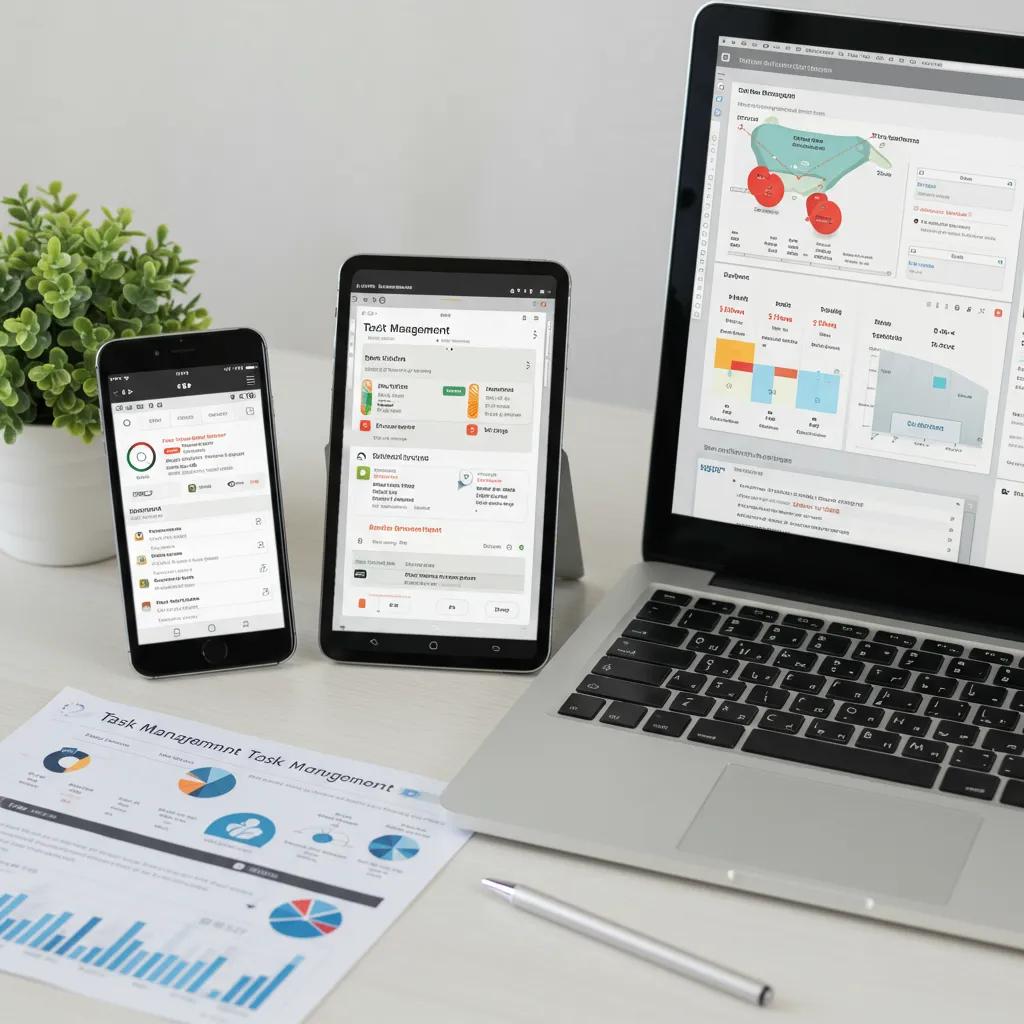
Choosing the right combination of task managers, calendar apps, and AI assistants amplifies time management techniques by automating routine work and making commitments visible. Tools vary by focus: quick capture and personal lists, project collaboration, or AI automation that summarizes and schedules. Below we compare common tools by strength, pricing model, platforms, and ideal users to help you choose based on your workflow and team size.
How Do Task Management Apps Like Todoist and Asana Enhance Productivity?
Task apps organize work into projects, labels, priorities, and reminders so nothing important slips through the cracks. Todoist excels at quick capture and individual task flows with simple priority flags, while Asana supports complex project workflows, dependencies, and team coordination. Typical workflows include inbox capture, weekly planning, and daily prioritization; use labels for contexts and due dates to trigger time-blocked work. For students or solo professionals, lean apps reduce friction; teams benefit from structured project views and collaboration features.
This comparison highlights primary strengths so you can match tools to the task types and collaboration needs you face. Choose a primary task manager and a simple calendar to avoid tool proliferation.
What Are the Benefits of Using Calendar Apps for Time Blocking?
Calendar apps make time blocking practical by allowing you to create visible, recurring blocks and share availability with collaborators. Google Calendar and similar apps support color-coding, reminders, and device syncing so blocks remain consistent across the workday. Best practice: create named blocks (Deep Work, Email, Meetings), set buffer zones around critical tasks, and reserve “no meeting” blocks for protected work. Syncing calendars across devices and with team calendars reduces double-booking and clarifies when you can focus, which directly supports time-management techniques.
How Can AI-Powered Productivity Tools Boost Daily Efficiency?
AI tools can triage email, summarize long documents, extract action items from meetings, and suggest optimal meeting times, thereby reducing busywork and freeing time for high-value tasks. Common use cases in 2025 include email triage that surfaces priority messages, automated meeting summaries that create task lists, and smart scheduling that finds mutually free windows across calendars. Caveats include privacy considerations and the need to verify AI outputs; always review AI-generated summaries against source material. When used carefully, AI features amplify time management by automating repetitive steps and making decisions faster.
For readers interested in coverage of AI productivity trends and how newsroom-scale AI tools affect workflows, ARY News’s Innovation and LifeStyle sections regularly discuss AI-powered reporting and productivity topics relevant to Pakistani professionals. ARY News positions “Ai Reporting Yard” capabilities as a practical example of how automation can streamline information intake and help both journalists and readers maintain focus without missing critical updates.
What Are Practical Organization Tips to Streamline Work and Life?
Organization reduces decision friction and creates a clear system for where things live and how work flows. Practical organization covers both digital and physical spaces, including file systems, email rules, application management, and daily routines. Consistent naming conventions, simple archiving rules, and a short weekly review ritual form the backbone of a sustainable organizational system. Below are concrete steps to declutter, manage email and files, and build routines that support ongoing productivity.
How to Declutter Your Digital Workspace for Better Efficiency?
Digital decluttering removes unnecessary files, reduces desktop visual noise, and creates reliable retrieval patterns. Start with a 30-minute routine: clear desktop icons, archive old files into date-and-project folders, and uninstall unused apps. Adopt folder naming conventions like YYYY-MM_ProjectName and keep an “Archive” folder for completed projects to reduce search time. Combine backups with a clean folder structure to protect work and simplify restoration. These small habits make it easier to start focused work without those distracting searches.
- Clear desktop and close unused apps to reduce visual distraction.
- Archive files by project and date to improve retrieval speed.
- Remove or hide rarely used apps to simplify your workspace.
A regular cleaning routine preserves gains from organizational changes and reduces future time spent hunting for resources.
What Are Effective Email and File Management Strategies?
Effective email and file management use filters, labels, and automation to reduce inbox noise and make important messages actionable. Create inbox rules to move newsletters into a separate folder, flag high-priority senders, and set clear archive vs. delete rules to maintain a lean inbox. For files, use consistent folder structures, version-aware filenames, and cloud-based syncing to avoid duplication. Automation checklists—filters, scheduled inbox zero time, and template responses—save recurring minutes daily and let you allocate more time to deep tasks.
How Can Routine Building Improve Overall Productivity?
Routines automate initiation and review behaviors so good habits require less willpower. Build a morning routine that sets priorities and an evening routine that captures completed work and plans tomorrow’s blocks. Weekly reviews should include clearing the inbox, updating the Eisenhower Matrix, and adjusting time blocks for the coming week. For students, morning study blocks and evening consolidation work well; professionals benefit from pre-meeting preparation blocks and post-day wrap-ups. Routines create predictable momentum and reduce the constant overhead of decision-making about what to do next.
How Can You Balance Work and Life to Prevent Burnout?
Balancing work and life preserves long-term productivity by preventing exhaustion and maintaining motivation. Effective strategies include scheduled recovery, clear boundaries, and monitoring warning signs of overload. Regular breaks, predictable off-hours, and social support reduce the cumulative stress that degrades performance. Implementing explicit rules and recovery routines makes high performance sustainable over months and years.
What Are the Best Break Techniques to Sustain Productivity?
Break techniques vary by duration and purpose; microbreaks restore attention quickly while longer breaks support deeper recovery. Use 5-minute microbreaks after short intervals for stretch and breathwork, and schedule a 15–20 minute break after 90 minutes of focused work for mental renewal. Longer restorative activities—brief walks, power naps, or social time—help consolidate learning and lift mood. Track how breaks affect subjective focus and task completion to refine timing and types for your work pattern.
How to Set Boundaries at Work for Better Mental Well-being?
Boundaries protect recovery time and prevent chronic overload by clarifying expectations with colleagues and supervisors. Use calendar-based rules like “office hours” or no-meeting blocks, communicate availability clearly, and practice concise scripts for saying no or negotiating deadlines. For remote workers, create physical separation by designating a workspace and signaling availability with shared calendar statuses. Routine boundary-setting reduces reactive work and creates sustainable rhythms for both productivity and wellbeing.
Why Is Preventing Burnout Essential for Long-Term Efficiency?
Burnout reduces cognitive capacity, motivation, and overall output, producing diminishing returns despite longer hours. Preventing burnout preserves high-quality attention and long-term career performance by ensuring recovery and consistent pacing. Watch for warning signs such as emotional exhaustion, reduced effectiveness, and cynicism; adopt corrective steps like redistributing workload, scheduling rest, and seeking social support. Maintaining capacity over time is a core productivity strategy: short-term overdrive undermines long-term gains.
What Are Common Challenges in Using Productivity Hacks and How to Overcome Them?
Applying productivity hacks often falters due to inconsistent practice, unrealistic expectations, and poor fit with local norms. Address these challenges by starting small, tracking outcomes, and adapting techniques to personal and cultural contexts. Accountability methods, simple tracking, and gradual habit-building make adoption reliable. Below are common obstacles and practical solutions to keep your productivity system working.
How to Stay Consistent with Time Management Techniques?
Consistency grows from tiny, repeatable actions and external accountability. Use habit stacking (attach a new habit to an existing routine), set measurable short-term goals, and find an accountability partner or small group for weekly check-ins. Keep a simple tracker for completed time blocks and Pomodoros to reinforce progress. Celebrate small wins and scale commitments slowly; incremental consistency outperforms sporadic intensity.
What Are Typical Distractions and How Can You Manage Them?
Typical distractions include device notifications, open-plan interruptions, and internal distractions like wandering thoughts. Manage them by using app blockers during deep blocks, creating visual cues that you are focused, and moving shallow tasks to dedicated shallow-work windows. Rank distractions by impact and eliminate or mitigate the highest-impact sources first. A triage flow—pause, decide if interruption is urgent, then act—helps maintain control over attention.
How to Adapt Productivity Hacks to the Pakistani Work Culture?
Adapting techniques to Pakistani workplaces means accommodating commute patterns, family obligations, and cultural rhythms. Practical adaptations include scheduling work blocks around prayer and meal times, using mobile-friendly apps for commute-based planning, and negotiating flexible office hours to match peak focus times. Start with small adjustments and explain benefits to colleagues to build acceptance. Localized changes ensure productivity practices are respectful and sustainable.
How Can You Get Started with Productivity Hacks Today?
Starting is about choosing one technique, committing to a short test, and measuring results; small experiments beat vague promises. A compact starter plan reduces friction and produces quick feedback. Below is a simple five-step starter checklist, followed by recommended beginner apps and tracking methods to maintain momentum during the first month.
What Are Simple Steps to Implement the Pomodoro and Time Blocking Methods?
Start by scheduling one two-hour deep-work block tomorrow morning and divide it into four 25-minute Pomodoro intervals with 5-minute breaks. Before the block, list one primary outcome and two secondary tasks to keep scope tight. After the session, record completed Pomodoros and a short focus score out of 10 to track baseline performance. Troubleshoot by shortening intervals if attention falters or bundling similar tasks when interruptions are likely. This micro-plan makes both methods immediately testable and measurable.
- Five-step starter checklist:
Choose one technique (Pomodoro or Time Blocking) and commit for one week.
Set a single SMART goal tied to that technique.
Schedule protected blocks on your calendar for focused work.
Pick one task app to capture work and one calendar app to block time.
Review weekly and adjust durations or tools as needed.
Which Free and Paid Apps Should Beginners Try First?
Pick one app for tasks and one for calendar that match your complexity needs. For beginners, lightweight options that balance power and simplicity work best: a free tier task manager for capture and a standard calendar for blocks. If you need team features, choose a collaboration-focused product with clear project views. Keep the toolset minimal to avoid overhead.
How to Track Your Progress and Adjust Productivity Strategies?
Track a few simple metrics: deep-work hours per week, completed priority tasks, and a subjective focus score after each block. Use a short weekly review template: list wins, bottlenecks, and one change to test next week. Iterate by adjusting block lengths, reassigning tasks across the Eisenhower Matrix, or switching lightweight tools. Regular measurement and small experiments create steady improvement and ensure techniques remain aligned with real work demands.
For ongoing coverage of AI productivity tools, localized case studies, and tips tailored to Pakistani professionals and students, consider following ARY News’s Innovation and LifeStyle sections. ARY News (Ai Reporting Yard) regularly explores how automation and AI reshape workflows and offers context that helps readers apply modern productivity hacks in fast-paced information environments.
Conclusion
Implementing effective productivity hacks can significantly enhance your time management, focus, and overall efficiency in both personal and professional settings. By utilizing techniques like the Pomodoro Method, time blocking, and the Eisenhower Matrix, you can streamline your workflow and reduce stress. Embrace these strategies to reclaim your time and boost your productivity today. Start your journey towards better efficiency by exploring our recommended tools and techniques now.