Plus Size Fashion: Latest Curvy Fashion Trends, Inclusive Styles, and Body Positive Outfit Ideas
Plus size fashion describes clothing designed to fit and flatter bodies larger than the conventional sample sizes used by mainstream labels, combining thoughtful patterning, fabric choice, and proportion to improve comfort and confidence. This article explains why 2025 is a pivotal year for curvy fashion—shifts in silhouette preferences, broader textile innovation, and stronger cultural conversations are driving more inclusive collections and styling options. Readers will learn trend signals, the role of the body positivity movement, designer and brand developments, practical outfit ideas, and the market forces reshaping inclusive apparel. The piece maps key curvy fashion trends for 2025, traces cultural and psychological impacts, profiles leading brands and designers, offers actionable styling guidance, and outlines the business outlook and media representation shaping this moment for plus size consumers.
What Are the Key Curvy Fashion Trends for 2025?
Key curvy fashion trends for 2025 emphasize balance between comfort and structure, where designers mix relaxed silhouettes with strategic tailoring to celebrate diverse shapes. This trend works by pairing drape-friendly fabrics with proportion-conscious cuts to create approachable, wearable aesthetics that enhance movement and confidence. The result is clothing that feels easy to wear while visually balancing proportions, which supports day-to-night versatility and broader consumer adoption. Below we summarize the top trend directions and how they translate for different climates and cultural contexts.
Popular trend directions for 2025 include:
- Statement tailoring with relaxed lines that retain waist definition for proportion.
- Elevated athleisure combining technical fabrics and inclusive sizing for daily comfort.
- Bold color blocks and prints that redirect visual focus and celebrate individuality.
These trend signals are visible across social media styling moments and selective runway presentations, and they set up discussion about fabrics and construction that follows in the next subsection.
Which Colors and Fabrics Define Plus Size Fashion in 2025?
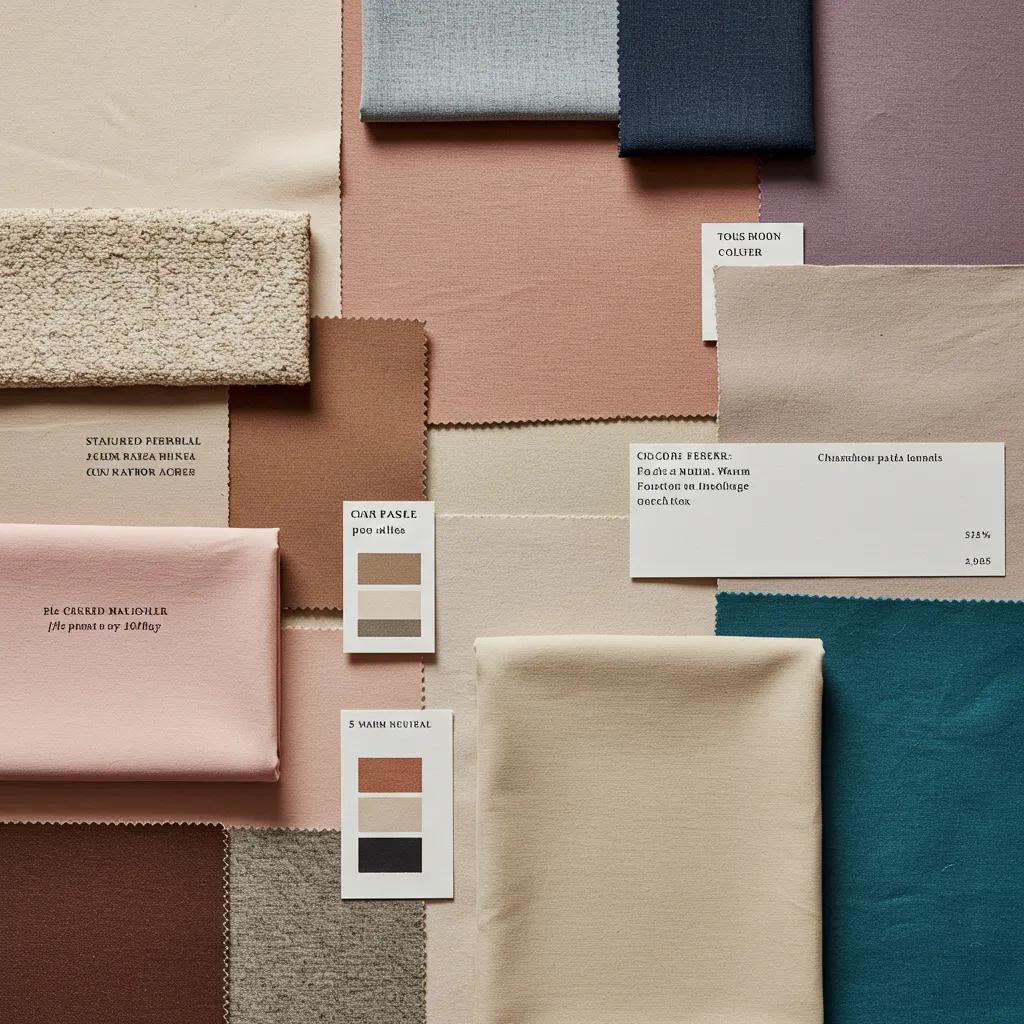
Color palettes in 2025 favor contrast and clarity: saturated jewel tones, warm neutrals, and cheerful pastels appear alongside bold monochrome sets to provide versatile wardrobes for curvy figures. Fabrics lean toward natural fibers with purposeful stretch—blends that offer breathability and drape, like cotton-modal mixes and lightweight viscose blends, support silhouette flow while retaining structure where needed. The practical benefit is twofold: fabrics with good recovery create smoother lines, while breathable weaves reduce bulk and enhance comfort in warmer climates. These material choices also allow local craft textiles to be reinterpreted into modern silhouettes without compromising ease of movement.
How Do Oversized Cuts and Defined Waists Enhance Curvy Styles?
Oversized cuts provide comfort and movement by reducing tension at seams and allowing garments to skim the body, while defined-waist treatments create focal points that preserve visual balance and proportion. Designers use techniques such as internal shaping, belt integrations, and strategic seaming to combine ease with silhouette clarity, which helps garments look intentional rather than generic. For everyday wear, oversized outerlayers paired with cinched middles add polish without restricting comfort, and tailoring adjustments—like elongated darts or princess seams—translate trends into flattering, wearable pieces. These proportion strategies lead naturally into occasion-specific adaptations discussed next.
What Are the Popular Occasionwear and Athleisure Styles for Plus Size?
Occasionwear in 2025 often features wrap dresses, tailored jumpsuits, and asymmetric hemlines that provide elegance while accommodating curves and movement. Athleisure blends elevated sweat fabrics, high-stretch panels, and inclusive waistband engineering to deliver performance with style, making exercise and travel wear look cohesive with casual wardrobes. For formal events, fabrics with forgiving drape and structure—matte satins, ponte knits—create clean silhouettes without clinging, while athleisure benefits from reinforced stitching and breathable mesh panels for activity. These outfit adaptations demonstrate how designers translate trend mechanics into real-world garments people can wear across settings.
How Is the Body Positivity Movement Shaping Plus Size Fashion?
The body positivity movement promotes acceptance of diverse bodies and directly influences design, marketing, and retail practices by demanding authentic representation and product availability. This influence works by shifting consumer expectations—people now expect brands to show real bodies, provide accurate sizing information, and design with functional fit in mind—which in turn changes how collections are planned and shown. The practical outcome is more inclusive campaigns, expanded size ranges in some labels, and a cultural reframing of beauty norms that supports both mental health and consumer choice. Understanding this movement clarifies why representation and psychology are integral to modern fashion reporting.
Historic milestones and cultural shifts trace how activism led to visible changes in campaigns, runway casting, and editorial choices; current consumer pressure accelerates brand responsiveness and media accountability. As this movement matures, Pakistani fashion culture adapts through social media conversation and local tailoring traditions that can support inclusive practices. The psychological benefits are significant—visible representation reduces stigma and contributes to improved self-image—creating a feedback loop where demand for inclusive product and media depictions reinforces one another.
What Is the History and Impact of Body Positivity in Fashion?
The body positivity movement evolved from grassroots activism into mainstream discourse, prompting brands and media to reconsider casting, sizing, and messaging. Its mechanism is cultural pressure—consumer advocacy and influencer storytelling—that compels industry stakeholders to broaden visibility and product access. The measurable impacts include more frequent inclusion of diverse models in editorials, increased dialogue about fit solutions, and consumer-led shifts in purchase behavior toward brands that show authentic representation. These developments suggest long-term change in industry norms rather than fleeting marketing gestures.
How Does Body Positivity Influence Pakistani Fashion Culture?
In Pakistan, body positivity conversations intersect with local norms around modesty, tailoring, and family-driven shopping habits, producing unique paths toward inclusion. Social platforms amplify individual voices—especially among younger demographics—calling for accessible fit options and realistic styling advice that respects cultural dress codes. Local designers and bespoke ateliers often adapt by offering extended measurements and customizable fits, which leverages existing tailoring strengths to support inclusivity. These adaptations indicate that cultural receptivity and craftsmanship can together broaden options for curvy consumers in Pakistan.
What Psychological Benefits Does Inclusive Fashion Offer?
Inclusive fashion supports improved self-esteem and social belonging by enabling people to present themselves authentically and functionally in public spaces. Clothing that fits well reduces daily friction and increases confidence, which in turn influences social interactions and mental well-being. Representation in media and retail messaging validates diverse experiences, decreasing internalized stigma and encouraging healthier body image across age groups. These psychological outcomes underscore why fashion inclusion matters beyond aesthetics—it affects daily lived experience and access to social participation.
Which Brands and Designers Are Leading Inclusive Plus Size Fashion?
Profiles of brands and designers leading inclusivity show a mix of legacy retailers expanding size ranges and newer labels centering curvy bodies from launch, reflecting different strategic approaches to the same market demand. Reporting on these players focuses on how they configure size ranges, campaign authenticity, and fit solutions rather than promoting specific products, which helps readers understand options and trends. The comparison table below offers a concise view across global and regional players.
This overview highlights that inclusivity takes multiple forms—from mass-market size expansion to bespoke tailoring—and sets expectations for how designers translate demand into garments.
Who Are the Top Body Positive Clothing Brands Globally and in Pakistan?
Globally, a mixture of established retailers and niche brands lead visible inclusion efforts by offering broader size ranges and featuring diverse bodies in marketing; locally, Pakistani labels and independent tailors often use bespoke techniques to achieve better fit for curvy customers. The primary mechanism for recognition is authenticity in representation and tangible size availability, rather than one-off campaigns, which differentiates sustained commitment from publicity stunts. Consumers benefit from both approaches: global brands provide off-the-rack accessibility while local designers offer tailored solutions that respect cultural preferences.
How Are Pakistani Designers Embracing Plus Size Collections?
Pakistani designers embrace inclusivity through adaptations of traditional craftsmanship—pattern grading, adjustable cuts, and custom fittings—that leverage the country’s strong tailoring culture. These methods allow designers to offer garments that respect modesty norms while providing shape-aware construction and comfort. Small labels and bespoke ateliers often lead experimentation, testing inclusive silhouettes on varied bodies and sharing learnings via social platforms to inform broader production strategies. This grassroots innovation is a key lever for expanding accessible options within local markets.
Which Influential Plus Size Models and Advocates Promote Inclusivity?
Influential models and advocates amplify visibility by sharing personal narratives, styling demonstrations, and behind-the-scenes perspectives that demystify fit and styling for plus size audiences. Their role is to normalize diverse bodies in mainstream conversations and to pressure brands toward honest representation in campaigns and product imagery. In Pakistan and globally, these advocates use social media to create community, offer practical styling advice, and hold industry players accountable for meaningful change. Their activity directly informs consumer expectations and brand responsiveness.
What Are Practical Plus Size Outfit Ideas and Styling Tips?
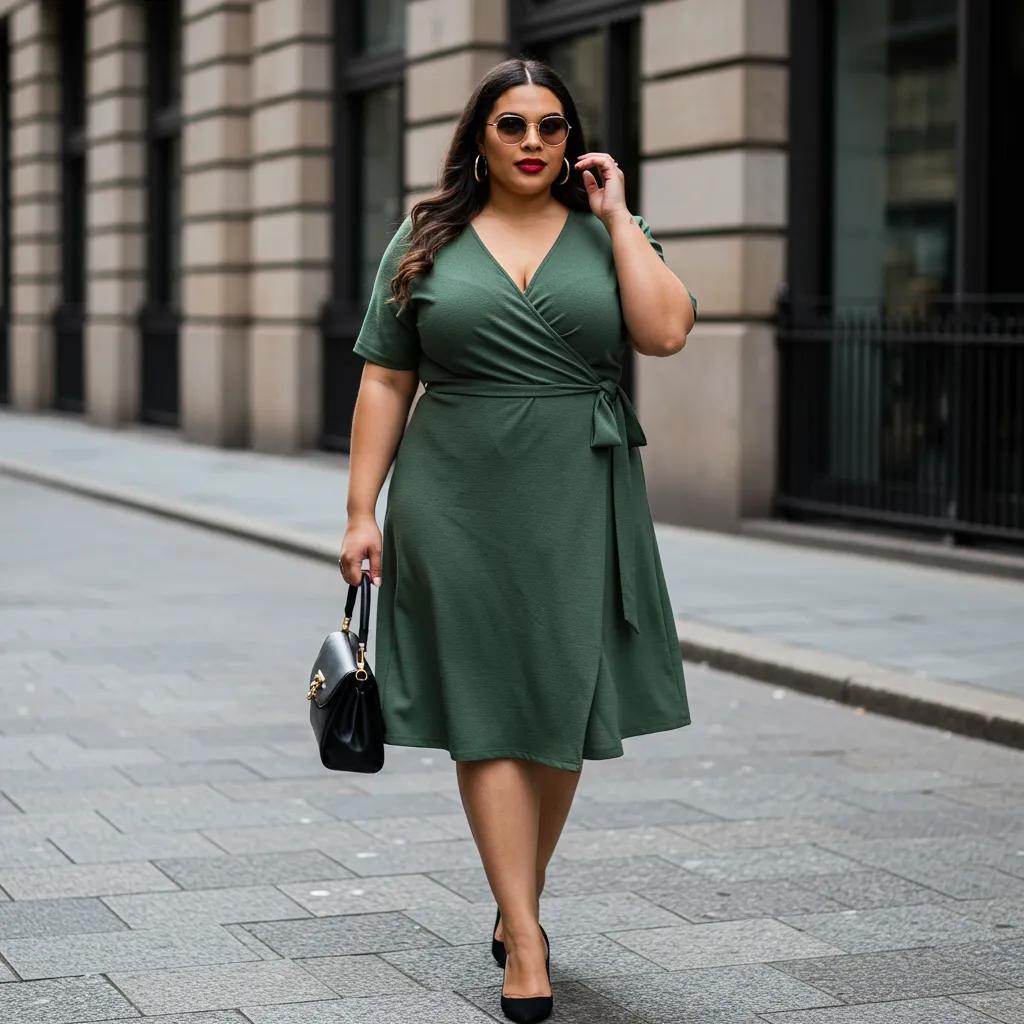
Practical styling for plus size figures prioritizes fit, fabric behavior, and proportion to create balanced looks that serve occasion and comfort simultaneously. The reason this works is that considered tailoring choices and fabric selection change how garments sit on the body, altering perceived proportion without sacrificing ease. The value to readers is actionable, replicable outfit ideas for everyday, formal, and active contexts that can be adapted with local textiles and personal preferences. Below are concrete styling guidelines, followed by a comparison table for core clothing categories.
Key outfit strategies include:
- Use vertical lines and seam details to elongate the torso.
- Choose structured layers like longline blazers to create vertical balance.
- Opt for mid-weight drape fabrics for dresses to avoid cling while maintaining shape.
These tips lead into specific rules for dresses, jeans, and activewear presented next.
How to Style Plus Size Dresses, Jeans, and Activewear for Every Occasion?
For dresses, prefer wrap and A-line cuts that provide waist shaping and skirt movement; these designs create comfortable elegance for formal and casual events alike. Jeans benefit from higher rises, moderate stretch, and clean leg lines that deliver proportion and reduce unwanted pulling across hips. Activewear should combine supportive waistbands with breathable, four-way stretch fabrics to enable movement without chafing; technical features like gussets improve comfort. Selecting appropriate undergarments and considering hem lengths ties these choices together, producing cohesive outfits suitable for many contexts.
What Are the Best Inclusive Fashion Styles for Different Body Shapes?
Mapping styles to body-shape categories helps personalize guidance: hourglass shapes often suit fitted waists and balanced skirts, pear shapes benefit from structured tops and A-line skirts to equalize proportions, apple shapes can choose V-necks and elongated jackets to create vertical focus, and rectangle shapes gain definition from belted waists and peplum details. Each recommendation aligns with proportion principles—creating focal points, elongating the torso, or adding structure—so readers can adapt ideas to their preferences. These shape-based rules translate directly into shopping lists and tailoring adjustments.
How Can Accessories and Layering Enhance Curvy Fashion Looks?
Accessories and layering adjust perceived proportions subtly: belts create waist definition, long necklaces draw the eye vertically, and structured jackets frame the torso for a refined silhouette. Scarves and shawls add textural interest while enabling coverage options for cultural or climate needs, and shoe choices—from pointed toes to block heels—can lengthen the leg line or stabilize comfort. Thoughtful layering also enables seasonal adaptability: lightweight layers in summer and strategic insulation in cooler months preserve silhouette control without bulk. These techniques let consumers personalize looks while maintaining functional comfort.
What Is the Current Market Growth and Business Outlook for Plus Size Fashion?
Market reporting indicates that demand for plus size clothing continues to strengthen due to higher consumer expectations, the convenience of online shopping, and influencer-driven discovery that highlights fit and representation. This dynamic works because digital platforms reduce distribution friction and allow niche brands to reach targeted segments, while social proof accelerates adoption among undecided shoppers. The outcome is greater retailer interest in inclusive assortments, though operational challenges remain. In this section we summarize drivers, present a market-player comparison table, and outline practical opportunities for industry stakeholders.
Key market drivers and challenges include:
- Online retail growth enabling niche offerings and better inventory testing.
- Influencer and community signals increasing awareness and purchase intent.
- Operational costs such as grading and returns that make scaling inclusive ranges complex.
These drivers set up the ethical and sustainability practices discussed next.
How Is the Global Plus Size Clothing Market Expanding in 2025?
Expansion in 2025 is driven by improved digital discovery, a broader cultural acceptance of diverse bodies, and iterative product development that uses customer feedback to refine fit. Retailers leverage online fit tools and customer reviews to reduce uncertainty, while niche labels use made-to-order or limited runs to test demand without heavy inventory risk. These market mechanisms lower barriers for inclusive collections and increase the variety available to consumers, even in regions where brick-and-mortar options remain limited.
What Ethical and Sustainable Practices Are Emerging in Plus Size Fashion?
Sustainability in inclusive fashion includes practices like inclusive sampling, made-to-order production to avoid overstock, and fabric choices that reduce waste—strategies that align ethical manufacturing with broader size availability. By rethinking sampling across size ranges and investing in pattern grading systems that minimize waste, brands can offer more sizes without proportionally increasing environmental footprint. These practices also improve supply chain resilience and support brand differentiation through responsible production choices.
What Challenges and Opportunities Do Retailers Face in Inclusive Fashion?
Retailers must manage increased SKU complexity, higher initial grading and photography costs, and potentially greater return rates if fit guidance is inadequate, yet they also access an underserved market with strong loyalty potential. Opportunities include leveraging digital tools—virtual try-on, size recommendation engines—and partnering with local tailors for hybrid off-the-rack-plus-tailoring models. Addressing customer service, clear sizing charts, and authentic representation in marketing reduces friction and builds long-term consumer trust.
How Is Media Representation Affecting Plus Size Fashion and Society?
Media representation affects public perception and purchasing behavior by normalizing diverse bodies and shaping what consumers expect from brands and retailers. When fashion media and news outlets include varied body types in features and product imagery, they reduce stigma and create demand for practical options that meet real-world needs. This dynamic places responsibility on editors and content creators to choose inclusive visuals, verify fit claims, and prioritize community voices. The following subsections examine portrayals, editorial responsibilities, and community efforts that support plus size individuals.
How Are Plus Size Bodies Portrayed in Pakistani and Global Media?
Global media shows increasing representation of plus size bodies in advertising and editorial spreads, yet portrayals can still be inconsistent and tokenistic when not backed by sustained product availability. Pakistani media navigates additional cultural layers—modesty expectations and family-oriented consumption patterns—that affect representation pace and styling norms. Both contexts benefit when coverage pairs visibility with practical information about fit and access, helping readers translate representation into usable wardrobe choices and purchase decisions.
What Role Does Fashion Media Play in Addressing Fatphobia?
Fashion media can combat fatphobia through editorial policies that prioritize respectful language, diverse model casting, and evidence-based reporting on fit and sizing issues. Concrete steps include using accurate measurements in product descriptions, showcasing tailored solutions, and amplifying expert voices on health and body diversity. By framing coverage around consumer needs rather than moralizing bodies, media outlets create more inclusive narratives that influence both social attitudes and industry practice.
How Are Communities Building Support for Plus Size Individuals?
Communities build support through peer-led styling groups, hashtag movements that share outfit ideas and brand recommendations, and offline meetups that exchange tailoring tips and shopping strategies. These networks offer practical resources—size-friendly brand lists, alterations advice, and confidence-building styling workshops—that reduce barriers to participation. Strong community ecosystems also pressure brands to respond to articulated needs, creating a feedback loop that improves both product development and representation.
What Are the Latest Events and Industry Initiatives Promoting Plus Size Fashion?
Industry events and initiatives spotlighting inclusivity include runway segments, panel discussions, and trade conferences that present research, brand case studies, and advocacy for broader size ranges. These forums function as knowledge exchanges where designers, retailers, and advocates share best practices and launch inclusive campaigns. Coverage of such events helps readers understand where industry momentum lies and what concrete actions brands are taking.
Which Fashion Weeks and Conferences Feature Plus Size Inclusivity?
Several contemporary fashion weeks and industry conferences increasingly include panels and shows dedicated to inclusivity, providing platforms for designers to present size-diverse collections and for industry leaders to debate operational solutions. These showcases elevate best practices, highlight fit engineering techniques, and create media moments that broaden consumer awareness. The shared learning from these events feeds back into product strategies and editorial coverage that we examine earlier.
How Are Brands Launching New Plus Size Collections in 2025?
Brands launch inclusive collections using phased rollouts—pilot sizes online, targeted influencer partnerships, and social-first campaigns to gather feedback—while coupling product launches with detailed fit guidance and expanded imagery. Marketing strategies increasingly pair real-customer testimonials and size-inclusive model shoots with transparent sizing information, which reduces friction during purchase and helps brands iterate faster based on return and review data. These practical launch tactics support both discovery and conversion among plus size consumers.
What Expert Opinions and Interviews Highlight Industry Progress?
Experts emphasize that progress requires systems change: updated grading standards, better sampling across sizes, and investment in technology for fit prediction and customer education. Analysts recommend multi-stakeholder collaboration—designers, manufacturers, retailers, and community advocates—to scale inclusive practices sustainably. These expert perspectives stress measurable commitments—consistent size availability, representative imagery, and improved customer service—as markers of genuine industry progress and remaining gaps to address.
Conclusion
Embracing plus size fashion in 2025 offers a wealth of benefits, from enhanced self-expression to improved comfort and confidence through thoughtfully designed clothing. The insights shared in this article highlight the importance of inclusivity, diverse representation, and the evolving market landscape that supports curvy consumers. To further explore these empowering trends and find the perfect outfit for your unique style, visit our curated collection of plus size fashion today. Together, we can celebrate body positivity and redefine beauty standards in the fashion industry.