Comprehensive Food News and Trends: Latest Industry Insights, Global Innovations, and Pakistani Culinary Developments
This roundup defines the current landscape for food news and trends, explaining why 2025 is a pivotal year for menus, manufacturing, and culinary culture. It examines global movements—like plant-forward eating, functional foods, zero-waste practices, and food tech—and maps how these shape Pakistani restaurants, street food, and home kitchens. To provide timely and comprehensive news and current affairs coverage, keeping the audience informed and engaged with diverse content. Many readers want actionable guidance: which trends matter, how local chefs are adapting traditions, and where to follow reliable reporting. This article delivers trend definitions, local case studies, industry developments, nutrition guidance, and practical ways to stay informed—organized into clear sections so you can quickly navigate to the topics that matter most.
What Are the Top Global Food Trends Shaping 2025?
Global food trends in 2025 signal changing consumer priorities: health, sustainability, flavor intensity, and convenience are converging to reshape product lines and dining concepts. Plant-forward eating emphasizes vegetables and high-quality proteins without mandating full veganism, while functional foods expand the overlap between nutrition and wellbeing. Zero-waste practices reduce supply-chain loss and create new product streams from upcycled ingredients, and technology enables traceability and new dining formats. These trends produce measurable impacts—menu diversification, new revenue streams, and altered consumer purchase patterns—while creating opportunities for local adaptation in Pakistan.
This comparison highlights key global trends and how each is manifesting in Pakistan.
This table shows how global trends translate into local innovation and commercial impact, setting the stage for deeper exploration of each trend below.
How Is Plant-Forward Eating Influencing Menus Worldwide?
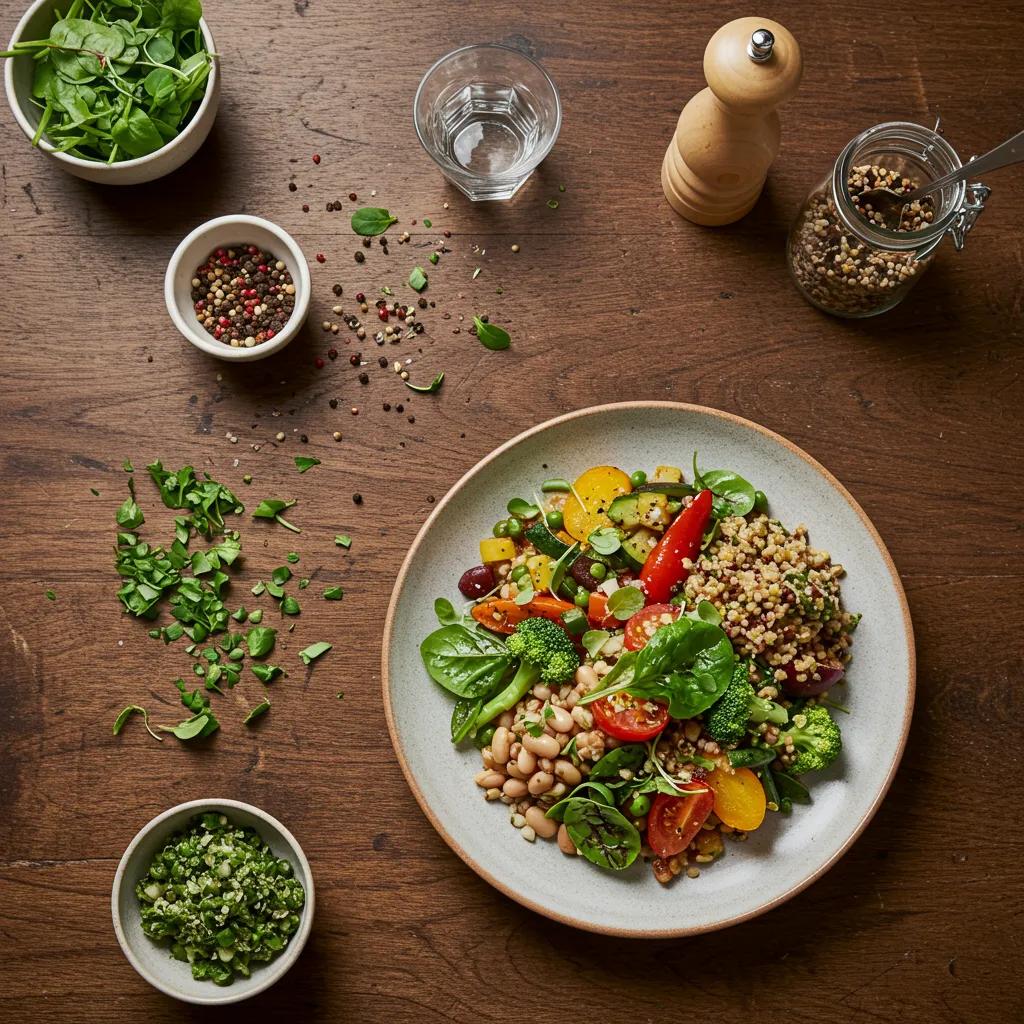
Plant-forward eating prioritizes vegetables, legumes, grains, and high-quality plant proteins while retaining flexibility for occasional animal proteins; this approach lowers environmental footprint and increases menu adaptability. The mechanism is simple: chefs re-balance plates to make plants the centerpiece, using techniques that elevate texture and umami so consumers feel satisfied. Benefits include lower per-plate carbon intensity, expanded vegetarian options, and new flavor profiles that attract health- and sustainability-minded diners. In practice, menus now feature legume-based biryanis, cauliflower karahi, or mixed-grain pilafs as main attractions rather than side dishes. As chefs refine these techniques, the next logical trend is integrating functional ingredients into plant-forward dishes for added wellness benefits.
What Are Functional Foods and Their Health Benefits?
Functional foods are ingredients formulated or prepared to provide health benefits beyond basic nutrition, such as fermented items, adaptogens, or specialty mushrooms that support immunity or cognition. They work through bioactive compounds—probiotics, polyphenols, beta-glucans—that interact with digestion, inflammation pathways, or metabolic function to deliver measurable outcomes. Benefits include improved gut health, immune modulation, and targeted nutrient delivery that can complement traditional diets; chefs and producers incorporate these into beverages, snacks, and condiments. In Pakistan, traditional fermented dairy and herbal preparations offer natural entry points for modern functional food marketing. Recognizing these benefits helps chefs and manufacturers design products that resonate with wellness-focused consumers.
How Are Zero-Waste and Sustainable Food Practices Evolving?
Zero-waste cooking centers on using whole ingredients, repurposing byproducts, and designing circular supply chains that minimize landfill-bound waste while generating new value streams. The mechanism involves upcycling peels, stems, and trimmings into powders, stocks, and snacks, supported by partnerships between farms and processors to reclaim value. Benefits include reduced input costs, new product lines (e.g., fruit-peel confectionery), and improved brand sustainability credentials that appeal to eco-conscious diners. Restaurants and suppliers adopting these practices show how waste becomes ingredient, but successful implementation requires system changes in procurement and kitchen workflows. As more venues adopt upcycling, the industry must also invest in consumer education to communicate the safety and quality of repurposed ingredients.
In What Ways Is Technology Transforming the Food Industry?
Technology reshapes production, distribution, and dining through agritech innovations, supply-chain traceability, digital ordering platforms, and kitchen automation that increase efficiency and transparency. Mechanisms include sensor-driven irrigation, blockchain for provenance, and automated prep stations that reduce labor constraints and speed service. Benefits are measurable: reduced spoilage, faster order fulfillment, and stronger consumer confidence in origin and safety. For restaurants and manufacturers, tech reduces operational friction and opens data-driven menu optimization. As these systems scale, the industry will combine tech-enabled traceability with sustainability metrics to help consumers make informed choices at the point of purchase.
Why Are Spicy and Umami Flavors Gaining Popularity?
Spicy and umami flavor profiles are rising due to youth-driven tastes and social media amplification of bold, shareable dishes that deliver sensory novelty and emotional satisfaction. The mechanism is cultural diffusion: global condiments, fermented pastes, and chili techniques gain visibility through short-form video and influencer menus. Benefits include increased menu differentiation and higher engagement as patrons seek intense-flavor experiences that photograph well. In Pakistan, chefs combine regional chilis and traditional umami-rich ingredients—like slow-cooked meat reductions or fermented condiments—to create hybrid dishes that resonate with adventurous diners. This flavor trend pairs naturally with plant-forward and functional approaches to satisfy both taste and wellness demands.
How Are Pakistani Food Trends Reflecting Local and Global Influences?
Pakistani food trends increasingly reflect a two-way flow: global techniques and ingredients are adapted through regional flavors, and local traditions are being reinterpreted for contemporary audiences. This dynamic results from younger consumers seeking novelty while valuing culinary heritage, prompting chefs to modernize classics without erasing provenance. The interplay shapes menus across urban centers, drives innovation in street food formats, and encourages regional cuisines to reach national and international diners. The next sections unpack revival of dishes, street-food evolution, rising regional profiles, and concrete menu adaptations influenced by global trends.
What Traditional Pakistani Dishes Are Experiencing a Revival?
A revival of traditional dishes emphasizes provenance, seasonal sourcing, and chef-led reinterpretation that resonates with nostalgia and modern health priorities. Dishes like biryani and haleem are receiving technique updates—leaner proteins, whole-grain rice blends, and controlled portioning—while presentation and sourcing stories elevate their appeal. Chefs rework recipes to reduce saturated fats, incorporate local pulses, or emphasize artisanal spice blends that highlight terroir. These revivals benefit both restaurants and consumers by preserving culinary identity while meeting contemporary demands for transparency and nutrition. Continued experimentation will likely see more region-specific classics reintroduced to menus with clarified ingredient narratives.
How Is Street Food Innovation Changing Pakistan’s Culinary Scene?
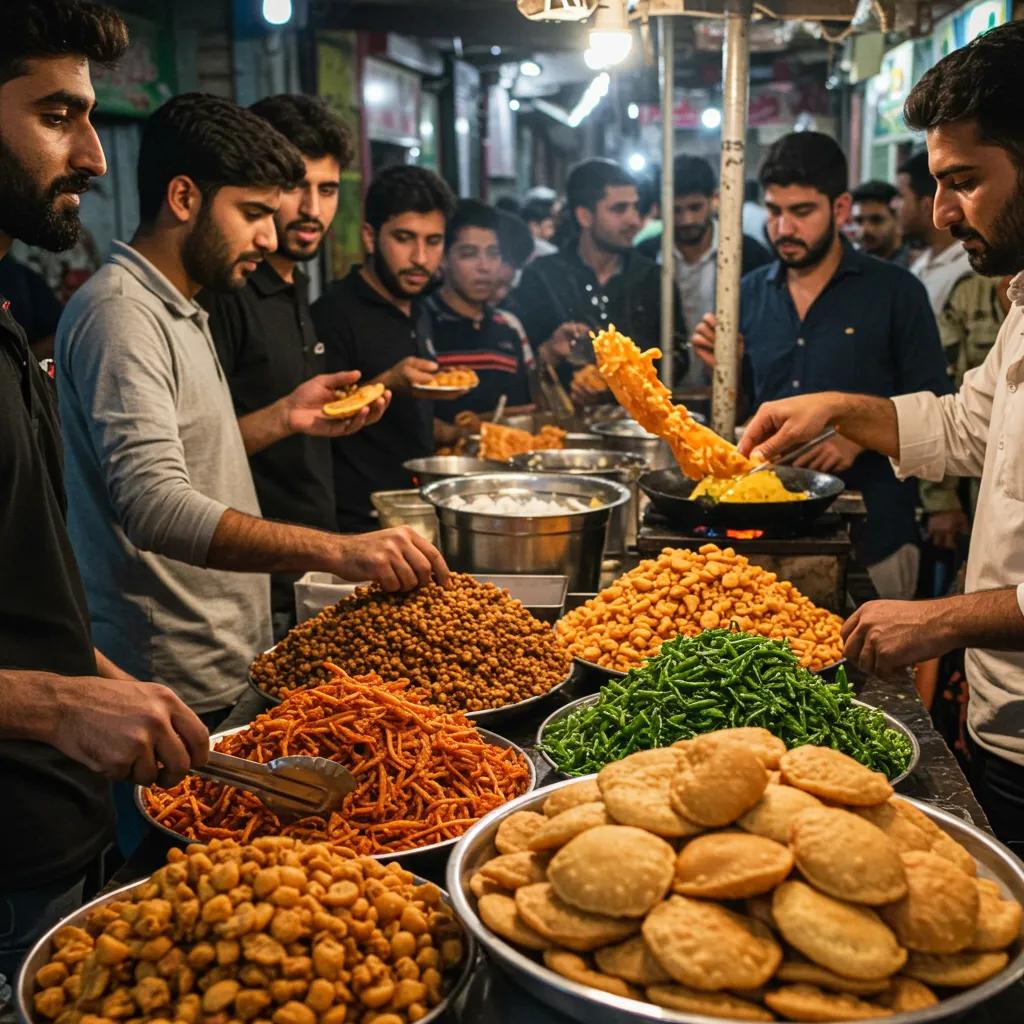
Street food innovation bridges informal vendors and formal dining through pop-ups, modular stalls, and “street-to-table” concepts that translate viral flavors into curated experiences. Mechanisms include standardized recipes for scale, hygiene improvements, and hybrid concepts that pair street snacks with elevated sides or beverages. Benefits include new revenue channels for vendors, broader audience reach, and diversified dining offerings in urban neighborhoods. Youth-driven demand and social media exposure accelerate commercialization, but these changes also bring regulatory and hygiene pressures requiring investment in training and facilities. As street food scales up, the sector can professionalize while retaining the spontaneity that makes it culturally resonant.
What Regional Pakistani Cuisines Are Gaining Popularity?
Regional cuisines are gaining traction as chefs spotlight distinct spice profiles, cooking techniques, and indigenous ingredients from Punjab, Sindh, Balochistan, Khyber Pakhtunkhwa, and Kashmir. Mechanisms include curated tasting menus, festival showcases, and regional-themed pop-ups that introduce signature dishes to new audiences. Benefits include culinary diversity on national menus and increased appreciation for lesser-known preparations—such as smoky Balochi grills or Kashmiri stews—expanded through storytelling. Restaurants and events promoting these cuisines create cross-regional curiosity and help preserve culinary heritage while providing new commercial opportunities for small producers and spice growers.
How Are Global Food Trends Impacting Pakistani Menus?
Global trends influence Pakistani menus via practical adaptations: plant-forward biryanis replace some meat with legumes, functional ingredients appear in beverages and chutneys, and fusion desserts incorporate global techniques with local flavors. Mechanisms involve menu testing, limited-time offers, and social media feedback loops that rapidly validate winners. Benefits include attracting younger diners, increasing dine-out frequency, and enabling price-sensitive innovations that maintain profitability. Consumer reception tends to be positive when tradition and innovation are balanced, and social platforms accelerate adoption by showcasing visually compelling fusion dishes. As these influences deepen, chefs must balance innovation with cultural authenticity to retain trust.
What Are the Latest Developments in the Pakistani Food and Restaurant Industry?
Industry developments span new dining concepts, chef innovation, review trends, and evolving food safety expectations that shape consumer choices and operational priorities. Coverage of openings, chef profiles, and regulatory changes helps stakeholders understand market direction and investment opportunities. As an information hub, ARY News provides reporting and contextual analysis on these developments and highlights industry dynamics for readers who follow food-sector news closely. The following subsection offers a scannable comparison of notable concept types and recent innovations to help readers quickly grasp market movement.
This comparison highlights how new concepts prioritize sustainability, health, and scalability—factors shaping investment and consumer attention.
Which New Restaurants and Cafes Are Opening in Major Cities?
New openings often emphasize distinct propositions—plant-forward menus, curated regional cuisine, or hybrid café-dining formats tailored to younger diners. Mechanisms behind these launches include concept testing via pop-ups, targeted social campaigns, and partnerships with local suppliers to secure distinctive ingredients. Benefits for consumers include increased variety and more options for dietary preferences, while benefits for operators include the ability to capture niche demand quickly. Recent patterns show growth in compact, delivery-friendly formats and concept cafés that double as community spaces. Observing these openings provides insight into where urban dining is heading and which formats resonate with city consumers.
How Are Pakistani Chefs Innovating Traditional and Modern Dishes?
Pakistani chefs innovate by recombining techniques, reducing resource intensity, and incorporating functional or plant-forward ingredients into classics to create dishes that feel both familiar and novel. Mechanisms include sous-vide for texture control, fermentations to boost umami, and reinterpreted spice blends for lighter profiles. Benefits include improved nutritional balance, longer menu lifespan, and stronger storytelling opportunities that attract media attention. Chef-led initiatives often emphasize local sourcing, seasonal menus, and collaborations with small producers to showcase provenance. These innovations position chefs as trend drivers and help evolve public perception of Pakistani cuisine.
What Are Current Restaurant Reviews and Dining Experiences?
Recent reviews highlight service consistency, experiential dining, and price-value perceptions as primary factors driving recommendations and repeat visits. Mechanisms for assessment include mystery-dining formats, aggregated customer feedback, and critique by food writers focusing on balance of flavor, portioning, and hygiene. Benefits of this scrutiny include clearer consumer expectations and opportunities for restaurateurs to refine operations. Reviews increasingly praise venues that combine authentic technique with contemporary service models while criticizing inconsistent execution or value mismatch. Understanding these patterns helps diners choose venues and guides operators on priorities for improvement.
How Are Food Safety and Hygiene Standards Evolving Locally?
Food safety and hygiene are evolving through heightened consumer awareness, emerging enforcement practices, and collaboration with regulatory bodies to standardize protocols across supply and service chains. Mechanisms include increased inspections, supplier audits, and adoption of traceability tools that monitor cold-chain integrity. Benefits include reduced foodborne risk, improved consumer trust, and the potential for certified establishments to differentiate on safety. For consumers, practical steps include observing visible hygiene practices, reviewing inspection notices where available, and favoring vendors with transparent sourcing. Industry-wide improvements in safety practices will be essential as commercial-scale operations expand.
How Is Healthy Eating and Nutrition Shaping Food Choices in Pakistan?
Nutrition trends in Pakistan combine tradition and modern science: balanced diets favoring legumes, vegetables, fruits, and whole grains are being reinterpreted through functional foods and superfood promotion. Mechanisms include nutrition education, product reformulation by manufacturers, and menu adjustments by restaurants offering healthier portions. Benefits range from improved public health markers to market opportunities for fortified products and nutrient-focused dining options. The following table outlines locally relevant superfoods and practical ways to include them in everyday diets to support healthier choices.
This table gives practical nutrient-context pairings readers can use to adapt traditional foods for modern wellness goals.
What Are Balanced Diet Tips for a Healthy Pakistani Lifestyle?
Balanced eating in Pakistan emphasizes staple grains, legumes, vegetables, and moderate animal protein, adapted for local availability and meal patterns. Mechanisms include portion control, combining grains with legumes for complete proteins, and emphasizing seasonal produce to maximize nutrients and affordability. Benefits are sustained energy, better weight management, and reduced chronic disease risk when practiced consistently. Practical tips include structuring meals around a vegetable-rich plate with a palm-sized protein portion and a fist-sized grain serving, incorporating fruit as snacks, and using yogurt-based sides to improve digestion. These culturally-tailored approaches make healthy eating realistic and sustainable for many households.
Which Superfoods Are Popular for Wellness in Pakistan?
A handful of locally relevant superfoods offer concentrated nutrients and fit naturally into traditional diets when used thoughtfully. Mechanisms for their benefits include antioxidant activity, healthy fats, and probiotic support that improve metabolic and immune function. Benefits span improved satiety, micronutrient intake, and culinary versatility when integrated into everyday dishes. Popular items and serving ideas include dates for energy, mango in season for vitamin intake, nuts as snack toppers, and yogurt for probiotic support. Understanding sourcing and seasonality helps consumers obtain these foods at peak nutritional value.
How Are Functional Foods Integrated into Traditional Diets?
Functional foods are integrated by adapting traditional recipes—such as adding fermented condiments, herb blends, or nutrient-dense flours—to boost health benefits without radically changing flavor profiles. Mechanisms include swapping refined ingredients for whole-grain alternatives, incorporating yogurt-based ferments for gut health, and adding adaptogenic herbs to beverages. Benefits include retaining cultural acceptability while improving nutrient density and offering chefs opportunities to highlight wellness benefits on menus. Practical examples include using sprouted lentils in salads, incorporating fermented pickles as accompaniments, and fortifying sauces with powdered fruit peels for fiber.
What Food Safety Practices Should Consumers Know?
Consumers should prioritize safe storage, proper reheating, and hygienic vendor selection to reduce foodborne risk in the Pakistani context, where supply-chain challenges can amplify hazards. Mechanisms include maintaining cold-chain temperatures for perishables, reheating foods to appropriate internal temperatures, and avoiding extended storage at ambient temperatures. Benefits are reduced illness risk and longer shelf stability for prepared foods. Practical checklist items include choosing vendors with visible cleanliness, eating freshly prepared items when possible, and refrigerating leftovers promptly. Following these steps helps consumers enjoy diverse food offerings while minimizing safety concerns.
What Are the Key Insights and Innovations in the Pakistani Food Industry?
Industry-level insights reveal shifts in manufacturing, trade, agricultural innovation, and startup activity focused on sustainability and efficiency that collectively reshape product availability and quality. Mechanisms driving change include technology adoption in processing, improved packaging to extend shelf-life, and startups addressing traceability or waste reduction. Benefits include enhanced product safety, broader distribution of regional specialties, and new value chains that uplift small producers. The subsections below examine manufacturing, trade, agri-innovation, and startup-led sustainability initiatives to illustrate how systemic changes enable menu and market evolution.
How Is Food Manufacturing Evolving in Pakistan?
Food manufacturing is evolving through automation, better packaging, and incremental quality-control improvements that aim to meet rising consumer demands for consistency and safety. Mechanisms include mechanized processing lines, standardized formulations, and improved inspection regimes that reduce variability in finished products. Benefits include longer shelf life, better export potential, and improved domestic availability of value-added goods. Challenges remain in scaling investments and integrating small suppliers, but incremental modernization is improving product reliability. These changes affect both retail consumers and restaurants seeking dependable ingredient supply.
What Are the Latest Food Export and Import Trends?
Export and import trends influence domestic prices, ingredient availability, and the feasibility of certain menu items by altering supply and demand dynamics. Mechanisms include shifts in commodity markets, trade agreements, and global crop yields that affect local procurement strategies. Benefits of positive export performance include increased income for producers and incentives to improve standards, while import dependencies can create vulnerabilities in availability and cost. For consumers, these trends translate to seasonal price variability and occasional supply-driven menu changes. Monitoring trade patterns helps businesses plan sourcing and consumers understand price movements.
How Are Agricultural Innovations Supporting Food Industry Growth?
Agricultural innovations—improved seed varieties, irrigation technologies, and cold-chain developments—support industry growth by increasing yield, quality, and post-harvest preservation. Mechanisms include precision irrigation, better storage, and coordination between farmers and processors to reduce waste. Benefits include more consistent ingredient supplies for manufacturers and restaurants, reduced seasonal gaps, and improved export readiness. These innovations also create opportunities for higher-value processing and value-added product development. As farm-level productivity rises, downstream industries gain stability and room for innovation.
Which Local Food Startups Are Leading Sustainable Practices?
Local startups focus on sustainability through upcycling, traceability services, and cold-chain logistics that connect producers to markets more efficiently and reduce waste. Mechanisms include converting fruit and vegetable trimmings into powdered ingredients, providing platform-based traceability, and offering aggregation services that maintain quality. Benefits include new revenue models for growers, reduced supply-chain losses, and novel consumer products that emphasize environmental credentials. Although scaling remains a challenge, these startups demonstrate how entrepreneurship can address systemic sustainability gaps and create partnerships with restaurants and retailers.
What Are the Most Asked Questions About Food Trends and Industry News?
This FAQ-style section addresses high-interest queries with concise answers followed by brief expansions, optimized to capture quick-answer results and clarify common confusions. Each Q&A pairs a direct response with short rationale and examples, helping readers quickly grasp core concepts and find deeper context elsewhere in this article.
What Are the Top Food Trends in Pakistan for 2025?
Top trends include plant-forward adaptations of classics, incorporation of functional foods, zero-waste initiatives, tech-enabled traceability, and heightened interest in regional cuisines. These trends stem from shifting consumer values—health, sustainability, and novelty—and from the influence of social media and youth preferences. Restaurants respond by testing limited-time offers, introducing healthier versions of popular dishes, and highlighting provenance. Tracking these movements provides practical signals for diners and operators about where the market is heading.
How Does Plant-Forward Eating Differ from Plant-Based Diets?
Plant-forward eating emphasizes vegetables and plant proteins while allowing animal products in smaller, intentional portions; plant-based diets generally minimize or eliminate animal products entirely. The key difference lies in flexibility and emphasis: plant-forward focuses on making plants the star for nutritional and environmental reasons, whereas plant-based is driven by stricter dietary principles. For restaurants, plant-forward menus broaden appeal by accommodating a wider audience while still delivering sustainability benefits. Understanding this distinction helps consumers choose approaches that fit cultural preferences and nutritional goals.
What Functional Foods Should You Include in Your Diet?
Include fermented dairy (yogurt), seasonal fruits (mango, dates), nuts, and selected spices (turmeric) to add probiotics, antioxidants, healthy fats, and anti-inflammatory compounds. These items integrate easily into traditional meals and provide targeted benefits like improved gut health and micronutrient intake. Serving suggestions include yogurt-based raitas, fruit-based snacks, and nut toppers on breakfasts. Practical sourcing advice focuses on seasonality and choosing minimally processed options to maximize nutritional value.
How Is Technology Impacting Food Production and Dining?
Technology improves production through agritech, precision farming, and cold-chain logistics, and it transforms dining via online ordering platforms, reservation systems, and kitchen automation. Mechanisms include sensor data for yield optimization, blockchain for provenance, and apps for customer engagement. Benefits involve lower spoilage, faster service, and more transparent sourcing. Near-term expectations include wider adoption of traceability tech and expanded digital-first dining formats that prioritize convenience and safety.
What Are Sustainable Food Practices and Why Do They Matter?
Sustainable practices include zero-waste cooking, upcycling ingredients, sourcing locally, and reducing single-use packaging; they matter because they lower environmental impact, support local economies, and can improve long-term supply resilience. Mechanisms include redesigning menus to use whole ingredients and creating partnerships with sustainable suppliers. Benefits encompass cost savings from reduced waste, new product offerings, and stronger consumer loyalty among eco-conscious diners. Adopting these practices helps the entire ecosystem—from farm to table—become more resource-efficient and future-ready.
How Can You Stay Updated on Food News and Trends in Pakistan?
Staying informed requires a mix of news consumption, platform monitoring, event attendance, and active engagement with industry voices to track fast-moving trends and local developments. To provide timely and comprehensive news and current affairs coverage, keeping the audience informed and engaged with diverse content. Practical strategies include following dedicated news hubs, subscribing to newsletters, monitoring social channels for viral dishes, attending festivals and expos, and participating in polls or community forums that surface emerging preferences. Below are specific platform types and actions to help you stay current.
Which Digital Platforms Cover Pakistani Food Industry News?
Reliable coverage comes from national news outlets, specialized food blogs, trade publications, and social channels where chefs and vendors post updates. Mechanisms for effective monitoring include setting up keyword alerts, subscribing to curated newsletters, and following verified industry accounts for rapid updates. Benefits of diversified sources are balanced perspectives and quicker detection of emerging trends. Practical steps: create a feed of trusted outlets, add trade newsletters for industry data, and follow chef or festival accounts for real-time menu and event info.
How Can Social Media Influence Food Trends Among Youth?
Social media creates rapid trend cycles by amplifying visually compelling dishes, influencer endorsements, and viral challenges that drive footfall and demand. Mechanisms include algorithmic promotion of high-engagement posts, short-form video formats that demonstrate recipes, and peer sharing that validates novelty. Benefits include rapid adoption of flavors and formats, increased visibility for emerging chefs, and low-cost experimentation through viral promotions. Restaurants and creators can engage by producing sharable content, collaborating with micro-influencers, and soliciting user-generated content to maintain momentum.
What Food Events and Festivals Should You Attend?
Food festivals, expos, and chef showcases provide concentrated exposure to new products, regional specialties, and industry debates; they are ideal for tasting trends and networking. Mechanisms include vendor showcases, panel discussions, and curated tastings that highlight innovation. Benefits include direct sampling, discovering suppliers, and gauging consumer reactions firsthand. To find events, monitor industry calendars, follow organizers on social platforms, and prioritize festivals with tasting and panel formats for maximum learning.
How to Participate in Interactive Food Polls and Quizzes?
Interactive polls and quizzes collect trend signals and audience preferences quickly, helping track shifts in taste and behavior over time. Mechanisms include social-platform polls, website quizzes, and event feedback forms that generate actionable data. Benefits include crowd-sourced insights, engagement growth, and clearer product-market fit for new menu items. Practical tips: design short, focused questions, use visual prompts, and share results to encourage ongoing participation—news outlets and hubs can aggregate these findings to spot macro trends.
- Follow diverse sources: Combine national news outlets, trade newsletters, and social channels to get balanced coverage.
- Attend events: Festivals and expos provide direct exposure to new products and regional cuisines.
- Engage digitally: Participate in polls, follow chef accounts, and subscribe to curated feeds for rapid trend signals.
These steps help readers maintain an informed perspective and respond to evolving culinary trends in Pakistan and beyond.
Conclusion
Understanding the latest food trends and innovations is essential for navigating the evolving culinary landscape in Pakistan. By embracing plant-forward eating, functional foods, and sustainable practices, consumers and chefs alike can enhance their dining experiences while supporting health and environmental goals. Staying informed through diverse sources and engaging with the community will empower you to make informed choices that reflect your values. Explore our resources to keep up with the dynamic world of food trends and industry insights today.