Home Organization Tips: Practical Ideas for Decluttering, Storage Solutions, and Space Optimization
Home organization is the intentional process of decluttering, assigning purpose to storage, and arranging belongings so daily routines run more smoothly and spaces feel restful. Clutter reduces usable space and increases time spent searching for items, while good organization optimizes vertical space, improves access, and decreases household stress. This article offers practical, room-by-room strategies, budget-friendly repurposing ideas, and smart digital systems so readers can implement sustainable home organization in Pakistani homes and similar contexts. To support editorial clarity, ARY News positions this guide within its broader mission: To provide timely and comprehensive news and current affairs coverage, keeping the audience informed and engaged with diverse content. The pieces that follow map core decluttering methods, storage comparisons, culturally specific wardrobe and pantry tips, seasonal preparations, and quick high-impact hacks to create lasting order across the home.
What Are the Best Decluttering Tips to Start Organizing Your Home?
Decluttering is the process of removing unnecessary items and creating a simpler, more functional living environment; it works by reducing decision fatigue and freeing storage capacity for items you actually use. A clear starting method speeds progress and reduces overwhelm, so pick a small zone and apply a decision framework to make fast, repeatable choices. Beginning with a defined checklist and short time-boxed sessions builds momentum and creates visible wins that encourage continued effort. The next subsections describe a straightforward sorting method, a daily habit to prevent re-cluttering, and digital decluttering that supports the physical order you create.
How Does the “Keep, Donate, Discard” Method Simplify Decluttering?
The Keep/Donate/Discard method categorizes items into three clear outcomes to accelerate decisions and prevent rethinking, helping households reduce clutter quickly and compassionately. Start by setting a timer for 15–30 minute sessions and sorting items into labeled bags or boxes with clear criteria: keep if used in last 12 months, donate if in good condition but unused, discard if broken or unsafe. In Pakistan, donation options include local community centers, trusted NGOs, and neighborhood exchange groups—choose options that respect cultural norms and privacy. Use short sessions and visible progress to avoid burnout, and prepare donation boxes for immediate pickup or scheduled drop-off to close the loop.
Decluttering as Household Work for Sustainable Consumption
ABSTRACT: The cultural practice of decluttering as household work and its potentials for sustainable consumption
1. Your research is the real superpower – learn how we maximise its impact through our leading community journals
The cultural practice of decluttering as household work and its potentials for sustainable consumption, V Muster, 2022
What Is the One-Touch Rule for Daily Clutter Management?
The One-Touch Rule requires that any item you pick up is put away or processed immediately, reducing the accumulation of “will-put-away-later” clutter and saving time over a week. Apply it to common clutter sources—mail, keys, shopping bags, and laundry—by assigning consistent landing spots like a wall hook, bowl near the door, or a designated laundry basket for quick processing. To implement, create three triggers: after entering the home, after meals, and before bed, each prompting a 5–10 minute tidy that follows the one-touch principle. Consistent practice turns one-touch into a household habit that preserves organization and reduces the need for major decluttering sessions.
How Can Digital Decluttering Improve Household Organization?
Digital decluttering removes informational chaos—emails, photos, receipts, and unmanaged shopping lists—that mirrors physical clutter and undermines efficient household routines. Create dated folders for receipts and photos, archive or delete old emails in batches, and consolidate shared household information in one password-protected account or shared app to keep everyone aligned. Use cloud backup for important documents and set a monthly 15–30 minute digital cleanup to maintain order; this reduces time wasted searching and supports coordinated grocery, bill, and task management. Digital clarity complements physical tidiness and helps families use their time more intentionally.
How Can You Maximize Space with Effective Storage Solutions?
Maximizing space combines smart container choices, vertical optimization, and multi-functional furniture to multiply usable area without major renovations. The best approach pairs the right container to the item and room—for example, airtight jars for pantry staples and breathable fabric boxes for seasonal fabrics—while applying vertical shelving and under-bed storage to reclaim overlooked cubic feet. Prioritize systems that are modular, labeled, and accessible so items remain visible and rotation is simple, which reduces re-cluttering. The following subsections compare container types, explain vertical strategies for small homes, and suggest multi-functional furniture that increases flexibility and storage capacity.
What Are the Best Container Types for Organizing Different Rooms?
Choosing containers by material and function improves longevity and usability; match the container to humidity, visibility, and frequency of access needs. Clear plastic bins work well for infrequently used items because they allow visual scanning, woven baskets add breathable storage for textiles, and glass or airtight jars preserve pantry staples by keeping moisture and pests out. Consider local availability and cost when selecting containers—fabric boxes and woven baskets are often affordable and sustainable alternatives to imported plastic bins. Use consistent labeling and group similar items together to create predictable zones that family members can follow.
Different container types compared:
How Does Vertical Space Optimization Increase Storage Capacity?
Vertical optimization uses walls, doors, and tall furniture to convert unused height into practical storage, significantly boosting capacity without expanding floor area. Install open shelving above counters, use over-door racks for shoes or accessories, and add hooks for bags and coats to keep floors clear and create functional sightlines. For renters, tension rods, adhesive hooks, and freestanding tall shelves provide non-permanent options that protect finishes while adding storage; measure ceiling height and clearance to avoid crowding. A well-planned vertical layout places frequently used items at reachable levels and seasonal or infrequently used items higher up, maintaining safety and accessibility.
Which Multi-Functional Furniture Pieces Help Save Space?
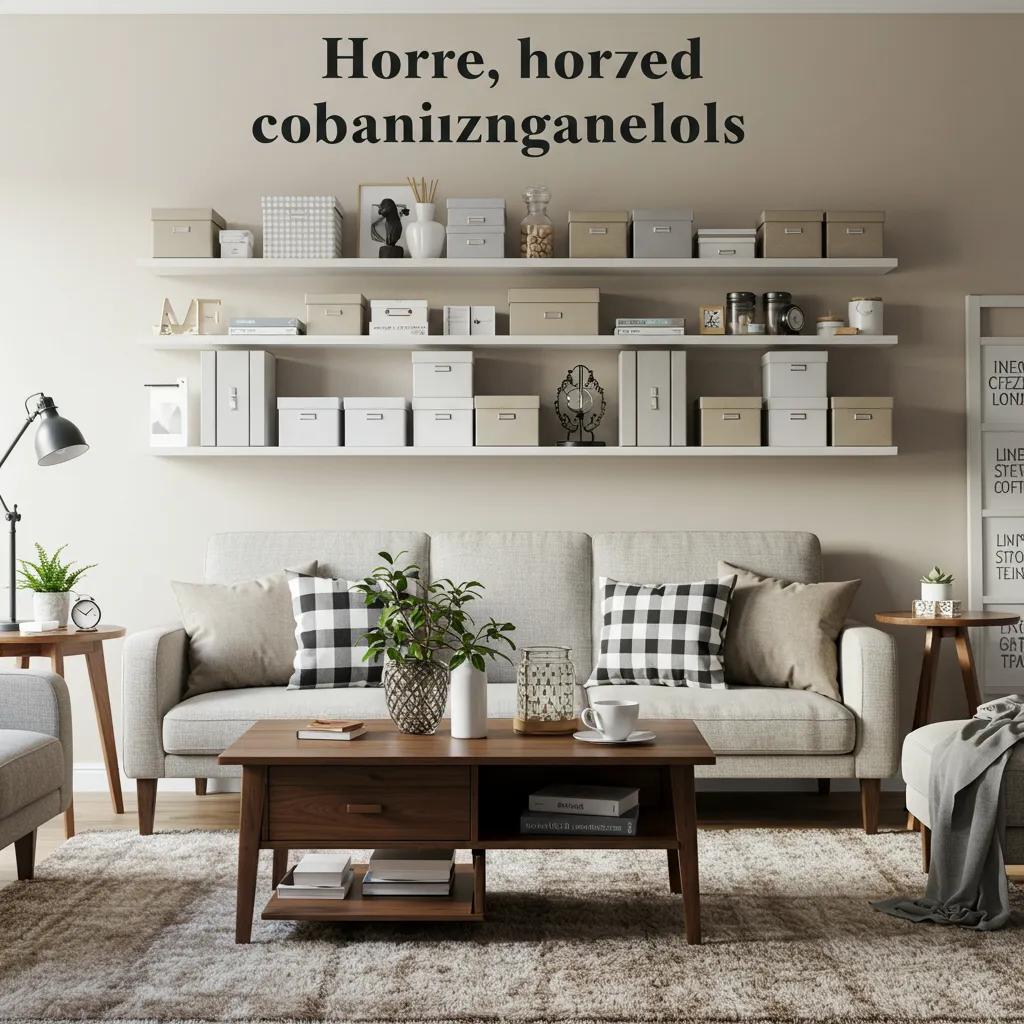
Multi-functional furniture pairs form and storage to reduce clutter and serve multiple household needs within a small footprint, creating more usable living area. Beds with drawers, ottomans with internal storage, fold-down desks, and nesting tables offer everyday surfaces while hiding belongings and reducing the need for separate storage units. Evaluate cost versus DIY trade-offs: reupholstering an old bench with a hinged lid can add storage cheaply, while modular purchased pieces may offer longer warranties and customizable dimensions. Choose pieces with simple mechanisms and easy access to maximize usefulness for busy family routines.
Room-by-Room Home Organization Ideas for Pakistani Homes
Room-by-room organization adapts general principles to cultural practices—especially in kitchens and wardrobes where South Asian cooking and attire create specific storage needs—so solutions are both practical and culturally respectful. Local cooking relies on spices, flours, and bulk grains that need airtight containers and clear zoning for frequent use, while wardrobes must accommodate dupattas, shalwar kameez sets, and ceremonial garments. Small apartments in Pakistani cities benefit from convertible furniture and clearly defined zones to separate sleeping, living and work areas. The sections below provide pantry and spice storage guidance, wardrobe techniques, small apartment layouts, and bathroom/home office tips.
How to Organize Your Kitchen Pantry and Spice Storage Efficiently?
An efficient pantry groups staples by type and frequency of use, stores spices in airtight jars near the cooking area, and uses clear labeling to speed meal prep and reduce waste. Store frequently used spices and oils at eye level or on a shallow spice rack, and place bulk grains and flours in airtight containers with dates to manage freshness. The EAV table below shows storage recommendations for common pantry items tailored to local cooking patterns and pest considerations:
An ordered pantry reduces cooking time and food spoilage; grouping by meal and frequency ensures essential items remain accessible while less-used ingredients are stored safely.
What Are Effective Wardrobe Organization Tips for South Asian Attire?
Wardrobe organization for South Asian clothing balances hanging and folded storage to protect long garments and delicate fabrics while minimizing creases and tangles. Hang heavy embroidered or silk dupattas and ceremonial shalwar kameez to preserve embroidery, while fold and store everyday cotton sets in breathable fabric boxes labeled by season. Use shelf dividers or clear bins for accessories and keep a small rotation box for items in active use to reduce wardrobe clutter. Seasonal items can be vacuum-sealed or stored in elevated compartments to free space for daily wear.
How to Optimize Small Apartment Living Spaces in Pakistan?
Optimizing compact apartments requires zoning and convertible furniture to support multiple functions—sleeping, working, and socializing—within limited square footage. Use rugs or shelving as visual dividers, choose lofted beds or fold-away desks to reclaim floor area, and keep mobile storage like rolling carts that can shift from kitchen to living room as needed. Create a checklist for renters that prioritizes non-permanent fixtures, lightweight vertical storage, and multi-use textiles to maximize flexibility. These strategies preserve privacy and function without costly renovations, enabling families to adapt spaces for daily routines and guests.
What Are Practical Bathroom and Home Office Organization Tips?
Bathrooms and home offices need water-resistant storage and cable management to keep essentials hygienic and functional, especially when space is constrained. Use under-sink organizers in waterproof materials, install shelf caddies for toiletries, and label boxes for medicines and first-aid supplies to maintain safety and accessibility. In home offices, apply simple cable clips, vertical document folders, and a small locked box for important paperwork to reduce desk clutter and preserve privacy. Regular weekly checks prevent spills, expired products, or paperwork backlogs from creating maintenance headaches.
How Can You Maintain an Organized Home with Sustainable and Budget-Friendly Solutions?
Sustaining organization emphasizes repurposing, low-cost materials, and family routines that distribute responsibility and reduce consumption, yielding both environmental and financial benefits. Selecting sustainable materials like jute, bamboo, and recycled plastics and using household upcycles keeps costs low while promoting local sourcing. The following subsections list eco-friendly material choices, practical repurposing projects with cost and time estimates, and methods to involve family members in daily upkeep with chore rotations and simple incentives.
What Are Eco-Friendly Organizing Materials and Practices?
Eco-friendly organizing favors durable, biodegradable, or recycled materials—such as bamboo shelving, jute baskets, and reused glass jars—that reduce waste and often perform well in humid climates. These materials provide breathability for fabrics and reduce plastic dependence while remaining cost-effective when sourced locally; maintenance generally requires occasional cleaning and re-treatment for humidity resistance. Pair materials with practices like buying second-hand storage furniture and repairing rather than replacing to extend lifecycle and lower household expenses. Choosing sustainable options creates long-term value and supports local artisans and markets.
How to Repurpose Household Items for Cost-Effective Storage?
Repurposing common items turns waste into functional organizing solutions—mason jars for spices, shoe boxes for drawer dividers, and tins for small-tool storage—saving money and reducing landfill contributions. A simple DIY spice rack can be made from an old wooden crate and mounted on a wall, while folded fabric bins created from recycled cloth provide soft, breathable storage for accessories. The table below compares common repurposed items, cost, and suitability so readers can choose projects that fit time and budget constraints:
Repurposing yields inexpensive, adaptable storage while teaching household members to value reuse and creativity in organizing.
How to Involve Family in Daily Organization and Maintenance?
Building family routines assigns age-appropriate roles, uses visible chore charts, and sets short daily reset rituals to maintain order with minimal friction. Create a simple rotation that assigns one weekly zone per person, pair tasks with small rewards or responsibilities, and use a common checklist displayed in a shared space to encourage accountability. For multi-generational households, tailor tasks to mobility and skills—lighter, shorter tasks for elders and simple sorting or surface-tidy duties for children—to ensure inclusion. Regular family check-ins, like a 10-minute evening reset, keep momentum and make organization a shared habit.
Smart and Digital Home Organization Systems to Simplify Household Management
Smart and digital systems provide tools for coordination, reminders, and inventory tracking, reducing cognitive load and making maintenance predictable across family members. Household apps can centralize shopping lists, chore assignments, and shared calendars, while simple IoT solutions like sensor-enabled containers can alert when staples are low. When selecting digital tools, balance privacy, cost, and ease of adoption, and pilot one system at a time so families can integrate changes without disruption. An author-note below states the publisher’s editorial intent and grounds future digital reviews in that mission.
Publisher note: To provide timely and comprehensive news and current affairs coverage, keeping the audience informed and engaged with diverse content.
How Can Apps and Tools Help Manage Household Tasks and Clutter?
Household apps and shared tools improve task coordination by assigning responsibilities, sending reminders, and keeping inventories accessible to all household members, which reduces missed chores and duplicate purchases. Set up shared shopping lists, create recurring chores for weekly maintenance, and use photo-based inventories for storage areas to track what you have before buying more. Choose tools with simple permission controls for families and favor apps that export or back up data to protect against loss. Starting small—one app for lists and one for chores—helps adoption and maintains momentum for improved routines.
Common categories of helpful apps:
- Shared shopping lists: Keep pantry and grocery needs visible to all.
- Task and chore managers: Assign, schedule, and remind family members.
- Photo inventory tools: Document storage contents for quick reference.
These app categories reduce duplication and streamline household logistics, enabling families to focus more on daily life than managing clutter.
What Are Smart Storage Solutions and IoT-Enabled Organizers?
Smart storage systems use sensors and simple automation to track inventory levels, send supply alerts, and integrate with shopping lists so households avoid running out of staples and can plan restocking. Examples include smart jars or sensor stickers that monitor weight or door sensors for cabinets; such systems are useful when managing bulk purchases or coordinating large households. Consider cost, connectivity, and data privacy before adopting IoT solutions—often a hybrid approach combining low-tech labeling and occasional smart sensors is more practical. Pilot smart devices in one use-case, like pantry staples or medicine cabinets, before wider rollout.
Seasonal and Special Occasion Organization Tips for Pakistani Homes
Seasonal and occasion-based organization prepares homes for festivals, weddings, and seasonal changes by creating timelines, staging areas, and storage rotation plans that reduce last-minute stress. A timed checklist—7-day, 3-day, and 1-day plans—helps prioritize deep cleaning, decoration staging, and guest-ready arrangements. Rotating seasonal clothing and decorations into labeled, elevated storage keeps daily spaces uncluttered year-round. The next subsections provide event-specific timelines and a repeatable seasonal cleaning checklist to support ongoing maintenance.
How to Prepare Your Home for Eid and Wedding Celebrations?
Preparation for large cultural events focuses on guest flow, kitchen staging, and prioritized cleaning to ensure high-impact areas are ready while minimizing last-minute workload. Create a 7/3/1 day plan that assigns tasks like deep-cleaning floors and guest bathrooms, staging serving areas, and setting aside décor and utensils, delegating tasks across family members for efficiency. Reserve an accessible staging area near the kitchen for meal prep and disposable-ware storage, and pre-pack guest amenity kits to speed arrival logistics. This structured timeline helps maintain calm and ensures the household remains functional during busy festivities.
What Is a Seasonal Cleaning Checklist to Keep Your Home Organized Year-Round?
A seasonal cleaning checklist breaks annual tasks into manageable quarterly activities—deep-clean carpets, inspect wardrobes for pests, rotate bedding, and check emergency supplies—paired with monthly quick tasks like dusting high surfaces and checking pantry expiry dates. Use checklists printed or pinned in a central space so everyone can contribute and mark completion; rotate responsibility to distribute workload fairly. Regularly inspecting stored seasonal items prevents damage and reduces the need for urgent replacements, keeping both homes and budgets in better shape throughout the year.
The Top 7 Home Organization Hacks Everyone Should Know
This list highlights seven high-impact, easy-to-implement hacks that deliver disproportionate benefits across different living situations and household sizes. Implementing these hacks reduces time spent searching for items, preserves garment and food quality, and establishes routines that maintain order with minimal daily effort. Use the numbered list below to quickly apply the most effective practices and tailor them to your home’s specific needs.
- Label Consistently: Use clear labels with item name and date to speed retrieval and rotation.
- Declutter Before Buying Storage: Remove excess before adding containers to avoid storing unnecessary items.
- Adopt a Daily Reset Routine: Spend 10 minutes each evening restoring high-use zones to order.
- Use Vertical Storage: Hooks and tall shelving reclaim floor space in small rooms.
- Group Like Items: Store items by function (meal prep, cleaning, personal care) to simplify use.
- Repurpose Common Items: Mason jars and shoe boxes can replace costly organizers affordably.
- Rotate Seasonally: Store off-season clothes and décor in labeled, elevated bins to free closet space.
How Does Labeling Improve Organization and Accessibility?
Labeling creates predictable storage zones by signaling contents and ownership so everyone in the household can find and return items without guesswork. Use visible placement, consistent terminology, and durable labels or printable tags that survive humidity and handling for best results. Color-coding can help differentiate zones (kitchen, cleaning, personal), and including dates on perishable supplies supports first-in-first-out rotation. Clear labels reduce search time and lower friction for shared chores, making organization sustainable.
Why Is Decluttering the First Step to an Organized Home?
Decluttering addresses excess rather than merely shifting it; by reducing volume you avoid paying for unnecessary storage and create clarity about what requires organization. Before purchasing containers or furniture, assess what remains after decluttering and choose storage that matches actual needs. A before/after approach quantifies gains—less time hunting, fewer duplicate purchases, and clearer functional zones—that make ongoing organization more manageable. Prioritizing decluttering saves money and makes any subsequent storage investment more effective.
How Can You Use Storage Bins to Maximize Space?
Storage bins maximize space by enabling vertical stacking, compartmentalization, and protection from dust and pests when selected appropriately. Choose clear bins for visibility, measure spaces for exact fit, and leave access gaps for frequently used items to avoid disrupting stacks. Use lids for long-term storage and open bins for everyday access; label each bin and group similar bins in one zone for streamlined retrieval. Proper bin use turns chaotic piles into orderly stacks that support daily life.
What Are the 3 Rules of Organizing to Maintain Order?
A simple rule set makes maintenance straightforward: everything has a home, return items after use, and review regularly to prevent accumulation. Rule-based behavior simplifies decisions—if every item has a designated spot, the household requires less negotiation and fewer reminders. Schedule periodic reviews (monthly quick checks and quarterly deep reviews) to address creeping clutter and adjust systems as needs change. These rules form the cultural backbone of an organized home.
How to Create a Daily Reset Routine for a Tidy Home?
A daily reset focuses on 5–15 minute tasks that stabilize the home—clear counters, sort mail, return five misplaced items, and prepare essentials for the next day. Split the routine into morning and evening segments so the household arrives and departs with minimal friction, and assign quick responsibilities to family members to distribute the load. Keep needed tools (trash bags, small basket for misfits) accessible to support quick completion and maintain momentum. Short, consistent resets prevent large cleanups and preserve the benefits of initial organizing work.
What Are Budget-Friendly DIY Organizing Projects?
DIY projects convert common materials into effective organizers at low cost, such as a wooden crate spice rack, cardboard shelf dividers, or fabric-covered shoe boxes for drawer organization. Each project uses simple materials—glue, fabric, recycled boxes—and takes under an afternoon to complete, offering immediate improvement without large expense. Prioritize projects that solve a pressing storage gap, estimate materials and time before starting, and adapt designs to available items. These low-cost builds provide practical solutions while encouraging sustainable reuse.
How to Use Vertical Storage to Optimize Small Rooms?
Vertical storage strategies for small rooms include installing wall hooks, over-door racks, and tall narrow shelving that keeps floor space free while adding storage close to use points. Anchor shelving to studs or use tension-fit systems for renters to avoid damage, and place heavier items on lower shelves to maintain safety. Combine vertical storage with labeled containers to keep visual clutter minimal and maximize the perceived space. Vertical systems multiply functional area while preserving the home’s usability for daily life.
Conclusion
Implementing effective home organization strategies can significantly enhance your living space, making it more functional and stress-free. By utilizing practical decluttering methods, smart storage solutions, and sustainable practices, you can create a harmonious environment that reflects your lifestyle. Embrace these tips to transform your home into a well-organized sanctuary that supports daily routines. Start your journey towards a clutter-free home today by exploring our comprehensive resources and guides.