Fashion Accessories Trends 2025: Latest Styles, Sustainable Choices, and Pakistani Fashion News
Fashion accessories in 2025 act as cultural signifiers, technical add-ons, and sustainable statements that complete an outfit while signaling personal and regional identity. Readers will learn which jewelry and handbag silhouettes dominate global runways, how sustainable materials and tech-integrated pieces are reshaping accessory design, and what these shifts mean for Pakistani bridal styles and everyday wardrobes. This article maps the top trends, explores Pakistan’s cultural influence on accessories, analyzes market impacts, and offers practical styling advice tailored to local tastes and international directions. We begin with a concise list of the top accessory trends for 2025, move into cultural and market context that affects designers and consumers in Pakistan, and finish with where to find leading brands and practical do’s and don’ts for bridal, formal, and casual occasions. Understanding these sections will help readers identify pieces that blend sustainability, tradition, and modern utility without sacrificing style.
What Are the Top Fashion Accessory Trends for 2025?
The accessory landscape for 2025 centers on bold silhouettes, sustainable materials, and tech-enabled personalization that serve both aesthetic and functional needs. Designers are pairing oversized forms with lightweight materials to create statement pieces that remain wearable, while smartwatches and smart jewelry integrate payments and health tracking into everyday fashion. This shift matters because consumers increasingly value accessories that convey identity, offer utility, and reflect ethical sourcing, connecting trend drivers like celebrity accessory styles with material innovation. Below are the top five trends that define 2025, with a quick explanation of why each trend matters and typical materials or price tiers for context.
Top 5 accessory trends for 2025:
- Oversized and sculptural pieces: Bold necklaces and statement earrings that act as focal points for minimalist outfits.
- Eco-friendly handbags: Plant-based leathers and recycled-textile totes that prioritize durability and lower environmental impact.
- Tech-integrated accessories: Smartwatches and payment-enabled jewelry that combine functionality with design.
- Personalized and monogrammed pieces: Custom engraving and modular elements that let wearers tailor accessories.
- Reimagined classics: Pearls, chokers, and traditional motifs updated with mixed metals and contemporary finishes.
These trends show how fashion accessories move from mere embellishment to multifunctional artifacts, and the next subsections break down how jewelry, handbags, sustainable materials, and other rising accessory types express these trends.
Which Jewelry Styles Are Leading in 2025?
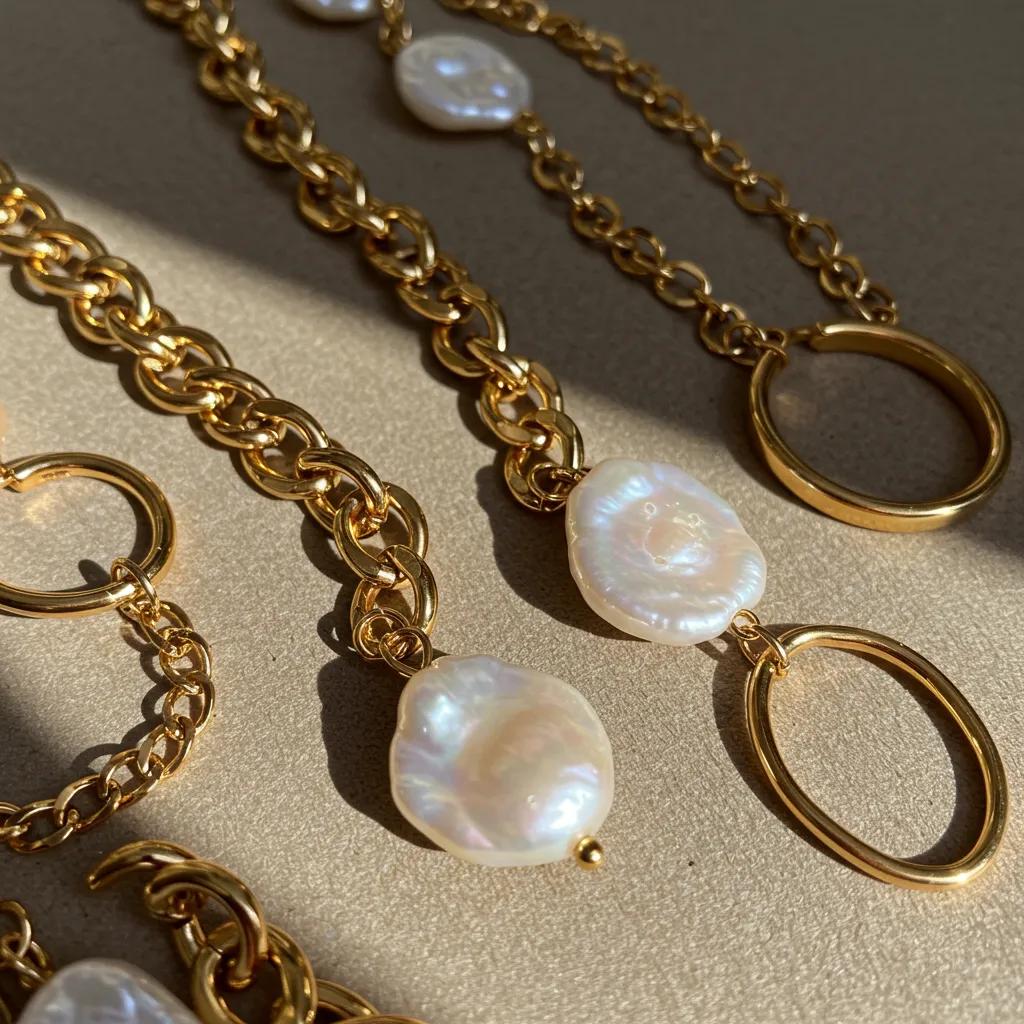
Chunky gold and mixed-metal jewelry lead 2025’s jewelry trends by combining heritage aesthetics with contemporary proportions to create wearable statement pieces. Designers favor artisan techniques and handcrafted textures, which emphasize provenance and support artisan craft communities while appealing to consumers seeking authenticity. Pearls are reimagined as irregular, baroque elements set in modern settings, and minimalist chains coexist with oversized chokers to provide contrast across outfits and occasions. Celebrity accessory styles and social media lookbooks accelerate adoption, shaping how everyday consumers interpret runway statements for local wardrobes and bridal contexts.
These characteristics point toward materials like vermeil, recycled gold, and lab-grown gemstones, which balance luxury signage with more ethical sourcing—a transition that naturally leads into how handbags are following parallel sustainability and functional trends.
What Handbag Designs Are Trending This Year?
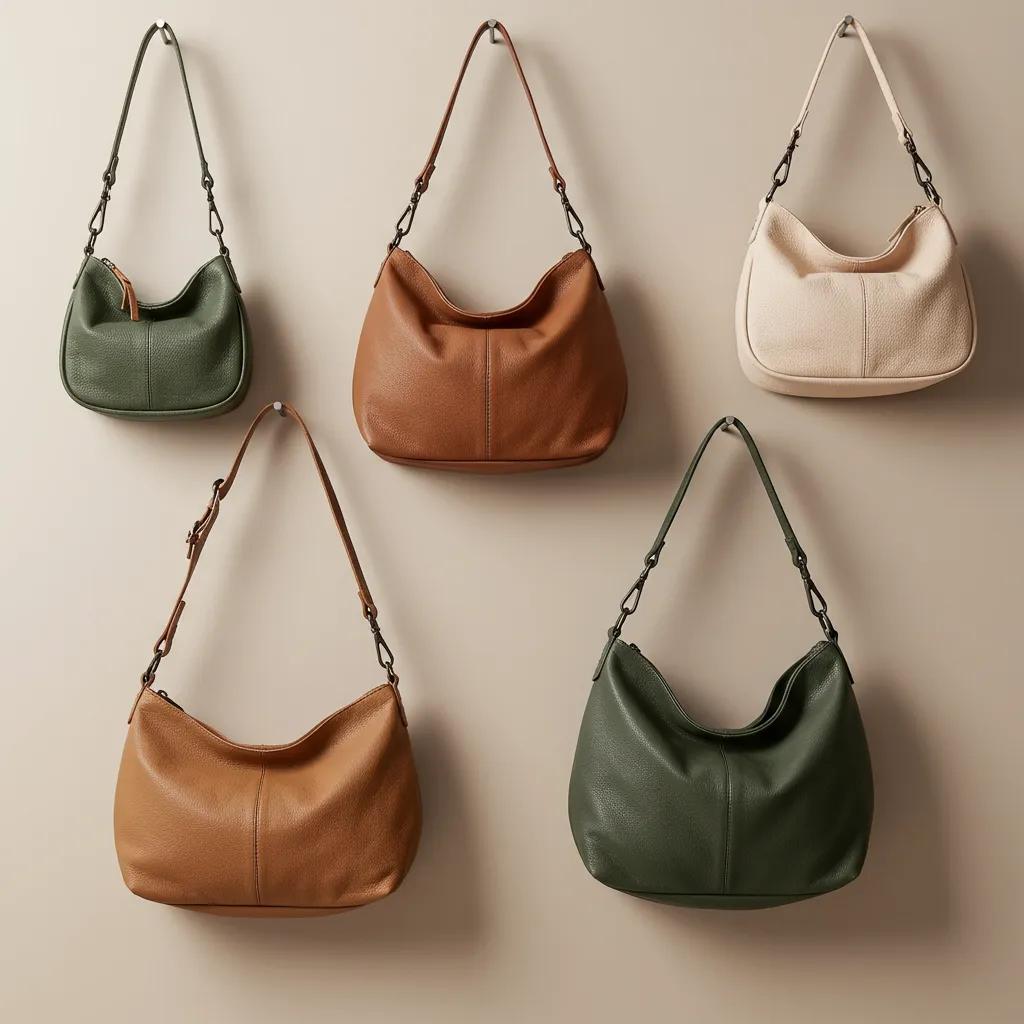
Handbag silhouettes in 2025 favor convertible and hybrid designs—mini bags with detachable straps, oversized slouchy totes that fold into compact shapes, and crossbody options with modular pockets for tech devices. Materials range from vegetable-tanned leather and recycled textiles to woven artisanal fabrics that showcase regional craftsmanship, offering functional benefits like lighter weight and improved durability while supporting sustainable supply chains. Price tiers vary widely, with accessible fashion retailers offering trend-forward clutches and local designers producing handcrafted totes that emphasize materials and finishing details, reflecting both street style accessories and luxury accessories Pakistan audiences seek.
Functionality is central: pockets for earbuds or small power banks, secure clasps for urban use, and straps designed for comfort. Understanding these handbag choices helps shoppers prioritize features for daily life, and this naturally introduces the material innovations that underpin both handbags and jewelry trends.
How Are Sustainable Materials Shaping Fashion Accessories?
Sustainable materials in accessories include plant-based leathers, recycled plastics re-spun into fabrics, and vegetable-tanned leathers that avoid harmful chrome treatments, each reducing environmental impact while maintaining style. Brands adopting these materials address consumer demand for transparency and ethical sourcing, often communicating lifecycle benefits such as reduced water use or lower chemical runoff, which matters to increasingly eco-conscious buyers. The adoption of sustainable inputs can affect pricing and durability, but many designers mitigate trade-offs with improved construction and warranties that reassure buyers about long-term value.
Consumers can identify sustainable accessories by looking for clear material descriptions, artisan provenance, and repair-friendly designs. These indicators help link sustainability to market behavior and consumer willingness-to-pay, which is essential when considering how other accessory categories—like watches and eyewear—are also evolving.
The growing emphasis on sustainability in fashion is leading to innovative approaches in material sourcing and product design.
Circular Economy in Textiles: Inspiration for 2025 Fashion Accessories
ABSTRACT: This study includes the concept of the circular economy of textiles as a source of inspiration for women’s printed clothing supplements. The study consists of a field study in a group of textile factories and ready-made garments in the 10th of Ramadan City in the Arab Republic of Egypt To study the losses resulting from the manufacturing process and collect a quantity of the remaining fabric resulting from the manufacturing process from some of the factories targeted in the study and benefit from it, recycle it and use it to manufacture an innovative product as a creative industry suitable for making supplements to women’s printed clothing using various manual techniques for printing textiles. By adding printed designs that keep pace with international fashion trends in 2025/2026, instead of disposing of these remains and throwing them in the trash, which causes environmental pollution resulting from industrial losses and increased carbon emissions, which leads to an increase in the pr
The concept of the circular economy in textiles as a source of inspiration for women’s printed fashion accessories, HMOAE Elsayegh, 2025
What Other Accessories Are Gaining Popularity in 2025?
Beyond jewelry and bags, accessories such as smartwatches, statement eyewear, silk scarves, embellished belts, and hair ornaments are resurging with updated technical and stylistic features that blend tradition and innovation. Smartwatches are marketed as fashion-forward devices that also track health metrics, while eyewear frames show bolder shapes and mixed materials that reference retro and futuristic aesthetics simultaneously. Scarves and hair accessories are being used as modular elements—tied to bags or worn as belts—expanding their styling utility and boosting outfit versatility for different occasions.
These accessory types increase the breadth of personalization and functionality available to consumers, and this rising diversity naturally connects to how Pakistani culture influences accessory choices, especially in bridal and ceremonial contexts.
How Does Pakistani Culture Influence Fashion Accessories?
Pakistani culture informs accessory design through centuries-old motifs, regional techniques, and ceremonial traditions that prioritize jewelry as a key signifier of identity and status. Traditional forms like jhumka earrings, chokers, and bangles carry symbolic meaning and regional variation, and contemporary designers reinterpret these motifs using new materials and minimalist silhouettes to appeal to modern wardrobes. Cultural festivals, weddings, and film/television styling diffuse runway trends into everyday consumer preferences, shaping how heritage crafts find renewed markets and how artisans adapt techniques for broader audiences.
Designers who engage with artisan craft communities often preserve techniques such as enamel work, kundan-style settings, and hand-beading while reconfiguring proportions for current tastes. This interplay between heritage and modernity drives a localized accessory economy that both sustains craftspeople and fuels new product lines, leading into an exploration of the traditional pieces’ evolution.
What Is the Evolution of Traditional Pakistani Jewelry?
Traditional Pakistani jewelry has evolved from heavily ornate ceremonial pieces to diverse offerings that include lightweight adaptations for daily wear and contemporary reinterpretations for urban audiences. Historic techniques—such as intricate metalwork, polki settings, and glass bead embroidery—remain valued, but designers now apply them to streamlined silhouettes and hybrid materials to meet modern comfort and price considerations. This transition supports artisan livelihoods while making culturally resonant pieces accessible to younger consumers who prefer versatility over single-occasion items.
Contemporary reinterpretations often mix old and new: a classic jhumka may be scaled down or paired with mixed metals, and bangles adopt modular designs that stack with minimalist bracelets, demonstrating how tradition informs present-day choices and how events and designers influence these shifts.
Which Pakistani Designers Are Shaping Accessory Trends?
Several Pakistani designers emphasize blending traditional motifs with global trends, producing accessories that showcase local craft and appeal to diasporic markets as well as domestic consumers. These creators often collaborate with artisan groups to adapt age-old techniques for modern manufacturing and styling contexts, positioning accessories as both cultural artifacts and commercial products. By showcasing pieces at fashion events and featuring them in celebrity styling moments, designers help accelerate trend cycles and broaden the market for handcrafted or sustainably produced accessories.
Profiles and mini case studies of designers highlight signature techniques and recent runway moments that influence accessory uptake in the mass market, which naturally ties into how fashion events serve as accelerants for trend diffusion.
How Do Fashion Events Impact Accessory Styles in Pakistan?
Fashion weeks, cultural festivals, and celebrity-driven showcases act as primary launchpads for accessory trends, offering designers a forum to present new materials, silhouettes, and collaborations with artisan communities. These events create media moments that stylists and influencers amplify, allowing runway pieces to be reinterpreted for retail through capsule collections and pop-ups. The timeline from runway to retail can be swift: seasonal shows introduce concepts that designers and larger retailers adapt within months, causing street style accessories and bridal trends to evolve rapidly.
Event coverage also highlights collaborations between designers and craft cooperatives, which promotes sustainable materials and regional motifs to broader audiences, setting the stage for commercial adoption and market analysis of accessory demand.
Why Are Jewelry and Handbags Central to Pakistani Fashion Accessories?
Jewelry and handbags serve as cultural touchstones and practical necessities in Pakistan, with jewelry playing a ceremonial role and handbags acting as daily status and functional items that complete ensembles. Jewelry often marks life events and social status, creating sustained demand across occasions from bridal trousseaus to everyday gold and stone pieces that function as both adornment and investment. Handbags balance fashion signaling with usability: silhouettes and materials communicate lifestyle and occasion while offering necessary storage for urban life, making both categories dominant in consumer spending patterns.
These central categories shape market strategies for designers and retailers, who prioritize collections and marketing that reflect seasonal demands, celebrity influence, and evolving consumer priorities such as sustainability and tech-integration. The next subsections examine the specific types of jewelry and handbag preferences that drive purchasing behavior.
What Types of Jewelry Are Most Popular in Pakistan?
Pakistani consumers favor several jewelry categories depending on occasion: bridal sets (necklace, maang tikka, earrings), everyday gold ornaments, statement pieces for events, and delicate modern jewelry for casual wear. Materials commonly include gold, gold-plated alloys, polki and kundan settings, and emerging use of lab-grown stones or recycled metals, offering different price and ethical profiles. Regional variations persist—certain motifs and shapes remain associated with specific provinces—and contemporary buyers often mix traditional pieces with minimalist jewelry to balance heritage with modern aesthetics.
These preferences influence designers’ offerings and retail assortments, prompting a market that supports both custom bridal commissions and accessible ready-to-wear jewelry lines, which connects to handbag preferences and celebrity-driven trends.
Which Handbag Styles Are Preferred by Pakistani Consumers?
Preferred handbag styles include structured satchels for formal events, crossbody bags for everyday convenience, and embellished clutches for weddings and ceremonies, with preferences shaped by functionality, brand perception, and price accessibility. Materials range from traditional embroidered textiles for cultural events to leather and sustainable alternatives for urban use, reflecting both aesthetic and ethical considerations. Distribution channels vary: boutique stores and e-commerce marketplaces both play roles, with consumers often seeking a balance between craftsmanship and convenience.
Understanding these preferences helps shoppers match silhouette and material choices to use-cases, and celebrity endorsements frequently accelerate the popularity of specific handbag silhouettes across demographics.
How Do Celebrity Styles Influence Accessory Choices?
Celebrities and stylists act as trend amplifiers, translating runway looks into desirable street-style and bridal cues that consumers emulate through curated images and social reach. High-visibility moments—red-carpet events, film wardrobes, and televised ceremonies—often spotlight particular jewelry pieces or handbag styles, creating immediate spikes in consumer interest and social commerce activity. Influencers and stylists provide accessible interpretations that democratize runway trends, enabling rapid diffusion from elite circles to mainstream buyers.
This mechanism of influence also introduces new materials and combinations to the market, encouraging designers to create capsule lines and collaborations that respond to celebrity-driven demand while allowing consumers to access aspirational styling.
What Is the Economic and Market Impact of Fashion Accessories in Pakistan?
This section examines market size, channel dynamics, and sustainability implications to contextualize how accessories contribute to Pakistan’s fashion economy and consumer behavior. The accessory sector contributes through retail sales, artisan employment, and export potential for handcrafted goods, with jewelry typically accounting for a significant share of consumer spending and handbags gaining market presence due to urbanization and e-commerce growth. The following EAV-style table compares headline global metrics to Pakistani market indicators to give readers a quick numeric framework.
Market comparison: global vs Pakistan
How Big Is the Global and Pakistani Fashion Accessories Market?
Headline figures show the global fashion accessories market remains large with regional leadership in Asia-Pacific, while Pakistan’s market is smaller but dynamic due to strong cultural demand for jewelry and rising interest in handbags and eco-friendly goods. Jewelry often accounts for a major share of accessory spend in Pakistan because of ceremonial purchases and cultural gifting practices, whereas handbags and tech accessories grow with urban consumer segments. These dynamics explain why market strategies focus on balancing heritage products with contemporary, scalable offerings that cater to e-commerce and in-person boutique sales.
Comparative framing helps stakeholders prioritize investment in channels and product types, and this naturally transitions to an examination of online shopping’s evolving role.
What Role Does Online Shopping Play in Accessory Sales?
Online marketplaces and social commerce channels accelerate trend adoption and broaden access to both local brands and international designs, reshaping buyer behavior and logistics in Pakistan. E-commerce platforms facilitate discovery of niche designers and allow artisans to reach diaspora markets, while social media-driven commerce shortens the path from discovery to purchase. Logistics and payment infrastructure remain important considerations, as timely delivery and secure payment options influence repeat purchase behavior and overall trust in online accessory retail.
Understanding online channel growth helps explain pricing strategies, promotional timing, and how brands position sustainable or tech-enabled accessories to meet evolving consumer expectations, which leads into how ethical practices affect market choices.
How Are Ethical and Sustainable Fashion Trends Affecting the Market?
Consumer interest in sustainability is prompting brands to adopt recycled materials, transparent sourcing, and repair-friendly designs that extend product life and differentiate offerings in a crowded market. Ethical measures—such as working with artisan cooperatives, avoiding harmful tanning processes, and using recycled metals—provide marketing and moral advantages that can command price premiums for consumers who prioritize sustainability. These practices also influence supply chain decisions, requiring brands to invest in traceability and certification where possible, which can affect margins but build long-term brand equity.
As buyers increasingly consider lifecycle impacts, sustainability becomes a competitive axis that influences product development and consumer loyalty across accessory categories.
How Can You Style Fashion Accessories for Different Occasions?
Styling accessories effectively requires understanding scale, material balance, and the cultural context of each occasion; these rules help ensure accessories enhance rather than overwhelm outfits. For bridal looks, traditional pieces remain central and are coordinated with outfit embroidery and color palettes, while casual styling prioritizes comfort, longevity, and multifunctionality. Formal and corporate contexts favor structured bags and restrained jewelry, whereas street style and evening events invite bolder choices and experimental combinations. The subsequent tips and lists provide concrete, actionable guidance for bridal, casual, and tech-integrated accessory styling.
Practical rules-of-thumb below help readers make quick decisions about mixing traditional and modern pieces while maintaining proportion and coherence.
What Are the Must-Have Accessories for Pakistani Bridal Looks?
Bridal accessory essentials anchor the wedding look around a few statement items that match the outfit’s scale and embroidery; coordination and balance are key to a cohesive look. Typical must-haves include a substantial necklace set, matching earrings, a maang tikka or matha patti for the hairline, stacked bangles that complement outfit colors, and a decorative clutch or potli bag for ceremonial use. These pieces should harmonize with the bridal ensemble’s metal tones and gemstone palette to avoid visual discord, and regional variations dictate specific motifs and shapes that carry cultural meaning.
- Necklace set: Centerpiece that defines the bridal neckline.
- Maang tikka/matha patti: Traditional forehead ornament for ceremonial presence.
- Stacked bangles: Rhythm and movement across the arms in coordinated hues.
Choosing these key items first simplifies accessory selection and ensures the overall aesthetic is balanced and culturally resonant for wedding ceremonies.
How to Choose Accessories for Casual and Formal Outfits?
Selecting accessories depends on proportion, color harmony, and the function required by the occasion; casual looks favor durability and versatility, formal looks emphasize refinement and subtlety. For casual outfits, prioritize light-weight jewelry, crossbody or convertible bags, and scarves or belts that can switch up multiple outfits; materials like woven textiles and plated metals offer a fashionable but comfortable approach. For formal contexts, choose structured handbags, refined metal finishes, and single-statement pieces that complement rather than compete with tailoring or formal attire.
- Sizing rule: Keep one focal accessory per outfit to maintain balance.
- Color rule: Match accessory undertones to primary outfit metals or warm/cool palettes.
- Function rule: Prioritize pockets and secure closures for daily urban use.
Applying these simple rules lets wearers adapt accessories across contexts without over-accessorizing.
What Are the Latest Trends in Personalized and Tech-Integrated Accessories?
Personalized accessories—monograms, interchangeable charms, and modular straps—allow consumers to express identity while keeping items adaptable across outfits. Tech-integrated accessories such as smartwatches, NFC-enabled bracelets, and payment-capable jewelry merge utility with style, enabling contactless payments and health tracking without sacrificing aesthetic appeal. These innovations matter for Pakistani consumers who seek both tradition and modern convenience: personalization retains cultural resonance while tech features add urban functionality.
When choosing tech-enabled pieces, consider battery life, repairability, and data privacy; these factors influence long-term satisfaction and are especially important for wearable devices that double as fashion statements.
Where Can You Find the Best Pakistani Fashion Accessory Brands and Designers?
For curated listings of brands, designers, and events where accessories debut, editorial coverage emphasizes discovery, cultural context, and journalistic recommendations rather than commerce. The following brand comparison table helps readers scan specialties and price ranges to prioritize where to look based on craft, material focus, and distribution channels.
Brand and designer comparison
Which Local Brands Are Leading in Jewelry and Handbags?
Leading local brands and designer ateliers often specialize by category: some focus on bridal jewelry and elaborate metalwork, while others build reputations in sustainable handbags or contemporary accessories. These brands distribute through boutique showrooms, trunk shows, and e-commerce marketplaces that enable discovery beyond metropolitan centers, balancing craft authenticity with wider accessibility. Price ranges span from accessible ready-to-wear lines to premium custom commissions, and signature pieces often reflect a designer’s unique take on materials, motifs, or construction techniques.
Understanding distribution helps consumers choose whether to pursue bespoke work or find ready-to-wear items that capture a designer’s aesthetic at a lower price point, which connects to strategies designers use to blend old and new approaches.
How Do Pakistani Designers Blend Tradition with Modern Styles?
Designers blend tradition and modernity by adapting classic motifs to contemporary proportions, substituting heavy metals with sustainable alternatives, and reinterpreting regional embroidery as printed or laser-cut details on modern silhouettes. These techniques preserve cultural references while making pieces more wearable and easier to produce at scale, allowing artisans to reach new customer segments. Collaborations between designers and craft collectives often result in capsule collections that celebrate heritage while employing modern finishes and hardware.
Successful blends create products that feel both familiar and fresh, encouraging broader market adoption and enabling designers to showcase accessory launches at seasonal events and pop-ups.
What Are Upcoming Fashion Events to Watch for Accessory Launches?
Major fashion events, cultural festivals, and designer showcases serve as the primary venues where new accessory collections and collaborations debut, often accompanied by pop-ups and limited releases that highlight seasonal innovations. These events typically occur around seasonal fashion weeks and cultural calendars, and they provide opportunities for consumers and trade buyers to view collections, meet designers, and purchase limited-edition items. Coverage of these events helps signal which trends will gain wider traction and which artisan collaborations may produce notable product drops.
Attending or following event coverage is a practical way to discover new brands, preview upcoming accessory trends, and support designers who foreground sustainable practices and regional craftsmanship.
What Are Common Questions About Fashion Accessories?
This final section answers frequent queries concisely, offering clear definitions and practical guidance to help readers make informed accessory choices and to position accessory selection within broader style and cultural frameworks. Short, direct answers target common search intents and provide actionable tips that lead readers back to deeper sections of the article for additional detail. The answers below clarify the role of accessories, the main accessory categories, and how accessories function to enhance an outfit’s overall look.
Why Do Accessories Matter in Fashion?
Accessories matter because they complete an outfit, convey personal and cultural identity, and provide functional benefits such as storage, protection, or tech capability that extend clothing utility. They enable rapid style shifts—turning daywear into evening looks with a change of bag or a statement necklace—and serve as investment items that can hold cultural or financial value, particularly in jewelry. Accessories also allow for low-commitment trend experimentation, letting consumers express individuality without altering entire wardrobes.
Understanding these roles helps buyers prioritize which pieces to invest in and which to rotate seasonally, bridging the gap between aesthetic choices and practical needs.
What Are the Most Common Types of Fashion Accessories?
Accessories include jewelry (earrings, necklaces, bangles), handbags (totes, clutches, crossbody), watches and smartwatches, eyewear, scarves, belts, and hair ornaments, each serving distinct stylistic and functional roles. Jewelry often serves as focal points or sentiment-bearing items for both daily wear and ceremonial use, while handbags provide practical storage and social signaling. Watches and smartwatches blend timekeeping with health and payment features, reflecting the tech-integrated accessories trend.
- Jewelry: Statement or minimal pieces for occasions.
- Handbags: Functional silhouettes for daily use or events.
- Tech accessories: Wearables that add utility to fashion.
These categories offer a roadmap for shoppers to match accessory types with needs and occasions.
How Do Accessories Enhance an Outfit’s Overall Look?
Accessories enhance outfits by creating focal points, balancing proportions, and adding texture or color contrast that elevates simple silhouettes into considered ensembles. A single bold necklace can anchor a minimalist dress, while layered bracelets add movement to sleeves and cuffs; proportion rules—matching accessory size to garment scale—ensure harmony. Layering and mixing metals or materials can provide depth, but restraint is key: choose one dominant element and support it with subtler pieces.
Applying these principles enables wearers to craft cohesive looks that reflect personal style and cultural sensibilities while ensuring accessories complement rather than compete with clothing.
Readers are invited to share observations, comment on local trends, and follow editorial coverage for updates on evolving accessory trends and designer releases.
Conclusion
Fashion accessories in 2025 are not just about style; they embody cultural significance, sustainability, and functionality that resonate with modern consumers. By embracing bold designs, eco-friendly materials, and tech integration, these accessories enhance personal expression while addressing ethical concerns. Understanding these trends empowers shoppers to make informed choices that reflect their values and aesthetics. Discover the latest collections from leading designers and elevate your accessory game today.