Easy Baking Recipes and Healthy Baking Tips: Complete Guide to Baking Tips and Recipes
Baking is a craft that balances science and creativity: with the right techniques, simple ingredients transform into reliable cakes, breads, and desserts that taste far better than their effort suggests. This guide teaches beginner baking recipes, core bread techniques, healthy ingredient substitutions, and troubleshooting steps so you can bake confidently and consistently. You will find step-by-step micro-recipes for quick cakes and breads, practical explanations of kneading and proofing, nutrition-forward swaps for lower sugar or gluten-free baking, and targeted fixes for common failures like sunken cakes or dense loaves. Each section pairs definitions, mechanisms, and clear benefits so you can both understand why a method works and how to apply it in the kitchen. The article also covers Pakistani baking traditions and adaptations, prioritizes essential home equipment, and offers ideas to personalize recipes for dietary needs and flavor innovation. Read on to build foundational skills, select the right tools, and experiment safely with healthier and culturally inspired bakes.
What Are the Best Easy Baking Recipes for Beginners?
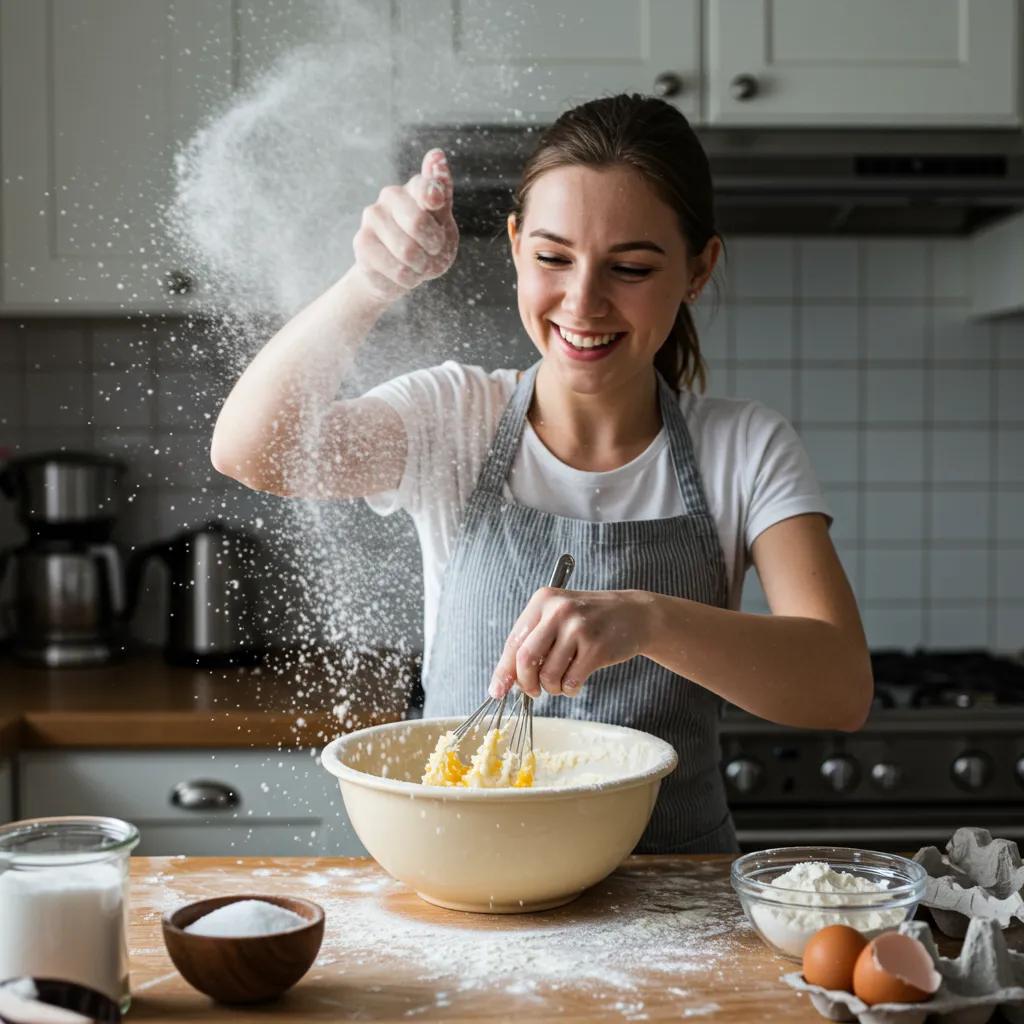
Easy baking recipes for beginners focus on forgiving techniques, predictable ratios, and minimal equipment, which reduce failure and build confidence. Using simple ingredient lists—flour, sugar, fat, and leavening—these recipes rely on mixing methods and correct oven temperature to produce consistent results; mastering them provides a foundation for more complex bakes. The benefit is fast, repeatable success: quick cakes, muffins, cookies, and no-knead breads teach timing, structure, and flavor with low risk. Below are approachable recipe categories and a compact comparative table to help you choose a first project based on time, difficulty, and main ingredients.
This brief comparison shows easy starter recipes and what each is best for.
This table helps you pick a first bake by matching your available time and ingredients; choose a one-bowl sponge if you want fast results, or a no-knead loaf to learn fermentation with minimal labor.
Which Homemade Cake Recipes Are Quick and Simple?
Quick, reliable cake recipes for home bakers use few bowls and predictable chemical leavening; these one-bowl methods minimize handling and reduce the chance of overmixing. A simple one-bowl sponge combines creamed fat and sugar or a melted-butter approach, whisked eggs, sifted flour, and a measured leavening agent; bake until a toothpick comes out clean. A mug cake offers single-serve baking in minutes using a microwave and converts standard recipes by scaling ingredients down and decreasing baking time. Banana loaf repurposes overripe fruit into moist crumb using oil instead of butter for an easy tender texture. Each recipe teaches a core technique—creaming, folding, or gentle mixing—that prepares you for larger cakes and multi-layer bakes.
- Quick one-bowl sponge: sugar and butter creamed, eggs added, flour folded; bake 25–35 minutes.
- Mug cake: scaled-down ingredients in a microwave-safe mug; cook 60–90 seconds.
- Banana loaf: mashed ripe bananas replace part of sugar and fat for moisture and flavor.
These quick cakes build skills in mixing and doneness testing, and the next section shows dessert ideas that are equally beginner-friendly.
What Are Popular Dessert Baking Ideas for Beginners?
Beginner-friendly desserts often prioritize straightforward assembly, forgiving textures, and easy portioning, which make them ideal for practice and sharing. Brownies and traybakes require a single pan and basic mixing—underbake slightly for fudgy texture and adjust bake time for thickness. No-bake cheesecakes rely on chilled setting rather than oven precision and adapt well to fruit or nut toppings. Simple tartlets use pre-made pastry shells or a basic shortcrust recipe; blind-bake shells for crisper results. Presentation tips like dusting cocoa, slicing cleanly with a hot knife, or piping whipped cream elevate simple desserts without complex techniques. Practice storing and reheating: most traybakes keep well and often taste better the next day as flavors meld.
- Brownies: Single-bowl, chocolate-forward; check doneness with a moist crumb test.
- No-bake cheesecake: Chill to set; uses cream cheese, gelatin or agar as stabilizer.
- Traybakes/tartlets: Pan size determines bake time; garnish for visual appeal.
These dessert ideas are social-media friendly and scale easily, and the next subsection explains how to transfer basic bread techniques into accessible bakes.
How Can You Bake Bread with Basic Techniques?
Beginner bread methods emphasize hydration, time, and gentle handling rather than expert shaping; no-knead recipes demonstrate how long fermentation and a hot-covered bake replace intensive kneading. A typical no-knead loaf uses high-hydration dough left to develop gluten over 12–24 hours, then shaped minimally and baked in a preheated covered pot for oven spring. Quick flatbreads rely on basic pan cooking with minimal resting time and are useful for learning heat control and blistering. Key tips: measure flour by weight when possible, allow enough fermentation for flavor, and use steam in the oven for crust development. These simple breads teach fermentation cues that transfer to more advanced breads like enriched or seeded loaves.
- No-knead loaf technique: mix, bulk ferment, shape, final proof, bake in Dutch oven.
- Quick flatbreads: low-rise dough, cast-iron pan, high heat for char and chew.
- Shaping basics: minimal degassing preserves air pockets and improves crumb.
Understanding these basics leads directly into focused technique work—kneading, proofing, and starter management—covered next.
How Do You Master Essential Bread Baking Techniques?
Mastering bread techniques requires understanding how gluten development, fermentation, and heat interact to create structure and flavor; kneading aligns gluten, proofing times control gas production, and baking temperature sets the final crumb and crust. The mechanism is tactile: gluten strength and extensibility determine rise and texture, while yeast activity and fermentation temperature govern flavor complexity. Learning these fundamentals improves loaf volume, crumb openness, and shelf life. Below is a stepwise look at core techniques plus an EAV-style troubleshooting table to map problems to fixes.
What Is the Correct Way to Knead and Proof Dough?
Kneading develops a gluten network that traps gas and supports rise; proofing allows yeast-produced gas to expand the dough and develop flavor. Hand-kneading uses push-fold-turn motions for 8–12 minutes until the dough passes the windowpane test; mixer kneading uses a dough hook at low speed for 6–8 minutes. Proofing cues include visible volume increase (roughly doubled) and surface tension that yields gentle spring-back when poked. Temperature matters: cooler proofs slow fermentation and improve flavor, while warmer proofs speed it up; adjust times accordingly. These tactile indicators let bakers judge readiness without strict timers.
Start with gentle kneading technique and then transition to controlled proofing practices to manage fermentation and flavor.
How Do You Make Easy Sourdough Bread at Home?
Sourdough baking centers on a living starter that ferments flour into a natural leaven, producing complex flavor and longer shelf life; feeding schedules maintain starter activity and predictable rises. A beginner-friendly timeline uses a maintained starter fed twice daily and a simple mix-autolyse-bulk ferment-shape schedule across one to two days, with a final cold retard in the fridge overnight for convenience. Key steps: refresh starter to peak activity before mixing, perform stretch-and-folds during bulk fermentation to build structure, and bake in a preheated covered pot for oven spring. Troubleshooting starter issues focuses on feeding frequency and flour type adjustments.
Regular feeding and observing starter behavior help bakers progress from basic to consistent sourdough loaves.
Which Equipment Is Needed for Successful Bread Baking?
Essential bread tools include a reliable oven, a heavy lidded pot or Dutch oven for steam retention, a scraper for shaping, and a bench scale for accurate measurements; optional items like bannetons support final shape and aesthetic scoring. The recommended uses and upkeep for common tools are summarized in the table below to help prioritize purchases and maintenance.
Choosing a few quality tools improves results quickly; prioritize a scale and a covered baking pot and add specialty items as skills advance.
These equipment choices link directly to practical maintenance and affordable alternatives covered in the equipment section later.
What Are Healthy Baking Tips for Nutritious and Delicious Results?
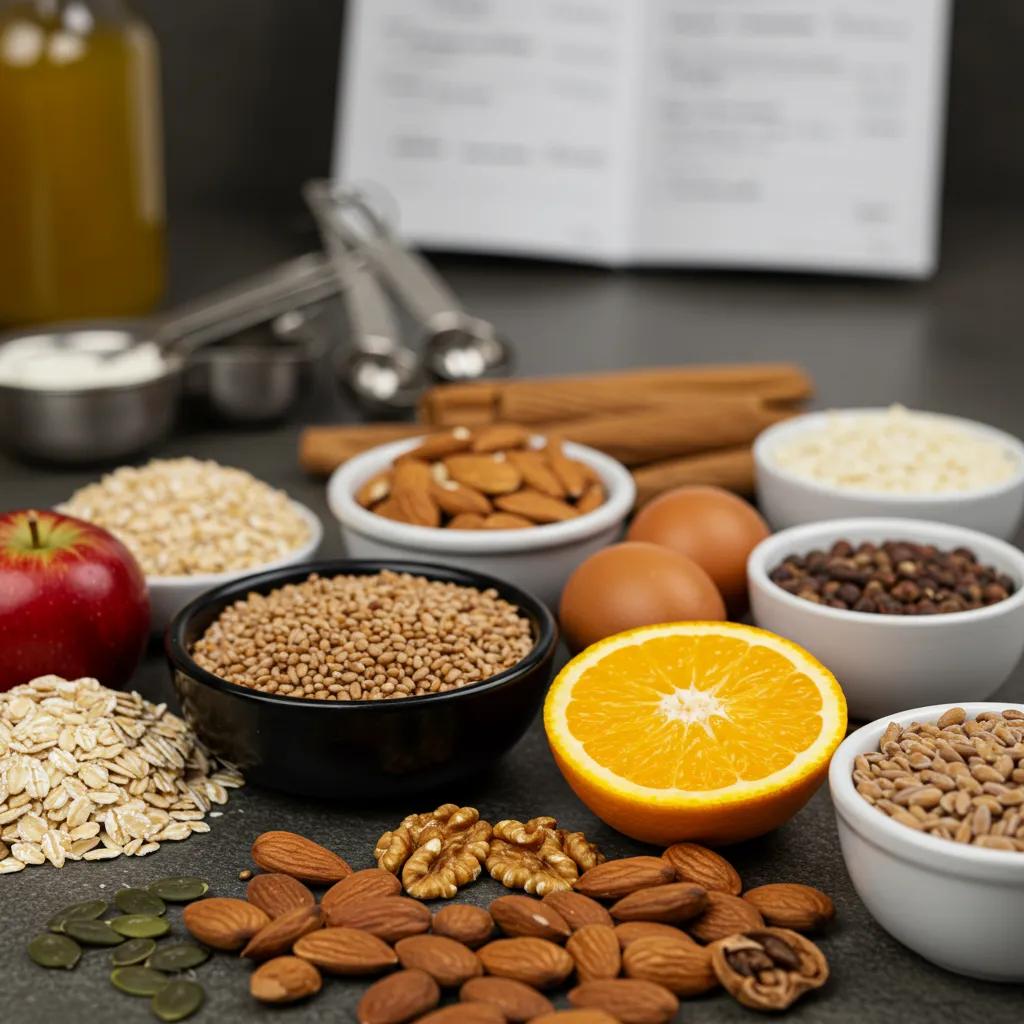
Healthy baking balances flavor, texture, and nutrition by swapping ingredients, adjusting portion sizes, and using techniques that preserve nutrients; this reduces refined sugar and refines flour choices while keeping desirable textures. Mechanically, replacing part of refined flour with whole grains or using oil instead of all butter changes crumb and moisture, while sugar substitutes alter browning and tenderness. The result is bakes with higher fiber, lower glycemic load, and retained taste when balanced correctly. Below are actionable swaps, a list of gluten-free flour options, and guidance on including gut-friendly ingredients without sacrificing structure.
Recent 2025 market trends indicate growing interest in plant-based and reduced-sugar baking, and as a news organization covering lifestyle shifts, ARY News highlights these shifts in food culture by featuring community stories and roundups of healthier baking trends. (theweek.com)
Beginner’s Guide to Baking: Equipment, Techniques, and Recipes
Baking is a piece of cake with this accessible guide! You’ll find what equipment and ingredients you need to get started, along with basic techniques and recipes. Whether you’re a complete beginner or looking to improve your skills, this book offers clear instructions and helpful tips to ensure your baking success.
Baking For Dummies, 2002
How Can You Use Sugar Substitutes for Healthier Baking?
Sugar substitutes—like erythritol, stevia blends, and honey—change sweetness, texture, and moisture; each has conversion nuances and impacts browning and shelf life. Liquid sweeteners (honey, maple) add moisture and require reducing other liquids; high-intensity sweeteners (stevia) need bulk adjustments or bulking agents to replace volume. Erythritol behaves similarly to sugar for volume but can cause cooling effects in some recipes and may crystallize. Test swaps in small batches and adjust baking time and temperature to achieve desired color and texture. Knowing when not to swap is important: recipes relying on sugar for structure or caramelization may require partial substitutions only.
- Use 3/4 cup of applesauce to replace 1 cup sugar in moist quick breads, adjusting liquids.
- Replace up to 50% sugar with erythritol in cookies, monitor browning carefully.
- Prefer honey for recipes benefitting from added moisture and flavor complexity.
These conversion examples guide practical substitution without undermining bake structure; next we compare gluten-free flours.
What Are Gluten-Free Flour Options for Baking?
Gluten-free flours (almond, rice, buckwheat, tapioca-based blends) vary in protein and starch content, so blends with xanthan gum or psyllium often recreate the binding normally supplied by gluten. Almond flour yields tender crumb and added fat but needs additional structure; rice flour provides neutral flavor but can be gritty if not blended; buckwheat contributes robust flavor and color. A common strategy is to use pre-formulated gluten-free blends or combine a base starch (rice or potato) with a protein-rich flour (almond or chickpea), adding a binder at 0.5–1% of total flour weight. Expect texture trade-offs and adjust hydration and baking time accordingly.
- Almond flour blends: tender cakes, increase binder.
- Rice-based blends: neutral flavor, combine with starch for better crumb.
- Commercial blends: convenient, usually balanced for structure.
These options enable reliable gluten-free baking when matched to the recipe type and binder strategy; next we cover gut-healthy ingredients to boost nutrition.
How Do You Incorporate Gut-Healthy Ingredients in Baking?
Adding whole grains, seeds, oats, and fermented dairy boosts fiber and prebiotic content while improving nutrient density and satiety in baked goods. Mechanistically, soluble fiber retains moisture and supports tender crumb, while probiotic-rich yogurt or kefir can replace some fat and contribute acidity for leavening reactions. Use ground flaxseed as an egg binder in plant-based recipes and swap 10–30% of refined flour for whole-grain flour to increase fiber without overly toughening the texture. Examples include oat + banana muffins, yogurt-based quick breads, and seeded sourdough variations. These ingredient swaps support gut health while preserving enjoyable textures when adjusted for hydration.
Incorporating these ingredients becomes a design choice—balance flavor, moisture, and structure—to create bakes that are both satisfying and more nutritious.
Which Baking Tips Help Troubleshoot Common Baking Problems?
Troubleshooting baking problems begins with recognizing causes—measurement errors, mixing stage mistakes, or oven temperature inconsistencies—and applying targeted fixes that restore structure and appearance. The mechanism behind many failures is simple: incorrect ratios disturb chemical reactions and gluten development, while oven variance alters rise and set times. By standardizing measurements, using weight-based recipes, and observing visual cues, many common issues are preventable. Below are immediate fixes for frequent problems and a measurement best-practice table.
Measure precisely and calibrate your oven to reduce recurring errors; the table below maps common issues to practical actions.
How Do You Fix a Sunken Cake or Separated Chocolate?
A sunken cake commonly results from overbeating air into batter, incorrect oven temperature, or premature removal; recovery options are limited but include trimming and using a sturdy frosting or serving as a deconstructed trifle. Prevention focuses on correct leavening amounts, gentle folding of flour, and ensuring the oven is fully preheated. Separated chocolate (when fat separates from cocoa solids) typically follows overheating or water contact; fix by gently re-emulsifying with a small amount of warm liquid and whisking, or start a fresh ganache using warmed cream and gradually incorporating the chocolate. Preventive techniques—tempering chocolate carefully and controlling heat—reduce recurrence.
These immediate fixes help salvage bakes, while preventive practice improves consistency long term.
What Is the Correct Way to Measure Flour and Use Room Temperature Butter?
Accurate flour measurement relies on weighing ingredients with a digital scale to avoid variable cup measures; when scales aren’t available, use the spoon-and-level method—loosen flour, spoon into the cup, and level with a straight edge. Room-temperature butter should be soft enough to yield to a fingertip with slight resistance—not melting and not rock-hard—to cream properly with sugar and incorporate air for leavening. Visual cues and tactile checks (finger indentation, pliable but stable) are more reliable than timing alone. Consistent measurement and proper butter temperature reproduce predictable batter texture and final bake structure.
Adopting weight-based measurements and tactile checks for fat temperature reduces variability and leads to more repeatable outcomes in baking.
How Can You Avoid Overmixing and Ensure Proper Baking Times?
Overmixing develops excess gluten in cakes and quick breads, resulting in tough textures; recognize mixing stages—combine, smooth, and final—stop mixing as soon as dry streaks are incorporated for tender bakes. For yeast breads, gentle stretch-and-folds replace continuous mixing and preserve gas pockets. Doneness tests include the toothpick check for cakes, internal temperature checks (e.g., 95–100°C for some breads), and observing color and spring-back. Adjust bake times for pan size, oven accuracy, and altitude: smaller pans bake faster, and cooler ovens need longer times. Use timers and visual cues together to avoid under- or over-baking.
Practicing these checks will make doneness assessment second nature and prevent texture issues in future bakes.
What Are Popular Pakistani Baking Recipes and Traditional Desserts?
Pakistani baking traditions offer aromatic spices, rich dairy, and dried fruits that adapt well to Western-style bakes and inspire fusion desserts; these local flavors—cardamom, khoya, dates, and ghee—add depth and texture when incorporated thoughtfully. Mechanisms include using khoya (reduced milk solids) to enrich custards and fillings, and cardamom to lift sweetness without additional sugar. Adapting traditional desserts into baked formats preserves cultural flavors while using familiar baking techniques, making them accessible to home bakers. Below is an adapted baked sheer khurma concept, notes on local ingredients, and ideas for modern fusion bakes that celebrate Pakistani tastes.
Pakistani desserts hold a special place in the country’s culinary traditions, symbolizing celebration, hospitality, and tradition. (lalqilaperth.com.au)
How Do You Bake Sheer Khurma and Other Pakistani Desserts?
A baked sheer khurma adapts the classic vermicelli-pudding by layering lightly toasted seviyan with a cardamom-spiced milk mixture and a nutty khoya crumble, then baking briefly to meld flavors and develop a golden top. Key steps: toast vermicelli to nutty aroma, simmer milk with cardamom and saffron, fold in chopped dates and nuts, and finish with a baked khoya topping for texture contrast. Serve warm with a garnish of pistachios and rose petals for an authentic touch. Baking concentrates flavors and adds caramelized notes while keeping the dessert recognizably traditional.
This adaptation shows how simple technique shifts convert stovetop sweets into oven-baked presentations suitable for family gatherings.
Which Local Ingredients Enhance Traditional Baked Goods?
Local ingredients like ghee, khoya, cardamom, dried figs, and dates contribute fat, sweetness, and aromatic complexity and often replace or complement butter and sugar in baked goods. Cardamom brightens cakes and cookies with citrus-like warmth, while khoya enriches fillings and custards with milk solids that mimic concentrated cream. Dates and jaggery introduce deeper caramel notes and pair well with whole-grain flours for rustic loaves. When sourcing locally, choose fresh spices and ripened dried fruits for maximum flavor; alternatives like unsalted butter or cultured yogurt can substitute where ghee or khoya are unavailable.
- Cardamom: aromatic lift in cakes and cookies.
- Khoya: dense milk solids for rich custards and fillings.
- Dates/ghee: natural sweetener and flavor depth in quick breads.
These ingredients inspire both faithful reproductions and inventive modern twists, which we outline in the next subsection.
How Can Pakistani Baking Traditions Inspire Modern Recipes?
Pakistani flavors lend themselves to fusion concepts—cardamom-citrus cupcakes, date-and-nut banana bread, or ghee-roasted seed granola bars—that keep core sensory elements while using familiar bake techniques. Mechanically, adding aromatic spices often reduces the need for excess sugar by increasing perceived flavor complexity; incorporating khoya or yogurt improves moistness and shelf life in cakes. Presentation ideas like layered pots with spiced crumbs or miniature tartlets make tradition shareable on social platforms. Encourage experimentation by substituting one local ingredient into a trusted recipe to assess texture and flavor balance before full adaptation.
Start small—add cardamom or replace some butter with ghee—to explore how traditional ingredients transform everyday bakes.
What Baking Equipment Should Every Home Baker Have?
Good home baking results depend on a few prioritized tools: a digital scale for accurate measurements, a reliable oven with thermometer for consistent heat, and mixing equipment appropriate to the baker’s most common projects. The mechanism is simple: precise measurements and stable heat reduce variability, while the right tools reduce effort and improve consistency. Below is an equipment comparison table and a short list of essentials with maintenance notes to help you prioritize purchases and care for tools over time.
The table below compares common tools, their uses, and practical maintenance tips.
Which Stand Mixers and Ovens Are Best for Home Baking?
Stand mixers vary by capacity and motor strength; prioritize torque and a planetary mixing action if you plan to mix doughs regularly, and choose a bowl size that matches typical batch volumes. Ovens differ by heat distribution and available features—convection mode speeds and evens baking but may require temperature adjustments, while conventional ovens may bake slower with different browning characteristics. For many home bakers, a mid-range stand mixer and a reliably calibrated conventional or convection oven provide the most value. Regularly using an oven thermometer and rotating pans mitigates hot spots and ensures even results.
Choosing the right appliance improves efficiency and consistency; consider capacity and feature trade-offs relative to your baking frequency.
What Are Essential Baking Tools for Cakes, Breads, and Pastries?
Essentials vary by category but include a digital scale, mixing bowls, spatulas, an oven thermometer, quality baking pans, a bench scraper, and a measuring cup set. For cakes: offset spatula, piping tips, and a turntable aid decoration. For breads: Dutch oven, banneton, and lame support crust and shaping. For pastries: rolling pin, pastry cutter, and chilled baking sheets are crucial. Affordable alternatives—using a heavy pot instead of a Dutch oven or a glass bowl instead of metal—allow beginners to practice without large upfront expense. Regular cleaning and correct storage extend tool life and ensure food safety.
- Cakes: spatula, piping supplies, quality pans.
- Breads: Dutch oven, banneton, scraper.
- Pastry: rolling pin, cutters, chilled surfaces.
These prioritized lists help new bakers buy strategically and upgrade based on the techniques they practice.
How Do You Maintain and Clean Baking Equipment Properly?
Daily maintenance includes washing bowls and utensils promptly, wiping mixers to remove residue, and air-drying to prevent corrosion; monthly tasks include checking seals, sharpening blades, and recalibrating thermometers. For non-stick pans, avoid metal utensils and hand-wash gently; cast-iron and carbon steel need occasional seasoning and careful drying to prevent rust. Mixer bowls and attachments tolerate dishwasher cleaning unless manufacturer guidance advises otherwise; treat electrical components cautiously and unplug before cleaning. Proper maintenance preserves tool performance and reduces long-term costs.
Routine care prevents equipment failure and supports consistent bake quality, making good habits part of successful home baking.
How Can You Personalize and Innovate Your Baking Recipes?
Personalizing recipes blends flavor innovation, texture adjustments, and dietary accommodation to make bakes reflect your taste and needs; this process involves swapping one ingredient at a time and noting the mechanical impact. Popular hybrids—like croissant-doughnut cruffins or cookie-croissant crookies—combine textures and techniques to produce novel bite experiences. Decoration techniques, from simple crumb coats to basic piping, let you present creations attractively without advanced tools. For dietary shifts, plant-based eggs, aquafaba, or flax gels can replace eggs, while applesauce or pureed fruit can reduce sugar and add moisture. Iterate in small steps to retain structural integrity while experimenting with new flavors.
Below are short lists of trending flavor combos, decoration basics, and plant-based swap examples to spark creativity.
- Flavor combos: cardamom + orange, pistachio + rose, tahini + chocolate.
- Decoration basics: crumb coat, smooth ganache finish, simple rosette piping.
- Plant-based swaps: flax egg (1 tbsp flax + 3 tbsp water), applesauce for partial sugar replacement.
Experimentation guided by these building blocks helps you create signature bakes while maintaining technical control.
What Are Popular Flavor Combinations and Hybrid Baked Goods?
Trending combinations often juxtapose spice and citrus, nutty and floral, or savory elements with sweet bases for depth; cardamom with citrus and pistachio with rose exemplify balanced pairings. Hybrids like filled croissant-doughnuts blend laminated texture with soft centers, and cookie-cup bases allow portable fillings. When building combinations, balance sweetness, acidity, and fat to prevent one element from overpowering structure. Start by adapting a trusted recipe: add a spice blend or swap one fat for a nut butter to explore new flavor profiles.
These combinations give a framework for inventive bakes that remain approachable and crowd-pleasing.
How Do You Customize Cakes with Frosting and Decoration Techniques?
Customization begins with selecting a compatible frosting—buttercream for stability and pipeability, whipped cream for lightness, and ganache for glossy finish—and layering with a crumb coat to seal crumbs before final decoration. Piping basics like star tips and round nozzles create borders and simple textures, while a spatula and turntable help achieve smooth sides. For quick celebration cakes, use pressed garnishes like chopped nuts or toasted coconut to mask minor imperfections. Practice on smaller cupcakes to develop consistency before scaling to full-size cakes.
These techniques let home bakers present polished results with modest investment in tools and practice.
Which Plant-Based and Low-Sugar Options Can You Try?
Plant-based and low-sugar baking requires replacing eggs and dairy while preserving texture: aquafaba whips for meringue effects, silken tofu or mashed banana for moisture, and nut butters for richness. Replace dairy milk with plant-based milks and use neutral oils instead of butter in many quick breads; when omitting sugar, combine bulk sweeteners like applesauce with intense sweeteners and adjust baking time for color. An example: a plant-based banana oat muffin uses mashed banana, oat flour, and a flax binder for a low-refined-sugar breakfast option that still delivers moist crumb. Testing small batches helps dial in texture and sweetness.
Start with tried swaps and progressively reduce sugar to keep flavors balanced while improving nutritional profile.
Conclusion
Mastering the art of baking not only enhances your culinary skills but also allows you to create delicious, healthier treats that cater to your dietary preferences. By understanding essential techniques, ingredient substitutions, and troubleshooting methods, you can confidently tackle any baking project. Embrace the joy of experimentation and personalize your recipes to reflect your unique taste. Start your baking journey today by exploring our collection of easy recipes and tips!