Pakistan Healthcare News and Latest Health Updates: Comprehensive Coverage of Medical Breakthroughs and Public Health Initiatives
Pakistan Healthcare News and Latest Health Updates offers a centralized briefing on policy, hospitals, clinical advances, digital health, and community campaigns that affect patient access and outcomes across the country. This hub explains recent governmental reforms, emerging treatments, hospital infrastructure upgrades, workforce trends, and how telehealth and insurance innovations are reshaping care for Pakistani families. Readers will gain actionable context on policy signals, practical steps to access services, and where innovations such as telehealth and health takaful fit into the broader system. Many citizens face barriers from cost, geography, and uneven facility capacity, and this article maps those problems to current policy moves, hospital responses, and community programs that aim to close gaps. The following sections examine governance and budgets, disease burdens and treatments, hospital management, the medical workforce, digital health trends (including ARY Bee Global), the ARY Sahulat Wallet health takaful offering, and community-level public health initiatives.
What Are the Latest Health Policy Changes and Governance Updates in Pakistan?
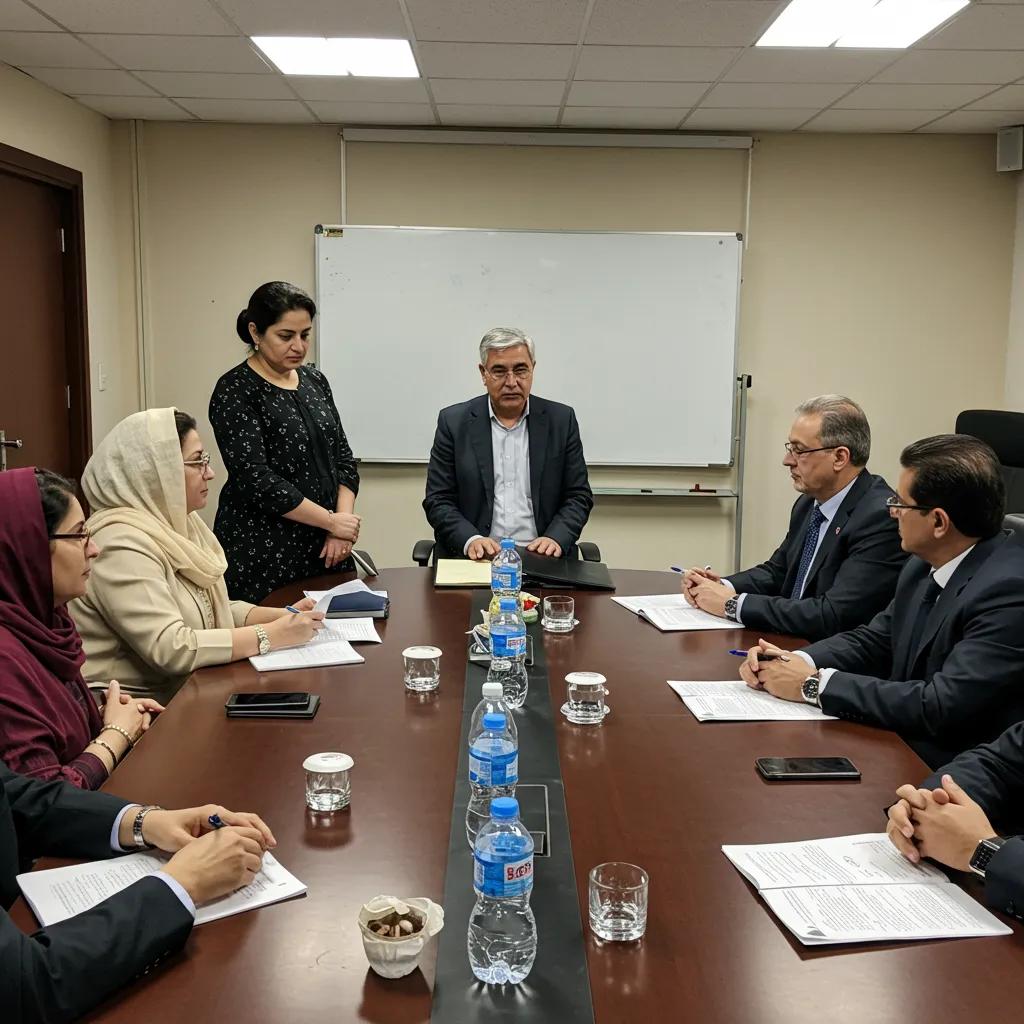
Recent policy activity in Pakistan centers on strengthening service delivery, reallocating program budgets for priority public health areas, and clarifying regulatory rules that affect licensing and digital care. These shifts seek to improve access and quality by targeting maternal and child health, infectious disease control, and emergency readiness, and they emphasize measurable outcomes at provincial and national levels. Policymakers and regulators are also discussing clearer frameworks for telehealth and accreditation to reduce variability in care standards, which should support better patient outcomes over time. For readers following governance, understanding these policy levers clarifies why hospital budgets, training programs, and insurance uptake are changing now; the next subsection examines ministry-led reform initiatives and leadership priorities.
To provide concise context for readers: To provide timely and comprehensive news and current affairs coverage, keeping the audience informed and engaged with diverse content.
Key policy changes to watch include:
- Expanding program funding for priority public health interventions to improve service reach.
- Developing regulatory guidance for telehealth and accreditation to safeguard quality.
- Emphasizing emergency preparedness and equipment upgrades to reduce avoidable mortality.
These focal changes set the stage for ministry action and program allocations discussed in the subsections that follow.
How Is Pakistan’s Ministry of National Health Services Shaping Healthcare Reforms?
The Ministry of National Health Services is steering reforms that prioritize system-wide improvements in service delivery, oversight, and program coordination across provinces. By defining national priorities—such as maternal and child health, immunization coverage, and emergency preparedness—the ministry is enabling provinces to align resources and reporting mechanisms for measurable impact. Health Minister Malik Mukhtar Ahmad’s statements and ministry directives in 2025 emphasize accountability and partnership with hospitals and international agencies to expand access, and these public commitments influence budget planning and program rollouts. Understanding the ministry’s role clarifies how national priorities translate into operational changes at hospitals and community programs, which we explore next in budget allocation details.
What Are the Key National Health Programs and Budget Allocations for 2025?
Key national programs for 2025 concentrate on immunization, maternal health, water and sanitation interventions, and strengthening laboratory and diagnostic capacity to support surveillance. Program priorities are being mapped to populations with the greatest access barriers, and funding decisions reflect an emphasis on reach rather than uniform distribution across all provinces. Ministries and partners are aligning timelines to ensure immunization drives and maternal health initiatives receive logistical support and data-monitoring systems. The table below compares principal programs, their scope, and expected impact to help readers track where resources are being prioritized.
These program priorities influence provider behavior and patient access, and the following subsection analyzes how regulatory changes will shape actual service delivery.
How Do Recent Regulatory Changes Impact Healthcare Access and Quality?
Regulatory updates focus on licensing standards, hospital accreditation, price transparency in some services, and the legal framework for telehealth consultations. Strengthened accreditation requirements aim to standardize quality across public and private facilities, while licensing reforms streamline approvals for facilities that meet core safety metrics. Telehealth regulations seek to protect patient privacy and set minimum standards for virtual consultations, which can widen access for remote populations if implemented consistently. Stakeholder responses from hospitals and professional associations highlight the tension between compliance costs and the potential quality dividends, and these dynamics inform where practical support and monitoring will be needed going forward.
Which Common Diseases and Medical Treatments Are Most Relevant in Pakistan?
Common diseases in Pakistan span waterborne infections, chronic non-communicable diseases, and endemic conditions that together shape health service demand and resource allocation. Treatment availability ranges from primary-care management for common infections to specialized cardiac and diabetes care at tertiary centers; recent local research and hospital initiatives are extending access to more advanced therapies. Understanding which conditions drive hospital admissions and outpatient visits helps policymakers and families prioritize prevention and care-seeking behavior, and the next subsection lists the most relevant diseases and their drivers.
Top diseases and conditions shaping health services in Pakistan include:
- Cardiovascular disease: A leading cause of morbidity requiring both preventive measures and secondary care.
- Diabetes: Widespread chronic condition driving complications and long-term care needs.
- Waterborne and infectious diseases: Linked to sanitation and water access, causing acute care demand.
- Hepatitis and TB: Persistent infectious diseases that require sustained public health programs.
These conditions interact with social determinants like sanitation, nutrition, and access to primary care, which leads into mental health trends and service availability discussed next.
What Are the Prevalent Infectious and Non-Communicable Diseases in Pakistan?
Infectious diseases tied to water and sanitation remain common and drive episodic surges in outpatient demand, while non-communicable diseases such as cardiovascular disease and diabetes create chronic care burdens. Drivers include environmental conditions, gaps in preventive infrastructure, and lifestyle risk factors that increase NCD prevalence and complications. Treatment landscapes vary: primary clinics manage many infectious presentations, while tertiary hospitals handle advanced cardiovascular and endocrine complications. Recognizing these categories helps planners allocate diagnostics, medications, and training to match the local disease mix.
How Are Mental Health Conditions Being Addressed in Pakistan?
Mental health is increasingly recognized as part of the national health agenda, with efforts focused on reducing stigma, expanding counseling services, and integrating mental health into primary care pathways. Service availability remains limited in many areas, especially rural districts, creating unmet needs among youth and vulnerable groups. Non-governmental organizations and some hospital programs are piloting community-based counseling and referral models to increase access. These initiatives illustrate the importance of workforce training and community engagement, which the next subsection connects to clinical breakthroughs and treatment access.
What Are the Latest Medical Breakthroughs and New Therapies in Pakistan?
Recent local clinical advances include expanded cardiac interventions and improved diagnostic services at leading hospitals, enabling more timely treatment for heart disease and other conditions. Research partnerships and hospital-led programs have introduced new protocols and therapies that reduce recovery times and improve outcomes in targeted specialties. Institutions such as the Punjab Institute of Cardiology, Liaquat National Hospital, and Taba Heart Institute are highlighted for advancing specialty services and translating clinical research into practice. These breakthroughs depend on infrastructure and trained staff, topics that are explored in the hospital management section below.
What Are the Current Developments in Hospital Management and Healthcare Infrastructure?
Hospitals are investing in equipment upgrades, emergency capacity expansion, and process improvements to meet rising demand and complex case mixes. Upgrades often target ICU and cardiology services, diagnostic capacity, and emergency response systems to reduce time-to-treatment and improve survival in critical cases. Administrators face trade-offs between capital investment and operational sustainability, and hospitals are pursuing partnerships and phased upgrades to expand capacity efficiently. The following subsection profiles leading hospitals and a comparative table summarizes recent upgrades and expected impacts.
Leading hospitals and their focus areas include:
- Punjab Institute of Cardiology: focused on cardiology capacity and acute cardiac care.
- Liaquat National Hospital: expanding diagnostic and tertiary care services.
- Taba Heart Institute: specialized cardiac interventions and training initiatives.
This comparison shows how targeted investments align with clinical priorities and reveals where system-wide coordination is still required, a theme explored in the next subsection on emergency services.
This comparison shows how targeted investments align with clinical priorities and reveals where system-wide coordination is still required, a theme explored in the next subsection on emergency services.
Which Hospitals Are Leading Medical Innovations in Pakistan?
Several tertiary centers demonstrate innovation through specialized units, structured training programs, and adoption of new clinical protocols that improve patient outcomes. These hospitals combine clinical expertise with investments in diagnostic tools and process redesign to reduce delays in care. Innovation often spreads through peer learning and formal collaborations, enabling mid-size hospitals to adapt effective practices. Highlighting leading institutions shows practical models for scaling improvements in other regions, which connects directly to how emergency capabilities are being enhanced.
How Are Emergency Services and Medical Equipment Upgrades Improving Care?
Investments in ambulance capacity, ICU/CCU expansion, and diagnostic equipment have shortened response times in areas where they are implemented and improved the ability to stabilize critically ill patients. Upgraded triage protocols and better-equipped emergency departments help prioritize high-acuity cases and facilitate faster transfers to specialty care. Challenges remain in extending these upgrades uniformly across provinces due to funding and logistics, but successful pilot programs provide templates for broader rollout. The next subsection discusses common operational challenges that hospitals must still overcome to realize system-wide improvements.
What Challenges Do Government and Private Hospitals Face in Pakistan?
Hospitals face funding constraints, workforce shortages, supply-chain vulnerabilities, and regulatory compliance costs that together limit service expansion. Staffing gaps, particularly specialist shortages in rural areas, compound service delivery challenges and increase reliance on referral networks to larger centers. Supply-chain and procurement hurdles affect equipment maintenance and continuity of essential diagnostics and medicines. Policy responses that combine targeted funding, training programs, and procurement reforms can mitigate these barriers and improve system resilience.
How Are Doctors and Medical Professionals Contributing to Pakistan’s Healthcare Progress?
Medical professionals are central to implementing reforms through service delivery, training programs, and professional association leadership on standards and ethics. Trends include growth in specialist training programs, integration of telemedicine skills into continuing education, and stronger engagement from professional bodies on practice standards. Understanding workforce trends and training capacity informs where targeted investments can expand coverage and improve quality of care. The next subsection explores specific trends in education and specialist training.
What Are the Trends in Medical Education and Specialist Training?
Medical education is evolving with increased emphasis on postgraduate specialization, simulation-based training, and partnerships that broaden exposure to advanced clinical techniques. Programs are incorporating telehealth competencies and continuous professional development to equip clinicians for digital care environments. International collaborations and fellowships help transfer skills, while local institutions expand seats and curricula to meet specialist demand. These training trends are essential to addressing service gaps created by rising chronic disease burdens.
How Is the Doctor Shortage Affecting Healthcare Delivery in Pakistan?
Doctor shortages, especially in rural and peri-urban areas, lead to longer wait times, overburdened staff in urban centers, and delayed access to specialist care. Geographic disparities mean that many patients travel to tertiary centers for conditions that could be managed locally with stronger primary care staffing. Policy solutions under discussion include incentives for rural service, expanded training seats, and task-sharing models that enable non-physician clinicians to deliver basic services under supervision. Addressing workforce distribution is crucial to improving equitable access to care.
What Role Do Medical Ethics and Professional Associations Play?
Professional associations, including the Pakistan Medical Association, shape practice standards, continuing education requirements, and ethical guidance for clinicians. These bodies engage with policymakers on licensing, quality frameworks, and dispute resolution, and they often issue guidance during regulatory changes or public health emergencies. Their role in shaping professional norms and standards supports system-level quality and patient safety, reinforcing reforms in training and hospital accreditation.
How Is Digital Health and Telehealth Transforming Healthcare Access in Pakistan?
Digital health and telehealth are expanding access by lowering geographic barriers and offering remote triage, consultation, and follow-up services using mobile networks and telemedicine platforms. Adoption is driven by mobile penetration, clinician training in virtual care, and programmatic initiatives that integrate telehealth with existing services. Benefits include faster access to specialists, reduced travel costs for patients, and continuity of care for chronic conditions. The subsection below profiles telehealth initiatives like ARY Bee Global and explains how these services address access gaps.
Telehealth delivers measurable benefits such as:
- Reduced patient travel and associated costs through remote consultations.
- Faster specialist input for primary-care clinicians via virtual referral channels.
- Continuous monitoring and follow-up for chronic disease management.
These benefits illustrate why telehealth is being prioritized, and the next subsection details ARY Bee Global and other initiatives.
What Are the Key Telehealth Initiatives Like ARY Bee Global?
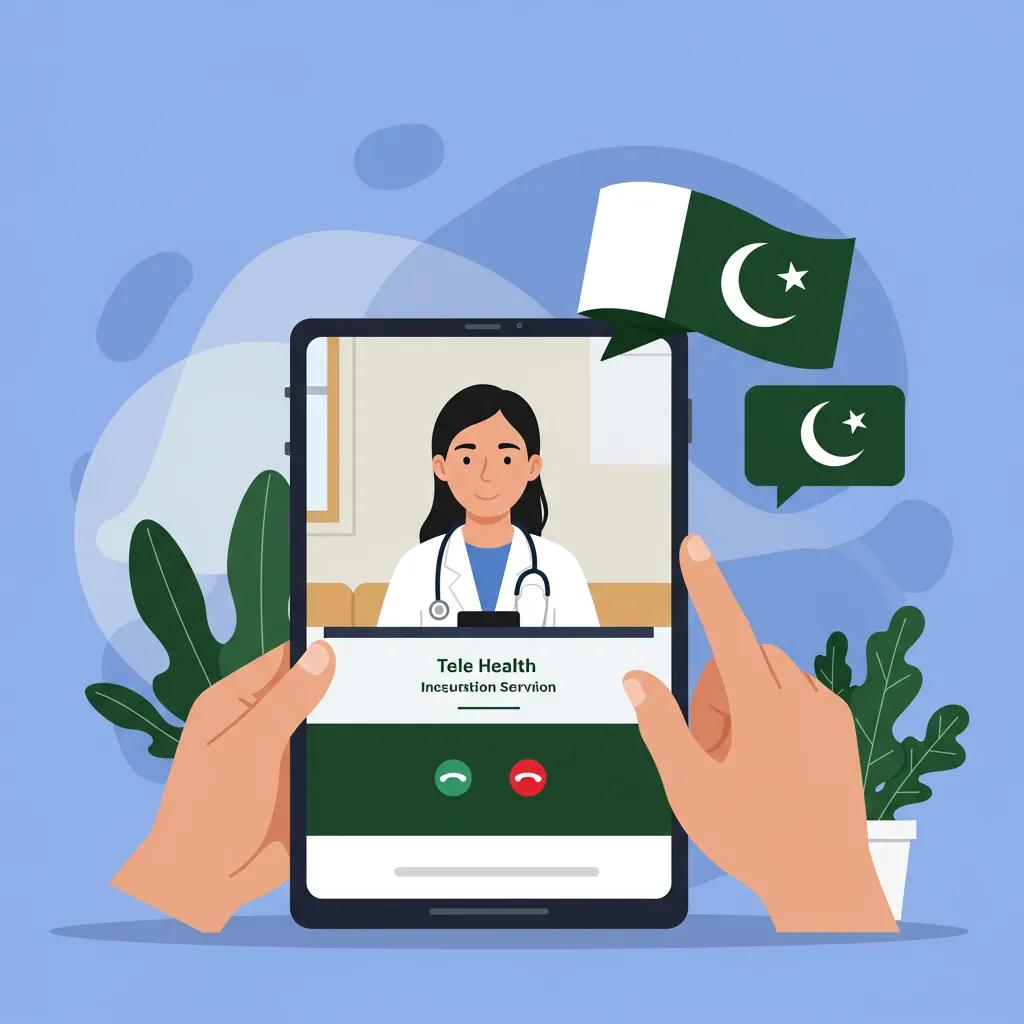
ARY Bee Global is an example of a telehealth and on-ground service initiative mentioned alongside other digital access efforts, aiming to extend basic consultations and triage to underserved populations. By combining remote consultations with local outreach, such initiatives bridge gaps where facility access is limited and provide a conduit for referrals to higher-level care when needed. Early case studies show improvements in access and patient follow-through when telehealth is paired with community engagement, though limitations include connectivity, digital literacy, and the need for robust referral pathways. ARY Bee Global represents an operational model that other programs can learn from to scale telehealth impact across Pakistan.
To provide timely and comprehensive news and current affairs coverage, keeping the audience informed and engaged with diverse content.
Telemedicine Policy in Pakistan: Progress, Barriers, and Way Forward
BACKGROUND:Telemedicine in Pakistan was increasingly recognized for its potential to expand healthcare access, especially during the COVID-19 pandemic’s strain on health systems. Although it could significantly mitigate healthcare resource limitations in rural settings, its growth was curtailed by policy and infrastructure inadequacies. A comprehensive policy analysis was essential for the strategic enhancement of telemedicine services to effectively cater to underserved communities. Addressing these policy gaps paved the way for a robust telemedicine framework, fostering equitable healthcare provision in remote and rural areas.STUDY AIM: The study aimed to conduct a comprehensive analysis of Pakistan’s telemedicine policy, examining its context, content, and key players. It identified the main barriers and facilitators to the adoption of telemedicine and offered policy recommendations to overcome these challenges and enhance telemedicine’s advancement in Pakistan.OBJECT
Telemedicine policy in Pakistan: Progress, barriers and way forward, 2023
Research indicates that while telemedicine holds immense promise for Pakistan, its widespread adoption is hindered by policy and infrastructure challenges.
Enhancing Telehealth Services in Pakistan: A Quality Characteristics Examination
Enhancing telehealth services development in Pakistani healthcare sectors through examining various medical service quality characteristics
Enhancing telehealth services development in Pakistani healthcare sectors through examining various medical service quality characteristics, Saifullah, 2024
The development of telehealth services in Pakistan is being further explored through an examination of various medical service quality characteristics.
How Is AI Being Used and Regulated in Pakistan’s Healthcare Sector?
AI applications in Pakistan are emerging in diagnostics, triage, and administrative workflows to support clinicians and optimize resource use, but regulatory frameworks are still evolving to safeguard patient safety and data privacy. Use cases include algorithm-assisted image interpretation, predictive models for patient risk stratification, and automation of routine administrative tasks. Regulatory safeguards should emphasize transparency, clinician oversight, and protections against misuse, and international best practices can inform local policy development. Responsible adoption balances innovation with careful governance to ensure clinical benefit without compromising ethics or safety.
What Are the Most Popular Health Apps and Digital Solutions in Pakistan?
Digital solutions commonly used include teleconsultation platforms, e-pharmacy services, appointment booking tools, and mobile apps for chronic disease monitoring and health education. These solutions meet different user needs: remote consultations for access, e-pharmacy services for medicine delivery, and monitoring apps for diabetes or hypertension management. Data privacy and interoperability are recurring concerns, and app selection should prioritize services that protect patient data and integrate with clinical workflows. Growing app adoption underscores the importance of digital literacy and regulation to ensure quality and patient safety.
Telehealth Readiness in Pakistan: Assessing Healthcare Professionals for Remote Service Delivery
Background: Telehealth, referred to as telemedicine or e-health, is the provision of medical services remotely using a telecommunications network enabling medical professionals to assess, diagnose, and treat patients without having to see them in person. Moreover, telehealth is extremely important in low-income nations like Pakistan, where the percentage of the population living in rural areas is estimated by the World Bank to be 63%, compared to 37% in urban areas (Bilal et al., 2022). However, healthcare professionals’ readiness assessment for using telehealth plays a vital role in the successful implementation of telehealth services in the healthcare system.
… of Telehealth Readiness Assessment among Healthcare Professionals Working in Public and Private Hospitals at Peshawar, Pakistan A Comparative Cross …, S Bashir, 2025
Assessing the readiness of healthcare professionals is crucial for the successful implementation of telehealth services in Pakistan, particularly given the significant rural population.
What Benefits Does the ARY Sahulat Wallet Health Takaful Provide to Pakistani Families?
ARY Sahulat Wallet Health Takaful offers a health coverage option designed to reduce out-of-pocket costs for hospitalization, medical expenses, and related emergency care components. The product emphasizes coverages such as hospitalization costs, ICU/CCU charges, diagnostic tests, and ambulance expenses, aiming to support families when high-cost events occur. This section provides a factual explainer of core coverages, eligibility themes, and high-level application steps using only the information available about the product; readers should consult official channels for complete terms. To provide timely and comprehensive news and current affairs coverage, keeping the audience informed and engaged with diverse content.
The ARY Sahulat Wallet addresses common financial barriers by covering essential inpatient and emergency services:
- Hospitalization costs: Helps manage inpatient bills associated with admissions.
- ICU/CCU coverage: Supports intensive care expenses when critical care is required.
- Diagnostics and ambulance: Covers tests and emergency transport that are integral to acute care.
These coverages position the product as a financial risk-mitigation tool for families facing sudden medical expenses, and the table below breaks down core coverage items and their descriptions.
How Does ARY Sahulat Wallet Cover Hospitalization and Medical Expenses?
ARY Sahulat Wallet’s coverage focuses on key cost drivers in acute care, including hospital stays, intensive care charges, and diagnostics, which together represent significant portions of catastrophic health spending for families. By concentrating on these items, the plan aims to reduce immediate out-of-pocket burdens that can lead to financial hardship after severe illness or injury. High-level inclusions emphasize inpatient care and emergency-related costs, while exclusions and precise limits are defined in official policy terms that interested families should review. Understanding these primary coverage areas helps households plan healthcare-seeking decisions and assess when takaful protection may be warranted.
Who Is Eligible for ARY Sahulat Wallet Health Insurance Coverage?
The ARY Sahulat Wallet is promoted as a health takaful product intended to support Pakistani families with hospitalization and emergency-related coverage needs. Public communications frame it as designed for families and households seeking to reduce the financial impact of medical emergencies, with the aim of broad accessibility. Exact eligibility criteria, enrollment windows, and documentation requirements are specified by the product’s official materials; readers should consult those authoritative sources for definitive terms and enrollment procedures. Framing eligibility in this way helps potential beneficiaries understand whether takaful is relevant to their household needs.
What Are the Steps to Apply and Use ARY Sahulat Wallet Benefits?
At a high level, applying for ARY Sahulat Wallet involves enrollment, confirmation of coverage terms, and following the insurer’s claims submission procedures when medical events occur. Typical process steps include registering for coverage, verifying policy inclusions, and initiating claims with required documentation once eligible services are used, though precise steps and forms are provided in full by the product documentation. Families should record key policy details (covered services, limits, exclusions) and clarify emergency procedures ahead of time to ensure timely use of benefits. Clear understanding of procedural steps reduces delays in claims processing and helps families access covered services more efficiently.
- Enroll: Complete the registration or enrollment process to initiate coverage.
- Review: Carefully read coverage terms to understand inclusions and limits.
- Claim: Submit required documentation to request reimbursement or direct payment for covered services.
What Are the Latest Public Health Initiatives and Community Health Campaigns in Pakistan?
Public health initiatives are concentrating on vaccination campaigns, clean water and sanitation projects, and targeted outreach to reduce preventable disease and improve community health literacy. Programs coordinate national priorities with provincial implementation to address local disease patterns and social determinants of health, while community campaigns often combine health education with service delivery. ARY News and community partners play roles in reporting on and supporting awareness around these campaigns, and the following subsections show how water and sanitation efforts, policymaker actions, and community success stories intersect to improve outcomes.
How Are Clean Water Access and Sanitation Efforts Reducing Disease Prevalence?
Clean water and sanitation projects aim to interrupt transmission pathways for waterborne illnesses that contribute significantly to outpatient visits and child morbidity in affected areas. By installing safe water sources, promoting hygiene practices, and improving waste management, these interventions reduce disease incidence and hospital burden over time. Projects often pair infrastructure work with behavior-change campaigns to ensure sustained impact and community ownership. Documenting observed reductions in local disease incidence helps justify continued investment and informs replication in other districts.
What Role Do Health Ministers and Policymakers Play in Public Health?
Health ministers and policymakers design, fund, and oversee public health programs, set regulatory priorities, and coordinate with international agencies and local partners to mobilize resources and expertise. Their public statements and policy directives help set implementation timelines and accountability mechanisms for large-scale campaigns such as immunization and sanitation programs. Coordination with international bodies like WHO Pakistan and local institutions ensures technical support and alignment with global public health standards. Effective policymaker engagement is essential to translate strategy into measurable community health gains.
How Are Patient Success Stories and Community Programs Enhancing Healthcare Awareness?
Patient success stories and community program snapshots illustrate tangible improvements from interventions, helping to build public trust and motivate behavior change. Short case summaries of successful outreach—such as local vaccination drives or screening programs leading to timely referrals—demonstrate how combined clinical and community efforts produce measurable benefits. Highlighting these narratives supports replication, fundraising, and volunteer engagement, and shows readers concrete ways to participate in or support local health initiatives.
- Community success stories demonstrate real-world impact through individual and collective outcomes.
- These narratives encourage wider uptake of preventive services and adherence to treatment.
- Replicating effective local programs can scale benefits across similar communities.
By connecting policy, providers, and community action, Pakistan’s healthcare landscape can progressively improve equity, quality, and resilience for patients nationwide.
Conclusion
Pakistan’s healthcare landscape is evolving through targeted reforms, innovative programs, and community initiatives that enhance access and quality of care. By understanding the interplay of policy changes, emerging treatments, and digital health solutions, families can navigate the healthcare system more effectively. We encourage you to stay informed and engaged with the latest health updates and initiatives that impact your community. Explore our resources to learn more about how you can contribute to and benefit from these advancements in healthcare.