Essential Cleaning Tips and Hacks for a Tidy, Healthy Home in 2025
Keeping a home clean in 2025 means blending smart routines, safe DIY solutions, and a few tech-savvy shortcuts so daily maintenance doesn’t become a full-day chore. This guide explains practical cleaning hacks, room-by-room deep-cleaning strategies, tested natural recipes, and how emerging tools can save time while improving hygiene. Readers will learn bite-size daily tasks, an actionable deep-clean checklist, ingredient-specific DIY cleaners (with safety notes for pets and stone surfaces), and selection criteria for robotic and cordless devices. The article also includes printable-style EAV tables, quick problem-solution hacks for pet hair and hard water, and budget-friendly tips tailored to Pakistani households and similar markets. Practical transitions will connect habits to tools, and tools to health outcomes so you can choose the right approach for your home and routine.
What Are the Best Easy Cleaning Tips for Daily Home Maintenance?
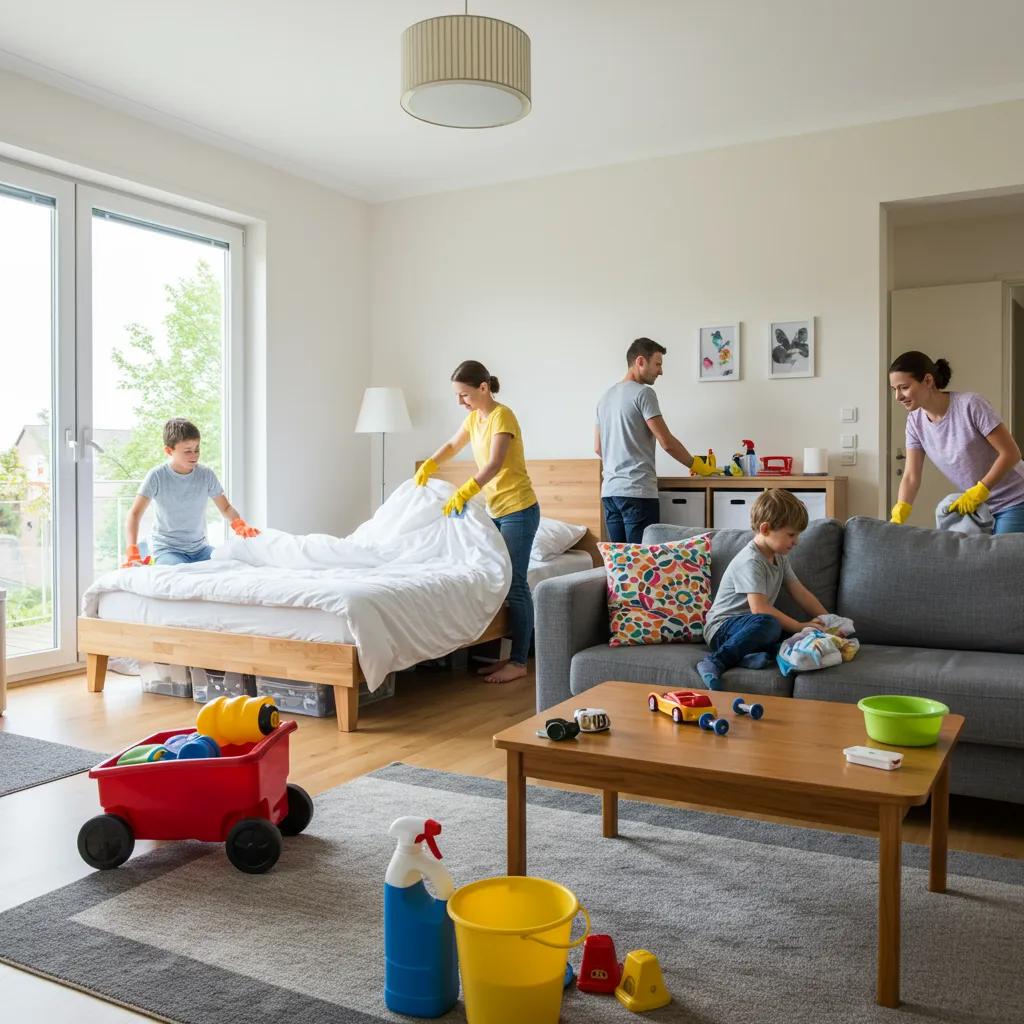
Daily home maintenance consists of short, repeatable tasks that prevent dirt accumulation and maintain a hygienic living space. These bite-size habits work because they interrupt grime formation, reduce allergen buildup, and make deeper cleaning faster, delivering measurable time savings and better air quality. Implementing a concise daily routine supports both visual tidiness and microbial control on high-touch surfaces, improving household health outcomes. The tactics below focus on speed, safety, and ingredients commonly available in South Asia while setting up the next stage: targeted deep cleaning when needed.
A simple daily maintenance routine includes six fast tasks that typically take 10–20 minutes total and prevent most larger chores.
- Make the bed and open windows for 5–10 minutes to air out rooms.
- Wipe high-touch surfaces (doorknobs, light switches, remote controls) with a diluted disinfectant or vinegar solution.
- Quick kitchen wipe-down: clear dishes, wipe counters, and spot-clean the stove after use.
- Sweep or vacuum high-traffic zones to remove coarse dirt before it spreads.
- Glide a microfiber cloth over surfaces to capture dust rather than smear it.
- Tidy clutter for five minutes—put items back in designated baskets or hooks.
These steps form the backbone of a daily habit loop: small action, immediate visible result, and low time cost. Consistent daily maintenance reduces the frequency and intensity of seasonal deep cleans that the next section addresses.
How Can Quick Cleaning Hacks Save Time in a Busy Schedule?
Quick cleaning hacks save time by batching similar tasks, using multi-surface tools, and applying short sprints of focused work that produce visible results. For example, a 15-minute evening routine can reset living spaces by concentrating on the kitchen, high-touch surfaces, and a single high-traffic zone; this maintains momentum and prevents backlog. Tools like a microfiber cloth and a small cordless vacuum streamline these sprints because they capture dust and crumbs quickly without setup overhead. Implementing a “clean-as-you-go” rule in the kitchen prevents grease buildup and shortens future oven or stove maintenance.
Time-saving micro-routines work best when household members share small roles and when tasks are sequenced to avoid rework. Start with tasks that clear surfaces, then follow with dusting and floor care, which prevents redistribution of dust. These principles naturally lead to choosing safe everyday cleaners and pantry ingredients that are effective for routine use.
Which Natural Ingredients Are Most Effective for Everyday Cleaning?
Pantry staples like white vinegar, baking soda, lemon, and salt are effective everyday cleaners because they offer degreasing, deodorizing, soft abrasion, and mild acidity that lift soils without harsh chemicals. Vinegar excels at cutting grease and streaks on glass, baking soda is an excellent gentle abrasive and deodorizer for sinks and drains, and lemon provides citric acid that brightens and freshens surfaces while leaving a pleasant scent. Safety notes: avoid vinegar on natural stone (granite, marble) and minimize lemon on stained wood finishes.
Simple example uses make these ingredients practical:
- Vinegar: dilute 1:1 with water for glass and counters (avoid stone).
- Baking soda: paste with water for oven and stubborn stains.
- Lemon: rub on cutting boards and rinse; use the peel to freshen garbage disposals.
These safe, low-cost ingredients support daily cleaning rhythms and prepare surfaces for the deeper, more targeted work described in the next section.
What Are Simple Habits to Keep Your Home Clean Daily?
Forming small, repeatable habits reduces overall cleaning time by preventing accumulation of dirt, clutter, and microbial hotspots. A practical morning/evening ritual includes making the bed, a five-minute declutter, wiping counters after use, and emptying a small catch-all basket; these actions maintain order and lower the time needed for weekly chores. Involving family members through assigned micro-tasks—each person responsible for one daily action—builds shared maintenance and teaches responsibility.
Behavioral techniques that help habit formation include pairing cleaning tasks with existing routines (e.g., wipe counters after morning tea) and using visible reminders like checklists or a wall schedule. These organizational habits tie directly into the printable cleaning schedules and checklists in the deep-clean section that follows.
How Do You Deep Clean Your Home: Room-by-Room Checklist and Strategies?
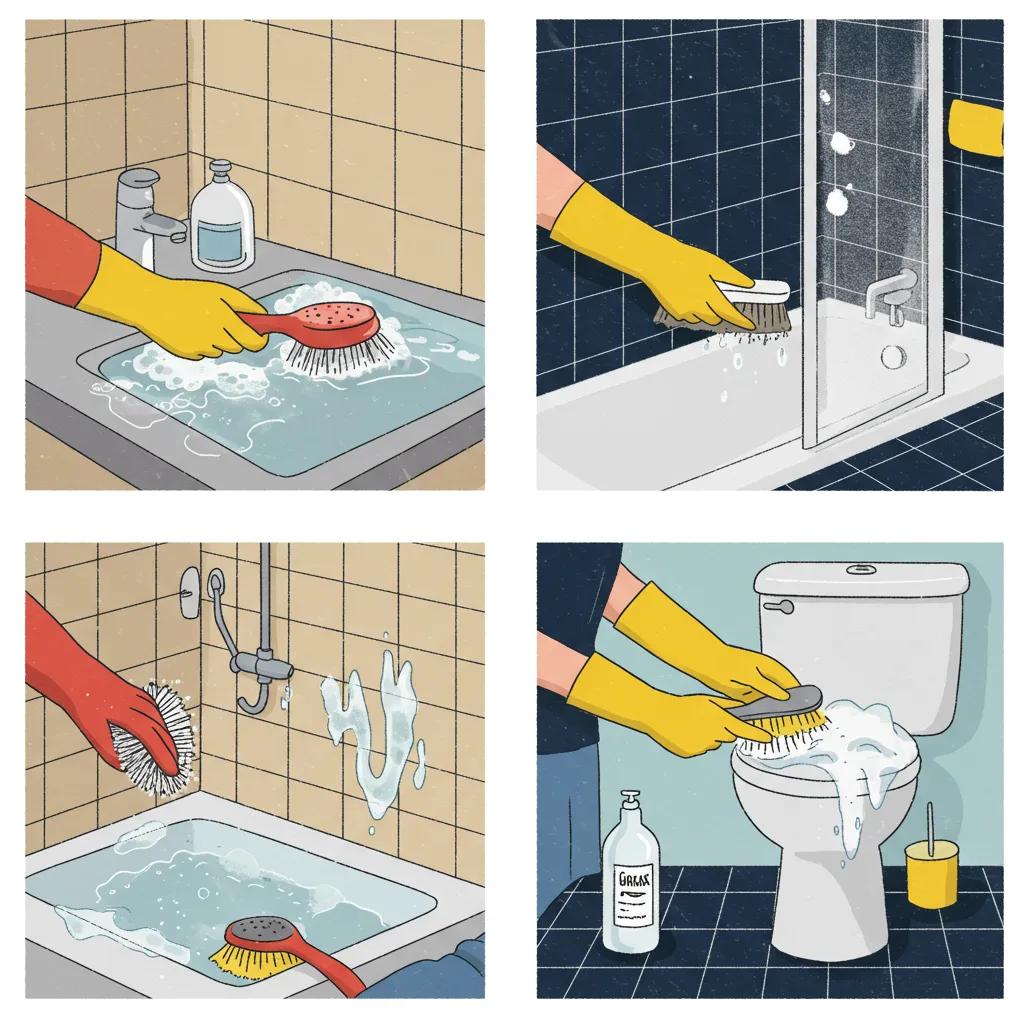
Deep cleaning is a focused, time-boxed process that removes built-up grime, limescale, and hidden allergens from high-use rooms using stronger mechanical or chemical action when needed. It works by targeting accumulations that daily maintenance cannot address—oven carbon, grout mildew, fridge spill residues—so your home returns to a baseline of hygiene and appearance. A room-by-room strategy ensures no area is overlooked and helps schedule effort across seasonal cycles. Below are practical steps and a compact printable checklist to guide a full deep-clean session.
Kitchen deep cleaning often requires different materials and a short oven-clean HowTo that uses common pantry supplies.
What Steps Are Essential for a Kitchen Deep Cleaning?
Kitchen deep cleaning targets the most contaminated zones: oven, fridge, sink, and appliances, using materials and time estimates to make the process efficient. Start by emptying shelves, discarding expired food, and removing detachable parts like oven racks and fridge drawers; soaking these items in hot soapy water speeds cleaning. A simple, low-cost oven method uses a baking soda paste to break down burnt-on residue followed by vinegar rinse and scrubbing. Always use gloves and ventilate; avoid acidic cleaners on stone counters.
Numbered oven mini-HowTo to follow precisely:
- Remove racks and soak in hot, soapy water for 30–60 minutes.
- Mix baking soda with water into a paste and coat oven interiors; let sit overnight.
- Spray with vinegar to activate foaming; wipe away residue, then rinse and dry.
These steps restore kitchen hygiene with minimal expense and prepare surfaces for regular maintenance, which reduces the need for frequent heavy-duty cleans.
How to Perform a Thorough Bathroom Deep Clean?
A thorough bathroom deep clean focuses on descaling, grout restoration, and sanitation of fixtures, all of which reduce mold, limescale, and microbial hotspots. Use a citric-acid or vinegar soak on showerheads and taps to dissolve mineral buildup, and apply a baking soda paste with a stiff brush to grout lines to lift embedded dirt. Disinfect high-touch areas such as flush handles and faucet knobs with an appropriate disinfectant after cleaning to reduce pathogen load. Ventilate during and after cleaning to speed drying and prevent mold recurrence.
These procedures reduce microbial reservoirs and visual stains, making ongoing maintenance faster and less chemically intensive. Proper technique and safe ingredient choices are critical when treating different surfaces, which leads naturally into printable checklist design and frequency planning.
What Is Included in a Printable Deep Cleaning Checklist?
A printable deep-clean checklist condenses room tasks into a compact, actionable layout so households can assign chores and track progress easily. The EAV-style table above provides an example mapping rooms to tasks and frequency; a printable version should separate materials needed, estimated time, and safety notes for each task. Include checkboxes and simple timing guidelines—e.g., “Fridge: 45 minutes” or “Grout: 20 minutes per 1–2 sqm”—so users can plan realistic sessions.
A printable checklist reduces decision fatigue and encourages consistent seasonal cleaning, which in turn lowers long-term maintenance burden. The following section on scheduling explains ideal intervals for different household types.
How Often Should You Schedule Seasonal or Annual Deep Cleaning?
Schedule deep cleaning based on household size, climate, and usage: high-traffic kitchens and bathrooms often need quarterly attention, while living spaces and mattresses are typically biannual or annual. Trigger-based cleaning—after monsoon seasons, post-festival gatherings, or when allergies spike—ensures responsiveness to local conditions. Create a simple calendar with monthly, quarterly, and annual tasks and slot one deep-clean weekend per quarter to distribute workload.
Adapting frequency to climate and pets reduces allergen accumulation and helps maintain indoor air quality, which is reinforced by technology choices discussed later.
What Are the Most Effective Natural Cleaning Solutions and DIY Recipes?
Natural cleaning solutions are pantry-based mixtures that combine acidity, gentle abrasion, and surfactants to remove soils safely while minimizing toxic exposure. These DIY recipes work by leveraging chemical properties—acids dissolve mineral deposits, bicarbonate neutralizes odors and scrubs, and citrus provides a mild solvent action—making them ideal for low-cost, eco-friendly care. Proper dilution, surface testing, and storage away from children and pets ensure safety and effectiveness. Below are exact recipes, ingredient uses, and safety notes to guide household application.
How to Make an All-Purpose Cleaner Using Vinegar and Baking Soda?
A simple all-purpose spritz combines diluted vinegar for degreasing with a mild surfactant for residue-free results, but never mix vinegar with bleach or use on stone. Materials: 1 cup white vinegar, 1 cup water, 1 tsp liquid castile soap (optional), spray bottle; test on a hidden area first. Steps: combine water and vinegar, add soap, shake gently, and label bottle; spray on counters, wipe with microfiber, and rinse on sensitive surfaces. Estimated cost is low and ingredients are widely available in South Asia, making this a practical everyday cleaner.
This recipe emphasizes safe dilution and surface testing, and it naturally leads to citrus-based options for scent and brightening described next.
What Are the Benefits of Lemon and Other Citrus in Cleaning?
Lemon contains citric acid, which dissolves mineral deposits and breaks down grease, delivering both cleaning power and a fresh scent. Use lemon halves to scrub cutting boards, remove microwave stains by steaming a lemon-water bowl for several minutes, or combine lemon juice with salt for a natural abrasive scrub. The aromatic oils also leave a pleasant scent without synthetic fragrances, which can be beneficial for sensitive household members.
Citric acid’s effectiveness makes citrus a valuable complement to vinegar and baking soda, particularly for deodorizing and brightening tasks described earlier, while safety reminders limit use on delicate stone.
Which Natural Solutions Are Safe for Pets and the Environment?
Pet-safe cleaning prioritizes non-toxic ingredients and careful storage to prevent accidental ingestion or skin irritation in animals. Baking soda and diluted vinegar at low concentrations are generally safe when used properly and rinsed; avoid essential oils and concentrated citrus on floors where pets lick. Always store cleaners out of reach and post-cleaning keep pets out of the area until surfaces dry. Dilution guidance and ventilation reduce exposure risks while still delivering effective cleaning.
These precautions allow pet households to use natural solutions confidently and ensure that eco-friendly choices do not compromise animal safety, which pairs well with smart cleaning tools covered next.
How Can Smart Cleaning Tools and Technologies Improve Home Care in 2025?
Smart cleaning tools in 2025 offer automation, targeted performance, and integrated scheduling that reduce hands-on time while maintaining hygiene standards. Robotic vacuums and mops handle daily floor maintenance, cordless vacuums provide quick pickup with no cord management, and steam mops add chemical-free sanitization through heat. Choosing the right tool depends on home size, floor types, presence of pets, and budget; pairing devices with a daily routine maximizes their benefit while preserving manual deep-clean cycles.
What Are the Advantages of Robotic Cleaners and Cordless Vacuums?
Robotic cleaners offer hands-off floor maintenance by following scheduled runs and returning to docks, which is ideal for daily upkeep of hard floors and low-pile rugs. Cordless vacuums combine higher suction with maneuverability for stairs and upholstery, making them better suited for targeted, more thorough cleanups. Maintenance differences matter: robots need filter and brush cleaning, while cordless vacuums require battery care and occasional head cleaning. For budget-conscious households, mixing a basic robot for daily sweeps with a cordless for spot work balances convenience and performance.
These device choices influence how you structure weekly tasks and integrate organization strategies that reduce cleaning load.
How Does a Steam Mop Enhance Cleaning Efficiency?
A steam mop uses high-temperature steam to sanitize hard floors and grout, reducing reliance on chemical disinfectants and killing many microbes through heat alone. Steam is effective on sealed surfaces—vinyl, tile, sealed hardwood—but must be avoided on untreated wood and some stone finishes that can warp or etch. Practical steps include sweeping beforehand, using distilled water to reduce mineral deposits, and using controlled passes to avoid over-wetting. The steam mop’s sanitizing action complements vacuuming and surface wiping, improving overall home hygiene when used appropriately.
The sanitization advantage connects directly to air quality strategies and HEPA filtration, which the next subsection discusses.
Which Air Purifiers and HEPA Filters Help Prevent Dust and Allergens?
HEPA-filter air purifiers remove airborne particles down to 0.3 microns, reducing dust, pet dander, and many allergens when sized correctly for room volume. Key selection criteria include CADR (clean air delivery rate), room square footage rating, and filter replacement interval; pairing purifiers with regular cleaning reduces overall allergen load. Maintenance is straightforward: replace or clean pre-filters and monitor manufacturer guidance for HEPA cartridge changes to maintain performance. Integrating purifiers into bedrooms and living rooms yields the highest impact for allergy relief and indoor comfort.
Reducing airborne particulates complements surface cleaning and helps prevent recontamination after deep-clean sessions.
What Are Practical Home Organization Tips to Reduce Cleaning Effort?
Organizational strategies reduce surface clutter and create dedicated storage that prevents items from acting as dust magnets, making both daily maintenance and deep cleaning faster. Decluttering simplifies surfaces that collect dust and removes obstacles that slow cleaning tools; thoughtful storage solutions keep essentials accessible while hiding visual clutter. A good cleaning schedule that includes organization tasks ensures order is sustained over time rather than drifting back to disarray. The following subsections outline decluttering workflows, storage hacks, and schedule integration.
Practical lists and low-cost approaches make storage improvements accessible to most households, including those operating within tighter budgets.
How Does Decluttering Simplify Your Cleaning Routine?
Decluttering reduces the number of objects that collect dust and decreases the time needed to tidy before cleaning, because cleaners spend less time moving items. Use a zone-based approach: pick a small area, sort items into keep/donate/trash, and set a timer for focused sessions to avoid overwhelm. Regularly removing seldom-used items reduces cleaning frequency and improves mental clarity for household members. Local disposal or donation channels ensure items leave the home responsibly and create positive reinforcement for sustained minimalism.
Smaller, repeated decluttering cycles integrate cleanly with daily maintenance and reduce the scope of seasonal deep cleans described earlier.
What Storage Solutions Help Maintain a Tidy Home?
Space-saving storage includes vertical shelving, under-bed containers, multi-use furniture with hidden compartments, and labeled baskets that make items easy to return after use. Affordable local alternatives like woven baskets, wall hooks, and re-purposed boxes can mimic higher-cost systems while remaining culturally appropriate and accessible. The key is consistent placement—designate a specific spot for daily items to maintain a habit of returning objects to their home. These storage tactics lower visual clutter and reduce dust-collecting surfaces.
Effective storage boosts the efficiency of both tech tools like robotic cleaners (which need clear floors) and manual cleaning sprints, which follow in the schedule section.
How to Create a Cleaning Schedule That Includes Organization Tasks?
An integrated schedule combines daily micro-tasks, weekly focus areas, and quarterly deep-clean projects to balance maintenance and organization. Example: daily 15-minute evening reset, weekly kitchen and bathroom deep-clean sessions, and quarterly bedroom and upholstery care. Use simple printed checklists or whiteboard schedules to assign tasks and track completion; visibility encourages adherence. Tailor frequencies for household size and climate—more frequent dusting in dry seasons, and a post-monsoon deep clean in humid climates.
A reliable schedule prevents accumulation and keeps organization tasks from becoming a separate burden, linking back to habit formation discussed earlier.
How Do You Tackle Common Cleaning Challenges Like Pet Hair and Hard Water Stains?
Targeted problem-solving uses the right method for the specific dirt type: pet hair requires agitation and capture, while hard water needs acid-based dissolution and dwell time. Matching method to problem avoids wasted effort and surface damage. Preventive measures, like entry controls and regular filter maintenance, reduce recurrence and make cleaning less frequent. The subsections below offer fast, tested hacks for common nuisances.
These problem-focused solutions integrate with daily routines and the tech choices covered earlier to form a coherent home care strategy.
What Are Quick Hacks for Removing Pet Hair from Furniture and Carpets?
Removing pet hair efficiently relies on creating friction or using suction to lift hair from fibers: rubber gloves can pull hair into clumps, a lint roller catches surface fur, and a squeegee works well on upholstered couches. For carpets, frequent vacuuming with a brush attachment and targeted spot cleaning prevents matting; consider a short scheduled vacuum run daily in high-shed zones. Regular grooming of pets reduces shedding at the source, and washable throws on furniture simplify cleanup. These approaches reduce hair transfer across rooms and lower allergen loads over time.
Combining these hacks with HEPA filtration and frequent floor runs maximizes cleanliness for pet households.
How to Remove Hard Water Stains Using Natural Ingredients?
Hard water stains respond well to acid-based natural solutions like vinegar or lemon applied as a soak or paste with proper dwell time to break down mineral deposits. For taps and showerheads, soak removable parts in vinegar for 30–60 minutes; for fixed fixtures, wrap a vinegar-soaked cloth and let it sit before scrubbing with a soft brush. For stubborn buildup, use a citric acid solution on a cloth and rinse thoroughly; avoid acids on marble and sensitive stone. These methods provide effective descaling without expensive commercial descalers when used carefully.
Using these recipes periodically prevents heavy accumulation and keeps fixtures functioning well between deeper descaling sessions.
What Preventive Measures Reduce Dust and Dirt Buildup Indoors?
High-impact preventive steps include placing doormats at all entry points, instituting a no-shoes policy, using washable rugs in entryways, and sealing windows and doors against dust ingress. Regular HVAC or fan filter cleaning and targeted use of an air purifier reduce circulating dust, while scheduled dusting—top to bottom—prevents redistribution. Small investments like door sweeps and microfiber cloths deliver strong ROI by keeping dirt out and capturing dust efficiently. Prioritizing prevention reduces the time spent on reactive cleaning and protects indoor air quality.
These measures complete a prevention-focused cycle that keeps homes cleaner longer and supports health outcomes discussed in the next section.
What Are Expert-Recommended Tips for Maintaining a Healthy and Hygienic Home?
Expert-recommended practices combine evidence-based frequency, targeted sanitization, and pragmatic technology integration to reduce disease transmission and maintain comfort. Regular cleaning of high-touch surfaces, appropriate use of heat or disinfectants where indicated, and maintaining good ventilation are central recommendations in current research. Budget-conscious professional advice for 2025 emphasizes combining low-cost natural cleaners with strategic tech adoption to balance hygiene and cost. Below are practical expert-aligned steps and affordable hacks for Pakistani households and similar settings.
These professional tips synthesize cleaning frequency, natural ingredient safety, and tool selection into an actionable home hygiene plan.
How Does Regular Cleaning Help Prevent Common Illnesses?
Regular cleaning reduces reservoirs of bacteria and viruses on high-touch surfaces, lowering the chance of fomite transmission for respiratory and gastrointestinal infections. Disinfecting frequently touched items—light switches, faucets, mobile devices—combined with hand hygiene interrupts common transmission pathways. Maintaining clean indoor air through filtration and ventilation further reduces airborne transmission risks. These layered practices—surface cleaning, handwashing, and air quality control—form a prevention framework recommended by public-health guidance.
Consistent application of these steps ties daily routines to measurable health benefits and supports the final practical budget advice below.
What Are Budget-Friendly Cleaning Hacks for Pakistani Households?
Affordable household items deliver strong cleaning performance when used correctly: baking soda for scrubbing, diluted vinegar for glass and deodorizing, lemon for brightening, and repurposed cotton or old towels for dusting and polishing. Reuse washable cloths instead of single-use wipes, and choose multipurpose routines that combine tasks (e.g., declutter while dusting) to reduce time and material costs. Local alternatives like woven baskets for storage and community donation channels for decluttering offer cultural fit and low cost. These tips preserve effectiveness while keeping household budgets in mind.
These hacks allow households to prioritize hygiene without expensive products and set the stage for adopting selected tech tools where budget permits.
Which Cleaning Practices Are Recommended by Professionals in 2025?
In 2025 professionals emphasize a hybrid approach: evidence-based natural cleaners for routine use, targeted chemical disinfection where infection risk is higher, and selective adoption of smart devices to automate repetitive tasks. They recommend scheduled deep-clean cycles, documented checklists, and prioritizing ventilation and filter maintenance for indoor air quality. Training household members on safe dilution and storage of cleaners reduces accidental exposures. This balanced strategy leverages low-cost ingredients, efficient tools, and consistent routines for sustained home hygiene.
Conclusion
Maintaining a tidy and healthy home in 2025 is achievable through smart routines, effective natural solutions, and the right technology. By implementing daily habits and targeted deep-cleaning strategies, you can significantly enhance your living environment while saving time and effort. Explore our comprehensive resources and tools to streamline your cleaning process and elevate your home’s hygiene. Start your journey to a cleaner home today!