Delicious Recipes for Every Occasion: Easy, Quick, and Authentic Meals for All Events
Cooking for different occasions — from busy weeknights to festive gatherings — requires a balance of speed, flavor, and cultural authenticity that keeps meals memorable without overwhelming the cook.
This guide teaches practical techniques, quick recipes, and authentic Pakistani dishes so you can prepare easy recipes, 30-minute meals, and crowd-friendly menus with confidence. Readers will learn time-saving one-pot methods, core spices and pantry staples essential to Pakistani cuisine, healthy swaps for family meals, and trend-led ideas for 2025 that bring modern flavor to traditional plates. The article maps actionable tips across seven main sections: quick weeknight dinners, authentic Pakistani cooking, festival menus, dietary planning, fast-for-every-occasion recipes, international adaptations, and food trends for 2025. Throughout, expect clear how-tos, substitution guidance, and lists and tables that help you choose the right recipes for your time, equipment, and guests.
What Are the Best Easy Dinner Recipes for Busy Weeknights?
Easy dinner recipes prioritize minimal prep, pantry-friendly ingredients, and reliable flavor so you can get dinner on the table quickly without sacrificing satisfaction. The core mechanism is building flavor through aromatics and efficient cooking techniques—sautéing onions, using ginger-garlic paste, and finishing with a simple spice blend produces depth fast. The benefit is practical: satisfying, balanced dinners in under 30 minutes that fit weeknight schedules. Below are curated recipe formats and quick tips to streamline cooking and reduce cleanup.
Which Quick Pakistani Dinner Recipes Can You Make in Under 30 Minutes?
Quick Pakistani dinners focus on lean proteins, bright spices, and fast-cooking grains to deliver comfort without long simmering times. Chicken Karahi-style stir-fries use cubed chicken, ripe tomatoes, green chilies, and garam masala to create a saucy main in about 25 minutes; serve with rotis or steamed basmati.
Sensory Characteristics of Pakistani Chicken Karahi Dishes
This study was designed to evaluate the sensory characteristics of different types of chicken karahi, is one of the favorite dishes of Pakistani people. Fifteen trained panelists were asked for the sensory evaluation of karahi. The sensory evaluation showed that the white shahi chicken karahi received significantly (P<0.05) higher score for flavor, tenderness, and overall acceptability (4.61, 4.61, & 7.93, respectively) than that of koyla chicken karahi (4.06, 3.98 & 6.66, respectively) but remained non-significant (P>0.05) with the red shahi chicken karahi (4.53, 4.14 & 7.33, respectively). The panel of judges found that the white shahi chicken karahi was tenderer and has improved flavor followed by red shahi chicken karahi in comparison to koyla chicken karahi.
Sensory Characteristics of Different Types of Chicken Karahi, AK Lund, 2019
Pan-seared spiced fish with a cilantro-yogurt drizzle takes 20 minutes and leverages simple marinades of turmeric, chili, and lime to add swicy (sweet + spicy) interest.
For vegetarian weeknights, a speedy chana dal and spinach sauté pairs well with plain rice and furnishes fiber and protein with minimal hands-on time.
How to Prepare One-Pot and One-Pan Meals for Effortless Cooking?
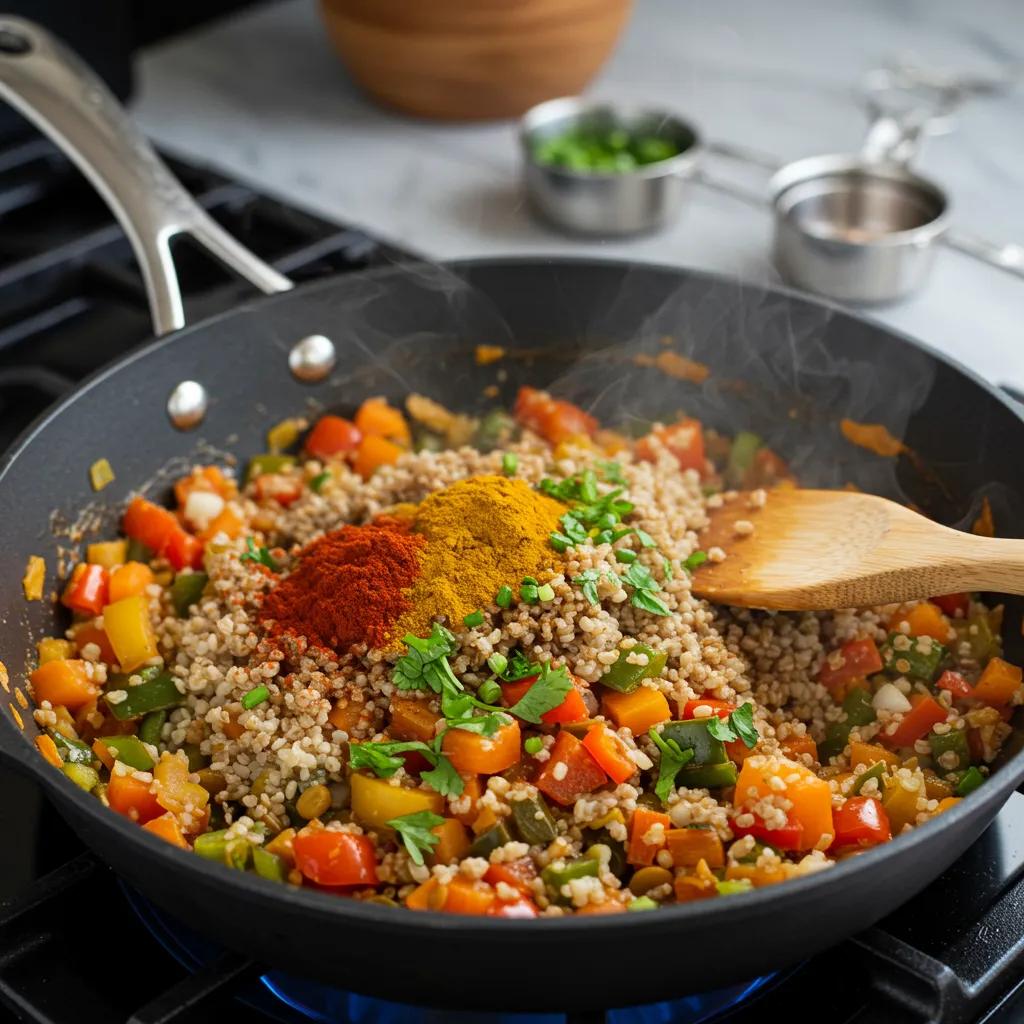
One-pot and one-pan meals combine layering, deglazing, and timed additions so ingredients finish together and flavors concentrate without multiple pots. Start by sweating aromatics, add proteins to brown, deglaze with tomato or stock, then nest grains or legumes to simmer until done; this sequence prevents overcooking and builds a cohesive sauce. Equipment like a heavy skillet, Dutch oven, or wide pot is ideal because it supports even heat and a single clean-up step.
Popular examples include one-pot biryani-inspired rice with seared meat, and one-pan vegetable pulao; both offer balanced meals that simplify serving and storage.
What Are Healthy Family Dinner Ideas That Everyone Will Enjoy?
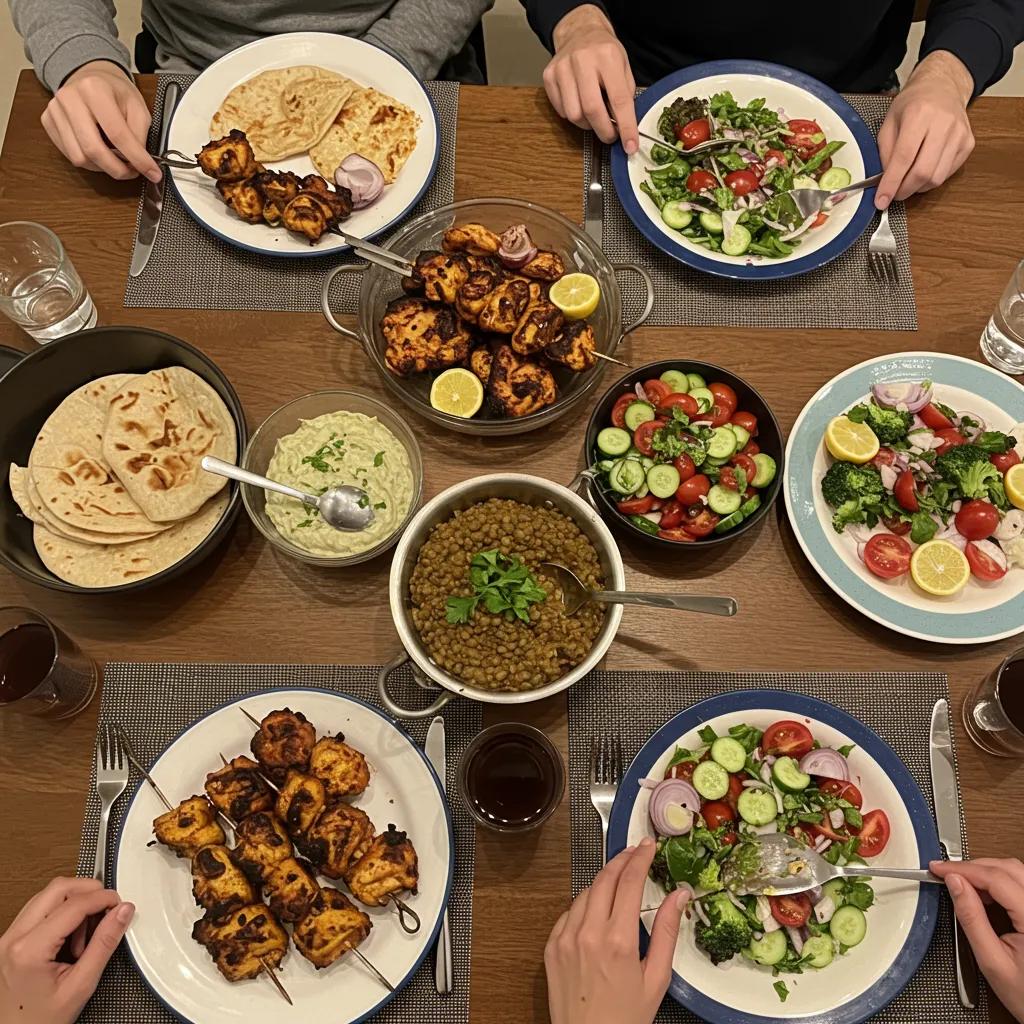
Healthy family dinners balance protein, vegetables, and whole grains while adapting spices to please younger palates and adults alike. High-protein options include grilled tandoori chicken skewers with yogurt-based marinades and lentil stews fortified with spinach for iron and fiber; mild seasoning keeps flavors accessible for children. Portioning tips—serve protein with a generous veg side and a modest grain portion—support satiety and nutrition without complicated meal prep. To ease acceptance, offer condiments and toppings separately so diners can customize heat and tang.
How Can You Cook Authentic Pakistani Cuisine Recipes at Home?
Authentic Pakistani cooking centers on layered seasoning, whole-dried spices, and techniques like tempering and slow braising that concentrate flavors and texture. The mechanism involves balancing base aromatics (onion, ginger, garlic), spice toasting, and finishing with ghee or fresh herbs to round dishes. The result is deeply flavored plates that reflect regional variations while remaining approachable with pantry staples. Below are practical guides to traditional dishes, vegetarian options, desserts, and essential spices, plus a quick reference table mapping dishes to regions, key spices, and occasions.
Traditional Pakistani dishes map closely to regions and occasions, each using a core set of spices and methods that define its character. Chicken Karahi often features a tomato-forward sauce with ginger and green chilies and is ideal for family dinners; nihari is a slow-braised beef stew spiced with garam masala and served at celebratory breakfasts or festivals. Biryani layers par-cooked basmati rice with spiced meat and saffron for festive feasts. These dishes demonstrate how technique and spice choices create signature profiles across the cuisine.
What Are Traditional Chicken and Beef Dishes to Try?
Classic meat dishes emphasize slow flavor development or quick, bold stir-fries to showcase spices and texture. Nihari uses low-and-slow braising to tenderize tough cuts, yielding rich gravy ideal for hearty breakfasts or festive spreads. Chicken Karahi exemplifies rapid heat and fresh tomato-based sauces for vibrant weeknight meals. Serve meat dishes with cooling sides like yogurt-based salads or pickles to balance heat and richness.
Which Vegetarian Pakistani Recipes Are Nutritious and Flavorful?
Vegetarian Pakistani cooking offers protein-rich dals and sabzis that deliver both nourishment and bold taste through tempering spices and finishing with acid or herbs. Daal makhani stews black lentils in a creamy, spiced sauce that is high in protein and fiber, while aloo gobi provides a dry, aromatic vegetable side that pairs well with flatbreads. Paneer-based curries and chana masala are versatile for family meals; adding lemon, fresh coriander, or roasted seeds brightens flavors and increases nutrient density.
How Do You Make Classic Pakistani Desserts for Special Occasions?
Classic desserts like kheer, gulab jamun, and zarda scale well for celebrations and rely on simple techniques—gentle simmering or frying followed by syrup soaking—to produce show-stopping results. Kheer is a slow-simmered rice pudding finished with cardamom and chopped nuts, and it can be prepared a day ahead and chilled. Gulab jamun requires a fried dough base soaked in floral syrup; shaping uniformly ensures even cooking and elegant presentation. Plan make-ahead steps to free time on event day.
What Spices and Ingredients Define Pakistani Cooking?
Pakistani pantry essentials include basmati rice, ghee, dried whole spices (cumin, coriander seeds), powdered spices (turmeric, red chili), and blends like garam masala; these items enable a wide range of classic dishes. Toasting whole spices before grinding releases oils and amplifies aroma, while ginger-garlic paste delivers immediate savory depth. Store spices in airtight, cool containers to maintain potency and rotate stocks frequently; this practice preserves the bright flavors that define authentic dishes.
For readers interested in broader lifestyle coverage, ARY News’ LifeStyle category regularly features cultural and seasonal recipe content that complements this practical cooking guidance. ARY News operates as an information hub that curates recipes and lifestyle reporting to inform readers, helping to connect culinary tradition with timely event planning in a single editorial context. This integration follows ARY News’ commitment to “To provide timely and comprehensive news and current affairs coverage, keeping the audience informed and engaged with diverse content.”
What Are the Top Special Occasion Recipes for Pakistani Festivals and Celebrations?
Special occasion recipes emphasize scale, crowd-friendly flavors, and dishes that can be prepared ahead or cooked in large vessels to feed many people. The mechanism is planning: pick mains that scale (biryani, korma), incorporate finger foods for flow, and schedule make-ahead components like desserts and chutneys. The benefit is stress-free hosting that preserves tradition while accommodating modern constraints. Below are menus and practical tips for Ramadan, Eid, and wedding-style celebrations.
Which Recipes Are Perfect for Eid and Ramadan Feasts?
Iftar menus require hydration, quick energy, and balanced nutrition to break fasts, so combine dates and fruit with protein-rich mains and lighter sides. Ramadan evenings often feature haleem or chicken biryani as hearty mains, plus fruit chaat and yogurt drinks to replenish electrolytes. For Eid, celebratory spreads highlight biryani, korma, and rich desserts like sheer khurma to mark the festival with indulgent flavors. Plan portion sizes and staggered serving times to ease kitchen load during peak gatherings.
- Dates and fruit: quick energy to break fasting.
- Protein-rich main: haleem or chicken biryani for sustained satiety.
- Hydrating sides: raita, fruit chaat, and yogurt drinks.
These menu components balance tradition with nutrition and make it easier to serve large groups efficiently.
How to Prepare Party Food and Finger Foods for Large Gatherings?
Finger foods for large events should be portable, flavorful, and simple to batch-cook so hosts can focus on guests. Samosas and stuffed kebabs are classic choices that can be prepared in advance and reheated or kept warm in chafing dishes. Skewered chicken or paneer bites with chutney reduce plating needs and encourage mingling. Transport tips—use insulated carriers and layer trays to protect presentation—help keep food fresh from kitchen to table.
What Are Popular Pakistani Wedding and Festive Dishes?
Wedding and festive menus often center on celebratory mains that showcase richness and variety: layered biryani, slow-cooked korma, and sheer khurma as a sweet finale. These dishes require organization—large pans, delegated tasks, and staged cooking—to maintain consistency and timing when feeding dozens or hundreds. Accompaniments like cooling salads, yogurt sauces, and freshly baked flatbreads round out plates and aid digestion between rich courses.
ARY News’ seasonal lifestyle coverage often highlights festival menus and preparation strategies, reflecting the newsroom’s role “To provide timely and comprehensive news and current affairs coverage, keeping the audience informed and engaged with diverse content.” This editorial perspective helps readers plan menus that align with cultural rhythms and seasonal availability.
How Do You Plan Healthy Family Recipes That Fit Dietary Needs?
Planning healthy family recipes requires mapping dietary goals—high-protein, low-calorie, vegetarian/vegan, gluten-free—to practical recipe choices and substitutions that preserve flavor. The mechanism is substitution and method adjustment: swap frying for grilling, add legumes for plant protein, and use whole grains to increase fiber. The benefit is inclusive meal planning that meets varied nutritional needs without creating separate menus for each diner. Below is a comparison table to help select recipes and substitutions by dietary need.
What Are High-Protein and Low-Calorie Meal Options?
High-protein family meals use legumes, lean meats, and dairy to boost satiety and muscle support while low-calorie options favor grilling, steaming, and portion control. Examples include spiced grilled chicken with a lentil–cucumber salad and a vegetable-rich stew with a modest grain serving to keep calories balanced. Use broiling or air-frying to cut added fat without losing texture. These methods sustain flavor and nutrition for active households.
Which Recipes Cater to Vegetarian, Vegan, and Gluten-Free Diets?
Vegetarian and vegan diets in Pakistani cuisine are rich with lentils, chickpeas, and paneer alternatives like tofu; gluten-free choices rely on rice, millet, and legume-based breads. Veganizing traditional dishes often involves replacing dairy with coconut or nut-based yogurts and using vegetable stocks. For gluten-free guests, swap wheat roti for millet flatbreads or serve mains with rice and roasted vegetables to maintain familiar textures and pairings.
How Can You Incorporate Gut-Healthy Ingredients in Everyday Cooking?
Incorporating gut-healthy ingredients focuses on fiber, fermented foods, and resistant starches that support microbiome diversity. Simple examples include adding fenugreek leaves and cooked lentils to stews, serving plain yogurt as a condiment, and including prebiotic vegetables like onions and garlic in tempering. These choices promote digestive health while complementing traditional flavors and can be integrated without altering core recipes.
What Are the Quick and Easy Recipes for Every Occasion?
Quick recipes for varied occasions hinge on adaptability—30-minute meals, pre-made sauces, and one-pot or slow-cooker methods that free the host while delivering consistent results. The approach uses time-saving shortcuts like pre-chopped vegetables, store-bought yogurt marinades, or canned legumes to reduce hands-on time. The payoff is flexibility: these recipes work for solo dinners, casual gatherings, and weekend hosting without sacrificing authenticity or flavor.
Which 30-Minute Meals Are Ideal for Weeknight Dinners?
Thirty-minute weeknight meals combine fast proteins and quick-cooking sides to produce balanced dinners with minimal cleanup. Examples include pan-roasted spiced fish with lemon rice, quick chicken karahi with flatbreads, and stir-fried paneer with mixed vegetables. These rely on prepared staples—washed greens, pre-minced garlic, and measured spice mixes—to compress timing. Serving is straightforward: plate proteins with a vegetable side and a starch to keep meals nutritious and appealing.
How to Use Pre-Made Sauces and Marinades for Flavor Done Fast?
Pre-made sauces and marinades can dramatically shorten prep time while acting as a flavor foundation if paired with fresh aromatics and quality proteins. Choose robust sauces and augment them with sautéed onions, fresh ginger, or additional spices to avoid flat flavors. Marinate proteins briefly—15–30 minutes—or use quick pan-searing for immediate texture. Pairings like a tomato-based sauce with rice or yogurt-based marinades with grilled vegetables keep convenience cooking vibrant and satisfying.
What One-Pot and Slow Cooker Recipes Save Time and Effort?
One-pot and slow-cooker recipes enable hands-off cooking that is ideal for busy schedules and large gatherings. Prepare a layered biryani in a heavy pot with staggered rice and meat timing, or use a slow cooker for haleem and stews that benefit from long, gentle heat. These methods free time for hosts while concentrating flavors and making reheating simple. Store leftovers in portioned containers to preserve texture and flavor for subsequent meals.
How Can You Explore International Flavors Adapted for Pakistani Tastes?
Adapting international recipes involves localizing flavors with regional spices and pantry items so dishes feel familiar yet novel. The mechanism is substitution and balance: replace non-local ingredients with comparable pantry items and adjust spice profiles to include coriander, cumin, or garam masala as needed. This yields approachable fusion dishes that sit comfortably alongside traditional plates. Below are adaptations, technique notes, and dessert pairings that bridge cuisines.
What Are Easy Asian and Middle Eastern Recipes to Try at Home?
Asian and Middle Eastern recipes translate well with Pakistani pantry staples by swapping regional herbs and spices into familiar formats. Try a shawarma-style chicken with yogurt-tahini marinade spiced with cumin and coriander, or a stir-fried vegetable noodle dish finished with toasted cumin and a squeeze of lime. These adaptations use local ingredients and techniques—tempering, quick searing—to harmonize with Pakistani taste preferences and cooking methods.
How to Make Western Comfort Foods with Local Ingredients?
Western comfort foods can be localized by using basmati rice, ghee, or familiar spice blends in place of their original ingredients. For example, a creamy pasta can incorporate roasted spices and paneer for texture, while oven-roasted meats can be finished with a garam masala compound butter. These swaps preserve the comforting structure of Western dishes while introducing regional aromatics that resonate with local palates.
Which International Desserts Complement Pakistani Celebrations?
International desserts pair well with Pakistani celebrations when infused with cardamom, saffron, or rose water for cultural continuity. Consider a pistachio panna cotta finished with saffron syrup, or baklava-style pastries brushed with rose-flavored syrup and garnished with crushed pistachios. These treats offer recognizable forms with localized flavors that complement traditional festival menus and presentation styles.
What Are the Latest Food Trends for 2025 to Inspire Your Cooking?
2025 food trends emphasize protein-rich innovations, plant-forward plates, swicy (sweet + spicy) flavor profiles, and sustainability-driven ingredient choices; understanding these trends helps cooks refresh family menus with current tastes. The mechanism is applying trend definitions to everyday cooking: incorporate plant proteins, balance sweet and spicy notes, and choose seasonal, local produce to reduce waste. The result is modernized dishes that retain cultural roots while showcasing contemporary culinary movements.
How Are Protein-Rich and Plant-Based Meals Evolving?
Protein-rich and plant-based meals now focus on varied protein sources and texture innovation to satisfy both nutrition and mouthfeel preferences. Expect recipes that pair legumes with umami-rich elements, or combine grilled paneer with pulsed protein alternatives to create hearty, meat-like experiences. Practical recipe ideas include a spiced lentil and mushroom kheema for protein-forward crowds, and a grilled chickpea and vegetable platter dressed with a tangy yogurt tahini for plant-forward diners. These approaches maintain protein density and flavor while embracing sustainability.
What Is the “Swicy” Flavor Trend and How to Use It in Recipes?
The “swicy” trend blends sweet and spicy elements to create dynamic flavor contrasts that brighten savory dishes and lift desserts. Implement swicy by balancing honey or jaggery with chili flakes in marinades, or by finishing fruit-based salads with a pinch of cayenne and lime for layered taste. Recipe examples include a swicy mango-chili chutney to pair with grilled meats and a cardamom-honey drizzle over fried dough to create a festival-ready dessert with a modern edge.
How Does Sustainability Influence Recipe Choices and Ingredients?
Sustainability steers cooks toward seasonal produce, nose-to-tail or root-to-stem usage, and plant-based proteins that lower environmental impact. Simple practices—planning menus around seasonal markets, freezing surplus herbs, and repurposing vegetable trimmings into stocks—reduce waste and enhance flavor. Sustainable protein options like legumes and locally sourced eggs provide nutrient density with lower resource footprints and integrate seamlessly into both traditional and trend-led recipes.
ARY News contributes to keeping readers up to date on culinary trends and seasonal recipe planning “To provide timely and comprehensive news and current affairs coverage, keeping the audience informed and engaged with diverse content.” This editorial role supports cooks seeking both traditional guidance and contemporary inspiration for their home cooking in 2025.
- Protein-forward preparations paired with plant textures.
- Swicy flavor blending in marinades and desserts.
- Sustainable sourcing and waste-reducing techniques.
These trend-driven approaches help readers innovate in the kitchen while preserving cultural authenticity and practical preparation methods.
Conclusion
Cooking for every occasion can be both easy and authentic, allowing you to create memorable meals without stress. By mastering quick recipes and understanding essential spices, you can enjoy flavorful dishes that cater to diverse dietary needs and preferences. Embrace the joy of cooking with our curated recipes and tips that simplify meal preparation for any event. Discover more delicious ideas and elevate your culinary skills by exploring our full collection of recipes today.