Essential Dating Advice Tips for Singles: How to Build Healthy Relationships and Succeed in Online Dating
Dating advice combines practical strategies for meeting compatible partners with personal-development practices that improve relationship outcomes. This article teaches singles how to navigate modern dating and online dating, build healthy relationships through communication and boundaries, plan culturally appropriate first dates in Pakistan, and boost self-confidence to reduce dating anxiety. Readers will learn actionable dating tips for 2025 trends, step-by-step profile optimization, safety practices for meeting people online, and conversation starters for first dates. The guide also covers specific cultural challenges Pakistani singles face—family expectations, arranged versus love marriage dynamics, and social media etiquette—so readers can make informed, respectful choices. Each section focuses on clear steps, short exercises, and realistic examples that help singles apply advice immediately while preserving personal safety and cultural sensitivity.
ARY News positions this piece as a journalism-backed, culturally informed resource: as an information hub focused on timely social reporting, ARY News offers lifestyle and youth coverage that complements practical dating guidance. This editorial frame emphasizes evidence-backed trends and safety reporting relevant to Pakistani readers, and invites exploration of related reporting on youth, social media, and safety topics published by ARY News. (arynews.tv)
The remainder of the article draws on contemporary dating research and culturally specific reporting to provide singles with usable, respectful strategies.
What Are the Best Dating Advice Tips for Singles in 2025?
Dating advice in 2025 centers on authenticity, clear intentions, and emotional maturity as core drivers of compatible matches. These principles work because honest self-expression reduces mismatch risk, emotional intelligence improves conflict resolution, and clarity about intentions streamlines partner selection. The result is safer, more fulfilling dating where time is invested wisely and boundaries are respected. Below are the top practical tips adapted for modern dating, with quick examples and takeaways to apply immediately.
- Be explicit about intentions early to reduce ambiguity and avoid mismatched expectations.
- Prioritize emotional intelligence: practice reflective listening and name feelings to build trust.
- Use value-based filters (shared goals, lifestyle compatibility) over superficial traits like dress or status.
- Balance authenticity with personal safety: disclose progressively and verify online identities before meeting.
- Practice consistent boundary-setting; polite, clear limits preserve self-respect and signal maturity.
- Expand social circles through shared activities instead of relying solely on apps to increase meaningful encounters.
These top tips prepare singles for tactical steps such as profile optimization and first-date planning, which follow naturally from a values-first approach.
Which proven strategies help singles find the right partner?
Value-based filtering means listing non-negotiables—core values, life goals, and deal-breakers—and prioritizing them during initial conversations and profile screening. Actively expanding social circles through classes, volunteering, and friend-of-friend introductions increases the chance of meeting partners who share interests and values. Multi-dating until exclusivity, practiced ethically, enables comparison across candidates while honest communication prevents hurt feelings.
Evaluate compatibility using a short checklist:
- Shared values
- Comparable life stage
- Emotional availability
- Reproducible kindness in small actions
This strategy helps singles reduce time spent on low-fit matches and focus on relationships with potential for growth.
How does emotional intelligence improve dating success?

Emotional intelligence in dating involves recognizing your own emotions, listening for underlying feelings in others, and regulating reactions during disagreements. Practically, EI shows up as asking clarifying questions, paraphrasing a partner’s concerns, and avoiding escalating language when tensions rise.
Exercises to build EI include:
- Daily reflective journaling about emotional triggers
- Practicing a 30-second pause before responding in heated moments
- Rehearsing reflective listening phrases like, “It sounds like you felt… when…”
These habits reduce conflict, increase empathy, and help couples repair faster after misunderstandings, improving long-term relational stability.
What role does self-confidence play in attracting compatible partners?
Self-confidence signals healthy self-worth and helps singles enforce boundaries that protect their time and values, while arrogance or overcompensation repels emotionally mature partners.
Practical do’s include:
- Maintaining open posture
- Grooming with care
- Communicating needs clearly
Don’ts include:
- Dominating conversations
- Oversharing for validation
Micro-exercises to build confidence include listing three recent achievements before a date and practicing a two-minute power-stance routine to steady nerves. Over time, small consistent practices signal stability and attract partners seeking reliable, self-assured relationships.
How Can Singles Optimize Their Online Dating Profiles for Better Matches?
Optimizing an online dating profile improves match quality by presenting an honest, attractive snapshot that aligns with your values and intentions. Profiles work because clear photos and concise bios reduce uncertainty and invite the right people to initiate contact. The benefit is fewer mismatches and more conversations that can lead to meaningful connections. Follow a step-by-step checklist, pick apps that match your goals, and adopt safety practices that protect privacy and wellbeing while dating online.
- Use three to five recent photos showing a mix of face close-up, full-body, and an activity shot.
- Write a short bio (1–3 sentences) that states what you’re seeking and a unique personal detail.
- Include a conversation prompt or question to invite messages and show curiosity.
- Verify account features where possible and link only non-identifying social proof such as a public interest page.
- Update your profile seasonally to reflect current activities and reduce stale impressions.
These checklist steps improve match rates and create conversation-friendly profiles that reflect who you are and what you want next.
What are the top Pakistani dating apps and how to choose them?
Below is a compact comparison of dating apps relevant to Pakistani singles, focusing on privacy, audience, and cultural fit. The table highlights differences to help users choose platforms aligned with serious dating versus casual connections. Select apps based on safety features, moderation policies, and typical user intent to ensure cultural appropriateness and personal comfort.
This EAV-style comparison clarifies that no single app suits everyone; choose based on whether you prioritize privacy, serious partnerships, or expanded social discovery. Observing platform norms and moderation levels helps singles avoid mismatches and unsafe situations when selecting where to invest effort.
How do you create an attractive and honest dating profile?
An attractive profile balances authenticity, clarity, and specificity to attract compatible matches while reducing wasted interactions. Start with a clear profile photo and add variety: a smile close-up, one full-body image, and one showing a meaningful activity. Craft a bio of two to three sentences that states your interests and relationship goals, and end with a prompt like “Ask me about…” to spark messages. Honesty about lifestyle and intentions prevents later conflict and signals respect; if you seek marriage, casual dating, or serious companionship, state it plainly. This approach encourages conversations with aligned matches and makes early vetting efficient.
What online dating safety tips should singles follow?
Prioritize safety using clear verification steps and measured disclosure that protects privacy without being paranoid.
- Verify identities where platforms permit, keep personal contact details private until trust is established, and arrange first meetings in public spaces with a friend informed of your plans.
- Watch for red flags like inconsistent stories, pressure to move off-platform quickly, or requests for money.
A brief real-world safety protocol:
- Confirm identity via a short video call.
- Meet in a busy public place.
- Set a clear exit plan.
What Are Effective First Date Tips and Conversation Starters for Singles?
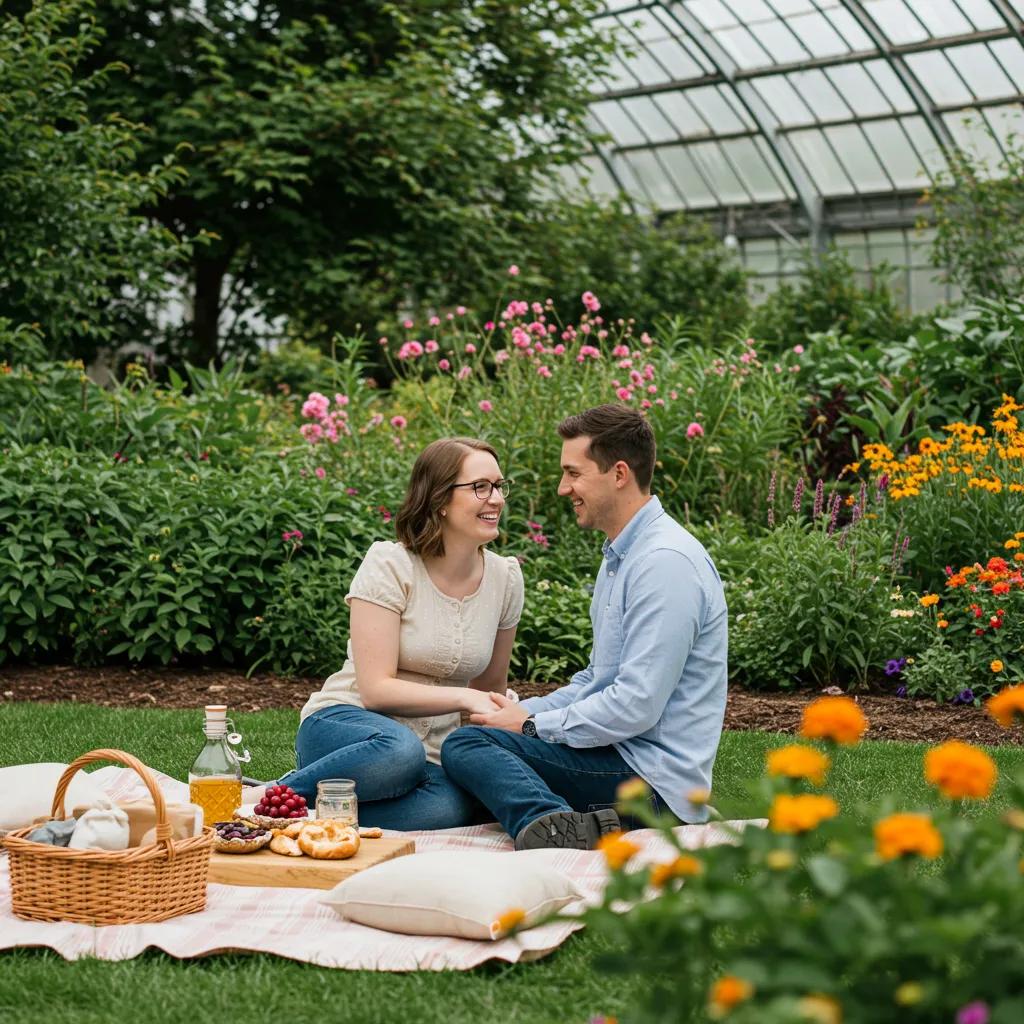
Effective first-date planning combines low-pressure settings with conversation starters that reveal values and invite storytelling. Dates should aim to create safe, respectful exchanges where both people can assess fit without social pressure. The payoff is relaxed chemistry, clearer assessment of compatibility, and a foundation for future conversations. Below are culturally sensitive first-date formats and conversation tools for Pakistani singles.
- Choose public, comfortable venues like cafés, botanical gardens, or cultural events for privacy and community presence.
- Opt for low-commitment activities (short walks, shared exhibitions) to keep first-date pressure low.
- Use open-ended conversation starters that invite narrative rather than yes/no answers.
- Agree on boundaries beforehand about photos, tagging, and social sharing to protect reputations.
What are culturally appropriate first date ideas in Pakistan?
Culturally appropriate first dates in Pakistan balance privacy and public safety, favoring venues that allow conversation without implying intimacy. Good options include daytime cafés with outdoor seating, museum or gallery visits, group cultural events, or a walk through a well-known public park. For more conservative preferences, group outings with mutual friends or family-aware meetups create a buffer while still permitting personal interaction. Each choice has trade-offs in privacy and cost: parks and museums are low-cost and discreet, while private dining may feel too intimate for early meetings. These formats let singles assess chemistry while respecting social norms.
Selecting the right date format depends on personal comfort and cultural context; starting in public spaces enables safe evaluation of compatibility and fosters natural conversation.
Which conversation starters help build connection on a first date?
Start with light curiosity-driven prompts that lead to deeper themes without prying into sensitive topics early on.
- Ask about a recent book or show they enjoyed.
- What does a typical weekend look like?
- What do you value most in close friendships?
Follow-up questions that encourage storytelling are essential, such as “What led you to that interest?” or “What’s a small thing that made you proud recently?” These prompts move conversation from surface-level chatter to revealing values and emotional availability. Using open-ended questions shows interest while allowing each person to disclose at a comfortable pace.
What red flags should singles watch for on first dates?
Watch for behaviors that signal disrespect, inconsistency, or pressure: repeated boundary-pushing, evasive answers about basic facts, or attempts to isolate you from public settings.
Other red flags include excessive controlling language, rushing emotional intimacy, or attempts to monopolize your time without checking consent.
If you encounter any of these signs, use clear, calm boundary phrases like, “I’m uncomfortable with that,” and remove yourself if the behavior continues.
Trust your instincts—if something feels off, prioritize your safety and end the date with a polite exit. These practical responses protect wellbeing and preserve dignity in difficult interactions.
How Can Singles Build Healthy Relationships Through Communication and Boundaries?
Healthy relationships rest on consistent communication patterns and mutually respected boundaries that foster trust and long-term stability. Communication skills like active listening, clear requests, and non-defensive feedback reduce misunderstandings and deepen connection. Boundaries regarding time, privacy, and social media protect individuality and reduce resentment. Below are skills, scripts, and markers of compatibility to help singles form relationships that balance intimacy and autonomy.
- Practice active listening: paraphrase, validate feelings, and ask clarifying questions.
- Use I-statements for difficult topics to express needs without blame.
- Establish early agreements on time-management, social media sharing, and personal space.
- Check in regularly with short check-ins like “How are we doing?” to keep communication healthy.
What communication skills foster trust and honesty in dating?
Active listening and reflective statements build trust by signaling attention and understanding; for example, saying “It sounds like you felt disappointed when…” validates the partner’s experience and invites correction. Practice drills include 5-minute uninterrupted listening turns and summarizing the partner’s main point before responding. Using clear, direct requests instead of vague complaints reduces friction—say “I need thirty minutes of uninterrupted time each evening” rather than “You never spend time with me.” These skills create an environment where both partners feel heard and can negotiate needs constructively.
Research highlights that promoting healthy dating relationships involves addressing factors across multiple environmental levels, from individual to online interactions.
Promoting Healthy Dating Relationships: A Social Ecological Approach
The current study aims to address this gap by reviewing studies that assessed factors contributing to healthy adolescent dating relationship skills, competencies, and capacities. Through a social ecological perspective, healthy dating relationship factors were identified across five levels of adolescents’ environments (e.g., individual, peer, family, school, and online) to inform intervention strategies for the promotion of healthy dating relationships.
A scoping review of the social ecological factors that promote healthy dating relationship attitudes, behaviours, and skills during adolescence, E Leung, 2024
Consistent practice of these skills translates into more honest conversations and fewer recurring conflicts that erode trust.
How do you set and respect healthy boundaries in new relationships?
Boundaries specify acceptable behavior and help partners negotiate time, privacy, and social engagement without resentment.
Begin by naming a personal boundary in neutral terms, for example, “I need one evening a week for self-care.”
Use negotiation phrases like, “Would you be open to…” to invite mutual agreement rather than unilateral demands.
Enforce boundaries calmly: restate your need, provide an alternative, and follow through if patterns repeat.
Mutual respect for boundaries signals compatibility and emotional maturity and prevents small irritations from becoming chronic problems.
What signs indicate a compatible and healthy partner?
Healthy partner behaviors include consistent follow-through, respectful disagreement, curiosity about your perspective, and reciprocal investment in planning time together.
Compatibility shows up as aligned values, similar life priorities, and comparable emotional availability rather than identical hobbies.
Watch for steady patterns—respectful apologies, timely communication, and actions that match words are reliable predictors of long-term compatibility.
Contrasts to unhealthy patterns are emotional volatility, avoidance of responsibility, or persistent dismissiveness; noticing these early helps singles decide whether to invest further.
How Can Singles Boost Self-Love and Confidence to Improve Their Dating Life?
Boosting self-love translates into clearer partner selection and healthier boundaries, which in turn improves dating outcomes. Practices that increase self-worth reduce anxiety-driven behaviors and attract partners who respect autonomy. The benefits include better decision-making, reduced neediness, and stronger resilience in the face of rejection. Here are exercises and mindset shifts that cultivate stable confidence and well-being for singles.
- Daily micro-affirmations: list three strengths each morning to reframe self-talk.
- Exposure tasks: schedule low-stakes social interactions to reduce avoidance and build social skills.
- Skill-building: invest in hobbies or learning that create mastery and social capital.
- Professional support: therapy and coaching accelerate self-understanding and habit change.
What are practical ways to overcome dating anxiety?
A three-step micro-plan for immediate anxiety management starts with grounding (slow breathing for two minutes), followed by a brief cognitive reframe (“This is a chance to learn, not a test”), and ending with a small behavioral action like arriving five minutes early to orient yourself.
- Grounding: slow breathing for two minutes.
- Brief cognitive reframe: “This is a chance to learn, not a test.”
- Small behavioral action: arriving five minutes early to orient yourself.
Longer-term practices include graded exposure (start with brief meetups, then extend), journaling about automatic thoughts, and seeking therapy if anxiety impairs functioning. These strategies reduce physiological arousal and create predictable routines that make dating feel manageable and less threatening.
How does embracing singlehood benefit personal development?
Embracing singlehood reframes time alone as a period for skill building, deeper friendships, and self-exploration rather than a deficit to be fixed. Use this time to travel, develop hobbies, strengthen family ties, and pursue career or educational goals.
These activities expand identity beyond romantic roles and increase attractiveness by signaling independence and purpose. Viewing singlehood as a phase of active growth leads to more intentional dating when ready and healthier expectations of partners.
How can self-worth influence dating outcomes?
Self-worth shapes who you attract and how you negotiate relationship terms: higher self-respect leads to clearer boundaries and rejection of harmful behavior, while low self-worth often results in accepting compromises that reduce well-being. A practical habit is setting a non-negotiable list of values and checking potential partners against it during early conversations.
Simple daily habits—regular exercise, sufficient sleep, and social connections—support biochemical stability and reinforce positive self-perception that is reflected in dating interactions.
What Cultural Challenges Do Pakistani Singles Face in Dating and How Can They Navigate Them?
Pakistani singles encounter family expectations, stigma around dating, and social-media scrutiny that shape how relationships begin and progress. These cultural dynamics require strategies that respect traditions while preserving autonomy, and journalism-backed reporting shows young people increasingly use private channels and selective disclosure. (arynews.tv)
Navigating these pressures involves clear communication, strategic privacy management, and leveraging community norms to find supportive pathways to partnership.
How do family expectations impact dating choices in Pakistan?
Family expectations often emphasize reputation, family compatibility, and long-term suitability, which can limit how openly singles date. Communicate choices respectfully by framing them around shared values—begin with neutral topics like career goals and family aspirations before discussing romantic preferences.
Use negotiation tactics such as phased disclosure, where you gradually introduce a partner as trust and mutual respect develop. Balancing autonomy with family concerns reduces conflict while preserving personal agency and honoring cultural commitments.
What are the differences between arranged and love marriages?
Arranged marriages typically involve family-facilitated introductions with an emphasis on family fit and long-term stability, while love marriages originate from personal choice and romantic attachment, sometimes negotiated with families later.
Each model offers trade-offs: arranged processes can provide structured vetting and family support, whereas love marriages often bring personal choice and emotional intimacy as primary drivers. Understanding both models helps singles articulate their preferences and navigate discussions with family or potential partners in an informed, respectful manner.
How should singles manage social media etiquette in Pakistani dating?
Social media management in Pakistani dating should prioritize privacy, consent, and reputation protection.
- Keep early-stage interactions off public feeds.
- Avoid tagging until mutual consent.
- Use platform privacy settings to limit who sees relationship content.
- Don’t post identifying images of a partner without explicit permission.
- Avoid public airing of disputes that might harm reputations or family relationships.
These practices prevent misunderstandings and allow relationships to develop privately until both parties are ready for wider disclosure.
What Are the Latest Dating Trends for Singles in 2025?
2025 dating trends emphasize authenticity, multi-dating until exclusivity with transparent rules, and a premium on emotional maturity over performative signals. These trends emerge because people want efficient, honest pathways to compatibility and value relational skills that reduce wasted time. Adopting trend-positive behaviors—clear intention statements, ethical multi-dating, and deliberate vulnerability—helps singles participate in contemporary dating while minimizing harm.
- Ethical multi-dating: date multiple people transparently until exclusivity is agreed.
- Loud-looking (clear signals): state relationship goals publicly to reduce ambiguity.
- Emotional maturity premium: partners prefer consistent communication and repair skills over flashy displays.
How does multi-dating until exclusivity work in 2025?
Multi-dating until exclusivity means meeting multiple potential partners while communicating boundaries and being honest about non-exclusivity. The etiquette requires timely disclosure when feelings deepen, explicit discussions about intentions, and a commitment to avoid leading people on.
Scripts like, “I enjoy getting to know people and want to be honest that I am not exclusive yet; if you prefer exclusivity, I understand and respect that,” preserve consent and reduce emotional harm. Clear rules make multi-dating ethically viable and emotionally safer.
Why is authenticity and clear communication important in modern dating?
Authenticity reduces mismatch by revealing values and preferences early, which saves time and emotional energy for both people. Clear communication prevents small misunderstandings from escalating and allows partners to negotiate needs without recourse to passive aggression.
Practice exercises include:
- Short intention statements at the start of conversations
- Weekly check-ins to align expectations
These steps build mutual trust and reduce the churn of repetitive unsuccessful matches.
How can singles practice vulnerability to build stronger relationships?
Gradual vulnerability involves sharing personal values and small disappointments before disclosing deeply sensitive experiences; this pacing protects safety while promoting intimacy. Start with a moderate self-disclosure such as a formative childhood memory, and observe the partner’s response for empathy and curiosity before sharing deeper material.
Safety checks include confirming that confidentiality is respected and that disclosures are reciprocated at a similar emotional level. This calibrated approach fosters emotional connection while safeguarding wellbeing.
Conclusion
By implementing these essential dating tips, singles can navigate the complexities of modern relationships with confidence and clarity. Understanding the importance of emotional intelligence, self-worth, and cultural sensitivity enhances the dating experience and fosters healthier connections. As you embark on your dating journey, remember to prioritize authenticity and open communication for lasting success. Explore more resources and tips to elevate your dating life today.