Essential Dog Care Tips: Complete Guide to Puppy Care, Health, Training, Grooming, and Senior Dog Support
Bringing a dog into your home is a long-term commitment that touches daily routines, health responsibilities, and emotional bonds; this guide defines essential dog care across life stages—from puppy vaccinations and potty training to senior mobility and nutrition. You will learn practical puppy care steps, how to recognize common dog health symptoms, foundational training approaches, grooming routines tailored to coat types, nutrition strategies for each life stage, and lifestyle tips for urban living in Pakistan. This article is a journalistically-vetted, up-to-date dog care guide produced under ARY News’ information-hub standards to help Pakistani readers access clear, evidence-informed advice and locate local resources when needed. Readers with urgent medical questions are reminded to consult a veterinarian; the guidance here prioritizes prevention, early recognition, and practical at-home care to reduce risk and improve wellbeing. The sections below map puppy basics, health and vaccination schedules, training fundamentals, grooming and dental care, senior dog support, nutrition comparisons, and ways to integrate dog care into daily life in Pakistani cities. Throughout, keywords like dog care, puppy care, dog training, dog health, dog grooming tips, and senior dog care are woven into actionable steps and checklists.
What Are the Most Important Puppy Care Tips for New Dog Owners?
Puppy care centers on establishing a safe environment, early health checks, consistent routines, and positive training to set lifelong habits. Early weeks require a predictable schedule for feeding, potty breaks, socialization, and sleep so the puppy learns cues and expectations; this routine reduces anxiety and accelerates housetraining. Proper veterinary initiation—first check, core vaccinations, deworming, and microchipping—protects against common infectious diseases and provides the baseline for ongoing dog health. The next subsections explain how to prepare your home, the vaccination timeline, effective potty training methods, and safe socialization techniques that build confidence and reduce future behavioral issues.
How Do You Prepare Your Home for a New Puppy?
Preparing your home means removing hazards, creating dedicated zones, and assembling essential supplies to support learning and safety. Puppy-proof high-traffic areas by securing electrical cords, storing chemicals out of reach, and blocking stairs or balconies to prevent falls, while designating a quiet crate area for rest and safe confinement. Essential supplies include a correctly sized crate, comfortable bed, age-appropriate food and bowls, a secure collar and leash, chew toys, and grooming basics; having these items in place reduces stress for both puppy and owner. A simple 7-day setup schedule (sleep/feeding/potty times) helps establish rhythm and introduces crate training gently to support successful potty training later.
- Prepare a safe sleeping and containment area for supervised rest.
- Remove small objects and obstruct dangerous zones to prevent ingestion.
- Organize feeding, play, and potty schedules to create routine predictability.
This foundation leads naturally to the next priority: protecting your puppy’s health with timely vaccinations and vet checks.
What Are the Essential Puppy Vaccinations and Health Checks?
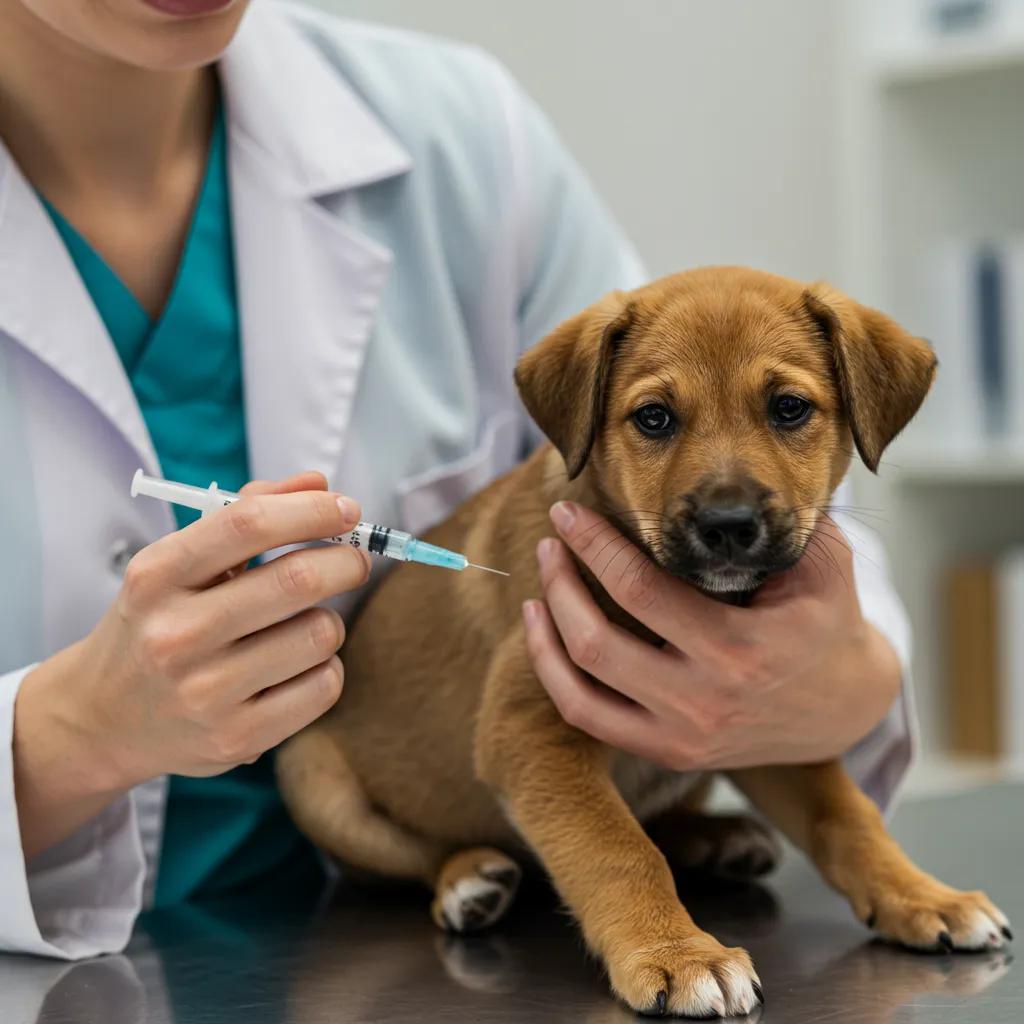
A first veterinary visit confirms the puppy’s general health, screens for parasites, and initiates a core vaccination schedule to prevent serious diseases that affect dog health and community safety. Vaccinations commonly target rabies, distemper, parvovirus, and adenovirus; deworming and flea/tick prevention begin based on age and exposure risk, and the vet will outline timing for boosters and regional considerations. Early microchipping and a full physical exam document identity and detect congenital concerns such as heart murmurs or hip issues that benefit from early monitoring. Regular vet partnerships ensure preventive care and clarify when emergency attention is needed, which helps owners plan long-term puppy care and training.
This table summarizes the core prevention timeline that supports early immunity and ongoing dog health; follow your veterinarian’s specific schedule and local guidance.
How Can You Successfully Potty Train Your Puppy?
Potty training works by pairing consistent schedules, clear cues, and positive reinforcement to shape desired elimination behavior reliably. Take puppies out immediately after waking, playing, and eating, use a single cue phrase for elimination, and reward successful outdoor elimination with praise or a small treat to reinforce the behavior. Crate training supports housetraining by leveraging a dog’s natural tendency to avoid soiling its sleeping area; keep crate sessions appropriate to age and gradually extend time as control improves. Troubleshoot accidents by avoiding punishment, cleaning odors thoroughly, and reviewing schedule consistency to pinpoint missed opportunities for outdoor breaks.
- Set a fixed feeding and potty schedule to create predictable elimination windows.
- Use a consistent cue and reward system to reinforce outdoor success.
- Apply crate training and supervision to prevent indoor accidents and encourage bladder control.
These habits dovetail with early socialization, ensuring puppies gain confidence and learn appropriate behavior around people and other animals.
What Are Effective Socialization Techniques for Puppies?
Socialization introduces puppies gradually to diverse people, animals, sounds, and settings to form positive associations and reduce fear-based reactions later in life. Start with brief, controlled exposures to new stimuli during the sensitive socialization window (early weeks and months), ensuring experiences are positive and at a comfortable distance to avoid overwhelming the puppy. Use controlled interactions with vaccinated, healthy dogs and calm people, introduce habituation to household noises, and practice handling for grooming and vet visits to build cooperative behavior. In Pakistan, be mindful of stray animal interactions and prioritize safety—socialization can use staged exposures in secure areas or supervised meetings to minimize disease and injury risk.
- Begin with short, positive exposures to people of different ages and appearances.
- Introduce healthy dogs in controlled settings to teach canine social cues.
- Gradually add urban sounds and handling practice to prepare for vet and grooming visits.
Proper socialization reduces anxiety and lays the groundwork for obedience training covered next.
How Can You Recognize and Manage Common Dog Health Symptoms?
Recognizing early signs of illness enables prompt intervention and prevents minor issues from becoming emergencies; common symptoms include lethargy, appetite change, vomiting, diarrhea, coughing, limping, and skin lesions. Early detection relies on routine observation of behavior, appetite, elimination, and coat condition; system-based symptom checks categorize signs to guide immediate actions like isolation, supportive care, or urgent veterinary contact. Preventive strategies—vaccination, parasite control, dental care, and nutrition—reduce disease risk, while clear thresholds for emergency care help owners respond effectively when red-flag symptoms occur. The following subsections describe early signs, preventive measures, first-aid steps, and a scannable vaccination timeline.
What Are the Early Signs of Illness in Dogs?
Early illness signs often begin subtly and escalate if unaddressed; watch for reduced appetite, lethargy, abnormal discharges, persistent cough, vomiting, diarrhea, sudden lameness, or changes in behavior such as hiding or aggression. Skin changes like excessive scratching, hair loss, flaky patches, or sudden lumps merit inspection, as do oral signs like halitosis, drooling, or difficulty eating that indicate dental disease impacting overall dog health. Behavioral changes—reduced play, altered sleep patterns, or sudden clinginess—can be the first indicator of pain or systemic illness, prompting closer monitoring and vet consultation. Observing these signs early allows timely preventive measures and proper escalation when symptoms worsen.
This symptom recognition naturally leads to prevention strategies that reduce the chance of encountering these problems.
How Do You Prevent Common Canine Diseases?
Preventive care combines vaccination, parasite control, hygiene routines, balanced nutrition, and regular veterinary checks to maintain robust dog health across life stages. Annual or semi-annual vet visits verify weight, dental condition, skin and coat status, and age-appropriate screening tests; parasite control (fleas, ticks, intestinal worms) follows local risk assessments to protect both dog and household. Dental hygiene—including tooth brushing, appropriate chews, and professional cleaning when advised—reduces periodontal disease that can impact systemic health; nutrition tailored to life stage supports immune function and weight control. Implementing layered prevention strategies minimizes disease incidence and improves long-term outcomes.
- Keep vaccinations and boosters current per veterinary guidance.
- Maintain parasite prevention based on local prevalence and lifestyle.
- Practice routine dental and coat care to prevent secondary health problems.
These prevention measures also inform when immediate first-aid is necessary and when to contact a veterinarian.
When Should You Seek Emergency First Aid for Your Dog?
Emergency signs requiring immediate action include uncontrolled bleeding, seizure activity, persistent unproductive retching, collapse, severe difficulty breathing, suspected poisoning, or inability to urinate or defecate; these signs need urgent veterinary evaluation. On-site first aid focuses on stabilizing the dog: control visible bleeding with direct pressure, keep the animal calm and warm, move away from hazards, and avoid administering human medications unless directed by a veterinarian. For suspected poisoning or ingestion of toxic foods, attempt to preserve packaging or identify the substance to inform the vet; do not induce vomiting unless instructed. Clear thresholds and basic first-aid steps help owners act decisively while arranging professional care.
This emergency framework connects to the core prevention tool: vaccination schedules summarized next for quick reference.
What Is the Recommended Vaccination Schedule for Dogs?
A practical vaccination timeline helps owners and vets coordinate immunity during susceptible windows; the table below provides a scannable EAV-format schedule for puppies and adults to assist planning and ensure dog health. Consult your veterinarian for region-specific adjustments and booster timing, especially where certain diseases have higher prevalence.
Intro: The table below outlines common vaccines, recommended timing, and the purpose to help owners plan preventative care and discuss specifics with their veterinarian.
WSAVA Global Vaccination Guidelines for Dogs and Cats
The VGG recognises that the keeping of pet small animals is subject to significant variation in practice and associated economics throughout the world and that vaccination recommendations that might apply to a developed country may not be appropriate for a developing country. These guidelines are not a mandatory edict, but rather should be used by national associations and individual veterinary practices to develop vaccination schedules relevant to the local situation. However, the VGG strongly recommends that wherever possible ALL dogs and cats receive the benefit of vaccination. This not only protects the individual animal, but provides optimum ‘herd immunity’ that minimizes the likelihood of infectious disease outbreaks.
WSAVA Guidelines for the vaccination of dogs and cats, 2016
Summary: Use this table as a starting point for vet discussions; vaccination protects individual dogs and helps reduce community spread of infectious diseases when widely administered.
What Are the Basic Dog Training Tips Every Owner Should Know?
Basic training focuses on clear cues, consistent reinforcement, short practice sessions, and gradual generalization to real-world settings to create reliable obedience and good manners. Training uses positive reinforcement—food, play, or praise—to reward desired behaviors, shaping responses with clear timing and marker signals where helpful. Leash manners and recall training protect dogs in urban environments and reduce stress for owners, while behavior troubleshooting separates medical causes from learned patterns to guide interventions. The H3 subsections explain teaching core commands, positive reinforcement techniques, leash training, and approaches for common behavioral issues.
How Do You Teach Basic Obedience Commands Like Sit and Stay?
Teaching sit and stay uses short, clear steps with immediate rewards to create reliable responses that generalize to new contexts. For sit, present a treat above the dog’s nose, move it backward so the hips lower, say “sit” as the dog performs the action, then reward immediately; practice in short sessions with increasing distractions. For stay, ask for a sit, present an open palm cue, step back briefly, return and reward if the dog maintains position; gradually increase distance and duration to build reliability. Consistency in cues, timing, and rewarding desired behavior ensures the dog understands expectations and can perform commands in varied environments.
- Short, frequent sessions (5–10 minutes) yield better learning than long sessions.
- Reward immediately to create a clear association between action and reinforcement.
- Generalize with distractions by practicing in multiple locations and contexts.
These basics feed into reinforcement strategies that improve training efficiency and dog-owner communication.
What Are Positive Reinforcement Techniques for Dog Training?
Positive reinforcement strengthens desired behaviors by adding a reward immediately after the behavior, increasing the likelihood of recurrence; common rewards include treats, play, and verbal praise. Use marker signals—clicker or a distinct word—to mark the exact moment of correct behavior before delivering the reward, then gradually shift to intermittent reinforcement to maintain responses without overreliance on treats. Avoid inadvertently rewarding undesirable behavior by timing rewards precisely and withholding reinforcement when the dog performs the unwanted action. Structuring reward schedules and varying reinforcers keeps training engaging and effective while minimizing the development of food-dependent responses.
- Use high-value treats for initial learning, then transition to lower-value or intermittent rewards.
- Apply a consistent marker and immediate reward to create clear learning signals.
- Avoid reinforcing jumping, barking, or dataset behaviors by withholding attention until calm behavior appears.
With reinforcement in place, leash training becomes a manageable next step for urban safety.
How Can You Effectively Train Your Dog to Walk on a Leash?
Leash training emphasizes loose-leash walking using reward timing, direction changes, and stopping to teach that pulling does not yield forward motion. Start indoors or in a quiet yard with a standard flat collar or harness, reward the dog for staying near your side, and use short bursts of forward movement followed by treats for attention; when the dog pulls, stop and wait for slack before continuing to teach that traction ends progress. Practice in increasingly stimulating environments and teach a reliable cue to return attention when distractions appear; urban safety includes avoiding busy traffic and scheduling walks during cooler parts of the day for comfort. Proper leash manners reduce stress and enhance the bond between dog and owner.
This training reduces behavior issues; the next subsection explains approaches to resolving common behavioral problems that often stem from medical or environmental causes.
How Do You Address Common Behavioral Issues in Dogs?
Effective behavior management starts with distinguishing medical contributors from learned behavior, then applying structured modification plans or seeking professional help when needed. Separation anxiety, excessive barking, aggression, and destructive chewing each have diagnostic patterns—recording context, frequency, and triggers helps determine whether training, environmental changes, enrichment, or veterinary referral is required. Interventions include desensitization and counter-conditioning, consistent routines, increased exercise and mental stimulation, and when appropriate, referral to a certified behaviorist or veterinarian for medication or advanced behavior therapy. Early, systematic approaches produce better outcomes than punishment or ad-hoc corrections.
- Collect behavioral logs to identify patterns and triggers.
- Increase structured exercise and enrichment to reduce boredom-driven problems.
- Consult a behavior professional or veterinarian when safety risks or escalation occur.
Addressing behavior ties into grooming routines that keep dogs comfortable and healthy.
What Are the Best Dog Grooming Tips for Maintaining a Healthy Coat?

Grooming supports skin and coat health, prevents matting and infection, and reinforces owner-dog handling habits that ease vet visits and procedures. Frequency and techniques depend on coat type, lifestyle, and breed-specific needs; regular brushing distributes natural oils and reduces shedding, while appropriate bathing removes dirt without stripping essential oils. Nail, ear, and dental care prevent secondary health problems and discomfort; safe at-home techniques reduce risk and empower owners to spot early signs of infection or pain. The following H3s provide frequency guidance, nail and ear care steps, shedding management, and dental hygiene practices.
How Often Should You Bathe and Brush Your Dog?
Bathing and brushing frequency depends on coat type, activity level, and skin condition; short-haired dogs may only need monthly baths and weekly brushing, while long or double-coated breeds require more frequent brushing and less frequent bathing to maintain natural oils. Over-bathing can strip sebum and worsen dry skin, while under-brushing allows mats to form that trap moisture and cause irritation, so tailor routines to your dog’s needs and environment. Use gentle, dog-formulated shampoos and condition as needed, and always dry thoroughly to avoid skin infections in humid climates. Regular brushing sessions also serve as opportunities to inspect skin, ears, and nails for early problems.
Summary: Match grooming frequency to coat type and climate; regular brushing prevents matting and supports skin health and easier bathing.
What Are the Proper Techniques for Nail Trimming and Ear Cleaning?
Nail trimming and ear cleaning require calm handling, proper tools, and attention to warning signs like bleeding, foul odor, or pain that suggest vet attention. Trim nails with appropriate clippers or grinders, cutting small amounts and avoiding the quick (pink area) in light nails; if bleeding occurs, apply direct pressure and styptic powder if available, and seek veterinary care for persistent bleeding. Clean ears with a vet-recommended solution by applying, massaging the base, and wiping gently—avoid deep probing which risks injury—while watching for redness, discharge, or odor that may indicate infection. Regular maintenance reduces discomfort and prevents complications that can affect overall dog health.
These grooming habits also address shedding and coat care strategies for different breeds.
How Do You Manage Shedding and Coat Care for Different Breeds?
Shedding management blends mechanical removal of loose hair, seasonal deshedding tools, and nutrition that supports coat condition to reduce excessive hair around the home. Use a deshedding brush for double-coated breeds during seasonal blowouts, and more frequent combing for long-haired dogs to prevent tangles and mats; supplements like omega-3 fatty acids can support skin and coat health when recommended by a vet. Regular professional trims for certain breeds reduce matting and improve hygiene, while environmental control—vacuuming and washable bedding—minimizes allergen buildup. Monitoring coat quality also helps identify nutritional deficiencies or dermatologic disorders early.
- Use breed-appropriate brushes and tools to remove loose undercoat.
- Consider dietary support for coat health under veterinary guidance.
- Schedule professional grooming for high-maintenance coats to prevent matting.
Next, daily dental care practices help maintain oral health and reduce systemic risks associated with periodontal disease.
What Dental Care Practices Keep Your Dog’s Teeth Healthy?
Dental care prevents periodontal disease that can cause pain and impact internal organs; daily toothbrushing with canine toothpaste, dental chews, and periodic professional cleanings form a comprehensive oral care routine. Introduce toothbrushing early using positive reinforcement to create tolerance, choose enzymatic or flavored canine toothpaste, and provide dental-friendly toys and chews that reduce tartar accumulation. Watch for signs of dental disease—red gums, bad breath, difficulty eating—and consult a veterinarian for professional scaling or treatment if indicated. Consistent dental hygiene complements nutrition and overall dog health.
- Brush teeth several times per week, ideally daily, using canine-safe products.
- Provide dental chews and monitor chewing habits for effectiveness and safety.
- Schedule veterinary dental checks as part of routine preventive care.
How Do You Provide Effective Senior Dog Care for Aging Pets?
Senior dog care shifts focus to monitoring for age-related conditions, adapting diet and exercise for mobility and organ health, and enhancing comfort and quality of life through home modifications and supportive therapies. Regular screening for arthritis, kidney disease, dental disease, and cognitive decline helps detect issues early and guide interventions that preserve mobility and wellbeing. Nutritional adjustments, joint supplements as advised by a vet, and low-impact exercise maintain muscle mass while reducing joint strain. The H3s below outline common senior issues, diet changes, mobility aids, and compassionate end-of-life support.
What Are Common Health Issues in Senior Dogs?
Common senior conditions include osteoarthritis, chronic kidney disease, dental disease, endocrine disorders, and cognitive decline; each presents with specific signs such as stiffness, altered drinking or urination, weight loss, or disorientation. Screening with bloodwork, urinalysis, dental evaluation, and mobility assessment helps tailor management plans and detect treatable changes early. Monitoring trends—weight, appetite, activity levels—enables timely adjustments to care and referral to specialists when necessary. Early detection supports interventions that can preserve quality of life and slow progression of chronic conditions.
These diagnostic approaches inform dietary and lifestyle adjustments to support aging bodies.
How Should You Adjust Your Senior Dog’s Diet and Nutrition?
Senior diets often reduce calories to prevent weight gain while increasing joint-support nutrients (glucosamine, omega-3s) and adjusting protein quality for muscle maintenance and organ-specific needs. Weight management is critical: overweight dogs experience accelerated joint wear and higher risk of metabolic complications, while underweight seniors may need calorie-dense, highly digestible food. Supplements and prescription diets should be used under veterinary guidance to address joint health, kidney support, or other organ-specific concerns. Regular weighing and appetite monitoring allow fine-tuning of feeding plans to maintain ideal body condition.
- Prioritize nutrient-dense, high-quality protein sources to preserve lean mass.
- Adjust calorie intake based on activity level and body condition assessments.
- Discuss supplements and prescription diets with your veterinarian for individualized care.
What Comfort and Mobility Tips Help Older Dogs?
Comfort and mobility solutions include orthopedic bedding, ramps or steps to reduce jumping, non-slip flooring, and tailored physiotherapy or low-impact exercise to maintain muscle tone without overloading joints. Environmental adjustments—raising food and water bowls, placing bedding in accessible locations, and minimizing stairs—reduce strain and frustration for senior dogs. Regular, gentle walks and controlled play maintain cardiovascular health and mental stimulation, while assistive devices and professional physiotherapy can improve function for dogs with arthritis. These measures enhance daily comfort and preserve independence.
How Do You Support End-of-Life Care for Senior Dogs?
End-of-life care emphasizes pain control, comfort, and assessing quality of life through behavior, appetite, mobility, and enjoyment of normal activities; decisions should be guided by compassionate discussions with your veterinarian. Palliative measures include pain management, strategic nutrition, and modifications to maintain dignity and minimize distress; hospice approaches focus on symptom control and family support. Use a quality-of-life checklist to evaluate day-to-day wellbeing, consult your vet about options like pain medications or hospice resources, and seek bereavement support when needed. Thoughtful planning ensures decisions reflect the dog’s welfare and the family’s values.
- Monitor joy, mobility, and basic functions regularly to inform care adjustments.
- Prioritize pain management and comfort-focused interventions under veterinary supervision.
- Seek emotional support and guidance for difficult decisions when appropriate.
What Are Safe and Healthy Dog Nutrition Tips for All Life Stages?
Good nutrition matches caloric intake and nutrient balance to life stage—puppy growth, adult maintenance, and senior support—while minimizing exposure to toxic foods and managing allergies or intolerances. Choose complete commercial diets formulated for life stage or work with a veterinary nutritionist for homemade diets to ensure nutrient adequacy. Understand the pros and cons of dry, wet, raw, and homemade feeding and read labels for nutrient adequacy statements and ingredient quality. The H3s below compare food options, explain safe homemade food preparation, list toxic foods, and outline allergy identification and management.
Which Dog Food Options Are Best for Puppies, Adults, and Seniors?
Selecting dog food depends on life stage needs: puppies require higher calories, protein, and specific micronutrients for growth, adults need balanced maintenance formulas, and seniors benefit from adjusted calories and joint-supporting nutrients. Commercial dry kibble typically offers convenience, shelf stability, and nutrient completeness, while wet food can increase palatability and hydration; raw and homemade diets require careful formulation to avoid nutrient gaps and food-safety risks. Read labels for AAFCO (or local equivalent) statements of nutritional adequacy and consult a veterinarian when switching diets or addressing special conditions. The table below provides an EAV-style comparison to guide choices.
Intro: The following table compares common food approaches by life-stage suitability and key nutrient considerations to help owners choose appropriately.
Summary: Use stage-appropriate, nutritionally complete diets and consult a veterinarian before adopting raw or homemade plans to ensure dog health.
How Can You Prepare Homemade Dog Food Safely?
Preparing homemade food safely requires formulating balanced recipes that meet macro- and micronutrient needs, following safe handling to prevent bacterial contamination, and using supplements where indicated to prevent deficiencies. Work with a veterinary nutritionist to design long-term recipes, rotate protein sources to reduce allergy risk, and store cooked components promptly in refrigeration to maintain food safety. Avoid substituting human supplements without professional advice and monitor the dog’s weight, stool quality, and coat condition as indicators of dietary adequacy. Professional oversight prevents malnutrition and supports healthy dog growth and maintenance.
- Consult a veterinary nutritionist to design balanced homemade meals.
- Practice strict food-safety measures: cook proteins thoroughly and refrigerate promptly.
- Monitor clinical signs and lab results to verify nutritional adequacy over time.
What Foods Are Toxic or Dangerous for Dogs?
Several common human foods are toxic to dogs and require immediate veterinary attention if ingested, including chocolate, xylitol (in sugar-free products), grapes and raisins, onions, garlic, and certain nuts; symptoms range from GI upset to life-threatening organ failure. If ingestion occurs, note the substance and amount, keep packaging, and contact a veterinarian promptly for advice on observation, decontamination, or emergency care. Prevent access by storing food securely and educating household members about risky items; prompt action and vet guidance reduce the risk of severe outcomes.
- Chocolate causes cardiac and neurologic signs due to methylxanthines.
- Xylitol can cause hypoglycemia and liver damage even in small amounts.
- Grapes and raisins may cause acute kidney injury in susceptible dogs.
These toxic-food guidelines feed directly into managing suspected food reactions and allergies next.
How Do You Identify and Manage Dog Food Allergies?
Food allergies typically present as chronic skin problems (itching, ear infections) or recurrent GI signs; an elimination diet followed by systematic re-challenge helps distinguish food allergy from intolerance. Begin with a novel-protein or hydrolyzed diet under veterinary supervision for 8–12 weeks, monitor symptoms, then reintroduce suspect ingredients one at a time to identify triggers. Manage diagnosed allergies through lifelong avoidance of identified allergens, careful label reading, and possibly prescription diets that ensure nutrition while excluding triggers. Veterinary diagnostics and structured elimination protocols reduce confusion and target effective dietary management.
- Use veterinary guidance for elimination diets and re-challenge protocols.
- Monitor both skin and GI signs to differentiate allergy from intolerance.
- After identification, maintain strict avoidance and consider long-term nutritional planning.
How Can You Integrate Dog Care Into Your Lifestyle for a Happy Pet?
Integrating dog care into daily life requires planning for space, exercise, climate considerations, and family responsibilities so the dog’s physical and mental needs fit local routines and constraints. Dogs improve family wellbeing through companionship, routine, and activity, but require clear role definition, supervised interactions with children, and shared caregiving. Finding reliable local veterinary and grooming services involves vetting qualifications, hygiene, and communication, and participating in adoption and welfare efforts strengthens community networks for animal care. ARY News, as an information hub, can help surface local events, news about clinics, and welfare initiatives to connect owners with resources while readers still should verify credentials directly with service providers. The subsections provide urban tips, mental health benefits, finding services, and adoption engagement.
What Are Tips for Managing Dogs in Urban Pakistani Environments?
Urban Pakistani living calls for creative solutions to satisfy exercise, safety, and hygiene needs in smaller spaces and hotter climates; establish daily walk routines during cooler hours, use indoor enrichment like puzzle feeders, and rotate short outings to prevent boredom. Manage heat by avoiding midday exertion, providing shade and fresh water, and using cooling mats or shaded balconies for rest; watch for signs of heat stress such as excessive panting or lethargy. Address stray animal interactions by avoiding direct contact, using secure leashing practices, and seeking veterinary care for any bite or scratch exposure. Adapting routines ensures consistent dog care and reduces stress for both pet and owner.
- Schedule walks during early morning or late evening to avoid heat.
- Use indoor enrichment to supplement outdoor exercise in small homes.
- Keep dogs away from stray animals and seek vet guidance if contact occurs.
These urban practices support family wellbeing and reduce behavior issues that might arise from unmet needs.
How Does Dog Ownership Impact Family Well-being and Mental Health?
Dog ownership often enhances mental health through companionship, routine-driven activity, and opportunities for social interaction; these benefits include reduced loneliness, increased physical activity, and therapeutic support for stress reduction. In family settings, dogs can teach children responsibility and empathy when adults supervise interactions and set clear expectations; however, caretaking must be shared to prevent burnout and ensure consistent training. Balance is key: planning for time, finances, and contingency care during travel supports both family stability and dog welfare. Recognizing the mental-health benefits encourages mindful integration of pet care into family life.
- Dogs can increase daily physical activity and social opportunities.
- Shared caregiving teaches responsibility and reduces burden on a single family member.
- Plan for contingencies like travel or health issues to maintain consistent care.
Where Can You Find Local Veterinary and Grooming Services?
Finding reliable local veterinary and grooming services starts with asking about qualifications, hygiene standards, anesthesia and emergency protocols, and reviewing client communication practices to assess professionalism and competence. Prepare a checklist of questions for prospective clinics and groomers—vaccination protocols, handling of emergencies, sterilization procedures, and whether they provide referrals for specialized care—and verify credentials and reviews where available. ARY News’ lifestyle and local coverage can help surface announcements, vet interviews, and community events that point to reputable providers and welfare initiatives; use such reporting as a starting point and confirm details directly with providers before scheduling care. Prioritize clinics that communicate clearly about preventive care, vaccination schedules, and follow-up.
- Ask clinics about staff qualifications and emergency procedures.
- Check grooming hygiene, handling methods, and facility cleanliness.
- Use reputable news coverage and community referrals as starting references, then verify directly.
This service-finding strategy supports adoption and welfare participation described next.
How Can You Participate in Dog Adoption and Animal Welfare in Pakistan?
Participating in adoption and welfare begins with researching reputable shelters and rescue groups, understanding the adoption process, and committing to responsible ownership including vaccination, sterilization, and follow-up care. Volunteer or donate time, supplies, or funds to local organizations that prioritize animal welfare and community outreach, and support sterilization drives and humane education to reduce stray populations humanely. When adopting, prepare your home, follow screening steps, and request medical histories to ensure smooth transitions; promoting community engagement strengthens safety nets for animals in need. In closing, ARY News’ role as an information hub can amplify shelter events and welfare news to connect readers with trustworthy local initiatives while encouraging verification and direct contact with organizations.
- Research and vet shelters for reputation and medical practices.
- Volunteer or donate to support local sterilization and rescue efforts.
- Prepare for adoption with a home readiness plan and post-adoption support.
This guidance integrates practical dog care with community responsibility and resource awareness, helping owners and advocates support dog health and welfare effectively.
Conclusion
Effective dog care encompasses a range of practices that ensure the health, happiness, and well-being of your pet throughout their life stages. By understanding essential needs—from nutrition and training to grooming and health monitoring—you can foster a strong bond and enhance your dog’s quality of life. Embrace these insights to create a nurturing environment for your furry friend, and consider exploring our resources for further guidance. Start your journey towards responsible dog ownership today and discover the joy of a well-cared-for pet.