Essential Gardening Tips and Advice for Beginners: Plant Care, Organic Methods, and Indoor Gardening
Gardening for beginners means learning core practices that keep plants healthy, productive, and resilient across seasons; this guide focuses on practical plant care, organic methods, and indoor solutions that deliver measurable results. You will learn how to water and feed plants correctly, plan a successful vegetable patch, apply organic amendments, identify and manage pests and diseases, and set up small-space indoor herb and container gardens. Many new gardeners struggle with overwatering, poor soil, wrong plant selection, and pest damage; this article explains why those problems occur and offers step-by-step remedies you can apply immediately. The guide maps the main topics into clear, actionable H2 sections so you can jump to watering basics, vegetable garden planning, organic practices, pest diagnostics, indoor projects, soil health, and troubleshooting. Throughout, keywords like plant care, watering plants, soil preparation, organic gardening methods, indoor herb garden, and plant diseases Pakistan are woven in to match what beginners search for and need to know.
ARY News publishes this guide as part of a new gardening vertical: our Information Hub aims to provide timely and comprehensive coverage, keeping readers informed and engaged with practical lifestyle content that complements ARY News’s broader mission of accurate, fast, and reliable reporting.
What Are the Basic Plant Care Tips Every Beginner Should Know?
Basic plant care combines proper watering, appropriate light, balanced feeding, and timely pruning to keep plants vigorous and productive. Understanding these fundamentals reduces common failures and improves success for vegetables, herbs, and houseplants by supporting root health, nutrient uptake, and pest resistance. Start with soil that drains yet retains moisture, place plants according to their sun needs, and follow simple feeding and pruning rhythms tied to growth cycles. These core habits form a routine gardeners can scale from a single pot to a raised bed, and they directly influence yields and plant longevity.
Here are essential plant-care actions targeted for beginners:
- Water deeply and infrequently: Soak the root zone rather than surface-sprinkling to build deep roots and drought tolerance.
- Match light to plant needs: Place sun-loving vegetables in full sun and shade-tolerant plants in filtered light.
- Feed during active growth: Apply balanced nutrients when plants are actively growing and stop close to dormancy or harvest.
- Prune for health and productivity: Remove dead or diseased material and shape plants to improve air flow.
These four habits reduce stress, increase flowering and fruiting, and limit pest buildup; next, learn specific watering techniques for different plant types.
How Do You Water Plants Correctly for Healthy Growth?
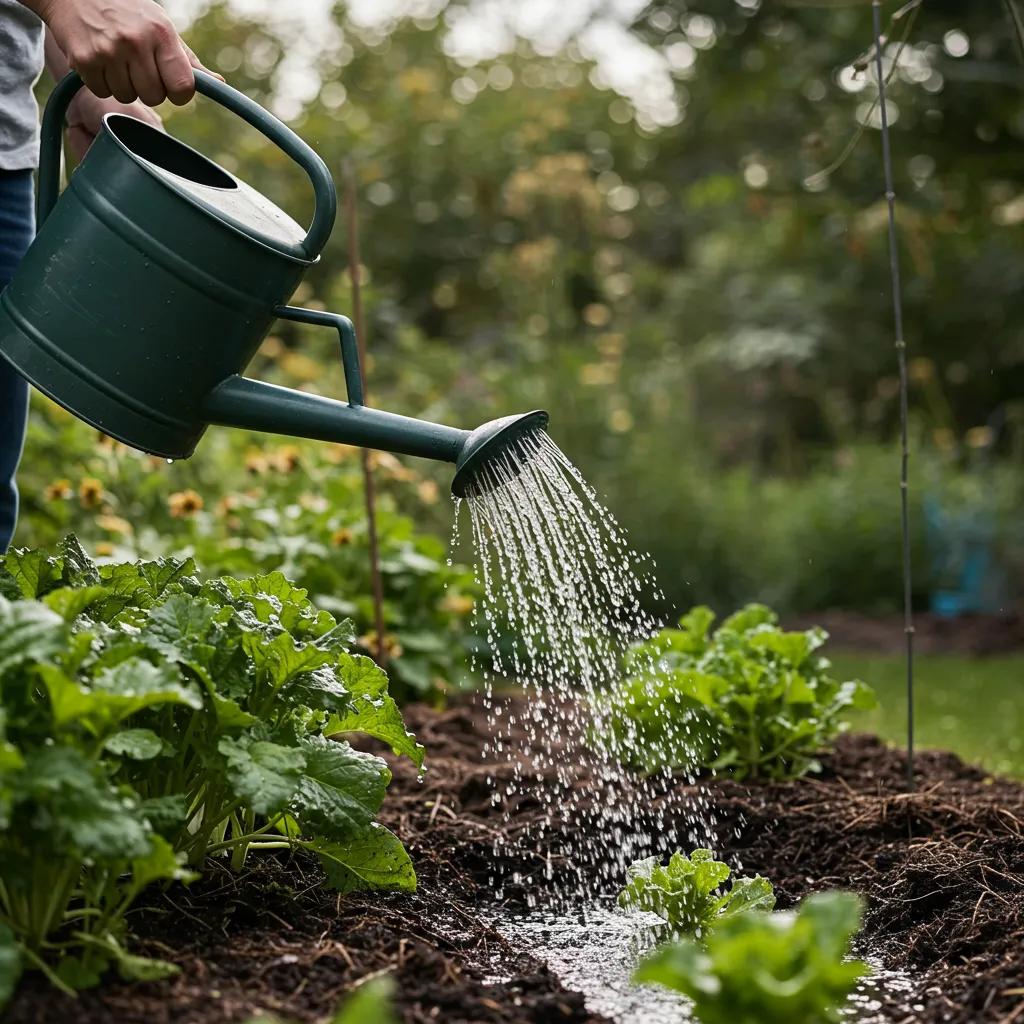
Watering correctly means providing enough moisture to saturate the root zone while avoiding prolonged soggy soil that causes root rot. Check soil moisture with the finger test or a moisture meter: insert a finger 2–3 cm into potting mix for containers or 5–7 cm in beds; dry at that depth signals the need to water. Use deep-soak watering techniques early morning to reduce evaporation and fungal risk, and adjust frequency for heat, wind, and container size—succulents need far less water than tomatoes. Efficient watering conserves water and strengthens plants; understanding irrigation leads naturally to feeding and nutrient timing.
What Are the Best Fertilizing Practices for Different Plants?
Fertilizing practices vary by plant type and growth phase: leafy crops need higher nitrogen, fruiting plants benefit from balanced NPK during bloom, and bulbs prefer low-nitrogen regimes as they store energy. Read product labels for N-P-K numbers and apply less rather than more—overfertilizing burns roots and reduces soil life. Organic sources like compost, well-rotted manure, and compost tea supply slow-release nutrients while improving soil structure; use targeted feeds for indoor herbs and light top-dressing for containers. Proper feeding timing supports vigorous growth and reduces vulnerability to pests and diseases, which we address in the pest-management section.
How Should You Prune and Maintain Your Garden Plants?
Pruning aims to remove dead wood, improve airflow, and shape plants for optimal light capture and fruiting; pruning objectives differ between ornamentals and edibles. Begin with clean, sharp tools and sanitize between plants to avoid disease spread; remove only a third of live growth in a single session to prevent shock. Seasonal pruning calendars vary—spring-flowering shrubs are pruned after bloom, while many vegetables benefit from light summer pruning for productivity. Routine maintenance like staking, mulching, and tool care keeps the garden tidy and reduces stress that invites pests, leading into the tools needed to execute these tasks.
Which Tools Are Essential for Beginner Gardeners?
A compact, effective toolkit helps beginners complete planting, pruning, and soil work with minimal expense: a hand trowel, pruning shears, gloves, a watering can with a gentle rose, and a sturdy spade cover most tasks. Consider a soil meter and small rake for urban plots, and lightweight containers with drainage for balconies; inexpensive alternatives—like wooden dibbers and repurposed buckets—work well for starters. Maintain tools by cleaning, oiling, and sharpening to extend life and reduce plant damage; good care ensures each task is easier and safer. Knowing which tools to use leads directly into planning a vegetable garden where those tools will earn their keep.
ARY News Gardening Hub editorial recommendation: ARY News’s lifestyle gardening coverage includes regionally adapted how-to guides, seasonal calendars, and urban gardening features tailored for Pakistani readers. Explore the hub’s cluster of practical articles to deepen knowledge on topics like container watering schedules, local plant selections, and youth-focused DIY projects.
How Can You Start and Plan a Successful Vegetable Garden?
Starting a vegetable garden requires deliberate site selection, reliable soil preparation, appropriate crop choices for your climate, and a planting calendar aligned to seasonal windows. Identify a site with at least 4–6 hours of sunlight for most vegetables, ensure good drainage to prevent waterlogging, and test soil texture and fertility as the first steps. Plan beds or containers based on available space—raised beds and containers are excellent for urban settings—and select easy, fast-yielding crops to build confidence. Clear planning reduces resource waste and sets expectations for yield and maintenance, which helps when choosing beginner-friendly vegetables.
The easiest vegetables to begin with include fast-maturing leafy greens and root crops that tolerate variable care:
- Spinach and lettuce: Fast to germinate and harvest, ideal for repeated sowing.
- Radish: Very quick crop with low pest pressure and shallow roots.
- Okra: Heat-tolerant and productive in warm Pakistani summers.
- Tomato (determinate types): Rewarding fruit set if supported and watered properly.
- Coriander (cilantro): Dual-use as herb and leafy green when sown in cooler windows.
These choices provide early wins and steady harvests; next, a quick comparative table helps you pick which to start with.
Intro to table: The table below compares beginner vegetables by difficulty, sunlight needs, soil preference, and time to harvest to aid selection.
This quick-reference chart shows options for small plots and containers and helps prioritize what to sow first; the next step is how to prepare soil effectively.
What Are the Easiest Vegetables to Grow for Beginners?
Easiest vegetables combine short time-to-harvest, tolerance for variable care, and low pest sensitivity—radishes, leafy greens, bush beans, and some squash types fit this profile. Choose varieties labeled “fast-maturing” or “dwarf/bush” for containers and small beds because they require less staking and space. Sow successive small batches of greens to maintain continuous harvests and reduce total space needed; use companion planting (beans with corn or squashes) to maximize productivity in tight plots. Early successes from these crops build experience for moving onto longer-season vegetables like tomatoes and eggplants.
How Do You Prepare Soil for a Vegetable Garden?
Soil preparation begins with a simple texture and fertility assessment—feel and color tell you much about drainage and organic content—followed by adding organic matter to improve structure and nutrients. Incorporate 2–4 inches of compost into the top 15–20 cm of soil, break up compaction, and consider raised beds if native soil is very heavy or poorly drained. A basic home soil test for pH and NPK gives actionable data for amendments; lime raises pH, while sulfur lowers it for acid-loving crops. Proper soil setup unlocks better root development, water retention, and nutrient cycling, which in turn reduces disease risk.
When Is the Best Time to Plant Vegetables in Pakistan?
Planting windows vary by region—coastal, plains, and highland zones have distinct calendars—but the general rule divides crops into cool-season and warm-season groups. Cool-season crops (spinach, lettuce, radish) prefer planting in late winter to early spring or autumn in milder areas, while warm-season crops (tomato, okra) go in after the last frost and when soil has warmed. In urban microclimates, use shade during peak summer and cold frames or mulches for cooler nights; adjust sowing dates a few weeks earlier or later depending on local temperature trends. Follow seed packet timelines for guidance, and use transplants to extend productive windows.
What Are Effective Companion Planting Strategies?
Companion planting pairs species that enhance each other’s growth, deter pests, or optimize space—beans fix nitrogen for heavy feeders, while marigolds can reduce nematode pressure near roots. Use the “three sisters” concept (corn, beans, squash) or plant basil near tomatoes to enhance flavor and may reduce insect pests. Avoid planting incompatible pairs like onion next to legumes where allelopathy or root competition reduces yields. Plan bed layouts using companion groups to create polyculture resilience, reduce chemical inputs, and increase overall productivity.
What Are the Most Effective Organic Gardening Methods to Use?
Organic gardening centers on building healthy soil biology, using natural amendments for fertility, conserving water, and leveraging beneficial insects to maintain balance. These methods reduce reliance on synthetic chemicals, improve long-term soil structure, and deliver nutrient-dense produce while supporting biodiversity. Start with compost and green manures to feed soil life, employ mulches to conserve moisture, and select drip or targeted watering to reduce waste. A few reliable organic amendments and water-wise tactics provide the foundation for sustainable, low-input gardens that perform well in urban and rural Pakistani settings.
Home composting is the backbone of organic fertility and can be adapted to patios, balconies, and backyards using simple systems and household leftovers. Layer greens and browns, maintain moisture and aeration, and finish compost in 2–6 months depending on method; vermicomposting works well in small spaces and accelerates breakdown. Finished compost is applied as a top-dressing or mixed into potting mixes to supply slow-release nutrients and beneficial microbes. Good composting reduces waste and restores soil structure, which leads into selecting natural fertilizers and amendments.
Intro to amendments table: The following table compares common organic amendments by their primary benefit, typical application rate, and best uses to help gardeners decide what to add and when.
This comparison clarifies which amendments suit seed-starting mixes, vegetable beds, or potted herbs and supports decisions on application timing; next, conserve water while using these inputs.
How Do You Compost at Home for Organic Soil Enrichment?
Composting requires balancing green nitrogen-rich materials (kitchen scraps, fresh clippings) with brown carbon-rich materials (dry leaves, paper) to create a breakdown-friendly environment. Maintain a moist, aerated pile and turn periodically to encourage thermophilic activity; small-space options include worm bins (vermicompost) or bokashi for fermented kitchen waste. Monitor for odors and moisture imbalances, adding browns if the pile becomes too wet or greens if decomposition stalls. Finished compost is integrated into beds or used as potting mix component to improve water retention and nutrient supply.
Which Natural Fertilizers and Amendments Improve Soil Health?
Natural fertilizers supply nutrients while building soil biology: compost supports microbes, manure adds nitrogen and organic matter, bone meal supplies phosphorus, and seaweed offers micronutrients and growth hormones. Apply compost as a regular top-dress and use targeted organic amendments based on crop needs and soil test results; avoid raw manures on leafy crops close to harvest without adequate composting. Local sourcing—compost from municipal programs or farm manure—can reduce costs and carbon footprint when available. These inputs maintain fertility and encourage beneficial organisms that suppress pests and improve plant vigor.
How Can You Conserve Water While Gardening Sustainably?
Water conservation relies on mulching, grouping plants by water needs, efficient irrigation, and timing water applications to maximize uptake. Apply a 2–4 inch organic mulch layer to reduce evaporation and moderate soil temperatures; install drip irrigation or use soaker hoses to deliver water directly to roots with minimal loss. Water in the early morning to reduce evaporation and fungal risk, and use water-saving container mixes that include compost and coco coir for improved retention. These practices reduce bills, protect scarce urban water supplies, and support resilient gardens during dry spells.
What Are the Benefits of Attracting Beneficial Insects to Your Garden?
Beneficial insects—predators like ladybugs and lacewings, and pollinators like bees—improve pest control and fruit set through natural ecological services. Planting diverse flowering species, providing shallow water sources, and avoiding broad-spectrum insecticides encourage these allies to establish. Simple habitat features such as woody debris piles or flowering hedgerows create shelter and alternative food, increasing garden resilience year-round. Encouraging beneficial insects reduces pesticide needs and improves yields, which ties into organic pest-control approaches described later.
How Do You Identify and Manage Common Plant Diseases and Pests?
Identifying pests and diseases quickly relies on symptom recognition and immediate cultural responses: remove infected tissue, adjust irrigation, and deploy organic treatments when needed. Many common issues in warm Pakistani climates are fungal or insect-driven—leaf spots, powdery mildew, aphids—and early sanitation and airflow improvements prevent spread. When treatment is required, start with non-chemical options like neem oil, insecticidal soaps, and biological controls, escalating to targeted interventions only when necessary. Clear diagnostic steps and an action plan minimize crop loss and maintain a healthier garden ecosystem.
Intro to diagnostic table: Use the quick reference below to match symptoms with likely causes and organic remedies so gardeners can act fast when they spot problems.
This table helps with rapid triage: identify visible signs, apply cultural fixes, and use organic sprays as a second line; next we outline how to apply those organic treatments effectively.
What Are the Most Common Plant Diseases in Pakistani Gardens?
Warm, humid conditions in many Pakistani regions favor fungal diseases like powdery mildew, leaf spot, and root rot when soils remain waterlogged. Recognize symptoms early—discolored spots, fuzzy coatings, wilting—and respond with sanitation, improved drainage, and modified irrigation schedules to reduce humidity. Crop rotation and resistant varieties lower recurring problems, while compost and healthy soil biology can reduce pathogen pressure. Early cultural changes often prevent the need for stronger interventions, which we discuss in the organic control section.
How Can You Use Organic Pest Control Solutions Effectively?
Organic control starts with prevention: clean beds, healthy soil, and companion plants that deter pests. Use neem oil and insecticidal soap as contact treatments for soft-bodied insects, following dilution and timing instructions—apply in cool hours to limit plant stress. Introduce or attract predators like ladybugs and lacewings for sustained suppression, and use traps or barriers for larger pests. Proper timing and rotation of methods prevent resistance and preserve beneficial insects, linking back to the benefits of attracting natural allies.
What Are the Signs of Pest Infestation and How to Prevent Them?
Common early signs include chewed leaves, sticky residues, wilting despite adequate water, and visible insects or eggs on stems and undersides of leaves. Regular scouting—inspect plants weekly, focus on new growth, and use a hand lens for tiny pests—lets you act before infestations explode. Preventive measures include crop rotation, sanitation, balanced fertilization to avoid lush growth favored by pests, and row covers for vulnerable seedlings. Early detection and prevention reduce reliance on sprays and maintain ecological balance in the garden.
When Should You Use Chemical Treatments and How to Apply Them Safely?
Chemical treatments are last-resort options when cultural and organic measures fail and when pest pressure threatens the crop significantly. If used, select the least-toxic, targeted products and follow label instructions precisely: wear protective equipment, apply during calm, cool hours, and avoid spraying flowering plants to protect pollinators. Dispose of unused materials according to local regulations and avoid repeated blanket applications that harm beneficial species. When in doubt, consult local agricultural advice based on specific pests and legal guidelines.
What Are the Best Indoor Gardening Ideas for Urban and Small Spaces?
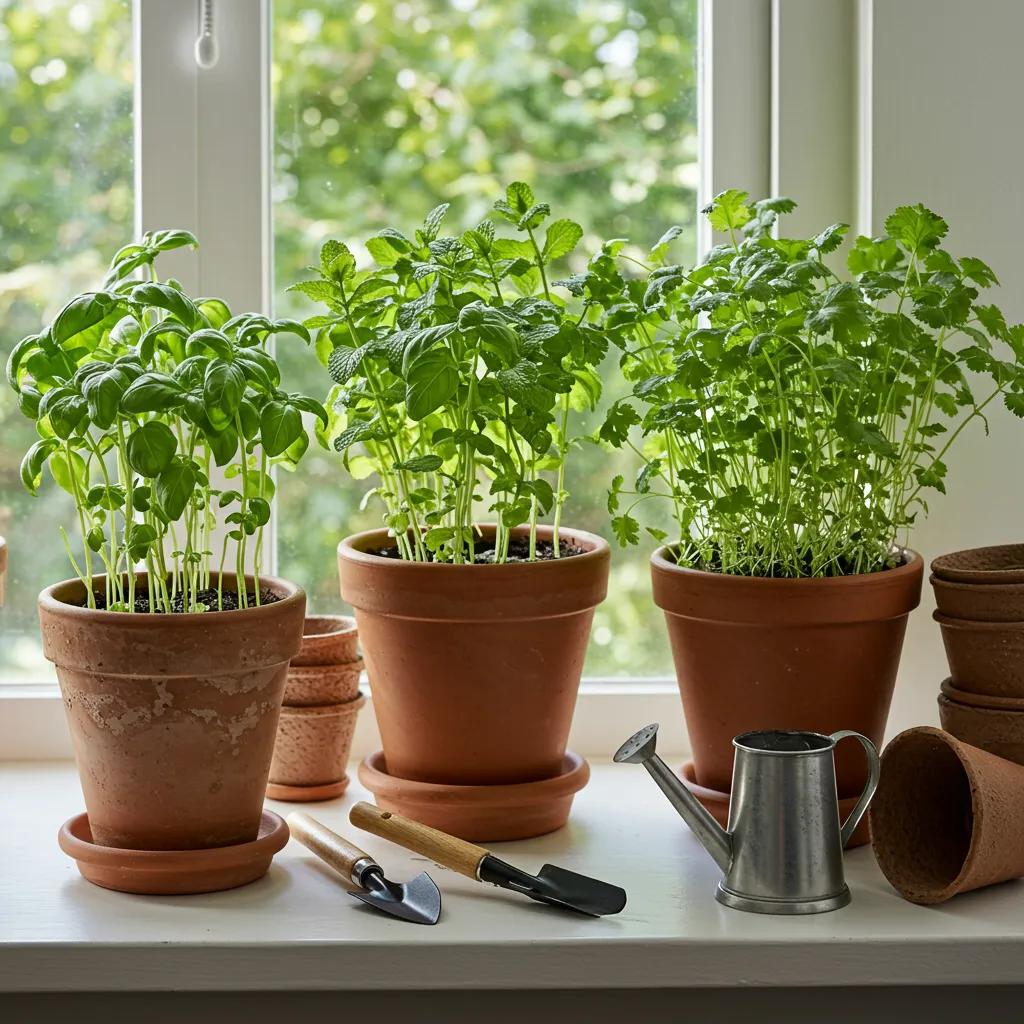
Indoor gardening for urban homes focuses on maximizing light, selecting compact species, using appropriate containers and soils, and employing grow lights where natural light is insufficient. Herbs, salad greens, and compact ornamentals are ideal for windowsills and balconies, while vertical shelving and hanging planters multiply usable area. Choose lightweight, well-draining mixes and containers with reliable drainage to prevent root rot in small spaces. These practical design choices let apartment dwellers grow fresh herbs, small vegetables, and houseplants year-round with modest investment.
An indoor herb garden setup requires selecting a sunny spot, choosing appropriate containers, and using a free-draining soil mix to avoid overwatering. Provide 4–6 hours of direct or bright indirect light for most culinary herbs; supplement with a simple LED grow light on a timer if window exposure is limited. Water when the top 2–3 cm of mix dries and harvest regularly to encourage bushiness and continued production. Setting up this system is straightforward and leads into selecting which indoor plants thrive in Pakistani apartments.
How Do You Set Up an Indoor Herb Garden at Home?
Choose herbs that match your light: basil and coriander need brighter conditions while mint and parsley tolerate more shade. Use pots with drainage holes and a soil mix with compost and perlite or sand for structure and aeration; shallow trays or modular planters work well for windowsills. Position herbs where you can reach them daily for harvesting and monitor humidity—occasional misting or grouping plants helps in dry indoor air. A routine of light feeding with diluted organic fertilizer during active growth keeps herbs productive and flavorful.
Which Plants Thrive Best Indoors in Pakistani Climates?
Resilient indoor plants for Pakistani homes include pothos, snake plant, spider plant, and hardy herbs like mint and coriander: they tolerate variable temperatures and lower light. Choose species known for pest resilience and adaptable watering needs to minimize maintenance in busy households and student apartments. Tropical houseplants often flourish with average indoor humidity and temperatures, while succulents suit bright, low-humidity niches. Selecting the right species reduces failure and maximizes satisfaction with indoor gardening projects.
How Can Grow Lights and Containers Improve Indoor Gardening?
LED grow lights provide specific light spectra for photosynthesis and are energy-efficient for supplementing natural light in windows with limited exposure. Set lights on timers for 10–14 hours depending on plant type, and adjust distance according to light intensity—closer for seedlings, slightly farther for mature plants. Containers should allow root growth with adequate drainage and be sized to the plant’s expected root mass; use lightweight materials for balcony transfers. Proper light and container choices increase growth rate and reduce watering headaches, enabling compact, productive indoor systems.
What Are Simple DIY Projects for Indoor Gardeners?
DIY projects create social-media-friendly small builds like vertical pallet planters, jar herb gardens, and recycled-container pots that are low-cost and engaging for younger gardeners. Each project requires a short materials list—containers, potting mix, basic tools—and can be completed in an hour to a weekend, making them ideal for apartment dwellers and students. These projects teach container selection, drainage, and plant pairing while offering shareable results that encourage ongoing gardening. Completing a mini-project builds confidence for larger setups and links practical skills to creative expression.
How Do You Maintain Soil Health and Improve Garden Productivity?
Maintaining soil health relies on understanding soil types, regular testing and pH adjustment, seed-saving for adapted varieties, and practices like crop rotation to sustain fertility and reduce pests. Healthy soil supports robust root systems, improves water retention, and fosters beneficial microbes that cycle nutrients naturally. Periodic incorporation of organic matter and mindful use of amendments based on soil tests prevents imbalances and boosts productivity over time. These soil-focused practices increase yield consistency and long-term garden resilience.
A quick soil-type reference helps match plants to soil and plan amendments effectively.
This table summarizes how to adapt planting choices and amendments to local soil conditions; next, test and adjust pH for optimal growth.
What Soil Types Are Best for Different Garden Plants?
Loam soils are ideal for most garden plants because they balance drainage and nutrient retention, whereas sandy soils need added organic matter to hold water and clay soils require compost to improve structure. Match crop selection to soil: root crops tolerate lighter soils, while legumes and many vegetables prefer richer loams. Amending poor soils over successive seasons with compost and green manures gradually improves productivity and reduces the need for synthetic inputs. Understanding soil type guides long-term amendments and planting decisions.
How Do You Test and Adjust Soil pH for Optimal Growth?
Test soil pH with kits or laboratory services to determine whether amendments like lime (to raise pH) or sulfur (to lower pH) are needed for crop-specific targets. Simple in-home tests (vinegar and baking soda) give an initial indication, but reliable kits or extension lab results inform precise correction rates. Apply amendments slowly and retest after several months because pH changes gradually; many vegetables prefer slightly acidic to neutral soils (pH 6–7). Proper pH management improves nutrient availability and promotes balanced growth.
What Are the Best Practices for Seed Saving and Replanting?
Seed saving starts with choosing healthy, open-pollinated or heirloom varieties and harvesting seeds at full maturity, followed by cleaning, thorough drying, and storage in cool, dry, labeled containers. Hybrids do not reliably breed true, so save seeds from stable heirloom lines if you want consistent traits. Maintain records of plant performance and rotation to avoid inbreeding and disease carryover; storing seeds with desiccant packs in airtight jars extends viability. Seed saving reduces costs and builds locally adapted varieties suited to microclimates.
How Can You Overcome Common Gardening Challenges and Troubleshoot Problems?
Overcoming common gardening challenges begins with diagnosing the root cause—water stress, nutrient imbalance, pests, or poor light—and applying targeted corrective actions that restore balance. Frequent beginner mistakes include overwatering, planting in unsuitable light, and neglecting soil quality, all of which are corrected by habit changes like scheduled watering, soil amendment, and appropriate plant placement. For nutrient issues, test soil and apply amendments based on deficiency symptoms; for pest outbreaks, use integrated pest management starting with cultural controls. Knowing when to escalate to local experts or extension services ensures complex issues are resolved quickly and sustainably.
Common mistakes and simple fixes are summarized below to help beginners avoid recurring problems.
- Overwatering: Check moisture at root depth, reduce frequency, and improve drainage.
- Incorrect light: Relocate plants to match their sun requirements or add grow lights.
- Poor soil: Add compost and test pH; consider raised beds for persistent problems.
These corrective steps reduce plant stress and create a stable garden environment; if problems persist, collect data to seek expert help.
What Are the Most Frequent Gardening Mistakes and How to Avoid Them?
Frequent mistakes include excessive watering, wrong plant-in-siting, overfertilization, and inconsistent monitoring—each leads to predictable symptoms like yellowing leaves, poor growth, or pest attraction. Avoid these by following simple routines: water by root-zone checks, choose species suited to your light, apply modest amounts of organic fertilizer, and inspect plants weekly. Use mulch and slower-release amendments to moderate extremes and maintain regular record-keeping to spot trends. Preventative habits reduce surprises and increase the chance of productive seasons.
How Do You Diagnose and Treat Nutrient Deficiencies in Plants?
Diagnose nutrient deficiencies by matching visual symptoms—such as interveinal chlorosis or stunted growth—to likely lacking elements, then confirm with a soil test before applying targeted amendments. For example, yellowing between veins on older leaves commonly indicates magnesium or nitrogen deficiency; apply appropriate organic corrections like Epsom salts or composted manure at recommended rates. Reassess plant response after application and avoid blanket high-dose feeds that harm microbes and roots. Timely diagnosis and measured correction restore vigor and yield.
When Should You Seek Expert Advice or Local Agricultural Support?
Seek expert help when problems persist despite cultural fixes, when crop losses escalate, or when unfamiliar diseases appear—local extension services, university labs, and nurseries can provide diagnostic testing and region-specific remedies. Prepare useful data before contact: recent photos, soil test results, watering schedules, and a timeline of symptoms to help specialists identify causes quickly. Local experts can recommend approved treatments and legal considerations particular to your area and crop types. Knowing when to escalate saves time and protects crops from unnecessary interventions.
ARY News will continue to publish follow-up gardening content tailored to Pakistani climates, urban small-space projects, and youth-friendly DIY formats in our lifestyle and gardening coverage. Expect seasonal calendars, localized plant recommendations, and short-format media that help young urban readers succeed with low-cost, social-media-ready projects; check ARY News’s lifestyle section for ongoing articles and practical updates.
Conclusion
Embracing essential gardening tips empowers beginners to cultivate thriving plants and productive gardens, enhancing their connection to nature. By understanding plant care, organic methods, and effective troubleshooting, new gardeners can overcome common challenges and enjoy rewarding harvests. Start your gardening journey today by exploring our comprehensive resources tailored for urban and small-space gardening. Join our community and discover the joy of growing your own food and plants with confidence.