Street Style Trends 2025: Ultimate Guide to Urban Fashion, City Outfits, and Fashion Week Highlights
Street style in 2025 blends bold proportions, sustainability, tech-enabled garments, and retro revivals into a fluid urban language that cities and social feeds translate instantly. This guide offers a news-driven overview of the most consequential street-style movements this year, what designers and cities are showing at Fashion Weeks, how Pakistani streets are adapting global cues, and practical outfit ideas readers can try. Many urban dressers struggle to translate runway statements into wearable city outfits while maintaining budget, climate comfort, and cultural identity; this piece addresses those gaps with clear trends, local context, and styling recipes. You’ll find a concise list of headline trends, reportage-style takeaways from major fashion weeks, profiles of Pakistani adaptations, actionable outfit formulas, and a brand/comparison table to help spot sustainable and tech-forward labels. Throughout, expect timely reportage and ongoing coverage signals to help readers follow developments through the season.
What Are the Top Street Style Trends for 2025?
Street style in 2025 is defined by five converging forces: oversized proportions, sustainable streetwear, tech integration, retro revivals (Y2K/90s), and sophisticated monochrome dressing. These trends persist because they answer functional city needs—comfort, climate adaptability, identity signaling, and digital-native aesthetics—while offering clear visual cues that photographers and influencers amplify. Each trend has distinct key pieces and styling rules that make them accessible to city wardrobes and easy to remix across budgets. Below is a compact reference table to scan the trends, identify visual cues, and get quick styling tips for everyday wear.
These trends align with broader shifts in fashion and urban culture: consumers want garments that perform, tell a sustainability story, and photograph well for social platforms. The next subsections break down each trend with visual examples and practical how-tos that make these headline movements wearable in city contexts.
Which Oversized Silhouettes Define Urban Fashion in 2025?
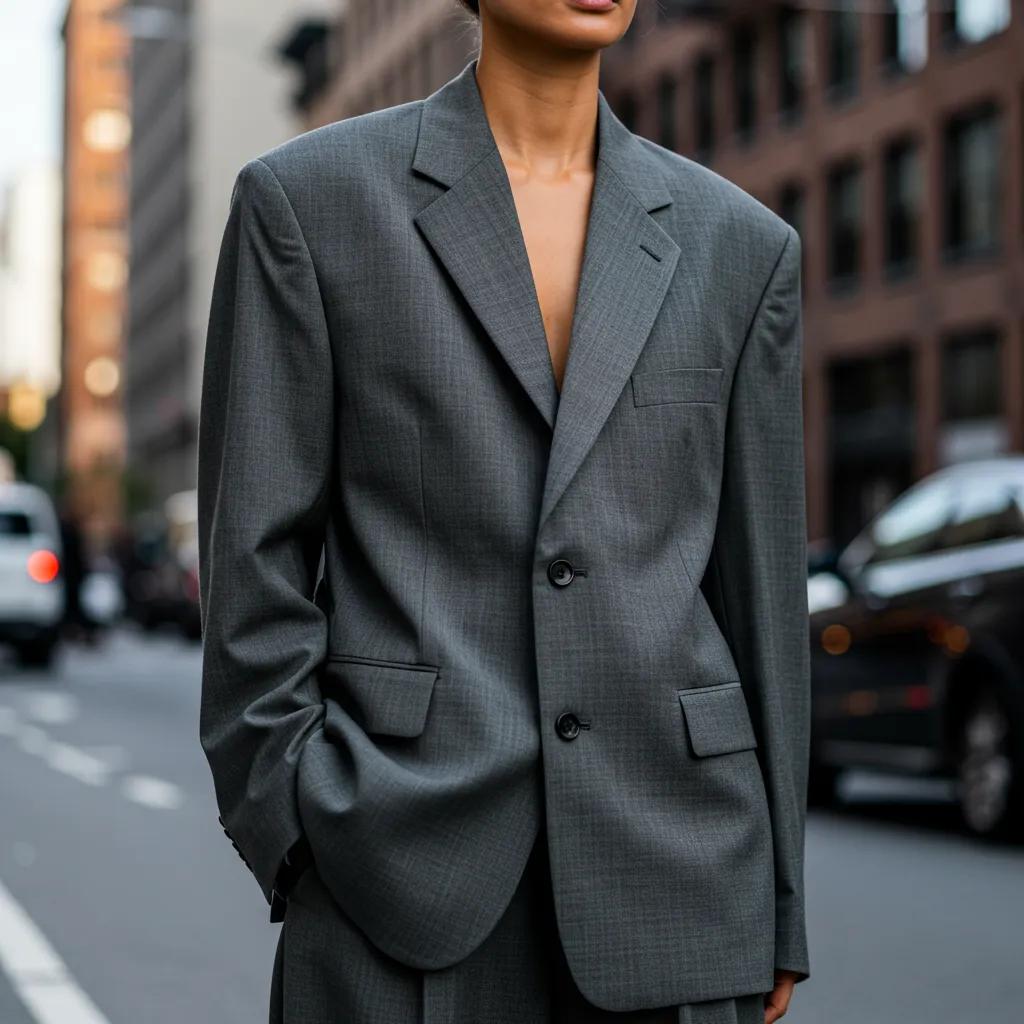
Oversized silhouettes in 2025 prioritize relaxed shoulders, extended hemlines, and a focus on horizontal volume across blazers, outerwear, and trousers. This approach works because city dressers value comfort without sacrificing presence; oversized blazers and wide-leg trousers create a deliberate silhouette that reads well both in motion and in photos. To avoid looking shapeless, pair a roomy blazer with a slim top or tuck, and anchor wide trousers with defined shoes or a belt to create a waistline. For local adaptation, classic shalwar or kurta proportions can inspire layering techniques—think cropped jackets over longer underlayers to retain modesty while embracing oversized trends.
Oversized pieces are inherently flexible: they can transition from daytime errands to evening outings with only accessory swaps. Understanding proportion and focal points—such as collar, cuff, or footwear—helps maintain a tailored finish within a deliberately loose silhouette. This balance is central to styling oversized looks without losing refinement.
How Is Sustainable Streetwear Shaping the Fashion Scene?
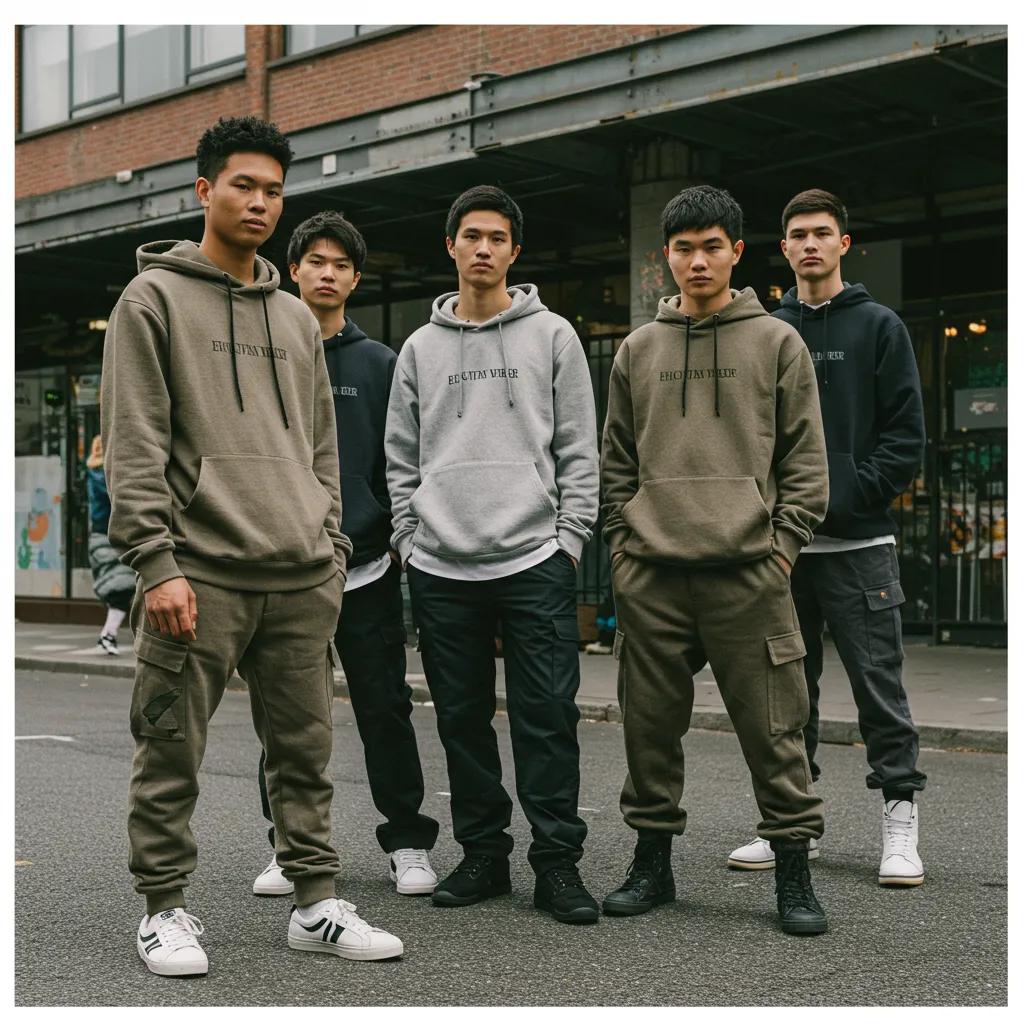
Sustainable streetwear in 2025 emphasizes circular materials, transparent production, and durable design that extends garment lifecycles, responding to consumer demand for accountable fashion. Practical materials include recycled polyester blends, organic cotton, and regenerated leather alternatives that reduce environmental footprints while retaining streetwear aesthetics. Adopters often treat sustainability as a design constraint that sparks creativity—reworked denim, deadstock patchwork, and multifunctional outerwear are common outcomes.
For consumers, small changes make big impact: choosing repair-friendly fabrics, buying fewer but higher-quality items, and supporting brands that publish supply-chain information. In Pakistan and other regional markets, blending sustainable pieces with local tailoring techniques can create high-impact, lower-footprint street looks. The momentum behind eco-streetwear also encourages resale markets and rental services, which further extend garment life and influence purchasing habits.
Pakistani Fashion: Blending Tradition and Global Trends
This tension creates a fashion industry with two extremes, one side reflecting traditional influences and the other reflecting western trends. I address the tension by analysing the craft and context of traditional Pakistani men’s clothing and incorporating traditional construction techniques into garments that reflect aspects of both points of view. In a series of five looks, I extract from influences like Persian, North Indian, Afghani, Colonial and Neo-Colonial, to generate hybridized garments that offer a new perspective, blending traditional elements with the global vocabulary of fashion.
Refashioning style from the outside-in: A Pakistani diasporic response, 2023
What Are the Latest Tech-Integrated Fashion Innovations?
Tech-integrated fashion in 2025 spans functional fabrics, modular garments, and subtle wearable tech that prioritizes utility for urban life. Examples include breathable waterproof membranes, temperature-regulating knits, and outerwear with integrated storage and cable routing for devices—designs that were visible in recent street photography at major shows. These innovations succeed because they solve everyday urban frictions: unpredictable weather, device management, and mobility demands.
Practical adoption recommends integrating one tech piece per outfit—such as a waterproof jacket with concealed pockets—so looks stay grounded rather than futuristic. Accessibility remains a challenge as advanced materials often command premium prices, but mid-market brands are increasingly offering entry-level tech items. The functional benefits—durability, weather protection, and ease of wear—mean techwear can be both practical and stylish in city settings.
How Are Retro Influences Like Y2K and 90s Styles Making a Comeback?
Y2K and 90s aesthetics re-emerge through hallmark pieces—low-rise or baggy jeans, cropped tops, platform sneakers, logo belts—and are updated with contemporary fabrics and tailoring to avoid pastiche. The revival persists because younger audiences remix nostalgia with modern textures, sustainable materials, and social storytelling that makes older motifs feel current. Influencers and editorial street photography amplify specific items rapidly, accelerating adoption cycles across markets.
To modernize retro items, pair them with current silhouettes (e.g., oversized outerwear over a 90s-inspired crop) and prioritize one retro focal point rather than a full throwback look. This prevents costume-like outcomes and keeps the outfit city-appropriate. Retailers and stylists now curate retro caps—accessories and footwear that nod to the era while maintaining contemporary fit and finish.
What Are the Essential Monochromatic Looks for City Style?
Monochrome dressing remains a dominant device for city style because it simplifies outfit composition while maximizing visual impact in photos and on the street. Key palettes for 2025 include all-black minimalist ensembles, tonal neutrals (beige through camel), and bold single-color statements like deep moss or cobalt. The technique is effective: texture contrasts (matte wool with glossy leather) and varied proportions keep single-color outfits engaging.
To build monochrome looks, mix at least three textures and define a focal accessory—shoes or bag—to ground the outfit. Monochrome also dovetails with sustainable practice: a focused palette increases outfit interchangeability and reduces wardrobe bloat. Photographers and street-style scouts favor monochrome because it reads crisply across diverse backdrops, enhancing a subject’s presence at Fashion Weeks and in editorial spreads.
How Is Street Style Showcased at Global Fashion Weeks?
Fashion Weeks act as accelerators for street style, where attendees and photographers create a parallel runway of wearable innovation that often predates retail shifts. Street-style photography at NYFW, LFW, MFW, PFW, and CPHFW surfaces early visual signals—silhouettes, colorways, and accessory trends—that trickle into retail and social feeds within weeks. This section summarizes standout moments and explains how they influence everyday urban fashion decisions, with ongoing coverage signals to help readers track these developments.
Street-style moments from Fashion Weeks are valuable because they show how garments behave in real urban settings, not just on runway stages. Observers watch who wore what and how looks were adapted for city climates and events, which in turn shapes what consumers consider wearable. The next subsections parse highlights from specific cities and translate runway signals into practical outfit ideas readers can adapt locally.
What Are the Key Street Style Highlights from NYFW and LFW?
NYFW and LFW continue to foreground bold layering and individual expression, with New York emphasizing functional luxury and London showcasing experimental tailoring and subcultural revivals. Photographers at NYFW often capture polished, urban-ready looks—tailored outerwear layered over relaxed separates—while London street style leans into eclectic prints, gender-fluid silhouettes, and statement accessories. These moments matter because retailers translate high-profile street looks into capsule collections, often within a season.
Influencers and stylists use these cities as testing grounds for trend durability; looks that photograph well in NYFW or LFW tend to spread quickly on platforms like Instagram and TikTok. As a result, city shoppers see a rapid crossover from shows into high-street and independent-label offerings, enabling accessible adoption of runway-inflected style.
How Does Milan and Paris Fashion Week Influence Urban Fashion?
Milan and Paris Fashion Weeks exert influence by integrating high-fashion craftsmanship and luxury codes into streetwear narratives, prompting collaborations and hybrid aesthetics that blend tailoring with street-level comfort. Milan’s emphasis on materiality and Paris’s editorial minimalism filter down as elevated basics and refined outerwear within streetwear wardrobes. These translations often appear as luxe fabrics on casual silhouettes—silk bomber linings, leather trims, and sculptural coats—that urban consumers adopt for a polished street look.
High-fashion visibility also fuels collaborations between luxury houses and streetwear brands, creating limited drops that dictate seasonal motifs and color stories. These collaborations raise appetite for premium reinterpretations of street staples and influence what urban shoppers consider investment pieces.
What Unique Trends Emerge from Copenhagen Fashion Week?
Copenhagen Fashion Week consistently foregrounds sustainability, wearability, and minimalism, providing a northern European aesthetic that values craftsmanship and longevity. Street style emerging from CPHFW tends to showcase muted palettes, recyclable materials, and functional layering that suits variable climates. This influence pushes brands and consumers to favor slower fashion choices and locally appropriate designs.
For urban dressers, Copenhagen-inspired looks translate into pared-back palettes, considered accessories, and emphasis on repairable garments. The result is a quiet luxury street code that privileges substance over spectacle and often informs sustainability-forward collections globally.
How Do Fashion Weeks Inspire Streetwear Outfit Ideas?
Fashion Weeks offer a template of outfit formulas that can be adapted for daily life; simple translations include pairing an oversized blazer with slim denim, combining technical outerwear with tailored trousers, or anchoring a retro top with modern footwear. These formulas work because they translate high-visibility looks into manageable combinations for local contexts and budgets. For readers, trying one Fashion Week-inspired swap—like upgrading footwear or introducing a tech jacket—can refresh a wardrobe without overhauling it.
Below are three outfit formulas inspired by Fashion Week street sightings to test in a city setting:
- Layer an oversized blazer over a fitted top and wide-leg trousers for balanced volume.
- Mix a tech outer layer with tailored trousers and minimal sneakers for utility-meets-polish.
- Pair a retro cropped top with high-waisted relaxed jeans and contemporary boots for a modernized throwback.
These formulas provide easy entry points for adapting runway and street-experimentation into everyday looks that align with current trends.
How Is Pakistani Street Style Adapting Global Urban Fashion Trends?
Pakistani street style in 2025 demonstrates a hybrid vocabulary that fuses global silhouettes with local textiles, modesty conventions, and climate-aware tailoring. Urban youth and creators reinterpret oversized and tech-inflected looks through regional garments—layering structured jackets over traditional kurta lengths or pairing wide-leg trousers with locally made footwear. Cultural reporting highlights these adaptations and tracks local designers who blend global trends with Pakistani sensibilities for both domestic audiences and diaspora visibility.
This fusion creates unique street language: elements like embroidery, handloom textures, and traditional cuts are incorporated into silhouettes that read as contemporary on social feeds. The following subsections profile influencers, cultural drivers, sustainable designer efforts, and social formats shaping youth engagement with street style.
Pakistani Fashion Fusion: Eastern Patterns on Western Silhouettes
Sartorial synthesisis blending the elements of different cultures and traditions in fashion statements to create aesthetic and innovative designs. The study explores dynamic surface of cross-cultural fusion in Pakistani Fashion by focusing on the integration oftraditional surface patterns, motivations, techniques and acceptance of Pakistani culture on the western ready-to-wear silhouettes. The literature expresses the identity of culture with design innovations and research gaps. It provides the understanding of various practices and perspectives of designers and artists working on the cross-cultural fusion fashion.
Sartorial Synthesis: An Exploration of Fusion Art in Pakistani Fashion–A Case Study on the Integration of Eastern Surface Patterns on Western Ready-to-Wear, U Hameed, 2025
Who Are the Emerging Pakistani Street Style Influencers?
Emerging Pakistani street-style influencers combine local aesthetics with global trend fluency, using platforms to showcase hybrid outfits that resonate with youth audiences. These creators often mix tailored Western pieces with traditional textiles, demonstrate season-appropriate layering, and use short-form video formats to illustrate outfit transitions. Their influence matters because they translate international trends into regionally accessible combinations that account for climate and cultural norms.
Influencers frequently collaborate with local designers or stylists to spotlight experimental silhouettes, and their visual output—lookbooks, transition videos, and street snaps—drives rapid adoption among 16–32-year-olds. Tracking these creators provides insight into how global trends are localized and which items gain traction in Pakistani markets.
What Cultural Elements Shape Urban Fashion in Pakistan?
Cultural elements such as modesty preferences, artisanal textiles, and climate-driven fabric choices shape Pakistani urban fashion and create distinctive fusion looks. Traditional garments and techniques—handwoven fabrics, embroidered motifs, and layered tunics—inform how global pieces are adapted, often leading to longer hems, looser fits, and breathable fabric pairings. These choices enable style that is both contemporary and contextually appropriate for local conditions.
Designers and stylists often remix traditional pieces with modern cuts, producing hybrid garments that serve both aesthetic and practical needs. The result is an urban style that honors heritage while engaging with global streetwear narratives.
How Are Pakistani Designers Innovating Sustainable Streetwear?
A growing number of Pakistani designers and ateliers are experimenting with sustainable practices—using local natural fibers, upcycling deadstock, and prioritizing small-batch production—to align streetwear aesthetics with environmental responsibility. These initiatives often leverage artisanal skills to create garments that emphasize longevity and repairability. While scale can be limited, such efforts demonstrate pathways for circularity within regional production systems.
For consumers, supporting local designers who prioritize sustainable materials can reduce environmental impact and promote craft preservation. As these practices gain attention, they can influence larger market behavior and encourage transparency across the fashion ecosystem.
What Social Media Trends Drive Youth Engagement in Pakistani Street Style?
Short-form video formats, outfit transition clips, hashtag challenges, and collaborative drops drive youth engagement in Pakistani street style, accelerating trend cycles and amplifying local interpretations of global movements. Platforms favor visual storytelling—quick edits that highlight texture, movement, and fit—which helps youth audiences assess wearability and replicate outfits. Hashtags and collaborative content between influencers and designers create surge moments that convert into retail demand.
Brands and creators that master concise, visually compelling narratives—showing how to wear a piece across settings—tend to spark broader youth adoption and shape seasonal street codes.
What Are the Best City Style Outfit Ideas for Urban Fashion Enthusiasts?
City style outfit recipes simplify trend adoption by pairing key pieces into scenario-specific looks for commuting, weekend socializing, and evening events. Effective outfit formulas prioritize versatility, comfort, and visual coherence so wearers can adapt looks across weather and social contexts. The following EAV table lists outfit types, essential pieces, and ideal occasions to help readers assemble wardrobes with practical seasonality in mind.
How to Create Casual City Looks for Everyday Wear?
Casual city looks center on comfortable staples—well-fitting denim or relaxed trousers, hoodies or lightweight knits, and reliable sneakers—that balance ease with urban polish. Layering remains essential: a midweight overshirt or blazer elevates a hoodie while maintaining comfort, and accessories like crossbody bags provide practicality. Choose durable fabrics and neutral palettes for maximum outfit combinations and prioritize shoes with ergonomic support for city mobility.
Simple adjustments, such as rolling hems or adding a structured belt, transform basic staples into thoughtful street-chic outfits suitable for diverse city activities. These small styling moves keep looks intentional and camera-ready.
What Defines Elevated Urban Chic Ensembles?
Elevated urban chic mixes tailored pieces—structured blazers, silk or fine-knit tops—with street elements like sneakers or technical outerwear for a sophisticated yet approachable aesthetic. The key is juxtaposition: pair a polished coat with casual trousers, or combine tailored trousers with a trend-forward knit. Footwear choices shift tone—polished loafers or minimalist sneakers maintain refinement while keeping the look grounded.
Color coordination and material contrasts (wool with leather, silk with cotton) create depth that reads well in both daytime and evening city settings. This hybrid approach is versatile for semi-formal occasions without sacrificing comfort.
How to Style Seasonal Street Style Outfits?
Seasonal styling requires attention to fabric weight, layering strategy, and weather-proofing: lightweight linens and breathable cottons work for summer, whereas monsoon seasons benefit from quick-drying synthetics and waterproof outer layers. Winter styling in temperate regions favors insulating mid-layers, while transitional months demand modular pieces that add or remove easily. Footwear choices—breathable sneakers for heat, water-resistant boots for rain—directly affect outfit practicality.
Adapting trend pieces seasonally means selecting versions in suitable fabrics (e.g., linen-blend oversized blazer for summer) and using accessories to modify warmth and function. Thoughtful seasonal swaps extend wardrobe utility across the year.
Which Accessories and Footwear Complete the Street Style Look?
Accessories and footwear determine an outfit’s final tone: statement sneakers, compact satchels, minimalist belts, and functional hats often serve as focal points that elevate simple ensembles. Prioritize one statement accessory while keeping other elements restrained to avoid clutter. Footwear trends in 2025 include platform sneakers, chunky-soled boots, and minimalist technical sneakers that merge comfort with presence.
Accessories also serve practical functions—crossbody bags for daily carry, scarves for layering—and can signal sustainability when made from recycled materials. Thoughtful accessory selection ensures outfits are cohesive and city-ready.
Which Streetwear Brands and Collaborations Are Leading the Market in 2025?
In 2025, the leading streetwear names combine strong design identity with sustainability practices, collaborative energy, and cultural relevance. Brands that mix thoughtful materials, limited drops, and purposeful partnerships capture attention and influence what appears on city streets. The table below compares notable brands on sustainability and highlights representative collaborations or products to watch.
What Are the Top Streetwear Brands to Watch Globally?
Top brands to watch deliver cultural relevance through innovation: they pioneer materials, engineer standout silhouettes, or stage high-profile collaborations that set seasonal motifs. Names that combine performance fabrics, circular practices, and strong editorial presence tend to dominate conversations and resale markets. For city shoppers, these brands offer both aspirational pieces and trend signals that can be adapted via more accessible alternatives.
Observing brand output—capsule releases and collaborative lines—helps anticipate which pieces will enter broader street-style rotation and informs smarter shopping decisions.
How Are High-Fashion and Streetwear Collaborations Influencing Trends?
High-fashion × streetwear collaborations accelerate trickle-down effects by marrying luxury craftsmanship with street-ready design, producing limited drops that become cultural touchpoints. These collaborations create immediate hype, drive secondary-market interest, and often introduce novel materials or logo treatments into mainstream dress codes. The result is heightened demand for hybrid pieces that blend polish with attitude.
For consumers, collaborations provide an entry into elevated design narratives, though scarcity and price premiums mean many translate into inspiration rather than widespread wardrobe staples.
Which Brands Are Pioneering Sustainable Streetwear Practices?
A handful of brands lead by example with transparent supply chains, recycled materials, and circular programs that enable repair and reuse. These initiatives range from using regenerated fibers to publishing supplier audits and offering take-back services. While availability varies by market, these practices signal a broader industry shift toward accountability and longevity.
Shoppers can prioritize brands with clear sustainability claims and documented initiatives to ensure purchases align with environmental goals while still embracing street-style aesthetics.
How Can You Incorporate Street Style Trends into Your Wardrobe?
Incorporating 2025 street-style trends requires a capsule approach that balances trend pieces with enduring staples, focusing on versatility and proportion. Start by identifying three priority items—an oversized blazer, a tech shell, and a quality pair of sneakers—and build around them with interchangeable basics. The following checklist outlines core wardrobe staples and rationale to guide purchases and outfit planning.
- Select versatile outerwear that works across seasons and occasions.
- Invest in a quality pair of sneakers and one pair of elevated shoes.
- Prioritize durable basics in neutral palettes for maximum mixing.
This pragmatic strategy keeps wardrobes flexible, reduces unnecessary purchases, and enables quick adoption of trends without compromising on wearability or budget.
What Are the Key Pieces for Building a Trendy Streetwear Wardrobe?
Key pieces include a fitted base layer (tees, shirts), one oversized outer layer (blazer or coat), a quality pair of trousers (wide-leg or tailored), and multifunctional footwear. These items combine to form multiple outfit permutations suitable for daily life and special occasions. Investing in neutral colors and durable fabrics maximizes outfit combinations and extends garment longevity.
A capsule approach—selecting items that serve multiple roles—reduces decision fatigue and supports thoughtful consumption aligned with current trends.
How to Mix and Match Oversized and Tailored Pieces?
Mixing oversized with tailored pieces relies on proportion-aware pairing: an oversized blazer can sit over a fitted tee and straight-leg trousers, while a voluminous coat works best with streamlined lower layers. Define a focal point—such as the blazer or shoes—and keep other elements minimal to maintain clarity. Tailoring adjustments (slight hemming or shoulder tweaks) refine fit without undermining the intended silhouette.
These rules enable creative contrast between relaxed and structured pieces while preserving a polished city-ready appearance.
What Are Tips for Adopting Monochromatic and Retro Looks?
Adopt monochrome by mixing textures and tones within one color family and anchor retro pieces with contemporary footwear or accessories to avoid costume-like results. For retro items, modern reinterpretation—updated fabric, refined fit, or pared-back color—keeps the look relevant. Use accessories sparingly to emphasize one era-inspired element per outfit.
These measures make monochrome and retro trends accessible and wearable for everyday urban contexts.
How to Accessorize for Bold and Urban Street Style Statements?
Accessories should either anchor an outfit (functional crossbody, utility belt) or provide a single statement (chunky necklace, standout bag) without competing for attention. Scale matters: larger accessories pair well with oversized silhouettes, while delicate pieces complement tailored looks. Choose accessories that serve both aesthetic and practical needs—durability, weather resistance, and ease of carry—so they remain integral to city life.
This approach ensures accessories support the outfit’s intent and enhance overall coherence.
What Is the Future Outlook for Street Style and Urban Fashion?
Looking beyond 2025, street style will continue converging around sustainability, tech-enabled garments, and digitally native culture—while regional scenes such as Pakistan’s gain visibility through social platforms and cross-border collaborations. Expect materials innovation and modular design to become more affordable, while circular business models expand offerings at accessible price points. Ongoing coverage will continue tracking these shifts and reporting on designers, drops, and cultural intersections that shape the next phases of urban fashion.
These forecasts suggest a landscape where purpose-driven design and digital storytelling determine which trends scale and which remain niche.
How Will Sustainability and Techwear Shape Upcoming Trends?
Sustainability and techwear will increasingly intersect—bio-based materials with performance properties, garments designed for disassembly, and local manufacturing models that reduce transport emissions. This convergence solves functional needs while lowering environmental impact, and will likely yield new product categories that blend utility with circular design. Pricing pressure remains a barrier, but scale and material maturation will expand access.
Adopters who prioritize durability and multifunctionality will find long-term value as these categories mature and integrate into mainstream retail.
What Role Will Pakistani Street Style Play in the Global Fashion Scene?
Pakistani street style has potential to contribute distinctive aesthetics—textile skills, embroidery traditions, and climate-savvy tailoring—to global conversations, particularly when designers and creators leverage digital platforms for visibility. Cross-cultural collaborations and diaspora networks can accelerate recognition, enabling exportable aesthetics that retain cultural specificity. Building infrastructure for sustainable local production and transparent practices would further enhance Pakistan’s influence.
Ongoing coverage will continue documenting these developments, spotlighting designers and movements that bridge local craft and global trends.
How Are Social Media and Influencers Driving Street Style Evolution?
Social platforms accelerate trend cycles by turning outfit moments into replicable templates, with short-form formats enabling rapid spread and iteration. Influencers act as translators—demonstrating how to wear trend items locally, suggesting substitutions, and creating commerce-ready visuals that spark demand. As algorithms favor highly visual, concise storytelling, creators who blend authenticity with practical styling tips will continue to shape urban fashion narratives.
For readers and brands, mastering platform-specific storytelling—outfit transitions, styling reels, and collaborative drops—remains key to influencing and participating in fast-moving street-style culture.
Conclusion
Embracing the street style trends of 2025 allows urban fashion enthusiasts to express individuality while prioritizing comfort and sustainability. By integrating oversized silhouettes, tech-infused garments, and retro influences, wearers can create versatile outfits that resonate with contemporary aesthetics. This guide empowers readers to adapt runway inspirations into their daily wardrobes, ensuring they stay ahead in the ever-evolving fashion landscape. Discover more outfit ideas and sustainable brands to elevate your style today.