Essential Cat Care Tips: Complete Guide to Kitten Care, Health, Behavior, and Senior Cat Wellness
Caring for a cat means matching life-stage needs, health surveillance, enrichment, and nutrition to keep a feline thriving at every age. This guide explains what good cat care looks like, why routine monitoring prevents common problems, and how owners in Pakistan can apply practical, local solutions for feeding, grooming, behavior, and senior support. Readers will learn age-specific feeding and vaccination timelines, quick triage for red-flag symptoms, stepwise behavior training, homemade feeding options using local ingredients, and grooming and environment fixes that reduce hairballs and mobility issues. The article uses targeted keywords like cat health, kitten care, litter box training, and homemade cat food Pakistan to help you find precise, actionable steps. Each H2 section breaks the topic into clear how-to steps, checklists, and comparison tables so you can act immediately and track progress.
How Do You Provide Effective Kitten Care?
Kitten care centers on nutrition, socialization, basic medical protection, and early behavior shaping to build a resilient, well-adjusted adult cat. Proper feeding supports rapid growth and immune development, while early social exposure reduces anxiety and aggression later in life. Setting up a predictable routine for feeding, sleep, and litter introduction gives kittens a secure structure that speeds learning and healthy weight gain. Below are specific feeding, socialization, and healthcare steps to follow in the first months to reduce common risks and create a strong human–cat bond.
What Are the Key Kitten Feeding Guidelines?

Kittens need high-protein, calorie-dense diets with key nutrients like taurine to support heart and eye development; feeding frequency reduces as they grow. From birth to four weeks, kittens rely primarily on milk or formula; by four to eight weeks, they begin weaning onto wet food and small kibble; by eight to twelve weeks, solid high-quality kitten food and measured portions maintain steady weight gain. Monitor body condition by feeling ribs and tracking playful energy, and avoid feeding raw or heavily spiced human foods that risk bacterial contamination or toxicity. Regularly weigh kittens during vet visits and adjust portions to maintain a lean, muscular growth trajectory.
How Can You Socialize Your Kitten Successfully?
Socialization works by gradual exposure to people, sounds, surfaces, and other animals during the sensitive window between two and twelve weeks, which shapes lifelong confidence. Use short, positive interactions with different family members, gentle handling, and play sessions that associate human contact with treats and toys; this conditions friendly responses rather than fear. Introduce household sounds and gentle restraint practice so routine vet handling is less stressful, and slowly expose kittens to other vaccinated, calm pets under supervision. If a kitten shows persistent fear or aggression beyond expected stages, consult a veterinarian or behaviorist to rule out pain or developmental issues.
Understanding Kitten Fostering and Socialization Practices for Behavioral Development
ABSTRACT: AbstractMany companion kittens entering shelters are fostered by volunteer community members during the sensitive period for socialisation (~2 to 9 weeks of age) when early experiences are critical to behavioural development. Using a mixed-method survey, we explored current fostering practices relevant to kitten behavioural development and welfare. Foster caretaker participants (n = 487) described their fostering practices and reported providing kittens with a majority of recommended socialisation experiences, such as handling and exposure to various toys and exploratory items. In open-ended text responses, foster caretakers described how they adapted socialisation practices for fearful kittens and the supports and challenges they perceived to impact their ability to properly socialise kittens. Some non-recommended techniques (e.g. flooding) were reported for socialising fearful kittens, with a decreased odds of reporting non-recommended techniques for participants with a higher level
Understanding kitten fostering and socialisation practices using mixed methods, C Graham, 2024
When Should You Schedule Your Kitten’s First Vet Visit?
A kitten’s first veterinary visit should occur at roughly six to eight weeks to evaluate overall health, start core vaccinations, and plan deworming and flea control. The vet will perform a physical exam, check weight and hydration, and recommend a vaccination timeline and parasite prevention based on local disease risk and household exposure. Bring any available history from the breeder or shelter, a list of observed behaviors and feeding patterns, and questions about transitioning to solid food and litter training. Early vet engagement establishes a baseline for growth and can catch congenital or infectious issues when they are easiest to manage.
What Are Common Kitten Health Symptoms to Watch For?
Kittens are vulnerable to dehydration, respiratory infections, and gastrointestinal upset; early signs include poor appetite, lethargy, persistent diarrhea, or sneezing. Because kittens can deteriorate rapidly, observe daily feeding vigor, stool quality, breathing effort, and hydration (skin tenting, moist gums) and escalate to urgent veterinary care if symptoms persist more than a day. Basic home care can include warming a chilled kitten and offering small frequent feeds, but persistent weakness, bloody stool, or difficulty breathing require immediate professional assessment. Preventive measures—timely vaccinations, hygiene, and parasite control—reduce many common kitten illnesses and should be discussed at that first vet visit.
What Are the Most Important Cat Health Symptoms and How Do You Recognize Them?
Recognizing health symptoms early hinges on noticing changes in appetite, elimination, behavior, and grooming, which often indicate underlying disease processes. Changes in weight, drinking, urination, breathing, or oral health are high-value signals that link directly to conditions like kidney disease, urinary tract disorders, dental disease, and respiratory infections. Regular monitoring of these metrics enables owners to seek veterinary care before problems escalate and to implement targeted preventive strategies. The short triage table below helps map symptoms to likely causes and urgency so owners can act promptly.
Before the table: this triage reference maps common signs to probable conditions and immediate actions, intended to guide initial decision-making at home while arranging veterinary care. The goal is to accelerate recognition of urgent conditions and to reduce unnecessary delays that worsen outcomes.
This triage table highlights how symptom clusters map to likely issues and shows when to prioritize urgent veterinary attention versus home monitoring. Consistent tracking of appetite, water intake, and litter box habits forms the backbone of early detection.
Which Signs Indicate Common Cat Diseases?
Specific signs—such as blood in urine, chronic sneezing, or patchy hair loss—point to urinary disease, upper respiratory infections, or dermatologic/parasitic conditions respectively, and should not be ignored. Fever, persistent lethargy, and inappetence often accompany systemic infections or metabolic disease and require veterinary diagnostics like bloodwork or urinalysis. Seasonal trends and local parasite prevalence influence which diseases are more likely in a given area, so owners should discuss regional risks with a veterinarian during routine visits. Early diagnostic testing narrows causes quickly and supports targeted therapy that improves recovery odds.
How Do You Monitor Senior Cat Health Concerns?
Monitoring senior cats focuses on subtle shifts: gradual weight loss, changed litter box habits, reduced grooming, and increased vocalization may signal chronic conditions like kidney disease, hyperthyroidism, or arthritis. A structured home checklist—monthly weight, appetite logs, mobility observations, and litter box frequency—allows detection of trends that merit bloodwork, urine screening, and blood pressure checks. Increase veterinary visit cadence to twice yearly and consider baseline biochemistry and thyroid panels to detect treatable conditions early. Environmental modifications and timely interventions often maintain quality of life even when chronic disease is present.
What Is the Recommended Cat Vaccination Schedule?
Core vaccines typically start in kittenhood with initial doses given at six to eight weeks and boosters through sixteen weeks, then adult revaccination according to veterinary guidance and local disease risk. Core vaccines protect against common, serious diseases and are the foundation of preventive care; non-core vaccines depend on exposure risk such as outdoor access or local outbreaks. Discuss booster intervals and possible side effects with a veterinarian—most reactions are mild and transient, while the protection conferred prevents severe, potentially fatal illnesses. Vaccination strategy should align with household circumstances and regional epidemiology.
How Can You Maintain Your Cat’s Dental Hygiene?
Dental hygiene prevents pain, infection, and systemic disease by reducing plaque and periodontal progression through regular brushing, diet, and professional cleanings when needed. Begin tooth brushing early with pet-safe toothpaste and short, positive sessions to acclimate a cat; combine brushing with dental diets or chews that reduce tartar where appropriate. Watch for drooling, bad breath, or reluctance to eat—these are red flags for dental disease that require veterinary dental assessment and possibly scaling under anesthesia. Daily home care plus periodic professional checks maintain oral health and can extend quality of life.
How Can You Solve Common Cat Behavior Problems?
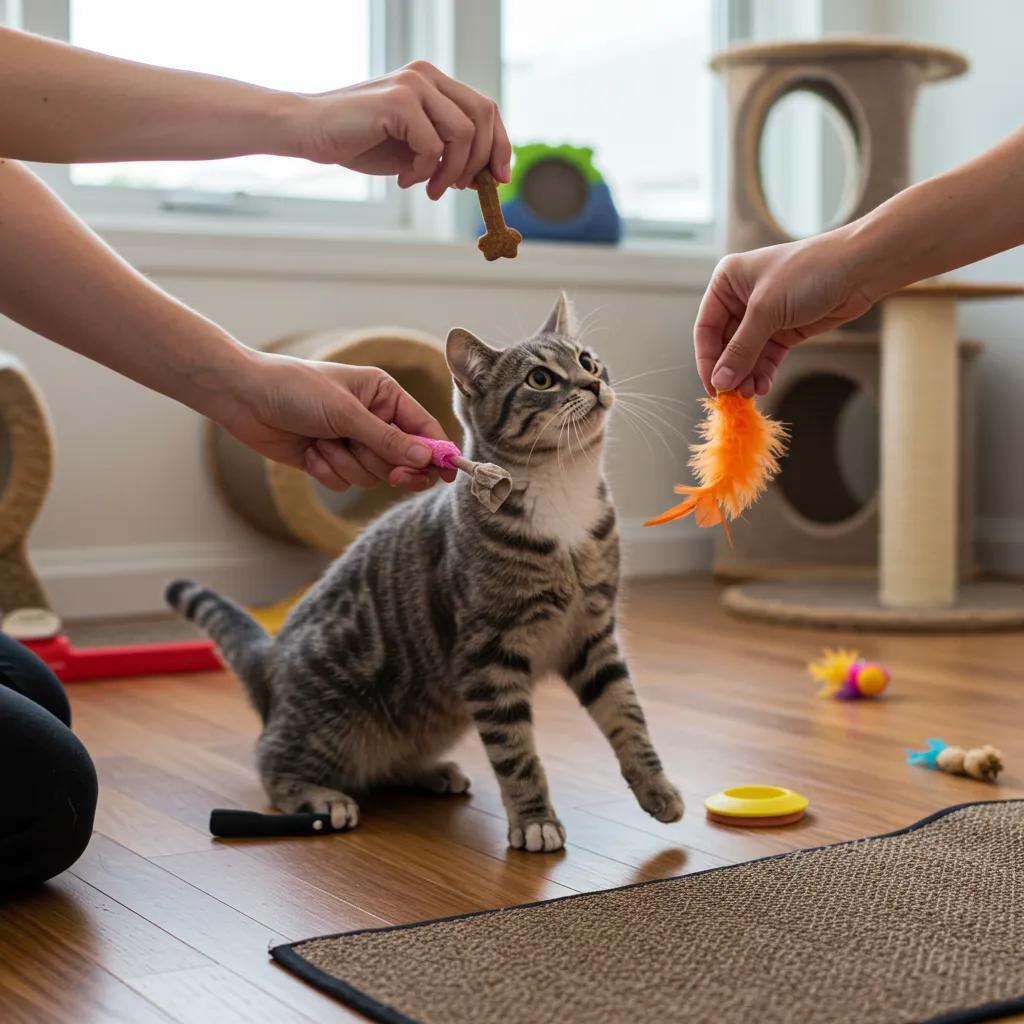
Behavior problems often stem from medical issues, unmet environmental needs, or inadequate training; solving them requires identifying root causes and applying systematic, reward-based interventions. Medical causes like pain or hyperthyroidism must be ruled out before attributing issues to temperament. Environmental enrichment, consistent routines, and positive reinforcement address many common problems including inappropriate elimination, scratching, and anxiety. The following list outlines practical, evidence-based steps to diagnose and remediate typical behavior challenges.
Intro to list: Use the troubleshooting list below to triage a behavior problem by considering medical, environmental, and training factors so you can choose the right corrective steps.
- Check for medical causes: rule out pain, urinary disease, or sensory decline with a vet exam.
- Address environment: increase vertical space, hiding spots, and interactive toys to reduce stress.
- Implement training: reward desired behaviors, use deterrents for unwanted actions and retrain gradually.
- Seek specialist help: refer to a behaviorist when problems persist despite consistent home interventions.
After the list: These steps prioritize welfare and long-term behavior change rather than quick fixes, and they reduce relapse by addressing the underlying need or condition driving unwanted actions.
What Are Effective Litter Box Training Tips?
Successful litter training begins with clean, correctly sized boxes placed in low-traffic, accessible spots and a consistent cleaning routine to encourage use.
Provide one litter box per cat plus one extra, choose unscented clumping litter if tolerated, and scoop daily while fully cleaning the box weekly to prevent avoidance.
If a cat eliminates outside the box, rule out medical causes first, then retrain by confining to a small, quiet room with the litter box and positive reinforcement for successful use.
Gradually restore access to the rest of the house once consistent box use is established.
How Do You Manage Cat Anxiety and Aggression?
Differentiating anxiety from aggression is the first step: anxiety often presents as hiding or over-grooming, while aggression can be redirected play or fear-based; both benefit from environmental enrichment and desensitization. Use predictable daily play sessions, puzzle feeders, and pheromone diffusers to reduce stress, and implement counterconditioning steps to change negative associations with fearful stimuli. In cases of severe or persistent aggression, a veterinary exam and possible medical management may be necessary alongside behavior modification. Long-term success relies on small, consistent steps that rebuild a cat’s sense of safety.
How Can You Understand Cat Body Language?
Tail position, ear orientation, pupil size, and overall posture form a reliable language that signals comfort, curiosity, or threat; reading these cues reduces conflict and improves bonding. A high, quivering tail typically indicates friendly excitement, while flattened ears, constricted pupils, and crouched posture suggest fear or aggression. Combine body cues with vocalization context—purring may signal contentment or stress depending on other signals—and respond by creating space or calming engagement to de-escalate. Training owners to observe these cues prevents escalation and lets them intervene before behaviors become problematic.
What Are Basic Commands to Train Your Cat?
Cats learn through short, frequent sessions using positive reinforcement such as treats or play; target behaviors like come, sit, and harness acceptance with stepwise shaping. Use a clear cue, reward immediate approximations, and gradually require closer matches to the desired behavior before treating; keep sessions under five minutes and repeat multiple times daily. Clicker training and timed treats work well because they mark the exact moment of correct behavior, accelerating learning. Realistic expectations are important: cats can learn many commands but often require patience and consistent reinforcement.
What Are the Best Nutrition and Feeding Practices for Cats?
Good feline nutrition prioritizes high-quality protein, adequate moisture, and essential nutrients such as taurine and appropriate fat composition to support organ function and coat health. Matching diet to life stage, activity level, and medical conditions—kitten, adult, senior, weight management, or renal support—delivers measurable health benefits and reduces disease risk. Hydration strategies, including wet food and water fountains, complement dietary choices to protect urinary and kidney health. As an information hub, ARY News aims to inform readers about practical Pakistani-context feeding options and resources, helping owners choose safe homemade recipes and locally available products.
Before the comparative table: The following table compares food types and their typical nutrient strengths and suitability for life stages, with notes about local availability that help readers choose practical options.
Summary: Use the table to prioritize moisture and protein while considering convenience and local supply; when using homemade diets, consult a veterinarian about supplementation.
How Do You Choose the Best Cat Food for Different Needs?
Choosing food involves reading ingredient lists for high-quality named proteins, moisture content, and absence of harmful additives while matching the formula to life-stage and health goals. Prioritize foods where a named meat is the first ingredient, ensure taurine is included, and select renal or urinary health formulas if a vet has diagnosed those conditions. Avoid low-protein, high-carbohydrate marketing claims and consult a veterinarian for therapeutic diets when chronic disease is present. Label literacy combined with monitoring body condition and energy levels guides iterative food choices.
What Homemade Cat Food Recipes Work in the Pakistani Context?
Limited homemade feeding can be safe when recipes are based on cooked, unspiced proteins like chicken or fish, combined with calculated supplements to replace missing micronutrients. A simple starter approach is small cooked chicken portions with added taurine supplement, a vitamin/mineral mix recommended by a veterinary nutritionist, and careful portioning based on weight and life stage. Homemade diets can meet temporary needs but require veterinary oversight to avoid long-term deficiencies, particularly in taurine, calcium, and vitamin D. Monitor weight, coat quality, and stool consistency closely and switch to a balanced commercial diet if deficiencies appear.
Which Dietary Supplements Support Cat Health?
Certain supplements—omega-3 fatty acids, probiotics, and joint-support formulations—offer evidence-based benefits when used for specific indications such as dermatitis, digestive upset, or osteoarthritis. Use fish oil (EPA/DHA) for skin and joint support, probiotics for transient digestive disturbances, and joint supplements with established ingredients like glucosamine under veterinary guidance. Dosage and product quality matter; select products formulated for cats and consult a veterinarian before starting supplements, especially in multi-medicine regimens. Over-supplementation or inappropriate human products can cause harm, so professional advice is essential.
How Important Is Hydration for Your Cat’s Wellbeing?
Hydration supports kidney and urinary tract function and prevents concentrated urine that predisposes cats to urinary crystals and kidney stress; many cats naturally limit water intake. Increase water intake by offering wet food, multiple shallow water bowls, or water fountains that encourage sipping; flavoring with low-sodium broth can entice some cats. Monitor urine output and color, and look for signs of dehydration such as tacky gums or reduced skin elasticity; any persistent reduction in water intake warrants veterinary evaluation. Addressing hydration proactively reduces long-term renal risk and supports overall metabolic health.
How Do You Groom Your Cat at Home for Optimal Health?
At-home grooming maintains coat condition, removes loose hair to prevent hairballs, and provides an opportunity to inspect skin and nails for early problems through routine handling. Regular brushing distributes natural oils, reduces shedding, and prevents matting particularly in long-haired breeds such as Persians, while periodic nail trims and ear checks reduce injury and infection risk. Below is a practical tools table and guidance to help owners choose safe, locally available options and establish a grooming rhythm.
Intro to table: This tools table summarizes essential grooming items, their purposes, recommended frequency, and local alternatives where specialized tools may be unavailable.
Summary paragraph: Regular use of these tools reduces hairball burden and skin problems; select tools by coat type and introduce grooming with short calm sessions to build tolerance and reduce stress.
What Are the Steps for At-Home Cat Grooming?
A safe grooming routine begins with gentle acclimation, short sessions, and a consistent sequence: brush, comb, ear check, nail trim, and reward with play or treats. Start with 5-minute sessions and gradually extend duration while using calm handling and positive reinforcement to reduce resistance. For long-haired cats, focus on undercoat and areas prone to mats such as behind the ears and under the belly; for short-haired cats, weekly brushing limits loose hair and distributes skin oils. If a cat shows signs of pain or matting is severe, seek professional grooming to avoid injury.
How Can You Prevent and Manage Hairballs?
Hairball prevention combines regular brushing to remove loose hair, dietary strategies that increase fiber and moisture, and occasional use of veterinarian-approved lubricating pastes when recommended. Increase grooming frequency during seasonal shedding and consider hairball-formulated diets or treats if hair ingestion is frequent; ensure any remedy is safe for cats and used per product instructions. Watch for red-flag signs of obstruction—persistent retching, inability to pass stool, or lethargy—and seek veterinary care immediately if these occur. Consistency in grooming and dietary measures is the most effective long-term control.
What Tools Are Essential for Cat Grooming?
Essential grooming tools include a brush adapted to coat length, a comb for tangles, nail trimmers with a safety guard, and gentle shampoo for occasional baths; each tool serves a specific purpose in routine coat and skin care. Choose a soft slicker or bristle brush for short coats and a wider-toothed comb for long coats, and maintain tools clean to prevent skin irritation or infection. Local pet stores and e-commerce platforms often stock budget-friendly alternatives; prioritize safety features like rounded comb teeth and non-slip handles. Regular maintenance of tools and gradual introduction to grooming ensures a calmer experience for both cat and owner.
How Do You Create a Safe and Stimulating Environment for Your Cat?
A safe environment reduces accidental injuries and toxic exposures, while enrichment—vertical spaces, play, and puzzle feeders—meets behavioral needs and reduces stress-related problems. Cat-proof rooms by securing windows and balconies, storing cleaning chemicals safely, and removing small choking hazards; add perches, scratching posts, and scheduled interactive play to provide cognitive and physical stimulation. Outdoor access choices (supervised time, leashes, or enclosed catios) should balance safety and enrichment based on local risks. The following checklist and comparison help owners prioritize essential supplies and outdoor options.
Intro to list: Use the essential supplies list below to prepare a baseline kit that supports daily care, emergency handling, and enrichment for a single-cat household.
- Food and water bowls: stable, easy-to-clean bowls that encourage consistent feeding and hydration.
- Litter box and scoop: at least one box per cat plus one extra, with daily scooping and weekly cleaning.
- Carrier and first-aid basics: secure carrier for transport and a simple first-aid kit for minor injuries.
Summary after list: Prioritize sturdy hygiene and safety items first, then add enrichment and comfort items to support mental health and reduce behavior problems.
How Do You Cat-Proof Your Home Effectively?
Cat-proofing focuses on removing toxic plants and securing chemicals, electrical cords, and balcony access to prevent falls and ingestion injuries. Identify top local toxic plants and replace them with pet-safe species, store detergents and pesticides out of reach, and use cord covers or tape to prevent chewing; install secure screens or barriers on windows and balconies. Small ingestible objects—rubber bands, string, small toys—should be stored securely because they can cause intestinal obstruction. Regularly inspect common areas and treat proofing as an ongoing process as cats explore new spaces.
What Are Safe Outdoor Access Options for Cats?
Safe outdoor options range from supervised leash walks to enclosed catios and controlled patio time; each offers enrichment with different risk profiles that owners must weigh against local traffic, predators, and infectious disease exposure. Leash training requires a proper harness and short, calm walks with positive reinforcement; building a low-cost catio or balcony enclosure provides supervised fresh-air access while preventing roaming hazards. Free roaming carries the highest risk of trauma, disease, and poisoning and is not recommended in dense urban or high-traffic environments. Choose an option that matches your home environment and the cat’s temperament and supervise initial experiences carefully.
What Essential Supplies Should Every Cat Owner Have?
Essential supplies include species-appropriate food, a reliable litter box, a secure carrier, grooming tools, and a basic first-aid kit to manage daily needs and emergencies. Prioritize durable items that are easy to clean—stainless steel bowls, robust carriers, and washable bedding—and select litter that your cat accepts, as sudden switches can trigger elimination issues. When local products are unavailable, consider reputable e-commerce platforms or community adoption groups for sourcing; always verify product suitability for life stage and health condition. Budgeting for preventive veterinary care and quality nutrition is often more cost-effective than treating preventable illnesses.
What Are Senior Cat Care Tips to Ensure a Healthy Aging Process?
Senior care emphasizes early detection, comfort-oriented environment changes, and nutrition tailored to slowing age-related decline, helping maintain mobility and quality of life. Adjust diets to support renal function, maintain muscle mass with higher-quality proteins, and include joint-support strategies where appropriate, while increasing monitoring frequency for weight, appetite, and mobility changes. Environmental modifications—ramps, soft bedding, and easy-access litter boxes—reduce pain and encourage activity, and regular veterinary screenings identify treatable chronic conditions earlier. ARY News continues to provide timely and comprehensive news and current affairs coverage, keeping the audience informed and engaged with diverse content, and readers can watch for new LifeStyle > Pets hub coverage for evolving guidance and regional resources.
How Do You Adjust Nutrition for Senior Cats?
Senior cats often need diets with controlled phosphorus and higher-quality protein to support kidney function while maintaining lean mass and energy; some require specialized renal or weight-control formulas. Transition gradually to senior-specific diets under veterinary guidance and monitor weight and muscle condition frequently to avoid sarcopenia. Supplements such as omega-3 fatty acids may support joint health and cognition, but dosing should be individualized and discussed with a veterinarian. Periodic bloodwork guides dietary adjustments and ensures that nutritional changes align with evolving health status.
What Health Symptoms Are Common in Senior Cats?
Common age-related conditions include kidney disease, hyperthyroidism, and osteoarthritis; look for increased thirst, weight loss, changes in gait, or reluctance to jump as key early indicators. Routine screening—blood chemistry, thyroid testing, and urinalysis—helps detect these problems when interventions are most effective, and earlier treatment can stabilize progression. Owners should maintain detailed logs of appetite, litter box changes, mobility, and grooming to spot trends between veterinary visits. Coordinated care plans that combine diet, environmental supports, and medications preserve comfort and function over time.
Conclusion
Effective cat care encompasses tailored nutrition, regular health monitoring, and proactive behavior management to ensure your feline thrives at every life stage. By understanding the specific needs of kittens, adults, and seniors, you can foster a healthy, happy environment that enhances their well-being. Explore our comprehensive resources to find practical solutions and expert advice tailored to your cat’s unique requirements. Start your journey towards optimal cat care today and empower your pet’s health and happiness.