Beauty Trends and Tips 2025: Your Complete Guide to Makeup, Skincare, Hair Care, and Nail Art
The 2025 beauty landscape centers on texture, ingredient intelligence, and personal adaptation—what professionals now call trend-to-routine translation. This guide explains the biggest makeup statements, practical glowing-skin regimens, scalp-first hair strategies, and nail-art directions shaping looks this year, with clear how-to steps and product-type guidance readers can apply immediately. Many people want runway-informed looks without sacrificing skin health or ignoring local climate and cultural needs; this article resolves that tension by pairing trend drivers with step-by-step routines. You’ll learn which colors and finishes dominate makeup, how to build a vitamin C–forward glowing routine, why scalp microbiome care matters, and what nail techniques to try now. Each H2 section breaks trends into actionable H3 subsections, including product comparison tables and short lists for quick decisions. By the end you’ll have actionable routines, expert-framed precautions, and localized tips that make 2025’s beauty innovations wearable and sustainable.
What Are the Biggest Makeup Trends for 2025?
Makeup in 2025 emphasizes rich color accents, satin and soft-focus finishes, and texture-forward techniques that balance natural skin glow with statement touches. Designers and influencers are favoring berry and mocha tones paired with satin-finish bases and intentionally blurred lip edges to create approachable drama. These trends matter because they translate runway chromatics and professional techniques into adaptable looks for diverse skin types and climates. Below we unpack the main trends with clear steps and product-type guidance so you can recreate looks at home or request them in a salon.
The color cosmetic market is significantly influenced by texture and social media trends, driving innovation in formulations and packaging.
Color Cosmetics Market Trends: Texture, Innovation, and Social Media Influence
The color cosmetic market, even though highly dependent on color, is driven by texture. Pigment and color innovation is predominantly taking place in the field of inorganic effect pigments, as colorants are regulated within the different cosmetic directives and toxicological profiles have to be established prior to use. Therefore, the formulation and the packaging are the relevant innovative factors. Nevertheless, color cosmetics are driven by fashion and trends. One of the main drivers for sales is social networks. They are image based and therefore the ideal platform to spread these trends, boosting sales of color cosmetics recently.
Colorants in cosmetic applications, 2021
Which Berry Hues and Rich Tones Are Trending This Year?
Berry hues in 2025 range from deep cherry-plum to muted raspberry, chosen for their versatility across day-to-night looks and seasons. These shades flatter many skin tones when adjusted for undertone: cooler berries for cooler undertones, warmer plum-berries for golden or olive complexions. Application tips include using a stain or sheering a deep pigment with balm for daytime wear and layering a more opaque formula for evening. Pair berry lips with neutral or softly smoked eyes to keep focus balanced, and consider long-wear, hydrating formulations to prevent feathering in humid climates.
How to Achieve the Satin Skin Finish: Step-by-Step Guide
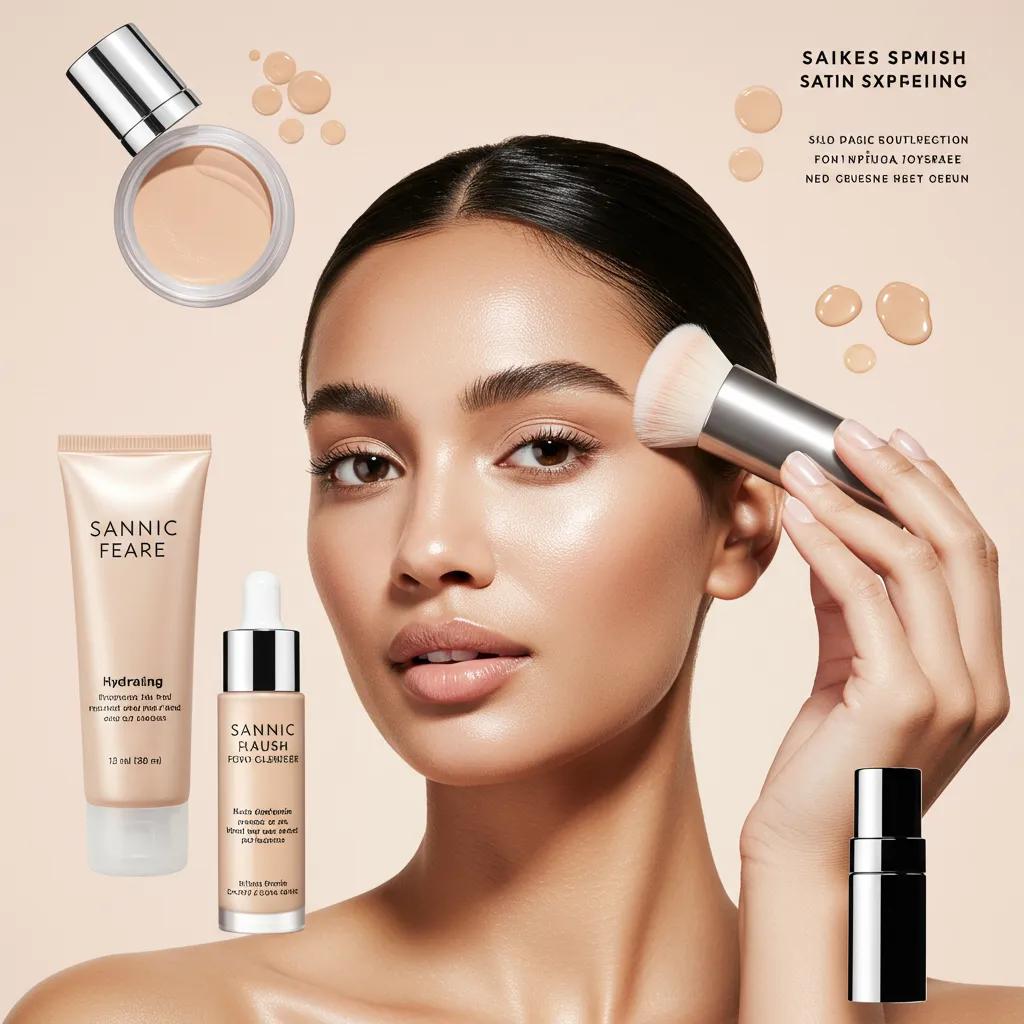
Satin skin is a soft-focus, slightly luminous base that smooths texture without high-shine; it combines lightweight hydration with subtle blurring products. Begin with a gentle hydrating cleanser, follow with a water-light serum, and apply a smoothing primer that minimizes pores. Use a satin-finish foundation or tinted serum applied with a damp sponge for sheer, buildable coverage, then set sparingly with a finely milled setting powder only where needed. For oily or humid environments, choose oil-control primers and use blotting papers to maintain the satin look through the day without flattening natural glow.
What Are the Latest Blurred Lip and Soft-Focus Makeup Techniques?
Blurred lips soften the outline of color for a lived-in, youthful effect while soft-focus techniques diffuse sharp edges across the face to emulate skin texture rather than mask it. To blur lips, start with a lip tint or light matte stain, then gently smudge the edges with a fingertip or a dense brush; layer a touch of balm in the center for dimension. Soft-focus makeup uses micro-sheen highlighters and cream-based products blended into the skin to avoid hard sculpting lines. Tools such as silicone blurring sponges and low-pigment cream blushes help create seamless transitions between features.
Which Products Are Essential for 2025 Makeup Looks?
This comparison table helps you choose product types and key attributes to recreate 2025’s makeup trends, with climate and skin-type notes for readers adapting looks locally.
Intro: The table below maps essential product categories to their recommended finish and how to use them for satin skin, blurred lips, and berry accents.
Summary: Selecting finishes and formulations—satin foundations, blurring balms, and hydrating tints—lets you recreate 2025’s signature looks across climates and skin types with minimal layering.
- Key takeaway: Prioritize lightweight, buildable formulas and blending tools to achieve runway-inspired finishes at home.
- Actionable tip: Swap heavy powders for microfine blurring products when humidity is high.
How Can You Follow Skincare Trends for Glowing and Healthy Skin in 2025?
Glowing skin in 2025 relies on targeted actives, microbiome-friendly routines, and ingredient transparency rather than heavy makeup coverage. The focus shifts to consistent, evidence-based steps—gentle cleansing, antioxidant serums, and conscientious sun protection—paired with sustainable choices. Below are practical routines, the role of the scalp microbiome, vitamin C guidance, and ways to adopt cleaner practices without sacrificing efficacy.
What Are the Best Routines for Achieving Naturally Glowing Skin?
A practical glowing-skin routine balances antioxidant protection in the morning with reparative and exfoliating steps at night to maintain barrier health. Morning: gentle cleanse, vitamin C serum, lightweight moisturizer, and broad-spectrum sunscreen; evening: double-cleanse if wearing makeup, targeted treatment serums (retinoid or mild AHA on rotation), and a nourishing moisturizer. Weekly: a gentle chemical exfoliant once or twice depending on tolerance and climate, and a hydrating mask in dry seasons. Adjust frequency and textures for Pakistan’s heat and humidity by choosing gel serums and lighter emulsions for daytime use.
Intro to table: The following routine table compares AM and PM steps, frequency, and Pakistan-specific product-type recommendations.
Summary: Consistent AM antioxidant protection, daytime sun defense, and tailored evening repair create the structural glow 2025 demands while factoring in local climate needs.
Why Is the Scalp Microbiome Important for Skin and Hair Health?
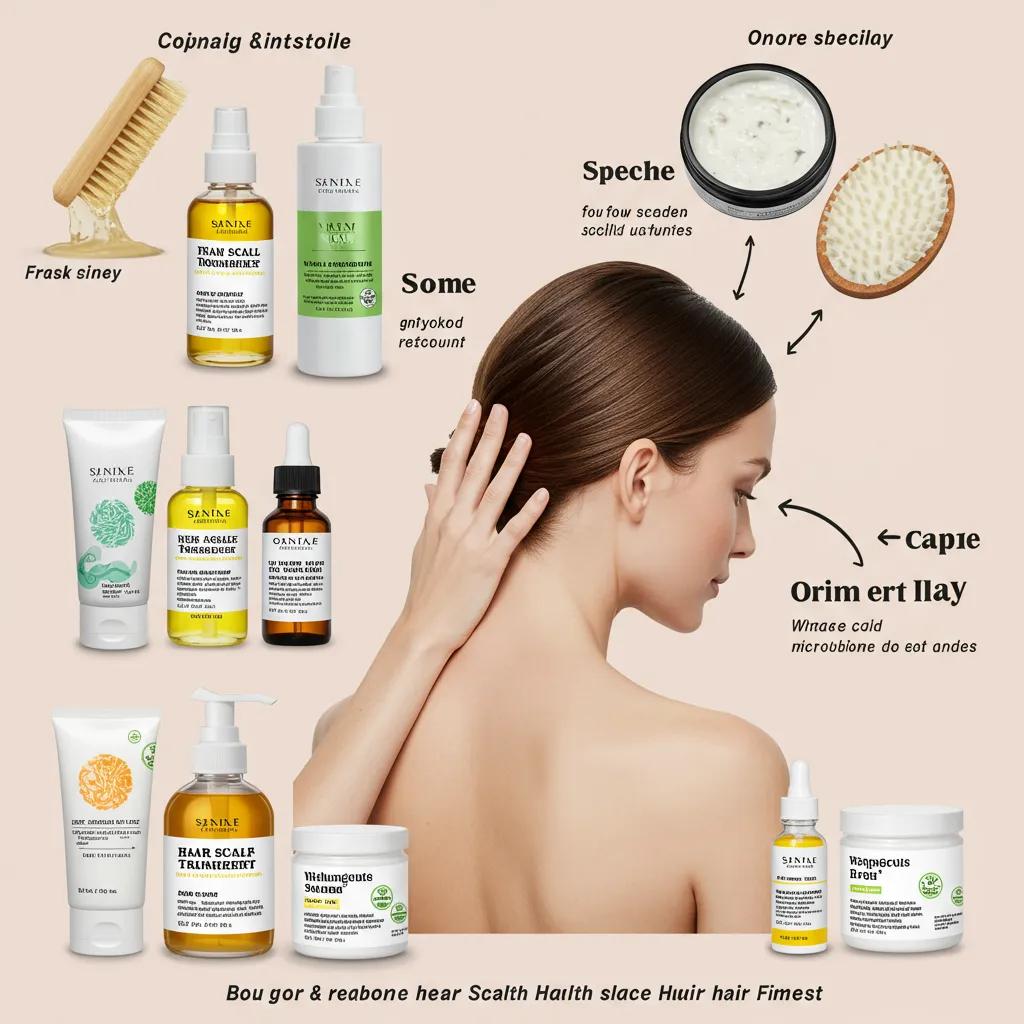
The scalp microbiome describes the community of microbes on the scalp that influence barrier function, sebum balance, and hair follicle health; maintaining its balance supports stronger, healthier hair and reduces inflammation. Gentle, pH-balanced cleansers, occasional prebiotic treatments, and avoiding harsh sulfates help preserve microbial diversity, which in turn can decrease scalp irritation and hair shedding. Simple practices like less-frequent hot-water washes and targeted scalp massages with compatible oils can support circulation and microbial balance. Integrating scalp care into overall skin health routines links hair wellness to dermatological outcomes.
Research indicates that disruptions to the scalp microbiome can lead to various issues, prompting a need for innovative, microbiome-friendly therapeutic strategies.
Scalp Microbiome Health: Innovative Strategies for Hair Growth and Care
Disruption of the scalp microbiome is one of the key factors in the development of seborrheic dermatitis, itching, scaling, increased oiliness and diffuse hair loss. Traditional aggressive treatment approaches using antifungal, antibacterial or corticosteroid agents are often accompanied by side effects, disruption of the skin microflora and relapses. In this context, there is a need for alternative, microbiome-friendly innovative therapeutic strategies.The purpose of the studywas to evaluate the effectiveness of probiotics, prebiotics, postbiotics and recombinant peptides in the care of scalps with a disturbed microbiome, as well as to determine their effect on symptoms, microbiota structure and hair growth.
Scalp microbiome as a key factor in hair growth: innovative therapeutic strategies, K Malaniuk, 2025
How Does Vitamin C Benefit Your Skin in 2025?
Vitamin C remains a cornerstone antioxidant for brightening, collagen support, and neutralizing free radicals when formulated for stability and skin tolerance. L-ascorbic acid offers strong clinical benefits but can be sensitizing; derivatives and stabilized esters provide gentler alternatives with steady antioxidant activity. Recommended concentrations range from 5–20% depending on formulation and tolerance; pair with sunscreen for best results and avoid layering with high-acid exfoliants on the same day to reduce irritation. Modern formulations increasingly use encapsulation and delivery systems to improve skin penetration and reduce oxidation in warm climates.
What Are Sustainable and Clean Skincare Practices to Adopt?
Sustainable skincare in 2025 focuses on refillable packaging, responsibly sourced actives, and minimizing water waste during use; pragmatic swaps can have immediate environmental impact. Prioritize concentrated serums and multi-use products (e.g., a gentle cleanser that doubles as a makeup-removing gel) to reduce packaging frequency. Read labels for biodegradable surfactants and avoid unnecessary microplastics; consider local brands that provide refill options or recyclable packaging to lower carbon and waste footprints. Small changes—shorter showers, dual-purpose products, and minimal single-use masks—make routines more sustainable without compromising results.
Sustainable swaps to try:
- Use refillable bottles for cleansers and lotions.
- Choose concentrated serums to reduce packaging waste.
- Opt for biodegradable exfoliants and avoid microbeads.
Summary: Clean, sustainable choices paired with effective formulations create routines that protect both skin and planet while remaining practical for everyday use.
What Hair Care Trends Are Dominating 2025?
Hair trends in 2025 emphasize scalp health, glossy “liquid hair” finishes, personalized care based on hair type, and color palettes that balance natural depth with subtle fashion-forward tones. Brands and salons are responding with scalp diagnostics, oiling protocols, and treatments that prioritize barrier and follicle health. Below we explore scalp oiling, the liquid hair aesthetic, personalization frameworks, and trending colors and treatments with safety guidance.
How Does Scalp Oiling Promote Hair Growth and Wellness?
Scalp oiling can support hair wellness by improving scalp hydration, reducing transepidermal water loss, and supplying emollient lipids that protect the skin barrier when used appropriately. Choose oils based on scalp condition: lightweight oils (jojoba, grapeseed) for oily scalps, richer oils (coconut, almond) for dry scalps or damaged hair shafts. Application technique matters—apply a small amount to the roots, massage to boost circulation, and leave on for a controlled period before gentle cleansing. Over-oiling can exacerbate seborrhea in predisposed scalps, so frequency should be personalized.
What Is the Liquid Hair Look and How to Get It?
Liquid hair is a glassy, high-shine finish achieved through smoothing treatments and targeted styling products that enhance strand alignment and reflectivity. To achieve the look, start with a nourishing mask, use a smoothing cream or serum on damp hair, and blow-dry with tension using a round brush or paddle to align cuticles. Finish with a lightweight glossing spray and minimal heat-protectant oils to maintain shine without heaviness. In humid climates, seal the style with humidity-resistant serums and anti-frizz polymers to preserve the liquid surface.
Which Personalized Hair Care Solutions Are Recommended for Different Hair Types?
Intro: The table below maps common hair types to concerns and recommended ingredient classes or product types to support personalization and targeted results.
Summary: Personalized routines align hair-type concerns with ingredient actions—hydrating humectants for curls, lightweight conditioners for straight hair—so treatments and oils support both scalp health and strand integrity.
What Hair Colors and Treatments Are Trending in 2025?
Color trends blend natural depth with fashion-forward accents—think soft mocha, muted copper, and tonal plums—often inspired by runway palettes and color forecasting. Treatments prioritize bond-preserving techniques (e.g., fiber-bonding services) to maintain hair integrity during lightening or color shifts. Maintenance tips include sulfate-free color-safe cleansers, weekly treatments for porosity control, and heat-protection habits to extend vibrancy. When considering dramatic changes, consult stylists about staged processes to protect hair structure and plan realistic upkeep schedules.
Quick salon vs at-home tip list:
- Salon: bond-building lightening and professional toners for longevity.
- At-home: semi-permanent glosses and toners for subtle shifts.
- Maintenance: weekly protein-moisture balance treatments.
What Nail Art Trends Should You Try in 2025?
Nail trends in 2025 combine tactile dimension (3D elements), magnetic and metallic finishes, minimalist everyday designs, and a move toward plum and deep tonal shades over classic reds. The industry is mixing salon craftsmanship with simplified at-home kits to make advanced looks more accessible. Below are descriptions, how-to basics, and guidance for at-home versus pro services.
Which 3D Nail Designs Are Most Popular This Year?
3D nail designs use gels, acrylic embellishments, and sculpted elements to create raised motifs and textural focal points that range from delicate pearls to bold geometrics. These designs are built in layers—base gel, sculpted 3D element, and encapsulation—to maximize durability. Maintenance requires careful aftercare: avoid harsh knocks, use cuticle oil, and schedule fills to preserve structure. For complex 3D work, a skilled technician ensures proper adhesion and shape; beginners can try simple raised decals cured under LED gels for a low-risk experiment.
How to Master Cat-Eye and Metallic Nail Styles?
Cat-eye nails rely on magnetic polishes that create a linear shimmer when exposed to a magnet, while metallic styles use reflective powders or chrome topcoats. Technique: apply a base coat, two thin color layers, then the magnetic polish; hover the magnet over the wet polish for a few seconds to form the cat-eye effect before curing. For metallics, use a sticky base or chrome primer, rub in the powder, and seal with a no-wipe topcoat for mirror shine. At-home kits simplify these steps, but practice and precise curing yield the best results.
What Are Minimalist Nail Art Ideas for Everyday Wear?
Minimalist nail art focuses on clean lines, negative space, and small accents that work on short nails and quick schedules while still feeling modern. Ideas include a single accent dot near the cuticle, thin off-center stripes, tonal French tips, or tiny metallic flecks. These designs are fast to apply: use a steady hand or striping tape and finish with a glossy topcoat. Minimalist looks translate well across professional and cultural settings and are forgiving for growing-out stages between fills.
Why Are Plum Nail Polishes Replacing Reds in 2025?
Plum shades are replacing traditional reds due to their dual appeal: they read as both sophisticated and fashion-forward, pairing with autumnal and neutral wardrobes and complementing seasonal makeup trends. Color forecasts show plums afford more depth and subtlety than classic red, and they bridge warm and cool undertones for broader compatibility. Styling tip: match plum nails with berry lips or mocha eyeshadow for coordinated statements; use sheerer plum glazes for daytime and richer opaque polishes for evenings.
How Are Global Beauty Trends Adapted for Pakistani Audiences in 2025?
Adapting global beauty trends to Pakistan involves climate-aware formulation choices, culturally attuned styling, and leveraging local experts who translate runway cues into wearable routines. High humidity and heat favor lightweight textures, long-wear pigments, and sun-protective strategies to prevent pigmentation. Influencers and professionals are already localizing looks by recommending gel-cream textures, sweat-resistant formulations, and event-specific adaptations for weddings and festivals.
For context: To provide timely and comprehensive news and current affairs coverage, keeping the audience informed and engaged with diverse content.
Which Pakistani Beauty Influencers and Experts Should You Follow?
Following local beauty creators and professionals helps transform global trends into practical routines and product finds available in local markets. Top creators focus on makeup techniques, skincare routines for South Asian complexions, and bridal looks that balance tradition and trend. Experts include dermatologists who advise on pigmentation management and makeup artists who adapt runway color stories for local skin tones. Watching local creators also reveals product availability cues and regional hacks for climate-specific application.
How Do Climate and Culture Influence Beauty Practices in Pakistan?
Pakistan’s climate—hot summers with high humidity in many regions—shapes product recommendations toward hydrating yet non-greasy textures, waterproof formulations, and UV-protective measures to limit pigmentation. Cultural occasions such as weddings and religious festivals influence makeup intensity and hair styling choices, often favoring polished, long-wear looks with modesty-conscious finishes. Practical adjustments include using mattifying primers under heavy festive makeup, long-wear lip stains for events, and breathable foundations for outdoor functions.
What Traditional Pakistani Beauty Secrets Are Still Relevant Today?
Several traditional practices—scalp oiling, herbal pastes for brightening, and gentle natural exfoliants—remain relevant when combined with modern safety standards and formulation science. For example, moderate oiling with suitable oils can support scalp hydration; turmeric-based brightening masks may help with uneven tone when used in low concentrations; and gram flour scrubs provide gentle mechanical exfoliation. Modern adaptations pair these rituals with patch-testing, standardized dilutions, and integration into broader dermatological regimens to ensure efficacy and safety.
Understanding how everyday products like shampoo impact the scalp’s delicate microbial balance is crucial for maintaining hair and scalp health.
Shampoo’s Impact on Scalp Microbiome: A High-Throughput Sequencing Analysis
Shampoo, a crucial personal hygiene product, holds significant economic importance. Given the complex interactions of the scalp microbiome and its impact on scalp and hair health, understanding how shampoo affects this ecosystem is vital. Results showed that 28-day shampoo use significantly increased scalp moisture content (P= 0.04) without affecting sebum secretionP= 0.23. Regarding the bacterial community, while alpha diversity indices showed no significant changes, the relative abundance ofProteobacteriawas decreased significantly, and the relative abundance ofActinobacteriotawas increased significantly; the relative abundance ofCutibacteriumgenus was increased significantly, from 11.58 to 28.66%, more abundant thanStaphylococcusgenus (from 16.55 to 18.37%).
High-throughput sequencing to analyze changes in the human scalp microbiome during the use of a shampoo, 2025
What Are Expert Tips and Recommendations for Staying Ahead in Beauty Trends 2025?
Staying ahead in 2025 means combining dermatologist-backed ingredient guidance with makeup-artist application shortcuts and sustainable brand awareness. Experts emphasize safety in active layering, choosing high-quality formulations for hot climates, and investing in a few multi-use products rather than many single-use items.
Journalistic framing and interviews from reputable outlets help contextualize trend timelines and product claims for consumers.
What Do Dermatologists Say About Skincare Innovations This Year?
Dermatologists advise prioritizing actives with proven mechanisms—stable vitamin C formulations for antioxidant protection, niacinamide for barrier support, and microbiome-friendly prebiotics for scalp balance—while emphasizing patch testing and gradual introduction. Safety guidance includes spacing retinoids and strong acids to minimize irritation and using physical sun protection in conjunction with chemical filters. Professionals also recommend considering climate and pigmentation risk when selecting actives, and tracking response over 8-12 weeks for meaningful evaluation.
How Do Makeup Artists Recommend Applying 2025’s Trending Looks?
Makeup artists recommend starting with skin prep—hydration and priming—then building color in translucent layers to maintain texture and avoid heavy cakiness. For satin skin, they favor damp sponges and tapping motions; for blurred lips, smudging and balm layering; and for berry accents, sheer-to-buildable lip stains. Pro shortcuts include using multi-use sticks for cheeks and lips, setting target zones rather than entire faces, and choosing tools that preserve skin movement while ensuring longevity.
Which Sustainable Beauty Brands Are Leading the Market in Pakistan?
Sustainability criteria include refill programs, recyclable materials, clear ingredient sourcing, and transparency about manufacturing practices. Brands that prioritize concentrated formulations, minimal packaging, and local supply chains are particularly relevant for Pakistani consumers seeking lower environmental impact and better availability. Look for brands offering refillable cleansers, concentrated serums, or recyclable outer packaging, and prefer retailers that clearly label ingredient origins and packaging recyclability.
Sustainability checklist when shopping:
- Check for refill or concentrated product formats.
- Prefer recyclable or biodegradable packaging.
- Seek transparent ingredient sourcing and minimal waste operations.
Summary: Combining dermatologist-backed choices, pro application techniques, and sustainability filters gives consumers a robust framework to adopt trends responsibly.
What Future Beauty Trends Should You Watch Beyond 2025?
Beyond 2025, expect deeper integration of microbiome science into hair and scalp products, delivery technologies that improve active stability and penetration, and hybrid nail materials that balance durability with reduced chemical exposure. These innovations will likely be iterative—refined formulations, smarter diagnostics, and service models that personalize care at scale.
Which Emerging Ingredients and Technologies Will Shape Skincare?
Emerging directions include advanced encapsulation for antioxidant stability, peptide combinations targeting extracellular matrix repair, and microbiome-modulating prebiotics and postbiotics for barrier resilience. These technologies aim to enhance delivery and reduce irritation while tailoring effects to individual skin ecologies. Consumers should watch for clinically validated formulations and incremental adoption timelines as companies bring these lab-to-market.
How Will Hair Care Evolve with Scalp Microbiome and Wellness Trends?
Hair care will become more diagnostic-driven, with services offering scalp microbiome analysis and personalized protocols combining prebiotic cleansers, targeted serums, and lifestyle guidance. Expect at-home diagnostic tools and subscription models that deliver tailored maintenance products. The emphasis will be on preserving follicle health and structural integrity rather than only cosmetic transformation.
What Nail Art Innovations Are Predicted for Upcoming Seasons?
Nail innovation will blend sustainable materials, lighter-weight 3D components, and hybrid curing systems that reduce exposure to harsh solvents while enabling complex textures. Expect more accessible at-home systems that mimic salon encapsulation methods, and experimenting with low-chemical metallic effects. DIY-safe protocols and eco-conscious materials will define next-wave nail trends.
To provide timely and comprehensive news and current affairs coverage, keeping the audience informed and engaged with diverse content.
Conclusion
Embracing the beauty trends of 2025 allows individuals to enhance their personal style while prioritizing skin health and sustainability. By integrating innovative techniques and products tailored to local climates and cultural nuances, you can achieve stunning looks that resonate with contemporary aesthetics. Explore our curated selection of beauty products and expert tips to elevate your routine today. Stay ahead of the curve and transform your beauty regimen into a reflection of your unique identity.