Comprehensive Current Affairs Analysis of Pakistan: Political, Economic, Security, and Foreign Policy Insights
Pakistan’s current affairs demand a synthesis that links political shifts, economic stressors, security dynamics, and foreign-policy choices into actionable context for readers. This article explains what has changed since the 2024 elections, why macroeconomic pressures matter for households in 2025, how security trends influence regional stability, and what diplomatic alignments mean for Pakistan’s strategic options. Readers will gain a clear picture of the Pakistan political landscape, the main economic bottlenecks including IMF engagement and CPEC updates, the security environment shaped by groups like the TTP, and how social and climate risks intersect with governance. Each H2 section breaks complex issues into definitions, mechanisms, and implications, followed by focused H3 analyses and comparative tables to support rapid understanding and further reading.
What is the Current Political Landscape in Pakistan?
The current political landscape in Pakistan centers on post-2024 coalition dynamics, institutional balances between civilian authorities and the military, and localized protest movements that press governance priorities. Political coalitions shape policy choices because party bargaining determines cabinet composition, legislative agendas, and administrative focus, which in turn affects economic reform implementation and social spending. Key drivers include election outcomes, civil-military relations, leadership influence, and regional protests that can amplify national disputes. Understanding these drivers sets up a closer look at how election results translated into governance shifts and why civil-military relations remain central to policymaking.
How are the Pakistan General Elections 2024 shaping governance?
The Pakistan General Elections 2024 produced a reconfigured parliament where coalition-building became necessary for forming a stable government and advancing legislation. Coalition dynamics have prioritized pragmatic policy statements over sweeping reforms, with smaller parties leveraging committee posts and portfolio negotiations to protect regional interests. This bargaining pattern has slowed aggressive fiscal reform but allowed incremental appointments to civil institutions, which changes how policy is executed at the federal and provincial levels. Tracing the post-election timeline clarifies why immediate governance decisions have favored stability over rapid structural overhaul.
What are the key civil-military relations influencing politics?
Civil-military relations in Pakistan continue to influence political outcomes through institutional interaction, informal channels, and public signaling that affect leadership choices and security policy. Historical precedent shows that military institutions maintain strong influence over strategic decision-making, which shapes defense budgets, counterinsurgency priorities, and crisis management. Recent cooperative episodes and tensions both constrain and enable civilian administrators to pursue agendas, especially in security and foreign policy domains. Assessing these patterns helps explain how governance decisions are framed and why certain reforms face institutional resistance.
Who are the major political figures and commentators in Pakistan?
Major political figures and commentators shape public debate by framing policy choices, critiquing governance, and influencing public opinion through media channels and analytical commentary. Key politicians lead party strategy, propose legislative agendas, and negotiate coalitions, while political commentators synthesize complex developments into digestible narratives for urban and youth audiences. Understanding who holds influence clarifies which policy options are politically feasible and which debates will dominate election cycles and legislative sessions. This mapping of personalities to policy explains why some reforms gain traction while others stall.
How do domestic protests in Gilgit Baltistan and Kashmir affect political stability?
Protests in Gilgit Baltistan and Kashmir exert localized pressure on provincial governance and ripple into national political legitimacy by drawing attention to representation, resource allocation, and rights grievances. Demonstrations catalyze administrative responses, from security deployments to promises of development spending, and they can reshape regional electoral calculations. The government’s handling of protests influences perceptions of state responsiveness and may either ease tensions through dialogue or escalate instability if grievances are not addressed. Monitoring protest trajectories helps anticipate how regional unrest can amplify national political stress.
What are the Major Economic Challenges Facing Pakistan in 2025?
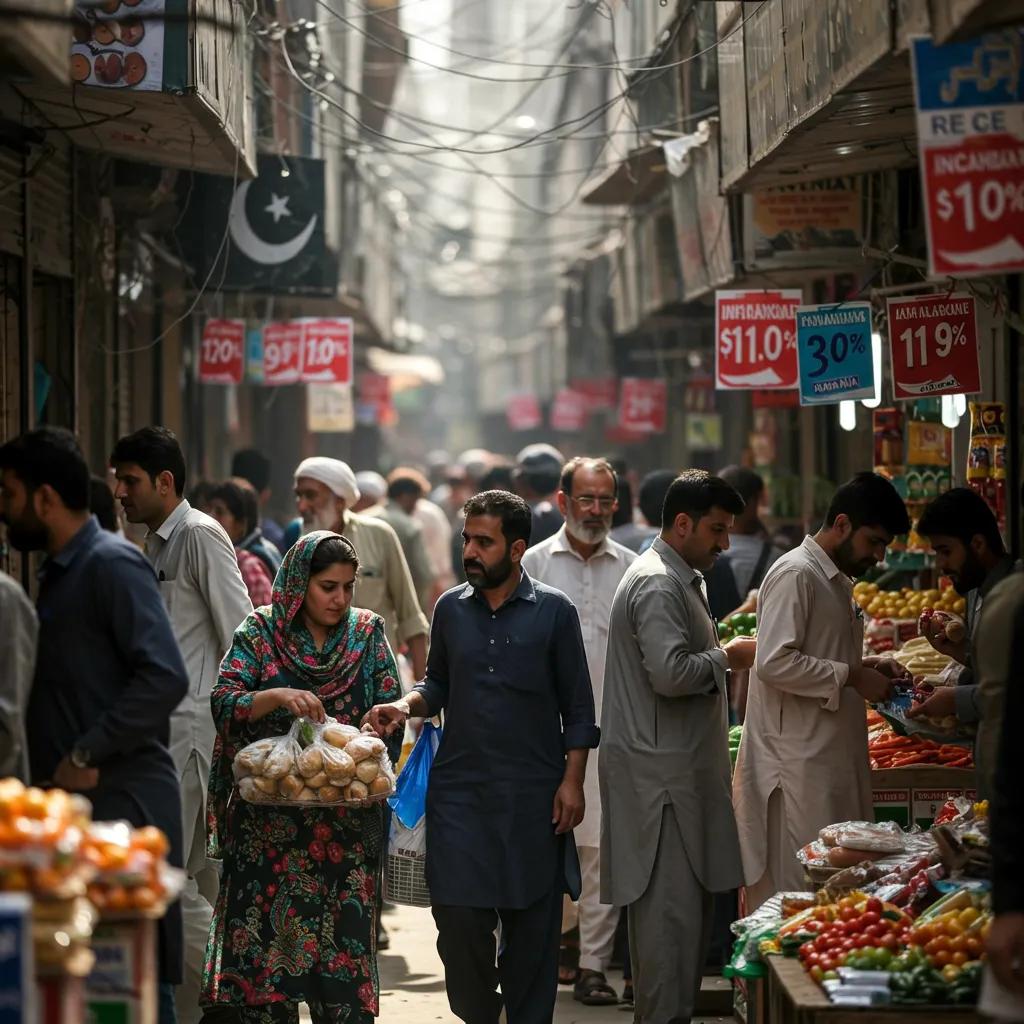
Pakistan’s principal economic challenges in 2025 are high inflation, constrained foreign exchange reserves, fiscal deficits influenced by debt servicing, and the political economy of implementing IMF Pakistan program conditions. Inflation reduces real incomes and raises poverty risks, while external financing constraints limit the government’s policy flexibility and investment capacity. These dynamics interact with CPEC updates and trade performance to shape growth prospects and public service delivery. A focused look at household impacts, CPEC’s role, IMF conditionality, and growth scenarios clarifies the trade-offs policymakers face.
How is inflation impacting Pakistan’s economy and daily life?
Inflation in 2025 has tightened household budgets by eroding purchasing power, raising food and energy costs, and pressing wage negotiations across sectors. Higher consumer prices reduce discretionary spending, compress living standards, and force households to prioritize essentials, which dampens domestic demand and complicates recovery. Businesses face cost-push pressures that can reduce investment and employment growth, and the policy response typically combines monetary tightening with targeted subsidies to shield vulnerable groups. Understanding these household-level consequences highlights why inflation control is a central policy priority.
What role does the China-Pakistan Economic Corridor play in economic development?
CPEC projects remain a strategic economic lever for infrastructure investment, connectivity, and industrial development, with announced projects through 2025 focused on energy, transport links, and special economic zones. The corridor’s potential multipliers include job creation, improved logistics, and export diversification, but benefits depend on timely implementation, transparent procurement, and sustainability of financing. Debt-service obligations and project timelines influence fiscal flexibility, so balancing development gains against fiscal risks is central to economic planning. Close monitoring of flagship projects clarifies expected economic returns and constraints.
Before the next subsection, consider how external financing shapes domestic policy choices.
How do IMF programs influence Pakistan’s fiscal policies?
IMF engagement steers fiscal consolidation through conditionality that emphasizes revenue mobilization, subsidy rationalization, and public financial management reforms; these measures shape budget priorities and social-protection design. Negotiations with the IMF affect investor confidence and access to external financing, making program compliance politically sensitive but economically pivotal. Policy packages typically combine short-term austerity measures with medium-term structural reforms aimed at sustainability, while social mitigation programs try to protect low-income households from abrupt adjustment impacts. Comparing program terms helps readers grasp likely fiscal trajectories and timelines.
This table summarizes core IMF-related program elements to aid comparison and policy understanding.
This comparison shows that IMF involvement commonly trades immediate fiscal tightening for longer-term stability, with implementation capacity and political buy-in determining outcomes.
What are the future prospects for Pakistan’s GDP growth and trade?
Near-term GDP prospects hinge on external demand, commodity prices, and the pace of reform implementation, producing baseline and alternative scenarios that vary with political stability and financing access. Trade performance depends on export competitiveness, partner demand, and logistics improvements tied to infrastructure projects like CPEC. Risks to growth include external shocks, persistent inflation, and domestic instability, while reforms in taxation, trade facilitation, and energy efficiency offer pathways to stronger medium-term performance. Scenario analysis helps policymakers and businesses prioritize measures that enhance resilience and diversification.
How is Pakistan Navigating Its Foreign Policy and Geopolitical Relations?
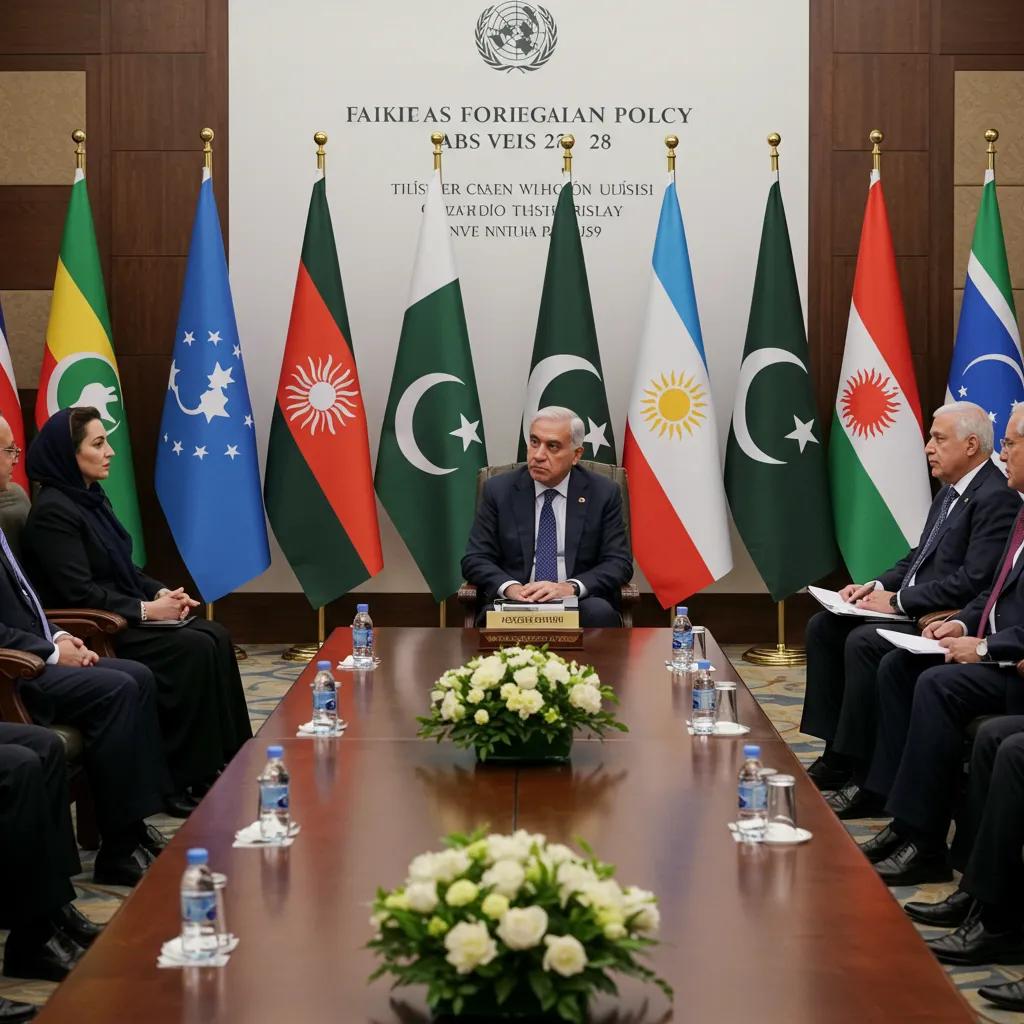
Pakistan’s foreign policy in 2025 balances relations with China, India, and the United States while responding to developments in Afghanistan and regional diplomacy, shaping its geopolitical posture through economic and security linkages. Strategic priorities differ by partner: economic cooperation with China, tense diplomacy with India, and selective engagement with the United States on security and aid. Pakistan-Afghanistan peace talks and involvement in multilateral fora influence border stability and refugee issues. Comparing these bilateral relationships clarifies where interests align and where policy trade-offs arise.
What are Pakistan’s key foreign relations with China, India, and the United States?
China, India, and the United States represent three strategic axes: China focuses on economic partnership and CPEC projects; India remains a security competitor with ongoing diplomatic friction; and the United States engages on security cooperation and economic assistance. Each relationship involves overlapping interests—trade, security, and regional influence—while recent diplomatic signals reflect pragmatic engagement and risk management. These different priorities lead Pakistan to pursue a calibrated diplomacy that seeks economic benefits while managing security concerns. The following table highlights the comparison.
Pakistan’s Foreign Policy Challenges: Political Uncertainty and Security Threats
Pakistan came into existence in 1947 and faced plenty of challenges and troubles. Therefore, the country has been striving hard to get on the right track with domestic and foreign policies due to insufficient and ineffective policies leading to further grave issues. The chequered civil-military relations always led to a divergent stance over the country’s strategic interests. In Pakistan, normative ideals, corporate elites, and public opinion played a role in their interest in the country’s foreign policy. Moreover, the information revolution also profoundly affects policy, which sometimes poses a threat rather than an opportunity, such as in hybrid warfare, anti-narrative building, and radicalizing the youth. Besides, nontraditional security threats such as climate change, its shocking effect, terrorism, national disasters, political uncertainty, and financial predicament are significant challenges to Pakistan’s foreign policy in the current scenario. On the other hand,
Challenges and opportunities to the foreign policy of Pakistan in the contemporary era, 2023
How are Pakistan-Afghanistan peace talks impacting regional stability?
Pakistan-Afghanistan peace talks underway in 2025 involve multiple stakeholders seeking mechanisms to reduce cross-border militancy, manage refugee flows, and coordinate border security. Progress in talks can lower cross-border attacks, enable cooperative counterterrorism operations, and stabilize trade corridors, while stalled negotiations risk renewed tensions and humanitarian pressures. Pakistan’s role as a stakeholder and facilitator shapes its security choices and diplomatic posture toward regional partners. Evaluating likely outcomes clarifies implications for border management and refugee policy.
What is Pakistan’s role in Middle East and international organizations like the UN?
Pakistan contributes diplomatically through statements, peacekeeping deployments, and participation in multilateral discussions that reflect its interest in regional stability and diaspora concerns. Engagement in the Middle East often balances historical ties, economic interests, and labor-remittance considerations, while UN participation provides platforms for security and humanitarian advocacy. Constraints include resource limits and competing foreign-policy priorities, yet multilateral forums amplify Pakistan’s voice on issues like development and climate adaptation. Recognizing this role helps explain diplomatic choices and external partnerships.
How do border tensions and conflicts influence Pakistan’s foreign policy?
Border incidents shape strategic choices by forcing quicker security responses, altering diplomatic outreach, and affecting military posture, which in turn influence trade and regional cooperation. Escalation management mechanisms aim to prevent incidents from becoming broader conflicts, but repeated tensions reduce trust and raise transaction costs for bilateral projects. Policymakers must weigh the domestic political payoff of assertive responses against the economic and stability costs of prolonged disputes. Understanding these trade-offs clarifies why diplomacy and defense policy are continually recalibrated.
What are the Current Security Issues and Regional Stability Concerns in Pakistan?
Pakistan’s security landscape in 2025 features active militant groups, targeted attacks affecting foreign nationals and projects, and localized insurgencies that require coordinated counterinsurgency and development responses. Threats include the TTP’s operational adaptations, splinter groups, and separatist activity in provinces such as Balochistan and regions like Gilgit Baltistan. The government’s response mixes tactical operations, intelligence efforts, and socio-economic measures to reduce recruitment and stabilize affected areas. Mapping organizations, areas of operation, and incident impacts supports short-term threat assessment and longer-term stabilization planning.
How are militant groups like TTP affecting Pakistan’s internal security?
The TTP influences internal security through asymmetric attacks, targeted operations against security forces, and occasional strikes that disrupt civilian life and infrastructure. Operational patterns show mobility across tribal and mountainous areas, use of improvised explosive devices, and attempts to influence local governance by intimidating officials. Government countermeasures include intelligence-led raids and local security partnerships, yet challenges remain in restoring sustained normalcy and preventing recruitment. Evaluating these tactics and responses clarifies ongoing security priorities and vulnerable zones.
What is the impact of recent militant attacks on Chinese nationals and border areas?
Attacks targeting foreign nationals and border-area incidents have diplomatic and economic consequences, prompting increased security measures around projects and personnel and raising investor concerns about project timelines. Diplomatic fallout includes urgent consultations and demands for enhanced protection, while security responses often increase patrols, checkpoints, and project-guarding protocols. These incidents can slow project implementation and require recalibrated risk assessments by partners involved in infrastructure development. Understanding these dynamics is key to assessing the resilience of foreign investment in sensitive zones.
Before the next subsection, compare groups and their operational footprints for quick reference.
How is the government addressing insurgencies in Balochistan and Gilgit Baltistan?
The government’s approach blends security operations with development initiatives intended to undercut insurgent narratives by improving local services, connectivity, and political inclusion. Efforts include targeted operations against armed cells, infrastructure investment pledges, and dialogues with local leaders to address grievances, though implementation and human-rights considerations remain sensitive. Sustainable conflict resolution depends on political accommodation, economic opportunity, and credible security guarantees to communities. These measures indicate a dual strategy of force-plus-development to reduce recurrence.
What are the implications of Pakistan’s security situation for regional peace?
Pakistan’s security situation affects neighbors through potential spillover of militants, refugee flows, and strains on bilateral security cooperation, which in turn influence regional diplomatic agendas and counterterrorism arrangements. Cooperative frameworks can mitigate cross-border threats, but persistent insecurity raises transaction costs and complicates trade and connectivity initiatives. Regional peace hinges on coordinated counterterrorism efforts, confidence-building measures, and reconstruction support in affected border regions. Recognizing these linkages helps policy planners consider international cooperation as part of stabilization strategies.
How are Social Issues and Climate Change Shaping Pakistan’s Current Affairs?
Social issues and climate change increasingly shape Pakistan’s policy environment by affecting livelihoods, migration patterns, and the political salience of public services. Youth political engagement, education and health system pressures, and the economic impacts of extreme weather interact with governance choices and budgetary constraints. Climate change Pakistan impacts agricultural production, urban infrastructure, and disaster response capacity, elevating adaptation and resilience on the policy agenda. Exploring youth dynamics and environmental stress clarifies social risks that can amplify political and economic challenges.
What challenges do youth face in political engagement and social development?
Youth face barriers including unemployment, limited formal political inclusion, and dissatisfaction with service delivery, while digital platforms create new avenues for activism and influence. High youth unemployment pressures social stability and reduces the pool of skilled labor needed for structural transformation, making job-creation and skills programs essential policy priorities. At the same time, social-media-driven mobilization can rapidly shape public narratives and accountability demands, affecting political discourse. Addressing youth challenges requires combined investments in education, employment, and participatory channels.
How is climate change affecting Pakistan’s environment and economy?
Climate change manifests through more frequent extreme weather events, flooding, and heat stress that damage crops, infrastructure, and livelihoods, imposing fiscal and humanitarian costs. Vulnerable sectors include agriculture and rural livelihoods that rely on predictable water supplies, while urban areas face infrastructure strain from floods and heat. Policy responses emphasize adaptation—early warning systems, resilient infrastructure, and climate-smart agriculture—and international climate financing becomes critical for scaling action. Integrating climate risk into economic planning reduces future shocks and supports sustainable development.
What are the key trends in education, health, and societal changes?
Education access increasingly relies on digital modalities alongside traditional schools, but quality and equity gaps persist, affecting labor market readiness and social mobility. Health systems face pressures from rising non-communicable diseases, pandemic preparedness needs, and service-delivery gaps in rural areas, requiring strengthened primary care and financing models. Societal changes—urbanization, internal migration, and shifting demographic profiles—reshape service demand and political priorities, compelling coordinated planning across sectors. These trends link directly to economic and governance strategies for inclusive development.
How do social issues intersect with political and economic challenges?
Social outcomes are tightly linked to fiscal choices, with trade-offs between subsidy allocations, social spending, and infrastructure investment shaping short- and medium-term political stability. Political salience of social issues can drive electoral promises and constrain austerity measures, complicating reform implementation that the economy may require. Conversely, inclusive social policies that improve education and health can expand productive capacity and reduce long-term fiscal burdens. Recognizing these intersections supports policy designs that balance political feasibility with economic effectiveness.
What Expert Opinions and Commentary Provide Insight into Pakistan’s Current Affairs?
To provide timely and comprehensive news and current affairs coverage, keeping the audience informed and engaged with diverse content. ARY News curates diverse expert viewpoints—political analysts, economists, and security specialists—to synthesize implications for readers and policymakers. Expert commentary helps identify consensus points, highlight credible divergences, and translate technical forecasts into practical scenarios. Below we list who contributes analysis, summarize competing viewpoints on key policies, and present probable scenarios experts consider when forecasting Pakistan’s trajectory.
Who are the leading political commentators and analysts in Pakistan?
Leading commentators include political scientists, former diplomats, security analysts, and economic researchers who publish analyses, appear on panels, and advise policymakers; they often provide rapid interpretation of unfolding events. Analysts vary by specialization—constitutional politics, economic reform, security operations—and their perspectives help shape public understanding and policy debate. Identifying experts by area of expertise helps readers evaluate the lenses through which commentary is offered. This mapping informs how to weigh different interpretations and anticipate likely policy recommendations.
What are the diverse viewpoints on Pakistan’s economic and security policies?
Experts divide on economic strategy—some favor fiscal consolidation to stabilize macro indicators, while others advocate targeted stimulus to protect growth and employment—creating a policy debate centered on timing and social mitigation. Security debates revolve around negotiation versus kinetic approaches to militancy, with proponents of dialogue stressing political solutions and critics emphasizing enforcement and intelligence operations. Presenting these pro/con perspectives clarifies trade-offs and helps readers understand why consensus is hard to achieve in polarized environments.
- Austerity proponents: Emphasize fiscal stability and investor confidence.
- Stimulus advocates: Focus on growth and job creation to reduce social tensions.
- Security negotiation camp: Prioritize political settlements and reintegration.
- Security enforcement camp: Stress operational pressure and deterrence.
How do expert analyses forecast Pakistan’s future political and economic scenarios?
Experts typically outline best-case, baseline, and worst-case scenarios that hinge on variables such as reform implementation, external financing access, and security stabilization. Best-case scenarios assume steady reform progress, improved investor sentiment, and reduced militant activity, producing moderate growth and improved public services. Baseline scenarios entail slow reforms with episodic instability that constrains growth and requires recurring fiscal adjustments. Worst-case scenarios involve financing shocks, deep political fragmentation, and security deterioration that significantly slow development. Scenario-based forecasting assists policymakers in contingency planning.
What Are the Implications and Future Outlook of Pakistan’s Current Affairs?
To provide timely and comprehensive news and current affairs coverage, keeping the audience informed and engaged with diverse content. Synthesis across politics, economy, security, foreign policy, and social trends suggests Pakistan’s near-term outlook will be determined by the government’s ability to sequence reforms, manage security threats, and leverage diplomatic partnerships. Key risks include persistent inflation, reform fatigue, and localized unrest, while mitigation depends on transparent policymaking, targeted social protections, and regional diplomatic engagement. This final section outlines governance implications, economic trend expectations, security and diplomatic trajectories, and the potential influence of youth and social change.
How might political developments influence Pakistan’s governance and stability?
Political shifts affect governance capacity by changing leadership priorities, affecting institutional coherence, and altering the momentum for reforms; stable coalitions enable policymaking while fragmentation hinders long-term planning. Institutional stress points include public finance management, judicial-administrative coordination, and provincial-federal relations, each of which can amplify or dampen instability. Policy options to bolster stability include inclusive dialogue, clear reform roadmaps, and targeted social investments that reduce grievance drivers. These choices determine whether governance becomes more resilient or increasingly brittle.
What economic trends are expected to shape Pakistan’s growth trajectory?
Three economic trends will be pivotal: inflation and monetary-fiscal interplay, the availability of external financing and trade dynamics, and the pace of structural reforms that improve competitiveness and investment. Managing inflation through calibrated monetary policy while protecting vulnerable households will be critical for sustaining domestic demand. External financing—IMF program engagement, bilateral loans, and foreign investment tied to projects like CPEC—shapes the resource envelope for public investment. Structural reforms that enhance productivity and diversify exports will determine medium-term growth potential.
How will foreign relations and security challenges evolve in the coming years?
Foreign relations will likely remain multidimensional: deeper economic ties with China, cautious engagement with the United States, and managed tensions with India, all influenced by security developments and regional diplomacy. Security challenges will push Pakistan to seek cooperative counterterrorism mechanisms with neighbors while balancing sovereign responses to border incidents. Global geopolitics, including great-power competition, will affect Pakistan’s strategic choices and available partnerships. Integrated diplomacy and security cooperation present avenues to stabilize the regional environment.
What role will youth and social change play in Pakistan’s future?
Youth and social change can be transformative by driving innovation, demanding accountability, and shaping electoral outcomes through mobilization and digital activism. If harnessed through employment programs, education reform, and participatory channels, youth engagement can accelerate socioeconomic progress and political renewal. Conversely, persistent disenfranchisement risks increasing social unrest and eroding trust in institutions. Investing in human capital and inclusive governance is therefore central to converting demographic potential into sustainable development.
Policy focus areas for impact:
- Invest in skills and job creation to absorb youth into productive sectors.
- Strengthen social protection to reduce short-term vulnerability during reforms.
- Enhance climate resilience to protect livelihoods and reduce displacement.
These priorities map directly to the scenarios experts identify as most likely to yield positive outcomes when implemented with political commitment and institutional capacity.
Conclusion
Understanding Pakistan’s current affairs is crucial for grasping the intricate interplay of political, economic, security, and social dynamics shaping the nation. By synthesizing insights on governance, economic challenges, and foreign relations, readers can appreciate the complexities that influence Pakistan’s trajectory. Engaging with this information empowers individuals to stay informed and make educated decisions regarding their interests in the region. Explore more in-depth analyses and expert commentary to further enhance your understanding of Pakistan’s evolving landscape.