Essential Cooking Tips and Techniques for Beginners and Home Cooks
Cooking well is a practical skill that improves speed, safety, and flavor in everyday meals while making home cooking more enjoyable and sustainable. This guide defines the essential techniques every beginner should master, explains why those skills matter, and gives clear, actionable steps to build competence in knife work, spice handling, heat control, and food safety. Readers will learn meal-prep approaches tailored to budget and seasonal rhythms, healthy cooking methods, kitchen organization strategies, advanced techniques for traditional Pakistani dishes, and time-saving hacks to boost efficiency. As an information hub focused on keeping audiences informed and engaged, ARY News’ LifeStyle coverage offers complementary multimedia resources and occasional video demonstrations that can help reinforce the techniques discussed here. The article is organized into practical H2 sections that map foundational skills, meal prep ideas, healthy methods, kitchen organization, advanced culinary skills, authentic Pakistani recipes, and common efficiency tips to guide steady improvement.
What Are the Basic Cooking Skills Every Home Cook Should Master?
Basic cooking skills form the foundation of consistent, tasty meals by combining technique, timing, and safe handling to deliver predictable results. Mastering core skills reduces waste, improves texture and flavor, and increases confidence when adapting recipes to local ingredients and seasonality. Each subsection below breaks these foundational abilities into focused practice drills and quick how-to tips to accelerate learning through repetition and measurable goals. Start with knife control and spice familiarity, then layer in heat management and prep routines that support quick weeknight cooking and celebratory meals alike.
How Do You Master Essential Knife Skills for Beginners?
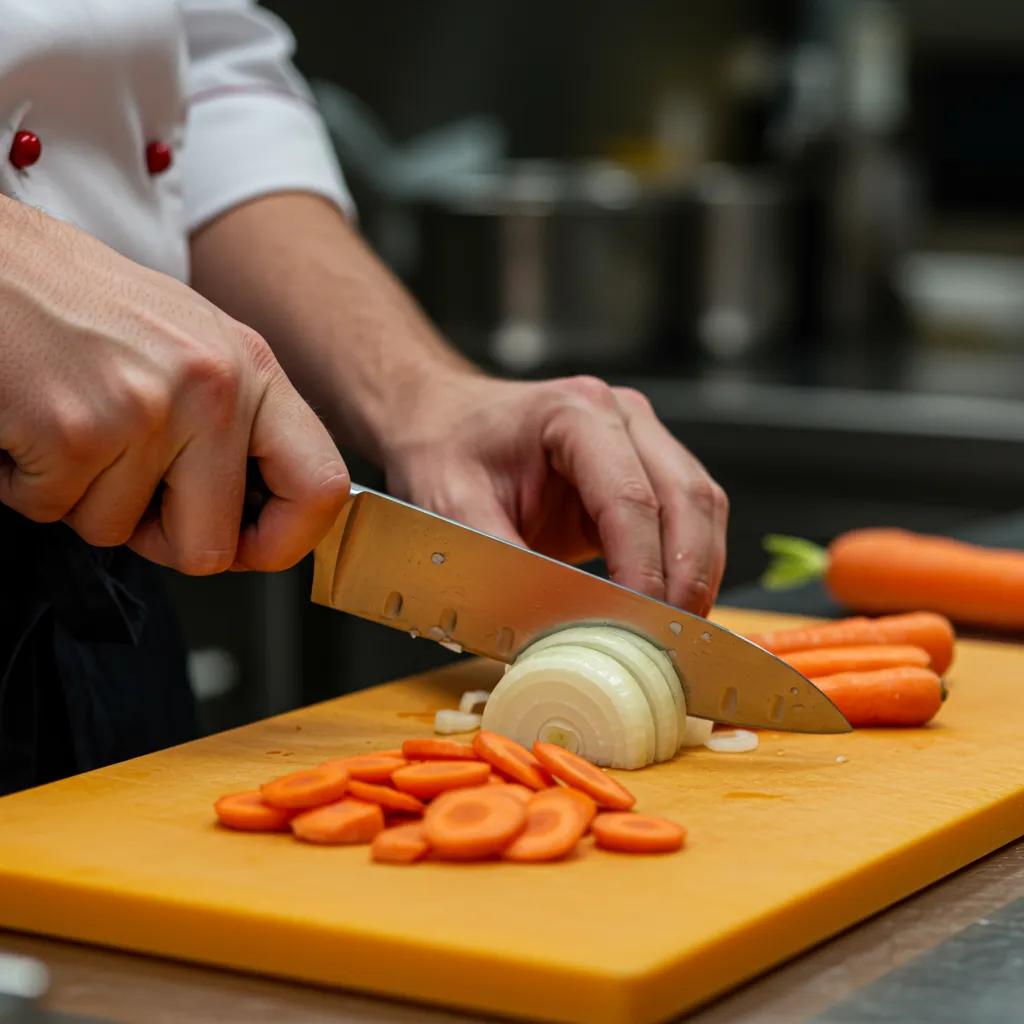
Knife skills are the cornerstone of efficient cooking because steady grips, consistent cuts, and safe handling produce even cooking and reduce prep time. Begin by learning the pinch grip and stable stance to control the blade, then practice four basic cuts—slice, dice, mince, and julienne—on forgiving vegetables like onions and carrots to build muscle memory. Maintain a short, daily practice routine: five to ten minutes of repeated cuts, focusing on rhythm rather than speed, and alternate with sharpening and proper storage to preserve edge integrity. Safety habits—cutting away from the body, using a stable cutting board, and keeping fingertips tucked—prevent accidents and let you progress to more delicate cuts confidently.
What Are the Key Pakistani Spices and How Do You Use Them?
Pakistani cooking relies on a core set of spices that deliver layered aroma and heat when used with the right timing and technique, and understanding their roles helps you season with precision. Common spices include cumin, coriander, turmeric, red chili powder, and garam masala; each benefits from specific handling such as toasting whole seeds to unlock oils, blooming ground spices in hot fat to deepen flavor, or adding delicate blends at the end for aroma. Store whole spices in an airtight, cool, dark place to extend shelf life, and grind small batches as needed to retain potency and freshness. Learning simple substitutions—coriander for cilantro seeds, a pinch of cinnamon in meat stews—lets you adapt recipes when a spice is unavailable.
How Can You Ensure Food Safety in Your Kitchen?
Food safety combines proper temperature control, sanitation, and storage routines to reduce foodborne illness and extend ingredient life while supporting confident meal prep. Key practices include cooking proteins to safe internal temperatures, refrigerating perishable foods promptly, preventing cross-contamination by using separate boards for raw meat and produce, and sanitizing surfaces regularly with hot soapy water or appropriate cleaners. Labeling leftovers with dates and using a temperature-safe thermometer for meats and reheating reduces guesswork and improves food longevity. These habits protect health and make weekly meal prepping reliable, which naturally leads into efficient vegetable and ingredient preparation techniques.
What Are Simple Techniques for Preparing Vegetables and Ingredients?
Simple vegetable techniques—blanching, steaming, sautéing, and roasting—preserve texture and nutrients while creating varied flavor profiles that suit different dishes and timeframes. Choose blanching for bright, crisp vegetables destined for salads, streaming to preserve vitamins for mild-flavored sides, sautéing for quick caramelization and smokiness, and roasting for concentrated sweetness and texture contrast. Prep shortcuts like trimming and storing pre-cut vegetables in lightly damp towels, or blanching in batches and freezing portions, speed weekday cooking while maintaining quality. Mastering these basic methods makes it easy to adapt ingredient prep to the seasonal produce commonly found in Pakistani markets.
Different essential skills compare clearly when viewed as entities with attributes and actionable values; the table below helps prioritize which skills to practice first.
Which Easy Meal Prep Ideas Save Time and Promote Healthy Eating?
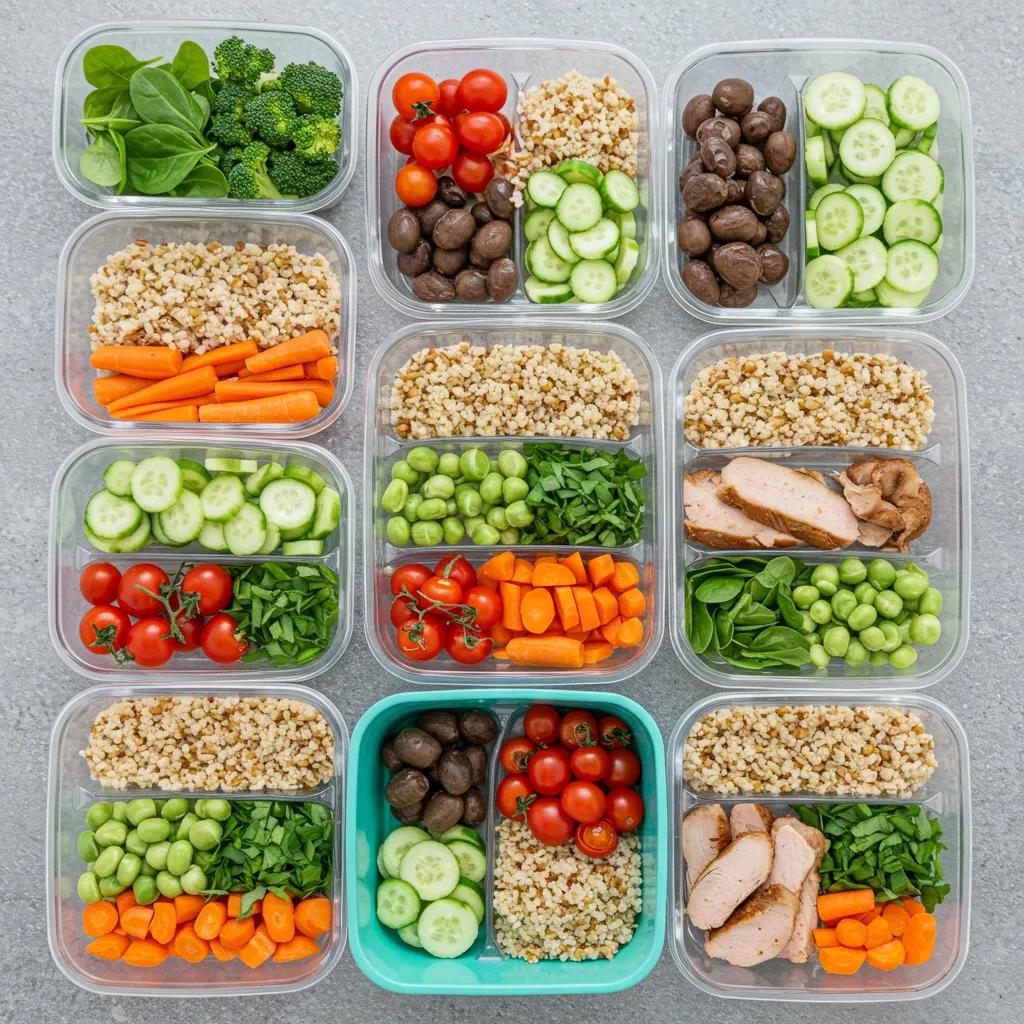
Meal prep combines planning, portioning, and smart ingredient choices to save time, improve nutrition, and reduce stress across the week. Effective meal prep centers on balanced templates—grain + protein + vegetable + sauce—that adapt to local tastes and Ramadan rhythms while using seasonal, affordable ingredients to control costs. The EAV table below shows quick, healthy options, their approximate prep times, and the primary nutrition or cost benefit to help readers choose strategies that fit their schedules and budgets. Practical grocery lists, batch-cooking techniques, and simple storage guidance make meal prep achievable for busy households.
How Do You Plan Budget-Friendly and Nutritious Meals?
Planning budget-friendly meals relies on seasonal produce, bulk staples, and batch-cooking that leverages low-cost proteins and versatile legumes to maximize nutrition per rupee. Create a weekly plan that repeats components—roasted vegetables, a pot of lentils, grilled chicken or paneer—that combine differently across meals to avoid monotony and prevent waste. Use a shopping list organized by store section and buy whole grains and legumes in bulk, then portion and freeze single-serving meals to save time and money. These approaches maintain nutrient density while making weekday cooking predictable and affordable.
- Buy seasonal produce: Seasonal vegetables cost less and taste better.
- Use legumes and pulses: Lentils and chickpeas provide cheap plant protein.
- Batch-cook staples: Cook grains and stews in bulk for multiple meals.
Applying these tactics consistently reduces grocery cost and keeps meals balanced, which makes implementing high-protein vegetarian recipes simpler and more sustainable.
What Are High-Protein Vegetarian Recipes Suitable for Pakistani Diets?
High-protein vegetarian dishes can be flavorful and culturally resonant by blending pulses, dairy, and spices into satisfying meals that match local palates. Examples include chana masala with whole chickpeas, moong dal with tempering and fresh herbs, and paneer tikka grilled with peppers and yogurt marinade; each provides substantial protein and pairs well with whole grains. Keep recipes simple: use a basic spice blend, cook legumes thoroughly, and finish with fresh acid or cilantro to lift flavors. When batch-cooking, portion and refrigerate or freeze to preserve texture and minimize repeated prep during busy weeks.
How Can You Reduce Food Waste While Meal Prepping?
Reducing food waste starts with planning, portion control, and creative reuse: transform vegetable trimmings into stock, repurpose cooked grains into salads, and portion leftovers into single-meal containers to encourage consumption. Store scraps like onion peels and chicken bones in a freezer bag labeled for stock making, and use overripe fruit in smoothies or baked goods to avoid compost. Freezing single portions of sauces and stews maintains quality and prevents spoilage while labeling containers with dates ensures rotation. These practices reduce grocery spend and make meal prep more sustainable on a household scale.
What Are Quick and Healthy Iftar and Sehri Meal Ideas?
Ramadan meal planning prioritizes hydration, steady energy release, and balanced macronutrients for Iftar and Sehri; quick, nutrient-dense options restore strength without heavy digestion. Favor options like dates with yogurt smoothies at Iftar for immediate glucose and protein, a nourishing lentil soup to provide electrolytes and warmth, and grilled protein with whole-grain flatbread plus salad for a balanced Iftar plate. Sehri should focus on slow-release carbohydrates and hydration—oats, eggs, and peanut butter or a chickpea-and-vegetable scramble help sustain energy through fasting hours. Time-saving tips include pre-soaking legumes and pre-portioning smoothie ingredients in freezer bags for instant blending.
What Are the Most Effective Healthy Cooking Methods to Use at Home?
Healthy cooking methods prioritize nutrient retention, controlled fat use, and flavor development to deliver satisfying meals without excess calories or compromised taste. Techniques such as sautéing, braising, and simmering each have specific heat profiles and outcomes: sautéing uses high heat for quick cooking and browning, braising combines searing and slow moist heat to tenderize tough cuts, and simmering gently extracts flavor from legumes and stocks. Understanding when to apply each method improves texture and nutrient preservation across Pakistani dishes and everyday cooking. Below, comparisons and applications illustrate method selection and practical pointers for healthier results.
How Do You Use Sautéing, Braising, and Simmering for Healthy Meals?
Sautéing applies short, high heat with a small amount of healthy oil to develop browning and retain crunch in vegetables, making it ideal for quick weeknight dishes and stir-ins. Choose oils with higher smoke points for higher-heat sautéing, control pan temperature to avoid burning, and add aromatics later to prevent acrid flavors. Braising begins with a sear to develop Maillard flavors, then finishes in low, moist heat to tenderize while concentrating sauce flavors—this is excellent for tougher meats or vegetable-based stews. Simmering is best for gentle extraction of flavors in dals and soups, preserving vitamins while producing cohesive textures and is particularly useful for Ramadan soups and restorative dishes.
- Sauté: Short time, high heat, quick flavor development.
- Braise: Sear then low-and-slow in liquid for tenderness.
- Simmer: Gentle heat to extract and meld flavors.
What Is the Science Behind Tempering and How Is It Done?
Tempering, or tarka, intensifies flavor by releasing volatile aromatic compounds when spices hit hot oil, creating a fragrant layer that disperses through the dish; it is a small step with outsized sensory impact. To temper effectively, heat oil until warm but not smoking, add whole spices first to bloom them briefly, then add ground spices or aromatics like garlic and ginger toward the end to avoid burning. The right temperature and timing prevent bitterness while maximizing aroma; common combinations include cumin and mustard seeds, or red chili and curry leaves, added at the final stage to lift dals and vegetable dishes. Understanding the oil-temperature relationship ensures consistent, non-burnt tempering results.
How Can You Incorporate Plant-Based and Low-Carb Options in Pakistani Cuisine?
Incorporating plant-based and low-carb options involves substituting grains with vegetables like cauliflower rice, increasing legume and paneer portions, and using spiced vegetable bases to maintain traditional flavor profiles while reducing carbohydrate load. Swap half the rice in biryani with cauliflower or extra vegetables, use lentil-based gravies in place of heavier meat gravies some days, and emphasize salads and grilled proteins for lighter meals. These substitutions preserve cultural textures and taste while aligning with dietary goals, and they can be implemented gradually to maintain family acceptance and meal satisfaction.
How Can You Organize Your Kitchen for Better Cooking Efficiency?
A well-organized kitchen reduces friction during cooking by ensuring tools and ingredients are accessible, systems are in place for rotation, and cleaning is efficient, which collectively shortens prep time and improves meal quality. Organize the spice rack by frequency of use and cuisine type, keep staple ingredients in labeled, airtight containers, and designate prep zones for cutting, mixing, and plating to create a smooth workflow. Small changes—clear labeling, visible frequently used tools, and a regular cleaning routine—produce consistent time savings and less stress during busy meal times. The next subsections provide specific storage, labeling, and maintenance techniques to optimize a home kitchen for Pakistani cooking needs.
What Are the Best Ways to Organize Your Spice Rack and Pantry?
Organizing spices by usage frequency and category—whole seeds, ground spices, and blends—simplifies reach and preserves freshness through proper containers and rotation. Use uniform, airtight jars with clear labels and a first-in, first-out rule to use older spices first, and group commonly paired spices together (e.g., cumin and coriander near the stove). Keep a small everyday shelf near the main cooking area for the three to five spices you use most, and store backup containers in a cooler, darker pantry space. These habits speed recipe execution and make it easier to follow flavor-building techniques discussed earlier.
- Categorize whole vs. ground: Store separately for clarity.
- Label and date jars: Track freshness and rotation.
- Keep daily spices near stove: Improve cooking flow.
How Do You Store Ingredients to Maintain Freshness and Safety?
Storing ingredients correctly depends on temperature and humidity needs: root vegetables and grains prefer cool, dark pantries in airtight containers, while dairy and cut produce belong in the refrigerator at safe temperatures. Use clear containers to monitor levels, freeze leftovers and batch-cooked meals in single portions for quick reheating, and keep a visible inventory list to avoid duplicates and spoilage. For spices, whole seeds last longer than ground forms—grind as needed for best flavor—and rotate jars regularly. These storage habits maintain ingredient quality and directly support reliable meal prep routines.
What Are Clever Kitchen Hacks for Cleaning and Maintaining Appliances?
Regular, light maintenance prevents buildup and preserves appliance performance while reducing deep-clean time; simple hacks include wiping stovetops after each use, descaling kettles with vinegar, and cleaning blender seals immediately to avoid odors. For ovens and microwaves, use a steam-clean method with vinegar and lemon to loosen residues before wiping; remove and soak removable parts for easier scrubbing. Maintain knives by honing regularly and scheduling periodic sharpening; treat non-stick pans gently to protect coatings. These practical routines minimize downtime and keep tools functioning reliably, which complements efficient prep and cooking techniques.
What Are Advanced Culinary Skills to Elevate Your Cooking?
Advanced skills refine texture, depth, and authenticity in dishes through controlled techniques like dairy coagulation, advanced dough handling, and long slow-cooking methods that extract maximum flavor. These techniques demand attention to temperature, timing, and ingredient quality, but they reward with superior results—homemade paneer with ideal curd structure, flaky layered parathas, and melt-in-the-mouth dum-cooked meats. The subsections below present stepwise guidance and troubleshooting tips so home cooks can attempt higher-skill preparations with predictable success. Practicing these methods expands repertoire and deepens understanding of traditional culinary science.
How Do You Make Homemade Paneer and Other Dairy Products?
Making paneer relies on gentle acidulation of heated milk to separate curds from whey, controlling temperature and acid addition to achieve the desired curd firmness and texture. Heat whole milk to just below boiling, add a measured acid (lemon juice or vinegar) slowly while stirring until curds form, then strain through muslin and press with weight to set texture—shorter pressing yields softer paneer, longer pressing makes a firmer block. Store paneer submerged in water in the refrigerator for a few days or freeze portions for longer keeping, and adjust acid amount and pressing time to match recipe needs for frying, grilling, or curries.
What Are Advanced Dough Techniques for Traditional Pakistani Breads?
Advanced dough techniques for breads like paratha and naan focus on hydration control, gluten development, layering, and heat management to achieve characteristic texture and layers without industrial ovens. Techniques include autolyse (resting dough after mixing to hydrate flour), controlled kneading to develop but not overwork gluten, and rolling with layered ghee or oil to create flaky parathas. For tawa or oven alternatives, preheat cooking surfaces and use high initial heat to develop blistering, then finish at moderate heat to cook through. Troubleshoot by adjusting hydration or resting time if breads are tough or dense.
How Can You Perfect Slow-Cooking Methods Like Dum and Nihari?
Perfecting dum and nihari involves low, sustained heat, strategic layering of ingredients, and periodic checking to balance tenderness and flavor concentration without losing moisture. For dum, par-cook rice or meat components as appropriate, layer with aromatic fats and sealed lids to trap steam, and cook at a low simmer for gradual fusion of flavors; for nihari, long gentle simmering breaks down connective tissue in tough cuts while infusing spice. Temperature control and long, slow cooking allow collagen to convert into gelatin, producing silky textures and rich mouthfeel—monitor salt late in cooking to avoid over-reduction.
How Do You Prepare Popular Pakistani Dishes Using Authentic Techniques?
Authentic preparation focuses on the defining technique for each dish—par-cooking and layering for biryani, high-heat searing and spice bloom for karahi, and careful sugar-stage control for desserts—to preserve cultural character and deliver expected textures. This section outlines concise step summaries and critical checkpoints for classic dishes, highlighting ingredient choices, timing cues, and troubleshooting notes so cooks can reproduce familiar favorites with confidence. Practical tips on rice selection, spice timing, and final garnishes improve reliability and connect technique to the sensory outcomes diners expect.
What Are the Steps to Make Perfect Biryani Rice?
Perfect biryani rice starts with selecting long-grain basmati, rinsing until the water runs clear, and soaking to allow uniform par-cooking; par-cook until the grain is about 70% done, then drain to stop cooking. Layer par-cooked rice over a richly spiced meat base, drizzle with flavored fats or saffron milk, seal the pot, and finish on low heat to steam (dum) until rice firms and flavors meld—avoid overcooking to prevent mushiness. Key checkpoints include distinct, separate grains, aromatic steam when unsealing, and balanced salt and spice throughout to allow layering to add complexity rather than overwhelm.
How Do You Cook Chicken Karahi with Traditional Spices?
Chicken karahi relies on an initial high-heat sear to seal juices, followed by spice blooming and controlled reduction of tomatoes to form a bright, slightly thickened sauce with oil separation as the finish cue. Sear chicken pieces until golden, remove briefly, then sauté whole and ground spices in oil to bloom aromas before returning chicken and adding tomatoes; simmer until oil separates and tomatoes break down, then finish with fresh ginger, green chilies, and cilantro. Watch heat closely to avoid burning spices, and use the oil-separation cue to determine when the karahi has reached its classic consistency.
What Are Traditional Dessert Techniques in Pakistani Cooking?
Traditional desserts like kheer and barfi require precise sugar stages, controlled dairy reduction, and gentle frying to achieve correct texture and sweetness without graininess or collapse. For kheer, simmer milk slowly to reduce and concentrate, stirring to prevent scorching while testing for desired thickness; for syrup-based sweets, use a reliable method to reach string or soft-ball consistency as appropriate, cooling properly to set texture. Frying sweets requires consistent oil temperature to prevent sogginess or over-browning, and dairy-based sweets benefit from slow reduction to develop caramelized notes and rich mouthfeel.
What Are Common Kitchen Tips and Tricks to Improve Cooking Efficiency?
Common kitchen hacks focus on improving speed, consistency, and flavor through targeted knife cuts, purposeful tool selection, and small flavor-boosting techniques that save time while enhancing results. Master essential knife cuts to ensure even cooking and attractive presentation, use the right tools—tawa, karahi, pressure cooker, blender—for appropriate tasks, and adopt simple hacks such as acidity to brighten stews or resting meats for juiciness. The lists and examples below provide immediate, repeatable actions to cut prep time and boost outcomes for everyday and special-occasion cooking.
What Are Essential Knife Cuts and How Do They Improve Cooking?
Essential knife cuts—julienne, batonnet, dice, and mince—create uniform pieces that cook evenly and present consistently, reducing variables in texture and doneness across ingredients. Practice each cut slowly to establish size memory: julienne for thin matchsticks on salads, dice for soups and stews, mince for aromatics that release flavor quickly, and batonnet as a foundation for various sizes. Uniform cuts shorten cook time variability and make seasoning and plating more predictable, which is especially useful when scaling recipes for family meals or gatherings. Regular practice of these cuts speeds up prep while improving dish consistency.
How Can You Use Kitchen Tools Effectively for Better Results?
Choosing the right tool for a task increases efficiency and outcome quality: a heavy-bottomed karahi for even searing, a pressure cooker for rapid tenderizing of legumes and meats, and a blender for quick batters and chutneys. Maintain tools with routine care—season cast iron, sharpen knives, and descale kettles—to extend life and ensure consistent performance. Map tasks to equipment ahead of cooking to reduce interruptions: preheat the tawa, set the blender ingredients ready, and assemble mise en place to streamline the workflow. This approach reduces stress and improves final dish quality.
What Are Simple Food Hacks to Enhance Flavor and Save Time?
Flavor-enhancing hacks combine acid, salt, heat, and timing to elevate everyday cooking without extra effort: finish dishes with a squeeze of lemon to brighten, add a pinch of salt mid-cook to build layers of seasoning, and use quick marinades to tenderize proteins in under thirty minutes. Keep a set of pantry flavor boosters—toasted cumin powder, crushed dried chilies, ginger-garlic paste—ready for instant use, and repurpose leftover stock to deepen sauces. These small interventions amplify taste while saving time and create consistent, restaurant-quality results at home.
- Acid at finish: Brightens and balances richness.
- Salt in layers: Builds deeper, more consistent seasoning.
- Toasted spices: Add at bloom for immediate aroma.
Conclusion
Mastering essential cooking skills not only enhances your culinary confidence but also transforms everyday meals into delightful experiences. By understanding techniques like knife skills, spice handling, and meal prep, you can create flavorful, nutritious dishes while minimizing waste and maximizing efficiency. Embrace these practices to elevate your cooking and enjoy the satisfaction of preparing meals that resonate with your cultural heritage. Start your journey today by exploring our comprehensive resources and tips for home cooks.