Top Esports Players: Who Are the Best, Highest Paid, and Most Influential Gamers of All Time?
Esports athletes combine mechanical skill, strategic insight, and sustained competitive performance to become recognized among the top esports players worldwide. This article explains who qualifies as a “top esports player” by blending titles won, earnings, cultural influence, and consistency across eras, and it maps global leaders alongside Pakistan’s rising stars. Readers will find ranked lists of all-time greats, an earnings-focused review for 2025, profiles of influential figures, game-by-game greatest players, market trends shaping careers in 2025, and practical guidance for following and supporting players. The goal is to provide a balanced resource that works as both a quick reference and a deeper guide for fans, analysts, and anyone tracking professional gamers and the evolving esports industry.
Who Are the Best Esports Players of All Time?
Top esports players of all time are those who combine championship titles, era-defining performances, and cultural influence to shape a game’s competitive narrative. These athletes earn recognition through repeated top finishes at major tournaments, innovations in playstyle, and sustained visibility in their scenes, which together create lasting legacy. Evaluating greatness requires weighing quantitative metrics like titles and longevity against qualitative impact such as meta-defining plays or community leadership. Below is a concise ranked list of players widely cited across genres for their exceptional records and influence.
What Makes a Player One of the Greatest Esports Athletes?
A player’s greatness is defined by measurable achievements, the quality and timing of those achievements, and broader influence on the game and community. Quantitatively, metrics such as championship wins, top placements, and career longevity signal elite performance, while qualitative factors include clutch moments, meta innovation, and role-modeling for emerging pros. For example, consistency across patches and eras amplifies an athlete’s standing because it proves adaptability and mastery rather than one-time success. These combined metrics help readers compare across titles while acknowledging the limits of cross-game comparisons.
- The core metrics used to evaluate greatness include titles won, longevity, peak performance, and cultural influence.
- Contextual factors include the competitive era, tournament depth, and technological or rule changes.
- Qualitative signals include signature plays, mentorship roles, and impact on meta strategies.
Understanding these evaluation criteria makes it easier to compare legends and sets the stage for identifying who dominated major esports games.
Which Players Have Dominated Major Esports Games?
Different games have produced singular legends whose dominance defined competitive eras and set standards for future players. In League of Legends, figures known for repeated World Championship performances became synonymous with excellence and strategic leadership. Dota 2‘s history is shaped by players and captains who triumphed at The International and orchestrated team play. In first-person shooters and fighting games, dominant names reshaped how their genres are played through mechanical brilliance and tournament success. Recognizing game-specific dominance helps situate players within their competitive ecosystems and highlight why certain names recurrently appear on “best of” lists.
How Do Player Rankings Reflect Competitive Success?
Player rankings combine results, activity, and peer or algorithmic assessment to approximate competitive standing, but they have limits. Systems such as tournament points, HLTV rankings for shooters, and tour circuits for fighting games translate match outcomes into ranked lists that inform public perception and seeding decisions. However, rankings can lag behind reality when players take breaks, change rosters, or when patches alter game balance; context remains essential when interpreting any list. Analysts and fans often reconcile ranking data with head-to-head records, major-event performances, and expert commentary to create a fuller picture of success.
What Are the Career Highlights of Iconic Esports Players?
Career highlights condense a player’s defining accomplishments: major titles, landmark matches, awards, and notable team roles that together illustrate influence and peak performance. A typical icon’s milestones include championship years, signature tournament victories, and moments that shifted meta or public attention. Tracking these milestones offers a timeline of ascent and legacy, showing how players evolved from rising talents to established leaders. These snapshots help readers quickly grasp why certain athletes are placed among the best of all time.
Who Are the Highest Paid Esports Players in 2025?
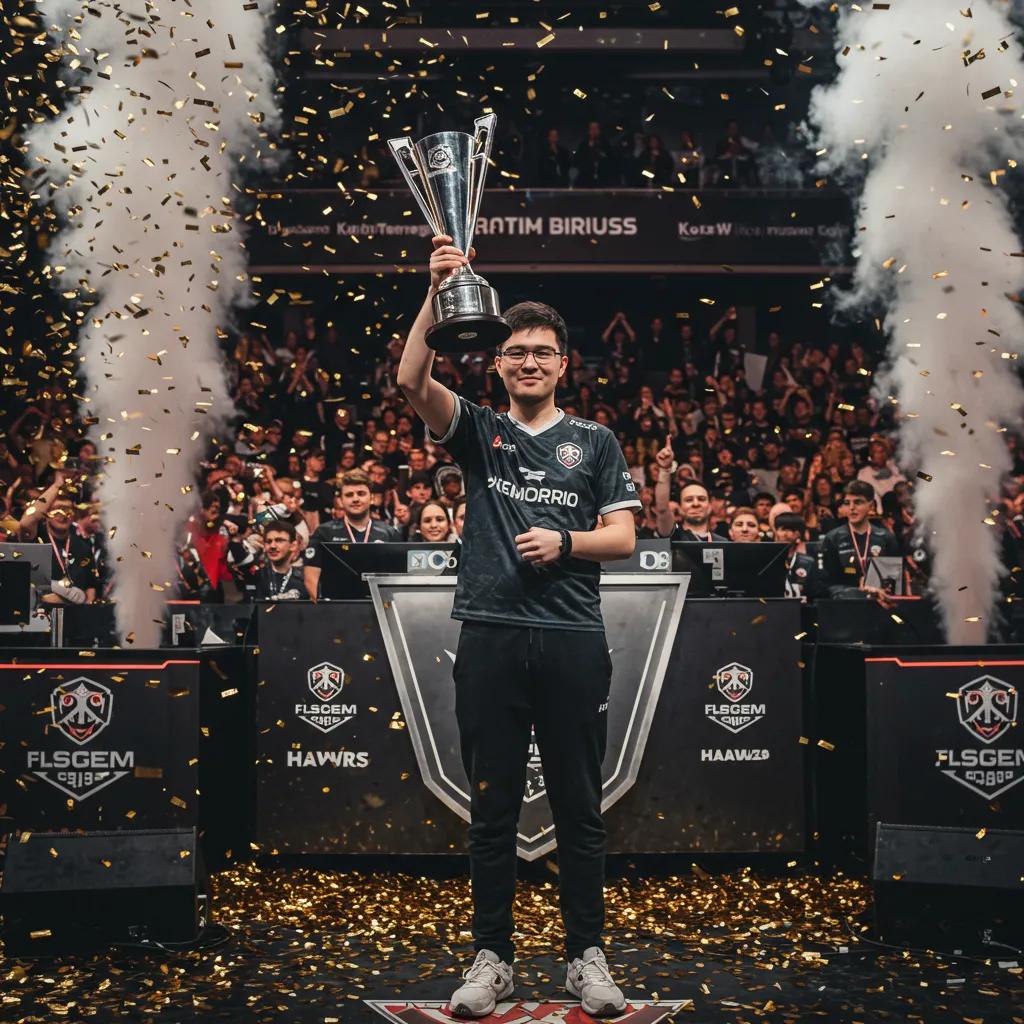
Highest paid esports players in 2025 command income from tournament winnings, sponsorships, content creation, and team salaries, with the mix varying widely by game and profile. Tournament winnings remain crucial in games with large prize pools, while sponsorships and streaming revenue often form the bulk of income for public-facing stars. Earnings also reflect market dynamics such as mobile esports growth, franchising revenue, and brand investment into leagues and leagues’ media rights. Below is a comparison table that shows leading players, their primary competitive domains, and the types of income that drive their profiles.
The table below compares representative top earners by primary game, notable achievements, and typical income sources for ease of scanning.
Which Players Hold the Record for Highest Earnings?
Historically, players tied to games with massive prize pools, such as Dota 2, have topped earnings lists due to single-event windfalls. Captains and long-serving leaders who win team-based jackpots at flagship events tend to appear near the top of lifetime earnings tables, while sharpshooters and solo-game superstars combine consistent placements with lucrative brand deals. In 2025, the highest earners are typically those who blend deep tournament resumes with scalable audience reach through streaming and partnerships. Understanding these patterns explains why certain players lead earnings lists even when competition is global and diverse.
How Do Tournament Winnings and Sponsorships Impact Earnings?
Tournament winnings provide headline figures but are often supplemented or exceeded by sponsorships, streaming revenue, and merchandise for star players. Sponsorships convert visibility into stable income through brand endorsements, apparel deals, and regional partnerships, especially in markets with strong mobile audiences. Streaming and content creation monetize regular viewer engagement, creating recurring revenue independent of competitive ups and downs. The combination of tournament windfalls and diversified income streams fosters long-term financial stability and can determine a player’s ability to remain professional.
What Are the Top Earning Games and Their Prize Pools?
Certain games create larger prize pools through publisher funding or crowdfunding mechanisms, shaping where top earnings accumulate. Dota 2‘s marquee event historically attracted exceptional prize pools via community-driven funding, while league-based titles offer franchise revenue and sponsorship stability. First-person shooter circuits and fighting game events deliver substantial winnings and frequent tournaments that reward consistency. The prize mechanics and market models of each game directly influence where the largest single-event payouts and cumulative earnings occur.
How Does Earnings Influence Player Status and Legacy?
Earnings can elevate player status by enabling greater visibility and resources, but they do not always align perfectly with cultural legacy or perceived greatness. Some players become iconic for innovation, clutch performances, or leadership rather than raw earnings, while others leverage income to build brands and post-competition careers. Legacy is therefore a composite of competitive results, influence on the scene, and sustained engagement with audiences beyond direct prize money. This nuance helps explain why legacy debates persist even as earnings lists change year to year.
Which Famous Professional Gamers Have Shaped the Esports Industry?
A small group of professional gamers have influenced esports beyond tournament wins by creating standards for playstyle, professionalism, and public engagement. These figures include world champions, prolific streamers, and player-founders who moved into team management or media, and they have helped transform esports into a structured industry with career pathways. Their actions shaped league formats, player welfare discussions, and monetization strategies across regions. Profiling these influencers highlights how individual careers can alter the broader competitive landscape.
Who Are the Most Influential Esports Figures Globally?
Influential figures span categories: competitive legends who defined standards, streamers who expanded audiences, and executives who moved into organizational leadership. Each type of influence shapes the ecosystem differently—competitive leaders push meta evolution, streamers grow fanbases and advertiser appeal, and ex-players who find teams or companies change infrastructure and talent pipelines. The interplay among these roles explains how esports matured into a multi-stakeholder industry that now supports varied career models and business opportunities.
How Have Players Like Faker and Arslan Ash Impacted Esports Culture?
Faker reshaped competitive expectations in League of Legends through repeated world-level success, influencing champion selection and pro preparation standards globally. Arslan Ash elevated Pakistan’s international presence in Tekken, inspiring a wave of attention and demonstrating how a single athlete can shift perceptions about a national scene. Both cases illustrate how elite players affect not only competitive outcomes but also media coverage, fan enthusiasm, and grassroots interest in their regions. Their stories show the dual pathways of global superstardom and national representation that drive esports culture.
What Role Do Teams and Organizations Play in Player Success?
Teams and organizations provide training infrastructure, coaching, analytical resources, and financial support that are essential for sustained player success. Established organizations invest in talent scouting, performance analytics, and wellness programs that enhance competitive readiness, while also securing sponsorships and brand exposure for players. Organizational stability can enable players to focus on improvement, whereas weaker support can limit potential regardless of raw talent. Understanding the team role clarifies why certain regions and organizations repeatedly produce elite competitors.
How Do Esports Players Inspire the Next Generation?
Top players inspire newcomers through content, mentorship, and visible career examples that translate passion into pathways. Streamers and pro players produce tutorials, highlight reels, and behind-the-scenes content that lower the barrier for learning and motivate aspiring competitors. Additionally, alumni involvement in local academies and grassroots events helps institutionalize training and elevates community opportunities. These inspirational channels create sustainable cycles of talent development and fan engagement.
Who Are the Top Esports Players from Pakistan?
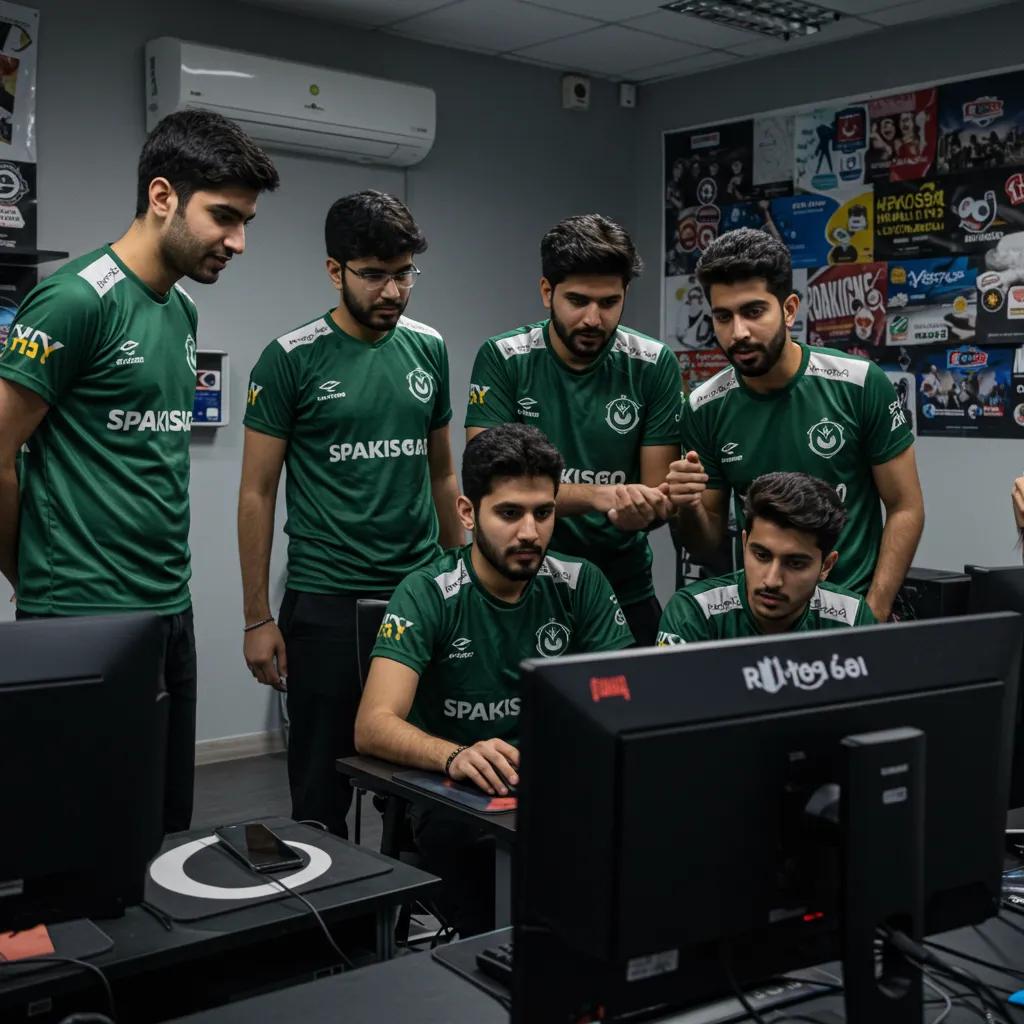
To provide timely and comprehensive news and current affairs coverage, keeping the audience informed and engaged with diverse content. Pakistan’s esports scene has produced internationally recognized talent and a growing roster of competitive players across fighting games and mobile titles. Local success stories have national significance because they demonstrate pathways from grassroots venues and mobile-first platforms to global stages. This section profiles notable Pakistani players, explains the domestic ecosystem, and examines how mobile esports and public initiatives are expanding competitive opportunities.
What Are Arslan Ash’s Achievements and Global Rankings?
Arslan Ash achieved international prominence through landmark wins on the Tekken circuit that positioned him among the sport’s elite, elevating Pakistan’s visibility in fighting games. His competitive successes include major international tournament victories that signaled an arrival for players from non-traditional regions. Beyond trophies, Arslan Ash’s rise inspired local infrastructures such as community tournaments and training hubs. His trajectory demonstrates how individual excellence can spark broader ecosystem growth and international interest.
Which Other Pakistani Players Are Rising in the Esports Scene?
- Emerging players often begin with local mobile tournaments and move into international qualifiers.
- Regional organizers and community hubs provide the first professional experiences for many talent pipelines.
- Increased exposure through streams and highlight reels accelerates recognition beyond local borders.
Pakistan’s rising players demonstrate how grassroots momentum translates into competitive progress when combined with talent and opportunity.
How Is Mobile Esports Driving Growth in Pakistan?
Mobile esports is the dominant growth engine in Pakistan because mobile hardware and network access enable wider participation than PC or console setups. A majority of competitive entrants in Pakistan engage through mobile titles, which lower barriers to entry and support high tournament volumes across cities. Mobile-first ecosystems also attract brand sponsorships tailored to youth demographics, fueling prize pools and event organization. As mobile competitions mature, they create repeatable pathways for players to transition from local success to international representation.
What Government and Industry Support Exists for Pakistani Esports?
Initiatives like the E-Pak Initiative have signaled governmental acknowledgment of esports as a sector worthy of formal support, helping legitimize events and talent development. Industry stakeholders and private investors are increasingly participating in event sponsorships, infrastructure investment, and training programs. However, gaps remain in policy clarity, standardized player protections, and consistent funding, which can limit scalability. Continued public-private collaboration will be critical to converting grassroots momentum into sustainable industry growth.
What Are the Greatest Esports Players by Game?
Greatest players by game reflect excellence within specific mechanics, roles, and tournament structures, and these profiles satisfy game-focused queries about all-time leaders. Each title generates its own legends whose skillsets are optimized for that game’s demands—champion mastery in MOBAs, mechanical precision in shooters, and frame-perfect execution in fighting games. Presenting a game-by-game snapshot helps fans and researchers quickly identify who shaped each competitive landscape and why they stand out.
Who Are the League of Legends Legends?
League of Legends legends earned acclaim through repeated World Championship performances, meta leadership, and long-term consistency on elite teams. These players often defined role standards—midlane innovators, ADC powerhouses, and strategic junglers—who reoriented how professional play evolved. Their legacies combine championship rings with influence on coaching, scouting, and youth development programs. Identifying these figures clarifies how playstyle evolution and organizational support coalesced into sustained excellence.
Who Are the Dota 2 Titans of The International?
Dota 2 titans are anchored by The International, whose massive prize pool and high stakes created career-defining moments for captains and star players alike. Winners and consistent top finishers at this event often command lifetime recognition and substantial earnings due to the event’s scale. Leadership roles, draft innovation, and roster stability are recurring themes among the game’s most lauded figures. These titans illustrate how team dynamics and strategic depth coalesce at the highest level.
Who Are the CS-GO Kings and Valorant Stars?
In first-person shooters, mechanical dominance, strategic utility usage, and team coordination define legends, with names recognized for MVP performances, clutch rounds, and tournament-defining plays. The CS series produced generational stars known for brilliance under pressure, while Valorant’s growing ecosystem is producing its own era-defining figures. Rankings and event histories capture these narratives, but signature moments and highlight plays often define public memory. The transition of players across similar FPS ecosystems also shows how skill translates between formats.
Who Are the Tekken Masters Dominating Fighting Games?
Tekken masters distinguish themselves through frame knowledge, matchup expertise, and consistent performance at major circuits like the Tekken World Tour and EVO. Champions who win multiple premier events earn status as masters and drive technical development within the fighting game community. Arslan Ash is among the names that exemplify how individual talent from underrepresented regions can dominate global circuits and inspire broader participation. These masters demonstrate longevity and deep game understanding forged through high-level competition.
What Are the Latest Esports Market Trends Affecting Top Players?
Market trends in 2025 reshape what top players can expect from careers: market size growth, mobile dominance, and evolving sponsorship models impact earnings and exposure. Global valuation increases and concentrated investment in leagues and media rights expand opportunities for high-profile players but also raise entry thresholds for teams. Mobile esports growth in particular opens regional talent pipelines and changes where organizations scout. Understanding these trends helps players, teams, and fans anticipate career and industry shifts.
How Is the Global Esports Market Growing in 2025?
The global esports market in 2025 continues to expand through higher viewership numbers, increased brand investment, and diversified revenue streams that include media rights and franchising. These drivers push more stable salary structures in franchised leagues and create monetization opportunities for players through content and partnerships. Geographic growth and regional tournaments contribute to audience diversification, attracting sponsors looking for targeted demographics. This expansion makes esports more sustainable as a professional domain and increases long-term career viability for top competitors.
What Is the Impact of Mobile Esports Surpassing PC and Console?
Mobile esports surpassing PC and console in key markets reallocates resources toward mobile-first tournaments and sponsorships that target youth demographics. This shift lowers barriers for player participation and can accelerate talent discovery in regions where mobile access is high. For players, mobile dominance means new professional pathways, different training regimens, and distinct monetization models tied to platform ecosystems. The trend also expands brand interest in mobile audiences, creating fresh sponsorship opportunities for top talents.
How Are Sponsorships and Investments Shaping Player Careers?
Sponsorships and venture investment create salary stability and brand-building opportunities that extend player careers beyond competition. High-profile endorsements and content partnerships supplement tournament income, while organizational investments fund training, analytics, and player development. This capital influx supports academies and regional leagues, which in turn supply talent to global stages. The resulting ecosystem fosters professionalization and career diversification for players who leverage competitive success into media and business roles.
What Are the Demographics of Esports Fans and Players?
Esports fans and players skew young, with strong Gen Z representation and growing female participation in many regions, shifting how sponsors and content creators engage audiences. Regional differences emerge—mobile-first markets show higher participation rates and different consumption habits than PC-centric regions. These demographic trends inform how tournaments are marketed, where sponsors allocate budgets, and which platforms players prioritize for content. Recognizing audience makeup helps players and teams tailor engagement strategies and choose partnership alignments.
How Can Fans Follow and Engage with Top Esports Players?
Where Can You Watch Esports Tournaments and Player Highlights?
Official tournament broadcasts and major streaming platforms host live matches and VODs where fans can watch high-level play and curated highlights. For long-form engagement, players often maintain streamer channels featuring practice sessions, commentary, and match breakdowns that provide deeper insight. Tournament archives and highlight reels make it easy to catch signature plays and study a player’s evolution. Consistent viewing of both live events and edited content helps fans follow competitive narratives and player development.
- Watch official tournament streams for live competition and commentary.
- Follow player streamer channels for behind-the-scenes content and practice sessions.
- Use highlight reels and VODs to study signature plays and key matches.
These viewing habits help fans stay current and deepen their connection to players and teams.
How Do Player Profiles and Interviews Enhance Fan Connection?
Profiles and interviews humanize players by blending stats with personal backstories, training routines, and reflections on pivotal matches. Well-constructed profiles include career timelines, signature achievements, and direct quotes that reveal motivation and approach to competition. Interviews and feature pieces create empathy, build narratives around comebacks or rivalries, and encourage sustained fan investment. This content turns raw results into compelling stories that strengthen long-term audience loyalty.
What Are the Best Ways to Support Pakistani and Global Esports Stars?
- Follow players on their streaming channels and social accounts.
- Attend local tournaments and support grassroots events.
- Subscribe, donate, and buy official merchandise to provide direct support.
These steps deepen fan impact and help build sustainable ecosystems for players.
How Does ARY News Cover Top Esports Players and Industry News?
To provide timely and comprehensive news and current affairs coverage, keeping the audience informed and engaged with diverse content. ARY News aims to expand content to include esports and specialized gaming content targeted at a Pakistani audience, especially young people aged 16-32, by publishing live updates, match recaps, player profiles, and interviews. Coverage formats include short-form breaking updates, longer feature profiles that examine career arcs, and multimedia recaps that highlight key plays and tournament context. Readers can look for regional reporting that prioritizes Pakistani talent while connecting local stories to global esports narratives.
Conclusion
Understanding the landscape of top esports players reveals the intricate blend of skill, earnings, and cultural impact that defines their legacies. By exploring player achievements, market trends, and the evolving dynamics of the esports industry, fans can appreciate the depth of competition and the pathways to success. Engaging with this content not only enhances your knowledge but also connects you to the vibrant community surrounding esports. Stay informed and support your favorite players by following their journeys and participating in local events.