Home Renovation: Complete Guide to Costs, Ideas, Financing, Contractors, and DIY Projects
Home renovation means improving or altering a residential property to refresh function, increase comfort, or boost resale value, and this guide explains how to plan, cost and manage renovation work for Pakistani homes in 2025. Readers will gain clear cost ranges, practical design ideas for kitchens and bathrooms, financing pathways appropriate for local markets, contractor selection criteria, and beginner-friendly DIY projects that improve curb appeal and livability. Many homeowners face uncertainty about realistic budgets and trustworthy contractors; this article solves that by combining market-aware cost estimates, practical checklists, and step-by-step planning guidance tailored to Pakistan’s major cities. ARY News publishes this guide as part of its mission to provide timely, comprehensive information that helps readers make informed renovation decisions, drawing on current market trends and practical advice to reduce risk and surprise costs. The article proceeds through kitchen and bathroom cost breakdowns, financing options and budgeting, selecting qualified contractors, DIY projects for beginners, the renovation impact on property value, and exterior upgrade trends for 2025. Throughout, you’ll find actionable lists, EAV comparison tables, and budgeting templates to help convert ideas into an executable plan.
What Are the Average Kitchen Remodel Costs in Pakistan for 2025?
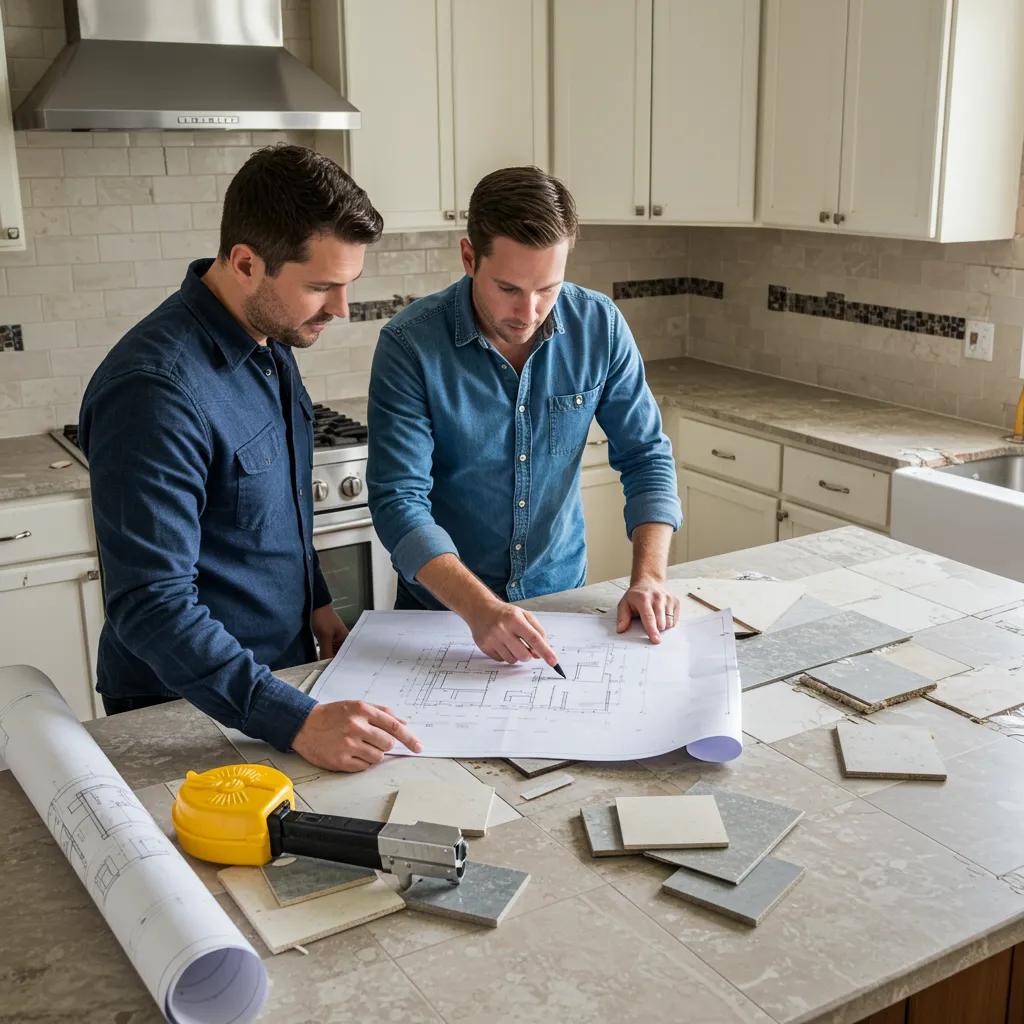
A kitchen remodel in Pakistan in 2025 typically falls into three bands: basic refresh, mid-range renovation, and high-end remodel, with costs driven by materials, layout complexity, and appliance choices. Basic refreshes focus on surfaces and minor layout tweaks, mid-range projects replace cabinets and counters with better finishes, and high-end remodels include custom cabinetry, stone countertops, and new mechanicals. Understanding component-level costs helps homeowners prioritize spending and estimate contingencies before engaging contractors. The following subsections break down how size and materials alter costs, the cost components by item, budgeting tactics, and local sourcing for contractors, so you can plan a kitchen renovation that fits your needs and finances.
How Do Kitchen Size and Materials Affect Renovation Costs?
Kitchen size and chosen materials are primary determinants of cost because they scale labor and material quantities directly, and more complex layouts add design and installation hours. Small kitchen refreshes (approx. 70–100 sqft) may cost a fraction of large open-plan remodels that require structural changes and additional finishes; material choices like MDF or laminate will keep costs lower, while solid wood and engineered stone increase budgets substantially. Layout features such as islands or integrated appliances add both materials and specialized labor, often increasing project duration and contingency needs. Comparing three example scenarios clarifies expected multipliers and helps homeowners choose where to invest for the biggest functional gain.
What Is the Cost Breakdown for Cabinets, Countertops, Appliances, and Labor?
A clear cost breakdown helps homeowners see where money is spent and which components return the most value; typical allocation often emphasizes cabinets and labor as the largest shares of a kitchen budget. Below is a concise comparison of common components to guide prioritization and realistic budgeting for 2025 projects in Pakistan.
This table highlights that cabinets and high-end appliances are common budget drivers, so prioritizing durability or targeted upgrades can yield better long-term value and lower maintenance costs.
How Can You Budget Effectively for Your Kitchen Remodel?
Effective budgeting begins with a prioritized scope, realistic quotes, and a contingency buffer, so homeowners avoid scope creep and unexpected delays during execution. Start by listing must-haves versus nice-to-haves, gather 3 comparable quotes, and allocate 10–20% of the total as contingency for unforeseen structural or plumbing issues. Phasing high-cost items—like delaying premium appliances until after cabinetry installation—can spread expenses and reduce financing needs; documenting decisions in a simple spreadsheet or budget app keeps changes traceable. These practices reduce stress and help ensure the project stays within financial limits while preserving design intent and function.
Where to Find Reliable Kitchen Remodeling Contractors in Lahore and Karachi?
Finding reliable kitchen remodeling contractors in Lahore and Karachi requires a combination of local research, portfolio review, and due diligence to verify skills and delivery capability. Search local listings, ask for referrals from neighbors, and inspect recent projects in person to judge workmanship and finishing; also request a detailed scope with timelines and materials specified to avoid ambiguity. Regional price differences reflect labor costs and material availability—Lahore and Karachi markets may vary, so compare quotes regionally and ask about lead times for bespoke items. A simple vetting checklist and reference questions will help you select contractors who can deliver on budget and quality expectations.
What Are the Latest Bathroom Renovation Ideas and Trends for 2025?
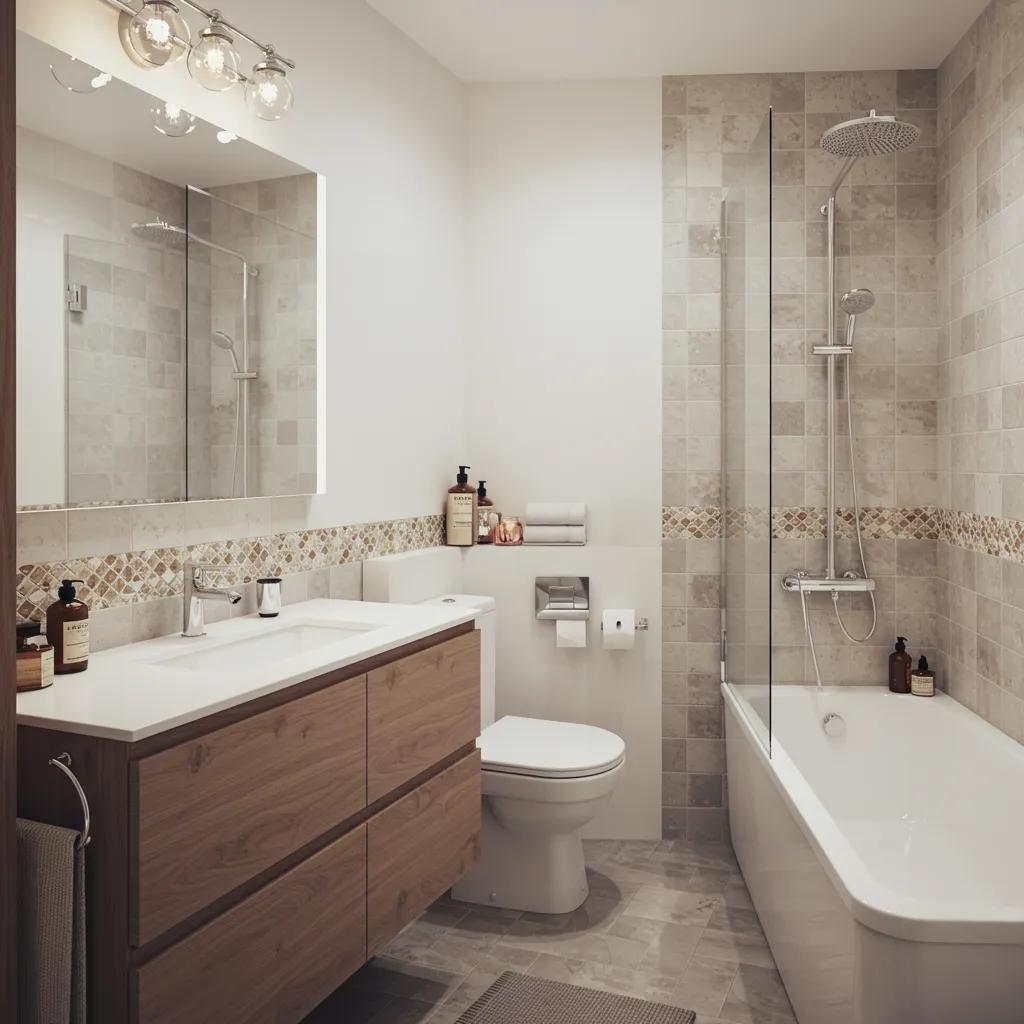
Modern bathroom renovations in 2025 emphasize water-efficient fixtures, spa-like finishes, mixed textures, and compact smart solutions that increase comfort and durability for Pakistani homes. Popular updates include matte porcelain tiles, concealed cisterns for clean lines, and sensor or low-flow fixtures that reduce water use while maintaining performance; lighting layering and vapor-friendly finishes improve perceived space and longevity. These trends balance aesthetics with practical maintenance considerations appropriate for local climate conditions, while smart fixtures add convenience without a large footprint. The following subsections cover popular design styles, small-space maximization, waterproofing essentials, and typical cost tiers so homeowners can choose durable, contemporary finishes that suit their budget.
Which Modern Bathroom Designs Are Popular in Pakistan?
Contemporary Pakistani bathrooms blend minimalism with warm textures, favoring neutral palettes, natural stone or stone-look tiles, and matte black or brass fixtures for contrast and longevity. Spa-like layouts with walk-in showers, simple vanities, and layered lighting are popular among urban homeowners seeking both resale appeal and daily comfort. Mixing materials—textured tiles, engineered stone, and water-resistant timber-look finishes—adds depth while staying easy to maintain in humid conditions. These design directions offer adaptable templates for a range of budgets and help homeowners select durable finishes that age well.
How to Maximize Small Bathroom Spaces with Smart Renovation Ideas?
Small bathrooms benefit from compact fixtures, wall-mounted storage, and strategic lighting to create a sense of space while improving functionality. Choose narrow-profile vanities with integrated storage, use large-format tiles to reduce visual clutter, and opt for clear glass shower screens to keep sightlines open; recessed shelving and mirrored cabinets add storage without encroaching on floor area. Planning plumbing layouts to minimize re-routing also saves costs and reduces disruption during renovation. These space-efficient tactics enhance usability and allow even compact bathrooms to feel contemporary and organized.
What Are the Essential Waterproofing and Material Tips for Bathrooms?
Proper waterproofing prevents costly failures; apply a continuous membrane system on wet areas, seal junctions around drains, and use water-resistant backer boards behind tiles to protect structures from moisture. Select tile grades and grout designed for humid environments, and prioritize epoxy or sealed grouts for long-term durability and easy maintenance. Avoid wood finishes in direct wet zones unless treated and ventilated, and schedule periodic maintenance inspections to catch early signs of leaks. Following these steps reduces the likelihood of mold, structural damage, and expensive rework.
How Much Does a Bathroom Remodel Typically Cost in Pakistan?
Bathroom remodel costs in Pakistan generally fall into three tiers—basic, mid-range, and luxury—each defined by materials, fixture quality, and extent of plumbing or structural changes. Basic refreshes that replace tiles and fixtures start at lower budgets suitable for cosmetic updates, mid-range projects include higher-quality waterproofing and upgraded fittings, while luxury remodels add bespoke vanities, premium tiles, and smart fixtures that raise both cost and long-term value. Choosing where to invest—waterproofing and good drainage first, then visible finishes—helps control costs and improve durability for years to come.
How Can You Finance Your Home Renovation Project in Pakistan?
Financing home renovations in Pakistan involves balancing available liquidity, loan products, and repayment capacity to select the most appropriate approach for the project’s scale and timeline. Homeowners typically use a mix of personal savings, bank loans, or equity-based financing where available; smaller projects may rely on personal loans or staged payments to contractors to spread costs. Planning repayment in advance and aligning project phasing with cashflow reduces financial stress and helps avoid cutting corners in critical areas like structural repairs or waterproofing. As part of ARY News’ effort to inform readers, the following overview explains common financing routes and practical considerations to help homeowners choose the best fit.
What Types of Home Improvement Loans Are Available in Pakistan?
Home improvement funding options in Pakistan generally include bank personal loans, dedicated renovation loans offered by some lenders, and microfinance or cooperative credit for smaller projects, each suited to different borrower profiles. Bank personal loans are commonly used for mid-sized renovations due to quicker approval cycles, while specialized home renovation loans, when available, may offer tailored repayment terms for property work. Microfinance and community lending can support incremental improvements or smaller DIY projects in lower-income neighborhoods. Assessing eligibility, tenor and fees with your lender helps match the loan product to project scale and cashflow.
This comparison clarifies that loan selection depends on project size and owner cashflow, and choosing the right product reduces overall financing cost and risk.
How Do Home Equity Loans and HELOCs Work for Renovations?
Leveraging home equity for renovations means borrowing against the property’s value, which can provide lower-cost capital but introduces the risk of using the home as collateral. Home equity loans provide a lump sum with fixed repayment terms, while lines of credit offer revolving access for staged work; both require clear understanding of qualification criteria and repayment obligations. Homeowners should weigh interest costs against expected value added by the renovation and consider fallback plans if market conditions shift. For many, modest projects are better funded through savings or unsecured loans to avoid tying up the property as security.
What Government Schemes Support Housing Renovation Financing?
Government support for renovation finance varies and can change with policy updates, so homeowners should monitor official announcements and local housing programs for any subsidized schemes or incentives. Where direct renovation schemes are absent, related programs may offer broader housing upgrade incentives or concessional financing for energy-efficiency upgrades; checking local municipal initiatives can reveal targeted grants or tax incentives. Because programs evolve, consult official channels and stay informed through reputable information hubs like ARY News for updates on available assistance. Knowledge of current schemes helps homeowners access potential subsidies or preferential financing when they exist.
How to Plan and Manage Your Renovation Budget Effectively?
Managing renovation budgets requires a phased plan, clear scope documents, and tracking systems to record change orders and actual spend versus estimates, which prevents small additions from becoming major cost overruns. Create a project timeline, allocate contingency funds, obtain multiple quotes for major trades, and set approval thresholds for changes to control scope creep; use simple spreadsheets or budgeting apps to compare planned versus actual costs weekly. Communicating payment milestones with contractors linked to deliverables reduces disputes and ensures steady progress. Following disciplined cost tracking turns renovation plans into predictable projects with controlled financial exposure.
Who Are the Best Home Remodeling Contractors in Pakistan and How to Choose Them?
Selecting the right contractor depends on matching project complexity with verified experience, transparent contracts, and clear communication to ensure quality delivery and on-time completion. Contractors vary from specialist kitchen or bathroom teams to full-service design-build firms; understanding service models and typical pricing structures helps homeowners select the format that matches their needs and risk tolerance. Use a verification process that includes portfolio review, reference checks, and written warranties to minimize surprises. The subsections below provide practical checklists, credential verification steps, typical services offered, and guidance on getting accurate, comparable quotes.
What Qualities Should You Look for in a Renovation Contractor?
Top qualities include relevant experience, a portfolio of completed projects, clear written contracts, reliable communication, and warranty or aftercare commitments to protect the homeowner post-completion. Contractors who demonstrate transparent cost breakdowns, realistic timelines, and a willingness to provide references typically deliver more predictable outcomes. Insurance coverage and trade certifications—where available—further reduce homeowner risk during construction. Prioritizing these qualities during selection improves project flow and reduces disputes, leading to better long-term maintenance outcomes.
How to Verify Credentials and Reviews of Local Contractors?
Verifying contractors involves asking for references, visiting recent sites, checking workmanship in person, and reviewing contracts for scope and exclusion clauses to ensure apples-to-apples comparisons. Ask specific reference questions about adherence to schedule, handling of changes and defects, and post-completion support; verify any claimed affiliations or credentials through independent sources when possible. Beware of red flags such as unverifiable references, large upfront cash demands, or vague scope descriptions. A methodical verification reduces the likelihood of contractor disputes and supports informed hiring decisions.
What Are the Typical Services Offered by Home Renovation Contractors?
Contractors typically offer design-and-build services, trade-specific work (carpentry, plumbing, electrical), project management, and specialist finishes; some provide bundled warranties or maintenance packages for post-completion care. Fixed-price contracts reduce cost uncertainty but require a tightly defined scope, while time-and-materials contracts offer flexibility but need stronger monitoring for cost control. Understanding the trade mix the contractor directly employs versus subcontracting clarifies responsibility boundaries. Choosing the right service model depends on project complexity and the homeowner’s appetite for management involvement.
The table shows typical service models and what to verify when selecting partners, making it easier to compare bids and choose the most suitable delivery approach.
How to Get Accurate Quotes and Compare Contractor Prices?
Accurate quotes require a clear scope of work, material specifications, and agreed timelines so bids are comparable; request itemized offers and list exclusions to avoid hidden costs. Use a simple quote template when soliciting bids that standardizes quantities, finishes, expected timelines, and payment milestones; compare line-by-line rather than bottom-line totals. Beware of low-ball bids that omit key items or timeline realism, and factor in contractor reputational evidence when choosing among competitive offers. Negotiation should focus on clarifying scope and adding reasonable allowances rather than chasing the lowest price to avoid quality compromises.
What Are the Top DIY Home Improvement Projects for Beginners?
Beginner DIY projects can meaningfully improve aesthetics and function without large budgets or specialized skills, delivering noticeable value and homeowner satisfaction when scoped correctly. Simple painting, upgrading hardware, installing shelving, and basic landscaping deliver strong visual impact and can be completed with basic tools and safety precautions. Selecting projects that match your skill level and allocating modest budgets while prioritizing safety reduces the chance of costly mistakes. The following subsections list beginner-friendly projects, essential tools, safety guidance, and local sourcing tips to equip homeowners for manageable DIY work.
Which Easy DIY Renovation Ideas Can Enhance Your Home’s Value?
Small improvements like a fresh coat of paint, swapping cabinet hardware, installing modern light fixtures, or updating faucets can modernize spaces and offer strong ROI for modest investment. These projects typically require minimal specialized skills, short timeframes, and commonly available materials, making them ideal starter projects to build confidence. Documenting before-and-after conditions also helps assess value uplift and guides future projects. Choosing visible, high-impact changes often yields the greatest perceived improvement relative to cost.
- Top quick-win projects include painting, hardware swaps, lighting upgrades, and small landscaping.
- Time estimates: most projects take hours to a few weekends.
- Cost estimates: low to moderate, depending on materials and finishes.
These projects are approachable for most homeowners and set the stage for more complex renovations when ready.
What Tools and Materials Are Essential for DIY Home Renovations?
A starter toolkit should include basic hand tools, a drill, measuring devices, safety gear, and finishing tools to cover most beginner tasks without overspending on specialist equipment. Material quality matters—choose mid-range paints, durable hardware, and proper fasteners to avoid rework and maintain finish longevity. Local hardware markets and wholesale suppliers provide cost-effective sourcing if you compare quality samples in person. Investing in a few reliable tools and good-quality consumables reduces frustration and improves final results.
How to Ensure Safety While Doing DIY Renovation Projects?
Safety is paramount: use appropriate PPE such as gloves, eye protection, dust masks, and ensure electrical work is handled by a qualified electrician to avoid hazards. Maintain clear workspaces, follow manufacturer instructions for tools and materials, and avoid tasks requiring structural changes or complicated plumbing unless supervised by a professional. Know when to stop: if a task exceeds your skill level, hiring a qualified tradesperson prevents accidents and potential code violations. Adhering to safety protocols protects both people and property during DIY work.
Where to Source Affordable Local Materials for DIY Projects?
Affordable materials can be sourced from local markets, builders’ merchants, and reputable wholesale suppliers in major cities; compare samples and warranties before purchase to balance price and durability. Negotiate bulk discounts for larger projects and inspect materials on delivery to ensure quality matches expectations. Online marketplaces may offer convenience, but in-person inspection often yields better assessment of color and finish for visible items. Smart sourcing combines price comparison with quality checks to maximize value for DIY budgets.
How Does Home Renovation Impact Property Value and the Housing Market in Pakistan?
Renovations influence property value by improving functionality, aesthetics, and energy efficiency, which can increase buyer interest and rental yields in Pakistani markets where demand for modernized units remains strong. Strategic upgrades—kitchen and bathroom modernizations, improved curb appeal, and energy-efficient systems—tend to deliver the highest relative returns because they address buyer priorities and reduce perceived immediate maintenance needs. At a macro level, renovation trends can shift neighborhood expectations, encouraging broader reinvestment and incremental price uplift. The subsections below rank high-ROI projects, explain market trend impacts, and cover the value proposition of sustainable and smart upgrades.
What Renovation Projects Offer the Best Return on Investment?
Kitchen and bathroom upgrades typically offer the strongest ROI because they dramatically improve usability and buyer perception; modest exterior improvements and energy-saving upgrades also enhance value by lowering ongoing costs. Cosmetic upgrades like fresh paint and improved lighting provide high visual impact for low cost, while durable investments—such as improved waterproofing or efficient hot-water systems—reduce maintenance liabilities that buyers factor into valuations. Prioritize projects that fix known issues and modernize core living spaces to maximize resale and rental returns.
How Are Renovation Trends Influencing the Pakistani Housing Market?
Renovation demand rises with urbanization, changing buyer expectations, and increased interest in energy efficiency, influencing regional price dynamics differently across cities. In competitive rental markets, landlords invest selectively to boost yields, while homeowners undertaking resale-driven renovations focus on kitchens, bathrooms, and curb appeal to shorten listing times. These trends drive demand for reliable contractors and quality materials, progressively raising renovation standards and buyer expectations across neighborhoods. Understanding market signals helps homeowners choose upgrades likely to generate measurable returns.
What Role Does Sustainable and Smart Home Renovation Play in Property Value?
Sustainable upgrades such as efficient lighting, water-saving fixtures, and improved insulation reduce operating costs and appeal to environmentally conscious buyers, while smart home features add convenience that can differentiate properties in crowded markets. Energy-efficient measures often provide operational savings that buyers value over time, supporting higher valuations and quicker sales. Integrating durable sustainable materials alongside practical smart controls enhances both short-term appeal and long-term cost savings, increasing overall market competitiveness for renovated properties.
What Exterior Home Upgrades Are Trending in Pakistan for 2025?
Exterior renovations in 2025 favor durable materials, muted yet warm palettes, water-wise landscaping, and lighting schemes that boost curb appeal while minimizing maintenance. Popular strategies include breathable cladding suitable for local climates, low-maintenance paint finishes, and layered outdoor lighting that enhances safety and aesthetics. Sustainable exterior upgrades—solar-ready roofing, rainwater capture, and drought-tolerant plantings—reduce operating costs and complement interior efficiency measures. The following subsections cover colors and materials, curb-appeal landscaping tactics, and energy-efficient exterior options to help homeowners plan durable, attractive facades.
Which Exterior Paint Colors and Materials Are Popular This Year?
Trend palettes favor neutral, earthy tones and textured finishes that hide dust and wear while complementing traditional architectural elements common in Pakistani homes. Durable paints with UV and moisture resistance extend repaint cycles and protect underlying materials; cladding options that balance breathability with low maintenance are increasingly popular in coastal and humid regions. Choosing climate-appropriate materials reduces long-term maintenance costs and preserves curb appeal under local weather conditions. Selecting the right palette and finish improves both appearance and longevity.
How to Improve Curb Appeal with Landscaping and Facade Renovations?
Curb appeal improvements range from low-cost interventions—fresh paint and simple planting—to mid-budget facade upgrades like new entryway treatments and hardscape improvements that frame the property attractively. Practical tips include defining pathways with durable pavers, adding layered lighting for evening presentation, and selecting native, water-efficient plants to lower irrigation needs; small structural accents such as shutter replacements or a refreshed gate yield outsized visual returns. The following list offers actionable curb-appeal projects to consider.
- Replace faded exterior paint with a neutral, dust-friendly palette.
- Add low-maintenance plants and a defined pathway to the entrance.
- Install layered outdoor lighting to highlight architectural features and improve safety.
These tactics create a welcoming first impression while controlling ongoing maintenance costs and enhancing perceived property value.
What Are Sustainable and Energy-Efficient Exterior Renovation Options?
Sustainable exterior options include high-reflectance roofing, solar-ready setups for future panels, improved wall insulation, and water-wise landscaping that reduces consumption and operational expenses. Shading devices, pergolas, and awnings reduce cooling loads, while permeable paving helps manage stormwater run-off in urban lots. Payback periods vary, but many measures deliver both environmental benefits and longer-term savings, especially where energy prices or water scarcity influence operating costs. Combining several measures amplifies benefits and positions properties as forward-looking in a market that increasingly values sustainability.
ARY News continues to monitor renovation trends, market shifts, and policy changes affecting homeowners and renovators, offering updated reporting and practical guides across lifestyle and business coverage as conditions evolve. For readers seeking updated cost guidance, contractor stories, or financing developments, ARY News aims to provide timely coverage to help translate renovation goals into well-managed projects supported by reliable information.
Conclusion
Home renovation offers significant benefits, including enhanced property value, improved functionality, and increased comfort for homeowners. By understanding costs, selecting reliable contractors, and exploring DIY options, you can make informed decisions that align with your budget and goals. Take the next step in your renovation journey by exploring our comprehensive resources and expert advice tailored for Pakistani homeowners. Start planning your dream home today!