Holistic Health: Comprehensive Guide to Wellness Benefits and Integrative Healing
Holistic health describes an approach to wellbeing that treats the whole person—mind, body, and community—rather than isolated symptoms, and it works by integrating lifestyle, therapeutic, and preventive strategies that reduce disease risk and improve quality of life. Recent research and public interest in mind-body connection, integrative nutrition, and preventative wellness make holistic approaches especially relevant in 2025, when mental-health burden and lifestyle-related chronic conditions remain prominent public-health challenges. This article explains core principles, evidence-based benefits, and practical steps for adopting integrative medicine practices including nutrition, yoga, meditation, and selected natural remedies. Readers will find concise comparisons of leading therapies, actionable stress-relief routines, current trends such as telehealth and personalized healing, and a focused look at how traditional Pakistani practices map to modern holistic concepts. By the end you will have clear, implementable strategies and resources to begin or refine a holistic wellness plan that emphasizes prevention, resilience, and accessible care.
What Is Holistic Health and Why Does It Matter?
Holistic health is a whole-person model of care that combines preventive measures, lifestyle change, and coordinated therapies to improve long-term functioning and reduce disease burden. The mechanism centers on integrating mind-body practices, nutrition, sleep, and movement to influence physiology—reducing chronic inflammation, balancing stress responses, and strengthening resilience. This model matters because rising rates of anxiety, chronic pain, and metabolic disease respond poorly to fragmented care and benefit from coordinated, preventative strategies. The next section lists the core principles that define holistic health and provides simple examples of each for practical application.
How Is Holistic Health Defined and What Are Its Core Principles?
Holistic health emphasizes whole-person care, prevention, integration of therapies, and patient-centered decision-making as its core principles. Whole-person care means addressing mental, social, and physical domains simultaneously, while prevention focuses on lifestyle interventions to reduce downstream disease risk. Integration of therapies combines evidence-based conventional medicine with complementary approaches such as integrative nutrition and mind-body practices, and patient-centered care tailors plans to individual goals and contexts. These principles translate into practical examples like combining medication for diabetes with personalized nutrition, stress reduction, and structured movement to improve outcomes and quality of life.
The concept of “whole person care” is central to holistic health, emphasizing a comprehensive approach that considers all aspects of an individual’s well-being.
Defining Whole Person Care in General Practice: A Systematic Review
ABSTRACT: AbstractObjectivesThe importance of ‘whole person’ or ‘holistic’ care is widely recognised, particularly with an increasing prevalence of chronic multimorbidity internationally. This approach to care is a defining feature of general practice. However, its precise meaning remains ambiguous. We aimed to determine how the term ‘whole person’ care is understood by general practitioners (GPs), and whether it is synonymous with ‘[w]holistic’ and ‘biopsychosocial’ care.DesignSystematic literature review.MethodsMEDLINE, PubMed, EMBASE, CINAHL, PsycINFO, Web of Science, Proquest Dissertations and Theses, Science.gov (Health and Medicine database), Google Scholar and included studies’ reference lists were searched with an unlimited date range. Systematic or literature reviews, original research, theoretical articles or books/book chapters; specific to general practice; relevant to the research question; and published in English were included. Included literature was critically appraised, and dat
Definition of whole person care in general practice in the English language literature: a systematic review, G Mitchell, 2018
What Role Does the Mind-Body Connection Play in Holistic Wellness?
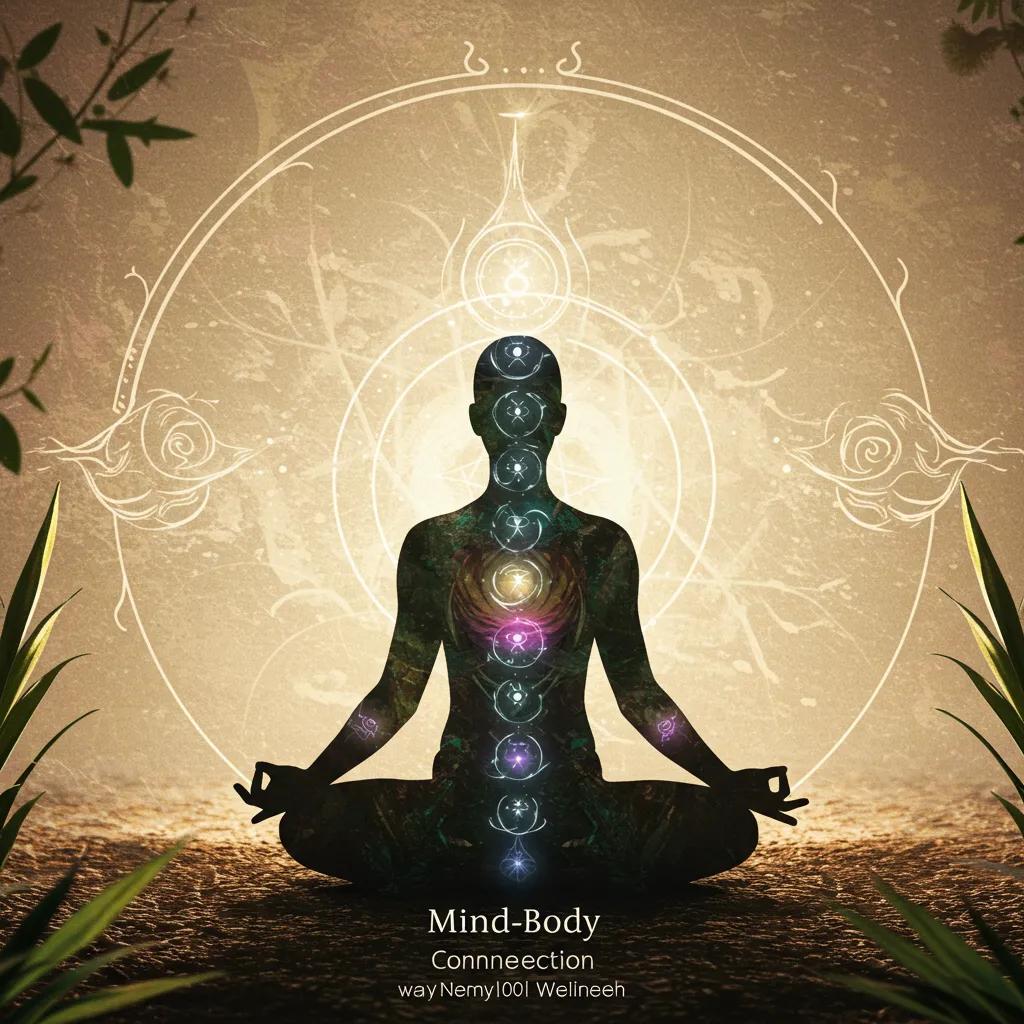
The mind-body connection links psychological state to physical health through stress physiology, neuroendocrine signaling, and the gut-brain axis, making emotional wellbeing a mechanism for improved somatic outcomes. Chronic stress activates the HPA axis and promotes inflammation, which contributes to pain, metabolic dysfunction, and mood disorders; conversely, interventions such as mindfulness and exercise downregulate stress pathways and support recovery.
Recent studies show that regular mindfulness practice reduces perceived stress and inflammatory markers, supporting integrative approaches that pair mental-health techniques with physical care. Recognizing these mechanisms helps prioritize practices that target both mental and physical domains for durable health gains.
Which Organizations Define and Support Holistic Health Practices?
Authoritative bodies such as global public-health organizations and national complementary-medicine institutes provide frameworks and evidence summaries that guide integrative practice and safety standards. These organizations evaluate evidence, fund research, and issue guidance about the role of complementary approaches within broader healthcare systems, helping clinicians and the public separate promising therapies from unsupported claims. Their role is to promote research rigor and patient safety while encouraging integration where evidence supports benefit. Understanding which organizations provide guidance helps readers identify credible recommendations and informed practitioners for coordinated care.
For readers seeking journalistic framing and ongoing coverage of holistic health developments, ARY News provides editorial context and reporting intent. To provide timely and comprehensive news and current affairs coverage, keeping the audience informed and engaged with diverse content.
What Are the Key Benefits of Holistic Wellness?
Holistic wellness delivers benefits across mental, physical, and preventative domains by addressing root causes, strengthening resilience, and reducing risk factors for chronic conditions. Mechanisms include stress regulation, metabolic optimization through integrative nutrition, immune modulation, improved sleep, and enhanced social support—all of which translate into measurable outcomes like reduced pain, better mood, and improved metabolic markers. The following list highlights primary benefit domains and what readers can expect when adopting holistic practices.
Holistic care maps benefits to outcomes across domains:
- Mental Resilience: Regular mind-body practices reduce anxiety and improve emotional regulation through attention training and stress-hormone reduction. (groundhealth.org)
- Reduced Chronic Pain: Combining movement therapy, mindfulness, and nutritional strategies lowers pain scores by addressing inflammation and central sensitization. (holistichealthblogger.com)
- Metabolic and Cardiovascular Improvement: Lifestyle and nutrition changes improve blood glucose, lipid profiles, and blood pressure via sustained behavioral changes. (pmc.ncbi.nlm.nih.gov)
The next subsection examines mental-health mechanisms in more detail and offers practical strategies.
How Does Holistic Health Improve Mental Well-Being and Emotional Resilience?
Holistic strategies improve mental well-being by combining psychotherapy, mindfulness, exercise, and nutrition to reduce stress reactivity and enhance emotional regulation. Mechanistically, these approaches support neuroplasticity, balance neurotransmitter systems, and lower systemic inflammation that contributes to mood disorders. Practical examples include short daily mindfulness sessions that lower perceived stress and structured exercise programs that boost mood through neurochemical pathways. Integrating these approaches with social support and sleep hygiene builds resilience, which in turn enhances capacity to maintain other health behaviors.
What Are the Physical Health Advantages of Integrative Health Approaches?
Integrative health approaches combine proven medical therapies with supportive practices to reduce symptom burden and improve function, often yielding additive benefits versus conventional care alone. For example, combining physical therapy and mind-body strategies for chronic pain can reduce opioid reliance and improve function via reduced sensitization and improved movement patterns. Nutrition interventions that target the gut-brain axis can improve metabolic markers and reduce systemic inflammation, contributing to cardiovascular and metabolic health. These physical benefits support longer-term prevention and better day-to-day functioning.
How Does Preventative Wellness Reduce Chronic Pain, Stress, and Anxiety?
Preventative wellness intervenes early with lifestyle changes—sleep optimization, physical activity, stress-management, and nutrition—to alter disease trajectories and lower symptom severity over time. Early adoption of structured routines reduces central sensitization in chronic pain, improves stress resilience, and reduces the incidence or severity of anxiety disorders. Case examples show that even modest, sustained changes produce measurable health improvements when combined and reinforced over months. Prioritizing prevention enables individuals to reduce reliance on reactive medical treatments and improves quality of life.
Which Integrative Health Approaches Are Most Effective?

Evidence supports several integrative therapies—yoga, acupuncture, meditation, and targeted nutrition—as effective for specific conditions when used alongside conventional care. Effectiveness depends on mechanism, evidence level, and appropriate patient selection; for example, yoga reliably reduces stress and improves flexibility, acupuncture shows benefit for certain pain conditions, and dietary changes influence the gut-brain axis and metabolic health. The following EAV-style comparison helps clinicians and readers match approaches to use-cases and safety considerations.
Different integrative approaches vary by mechanism, evidence, and typical applications:
How Does Integrative Medicine Combine Conventional and Alternative Therapies?
Integrative medicine blends conventional treatments with validated complementary therapies using collaborative models that respect evidence and patient preferences, often through co-management between specialists. These models include multidisciplinary teams, referral pathways, and stepped-care approaches that prioritize safety and measurable outcomes. The benefit of integration is improved patient satisfaction and sometimes better functional outcomes when therapies address multiple drivers of illness simultaneously. Understanding these models helps patients seek coordinated care that leverages the strengths of both conventional and complementary options.
What Natural Health Remedies Support Holistic Healing?
Several natural remedies—like specific herbal preparations, omega-3–rich diets, and targeted micronutrients—offer adjunctive support when used with informed guidance and attention to safety. Mechanisms include anti-inflammatory effects, modulation of neurotransmission, and support for metabolic pathways, but evidence levels vary and interactions with medications must be monitored. Practical use involves selecting remedies with higher-quality evidence, using standardized preparations, and coordinating with conventional providers to avoid contraindications. Responsible implementation emphasizes evidence, dosing clarity, and safety monitoring.
How Do Yoga and Meditation Promote Mind-Body Healing?
Yoga and meditation promote healing by calming the autonomic nervous system, improving body awareness, and supporting emotional regulation, which together reduce physiological stress markers and enhance wellbeing. Typical practice formats range from short daily mindfulness sessions to guided yoga sequences several times per week, each producing measurable reductions in anxiety and stress-related symptoms.
Micro-practices—brief breathing exercises and short movement sequences—offer accessible entry points that support habit formation and complement other therapies. The following subsections offer specific benefits and starter practices.
What Are the Specific Benefits of Yoga for Stress Relief?
Yoga reduces physiological stress markers, increases vagal tone, and improves flexibility and strength—changes that correlate with lower anxiety and better sleep. Specific sequences focusing on slow movement, deep breathing, and restorative postures shift autonomic balance toward parasympathetic activation. Practical pose suggestions such as gentle forward folds, supported child’s pose, and mindful breathing provide immediate calming effects and can be practiced in 10–20 minute sessions. Incorporating these sequences regularly supports cumulative benefits for stress regulation and physical function.
How Does Meditation Enhance Mental Clarity and Emotional Balance?
Meditation trains attention and emotional regulation through repeated, focused practice that strengthens neural circuits for executive control and reduces reactivity. Different forms—focused attention, open monitoring, and loving-kindness—offer varied benefits from improved concentration to greater empathy and reduced rumination. Beginner-friendly exercises such as 5–10 minute breath-focused sessions practiced daily produce measurable gains in clarity and mood over weeks. Building consistency leads to stronger long-term effects on cognitive control and emotional balance.
How Can Preventative Wellness Strategies Enhance Long-Term Health?
Preventative wellness employs targeted, sustainable habits that cumulatively reduce risk for chronic disease and enhance functional capacity across the lifespan. Core pillars include stress management, integrative nutrition that supports the gut-brain axis, regular movement, restorative sleep, and social connectedness—each with mechanistic links to inflammation, metabolic regulation, and mental resilience. The next subsections present practical techniques and stepwise lifestyle changes readers can implement and scale over weeks and months.
What Are Effective Stress Relief Techniques in Holistic Health?
Effective techniques include paced breathing, progressive muscle relaxation, brief mindfulness routines, and movement breaks that interrupt chronic stress patterns and reset autonomic balance. For instance, 4-4-6 breathing practiced for five minutes lowers heart rate and perceived stress, while progressive muscle relaxation helps release bodily tension accumulated during the day. Recommended frequency involves short daily sessions with longer weekly practices to consolidate effects and build resilience. These simple practices integrate seamlessly into routines and prepare the reader for nutrition and lifestyle changes that follow.
- Paced Breathing (4-4-6): Inhale 4 seconds, hold 4 seconds, exhale 6 seconds for 5 minutes daily to reduce heart rate.
- Progressive Muscle Relaxation: Tense and release major muscle groups for 10–15 minutes to ease bodily tension.
- Micro-Mindfulness Breaks: One-minute checks during work to refocus attention and interrupt rumination.
These practiced habits support other preventative measures and lead into dietary strategies that influence the gut-brain axis.
How Does Integrative Nutrition Support Gut-Brain Axis and Overall Wellness?
Integrative nutrition supports the gut-brain axis by promoting microbial diversity, reducing pro-inflammatory foods, and including nutrients that support neural function such as omega-3s and fermented foods with probiotics. Mechanistically, diet influences vagal signaling, metabolite production, and systemic inflammation, all of which shape mood, cognition, and metabolic health. Practical meal patterns emphasize whole foods, fiber-rich vegetables, and balanced proteins with consistent meal timing to stabilize metabolism and support mental clarity. Implementing gradual changes—adding fermented foods, increasing fiber, and reducing processed sugars—provides measurable benefits within weeks.
Which Lifestyle Changes Promote Sustainable Holistic Health?
Sustainable change focuses on small, prioritized actions: consistent sleep schedules, daily movement, social connection, and incremental nutrition shifts that compound over months. Implementation strategies include setting micro-goals (e.g., 10-minute daily walks), tracking progress, and embedding practices into existing routines to increase adherence. These practical steps reduce friction and support durable habit formation that underpins long-term prevention. As habits consolidate, individuals can layer more advanced interventions such as personalized nutrition plans or structured therapy.
This table summarizes high-impact lifestyle targets and simple implementation strategies to make change manageable and sustainable.
What Are Current Trends and Innovations in Holistic Health for 2025?
Current trends in 2025 emphasize personalized healing, telehealth-enabled integrative care, digital wellness tools, and growing interest in energy-based therapies, each shaping access and delivery of holistic services. Personalized healing leverages data—nutrition, genetics, and wearable metrics—to tailor interventions, while telehealth platforms expand reach of integrative consultations and remote monitoring. Digital apps support habit formation and guided practices, increasing scalability, and energy-healing modalities continue to attract attention despite mixed evidence, requiring careful reporting and evidence evaluation.
These trends influence how practitioners design care and how individuals access tools for prevention and resilience.
How Is Personalized Healing Shaping Holistic Wellness?
Personalized healing uses individual data—dietary patterns, genetic markers, microbiome profiles, and wearable metrics—to create tailored plans that can increase effectiveness and reduce unnecessary interventions. This data-driven approach allows practitioners to adjust nutrition, activity, and mind-body prescriptions to individual response patterns, improving adherence and outcomes. Ethical and accessibility considerations include data privacy and equitable access to testing and analysis. Personalized strategies are most effective when combined with core lifestyle changes and supported by professional guidance.
What Role Do Telehealth and Digital Tools Play in Integrative Health?
Telehealth and apps extend the reach of holistic practitioners, facilitate remote monitoring, and provide guided programs for mindfulness, movement, and nutrition coaching, making preventive care more accessible in diverse contexts. Typical tools include video consultations, structured app-based programs, and remote tracking of sleep and activity that inform progressive treatment adjustments. Barriers include connectivity, affordability, and digital literacy, but telehealth can reduce access gaps when combined with local resources and hybrid care models. Understanding tool strengths and limitations helps users choose appropriate digital supports.
How Are Energy Healing and Alternative Therapies Gaining Popularity?
Energy healing and other alternative therapies are gaining popularity driven by patient interest, cultural resonance, and social media exposure, though evidence quality varies and rigorous trials remain limited. Reporting should balance popularity with cautious appraisal of evidence, focusing on safety, plausible mechanisms, and integration with evidence-based care where appropriate. Some users report subjective benefits such as reduced stress and enhanced wellbeing, but clinicians emphasize transparency about limitations and the importance of not substituting these modalities for necessary medical care. Responsible adoption includes informed consent and coordination with conventional treatment when needed.
How Is Holistic Health Practiced and Promoted in Pakistan?
Local practice in Pakistan blends traditional systems such as Unani and herbal remedies with modern integrative approaches, reflecting cultural values and resource realities while addressing access and youth-focused needs. Mapping traditional practices to contemporary holistic concepts clarifies where evidence-based integration is feasible and where safety cautions are warranted. Local reporting, expert interviews, and community programs help translate global concepts into culturally relevant advice, while media outlets serve an important role in informing the public about credible options and innovations. ARY News, acting as an Information Hub, can support this translation and coverage by providing timely reporting tailored to Pakistani audiences. To provide timely and comprehensive news and current affairs coverage, keeping the audience informed and engaged with diverse content.
This table helps readers see direct parallels between traditional practices and modern holistic objectives while noting the importance of safety and standardization.
What Traditional Pakistani Healing Practices Align with Holistic Health?
Traditional practices like Unani medicine, herbal remedies, massage, and specific dietary customs align with holistic principles through emphasis on balance, diet, and natural remedies that affect digestion and systemic resilience. Many practices support gut health and stress relief through diet, thermal therapies, and manual therapies that map onto modern gut-brain and mind-body frameworks. Safety considerations include correct dosing, quality control of herbal products, and ensuring integration with conventional care for serious conditions. Recognizing these alignments allows culturally sensitive integration that respects traditional knowledge while prioritizing evidence and safety.
Who Are the Leading Local Experts in Holistic Wellness?
Leading practitioners include clinicians who blend conventional training with additional certifications in integrative nutrition, mind-body therapies, and allied modalities, offering programs, clinics, and community workshops that increase access. These experts play roles in education, program development, and clinical care, often collaborating with multidisciplinary teams to deliver coordinated services. Readers should seek verifiable credentials and transparent evidence use when engaging local experts to ensure safety and efficacy. Local resources and expert networks help scale effective interventions and connect people to appropriate services.
How Can Youth Manage Stress and Mental Well-Being Holistically?
Youth-focused strategies emphasize short, accessible practices—micro-meditations, movement breaks, peer support networks, and app-guided programs—that fit busy schedules and low-cost settings. Digital-first interventions, campus workshops, and social-media–friendly tips increase uptake among 16–32-year-olds by meeting them where they already engage, while community-based programs reduce barriers to access. Practical micro-practices include 5-minute breathwork before study sessions, brief guided walks, and journaling prompts that support emotional processing. These low-friction strategies build resilience and create entry points for deeper interventions if needed.
What Are Common Questions About Holistic Health?
Common questions about holistic health focus on core aspects, differences from conventional medicine, and practical steps to get started; clear, concise answers help readers make informed choices. Addressing these PAAs with direct responses and practical recommendations enhances comprehension and supports feature-snippet opportunities. For ongoing coverage and resources related to these questions, ARY News maintains editorial commitment to informed reporting. To provide timely and comprehensive news and current affairs coverage, keeping the audience informed and engaged with diverse content.
What Are the 5 Key Aspects of Holistic Health?
- Whole-person care: Addressing mental, physical, and social domains together to improve outcomes.
- Prevention: Prioritizing lifestyle and early interventions to reduce chronic disease risk.
- Integration: Combining evidence-based conventional and complementary therapies where appropriate.
- Evidence and safety: Using research and clinical judgment to select interventions and monitor effects.
- Patient-centered plans: Tailoring care to individual needs, culture, and goals for sustained adherence.
These aspects guide practical decision-making and the next subsection compares holistic and conventional approaches.
How Does a Holistic Approach Different from Conventional Medicine?
A holistic approach differs from conventional medicine primarily in scope and emphasis: holistic care prioritizes prevention and whole-person strategies while conventional medicine often emphasizes disease-specific diagnosis and acute treatment. The two are complementary when integrated—conventional interventions manage acute or life-threatening conditions, while holistic strategies support recovery, prevention, and long-term function. Safe care involves coordination so that complementary practices support, rather than replace, necessary medical treatment. Knowing when to seek conventional care remains critical, especially for serious or rapidly evolving conditions.
What Are Practical Tips for Starting a Holistic Lifestyle?
Begin with small, structured steps over four weeks: prioritize sleep regularity in week one, add daily movement and brief mindfulness in week two, incorporate fiber-rich and balanced meals in week three, and introduce weekly reflective practice or community support in week four. Use measurable micro-goals, track progress, and adjust increments to maintain momentum; consistency matters more than intensity initially. For practical exercises, try a guided 5-minute breathing routine with progressive increments to build tolerance and habit. These starter steps create a foundation for long-term integrative care and link naturally to professional resources when needed.
- Week 1: Set a fixed sleep-wake schedule and track adherence.
- Week 2: Add 10–20 minutes of daily movement and a 5-minute mindfulness practice.
- Week 3: Increase vegetable and fiber intake and reduce processed sugars.
- Week 4: Establish a weekly reflection or peer-support check-in to reinforce habits.
To provide timely and comprehensive news and current affairs coverage, keeping the audience informed and engaged with diverse content.
Conclusion
Embracing holistic health offers a comprehensive approach to wellness that nurtures the mind, body, and spirit, ultimately enhancing overall quality of life. By integrating preventive strategies, lifestyle changes, and evidence-based therapies, individuals can experience significant improvements in mental resilience, physical health, and emotional balance. Taking the first step towards a holistic lifestyle can be as simple as exploring our curated resources and expert guidance tailored to your unique needs. Start your journey to wellness today and discover the transformative power of holistic health.