Solo Travel Tips: Essential Safety, Budget, Destinations, and Planning Advice for Every Traveler
Solo travel means intentionally exploring a destination independently, whether for a weekend escape or a months-long journey, and it delivers freedom, learning, and practical self-reliance. This guide explains how independent travel works, why safety-first planning matters, and which budgeting and social strategies consistently help first-time and experienced solo travelers. Many readers struggle with logistics, loneliness, and uncertainty about visas or local customs; this article offers actionable solutions that emphasize safety, cost control, cultural respect, and enjoyable experiences. You will find step-by-step planning checklists, destination comparisons, packing guidance, social strategies to meet people, and Pakistan-specific advice for travelers originating from Pakistan. ARY News, a dynamic news platform dedicated to delivering accurate, timely, and unbiased news coverage with a dedicated Travel section, frames this guide to keep recommendations current and tied to travel advisories and consular updates. Read on to learn how to plan your first solo trip, manage money, stay safe, choose destinations, connect with others, and pack efficiently for different climates and trip styles.
How Can You Ensure Safety While Traveling Solo?
Safety for solo travelers starts with layered preparation: research the destination, share plans with trusted contacts, and carry contingency tools that preserve mobility and information access. Preparedness reduces risk because it replaces uncertainty with clear procedures for transport, lodging, and emergencies, and it directly improves confidence and situational awareness. The sections below provide prioritized safety actions, female-specific measures, digital tools that enhance security, and emergency-preparation steps to reduce response time if something goes wrong. Follow these steps in sequence: plan in advance, adopt on-the-ground vigilance, use technology wisely, and prepare formal emergency documents. Each recommendation focuses on practical application so you can travel independently with greater control and lower stress.
What Are the Key Solo Travel Safety Tips Everyone Should Know?
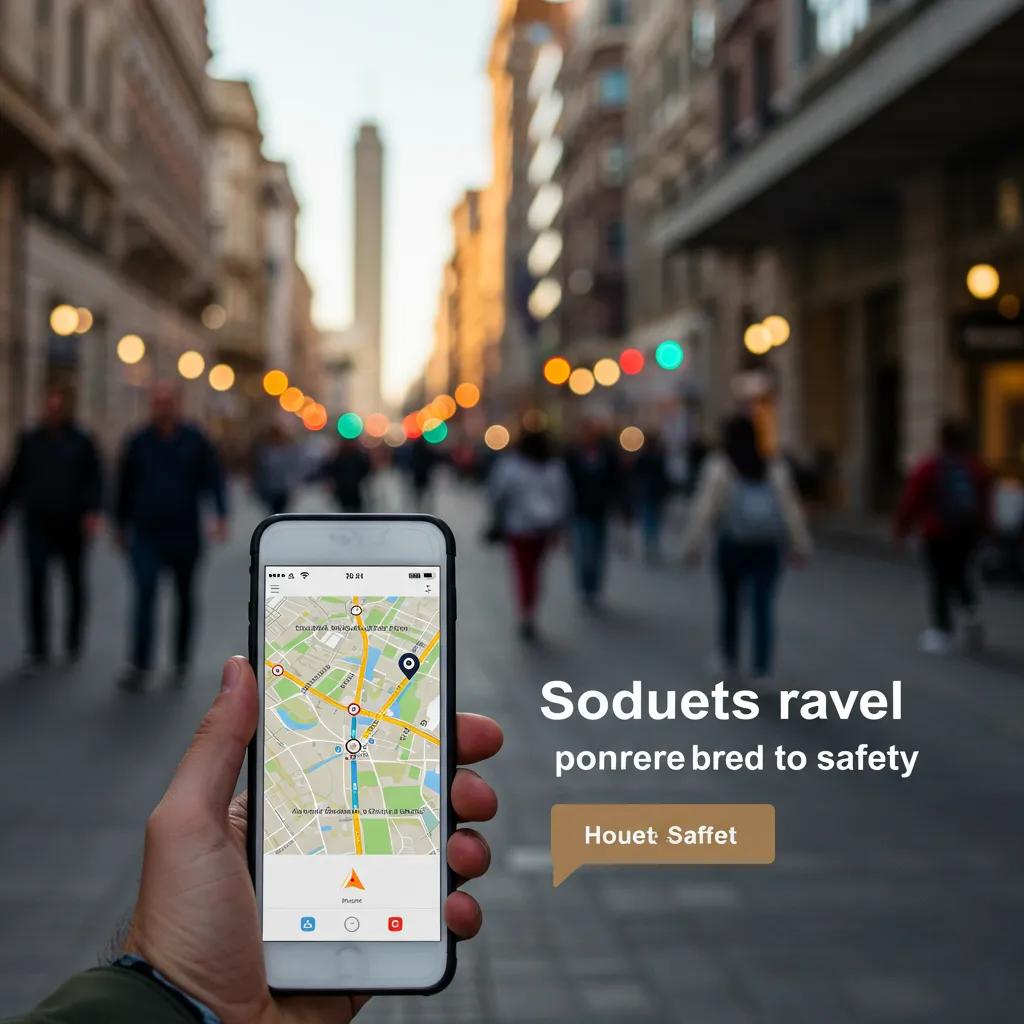
Solo travel safety hinges on prevention, visibility, and redundancy: know your routes, keep copies of documents, and maintain multiple ways to contact help. Before departure, share your itinerary with a trusted contact and set scheduled check-ins so someone notices if you deviate from plans. On the ground, prioritize well-reviewed accommodations, confirm transport options in daylight when possible, and avoid isolating situations at night; situational awareness is the most reliable personal safety tool. Keep digital backups of passport and ticket scans and split money into separate containers to avoid total loss from theft, which keeps your trip recoverable and less stressful.
How Do Solo Female Travelers Stay Safe and Empowered?
Solo female travel combines practical adjustments and confidence-building measures that respect local norms while preserving independence and empowerment. Select female-friendly accommodations or women-only dorms when available, research culturally appropriate clothing to reduce unwanted attention, and connect with local women’s groups or vetted guides for daytime activities. Assertive communication, staying in public, well-lit spaces when meeting new people, and trusting instincts are essential behavioral tools that reduce risk. These practices help female travelers maintain agency and enjoy social experiences safely while touring independently.
Research indicates that a conceptual framework can be developed to understand the specific risks and constraints faced by solo female travelers.
Risks and Constraints for Solo Female Travelers: A Conceptual Framework
The study aims to provide a conceptual framework for considering the risks and constraints encountered by solo female travelers. This study reviewed and synthesized relevant literature to identify and categorize the various types of risks and constraints that influence solo travel behavior among females. The studies were selected by convenience purposive sampling method. Firstly, the studies were scanned with the keywords related to risks and constraints in solo female travels. Secondly, 43 studies, conducted between 2000 and 2024 and included related keywords in their titles and abstracts, were included in the review. The review was accomplished by thematic content analysis on two main themes. In this line, the authors defined ten sub-themes regardingrisks and constraints in solo female travels. The seven sub-themes for risks were explained as sexual-related, cultural and social, gender-related, physical and financial, political unrest and terrorism, performance, and ps
Risks and Constraints Faced by Solo Female Travelers: A Conceptual Overview, M Özdemir, 2025
Which Travel Apps and Tools Enhance Solo Traveler Security?
Digital tools can multiply safety by enabling quick location sharing, reliable navigation, and emergency alerts even when connectivity is limited. Use location-sharing apps with trusted contacts for live updates, install offline maps for navigation without data, and carry a simple portable charger and a secondary SIM or eSIM for redundancy. Password managers and encrypted note apps securely store emergency contacts and medical information, while ride-hailing or vetted local taxi apps reduce uncertainty when arranging transport. These tools complement physical precautions like luggage locks and anti-theft bags to create a robust personal security system on the road.
How Should You Prepare for Emergencies When Traveling Alone?
Emergency preparation means documenting, rehearsing, and enabling fast access to assistance so that problems escalate less and get resolved faster. Carry a concise emergency card with local emergency numbers, embassy/consulate contacts, and a short medical summary; keep both digital and physical copies. Buy travel insurance that covers medical evacuation and repatriation and learn claim procedures in advance so you can act quickly if illness or injury occurs. Rehearse basic responses—where to go if you lose your passport, how to contact your lender to unblock cards—and maintain regular check-ins with a trusted contact to shorten response times in crises.
Practical emergency checklist for solo travelers:
- Document Backup: Store digital and paper copies of passport, tickets, and insurance.
- Local Contacts: Save embassy/consulate and local emergency numbers in two places.
- Insurance Ready: Keep policy number and claim procedure on your phone and printed.
- Check-In Plan: Schedule regular contact times with a trusted person at home.
These steps reduce downtime and confusion in emergencies, making it easier to resolve issues and continue travel safely.
What Are the Best Solo Travel Destinations for Beginners and Experienced Travelers?
Choosing a destination balances safety, infrastructure, cost, and cultural access; pick places with reliable transport, clear tourist services, and straightforward entry policies to reduce logistical friction. For beginners, destinations with strong solo-traveler infrastructure and English-friendly services lower stress and increase social opportunities, while experienced travelers often seek adventure, cultural depth, or off-grid exploration. Consider visa ease, health requirements, and diaspora communities when choosing a destination from Pakistan to simplify logistics and create local support networks. The subsections below list globally safe options, Pakistan-friendly choices, visa considerations, and budget-friendly picks so you can select a destination that matches your risk tolerance and travel goals.
Which Global Destinations Are Safest and Most Popular for Solo Travelers?
Global destinations that repeatedly rate well for solo travel combine safety, public transit, and active solo-visitor communities that make meeting others straightforward. Many solo travelers choose countries with dependable public transport, strong tourism infrastructure, and clear English signage for ease of navigation. Popular examples often include cities and regions where hostels, day tours, and walking groups are commonplace, enhancing social opportunities and safety through numbers. These destinations let first-time solo travelers build confidence while providing experienced travelers with reliable bases for deeper exploration.
What Are Recommended Solo Travel Destinations for Pakistani Travelers?
For travelers departing from Pakistan, prioritize destinations with relatively simple visa procedures, direct or single-connection flight options, and established diaspora communities to ease cultural transitions. Regional short-haul options reduce travel time and complexity, while certain long-haul spots offer straightforward e-visa processes or visa-on-arrival policies that make planning simpler. Always verify current entry rules with official sources before booking and prepare for immigration questions by carrying supporting documents like return tickets and accommodation confirmations. Choosing destinations with accessible consular services also speeds assistance when required.
Introductory table to compare destinations at a glance, focusing on safety and visa friendliness for Pakistani travelers:
This compact comparison helps match traveler experience with destination attributes and reminds planning priorities like checking visa rules well ahead of travel.
The table clarifies trade-offs: prioritize simpler visa logistics and tourist infrastructure for early solo trips, and more adventurous regions once you have travel experience and flexible contingency plans.
How Do Visa Requirements and Local Customs Affect Destination Choice?
Visa rules shape not only entry plans but also time available for exploration, fund reserves for visa fees, and contingency options for transit or changes, so checking official visa portals early is essential. Local customs and dress codes affect packing and daily behavior and can materially influence safety and social reception; aligning conduct with local norms often reduces friction and enhances experiences. Use reputable government sites and news advisories to confirm requirements, and factor in transit visa needs for multi-leg routes. Respectful behavior and informed compliance with local laws and customs both protect you and deepen cultural immersion.
What Are Budget-Friendly Destinations for Solo Travelers?
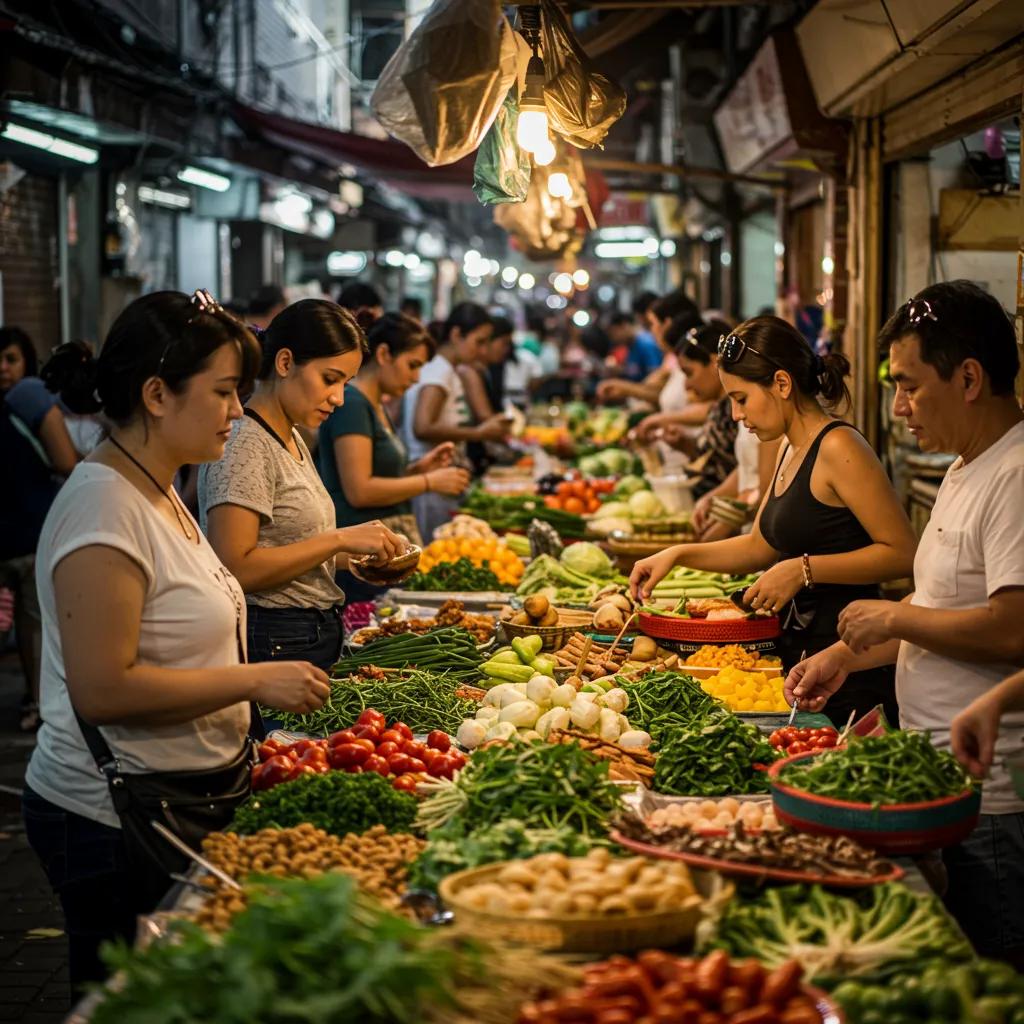
Budget-friendly destinations tend to combine low daily costs, affordable local transport, and plentiful low-cost lodging such as hostels and guesthouses, which together reduce per-day spending dramatically. Regions with strong backpacker infrastructure typically offer communal kitchens, discounted day tours, and inexpensive public transport options that help stretch budgets. Hunt for off-season discounts and flexible flight dates to lower transport costs, and prioritize destinations where local food markets and street vendors provide safe, low-cost meals. Choosing the right region can turn a modest solo travel budget into an extended, fulfilling trip.
How Do You Plan and Prepare for Your First Solo Trip?
Planning a first solo trip involves setting priorities, creating a flexible itinerary, choosing safe accommodation, and rehearsing social strategies to reduce loneliness and stress. A reliable plan balances essentials—flights, lodging, insurance—with open days for serendipity, while safety checkpoints and local contacts provide backup. Use the checklist below to structure planning effectively, and then apply the accommodation and transport guidance in subsequent sections to finalize bookings and contingency pathways. The goal is to build a trip that is safe and structured enough to reduce anxiety while open enough to allow meaningful experiences.
What Are the Essential Steps to Create a Flexible Solo Travel Itinerary?
A flexible itinerary prioritizes safety checkpoints, essential reservations, and buffer days to absorb delays or spontaneous opportunities without stress. Start by listing must-see sites and then cluster them geographically to minimize daily travel time, leaving full days unplanned for rest or new discoveries. Schedule arrival-day activities modestly to recover from travel fatigue, and identify exit strategies in each location—nearby airports, train stations, and alternative lodging—so you can adapt if conditions change. This balance between structure and flexibility keeps logistics manageable while preserving the freedom that defines solo travel.
- Map must-see sites geographically to reduce transit time.
- Reserve key accommodations and transport but leave buffer days.
- Add local contact points and emergency exit options per location.
These steps make your itinerary resilient and adaptable, enabling a smoother solo travel experience.
How Can You Choose the Right Accommodation for Solo Travel?
Accommodation choices influence safety, social opportunities, and cost; selecting the right type depends on whether you prioritize meeting people, privacy, or local immersion. Hostels provide social spaces and group activities that help combat loneliness, while guesthouses and vetted rentals offer privacy and local host support; hybrid options like small boutique hotels often balance both. Always read recent verified reviews, confirm management responsiveness, and check neighborhood safety and transport access before booking. A short pre-booked stay with the option to extend gives flexibility to relocate if the accommodation or area does not meet expectations.
What Transportation Options Are Best for Solo Travelers?
Choose transport modes that balance safety, cost, and convenience: reputable carriers, well-reviewed local buses or rail, and verified rideshare services reduce risk and logistical friction. For long-distance moves, daytime travel often decreases vulnerability and makes navigation easier, while overnight options might save time but carry additional safety considerations. Keep luggage secured and within sight, and use seat selection and window placement strategically for quick exit or supervision. Understanding local transit norms and using official ticket offices or verified apps helps reduce fraud and stressful misdirection.
How Do You Overcome Common Challenges Like Loneliness and Dining Alone?
Loneliness is a common early solo travel challenge that responds well to proactive social strategies and mindset shifts focused on curiosity and small rituals that create comfort. Join day tours, cooking classes, or meetups to meet people while keeping interactions structured and safe, and use communal spaces in hostels or cafes to strike up conversations. Reframe solo dining as an opportunity to observe and journal, bring a small ritual like a book or local guide to ease in, and schedule social evenings after active daytime exploration to balance solitude with connection. These tactics create a rhythm that reduces isolation and enhances engagement with local life.
How Can You Manage Your Budget Effectively While Traveling Solo?
Budget control for solo travel requires planning for major costs—flights and accommodation—while managing daily expenses through conservative estimates and flexible saving tactics. Solo travelers lack the cost-sharing of pairs or groups, so plan with a buffer and seek long-stay discounts or shared lodging options to lower per-night rates. Use the budget table below to map typical daily costs and money-saving tips that apply across regions, and then apply specific hacks for flight and accommodation savings discussed in the following subsections. A disciplined plan with built-in flexibility minimizes financial stress while preserving travel quality.
Introductory budget table that breaks down expense categories and practical saving tips:
This table gives a clear starting point for daily budgeting and highlights high-impact savings like accommodation choices and local food options.
Budget planning around core expense categories helps prioritize where to save and where to invest for comfort or unique experiences.
What Are the Best Budget Solo Travel Tips for Saving on Flights and Accommodation?
Saving on flights and accommodation comes from flexible timing, fare-comparison tools, and prioritizing value over brand names when possible. Search across flexible date ranges and consider nearby airports to find lower fares, and book accommodations with free cancellation to maintain adaptability. Look for hostels with good reviews, homestays, or guesthouses that include breakfast or kitchen access to cut food costs. Combining flight flexibility with strategic lodging choices stretches your solo travel budget without sacrificing safety or comfort.
Flight and accommodation tactics:
- Use fare comparison and flexible dates for lower flights.
- Select long-stay or early-booking discounts for lodging.
- Favor accommodations with kitchens to reduce food costs.
These simple tactics compound into meaningful savings across a multi-day trip.
How Do You Plan Daily Expenses for Food, Activities, and Transport?
Estimate conservative and moderate daily budgets to avoid surprises and use local markets and public transport to reduce costs while deepening local experiences. Create two budgets—conservative for strict saving and moderate for more comfort—and plan which days allow splurges on activities or dining. Track spending daily with a basic app or a notebook to spot trends and adjust quickly; small daily shifts like choosing street food or public ferries can produce large aggregate savings. Buffer at least 10–15% for unexpected expenses to prevent budget shocks.
Which Affordable Travel Hacks Are Most Useful for Pakistani Solo Travelers?
Travelers from Pakistan may benefit from regional routing options, careful currency exchange planning, and awareness of card acceptance in destination countries to reduce fees and hassles. Compare official exchange rates and prefer authorized exchangers for larger amounts, carry a small amount of local currency for arrival, and verify international card functionality before departure. Consider transit hubs with frequent, low-cost connections and research regional low-cost carriers for cost-effective routes. These targeted hacks reduce friction and keep budgets manageable for solo travelers departing Pakistan.
How Can Travel Insurance Protect Your Solo Trip Investment?
Travel insurance safeguards against medical emergencies, trip interruption, and lost belongings—risks that disproportionately impact solo travelers who cannot rely on a companion for immediate assistance. Choose policies with strong medical, evacuation, and cancellation coverage, and verify whether activities you plan (e.g., trekking) require specific add-ons. Keep policy documents accessible and document incidents promptly with photos and receipts to speed claims. Insurance transforms unpredictable financial exposure into a manageable contingency.
How Do Solo Travelers Connect with Others and Build Social Experiences?
Connecting with others while traveling solo often requires intentional actions that create safe, structured social opportunities and deepen cultural immersion. Use group tours, classes, and communal accommodations to meet fellow travelers, and rely on technology and vetted platforms to discover local events. The subsections below outline practical meeting strategies, digital best practices for safe socializing, and benefits of cultural immersion for more meaningful solo travel. Creating a hybrid plan of structured social activities and solo exploration balances connection with personal freedom.
What Are the Best Ways to Meet People While Traveling Alone?
Meeting people safely revolves around public, structured experiences where introductions are natural and supervision is passive, such as walking tours, day trips, and classes. Hostels and co-working spaces often host community events that lower the barrier to conversation and provide safe, social environments for solo travelers. Volunteer programs and local meetups add depth to interactions and can lead to sustained connections. Always vet groups via reviews and prefer daytime or populated venues for initial meetings to maximize safety.
Socializing options for solo travelers:
- Join day tours or walking groups to meet other travelers.
- Use hostel common areas and scheduled social events.
- Attend local classes (cooking, language, arts) for cultural connection.
These approaches provide low-pressure ways to build friendships and local insight.
How Can You Use Technology to Enhance Social Connections on the Road?
Technology helps find events, verify people and groups, and coordinate meetups while preserving safety through profile checks and public meeting places. Use reputable meetup platforms and event listings to discover activities, read reviews before attending, and maintain profile hygiene so personal details are revealed gradually. Coordinate initial meetings in public places and inform a trusted contact about where you’ll be and who you’re meeting. Technology expands opportunity while structured safety practices maintain control.
What Are the Benefits of Cultural Immersion for Solo Travelers?
Cultural immersion deepens travel value by fostering local interactions, improving language skills, and creating authentic memories that extend beyond staged tourist experiences. Learning basic phrases, attending local festivals, and dining where residents eat open doors to conversations and goodwill that often enhance personal safety. Immersion also encourages respectful behavior that builds trust and can turn casual interactions into meaningful connections. These experiences yield richer stories and often safer, more supported travel days.
What Are the Essential Packing Tips and Travel Gear for Solo Travelers?
Efficient packing reduces physical burden and increases mobility, while choosing versatile gear ensures readiness for diverse climates and activities. Prioritize multi-use clothing, reliable tech for navigation and safety, and compact security tools to protect belongings. The gear table below helps decide which items add the most value and what lightweight alternatives maintain functionality while keeping baggage minimal. Packing smart supports both comfort and adaptability across varied solo itineraries.
Introductory gear table to help choose versatile items and pack light alternatives:
Smart gear selection reduces hassles and creates redundancy so you can respond to delays or changes with minimal stress.
How Do You Pack Light and Smart for Solo Adventures?
Packing light relies on selecting versatile pieces that mix and match, limiting footwear, and using compression or packing cubes to optimize space. Use a capsule wardrobe approach—neutral colors and multipurpose items that transition from day to night—and prioritize quick-dry fabrics that simplify laundry on the road. Keep essential documents and valuables in a carry-on or accessible pouch to avoid total loss from checked luggage issues. These strategies lower transit fatigue and increase flexibility for spontaneous itinerary changes.
Which Tech Gadgets and Apps Are Must-Haves for Solo Travelers?
Essential tech includes a reliable smartphone with offline maps and translation apps, a durable power bank, and a secure password manager for accounts and travel documents. Install location-sharing and safety-alert apps for trusted contacts and use offline map downloads for areas with poor connectivity. Consider a minimal travel router or local SIM options as redundancy, and carry compact adapters for international outlets. These tools maintain connectivity, navigation, and security while you explore independently.
How Should You Adapt Your Packing for Different Destinations and Climates?
Adapting packing for climate means layering for cold regions, breathable fabrics for hot climates, and robust rain protection for wet seasons, while activity type dictates specialized gear like trekking boots or snorkel equipment. Research seasonal weather patterns and plan thermoregulation layers that combine insulation and breathability for varied conditions. Modular packing—where you can add or offload gear at local laundries or storage—keeps options open without overpacking. Thoughtful adaptation prevents discomfort and preserves mobility during solo trips.
What Unique Considerations Should Pakistani Solo Travelers Keep in Mind?
Pakistani solo travelers face specific logistical and cultural questions that affect destination selection, visa planning, and on-the-ground behavior; addressing these early reduces surprises. Cultural presentation, documentation readiness, and awareness of consular services are practical matters that influence how smoothly a trip unfolds. ARY News’ Travel section provides timely advisories and consular updates that Pakistani travelers can consult to stay informed about sudden policy or safety changes. The subsections below cover cultural norms, visa checks, confidence-building safety steps, and domestic destinations worth exploring.
How Do Cultural Norms Influence Solo Travel for Pakistani Travelers?
Cultural norms shape acceptable dress, interaction patterns, and public behavior, and aligning with local expectations generally improves safety and social acceptance abroad. Dress and conduct that are respectful of local mores reduce attention and misunderstandings, while engaging diaspora or community groups can provide social support and local guidance. Preparing a small cultural brief for each destination—covering dress codes, greeting customs, and public etiquette—helps Pakistani travelers present themselves appropriately and build rapport. These preparations make social navigation smoother and increase opportunities for positive interactions.
What Are the Visa and Travel Restrictions Relevant to Pakistani Solo Travelers?
Visa and transit requirements for Pakistani passport holders vary widely and change with short notice; verifying official embassy or government portals well ahead of travel is essential. Check entry and transit rules, required documentation, and any biometric or interview appointments that could delay travel, and keep plans flexible to accommodate processing times. ARY News Travel updates can highlight breaking policy changes and consular advisories that affect route planning, providing a timely source of contextual information. Early verification of visa rules prevents last-minute complications that could derail travel.
How Can Pakistani Solo Travelers Stay Safe and Confident Abroad?
Confidence abroad combines logistical preparation—registered consulate contact, verified accommodations, and insurance—with social strategies like connecting to local diaspora groups and using verified guides. Register travel plans with relevant consular services where possible and keep a concise emergency card with embassy contacts and local support options. Use local apps and community resources to locate trusted service providers, and practice assertive, culturally sensitive communication to navigate tricky situations. These practices reduce anxiety and provide clear recourse when assistance is needed.
Which Domestic Destinations Are Ideal for Solo Travel Within Pakistan?
Domestic solo travel in Pakistan can blend cultural exploration and nature-based adventure while reducing visa and transit complexity; pick destinations with safe transport links and active tourist services. Consider a mix of urban cultural centers that offer museums and cafes, and accessible nature regions for hiking and scenic exploration, mindful of seasonal weather windows. Use reliable local transport during daylight hours and choose accommodations with positive reviews and responsive management to enhance safety. Domestic trips build experience and confidence for future international solo travel while offering rich cultural insights.
Domestic planning tips:
- Choose season-appropriate destinations for weather and safety.
- Prefer established guesthouses or small hotels with verified reviews.
- Travel conservatively by day and secure transport for remote stretches.
These steps help make domestic solo travel both rewarding and secure for Pakistani travelers.
This article has provided a structured, practical guide to solo travel that blends safety-first planning, budget management, destination selection, social strategies, and packing tactics—tailored for readers including those traveling from Pakistan and supported by the latest travel-advisory mindsets and reporting priorities promoted by ARY News.
Conclusion
Embarking on a solo travel adventure offers unparalleled freedom, personal growth, and the chance to connect with diverse cultures. By prioritizing safety, budgeting wisely, and choosing the right destinations, you can create enriching experiences that resonate long after your journey ends. Take the first step towards your next adventure by exploring our comprehensive travel resources tailored for solo travelers. Start planning your unforgettable trip today!