Family Advice and Parenting Tips: How to Raise Resilient Children with Positive Parenting Techniques
Parenting with the explicit aim of raising resilient children means combining positive parenting techniques with a clear understanding of child development and everyday family practices. Resilience is a child’s ability to adapt, recover, and grow after setbacks, and positive parenting supports that capacity by building secure attachment, emotional intelligence, and practical problem-solving skills. This article explains developmental stages from infancy to adolescence, practical positive-discipline methods, family communication routines, resilience-building strategies, digital-wellness guidance, health and wellness habits, and culturally relevant approaches for Pakistani families. Readers will find concise milestone tables, age-specific how-tos, and evidence-informed suggestions that translate research into daily routines. Throughout, the focus is on actionable steps—what to do, why it works, and how to adapt each approach for multigenerational homes—so parents and caregivers leave with clear next steps to strengthen family bonds and support child development.
What Are the Key Stages of Child Development Every Parent Should Know?
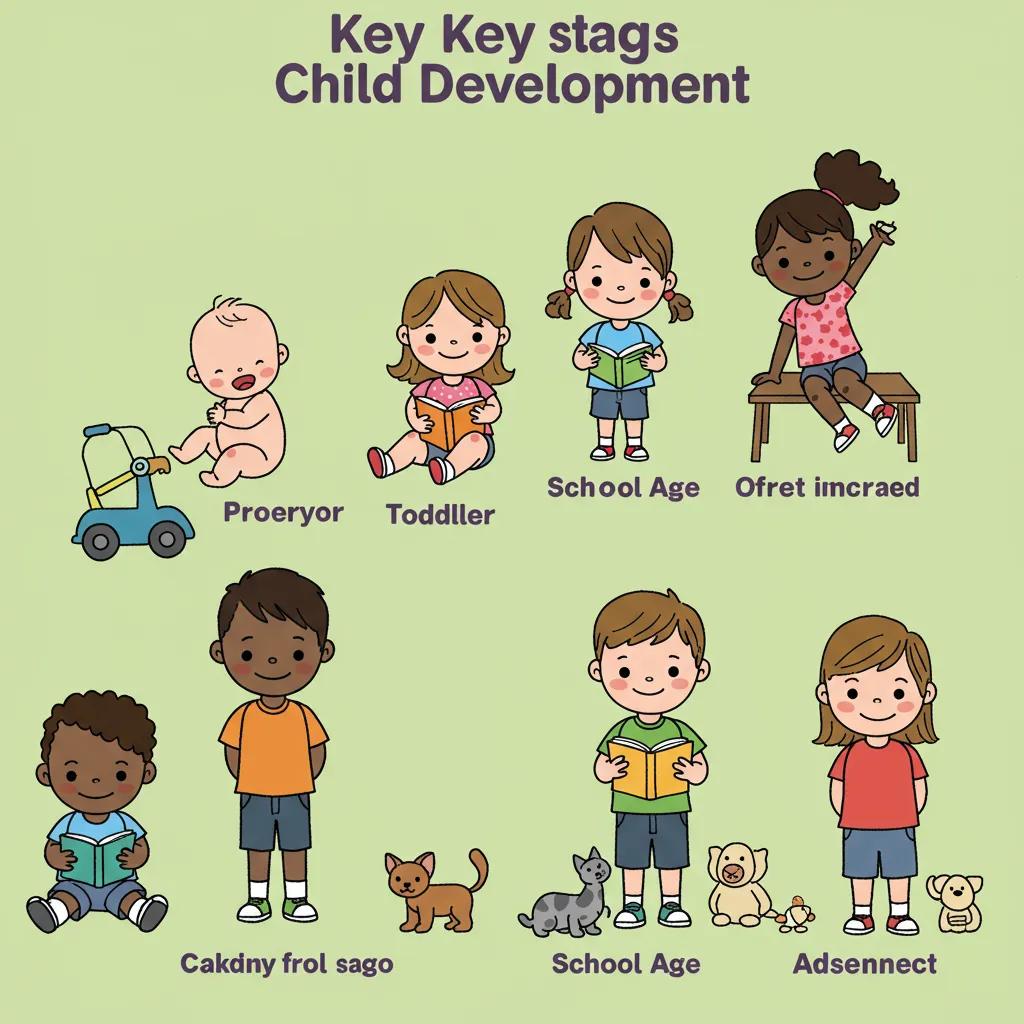
Child development unfolds in predictable stages — infant, toddler, preschool, school-age, and adolescent — each with concentrated growth in cognitive, social, emotional, and physical domains that shape parenting priorities. Early brain wiring, rapid motor skill acquisition, expanding language, social learning, and identity formation are mechanisms that underlie stage-specific milestones, and understanding them helps parents set realistic expectations and plan stimulation appropriately. Recognizing typical markers and red flags allows timely support from pediatricians, early childhood educators, or child psychologists when delays or concerns emerge. The following table presents a quick-reference comparison of stages and example milestones to guide everyday caregiving and to support featured-snippet style recall for busy parents.
Different ages demand different caregiving focuses to scaffold development effectively.
This milestone table helps parents compare expected development across ages and decide when to seek professional advice for atypical patterns.
How Do Infant and Toddler Milestones Impact Early Parenting?
Infant and toddler milestones shape early parenting by emphasizing responsive caregiving, safe exploration, and language-rich interaction as the foundation for later cognition and attachment. Parents who use frequent joint attention — naming objects, narrating actions, and following a child’s lead — stimulate language centers and social reciprocity, supporting toddler cognitive development. Feeding and sleep routines establish predictable environments that promote self-regulation, while age-appropriate play supports motor milestones and emotional bonding. If caregivers notice delayed communication, limited eye contact, or motor delays, early consultation with a pediatrician or early childhood educator can speed access to interventions that improve long-term outcomes and inform the next step: fostering peer and school readiness.
What Social and Emotional Changes Occur in Preschool and School-Age Children?
Preschool and school-age years mark rapid growth in emotional literacy, cooperation, and self-concept, where children learn to manage feelings, share, and follow classroom routines through guided practice. Social play becomes the training ground for empathy and negotiation, and consistent family routines support executive skills such as planning and impulse control. Parents can scaffold social competence by coaching problem-solving during disputes, modeling regulated responses, and providing structured opportunities for cooperative activities. Noticing persistent aggression, withdrawal, or peer difficulties suggests seeking support from child psychologists or school counselors to maintain healthy social development and to prepare for adolescent identity challenges described next.
How Can Parents Support Adolescent Growth and Emotional Development?
Adolescence brings identity exploration, increasing autonomy, and heightened emotional intensity as the brain’s reward and limbic systems develop faster than regulatory prefrontal networks, which explains volatility and risk-taking. Effective parenting during this phase combines clear boundaries with respectful negotiation, open communication about mental health, and scaffolding of decision-making skills to help teens practice planning and impulse control. Parents should stay alert for signs of distress—changes in sleep, appetite, school performance, or social withdrawal—and engage professionals when necessary to support emotional health. These adolescent strategies naturally lead into the next major area: using positive parenting techniques to manage behavior across ages.
Which Positive Parenting Techniques Effectively Manage Child Behavior?
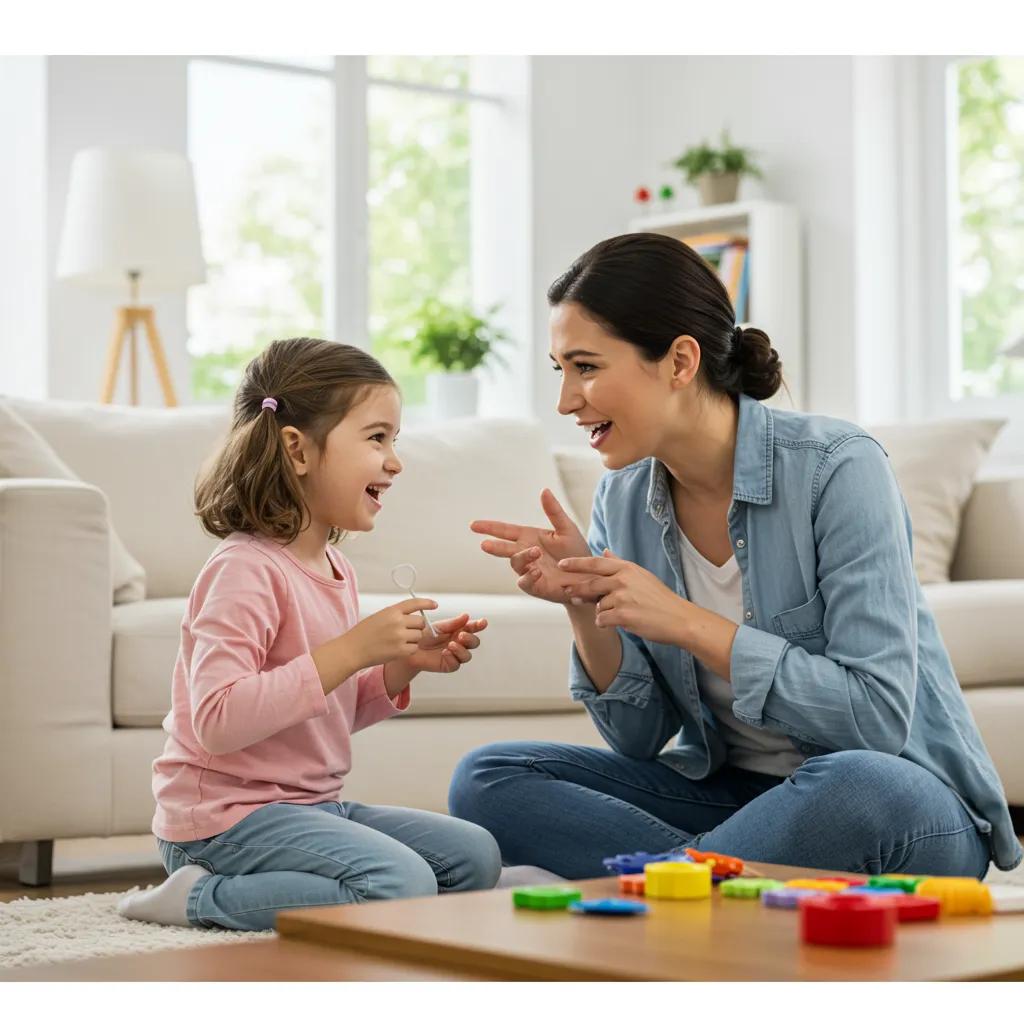
Positive parenting emphasizes guidance over punishment: it uses empathetic listening, consistent boundaries, positive reinforcement, and emotional coaching to reduce conflict and build cooperation. The mechanism is simple: consistent, contingent responses teach children the connection between actions and outcomes while maintaining a trusting relationship that motivates internalized self-regulation. Research and practice show these techniques lower behavioral problems and increase prosocial behavior, especially when caregivers apply them consistently across contexts and generations. Below is a compact comparison table that parents can use to choose techniques and anticipate the likely benefits for everyday parenting.
Positive parenting provides practical, teachable skills that parents can practice repeatedly to shape behavior and build emotional capacity.
This comparison clarifies how each approach operates in day-to-day moments and why combining techniques produces stronger long-term effects.
Research indicates that positive psychology-based parenting practices significantly contribute to children’s emotional development and resilience.
Positive Psychology Parenting: Enhancing Child Resilience and Emotional Development
This study explores positive psychology-based parenting practices and their contributions toward children’s emotional development, child resilience, and social interactions. Drawing from the principles that guide positive psychology, this article explores how such practices as positive emotional support, empathy, and strength-based approaches impact key developmental outcomes for children. Data gathering involved a quantitative research design, where the responses from parents whose children belonged to the age group between 5 and 12 years were obtained. It was both descriptive and inferential analysis of the association between parenting methods and child outcome variables; this includes Pearson’s correlation coefficient as well as multiple regression analysis. The hypotheses include: Hypothesis 1: Positive parenting encourages positive features of children’s emotional development. Hypothesis 2: Positive parenting encourages children’s resilience. Hypothesis 3: Positive
Exploring how Positive Psychology-based Parenting Techniques Contribute to Children’s Emotional Development, Resilience, and their Ability to form Healthy Social …, MS Bilal, 2024
How Does Empathetic Listening Improve Parent-Child Communication?
Empathetic listening is a skill where parents reflect a child’s feelings and content back in simple, validating language, which reduces defensiveness and opens space for cooperation. The mechanism involves emotion regulation: when a child feels heard, stress hormones fall and cognitive flexibility improves, enabling problem-solving rather than escalation. Practical phrases such as “You look upset because…” or “It sounds like you felt left out when…” demonstrate validation and then transition to joint problem-solving. Practicing short daily exercises—one reflective exchange at a meal or bedtime—builds this habit and prepares families for gentle discipline strategies discussed next.
What Are Gentle Discipline Strategies That Foster Cooperation?
Gentle discipline focuses on setting limits with empathy: it uses natural or logical consequences, redirection, and consistent routines rather than shaming or harsh punishment to teach behavior. The core reason this works is that children internalize rules better when the caregiver maintains connection while enforcing boundaries, preserving attachment while shaping behavior. Concrete steps include explaining the rule calmly, offering a choice within limits, and following through predictably when boundaries are crossed. Consistency across caregivers—parents, grandparents, teachers—reinforces learning and reduces mixed messages that undermine cooperation and lead into emotional intelligence building.
How Can Parents Build Emotional Intelligence in Their Children?
Building emotional intelligence (EI) involves teaching children to recognize, label, and manage emotions through modeling, coaching, and structured practice in safe contexts such as family routines and play. The process starts with naming emotions, then teaching simple regulation tools like breathing or counting, and finally practicing perspective-taking and problem-solving in role-play. Daily activities like emotion check-ins, story-based discussions, and family reflection time help children develop vocabulary and strategies to handle stress. Strengthening EI not only improves immediate social interactions but also underpins resilience, which is the subject of the next subsection on activities that encourage regulation.
What Activities Encourage Emotional Regulation and Resilience?
Specific activities—deep-breathing exercises, storytelling that models problem-solving, and cooperative games—teach children practical regulation skills while reinforcing family connection and predictable routines. Breathing exercises can be introduced as a “pause” technique for children to try before reacting, while storytelling invites children to reflect on how characters cope and apply those strategies to their own lives. Simple games like “emotion charades” and problem-solving puzzles teach perspective-taking and collaborative coping in low-stakes settings. Integrating these practices into daily life, such as a brief breathing routine before bedtime, helps children generalize skills to new challenges and leads naturally into improving family communication patterns described next.
How Can Effective Family Communication Strengthen Parent-Child Relationships?
Effective family communication combines active listening, validation, and structured problem-solving to build trust and reduce repeated conflict; its mechanism is relational scaffolding—repeated positive interactions strengthen secure attachments. Families that practice predictable communication rituals (family check-ins, mealtime conversation rules, and repair strategies after conflicts) see improved cooperation and less oppositional behavior. The techniques here focus on simple, repeatable steps that any caregiver can adopt and that schools and community providers can reinforce. Below are practical exercises and a checklist for active listening to put these ideas into practice at home.
Intentional communication skills provide the scaffolding children need to express needs and cooperate without escalation.
- Intro: These next steps offer a quick active-listening checklist parents can use in everyday moments.
- Active-listening checklist:
- 1. Stop and face the child to show attention.
- 2. Use a reflective phrase to summarize the child’s emotion.
- 3. Ask an open question to invite more detail.
- 4. Offer a brief empathic statement, then a collaborative next step.
Practicing this checklist three times a week builds habit and improves daily exchanges at home.
What Are Practical Ways to Practice Active Listening with Children?
Active listening uses focused attention, reflective responses, and open questions to help children feel understood and to model attentive social behaviour that improves emotional regulation. For younger children, brief reflective phrases and labeling emotions suffice, while older children benefit from open-ended prompts that encourage elaboration and problem-solving. Parents can create micro-practice moments — a five-minute evening recap or a car-ride check-in — to rehearse these skills; predictable practice helps transfer them to higher-stakes conflicts. Regular practice reduces escalation and sets the stage for effective “I” statements and validation techniques introduced in the next section.
How Do “I” Statements and Validation Build Trust in Families?
“I” statements express the parent’s perspective without blaming the child (e.g., “I feel worried when you don’t tell me where you are”), which lowers defensiveness and opens problem-solving rather than punishment. Validation acknowledges the child’s internal experience (e.g., “I can see you’re frustrated”) and signals emotional safety that enables repair after conflict. Combined, these techniques shift interactions from power struggles to collaborative problem-solving and make it easier to implement restorative conflict-resolution steps that follow. Practicing these scripts in calm moments prepares families to use them during real disagreements and moves naturally into formal conflict-resolution routines.
How Can Families Resolve Conflicts to Promote Healthy Behavior?
A structured family conflict-resolution approach—brief cooling-off, a restorative conversation, and agreed-upon practical repairs—teaches accountability while preserving relationships and models problem-solving for children. A simple family meeting template includes setting the issue, letting each person speak without interruption, brainstorming solutions, and agreeing on a fair consequence or repair action. Restorative language focuses on harm and repair (“What happened? Who was affected? How can we make it right?”) to re-center responsibility and learning. When conflicts escalate or patterns persist, families may involve school staff or mediation resources, but most disputes improve when families adopt predictable restorative routines that foster respect and cooperation.
What Are the Best Strategies for Raising Resilient Children in Today’s World?
Raising resilient children requires a secure base of supportive attachment, opportunities to face manageable challenges, and explicit teaching of coping skills to convert setbacks into learning moments. Mechanisms include exposure to safe risk-taking, scaffolding independence, and bolstering emotional intelligence to regulate stress responses; these lead to improved problem-solving, adaptability, and sustained motivation. Daily practices that build resilience include routine challenges (age-appropriate chores), guided problem-solving discussions, and positive reframing of setbacks as skill-building opportunities. These strategies, combined with community support and modeling by caregivers, create a durable resilience scaffold that helps children thrive in complex social and academic environments.
Building resilience depends on balanced opportunities for autonomy and parental scaffolding.
Adopting a holistic, eco-systemic approach to positive parenting is crucial for fostering family resilience.
Positive Parenting and Family Resilience: An Eco-Systemic Approach
This article is a literature review that describes an innovative approach to work in positive parenting and family resilience from an eco-systemic approach, which takes the family into account in a holistic manner. After the initial foundation in which the general theoretical roots for working with the family are revealed, this study presents concrete socio-educational proposals to be developed with children, parents, and the home environment. It concludes with a series of key ideas that are fundamental to developing best practices for the promotion of positive parenting and family resilience in the three axes of intervention proposed.
Positive Parenting: Lessons from Research., A Navajas, 2015
How Does Encouraging Independence Support Child Resilience?
Encouraging independence through age-appropriate tasks teaches competence and self-efficacy, which are central to resilience because they provide children with repeated success experiences and problem-solving practice. Mechanisms include graduated responsibilities that match developmental capabilities—simple daily tasks for school-age children and planning responsibilities for adolescents—to strengthen executive skills and decision-making. Parents scaffold independence by offering help only when needed, praising effort rather than innate ability, and allowing natural consequences within safe limits. These practices create a feedback loop where competence breeds confidence, enabling children to approach future challenges with persistence and reduced anxiety.
What Role Does Emotional Intelligence Play in Building Resilience?
Emotional intelligence enhances resilience by enabling children to identify feelings, use calming strategies, and seek support, which in turn reduces the intensity and duration of distress after setbacks. The mechanism links improved regulation with clearer cognitive function under stress, allowing constructive problem-solving rather than shutdown or impulsivity. Daily routines that practice naming emotions, modeling regulation, and rehearsing coping plans strengthen this capacity over time. Tracking small improvements—fewer meltdowns, better problem-solving during conflicts—helps parents see progress and reinforces continued EI-building efforts that support long-term resilience.
How Can Parents Model Problem-Solving and Coping Skills?
Parents model problem-solving by verbalizing their own thinking, demonstrating calm coping strategies, and involving children in family problem-solving rituals that make reasoning visible. Techniques include narrating steps (“First I’ll list the problem, then we’ll brainstorm solutions”), showing regulated breathing when stressed, and assigning small roles during family challenges so children learn active coping. Family experiments—such as rotating leadership of a weekend project—give children real opportunities to practice planning and adaptivity. Modeling and joint practice make coping skills concrete and transferable to new contexts, preparing children to face broader life challenges.
How Can Parents Manage Screen Time and Digital Wellness for Children?
Managing screen time and digital wellness means setting age-appropriate limits, designing tech-free zones and routines, and teaching privacy and online-safety habits that support cognitive and social development rather than replace them. Digital devices are hyper-rewarding and can hijack attention systems; structured rules and parental scaffolding help children use technology for learning and connection while protecting sleep, play, and face-to-face social skills. The following table gives age-related screen-time guidance with practical tips and example app categories to help parents operationalize rules at home and target featured snippets for quick reference.
Practical, age-specific guidelines make enforcement consistent and developmentally appropriate.
This table helps families create rules that protect sleep and play while allowing constructive tech use; next we cover enforcement tips and safety strategies.
Intro: Below are practical household rules and enforcement strategies to manage screen time effectively.
- Household rules to consider:
- 1. Designate tech-free zones such as bedrooms and the dinner table to protect sleep and family time.
- 2. Set consistent evening cutoffs to preserve sleep routines and reduce late-night stimulation.
- 3. Use timers and parental controls to create predictable limits and reduce negotiation.
These rules simplify enforcement and make expectations clear for children across ages.
What Are Effective Screen Time Limits for Different Child Ages?
Effective screen-time limits balance developmental needs with real-world demands: very limited exposure for infants, supervised learning-focused use for preschoolers, structured recreational limits for school-age children, and negotiated autonomy plus privacy education for teens. Implementation requires explicit household rules—set times, device-free bedrooms, and consistent parent modeling—so children internalize norms rather than constantly resist them. Troubleshoot enforcement by replacing screen time with appealing alternatives: family games, outdoor play, or creative projects that meet the same need for reward and engagement. Clear limits reduce conflict and protect sleep and attention, and the next section addresses online safety and privacy to complement these rules.
How Can Parents Ensure Online Safety and Privacy for Kids?
Online safety relies on a mixture of technical safeguards (privacy settings, parental controls), open conversations about online risks, and teaching children to protect personal data and report concerning interactions. Practical steps include regular checks of privacy settings, using age-appropriate platforms, and role-playing conversations about sharing photos or accepting friend requests. Parents should create a culture where children feel comfortable reporting uncomfortable messages, and escalate to school or authorities when safety threats arise. Combining safety practices with prior screen-time rules creates a coherent digital-wellness approach that supports healthy development and app selection.
Which Educational Apps and Digital Tools Support Healthy Development?
Choosing educational apps requires evaluating learning objectives: look for apps that promote active engagement, creativity, literacy, or numeracy without excessive ads or in-app purchases, and prefer ones with transparent privacy policies and parental settings. Examples include interactive story apps for preschool literacy, math games for school-age skill practice, and creativity tools that encourage composition rather than passive viewing. Parents should co-play initially to assess content quality and set clear time limits to prevent overuse. Curated lists and expert reviews can speed selection, and trusted local media often collect such resources for families to consult.
Note on curated resources: ARY News regularly compiles parent-focused guides and curated lists tailored to local contexts, including expert Q&As and resource roundups that help parents evaluate apps and tools for their children’s digital wellbeing.
What Family Health and Wellness Practices Support Child Development?
Family health practices—balanced nutrition, consistent sleep routines, regular physical activity, and attention to mental health—directly influence children’s growth, cognitive function, behavior, and emotional regulation. Nutrition supplies the building blocks for brain development; sleep consolidates learning and emotional control; physical activity supports motor skills, mood, and social interaction; and mental-health awareness ensures early support when challenges arise. The following list and table present concrete recommendations for meals, sleep, and play that families can implement and adapt to cultural patterns and daily schedules.
Healthy habits create the physiological base upon which development and learning occur.
- Key family wellness practices:
- 1. Prioritize balanced meals with protein, healthy fats, and whole grains to support concentration and mood.
- 2. Maintain consistent bedtime routines matched to age-specific sleep needs to support learning and behavior.
- 3. Schedule daily outdoor play or physical activity to build motor skills and reduce stress.
These core habits synergize to improve attention, emotion regulation, and school readiness.
How Does Nutrition Influence Children’s Growth and Behavior?
Nutrition affects growth and behavior through mechanisms such as steady blood glucose for attention, protein and fatty acids for brain development, and micronutrients for neurotransmitter synthesis; deficiencies can present as irritability, concentration difficulties, or delayed growth. Practical meal frameworks emphasize varied family plates with legumes, lean proteins, whole grains, fruits, and vegetables while limiting highly processed snacks and sugary beverages that disrupt mood and energy. Cultural foods can be adapted to these frameworks by choosing healthier cooking methods and balanced portioning. When concerns about growth or behavior persist despite good routines, consultation with a pediatrician or nutritionist helps identify medical or dietary needs and prepares families for sleep-focused interventions next.
What Are Recommended Sleep Routines for Children of Various Ages?
Recommended sleep routines combine age-appropriate total sleep durations with calming pre-bed rituals that cue physiological down-regulation, such as dimming lights, quiet reading or storytelling, and predictable bedtimes. Typical sleep needs range from long infant sleep with naps to 9–11 hours for school-age children and 8–10 for adolescents; consistent timing and screen-free bedrooms markedly improve sleep quality. Troubleshooting includes gradual bedtime adjustments, consistent routines, and addressing nighttime fears with brief reassurance rather than extended interaction that reinforces wakefulness. Persistent sleep problems warrant pediatric evaluation to rule out medical or behavioral contributors and to coordinate with nutrition and activity strategies described earlier.
This sleep-by-age table clarifies expectations and practical ritual ideas to promote restorative sleep for each developmental stage.
How Can Outdoor Play and Physical Activity Benefit Family Wellness?
Outdoor play and physical activity improve motor development, mood regulation, immune function, and social skills by providing varied sensory experiences, aerobic benefits, and cooperative challenges that strengthen family bonds. Suggested activities include free play in parks for toddlers, team sports or cycling for school-age children, and family hikes or organized fitness for adolescents, adapted to safety and local resources. Families should aim for daily moderate activity, prioritize safe play settings, and model active behaviour themselves to influence children’s habits. Encouraging outdoor play also complements digital-wellness goals and helps children practice independence and resilience in real-world contexts.
Note on authoritative guidance and local curation: Current research and guidelines from organizations such as WHO and UNICEF define nutritional and sleep benchmarks and endorse active play; ARY News collates expert interviews and local health guidance to help families interpret these recommendations in Pakistani contexts.
How Can Culturally Relevant Parenting Enhance Family Bonds in Pakistan?
Culturally relevant parenting strengthens identity, belonging, and intergenerational support by intentionally weaving language, traditions, and shared rituals into daily life while integrating modern child-development knowledge. In Pakistani households where multigenerational caregiving is common, culturally aligned approaches combine respect for elders with clear communication strategies and shared caregiving agreements that reduce conflict. Balancing tradition with contemporary psychological insights lets families preserve valuable practices—storytelling, communal meals, religious rhythms—while adapting discipline and autonomy expectations to support modern developmental needs. The following practical steps help families use culture as a resource for resilience rather than a constraint.
Recognizing culture as a resource leads directly to negotiation strategies for intergenerational households.
What Are Effective Parenting Practices for Intergenerational Living?
Effective intergenerational practices clarify caregiving roles, set respectful boundaries, and create shared routines that honor elders while protecting a child’s developmental needs and parental authority. Mechanisms include regular family meetings to agree on discipline approaches, written caregiving agreements for routine tasks, and respectful scripts for elder involvement in discipline to avoid mixed messages. Practical tips include rotating responsibilities, establishing a single point person for medical or school communications, and using gentle negotiation language rooted in respect. These structures preserve family cohesion and make it easier to incorporate cultural traditions into daily life without undermining developmental priorities.
How Can Parents Incorporate Cultural Traditions into Daily Family Life?
Parents can incorporate cultural traditions by embedding short, regular rituals—mealtime stories, language use, religious observances, or seasonal crafts—that reinforce identity and provide predictable, meaningful connection points for children. Bilingual parenting techniques, such as designating specific times or contexts for mother-tongue use, support language preservation and cognitive benefits associated with multilingualism. Celebratory rituals and storytelling transmit values and create intergenerational continuity while offering opportunities to discuss emotions and problem-solving in culturally resonant ways. Balancing these practices with child autonomy allows children to enjoy belonging while developing individual decision-making skills.
How Does Understanding Pakistani Parenting Norms Improve Child Outcomes?
Understanding local parenting norms enables parents and practitioners to retain strengths—such as strong kin networks and communal support—while adapting practices that research shows improve developmental outcomes, like reducing harsh punishments and increasing empathetic communication. Some norms, if applied rigidly, may limit autonomy or emotional expression; evidence-informed adaptations preserve respect while encouraging empathy, reasoning, and age-appropriate independence. Parents can consult local experts, community health providers, and curated media resources to find culturally sensitive strategies that align tradition with developmental science. Trusted local publishers play a role in disseminating these nuanced approaches for families balancing heritage and modern parenting needs.
Integration note: ARY News serves as a local information hub that curates culturally-relevant parenting resources, expert interviews, and practical guides designed to help Pakistani families combine traditional strengths with contemporary child-development practices.
Conclusion
Raising resilient children through positive parenting techniques fosters emotional intelligence, secure attachments, and effective problem-solving skills. By understanding developmental stages and implementing actionable strategies, parents can create nurturing environments that support their children’s growth. Embrace these insights to strengthen family bonds and enhance your child’s resilience in today’s world. Discover more resources and expert advice to guide your parenting journey today.