Advanced Cooking Techniques: Mastering Sous Vide, Molecular Gastronomy, and Precision Culinary Skills
Advanced cooking techniques combine culinary science and precise tools to deliver consistent texture, enhanced flavor, and improved nutrition. This guide explains how precision cooking methods such as sous vide and molecular gastronomy work, why professional kitchens and curious home cooks adopt them, and how these approaches transform traditional dishes through controlled temperatures, hydrocolloids, and creative plating. Readers will learn core definitions, step-by-step sous vide instructions, molecular techniques like spherification and gelification, and practical ways to apply these methods with readily available ingredients. The article maps safety and troubleshooting for beginners, outlines trends and education pathways through 2025, and highlights localized adaptations in Pakistani cuisine. Throughout, we integrate semantic keywords such as advanced cooking techniques, precision cooking, sous vide, molecular gastronomy, spherification, and hydrocolloids to build a clear knowledge graph for both learners and practitioners.
What Are the Most Effective Advanced Cooking Techniques Used Today?
Advanced cooking techniques provide targeted control over texture, flavor, and food safety by applying specific physical or chemical processes to ingredients. Precision cooking methods like sous vide rely on exact temperature control for predictable doneness, while molecular gastronomy uses hydrocolloids and emulsions to alter mouthfeel and presentation. Fermentation and controlled low-temperature roasting deliver layered flavors and improved shelf stability, and modern grilling or en papillote methods concentrate aromas and reduce moisture loss. Choosing a technique depends on the desired outcome—consistent doneness, novel textures, or intensified flavor—and on equipment and ingredient availability.
Which techniques stand out depends on goals and context; the list below summarizes the most effective approaches used today and why they matter.
- Sous Vide: Precise low-temperature water-bath cooking that yields uniform doneness and moisture retention.
- Molecular Gastronomy: Use of hydrocolloids and physical chemistry to create foams, gels, and pearls for texture and presentation.
- Precision Low-Temp Roasting: Slow, controlled dry heat for even collagen breakdown and tender meats.
- Fermentation: Biochemical transformation that enhances umami, preserves food, and develops complex flavors.
- Advanced Grilling and En Papillote: Techniques that concentrate flavor through controlled surface reactions or steam pockets.
These techniques are chosen for repeatability, safety, or sensory innovation. Understanding when to apply each method prepares cooks to select the best approach for a recipe or service style and sets up the next discussion of precision cooking fundamentals.
Which Techniques Define Precision Cooking and Their Benefits?
Precision cooking is defined by accurate control of variables—especially temperature and time—to achieve reproducible results and predictable textures. Methods under this umbrella include sous vide, low-temperature roasting, controlled fermentation regimes, and temperature-monitored smoking; each reduces variability that comes from human judgment alone. Benefits include consistent doneness across batches, better nutrient retention due to gentler heat exposure, and improved food safety when time-temperature guidelines are followed precisely. These advantages make precision cooking appealing for restaurants seeking uniform plates and home cooks aiming for reliable weeknight results.
Precision cooking‘s focus on repeatability leads naturally to the practical mechanics of sous vide, which we examine next to show how temperature control translates into superior texture and safety.
How Does Sous Vide Cooking Work and Why Is It Popular?
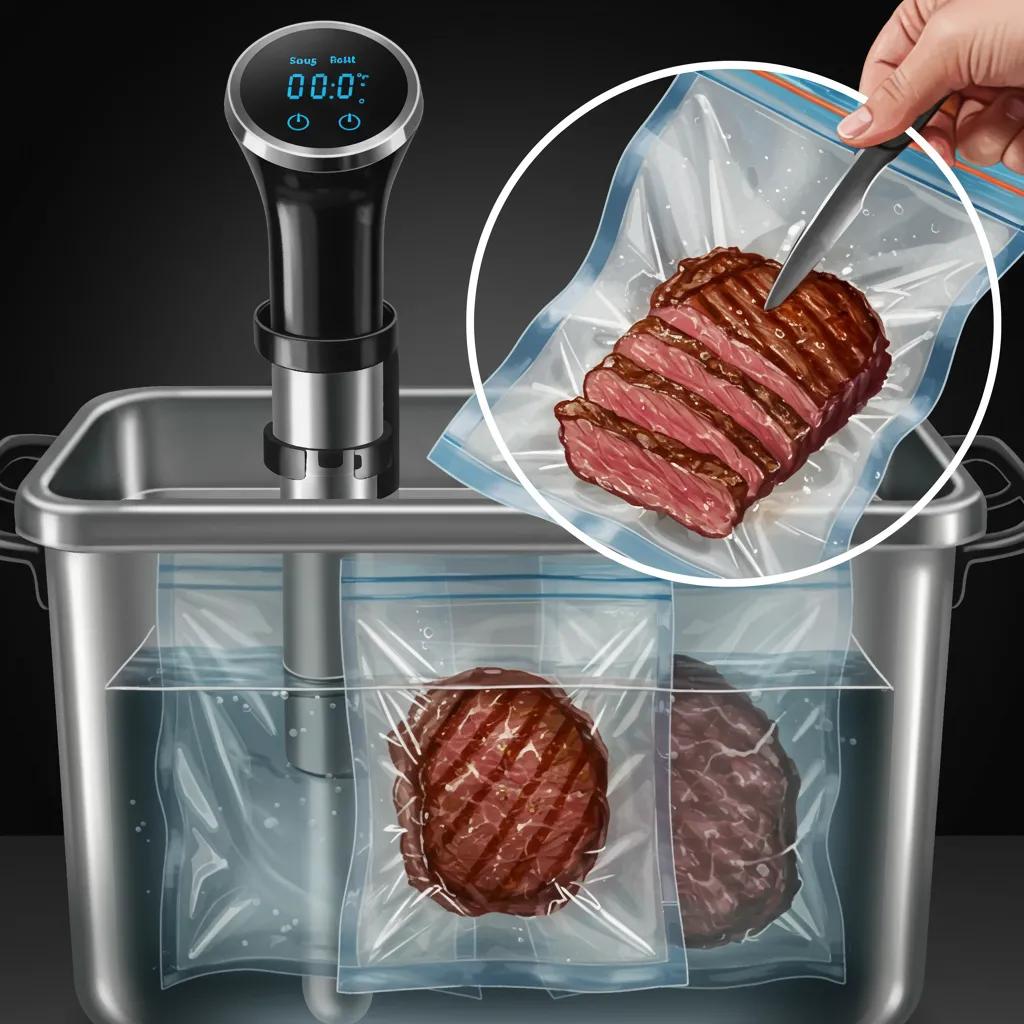
Under vide cooking works by sealing food—often vacuum-packed—in a plastic pouch and immersing it in a temperature-controlled water bath that holds a precise target temperature. This method prevents overcooking because the food cannot exceed the bath temperature, enabling perfect doneness edge-to-edge and retaining juices and volatile flavors. Popularity stems from its simplicity paired with precision: once set, a sous vide bath requires minimal active attention while delivering repeatable results for proteins, vegetables, and infused elements. The method also scales well for batch cooking and integrates easily with finishing techniques such as quick sears or broils to develop surface browning and aroma.
The combination of convenience, texture control, and nutrient-preserving low temperatures explains why sous vide has spread from professional kitchens to enthusiastic home cooks.
What Is Molecular Gastronomy and Its Key Techniques?
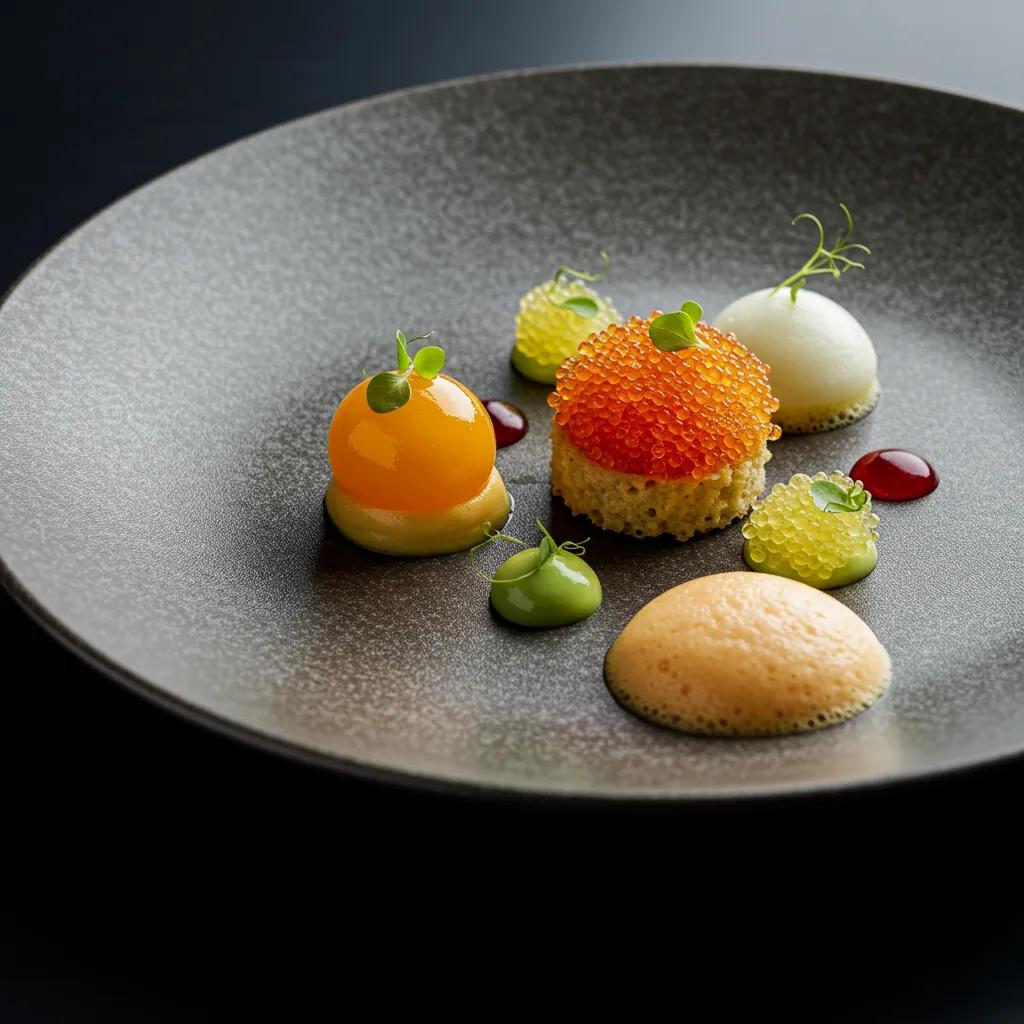
Molecular gastronomy is the practical application of food chemistry and physics to cooking, using ingredients and processes that modify texture, stability, or flavor release at a microscopic level. Core techniques include spherification (forming liquid-filled spheres using alginate/calcium chemistry), gelification (creating stable gels with agar, gelatin, or carrageenan), emulsification (stabilizing oil-in-water systems using lecithin or xanthan), and foaming (air incorporation stabilized by proteins or emulsifiers). Each technique targets a specific sensory outcome—bursting pearls, silky gels, airy foams—that enhances presentation and mouthfeel. Practitioners use these methods to reinterpret sauces, condiments, and dessert elements while preserving or intensifying flavor.
Exploring the science behind these techniques helps cooks deploy them safely and creatively, which we will expand on in the molecular gastronomy section.
How Do Culinary Spherification and Gelification Enhance Food Texture?
Spherification and gelification change mouthfeel by converting liquids into stable spheres or gels that release flavor when bitten or melt smoothly across the palate. In spherification, a liquid containing sodium alginate is dropped into a calcium bath (direct spherification) or vice versa (reverse spherification) to form a thin gel membrane that encapsulates liquid centers. Gelification uses gelling agents like agar or gelatin to create everything from firm dessert sheets to soft panna cotta textures, with differing melting points and thermal stability. These techniques let chefs contrast textures—crunch vs. burst, firm vs. silky—while using familiar flavors in inventive formats.
Understanding the basic ingredients—alginate, calcium, agar—and the sensory outcomes enables cooks to design dishes that surprise diners with texture variations and controlled flavor release.
How Can You Master Sous Vide Cooking for Perfect Results?
Mastering sous vide requires the right equipment, disciplined temperature-time choices, and finishing techniques that add flavor and appearance. Essential habits include accurate weighing and seasoning, reliable vacuum or displacement sealing, consistent bath circulation, and proper post-bath searing for Maillard reaction development. Emphasizing safety—using recommended minimum temperatures for pathogens and cooling rapidly for held foods—ensures both quality and compliance. Practice with common proteins and vegetables trains intuition about texture outcomes tied to specific temperatures and times, while troubleshooting knowledge prevents common beginner pitfalls.
Below are the practical elements every sous vide cook should know before stepping into routine practice.
What Equipment Is Essential for Sous Vide Cooking?
Core tools include an immersion circulator to regulate water temperature precisely, a suitable container for the water bath, and a means to seal food—vacuum sealer or reliable zipper-lock bags using the water displacement method. Secondary equipment that improves results includes a thermometer for cross-checking, a cast-iron pan or torch for finishing sears, and racks or clips to keep bags submerged and away from the circulator. Affordable substitutes—zipper bags instead of vacuum sealing and heavy pans as finishing tools—make sous vide accessible to home cooks on a budget. Regular maintenance of the circulator and safe handling of sealed pouches preserve performance and food safety over time.
These equipment choices set the stage for reliable sous vide workflows that produce consistent, restaurant-quality results.
What Are Step-by-Step Instructions for Cooking Sous Vide Steak and Chicken?
A concise, repeatable workflow follows prep, sealed cooking, and finishing to achieve desired texture and safety. Begin by seasoning protein and placing it in a sealed pouch with minimal free air; set the immersion circulator to the target temperature and preheat the bath; submerge the sealed bag ensuring circulation around the food; cook for the recommended time range based on thickness and desired doneness; remove, pat dry, and finish with a quick, high-heat sear to develop crust and aroma.
- Prep & Seal: Season, bag, and remove air for even heat transfer.
- Set Bath & Cook: Target temperature controls final doneness; time affects tenderness.
- Finish & Serve: Dry the surface and sear briefly for color and flavor.
Following these steps produces consistent sous vide steak and chicken textures while keeping food safety and flavor top priorities.
How Does Sous Vide Preserve Nutrients and Improve Food Quality?
Sous vide preserves nutrients by exposing food to lower temperatures for longer periods compared with high-heat methods that drive nutrient loss and oxidation. Controlled temperatures minimize degradation of heat-sensitive vitamins and volatile flavor compounds, while the sealed bag prevents leaching of soluble nutrients into cooking water. The technique also improves texture by gentle collagen breakdown in connective tissues without overcooking muscle fibers, yielding tender results with retained moisture. These mechanisms make sous vide particularly useful for delicate proteins and vegetables where nutrient retention and mouthfeel are central objectives.
Understanding these preservation mechanisms helps cooks choose sous vide for health-conscious preparation and premium dining outcomes.
What Are Common Troubleshooting Tips for Sous Vide Beginners?
Beginners often face bag leaks, floating items, or unexpected textures; preventive checks and corrective steps address these reliably. Ensure seals are intact and use double seals for fatty or juice-rich items; weigh bags or use clips to prevent floatation that disrupts even cooking; verify circulator calibration if temperatures seem off and allow the bath to preheat fully before timing. Texture issues often stem from incorrect temperature or insufficient time—adjust settings incrementally and test with small cuts before scaling. Regular cleaning of the circulator and container, plus safe cooling and storage after cooking, prevents contamination and preserves equipment longevity.
These troubleshooting steps shorten the learning curve and produce dependable results as cooks build confidence with sous vide.
How Does Molecular Gastronomy Transform Traditional Cooking?
Molecular gastronomy transforms traditional cooking by applying scientific principles—surface tension, gelling, emulsification, and phase changes—to reimagine textures, intensify flavors, and create new sensory experiences. Rather than replacing classic techniques, molecular methods extend options for plating, portion control, and flavor delivery, enabling chefs to distill sauces into pearls, suspend emulsions as foams, or set gels that melt at different temperatures. These transformations require precise measurement and handling of hydrocolloids and stabilizers to achieve intended results consistently. The approach enhances creativity in reinterpretations of traditional dishes while offering tools to address modern priorities like sustainability and portion efficiency.
The next subsections unpack the science behind these techniques, stepwise spherification, and sourcing of specialized ingredients.
What Are the Science Principles Behind Molecular Gastronomy?
At its core, molecular gastronomy uses physical chemistry to manipulate how food components interact: surface tension governs droplet formation, gelling agents form polymer networks to trap water, and emulsifiers stabilize mixtures of immiscible phases like oil and water. Understanding these principles lets cooks predict outcomes—how a membrane forms in spherification or why a lecithin foam stabilizes longer with careful agitation. Measurement precision and temperature control are essential because small deviations alter gel strength or membrane thickness. Grasping these mechanisms enables cooks to design textures intentionally rather than relying on trial-and-error.
This scientific foundation leads directly into practical spherification steps and the ingredient mechanics chefs use in modern kitchens.
How Is Spherification Performed and Applied in Recipes?
Spherification typically follows a direct or reverse approach: in direct spherification, a flavored liquid with sodium alginate is dropped into a calcium bath to form a gel membrane; in reverse spherification, a calcium-rich liquid is added to an alginate bath for more stable spheres with thicker membranes. Key ratios and gentle handling produce consistent beads; for example, small calibration tests determine setting times and membrane thickness. Common applications include flavor pearls for sauces, cocktail garnishes, and concentrated juice bursts in desserts, offering dramatic texture contrasts and controlled flavor release.
A concise, measured workflow and small-scale testing are the best ways to master spherification for dependable culinary applications.
What Ingredients and Tools Are Needed for Molecular Techniques?
Essential hydrocolloids include sodium alginate for spherification, agar and gelatin for gels, xanthan for thickening, and lecithin for emulsified foams. Tools range from precision digital scales and pipettes or syringes for small drops to immersion blenders for emulsions and anti-griddles or chilled surfaces for rapid setting. Safe storage and clear labeling of powdered hydrocolloids help maintain consistency, while sourcing from reputable suppliers ensures purity for predictable results. Simple substitutes—using gelatin instead of agar for certain textures—can make techniques more accessible to home cooks, but chefs should test substitutes to confirm thermal properties and mouthfeel.
Knowing the ingredient functions and proper tools reduces waste and accelerates skill acquisition in molecular applications.
How Are Emulsification and Gelification Used in Modern Desserts?
Emulsification and gelification allow modern desserts to combine airy textures with stable structure, producing elements like citrus foams, olive oil gels, and transparent fruit sheets. Emulsifiers such as lecithin generate light, persistent foams that carry volatile aromas, while agar or gelatin set fruit reductions into visually striking gels that slice cleanly. Chefs often pair an emulsified foam with a gelled component to juxtapose ephemeral aroma with firm texture, enhancing both presentation and perceived complexity. Recipes must balance sweetness, acidity, and gelling strength to ensure palatable mouthfeel and release of flavor during eating.
- Technique: Spherification | Typical Ingredient(s): Sodium alginate, calcium chloride | Application: Sauce pearls, cocktail garnishes
- Technique: Gelification | Typical Ingredient(s): Agar agar, gelatin, carrageenan | Application: Sheets, molded desserts, texture contrast
- Technique: Emulsification | Typical Ingredient(s): Lecithin, xanthan | Application: Stable foams, flavored airs
- Technique: Thickening | Typical Ingredient(s): Xanthan, methylcellulose | Application: Sauces, batters, stabilizing textures
Which Precision Cooking Methods Are Revolutionizing Pakistani Kitchens?
Precision cooking methods are being adapted in Pakistani kitchens to reinterpret classic dishes while preserving core flavors and making techniques more accessible for home cooks. Chefs and home cooks experiment by sous viding kebabs to retain juiciness before quick grilling, using controlled fermentation to deepen pickle flavors, and applying gelification to modernize chutneys and raita textures. Ingredient substitution—local dairy for creams, regional spices for infusions—keeps dishes authentic while leveraging precision methods to improve consistency and presentation. These adaptations expand menu possibilities without abandoning traditional flavor profiles.
Local adoption is driven by equipment accessibility, ingredient familiarity, and culinary education, which together create fertile ground for innovation in both homes and restaurants.
ARY News, as an information hub and reporting outlet, is positioned to cover these innovations by profiling local chef innovators, highlighting community events, and reporting on how global techniques take local form. Through timely stories and feature segments, ARY News can connect audiences with workshops, demonstrations, and emerging trends that show how sous vide and molecular methods are reshaping Pakistani culinary practice. Readers interested in local chef profiles and upcoming events are encouraged to follow such coverage for practical demonstrations and in-depth storytelling about food innovation.
How Are Advanced Techniques Adapted to Traditional Pakistani Dishes?
Adapting advanced techniques to Pakistani dishes often means retaining signature spice blends and textures while changing the thermal or structural approach to ingredients. For example, using sous vide for kebab meat yields stable juiciness before a final char imparts smoky aroma, while deconstructing biryani into layered gels and concentrated jus emphasizes individual flavor components. Chefs employ local dairy and spice-infused oils as bases for gels or foams, maintaining familiar tastes while exploring new forms. These adaptations emphasize practicality—scaling techniques to household equipment and local ingredient availability—so home cooks can experiment without exotic supplies.
Such case examples show that modernization complements tradition when cooks preserve essential flavor building blocks while improving control and consistency.
Who Are the Leading Pakistani Chefs Using These Techniques?
A growing segment of professional kitchens and culinary educators in Pakistan has embraced precision methods, using them to elevate tasting menus and teach new generations of cooks. Rather than focusing on individual names, it is useful to note the types of venues driving adoption: experimental urban restaurants, culinary training programs, and pop-up supper clubs where chefs test small-batch innovations. These environments foster collaboration between chefs, suppliers, and food-science practitioners, translating complex methods into approachable formats for wider audiences. Future reporting can spotlight profiles of these innovators and the practical influence they have on menus and home-cooking trends.
Understanding the venues and institutional drivers helps readers identify where to experience or learn modern techniques in a local context.
What Innovations Are Emerging in Pakistani Culinary Science?
Emerging innovations include low-cost equipment adaptations for home use, collaborations between culinary programs and ingredient suppliers for region-specific hydrocolloids, and community-led competitions that encourage technical experimentation. Small-scale R&D into fermentations using local produce and spice-infused gels for desserts reflects a pragmatic innovation path—one that values sustainability, seasonality, and cultural resonance. Monitoring culinary events and academic-industry partnerships reveals opportunities to scale these innovations into mainstream restaurant practice and home kitchens.
Tracking these developments helps cooks and food professionals anticipate new applications and training opportunities that preserve culinary identity while embracing technique-driven improvements.
What Are the Latest Trends and Technologies in Advanced Cooking?
Advanced cooking trends in 2025 emphasize accessible precision tools, sustainability, and educational pathways that demystify complex techniques. Home sous vide devices and modular tools lower entry barriers, while molecular gastronomy elements migrate from fine-dining spectacle to practical garnish and preservation techniques. Nutrition-conscious diners and chefs prioritize methods that reduce waste and enhance nutrient retention, and culinary education increasingly offers short-format workshops and microcredentials. These shifts signal a broader democratization of advanced cooking techniques as both hobbyists and professionals adopt scientifically informed practices.
The next subsections report on equipment adoption, molecular gastronomy influence, sustainability benefits, and education options shaping current and near-term culinary practice.
Recent coverage and market observation through 2025 show growing consumer interest in home precision tools and short-format culinary education. News-style briefs emphasize that affordability and content-rich tutorials drive adoption among younger audiences, while industry reporting highlights sustainability narratives—such as waste reduction and energy-efficient workflows—that appeal to conscious consumers. As an information hub, ARY News follows these trends by documenting local adoption stories and presenting practical buying and learning advice to readers in Pakistan and beyond.
How Is Home Sous Vide Equipment Growing in Popularity?
Home sous vide adoption is increasing as manufacturers deliver compact immersion circulators and simplified temperature control apps, making low-temperature cooking more approachable. Consumers cite convenience, consistent results for proteins and vegetables, and the ability to batch-cook as primary drivers. Price-to-feature trade-offs center on circulation power, temperature stability, and build quality; buyers weighing options should prioritize accurate temperature control and reliable customer support. This trend broadens the set of cooks who can use precision cooking for weeknight routines and special-occasion menus alike.
These adoption patterns suggest sous vide will remain a core entry-level precision tool for modern home kitchens.
What Role Does Molecular Gastronomy Play in Culinary Innovation?
Molecular gastronomy continues to influence plating and texture innovation, but its role is evolving from novelty to functional application. Techniques that were once stagecraft—like edible foams and pearls—are now used to concentrate flavor, reduce fat, and extend ingredient utility in cost-sensitive contexts. The trickle-down effect is visible in mainstream recipes that borrow single techniques rather than whole modernist programs, enabling restaurants and home cooks to apply small, high-impact elements. This measured adoption keeps molecular tools relevant without alienating diners who prefer familiar flavors.
Consequently, molecular methods serve as modular tools that enhance creativity while remaining practical for broader culinary adoption.
How Do Advanced Techniques Support Sustainability and Nutrition?
Precision methods support sustainability by improving yield, reducing overcooking waste, and enabling portion-controlled presentations that reduce plate waste. Sous vide and low-temp roasting optimize energy use for batch processes and help preserve nutrients by minimizing oxidation and leaching. Molecular techniques can concentrate flavors so smaller ingredient quantities deliver greater taste impact, which may reduce resource intensity. For home cooks, these benefits translate into more efficient meal prep and longer usable life for prepared foods when stored correctly.
Adopting these practices encourages cooks to prioritize both flavor and responsible resource use in everyday cooking.
What Are Emerging Culinary Education Opportunities for Advanced Skills?
Education formats now include short workshops, online courses, and modular video series that emphasize technique mastery and safety. Learners should evaluate programs based on hands-on practice time, measurable outcomes, and instructor expertise; hybrid formats that combine succinct video lessons with in-person labs deliver efficient skill transfer. Microlearning and social-video explainers also enable rapid acquisition of single techniques—like spherification or vacuum sealing—while deeper certificate programs support professional upskilling. These pathways allow both hobbyists and aspiring professionals to find entry points matched to time and budget constraints.
Choosing the right learning path accelerates competence and reduces wasteful experimentation with specialized ingredients and tools.
How Can You Apply Advanced Cooking Techniques at Home?
Applying advanced techniques at home begins with choosing one method, acquiring minimal equipment, and practicing simple recipes that use local ingredients. Start with reliable sous vide workflows for proteins, then try a single molecular technique—like creating a fruit gel or a citrus foam—using straightforward hydrocolloid ratios. Video tutorials and short practice sessions build muscle memory for sealing, temperature control, and plating. Emphasize safety with correct temperature targets, proper cooling, and clean handling of specialized powders to avoid waste and ensure delicious outcomes.
Below are easy, approachable recipe ideas and resource guidance to help you get started safely and confidently.
What Are Easy Recipes Using Sous Vide and Molecular Gastronomy?
- Sous Vide Spice-Infused Chicken: Seasoned chicken cooked at safe pasteurization temps, finished with a quick sear.
- Citrus Pearls (Reverse Spherification): Calcium-rich citrus juice dropped into an alginate bath to create flavor bursts.
- Agar Fruit Sheet: Concentrated fruit purée set with agar, cut into ribbons or shapes for plated desserts.
How Can Video Tutorials Help You Learn These Techniques?
Video tutorials accelerate skill acquisition by showing exact handling, timing, and visual cues that text descriptions cannot convey. Short-form clips (1–3 minutes) work well for single techniques—bag sealing, droplet formation, or rapid searing—while longer demonstrations walk through complete recipes and troubleshooting. Structure tutorials with a clear objective, a list of tools, stepwise actions, and visible success indicators to maximize learning value. Distributing practice across multiple short videos encourages repetition and confidence-building without overwhelming new learners.
Combining concise videos with occasional longer lessons creates an efficient learning path that supports both micro-skills and integrated workflows.
What Tips Enhance Flavor and Presentation in Advanced Cooking?
Small finishing choices dramatically improve perceived quality: season early for even distribution, use acid or fat to amplify flavors, and add contrasting textures to balance mouthfeel. For plating, prioritize contrast—color, shape, and texture—so modernist elements complement, not overpower, traditional components. When using emulsions or gels, taste for seasoning after setting, as perception can change with structure. Lastly, rehearse finishing steps such as searing or torching to synchronize temperature and texture right before service.
Applying these simple rules ensures that technical proficiency translates into compelling, delicious plates that respect both flavor and visual appeal.
What Are Common Questions About Advanced Cooking Techniques?
This section answers frequently asked questions clearly and directly so readers can find quick guidance on technique selection, relative complexity, and practical steps. Concise answers target common search queries and provide straightforward next steps, linking readers mentally to deeper sections of this article for full procedures, safety notes, and sourcing advice. Quick-access Q&A pairs help beginners triage which techniques to learn first and how to avoid common pitfalls as they progress.
What Are the Top 5 Advanced Cooking Techniques to Know?
- Sous Vide: Reliable low-temperature cooking for perfect doneness and moisture retention.
- Spherification: Encapsulates liquids into burstable pearls for concentrated flavor delivery.
- Gelification: Creates stable gels and sheets for modern plating and texture contrasts.
- Emulsification: Stabilizes foams and sauces to add airy texture and aroma.
- Precision Low-Temp Roasting: Evenly breaks down connective tissue while preserving juiciness.
What Is the Most Advanced Cooking Technique Available?
“Most advanced” depends on criteria: technical difficulty, equipment needs, and safety considerations; techniques like cryogenic freezing with liquid nitrogen or professional anti-griddle applications sit at one extreme due to specialized equipment and safety requirements. For home cooks, combining precision sous vide with accurate molecular stabilizers delivers high-impact results without extreme hazards. Choosing advancement levels should align with the cook’s safety comfort, time investment, and willingness to learn measurement-based workflows.
Prioritizing modular techniques that scale from simple to complex offers the best path toward advanced skill without unnecessary risk.
How Do You Perform Spherification Step-by-Step?
Reverse spherification offers a reliable starting point and follows a clear sequence: prepare an alginate bath, ensure the flavored liquid contains calcium, drop the liquid into the bath with a syringe or spoon, rinse spheres in clean water, and store briefly before serving. Key ratios and gentle handling control membrane thickness; perform small tests to calibrate setting times. Common mistakes include incorrect viscosity or inadequate rinsing; troubleshooting addresses these by adjusting concentration and handling speed. Serve spheres immediately for best textural contrast.
This concise step sequence helps cooks capture the essential actions needed for dependable spherification results.
What Is Sous Vide Used For in Everyday Cooking?
Sous vide integrates into routine cooking for consistent protein preparation, vegetable batch-cooking, infusing flavors into fruits or oils, and creating ready-to-finish components for quick weeknight service. Its strengths are predictable doneness, easy batch scaling, and the ability to produce tender textures with minimal active monitoring. For everyday use, sous vide simplifies meal prep by enabling advance cooking and short finish steps that still deliver freshly seared appearance and aroma. Use sous vide for meal components you want reliably repeatable across multiple meals.
These everyday applications show how precision cooking becomes practical and time-saving in modern kitchens.
ARY News (operating as “Ai Reporting Yard”) is an information hub that follows culinary innovation trends and local adoption stories, documenting how advanced techniques reach Pakistani kitchens. Readers interested in profiles of chef innovators, coverage of events, or practical video explainers can look for ARY News features that connect technical guidance with local context. Followed content focuses on timely and comprehensive reporting about culinary science adoption, workshops, and demonstrations that help home cooks and professionals learn new skills.
10 Easy Molecular Gastronomy Techniques! So Yummy
Conclusion
Mastering advanced cooking techniques like sous vide and molecular gastronomy can elevate your culinary skills, offering precise control over texture and flavor while enhancing nutritional value. These methods not only transform traditional dishes but also empower home cooks to experiment with creativity and innovation. By embracing these techniques, you can achieve restaurant-quality results in your own kitchen. Start your journey into advanced cooking today by exploring our resources and tutorials.