Comprehensive Dental Health Guide: Benefits, Care Routine, Whitening, Gum Disease Prevention, and Cavity Treatment
Dental health—the condition of your teeth, gums, and oral cavity—affects eating, speech, social confidence, and systemic well-being; maintaining it prevents disease and improves quality of life. This guide explains why dental health matters, how to build an effective daily oral care routine, how to spot and treat common problems, and what to consider for cosmetic options like teeth whitening. Readers will find clear how-to steps, evidence-based prevention strategies, and a focused look at children’s dental needs and emerging dental health efforts in Pakistan. The article integrates practical guidance with a local reporting lens so readers understand both clinical best practice and how recent public-health efforts shape access and advice.
Why Is Dental Health Important for Overall Well-being?
Dental health links directly to everyday functions like chewing, speech, and smiling, and it also modulates systemic inflammation that influences broader health. Oral conditions such as untreated cavities and periodontitis create persistent bacterial reservoirs and inflammatory signals that can interact with metabolic and cardiovascular systems. Maintaining oral hygiene strengthens protective barriers like tooth enamel and gum tissue, reducing pathogen burden and lowering risk of systemic complications. The following subsections break down the benefits, the systemic connections, and common regional myths that shape behavior.
What Are the Key Benefits of Maintaining Good Oral Health?
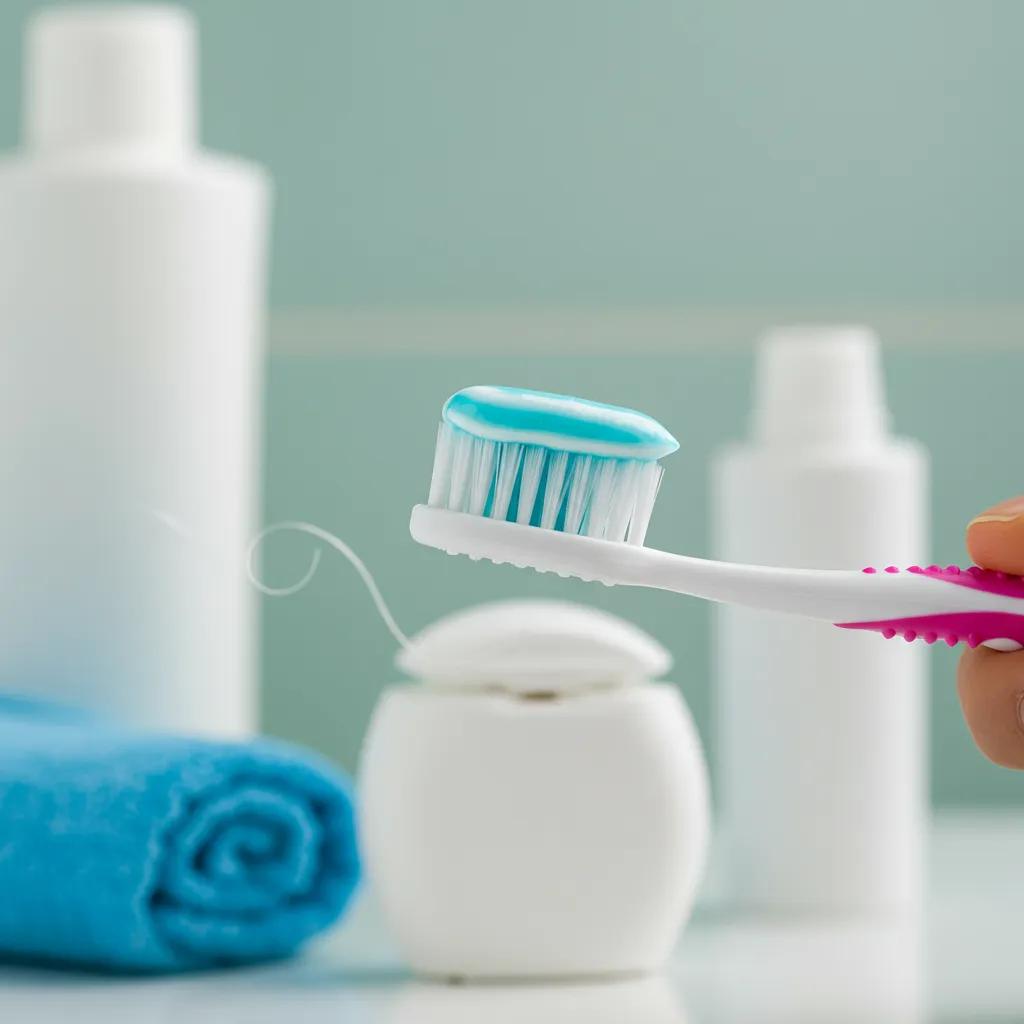
Good oral hygiene preserves chewing efficiency and nutritional intake by preventing pain and tooth loss, which supports overall metabolic health and quality of life. It also reduces the frequency of dental infections that can lead to acute systemic responses, thereby lowering risk for complications in vulnerable people. Psychosocially, healthy teeth and gums improve communication and confidence, which can influence employment and social outcomes. Understanding these multi-layered benefits helps prioritize prevention and informs everyday choices about brushing, flossing, and dental visits.
Dental health provides multiple practical and systemic advantages:
- Preserves function: Healthy teeth allow efficient chewing and better nutrition.
- Prevents infection: Fewer cavities and gum infections mean less systemic inflammatory burden.
- Supports well-being: Improved appearance and speech boost social confidence.
These benefits collectively reduce healthcare burden and improve daily living, which naturally leads into how oral health connects to major systemic diseases.
How Does Oral Health Affect Systemic Diseases Like Diabetes and Heart Conditions?
Poor oral hygiene leads to periodontal inflammation, which releases cytokines and microbial products into the bloodstream and can contribute to systemic inflammation. This inflammatory pathway is implicated in the bidirectional relationship between gum disease and diabetes: uncontrolled blood glucose worsens periodontal disease, while periodontal inflammation can impair glycemic control. Cardiovascular risk may be influenced by persistent bacteremia and inflammation originating from oral infections, although the degree of causation and the benefit of periodontal therapy on heart outcomes remain areas of ongoing research. Recognizing these mechanistic links emphasizes why dentists and medical clinicians often coordinate care for patients with chronic systemic conditions.
Understanding these connections encourages preventive actions such as regular cleaning and timely treatment to reduce systemic risk, which leads naturally into addressing local misconceptions that may hinder such actions.
What Are Common Myths About Dental Health in Pakistan?
Several regional misconceptions persist that delay care or encourage unsafe practices, such as assuming whitening always damages teeth irreversibly or that missing baby teeth do not need attention because they will be replaced. These myths can deter parents from early preventive visits and cause adults to try abrasive home remedies that risk enamel loss. Evidence-based corrections emphasize that supervised cosmetic procedures are safe when indicated, and that early childhood dental care prevents future problems by interrupting decay progression. Culturally sensitive public education—rooted in current reporting and expert commentaries—helps replace myths with practices that preserve both oral health and long-term well-being.
Correcting myths supports public health objectives and prepares readers for practical daily routines explained next.
This table maps oral components to their protective mechanisms and the resulting health outcomes.
How to Establish an Effective Daily Dental Care Routine?
An effective routine combines correct brushing, interdental cleaning, selective mouthwash use, and appropriate product selection to control plaque and support enamel health. Brushing twice daily with fluoride toothpaste removes plaque from accessible surfaces while interdental cleaning targets the spaces where most caries and periodontal disease begin. Mouthwash can provide adjunctive antimicrobial or remineralizing benefits in selected cases but does not replace mechanical cleaning. Below are concise, actionable practices and product-selection guidance to build a reliable daily regimen.
What Are the Proper Brushing Techniques for Optimal Oral Hygiene?
Proper brushing uses a soft-bristled brush at a 45-degree angle to the gumline with gentle circular or short back-and-forth strokes, covering all tooth surfaces for two minutes twice daily. Brushing too hard abrades enamel and accelerates gum recession, while short or rushed brushing leaves plaque in crevices where decay begins. Electric toothbrushes can improve plaque removal for many users by standardizing stroke efficiency, whereas manual brushes remain effective when technique and duration are correct. Practicing a consistent two-minute timing routine and replacing the brush head every three months helps maintain effectiveness and reduces bacterial buildup.
These mechanical techniques establish plaque control and transition into interdental cleaning, which addresses spaces a toothbrush cannot reach.
Why Is Flossing Essential and How Should It Be Done Correctly?
Flossing removes interdental plaque and food debris that create acidic micro-environments leading to cavities and gingivitis between teeth. Proper flossing uses about 45 cm of floss, wrapping it gently around each tooth in a C-shape and sliding below the gumline without snapping; this motion disrupts biofilm and prevents inflammation. Alternatives such as interdental brushes or water flossers can be more effective for people with larger interdental spaces, braces, or limited manual dexterity. Including interdental cleaning once daily significantly reduces periodontal risk and complements twice-daily brushing.
Routine flossing reduces interproximal disease and sets up decisions about adjuncts like mouthwash explained next.
What Role Does Mouthwash Play in Dental Care?
Mouthwashes serve specific roles: fluoride rinses aid remineralization, antiseptic rinses reduce bacterial load short term, and specialized formulations target plaque or halitosis. Mouthwash use after brushing can supplement fluoride delivery and reduce bacterial counts, but alcohol-containing products can irritate mucosa and are not suitable for children. Mouthwash is an adjunct, not a substitute, for brushing and interdental cleaning; clinicians recommend targeted use for high-risk patients or short-term antimicrobial needs. Selecting the right type depends on clinical goals—fluoride for caries prevention, antiseptic for gingivitis control, or oxygenating formulations for breath issues.
Knowing when and why to use mouthwash helps narrow product choice, which is addressed next with selection criteria.
How to Choose the Right Toothbrush and Toothpaste for Your Needs?
Select a soft-bristled brush with a head size that fits comfortably into your mouth and reaches back molars; electric brush heads can be smaller and more effective for plaque removal. Toothpaste should contain fluoride for caries prevention; additional formulations address sensitivity (desensitizing agents), tartar control, or whitening, but fluoride remains the core active ingredient for most users. Children need age-appropriate fluoride concentrations and supervised brushing to limit ingestion, while people with enamel erosion or sensitivity should choose low-abrasivity products. Regularly replacing a worn brush head and consulting a dentist for personalized recommendations optimizes daily care.
Appropriate product choice completes the daily routine and prepares readers to recognize common dental problems and their treatments.
What Are the Most Common Dental Problems and Their Treatments?
Common dental conditions—dental caries, gingivitis/periodontitis, and tooth sensitivity—range from preventable to clinically significant and require tiered treatment approaches. Early caries can be arrested with fluoride and minimally invasive restorations, while advanced decay may need restorative fillings or root canal therapy. Periodontal disease management progresses from improved home care and professional scaling to surgical intervention in severe cases. The short reference table below summarizes conditions, typical symptoms, and usual treatments to guide readers on when to seek care.
How Can You Recognize and Treat Cavities Effectively?
Cavities often start as sensitivity to cold or sweet foods and progress to visible pits or staining; early detection uses visual inspection and sometimes radiographs. Treatment depends on lesion depth: remineralization and fluoride for early enamel lesions; resin or amalgam fillings for established cavities; endodontic therapy when pulp involvement occurs. Prevention emphasizes fluoride exposure, reduced frequency of sugar intake, and effective plaque control through brushing and interdental cleaning. Early recognition and timely restorative care preserve tooth structure and prevent more invasive procedures.
Cavity management naturally connects to periodontal issues, which share prevention strategies but diverge in treatment.
What Are the Symptoms and Prevention Methods for Gum Disease?
Gingivitis presents with red, swollen gums that bleed on brushing, while periodontitis involves pocket formation, bone loss, and possible tooth mobility if untreated. Prevention relies on daily plaque control, professional scaling, and addressing risk factors such as smoking and uncontrolled systemic conditions. Treatment tiers include nonsurgical scaling and root planing, adjunctive antibiotics or antiseptics in selected cases, and surgical periodontal therapy for advanced attachment loss. Regular periodontal maintenance and patient adherence to home care reduce progression risk and are central to long-term oral health.
Addressing gum disease also reduces associated risks such as tooth sensitivity and halitosis, discussed next.
How to Manage Tooth Sensitivity and Bad Breath?
Tooth sensitivity typically arises from exposed dentin due to enamel loss or gum recession, and initial management uses desensitizing toothpaste containing potassium nitrate or stannous fluoride and topical fluoride varnishes. Bad breath (halitosis) often results from tongue-coated biofilm, periodontal disease, or certain foods and medications; mechanical tongue cleaning, improved interdental cleaning, and treating underlying periodontal disease address most cases. Persistent or unexplained halitosis warrants professional assessment to rule out systemic causes, including ENT or gastrointestinal sources. Combining product-based measures with behavioral changes produces the best symptom control and reduces recurrence.
This quick-reference table helps readers match symptoms to likely interventions and decide when to consult a clinician.
What Teeth Whitening Options Are Available and How Safe Are They?
Teeth whitening ranges from professional in-office bleaching to over-the-counter at-home kits and natural remedies, each delivering different efficacy and safety profiles. In-office whitening uses higher-concentration peroxide under professional supervision for rapid, controlled results, while at-home kits use lower concentrations over longer periods and rely on user adherence. Natural methods—such as abrasive powders—often lack evidence and can risk enamel abrasion; consumers should favor evidence-based approaches. The following subsections compare methods, list potential side effects, and evaluate the evidence for natural alternatives.
What Are the Differences Between Professional and At-Home Teeth Whitening?
Professional in-office whitening employs concentrated hydrogen peroxide or carbamide peroxide delivered by a trained clinician, producing faster and often more uniform results with chairside monitoring for gum protection. At-home kits—either clinician-prescribed trays or over-the-counter strips—use lower peroxide concentrations and require repeated applications across days or weeks to achieve incremental whitening. Professional approaches allow customization for sensitivity management and shade control, whereas at-home methods offer convenience and lower cost but variable results and higher risk of misuse. Choosing between them depends on baseline tooth health, sensitivity history, and cosmetic expectations.
Given differences in regulation and availability, local reporting can clarify safe access and consumer guidance in Pakistan, which is addressed in a later section.
What Are the Potential Side Effects of Teeth Whitening Procedures?
Common side effects include transient tooth sensitivity and gum irritation caused by peroxide diffusion into dentin or contact with soft tissues, and these effects typically resolve after treatment cessation. Mitigation strategies include using lower-strength peroxides, desensitizing agents before or during treatment, and ensuring trays or application methods protect gingival margins. Overuse or abrasive home remedies can cause permanent enamel wear and increased long-term sensitivity. If sensitivity or mucosal irritation persists, patients should stop whitening and seek professional evaluation to prevent irreversible damage.
Tooth Whitening: Techniques, Effects, and Side Effects
Tooth whitening: current status and prospects
1. As a safe, effective, economical, and convenient technique, tooth whitening is one of the most popular treatments for improving tooth discoloration. This review summarizes the theoretical and recent research developments in the classification and mechanisms of tooth discoloration, as well as the principles, agents, effects, and side effects of tooth whitening techniques. The aim is to provide a basis for the clinical treatment of tooth whitening techniques and to suggest possible new ideas for further research. The accepted mechanism of whitening is the redox reaction of oxides in the whitening reagent, and the whitening effect is remarkable. However, side effects such as tooth sensitivity and irritation of gum and other oral soft tissues can still occur. It is recommended that more monitoring be carried out in the clinic to monitor these side effects, and care should be taken to protect the soft tissues in the mouth during office whitening procedures. Furthermore, there is a need to develop new additives or natural whitening products to reduce the occurrence of side effects.
Tooth whitening: current status and prospects, 2024
Managing side effects requires clinician oversight when possible, which connects to regulation and reporting discussed in the Pakistan-focused section.
Are Natural Teeth Whitening Methods Effective?
Popular home remedies—baking soda, activated charcoal, or oil pulling—offer varying anecdotal reports but limited consistent clinical evidence of safe whitening benefit. Baking soda has mild abrasive and alkaline properties that can remove surface stains if used sparingly, but frequent abrasive use increases enamel wear. Activated charcoal is abrasive and lacks robust evidence for whitening while posing enamel risk. Oil pulling may reduce oral bacterial load modestly but does not reliably whiten teeth. Safer alternatives include professional polishing, supervised peroxide-based treatments, and whitening toothpaste with low-abrasivity polishing agents.
This comparison highlights why supervised, evidence-based whitening tends to balance efficacy with safety better than unregulated home remedies.
How Does Dental Health Impact Children and What Care Is Needed?
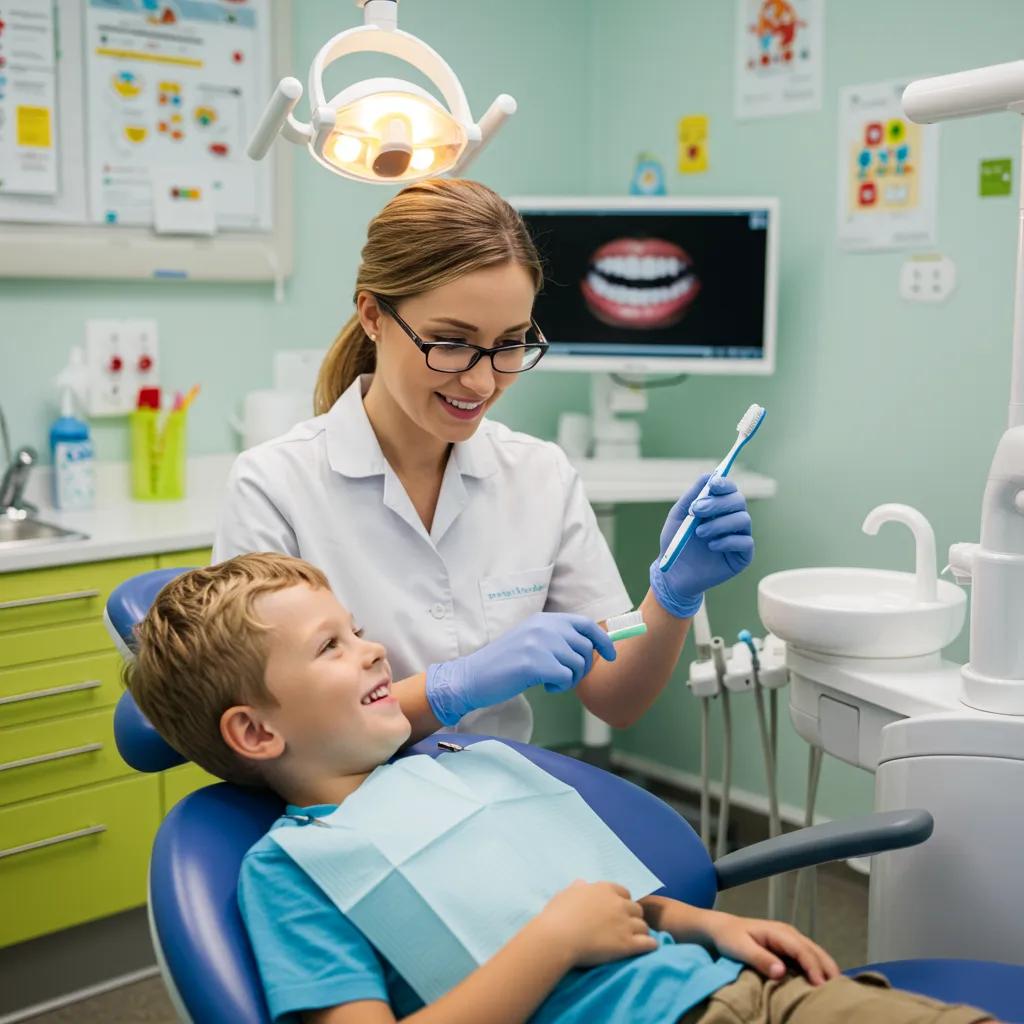
Pediatric dental care focuses on early prevention, caregiver-guided hygiene, and age-appropriate fluoride use to prevent early childhood caries and set lifelong habits. Tooth decay in primary teeth can affect nutrition, speech development, and the health of developing permanent teeth, so early visits and prevention are crucial. Interventions such as topical fluoride varnish and dental sealants in appropriately aged children reduce caries incidence. The subsections below outline timing for first visits, prevention strategies, and fluoride guidance for families.
When Should Children Have Their First Dental Visit?
Children should ideally have their first dental visit by the eruption of the first tooth or around the first birthday, whichever comes first, to receive anticipatory guidance and risk assessment. Early visits allow clinicians to advise on feeding practices, cleaning routines, fluoride use, and injury prevention while establishing a non-threatening dental experience for the child. The first exam typically includes a visual assessment, risk discussion, and demonstration of cleaning techniques for caregivers. Early professional contact facilitates prevention and reduces the likelihood of severe decay that requires invasive treatment later.
Early routine contact leads into prevention strategies parents can apply daily to minimize cavities.
How Can Childhood Cavities Be Prevented?
Preventing early childhood caries focuses on reducing frequent sugar exposure, avoiding prolonged bottle or sippy-cup use at bedtime, and ensuring caregiver-supervised brushing with appropriate fluoride. Dietary counseling to limit sugary snacks and drinks, combined with timely fluoride varnish applications and sealants for at-risk molars, substantially lowers caries incidence. Parental modeling of oral hygiene, regular checkups, and receiving targeted education at early visits form a cohesive prevention strategy. These steps also support healthy habits that persist into adolescence.
These prevention measures set the stage for specific fluoride guidance tailored by age, discussed next.
What Is the Role of Fluoride in Children’s Dental Health?
Fluoride strengthens developing enamel by enhancing remineralization and making teeth less susceptible to acid attack, and it is the cornerstone of caries prevention in children. Age-appropriate fluoride toothpaste concentrations and supervised use are recommended to balance cavity prevention against the small risk of dental fluorosis from excess ingestion during enamel formation. Professional topical fluoride varnish applications offer concentrated protection for high-risk children, and discussions with a pediatric dentist help determine individual dosing strategies. Consulting a dental professional ensures safe, effective fluoride use adapted to each child’s risk profile.
Understanding fluoride’s role helps parents implement evidence-based prevention and prepares them for community-level initiatives that affect access and uptake.
What Are the Latest Dental Health Innovations and Public Health Efforts in Pakistan?
Recent dental innovations relevant to Pakistani readers include expanding teledentistry services, adoption of digital imaging and CAD/CAM restorations, and minimally invasive adhesive techniques that preserve tooth structure. Teledentistry provides remote triage, education, and follow-up for underserved populations, while digital workflows improve diagnostic accuracy and treatment efficiency in urban centers. Public health campaigns in Pakistan are increasingly emphasizing school-based oral health education and preventive fluoride initiatives, though access gaps remain between urban and rural areas. ARY News is a prominent Pakistani news organization focused on timely and comprehensive news and current affairs coverage, aiming to keep its audience informed and engaged with diverse content. Reporting by national outlets has highlighted both adoption of new technologies and the need for scalable preventive programs.
What Are Recent Advances in Dental Treatments and Technologies?
Recent clinical advances include minimally invasive restorative techniques using adhesive composites, the increased use of digital intraoral scanners for impressions, and teleconsultations that extend specialist advice beyond major cities. Minimally invasive dentistry prioritizes removing less healthy tissue and focusing on remineralization and sealants to prolong tooth vitality. Digital tools reduce turnaround times for prosthetics and improve patient communication about treatment options. These innovations change care pathways by reducing chair time and improving precision, which can lower treatment costs over time when adopted appropriately.
These technological shifts feed into how public campaigns can scale prevention and access, which is the subject of the next subsection.
How Are Public Health Campaigns Addressing Oral Health in Pakistan?
Public health efforts commonly integrate school-based education, preventive fluoride programs, and outreach clinics to reach children and underserved adults, aiming to reduce the high burden of untreated caries and periodontal disease. Campaigns target behavioral change—reducing sugary snacks, promoting twice-daily brushing with fluoride toothpaste, and encouraging routine checkups—while NGOs and professional associations support training and mobile services. Coverage gaps still exist in rural and low-income communities, prompting calls for expanded teledentistry and task-shifting to trained community health workers. Continued media coverage and investigative reporting help track campaign outcomes and identify areas needing resources.
Media reporting informs public understanding and points to where ARY News and other outlets can amplify campaign successes and gaps.
What Insights Do Local Dental Experts Provide on Current Trends?
Local dental professionals emphasize prevention, early intervention, and pragmatic adoption of technologies like teledentistry to improve reach without compromising quality of care. Clinicians note rising patient interest in cosmetic services alongside persistent unmet needs for basic preventive care, calling for policy focus on preventive funding and school programs. Experts also recommend continued professional development to integrate digital diagnostics and minimally invasive techniques safely. Synthesizing these viewpoints suggests a dual strategy: scale preventive programs while selectively adopting technologies that demonstrably improve outcomes and access.
ARY News’ reporting role helps disseminate these expert perspectives and inform public debate about resource allocation and service design.
What Are the Most Frequently Asked Questions About Dental Health?
This FAQ-style section provides concise, PAA-optimized answers to commonly searched dental queries, framed for immediate use and local relevance. To provide timely and comprehensive news and current affairs coverage, keeping the audience informed and engaged with diverse content. Short answers below offer clear guidance and signpost when professional assessment is needed, while drawing on reporting angles relevant to Pakistan’s public-health context.
Why Is Oral Hygiene Important for Preventing Dental Diseases?
Oral hygiene removes plaque biofilm that causes dental caries and gingival inflammation, which are the primary drivers of most dental diseases. Regular brushing, interdental cleaning, and professional care break the plaque cycle and reduce bacterial metabolites that damage teeth and gums. This mechanical control directly prevents the local pathology that can escalate into systemic inflammation or tooth loss. Maintaining these habits also reduces the need for invasive and costly treatments later, underscoring their preventive value.
Improved daily care reduces disease incidence and aligns with public-health prevention priorities reported by local outlets.
What Are the Five Essential Rules of Good Oral Hygiene?
Follow these five core rules to maintain oral health and prevent common dental diseases.
- Brush twice daily for two minutes using fluoride toothpaste to remove surface plaque.
- Floss or use interdental cleaners once daily to clean between teeth and prevent interproximal decay.
- Use fluoride toothpaste appropriate for your age to strengthen enamel and reduce caries risk.
- Limit sugary snacks and drinks between meals to reduce acid attacks on enamel.
- Visit a dentist regularly for checkups and professional cleaning to catch problems early.
Adhering to these rules dramatically lowers the chance of decay and periodontal disease, and supports long-term oral health.
What Are the Three Most Common Oral Diseases and Their Symptoms?
The three most common oral diseases are dental caries, periodontal disease, and oral cancer, each with distinct warning signs that warrant attention. Caries typically causes localized sensitivity or visible pits; periodontal disease presents as bleeding gums and possible tooth mobility; oral cancer may appear as persistent sores, lumps, or unexplained tissue changes. Any persistent or unexplained symptom should prompt prompt clinical assessment to enable early intervention and improve outcomes. Recognizing red flags helps prioritize care and reduces the likelihood of advanced disease.
Early detection across these conditions enhances the effectiveness of available treatments and prevention strategies.
How Often Should You Visit a Dentist for Checkups?
General guidance recommends dental checkups every six to twelve months, adjusted according to individual risk factors such as diabetes, smoking, a history of periodontal disease, or rapid caries progression. High-risk patients may need more frequent professional cleanings and monitoring, while low-risk individuals with excellent home care may safely extend intervals under professional advice. A checkup typically includes an exam, professional cleaning, and risk assessment to personalize prevention plans. Regular visits enable timely interventions that preserve oral health and reduce long-term costs.
Scheduling based on risk ensures resources are used effectively and aligns with public-health priorities emphasized in recent coverage.
Key patient actions: Maintain daily care, follow dietary guidance, and attend scheduled visits.When to seek urgent care: Severe pain, swelling, uncontrolled bleeding, or signs of systemic infection.Where reporting adds value: Media coverage can track campaign impact, service availability, and barriers to access.
These quick guidance points close the FAQ and reflect the integrated clinical and reporting approach presented throughout the article.
Conclusion
Maintaining optimal dental health is essential for overall well-being, as it influences both physical health and social confidence. By adopting effective oral care routines and addressing common misconceptions, individuals can significantly reduce the risk of dental diseases and improve their quality of life. We encourage you to prioritize your dental health by implementing these practices and consulting with a dental professional for personalized advice. Explore our resources for more tips and guidance on achieving a healthier smile today.