Classic and Easy Cocktail Recipes: Your Ultimate Guide to Popular Mixed Drinks and 2025 Trends
Cocktails are mixed drinks that combine spirits, mixers, aromatics, and technique to create balanced, flavorful beverages suitable for many occasions. This guide explains classic cocktail recipes, beginner-friendly home-mixology methods, ingredient roles, and the key 2025 trends shaping NoLo and sustainable mixology. Readers will find concise recipe cards, practical step-by-step how-to’s, and mocktail options designed for culturally sensitive entertaining. The article maps seven core sections so you can jump from classics to techniques, ingredient deep dives, trend analysis, beginner bartending, and mocktail recipes that work for social gatherings.
What Are the Most Popular Classic Cocktail Recipes?
Classic cocktails are enduring mixed drinks that demonstrate the core rules of balance: spirit, sweetener, acid, and dilution. These recipes persist because they exemplify simple ingredient synergy and clear sensory roles, making them ideal teaching tools for new mixers. Understanding classics helps home bartenders learn measurement, technique, and garnish choices that scale to personal taste. The following subsections list essential classics, explain their key ingredient functions, and connect their origins to global mixology traditions.
Which 7 Classic Cocktails Should Every Beginner Know?
This curated list highlights seven foundational cocktails every beginner should recognize for technique and flavor education. Each entry includes a one-line origin or character note plus core ingredients and a serving suggestion to help novices practice essential skills. Learning these drinks trains palate recognition of sweetness, acidity, and spirit character, which improves substitution and mocktail conversion later.
- Mojito — A refreshing Cuban-style mix of rum, lime, sugar, and mint served over crushed ice.
- Margarita — A citrus-forward tequila drink balanced with lime and orange liqueur, typically served with a salted rim.
- Old Fashioned — Whiskey, sugar, and bitters stirred with ice and garnished with an orange twist for aromatic depth.
- Negroni — Equal parts gin, Campari, and sweet vermouth create a bitter-sweet aperitif with citrus garnish.
- Martini — Gin (or vodka) and dry vermouth stirred or shaken and garnished with an olive or lemon twist.
- Daiquiri — Simple rum, lime, and sugar shaken and strained for a bright, balanced cocktail.
- Manhattan — Rye or bourbon, sweet vermouth, and bitters stirred and served up with a cherry.
These seven cocktails train beginners in muddling, shaking, and stirring techniques, and they provide a practical base for adapting recipes into NoLo or culturally tailored versions for local gatherings.
Intro to comparison table: The next table summarizes core ingredients and typical garnishes for quick scanning and recipe practice. It helps home mixers choose which recipe to learn first based on available ingredients and occasion.
This table provides a quick reference so readers can compare classics and decide which recipes match their equipment and taste preferences. It supports rapid learning by pairing names with essential components and serving cues.
How Can You Make Easy Mixed Drinks at Home?
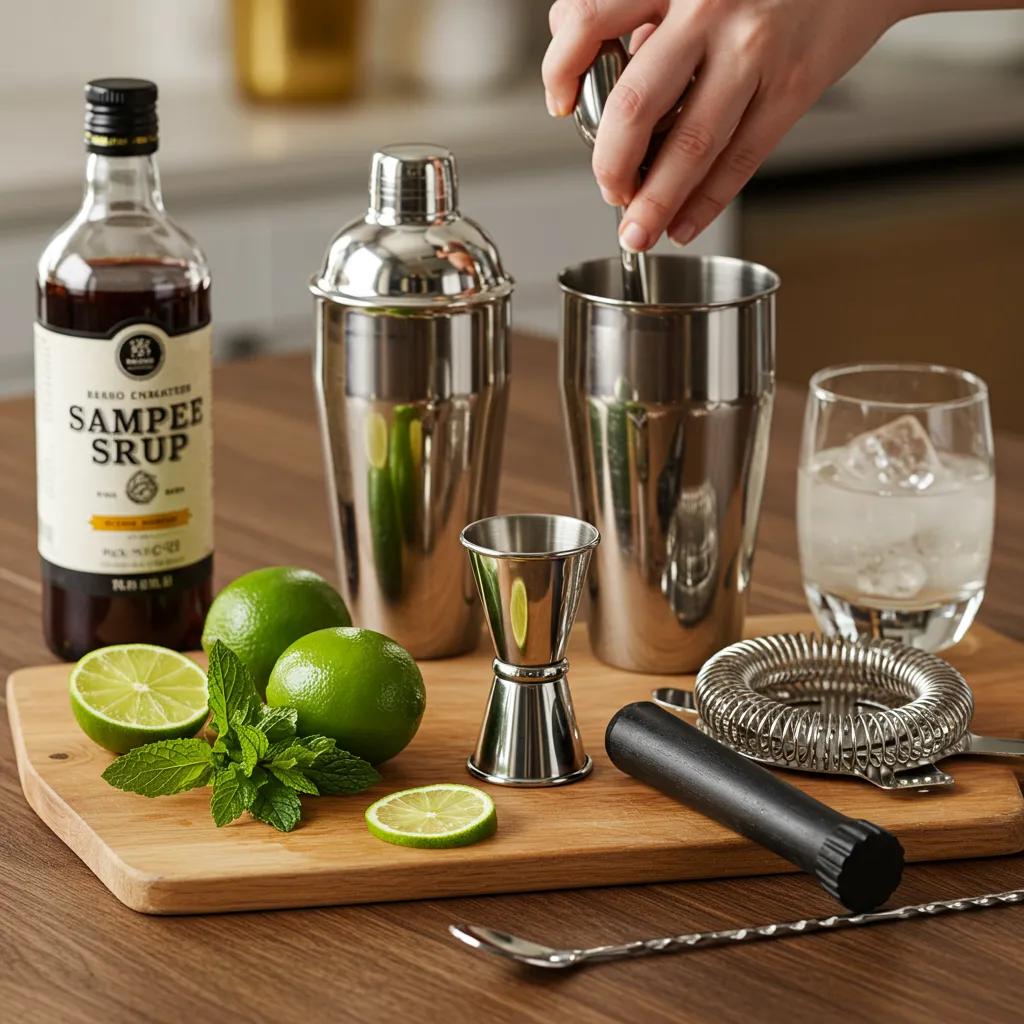
Home mixed drinks are achievable with basic tools, a small ingredient pantry, and attention to balance and technique. Simple recipes rely on a clear ingredient list, measured proportions, and one or two techniques such as shaking or stirring to achieve the right dilution and temperature. Focusing on a few reproducible methods reduces mistakes and builds confidence, enabling mixers to scale recipes for gatherings. The subsections that follow give step-by-step recipes, an essential tools checklist, and substitution guidance for non-alcoholic conversions.
What Are Simple Step-by-Step Recipes for Popular Cocktails?
Clear, numbered steps help beginners reproduce consistent results and learn timing and technique. Below are three concise recipe cards: a classic Mojito, a Daiquiri, and a mocktail alternative that mirrors the same balance principles for NoLo occasions. Each recipe includes prep time, yield, and quick tips to avoid common errors.
- Mojito (Prep 5 min, Yield 1): Muddle 8 mint leaves with 15 ml simple syrup and 30 ml lime juice, add 60 ml white rum, fill with crushed ice, top with soda and stir gently; garnish with mint sprig.
- Classic Daiquiri (Prep 5 min, Yield 1): Combine 60 ml white rum, 30 ml lime juice, and 15 ml simple syrup in a shaker with ice; shake 10–12 seconds and fine strain into a chilled coupe; garnish with lime wheel.
- Rose-Khus Mocktail (Prep 8 min, Yield 1): Muddle mint, mix 30 ml rose syrup, 30 ml lemon juice, and 90 ml chilled sparkling water; add ice and gently stir; garnish with rose petal and mint.
These recipes emphasize proportion, chilling, and gentle mixing to preserve aromatics. Practice these basics to develop a reliable technique repertoire for both alcoholic and non-alcoholic servings.
Intro to tools list: Knowing which tools matter most shortens the learning curve and reduces wasted ingredients during practice. The next list prioritizes essentials and affordable alternatives for home mixers.
- Jigger for accurate measurement; it ensures consistent balance across batches.
- Shaker (Boston or cobbler) to chill and dilute drinks quickly for shaken cocktails.
- Muddler for releasing oils and juices from herbs and fruit without over-processing.
- Bar spoon and strainer for smooth pours and separation of solids from liquids.
- Fine mesh strainer as a budget upgrade for clearer cocktails and removal of fine pulp.
Summary paragraph: With these five items, a home bartender can make most classic recipes to professional parity. Investing in basic, durable tools yields better results than accumulating many single-purpose gadgets.
Which Essential Bar Tools Do You Need for Home Mixology?
Essential bar tools form the core of a functional home bar and directly influence technique outcomes. A few well-chosen items cover measuring, mixing, agitation, and strained presentation, enabling reproducible drinks and cleaner presentation. Affordable alternatives can substitute without sacrificing control: use a household measuring jigger, a large mason jar as a shaker, and a wooden spoon for stirring in a pinch. Prioritizing the jigger and shaker first improves balance and dilution control, which are the most common sources of inconsistent drinks.
How to Substitute Ingredients for Non-Alcoholic or Mocktail Versions?
Converting cocktails to mocktails requires matching spirit function—structure, bitterness, or aroma—using mixers, acid, and texture to replicate complexity. Use low-alcohol or non-alcoholic spirit alternatives where available, or create depth with fortified shrubs, spiced teas, and umami syrups that provide mouthfeel. Bitters contribute aromatic complexity but check alcohol content; for alcohol-free options, infuse citrus peels and spice into soda or syrup. Examples include replacing white rum in a Mojito with a mint-lime shrub and a splash of sparkling water to retain brightness and mouthfeel.
What Are the Most Popular Cocktail Ingredients and Their Roles?
Ingredients in cocktails play defined roles: spirits provide body and character, acids (citrus) add brightness, sweeteners balance, and mixers or garnishes enhance aroma and texture. Understanding these relationships helps mixers craft balanced drinks and make smart substitutions when local ingredients vary. The subsections below profile common spirits, mixers, and garnishes, and explain why simplicity and ingredient quality matter for taste outcomes.
Which Spirits Are Common in Classic and Modern Cocktails?
Five spirits dominate classic and modern cocktail repertoires: vodka, gin, rum, tequila, and whiskey. Each brings distinct flavor anchors—vodka for neutrality, gin for botanical complexity, rum for sugarcane warmth, tequila for agave-driven bite, and whiskey for grain and oak depth—defining what mixers and garnishes will pair best. Choosing an entry-level bottle for mixing and a mid-tier for sipping strikes a cost-effective balance for home bars. Understanding spirit profiles lets mixers select appropriate supporting ingredients that reinforce the central character of the drink.
Intro to EAV table: The next table breaks down common ingredients and their roles so readers can quickly identify how each component contributes to drink balance and aroma.
Summary paragraph: This table clarifies why acid, sweet, spirit, and aromatic elements combine to form the classic rule of three. Recognizing roles supports substitution choices and improves consistent cocktail outcomes.
What Mixers and Garnishes Enhance Cocktail Flavors?
Mixers like fresh juices, sodas, tonic, and shrubs alter texture and perceived sweetness, while garnishes add aromatic lifts and visual cues. Small swaps—fresh-squeezed juice instead of bottled, artisanal tonic instead of generic soda—can significantly improve balance and mouthfeel. Local ingredients such as khas (khaas/khus syrup) or aam (green mango) purée provide regionally relevant flavor profiles that resonate with Pakistani palates. Garnishes also serve functional roles, releasing essential oils and signaling taste expectations before the first sip.
How Do Ingredient Quality and Simplicity Impact Cocktail Taste?
Simplicity plus quality often outperforms complexity: three high-quality components can produce a superior drink to many mediocre ingredients. The “rule of three” (spirit + sweet + acid) is a practical guideline for home mixers aiming for precise balance. Invest in fresh citrus, a reliable sweetener, and a mid-range spirit for the best cost-to-taste return. Small technique improvements—proper chilling, correct dilution, and fine straining—further elevate the final drink more than incremental upgrades in bottles alone.
What Are the Key Cocktail Trends for 2025?
Cocktail culture in 2025 centers on NoLo adoption, sustainability, global flavor fusion, and health-forward adaptations that reshape menus and home repertoires. These trends reflect changing consumer priorities—health, environmental concern, and curiosity about global ingredients—and they influence how recipes are developed and presented. Understanding these trends helps home mixers and lifestyle journalists report on evolving beverage habits and adapt recipes for contemporary audiences. The following subsections define each trend, practical examples, and how readers can apply them at home.
How Is the Rise of NoLo Drinks Changing Cocktail Culture?
NoLo (low/no alcohol) drinks expand inclusion and offer complex, non-intoxicating options that mirror classic cocktail structure through acid, sweet, and bitter elements. Consumers across age groups increasingly seek beverages that provide ritual and flavor without intoxication, prompting bars and home mixers to create adult-oriented mocktails. Techniques such as using shrubs, tea infusions, and non-alcoholic spirit alternatives replicate depth and mouthfeel. Home cooks can trial NoLo versions of classics—mock Mojito with mint shrub and soda—to welcome mixed groups and respect cultural preferences.
Intro list of prominent trends: The next list highlights three practical trend applications home mixers can adopt.
- Embrace NoLo conversions by building a small shrub and tea infusion pantry for complex, alcohol-free base flavors.
- Apply zero-waste repurposing by turning citrus peels and spent herbs into candied garnish or homemade bitters.
- Explore global ingredients such as yuzu, lemongrass, or local khas to add contemporary twists to familiar recipes.
Summary paragraph: These trend actions offer accessible first steps for home mixers and lifestyle reporters to address evolving tastes while reducing waste and broadening flavor repertoires.
This table summarizes how each 2025 trend translates to consumer behavior and home practice. It gives actionable starting points to experiment with trend-driven recipes.
What Are Sustainable and Zero-Waste Practices in Modern Mixology?
Sustainable mixology reclaims ingredient byproducts—citrus peels, herb stems, and spent coffee—to create syrups, bitters, and garnishes, minimizing waste and adding layered flavors. Simple at-home practices include making a citrus cordial from rinds, infusing herb stems into syrups, and composting organic leftovers to close the loop. Sourcing locally and choosing seasonal produce reduces environmental footprint while fostering regional flavor identities. Implementing a few zero-waste techniques enhances creativity and aligns beverage preparation with broader sustainability values.
Which Global Flavors and Ingredients Are Influencing New Cocktail Creations?
Global flavors such as yuzu, mezcal, lemongrass, and regional floral syrups are reshaping contemporary cocktails by introducing unfamiliar aromatics and textures. These ingredients enable fusion recipes that pair local Pakistani elements—rose, khus, aam—with international techniques for unique mocktails and cocktails. When an ingredient is hard to source, consider local substitutes that replicate dominant flavor notes (e.g., local citrus for yuzu acidity). Experimentation with fusion expands the home mixer’s toolkit and introduces guests to cross-cultural taste narratives.
How Can Beginners Master Bartending Basics for Cocktail Recipes?
Beginners master bartending by practicing a short set of core techniques—muddling, shaking, stirring, and straining—while organizing a modest home bar and observing safety and cultural considerations. Learning technique timing and tool usage produces consistent dilution and temperature control that shapes final flavor. A tiered approach to building supplies and ingredients helps prioritize spending and pantry selection. The subsections below break down techniques, starter bar setups, and safety guidelines relevant to diverse audiences.
What Are the Fundamental Bartending Techniques Every Home Mixer Should Know?
Muddling extracts oils and juices from herbs and fruit through gentle presses, while over-muddling can release bitter compounds; mastering pressure and rhythm is essential. Shaking rapidly chills and dilutes cocktails with aeration and is ideal for juice-forward drinks; a 10–12 second shake is a reliable benchmark for many recipes. Stirring is gentler than shaking and preserves clarity for spirit-forward cocktails, with 20–30 strokes often producing correct chill and dilution. Proper straining removes solids and ice shards for clean presentation and mouthfeel.
How Do You Build a Simple Home Bar with Essential Ingredients and Tools?
A tiered home bar approach sets priorities: basic (jigger, shaker, one spirit, citrus, simple syrup), intermediate (additional spirits, bitters, soda, fresh herbs), and enthusiast (specialty liqueurs, shrubs, non-alcoholic spirits). Stocking versatile ingredients—vodka or rum, gin, lemon and lime, sugar and soda—allows a wide recipe range without excessive cost. Proper storage (cool, dark, sealed) extends shelf life for syrups and liqueurs and preserves freshness for citrus and herbs. This pragmatic setup enables beginners to practice technique and host small gatherings confidently.
What Safety and Cultural Considerations Should Beginners Keep in Mind?
Safety and cultural sensitivity matter when serving drinks in diverse settings, so prioritize mocktail-first options for mixed-audience events and clearly label alcoholic versus non-alcoholic beverages. Observe legal age and local norms regarding alcohol consumption and offer tasteful alternatives that respect cultural preferences. Handle glassware and tools carefully to prevent injury, and store ingredients securely to avoid spoilage risks. Communicating responsibly about alcohol content and serving practices ensures inclusive and safe hospitality.
Which Non-Alcoholic Mocktail Recipes Are Popular in Pakistan and Beyond?
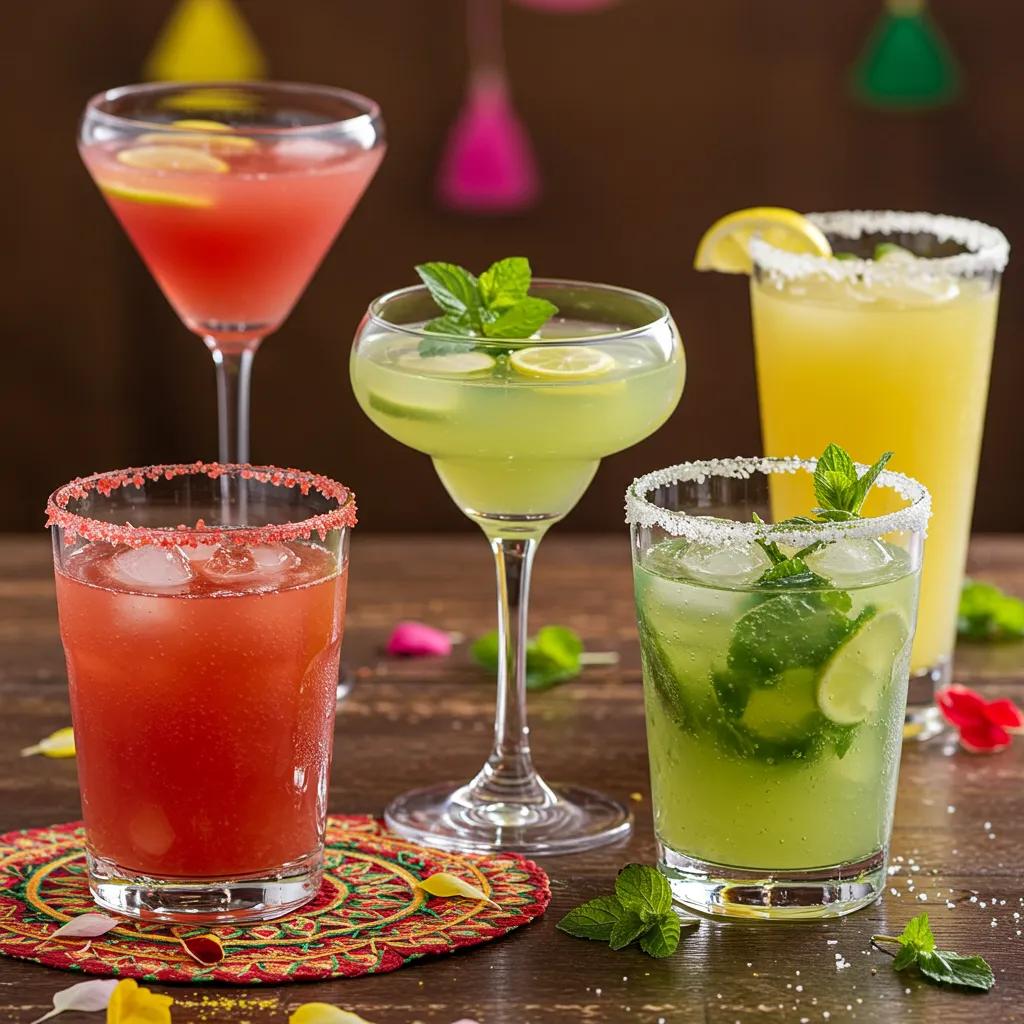
Mocktails rooted in Pakistani flavors—rose, khus (khas), aam (mango), and mint—offer culturally resonant alternatives that honor local palates while adopting contemporary mixology structure. Framing lifestyle coverage around accessible, low-sugar and batchable recipes meets audience needs for family-friendly gatherings and public events. The next subsections present practical Pakistani-inspired recipes, low-sugar strategies, and party-scale mocktails that are easy to prepare and serve.
What Are Refreshing Pakistani-Inspired Mocktail Recipes for Social Gatherings?
These recipe cards use locally familiar flavors to create festive, non-alcoholic drinks suitable for mixed-age gatherings. Each card lists ingredients, simple steps, and scaling advice so hosts can prepare for small groups or larger parties. Combining rose or khus syrups with citrus and sparkling water produces fragrant, crowd-pleasing punches that pair well with savory snacks. Mint and aam variations provide seasonal options that reflect local produce availability and traditional sherbet inspirations.
- Rose & Lemon Sherbet (Yield 4): Mix 120 ml rose syrup, 120 ml lemon juice, 600 ml chilled water, and ice; stir and serve with lemon wheels and rose petals.
- Khus Mint Cooler (Yield 4): Combine 90 ml khas syrup, 60 ml lime juice, a handful of muddled mint, 600 ml soda water, and ice; garnish with mint sprigs.
- Aam-Mint Punch (Yield 6): Blend 300 g ripe aam purée, 120 ml lime juice, 100 ml honey syrup, and 1 L chilled water; chill and serve with mint leaves.
Summary paragraph: These Pakistani-inspired mocktails showcase how regional syrups and fruits can be integrated into modern, batchable recipes for convivial and culturally tuned hospitality.
How Do You Make Healthy and Sugar-Free Mocktails at Home?
Reducing refined sugar while keeping flavor requires natural sweeteners, acid adjustments, and flavor concentration via reductions or shrubs. Alternatives such as stevia blends, erythritol, or small amounts of honey can replace part of the sugar in syrups, while citrus and botanical extracts enhance perceived sweetness. Preparing concentrated fruit reductions or vinegar-based shrubs provides flavor depth with less sugar per serving. Label nutritional choices clearly and taste as you adjust to achieve the preferred sweetness for guests.
What Are Easy Party Drinks Without Alcohol That Everyone Can Enjoy?
Batchable party beverages scale hospitality while preserving freshness and presentation through chilling and simple garnishes. Make-ahead punches using chilled tea bases, light shrubs, and sparkling water maintain effervescence when stored cold and topped with soda just before serving. Presentation matters: use large dispensers with visible garnishes like citrus wheels or herb sprigs to invite guests and signal flavor. Account for allergens (nuts, dairy) and dietary needs with clear labels and alternative options to ensure accessibility for all attendees.
How Are Cocktail Recipes Covered from a News and Lifestyle Perspective?
Reporting on cocktails and mocktails blends trend analysis, cultural context, and practical how-to’s, helping readers interpret global beverage movements for local application. Journalistic coverage emphasizes data-driven trends, sustainability narratives, and culturally sensitive recipe adaptations, offering both industry perspective and actionable guidance. The subsections below summarize global trends, culinary intersections, and industry insights relevant to 2025 reporting.
What Are the Latest Global Beverage Trends and Their Cultural Impact?
Current beverage trends focus on NoLo adoption, sustainability, premiumization of non-alcoholic offerings, and cross-cultural ingredient exchanges that reshape social rituals. These trends influence menu design, consumer expectations, and at-home consumption patterns by prioritizing health, ethics, and novel flavors. For Pakistani audiences, localizing global trends through traditional ingredients like rose, khus, and aam bridges modernity with cultural taste, increasing relevance and engagement. Reporting should spotlight practical examples and local experiments that illustrate broader shifts.
How Is Mixology Becoming a Global Culinary Phenomenon?
Mixology now borrows techniques and vocabulary from culinary arts—infusions, reductions, fermentations, and zero-waste preparations—creating a shared toolkit between chefs and bartenders. Chefs collaborate with bars to create ingredient-driven cocktails that echo savory techniques and seasonal sourcing, elevating beverage programs into culinary statements. This integration improves ingredient utilization and introduces new textures and aroma profiles to drinks, encouraging home cooks to adopt chef-inspired methods for richer non-alcoholic and cocktail experiences.
What Industry Insights and Statistics Highlight the Future of Cocktails?
Industry reporting for 2025 emphasizes growth in low- and no-alcohol segments, rising consumer interest in sustainability, and the expansion of global flavor experimentation across menus and home repertoires. Journalistic coverage should cite credible sources and summarize key implications for consumers and businesses, while avoiding overreliance on a single dataset. Suggested citation approach includes referencing recent industry reports and market analysis to substantiate trend narratives and recommend practical takeaways for readers and hospitality operators.
Conclusion
Mastering classic cocktail recipes not only enhances your home bartending skills but also enriches your social gatherings with flavorful, well-balanced drinks. By understanding the roles of key ingredients and techniques, you can confidently create both traditional and innovative beverages that cater to diverse tastes. Embrace the latest trends in mixology to elevate your drink-making experience and impress your guests. Start experimenting with our curated recipes and essential tools today!