Best Adventure Travel Destinations: Ultimate Guide to Outdoor Adventure Trips and Unique Adventure Holidays
Adventure travel blends physical challenge, cultural discovery, and the thrill of unfamiliar environments to create trips that transform how you see the world. This guide explains what adventure travel encompasses, from trekking and mountaineering to white water rafting, diving, and wildlife safaris, and shows how to choose and prepare for trips that match your fitness, budget, and curiosity. Many readers want practical, regional options as well as global inspiration, so this article covers top worldwide destinations, why Pakistan ranks as a premier adventure hub, specific activities to pursue, planning and gear needs, and emerging trends shaping trips in 2025 and beyond. You will find comparative tables, concise how-to checklists, and locally focused tips to plan safe, sustainable adventures that respect communities and ecosystems. The sections that follow address global hotspots, Pakistan-specific opportunities, activity-by-activity guidance, planning and packing essentials, trend forecasting, where to find deeper guides and stories, and how ARY News supports Pakistani audiences and travelers.
What Are the Top Adventure Travel Destinations Worldwide?
Adventure travel destinations worldwide combine distinctive landscapes, reliable infrastructure for activities, and unique cultural layers that enrich the experience. These hotspots draw travelers for specific signature activities—mountain ranges for trekking and mountaineering, rivers for rafting, coasts for diving and surfing, and parks for wildlife encounters—so choosing a destination often depends on the activity you prioritize and your skill level. Below is a concise list of top global destinations with the activity that defines them and a short rationale to help you match goals to places. After this overview, readers who want Pakistan-specific trend coverage should note that ARY News aims “To provide timely and comprehensive news and current affairs coverage, keeping the audience informed and engaged with diverse content.” This remit supports region-focused travel reporting and timely safety and logistics updates from local contexts.
Adventure travel hotspots and why they stand out:
- Patagonia (Argentina/Chile): Epic trekking, glacier travel, and dramatic peaks for experienced hikers. (worldexpeditions.com)
- Nepal (Himalaya): Classic high-altitude trekking and mountaineering access with varied route options. (worldexpeditions.com)
- Iceland: Glacier hiking, ice-climbing, and volcanic landscapes for mixed-skill adventurers.
- Tanzania: Safari and trekking (including Kilimanjaro) combining wildlife and ascent challenges.
- Sri Lanka: Coastal surf, jungle hikes, and accessible trekking options for varied budgets.
These destinations suit different traveler profiles depending on time, budget, and fitness; the next subsections break down countries offering extreme travel, common activity categories, and a decision framework to match trips to interests.
Which Countries Offer the Best Extreme Travel Destinations?
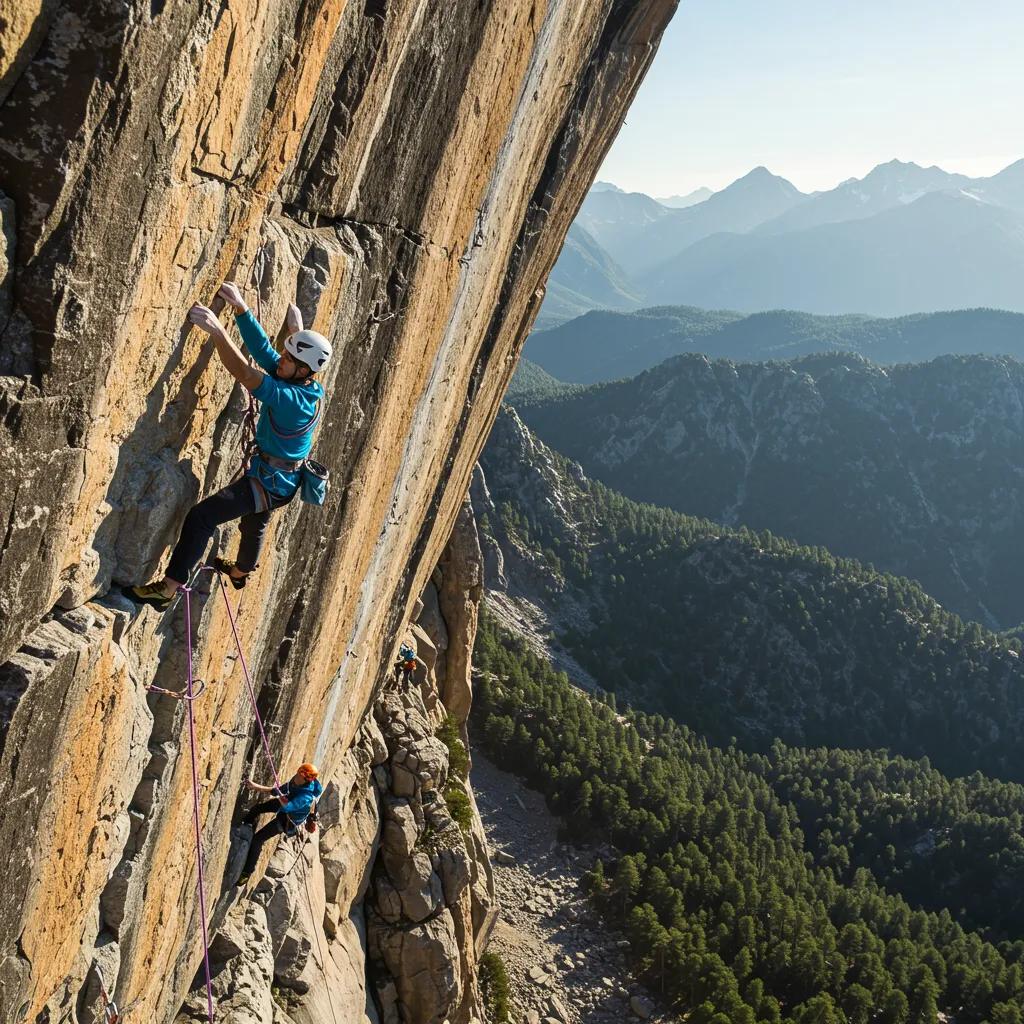
Extreme travel destinations are defined by high risk, high reward activities such as big-wall climbing, polar expeditions, high-altitude mountaineering, and big-wave surfing, and they demand specialized skill, training, and logistics. Countries like Nepal, Pakistan, Chile, Norway, and the United States host iconic extreme routes: Nepal and Pakistan offer high-altitude expeditions, Chile and Argentina offer remote mountain and glacier challenges, Norway provides polar and arctic experiences, and the U.S. has elite climbing and backcountry skiing zones. These countries are best for experienced adventurers who can commit to multi-week expeditions and have access to certified guides and proper safety gear. When planning extreme travel, verify season windows, secure permits where required, and build time for acclimatization and contingency days to avoid rushed ascents and emergency situations.
What Outdoor Adventure Activities Are Popular in These Destinations?
Popular outdoor adventure activities cluster by environment: mountains offer trekking, mountaineering, rock climbing, and via ferrata; rivers and coasts deliver rafting, kayaking, surfing, scuba diving, and sea-kayaking; wildlands support wildlife safaris, multi-day nature treks, and birding expeditions. Each activity has typical skill and equipment expectations: trekking may require basic to advanced endurance and layerable clothing, mountaineering requires technical gear and certified guides, and water sports need safety training and straightforward flotation equipment. Choosing activities also depends on seasonality and local operator quality; for instance, monsoon seasons close many mountain routes but open surf windows on coasts.
- Consider your baseline fitness level before booking multi-day treks or high-altitude routes.
- Confirm local guide qualifications and group sizes for technical activities.
- Match seasonality to the activity to avoid closed routes or hazardous conditions.
These practical filters lead into how to pick a unique adventure holiday that matches personal priorities.
How to Choose Unique Adventure Holidays That Suit Your Interests?
Choosing the right adventure holiday requires aligning five core factors: time available, budget, fitness and technical skill, cultural interest, and risk tolerance, which together determine destination suitability and itinerary intensity. Start by listing non-negotiables (e.g., summit attempts, wildlife viewing, coastal diving) and then filter destinations by season windows, permit needs, and local logistics to narrow viable options. For travelers seeking cultural depth alongside activity, prioritize regions where routes pass through inhabited valleys, historical sites, or community-run camps to combine physical challenge with meaningful local interaction. Customization tips include adding cultural side trips to trekking itineraries, booking longer acclimatization days for safer ascents, and selecting operators that emphasize community engagement and sustainability.
- Ask three decision questions before booking: What activity do I value most? How many days can I allocate? What is my maximum acceptable budget?
- Match traveler profiles to sample trips: short duration + moderate fitness = lowland trekking or coastal surfing; long duration + high fitness = high-altitude treks or multi-day river expeditions.
- Adapt conventional itineraries by adding cultural stops, rest days, or beginner training sessions as needed.
These steps help refine destination choices and set expectations for logistics and required preparation.
Why Is Pakistan a Premier Destination for Adventure Travel?
Pakistan combines some of the world’s tallest peaks, deep river valleys, dramatic lakes, and an extensive coastline, creating a concentrated range of adventure opportunities from trekking and mountaineering to kayaking and diving. The country’s geographic diversity—Himalayan, Hindu Kush, and Karakoram ranges in the north, expansive plateaus and national parks inland, and a long Arabian Sea coast—creates year-round activity windows for different pursuits. Pakistan also offers strong value for domestic and regional travelers through comparatively affordable logistics and community-based accommodation options, making it attractive for budget-friendly adventure travel. ARY News operates as an information hub whose purpose is “To provide timely and comprehensive news and current affairs coverage, keeping the audience informed and engaged with diverse content.” This remit underpins localized travel reporting, up-to-date safety notices, and feature storytelling that helps domestic and international readers plan trips.
The complexities and potential of adventure tourism in mountainous regions are well-documented, highlighting the need for sustainable practices.
Adventure Tourism in Mountainous Regions: Challenges and Sustainable Practices
Adventure tourism is where visitors participate in challenging and exciting activities in distant or exotic settings, such as rafting, trekking, and climbing, to experience adventure and challenge. This study explores the complex and diverse field of adventure tourism, with a particular emphasis on mountainous regions. Adventure tourism in mountainous regions has experienced remarkable growth, presenting challenges in environmental conservation, infrastructural development, safety, and socio-economic impacts.Methodology:Drawing on a comprehensive review of the literature and case studies, this study examines evolving adventure tourist preferences and activities while advocating for sustainable practices. It offers valuable insights for stakeholders to promote responsible tourism in mountainous terrains, encompassing activities like mountaineering, expeditions, and trekking. Additionally, the paper explores mountain landscapes’ global significance, tourism potential,
… the environmental impacts of adventure tourism in the world’s highest mountains: A comprehensive review for promoting sustainable tourism in high-altitude areas, Z Ahmed, 2019
What Are the Must-Visit Adventure Destinations in Pakistan?
Pakistan’s northern landscapes host world-class adventure destinations, with each area offering signature activities and access points that suit a range of travelers and budgets. Gilgit-Baltistan and Hunza Valley are gateways to trekking, base-camp approaches, and cultural village stays; Fairy Meadows provides accessible, iconic hiking near Nanga Parbat for moderate hikers; Deosai National Park is a high-altitude plateau for wildlife viewing and off-the-beaten-path exploration; Gwadar presents growing coastal opportunities such as scuba diving and coastal exploration. Accessibility commonly relies on regional hubs like Gilgit and Skardu for northern areas and major southern cities for coastal departures; seasons vary, with summer months opening high passes and winter restricting access. These destinations reward travelers seeking dramatic scenery, climbing objectives, and cultural immersion.
Pakistan’s tourism landscape is significantly shaped by its potential for both adventure and cultural experiences.
Pakistan’s Tourism: Focus on Adventure and Culture
Pakistan tourism is mainly on cultural and adventure tourism.
Navigating the Complexities of Pakistan’s Tourism Industry: Problems and Remedies, MH Khan, 2024
How Does Pakistan Offer Unique Cultural and Historical Adventure Experiences?
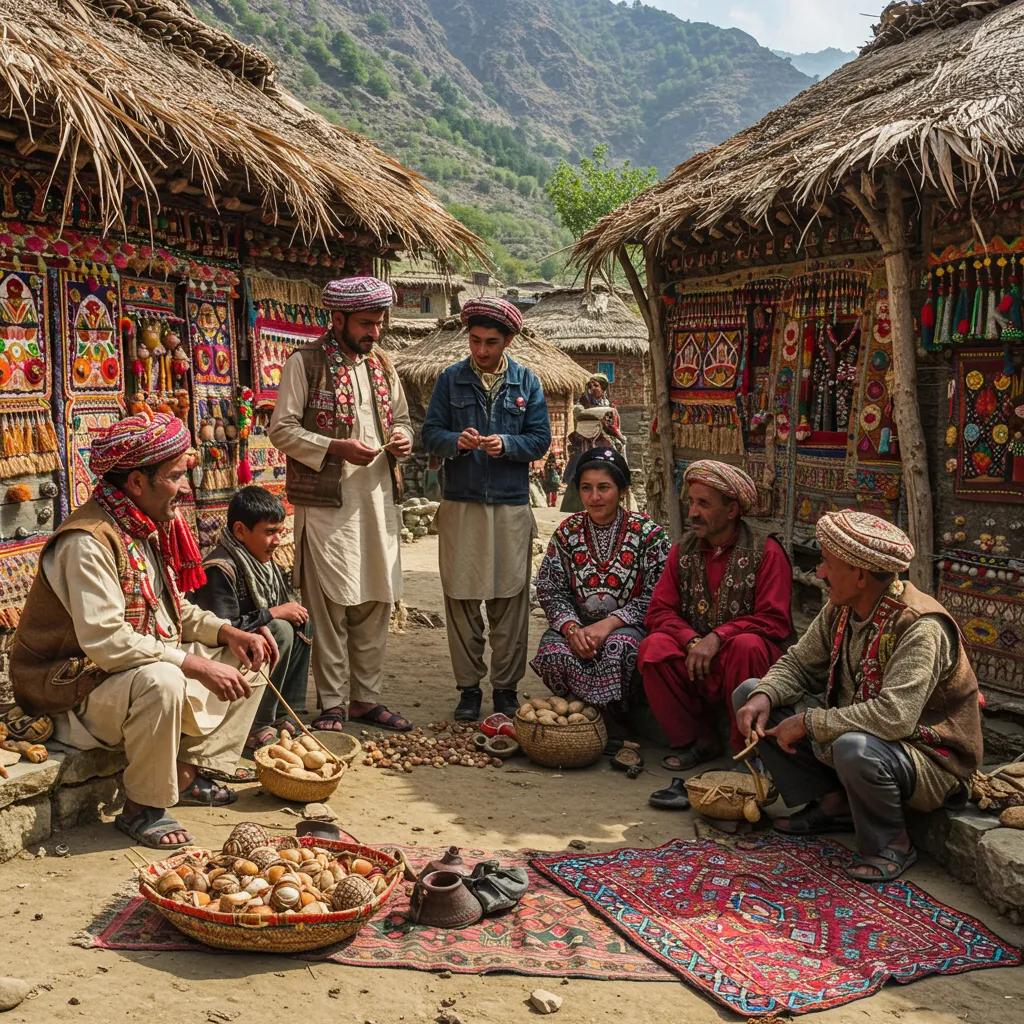
Adventure travel in Pakistan often intersects with deep historical and cultural layers—historic Silk Road routes, ancient fortifications, Sufi shrines, and village traditions provide meaningful stops between activity days. Combining treks with cultural visits amplifies the travel experience: for example, a multi-day trek that includes village homestays or a valley hike paired with visits to local markets and heritage sites deepens context and supports local economies. Respectful engagement means learning basic local etiquette, seeking permission for photography where appropriate, and using trusted local guides who facilitate authentic exchanges. Cultural-adventure combinations also support community-led tourism initiatives that preserve traditions while creating income streams tied to conservation and hospitality.
What Budget-Friendly Adventure Travel Options Exist in Pakistan?
Pakistan can be highly accessible on a modest budget, with options that reduce costs without sacrificing experience—public transport between regional hubs, guesthouses and community lodges, and shorter day treks are all budget-friendly choices. Low-cost itineraries include day hikes around Hunza Valley, multi-day but low-gear trips to Fairy Meadows, and self-guided coastal explorations near Gwadar with basic accommodation. Typical cost-saving tips are to travel off-peak when possible, hire certified local guides who coordinate group logistics, and prioritize public or shared transport for longer transfers. Balancing comfort and cost often means choosing local guesthouses and community camps that provide cultural value and reinvest tourism revenue locally.
How Safe Is Adventure Travel in Pakistan?
Safety in Pakistan’s adventure regions hinges on preparation, local knowledge, and up-to-date information about regional conditions; common risk factors include altitude sickness, variable mountain weather, and remote access to medical facilities. Mitigation strategies are straightforward: travel with accredited local guides familiar with current route conditions, allow acclimatization time for high-altitude itineraries, use reliable porters or pack animals where appropriate, and carry comprehensive travel and medical insurance that covers evacuation when necessary. Travelers should consult regularly updated sources and local authorities for advisories and route closures rather than relying on static guides; local operators and community contacts often provide the most relevant ground-level intelligence. With prudent planning and respect for mountain hazards, many visitors enjoy safe and rewarding adventures.
Which Adventure Activities Can You Experience in Top Destinations?
Adventure travel encompasses several activity categories—trekking and hiking, mountain sports, water-based activities, and wildlife safaris—each with distinct requirements for fitness, gear, and logistics. Understanding representative activities across these categories helps travelers choose appropriate destinations and prepare effectively before departure. The following subsections highlight top routes, climbing and mountaineering options, water-sport locations, and wildlife experiences, with practical notes about difficulty, typical durations, and permit needs. To aid quick decision-making, an EAV table below compares activity attributes across representative destinations.
What Are the Best Trekking and Hiking Routes for Adventure Travelers?
Top trekking routes balance scenery, cultural access, and logistical feasibility; worldwide classics include the Annapurna Circuit and Patagonia’s Torres del Paine circuit, while Pakistan offers routes such as Fairy Meadows approaches, Hunza Valley circuits, and multi-day pathways in Gilgit-Baltistan that appeal to hikers of varying abilities. Trek difficulty ranges from short day hikes to demanding multi-week high-altitude treks that require acclimatization and technical experience. Planning notes include securing any required permits, building acclimatization days into itineraries, and arranging certified local guides for unfamiliar or high-risk terrain. Shorter treks are ideal for those testing altitude tolerance, while experienced trekkers can extend into more remote valleys and longer base-camp approaches.
Where Can You Find Exciting Mountain Sports Like Mountaineering and Rock Climbing?
Mountain sports are concentrated in regions with vertical relief and technical rock or ice features; the Karakoram and Himalayan ranges provide big-wall and alpine routes, while accessible crags and sport-climbing areas exist in many countries for shorter technical days. Mountaineering requires progressive training, technical gear such as crampons and ice axes, and accredited guiding services for objective risk management. Climbers should verify local guide certifications, ask about rescue and evacuation plans, and confirm permit and registration processes for major peaks. Training on smaller crags or via instructor-led courses is a reliable pathway to safely scaling more ambitious objectives.
What Water Adventures Are Available for Outdoor Enthusiasts?
Water-based adventures span white water rafting on powerful rivers, kayaking on glacial lakes and coastal waters, scuba diving on coral reefs and wrecks, and surfing on exposed coasts—each activity fits different skill and safety profiles. Representative experiences include rafting the upper Indus for classed rapids, kayaking Attabad Lake for calm paddling amid dramatic gorge scenery, and coastal diving where visibility and marine biodiversity invite exploration. Safety tips emphasize wearing certified personal flotation devices, booking operators who follow rescue and safety protocols, and checking seasonal water flows and weather conditions before committing to multi-day river runs or coastal expeditions. Local operator experience and solid emergency plans are essential for water-based adventures.
How to Experience Wildlife and Nature Safaris in Adventure Destinations?
Wildlife and nature safaris combine scenic travel with conservation-aware viewing practices and are best conducted in protected reserves and national parks with experienced guides who prioritize animal welfare. Global examples include East African savanna safaris for megafauna and remote highland plateaus for endemic species; in Pakistan, Deosai National Park offers high-altitude grasslands with opportunities for wildlife observation in a fragile ecosystem. Responsible safari behavior includes maintaining safe distances, avoiding feeding or disturbing animals, and choosing operators that contribute to local conservation efforts. Timing is critical for sightings—seasonal migrations and breeding cycles often determine the best windows for wildlife viewing.
How Do You Plan and Prepare for an Adventure Travel Trip?
Successful adventure planning centers on research, realistic timelines, correct gear, and reliable local partners; start by mapping the route, confirming permit and visa needs, and validating seasonal windows to avoid closed passes or hazardous weather. Insurance and emergency planning are non-negotiable for remote trips—arrange medical and evacuation coverage tailored to high-altitude or adventure activities. Below is a gear EAV table to clarify essential versus optional items, followed by actionable planning steps that travelers should complete before departure.
What Essential Gear and Equipment Are Needed for Adventure Travel?
Gear needs vary by activity: trekking requires durable boots, layered clothing, and daypacks; mountaineering adds technical hardware like crampons, harnesses, and ropes; water sports need wetsuits, helmets, and flotation devices; safaris prioritize optics and lightweight protective clothing. Core safety items include a reliable first-aid kit, water purification method, and personal navigation tools such as maps and GPS or offline digital alternatives. Rental options for bulky technical gear can reduce travel costs and baggage, but critical items like boots and personal safety equipment should generally be owned or thoroughly tested beforehand. Plan gear checklists by activity and confirm availability of rental or replacement items at regional hubs.
When Is the Best Time to Visit Popular Adventure Destinations?
Seasonality dictates access to many adventure routes: high mountain passes open in summer months for the northern hemisphere, while coastal surf windows vary by monsoon and swell patterns. For Pakistan, the summer months typically open the higher passes and trek approaches in Gilgit-Baltistan, while shoulder seasons can offer lower crowds and pleasant conditions for coastal and low-elevation adventures. Off-season travel can reduce costs but increases logistical risks such as closed roads or limited services, so weigh the benefits of quieter trails against the need for flexible itineraries and contingency plans. Always confirm local seasonal calendars with operators shortly before travel.
What Safety Tips Should Adventure Travelers Follow?
Safety protocols begin well before departure: secure appropriate travel and medical insurance, register your itinerary with trusted contacts, and pack emergency communication tools to bridge gaps in remote areas. On-trip practices include enforcing buddy systems on technical days, monitoring for altitude symptoms and descending early if needed, and adhering to guide recommendations for weather windows and risk thresholds. Emergency kits should contain wound-care supplies, altitude medications if prescribed, and means to shelter in unexpected conditions. Communications planning—satellite or local SIM solutions—and pre-arranged evacuation plans are essential for higher-risk activities.
How to Find and Work with Local Guides and Tour Operators?
Vetting local guides and operators focuses on credentials, local reputation, and clarity about inclusions such as rescue protocols, group sizes, and environmental practices. Ask prospective guides about certifications, sample itineraries, safety equipment, and contingency plans, and seek references or recent reviews that reflect current operational quality. Supporting reputable local operators helps local economies and fosters better conservation outcomes when operators invest in ethical guiding and community partnerships. Book through recognized regional hubs or community cooperatives when possible, and confirm written details about costs, cancellation policies, and what the operator provides in remote scenarios.
What Are the Emerging Trends in Adventure Travel for 2025 and Beyond?
Adventure travel in 2025 is shaped by sustainability, the rise of digital nomads seeking blended work-adventure itineraries, wellness-focused journeys, and socially driven discovery through short-form media; each trend changes how trips are designed and marketed. Sustainable and responsible travel practices influence operator selection and destination stewardship, while digital platforms accelerate niche demand for micro-trips and experiential stays. Wellness integration means more trips combine physical activity with recovery and mental-health programming, enhancing long-term benefits for travelers. The subsections below unpack sustainable practices, social media dynamics, remote-work integration, and wellness considerations.
How Is Sustainable and Responsible Travel Shaping Adventure Tourism?
Sustainable adventure travel emphasizes minimizing environmental footprints, supporting local economies, and preserving cultural heritage through community-led tourism and conservation fees that directly fund local projects. Evaluating operators for sustainability means looking for local employment practices, transparent fee structures for conservation, and limits on group sizes to reduce ecosystem pressure. Benefits include long-term destination health, improved community livelihoods, and better-quality experiences as locals retain cultural control and knowledge. Travelers can support sustainability by choosing operators with clear local reinvestment strategies and by adopting low-impact practices on the trail and at campsites.
What Role Does Social Media Play in Discovering Adventure Destinations?
Social media accelerates discovery and fosters micro-trends, quickly elevating remote spots into high-demand destinations but also risking overtourism and environmental stress when capacity is exceeded. Platforms are useful for route reconnaissance, operator contacts, and real-time visuals, but users should cross-check practical details like seasonality and access with authoritative sources. Responsible use of social media includes avoiding sharing precise locations for fragile sites, promoting local guides explicitly, and balancing inspiration with research to minimize harmful visitation spikes. Thoughtful social discovery helps diversify visitor flows when paired with careful planning.
How Are Digital Nomads Integrating Adventure Travel with Remote Work?
Digital nomads increasingly design itineraries that alternate focused work periods with consecutive adventure blocks, using regional hubs that offer reliable internet and easy access to outdoor activities. Practical considerations include selecting accommodations with dedicated workspaces, scheduling high-intensity activities on days when work demands are lowest, and verifying visa and local regulations that permit extended remote stays. Suggested hybrid itineraries pair 1–2 weeks of productive basecamp time with weekend or multi-day excursions to nearby adventure zones, maintaining professional obligations while enabling deeper exploration. Connectivity planning and backup power solutions are key enablers for seamless work-adventure integration.
Why Is Adventure Travel Important for Wellness and Mental Health?
Adventure travel supports mental wellness by promoting physical exertion, immersion in natural settings, and purposeful challenge—factors linked to stress reduction, improved mood, and resilience building. Practical design choices can amplify wellness benefits: include rest and recovery days, integrate mindfulness or guided nature therapy, and avoid overpacking schedules that cause burnout. While extreme experiences deliver intense satisfaction, they also require honest risk assessment and recovery planning to prevent adverse physical or psychological outcomes. Designing trips around balanced exertion and cultural engagement optimizes long-term wellbeing and transformative travel experiences.
Where Can You Find Detailed Guides and Stories About Adventure Travel Destinations?
For deeper planning and inspiration, travelers should consult updated destination hubs, in-depth trek guides, operator profiles, and local community stories that cover permits, hazards, and seasonal nuances; multimedia resources like maps and video gear demonstrations enhance practical readiness. ARY News aims “To provide timely and comprehensive news and current affairs coverage, keeping the audience informed and engaged with diverse content.” That editorial commitment extends to the Travel category, which gathers destination features, safety updates, and multimedia stories relevant to Pakistani audiences and travelers interested in the region. The resources below summarize where to locate thorough guides and authentic local narratives.
- In-depth trek guides typically include itineraries, permit advice, gear lists, and hazard sections.
- Community and local interviews surface cultural context and on-the-ground logistics for remote valleys.
- Practical safety updates and seasonal advisories should be checked before departure and during travel.
How to Explore Comprehensive Trekking Guides for Pakistan’s Top Trails?
Comprehensive trekking guides for Pakistan’s major trails usually cover day-by-day itineraries, elevation profiles, camping and lodging options, permit and registration requirements, and emergency exit routes, giving travelers the operational detail required for safe planning. High-quality guides also flag seasonal access issues, local contact points for guides and authorities, and recent trail condition updates to help travelers adapt itineraries. When using guides, prioritize versions updated within the last season and cross-reference with local operator briefings for last-mile changes to trails or services. Combining reputable written guides with local knowledge yields the most reliable planning foundation.
What Are Inspiring Adventure Travel Stories from Local Communities?
Local community narratives enrich adventure travel by revealing how tourism shapes livelihoods, preserves traditions, and informs place-based stewardship; these stories often profile guides, homestay hosts, and village initiatives that directly benefit from visitor engagement. Featuring authentic voices helps travelers understand cultural norms, entry etiquette, and meaningful ways to contribute economically and socially during visits. Encouraging such narratives in travel media ensures communities are partners in storytelling rather than passive backdrops, and it promotes tourism that sustains local identity and conservation goals. Readers should seek interviews and community features to deepen contextual understanding before traveling.
How to Access Practical Travel Tips and Safety Advice for Adventure Trips?
Practical travel tips and safety advice are most reliable when sourced from a combination of recent operator briefings, community notices, and updated advisories; checklists should include pre-trip medical checks, emergency contacts, communication options, and contingency funds for delays or evacuations. Travelers should refresh safety plans quarterly or before each trip, especially for destinations with seasonal access changes or active weather hazards. Regularly updated guides and multimedia briefings that incorporate local operator reports offer the best frontline information for decision-making. Keeping a concise, printed or offline copy of essential contacts and procedures is advised for remote-area resilience.
How Can ARY News Help You Discover and Plan Your Next Adventure Travel Destination?
ARY News serves as an information hub that curates travel reporting, features, and timely updates to help audiences plan and stay informed about regional adventure opportunities and safety developments. Its stated editorial goal is “To provide timely and comprehensive news and current affairs coverage, keeping the audience informed and engaged with diverse content.” Within that remit, ARY News’ Travel category aggregates destination features, safety advisories, multimedia stories, and practical planning pieces aimed at Pakistani and internationally interested readers seeking regional adventure content. The site’s role is informational rather than transactional: it aggregates news, local reporting, and feature depth that travelers can use alongside operator information and official advisories to shape safe, rewarding itineraries.
What Makes ARY News a Trusted Source for Adventure Travel Information?
ARY News’ credibility for travel content rests on timely reporting, regional focus, and a commitment to informing readers with current affairs context that affects travel, such as infrastructure updates, weather events, and community initiatives. This information-centric approach supports travelers who need up-to-date logistics and safety signals that change across seasons and regions. ARY News presents content in multiple formats—written articles, photo features, and video segments—that together build a practical picture of destinations for prospective visitors. The editorial remit emphasizes accuracy and relevance for audiences seeking localized travel intelligence and narrative-driven features.
How Does ARY News Cover Diverse Adventure Travel Topics for Pakistani Audiences?
ARY News tailors travel coverage to Pakistani audiences by highlighting domestic destinations, budget-conscious itineraries, and culturally informed travel stories that resonate with local readers and diaspora travelers. Coverage blends short-form updates for timely advisories and longer feature pieces that profile trails, guides, and community initiatives; social media distribution amplifies timely safety messages and visual storytelling to reach younger and mobile-first audiences. By combining rapid reporting with in-depth guides and multimedia, the editorial mix helps readers navigate both immediate trip decisions and longer-term adventure planning needs. The focus remains on informing choices rather than promoting specific products.
Where to Find ARY News’ Adventure Travel Articles and Multimedia Content?
Readers interested in Pakistan-focused adventure guidance should look to the Travel category and designated feature hubs within ARY News, where curated trip dossiers, multimedia stories, and safety briefings are organized for easy discovery. The platform emphasizes up-to-date reporting and community-sourced narratives that help travelers plan realistically and responsibly for regional adventures. Subscribing to editorial updates and following multimedia releases helps readers receive timely advisories and seasonal guidance ahead of travel, making it easier to align itineraries with current conditions. Engaging with ARY News content provides a practical complement to operator briefings and official advisories when preparing for adventure trips.
Conclusion
Embarking on an adventure travel journey opens doors to breathtaking landscapes, cultural immersion, and unforgettable experiences that enrich your life. By exploring diverse destinations like Pakistan, you can engage in thrilling activities while supporting local communities and sustainable practices. Take the first step towards your next adventure by researching your ideal destination and planning your itinerary today. Discover the wealth of resources available to help you navigate your adventure travel journey effectively.