Pakistan Education Reforms and News: Latest Updates, Challenges, and Solutions
Pakistan’s education sector is undergoing significant reforms aimed at standardizing curricula, revising higher education structures, and expanding learning access. These initiatives address systemic challenges such as out-of-school children, funding gaps, and the need for teacher professional development. This article explores the core 2025 reforms, examines the primary challenges, and presents practical solutions being piloted by NGOs and government bodies.
Key Education Reforms in Pakistan in 2025
The 2025 reform agenda focuses on curriculum alignment, revising higher education structures, and expanding learning access. These reforms aim to update learning objectives, realign syllabi to competency-based outcomes, and introduce structured teacher-support mechanisms to translate policy into classroom practice. Early reporting indicates that these reforms aim to reduce fragmentation across provinces and create clearer pathways from basic education to higher education and technical training.
The table below compares major reform initiatives, their primary attributes, and observed or expected impacts to help stakeholders prioritize implementation steps and resources.
Single National Curriculum (SNC)
The Single National Curriculum (SNC) seeks to standardize learning goals, streamline textbooks, and ensure that core competencies are taught consistently across provinces. This transformation involves defining grade-level outcomes and prescribing curricular sequences that reduce duplication and content gaps between regions. Teachers and school leaders gain clearer roadmaps for lesson planning, while assessment design increasingly aligns with competency-based outcomes. Implementation challenges remain, including localization needs and textbook revision timelines, but observed classroom adjustments show a gradual shift toward conceptual learning and coherent sequencing.
Research into competency-based curriculum development highlights the need for clear guidelines and frameworks for successful implementation in pilot schools.
Competency-Based Curriculum Framework for Pilot Schools
Competency-based school curriculum development is a key mechanism for successful implementation of the national curriculum framework. However, the problem discovered is that schools continue to lack knowledge and clear guidelines, so the purpose of this study is to prepare the development process framework for competency-based school curriculum of pilot schools in the education sandbox. This study employs an explanatory sequential design mixed-method research methodology, beginning with quantitative research using online questionnaires to survey opinions from 224 pilot schools in six areas of the education sandbox, then moving on to a qualitative multi-case study using focus group discussions with administrators and teachers from 18 schools in six areas, and finally a connoisseurship of 15 experts. According to the findings, the main idea behind the development process framework for competency-based school curriculum is to focus on success in developing learners’ learning compe
HEC Curriculum Revision 2025
The Higher Education Commission (HEC) Curriculum Revision 2025 reworks degree program structures, updating course outcomes, credit allocations, and quality assurance benchmarks for universities. The mechanism involves aligning curricula with competency frameworks, improving research supervision norms, and tightening accreditation processes to ensure program relevance. Expected results include graduates better prepared for the labor market and curricula that meet international comparability standards. Universities report operational challenges such as revising course catalogs and retraining faculty while aiming to preserve academic flexibility during the transition.
Teacher Professional Development Policies
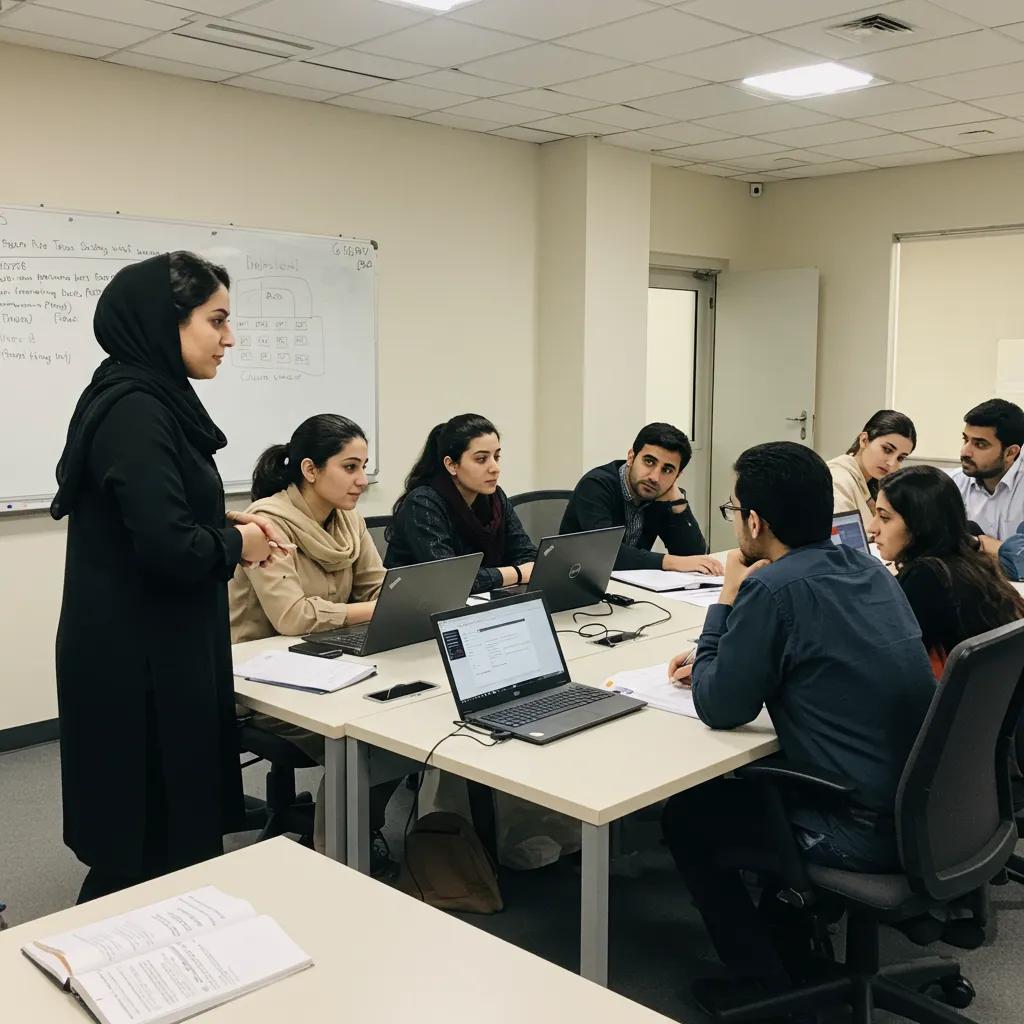
Recent policy measures emphasize continuous professional development cycles, classroom coaching models, and incentive-linked performance frameworks for teachers. Mechanisms include modular in-service trainings, peer observation, and certification pathways that reward demonstrated competence. The intended benefit is improved instructional quality and more effective formative assessment practices in classrooms. Gaps persist between design and delivery—most notably logistical constraints for rural staff—but pilot programs show that coaching combined with materials delivery yields measurable shifts in pedagogical practice.
Vocational and Technical Education Reforms
Vocational and technical education reforms concentrate on updating Technical and Vocational Education and Training (TVET) curricula, forging public-private partnerships, and creating clear apprenticeship and certification routes. These reforms operate by aligning courses to labor-market needs, embedding work-based learning, and implementing competency assessments tied to industry standards. The result is more direct pathways from training to employment and better signaling of skills to employers. Collaboration with NGOs and private sector partners provides workplace placements and curriculum inputs, improving program relevance and scalability.
Main Challenges Facing Pakistan’s Education System
Pakistan’s education system faces several interlinked challenges that constrain access, quality, and equity, making reform implementation complex and uneven. Core obstacles include chronic underfunding, a large population of out-of-school children, gender gaps in enrollment, teacher shortages and uneven distribution, and the destabilizing effect of political shifts on long-term programming. These challenges reduce capacity for consistent implementation and require integrated policy responses that combine financing, governance reform, and community engagement.
Underfunding
Underfunding manifests as inadequate facilities, delayed teacher salaries, limited learning materials, and scarce investment in professional development. The causal mechanism links constrained budgets to lower learning inputs, which then reduce student engagement and outcomes. The practical consequence is fewer well-equipped classrooms and poor maintenance of infrastructure, especially in marginalized districts. Policy proposals focus on increasing budget allocation efficiency, earmarking funds for learning materials, and leveraging partnerships to supplement public funds.
Out-of-School Children
Multiple drivers explain high out-of-school rates: poverty-related opportunity costs, distance to school in rural areas, sociocultural barriers including early marriage in some areas, and conflict or displacement. Mechanisms include household income pressures pushing children into labor, lack of proximate schooling options, and perceptions of low school quality reducing demand for enrollment. Effective interventions couple demand-side supports like conditional cash transfers with supply-side actions such as community schools and flexible scheduling to capture dropouts.
Gender Disparity
Gender disparities create unequal access, with girls facing specific barriers like safety concerns, household responsibilities, and social norms that deprioritize female schooling in some regions. These factors reduce female participation especially at secondary levels, undermining broader development goals and social mobility. Policies targeting girls’ retention—such as female teacher recruitment, sanitary facilities, and conditional transfers—address both practical and cultural constraints and can yield strong improvements in female enrollment and completion.
Teacher Shortage
Teacher shortages and uneven subject coverage reduce instructional time, increase pupil-teacher ratios, and limit the availability of qualified teachers in remote areas. The mechanism links vacancies and underqualified staffing to weakened pedagogy and diminished formative assessment, negatively affecting learning progression. Strategies to recruit, certify, and retain teachers—particularly through rural incentives and decentralized hiring—are essential to stabilize classroom delivery. Professional development and mentoring help raise instructional quality where staff are present.
Political Instability
Frequent policy turnover and administrative changes interrupt long-term reform cycles, leading to partial implementations and inconsistent funding streams. The mechanism is policy discontinuity, which eroding institutional memory, delays textbook and curriculum rollouts, and undermines evaluation systems. Recommended governance reforms emphasize multi-year planning, statutory safeguards for core programs, and cross-party commitments to education priorities to protect reforms from political cycles. Greater policy stability improves donor confidence and helps institutionalize monitoring and evaluation systems.
Government Initiatives Shaping Education in Pakistan
Government initiatives in 2025 emphasize coordinated policy instruments at federal and provincial levels, with the Ministry of Federal Education setting national priorities and the Higher Education Commission driving university reforms. These initiatives function through national frameworks, targeted funding programs, and policy guidance for provinces to adapt local implementation. Recent ministry policies prioritize harmonizing standards across provinces, supporting textbook revision cycles, and establishing monitoring mechanisms for learning outcomes. The mechanism involves issuing guidelines, setting monitoring targets, and coordinating with provincial departments to ensure timely material distribution and training. Expected benefits include more coherent national standards and faster detection of implementation gaps at district levels. The Higher Education Commission shapes university-level changes through accreditation rules, curriculum revision mandates, and quality assurance frameworks. HEC’s role includes reviewing program outcomes, advising on credit structures, and supporting faculty development to meet revised standards. These measures aim to enhance degree relevance, research quality, and international comparability. Universities face operational tasks such as updating syllabi, retraining faculty, and aligning assessment practices to meet HEC expectations, as detailed in ARY News analyses of institutional responses.
Progress Toward Sustainable Development Goal 4
Progress toward SDG 4 is uneven: gains in enrollment metrics in some regions coexist with persistent gaps in quality and equity across provinces. Government initiatives and NGO programs are jointly targeting completion rates, learning outcomes, and inclusive access to align national progress with SDG targets. The mechanism for advancement includes data-driven monitoring, targeted funding for lagging indicators, and community engagement to boost participation. Continued emphasis on measurement and transparency is required to translate policy into demonstrable SDG progress.
Financial Literacy and Digital Learning Integration
Curriculum updates increasingly incorporate financial literacy modules and digital skills across grade levels to enhance employability and real-world competencies. Integration works by embedding age-appropriate modules into existing subjects, providing teacher guides, and piloting digital toolkits. The expected outcomes are increased financial capability among youth and early digital fluency that supports future learning pathways. Teacher readiness and access to devices remain critical constraints, necessitating targeted training and resource allocation for effective uptake.
Digital Learning’s Impact on Education Access and Quality
Digital learning expands access by providing alternative content delivery, flexible scheduling, and remote teacher support, but it also deepens inequalities where connectivity and device access are limited. The mechanism is twofold: technology can scale quality content quickly, yet infrastructure and affordability constraints limit reach. Digital approaches improve access for urban and connected learners while rural and low-income students risk exclusion without targeted interventions. Evaluating platform suitability, localization of content, and teacher support models is crucial to maximize benefits and reduce harms.
The digital divide in Pakistan, particularly in regions like Punjab, presents significant obstacles to equitable educational opportunities, stemming from a complex interplay of infrastructure, socioeconomic, and cultural factors.
Digital Divide in Pakistani Education: Barriers in Punjab
The digital divide in education remains a critical challenge in Punjab, Pakistan, where disparities in access to technology hinder equitable learning opportunities. This study examines the barriers contributing to the digital divide, including infrastructural limitations, socioeconomic inequalities, gender disparities, and policy shortcomings. The research employs a mixed-methods approach, analyzing secondary data from government reports, surveys, and academic studies, alongside primary data collected through interviews with educators and policymakers. Findings reveal that rural areas suffer from inadequate internet connectivity, electricity shortages, and a lack of digital devices, while urban centers benefit from better infrastructure. Socioeconomic factors further exacerbate the divide, as low-income families struggle to afford digital tools. Gender-based barriers restrict female students’ access to online education due to cultural norms and safety concerns. Additiona
Challenges of the Digital Divide Among Pakistani Youth
The digital divide is driven by unequal access to internet connectivity, devices, and localized content, producing disparate learning opportunities among youth. Affordability, regional infrastructure gaps, and limited digital literacy constrain participation in online learning. Policy and private-sector interventions offering subsidized devices, expanded connectivity, and localized content can reduce barriers, but sustained training for teachers and students is essential to ensure pedagogical gains. Addressing the divide requires coordinated financing, targeted rollouts, and monitoring to measure inclusion.
E-Learning Platforms and Technologies Adoption
Adoption ranges from government-hosted portals and televised lessons to private platforms offering interactive modules and assessment tools. Each platform type has trade-offs: government platforms emphasize reach and cost-effectiveness, while private platforms prioritize interactivity and analytics but may face affordability constraints. Content localization, language support, and teacher facilitation determine the platform’s classroom relevance. Evaluations emphasize blended models where digital tools supplement in-person instruction rather than replace it. Selecting platforms requires matching content, cost, and contextual needs to student and teacher capacities.
Digital Learning’s Role in Rural and Underserved Areas
Digital learning in rural contexts succeeds when it leverages low-bandwidth solutions, offline content distribution, community learning centers, and teacher facilitation models. Feasible delivery models include pre-loaded devices, radio or TV broadcasts supplemented by local coaching, and mobile-based microlearning that accommodates intermittent connectivity. Teacher support through remote coaching and modular training increases sustainability, while community hubs can provide shared access. Scaling such models depends on partnerships with local actors and flexible financing mechanisms. Rural digital strategies must prioritize accessibility, teacher support, and local adaptation to achieve sustainable improvements.
Effective Solutions for Out-of-School Children in Pakistan
Evidence indicates that combined demand- and supply-side interventions produce the strongest gains in enrolling and retaining out-of-school children. Successful solutions integrate conditional cash or in-kind supports, community-based schooling options, accelerated learning programs, and strong local monitoring to reengage learners. High-impact approaches include:
- Conditional Transfers and Incentives: Targeted financial support reduces opportunity costs and boosts enrollment.
- Community-Based and Flexible Schools: Localized schooling models reach remote children with adaptable schedules.
- Accelerated and Remedial Learning Programs: Short-term curricula help overage and out-of-school learners catch up.
- Partnerships with NGOs and Private Sector: Collaborative models offer resources, placements, and contextualized solutions.
These approaches, when combined with strong monitoring and teacher support, create durable pathways back into formal learning and improved retention.
NGOs and Foundations Leading Education Access Efforts
Several NGOs and foundations operate models that include community schools, teacher training, and learning recovery programs tailored to local conditions. Their approaches typically combine direct service delivery, capacity building for local educators, and partnership with provincial departments to scale effective pilots. These partnerships illustrate how non-state actors can complement government systems while building local ownership.
Community-Based Programs Addressing Enrollment and Retention
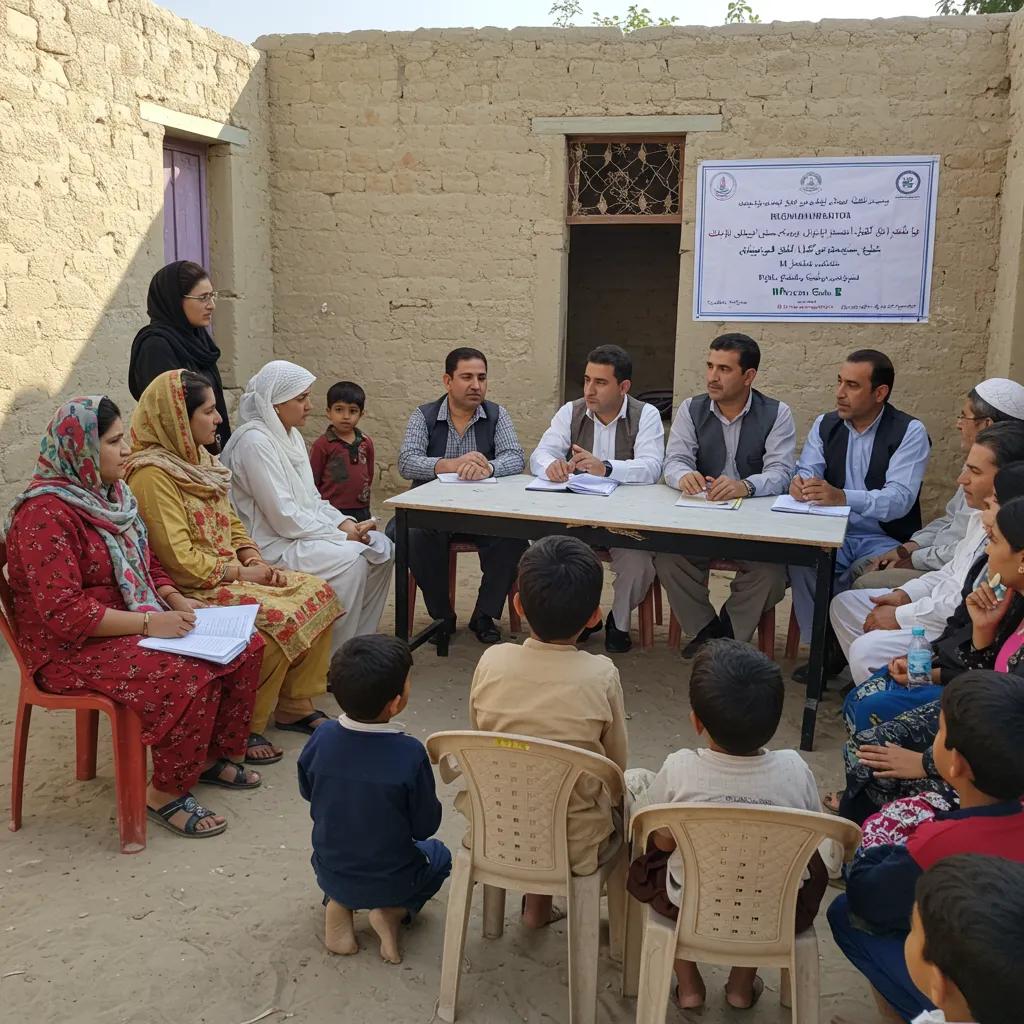
Community-based programs mobilize parents, local leaders, and teachers to reduce barriers to schooling through outreach, flexible schedules, and localized curricula that reflect community needs. Mechanisms include parent engagement meetings, community-sponsored incentives, and locally managed monitoring systems that track attendance and learning. These programs are cost-effective and responsive, often increasing retention by addressing immediate household constraints. Successful models emphasize community accountability, data collection, and integration with formal systems to ensure continuity.
Policy Measures Supporting Inclusive and Equitable Education
Policy levers that advance inclusion include ring-fenced funding for marginalized districts, conditional transfers targeting vulnerable groups, gender-responsive budgeting, and inclusive curriculum mandates. These instruments work by reallocating resources, incentivizing participation, and ensuring that curriculum and assessment do not exclude learners with diverse needs. Evidence from pilots shows that policy measures tied to monitoring and clear accountability frameworks produce measurable improvements in access and equity. Scaling such policies requires dedicated financing and political commitment across stakeholders.
Future Outlook for Education Reforms in Pakistan
Looking ahead, the success of current reforms depends on policy stability, sustained investment in teacher capacity, and pragmatic adoption of technology that narrows rather than widens equity gaps. The likely trajectory includes gradual alignment of curricula across levels, deeper vocational links to employment, and incremental scaling of digital learning solutions that are adapted for low-resource settings. Sustained progress will require stronger data systems to measure learning, continuous professional development pathways for teachers, and governance reforms that insulate education programs from political volatility.
Expected Long-Term Impacts of Current Reforms
If effectively implemented, reforms are expected to raise learning outcomes, increase workforce readiness, and reduce regional inequities over the medium to long term. Mechanisms include improved curriculum coherence, higher-quality teacher instruction, and better-aligned vocational pipelines that match labor-market needs. Economic and social benefits include higher lifetime earnings and more equitable access to opportunity. Risks include partial implementation, funding shortfalls, and policy reversals that could blunt or reverse gains. Planning for contingencies and building incremental evaluation mechanisms can help sustain positive trajectories.
Teacher Training and Curriculum Development Evolution
Teacher training is likely to shift toward continuous, modular professional development, blended coaching models, and competency-based certification that emphasizes classroom practice. Curriculum development will increasingly adopt learner-centered and competency-focused designs with periodic revision cycles informed by learning data. Accreditation and quality assurance mechanisms will play an ongoing role in maintaining standards across institutions. These changes require investment in digital teacher resources, mentorship networks, and assessment systems that capture classroom-level learning. Sustained investment in teacher systems is the linchpin for converting policy reforms into measurable student learning improvements.
Role of Technology and Policy Stability Going Forward
Technology can be a powerful enabler if access gaps are closed and pedagogy drives platform selection; policy stability ensures reforms accumulate rather than unravel. The interaction is straightforward: stable policy environments attract investment in digital infrastructure and capacity building, while well-designed technology amplifies access and assessment capabilities. Protecting core education programs from frequent administrative shifts and embedding multi-year financing commitments will be essential. Stakeholders should prioritize scalable, low-bandwidth solutions paired with teacher facilitation to maximize returns.
As reforms mature, ARY News will continue reporting developments and producing multimedia explainers—infographics, interactive maps, and short videos—to help the public track progress and understand policy implications.
For ongoing updates, in-depth reporting, and multimedia explainers on these reforms and programs, readers can follow ARY News’ dedicated coverage and subscribe to updates to receive the latest field reports and analysis.
Conclusion
Pakistan’s education reforms are paving the way for a more equitable and effective learning environment, addressing critical challenges such as access, quality, and teacher development. By implementing initiatives like the Single National Curriculum and vocational training updates, the government aims to enhance educational outcomes and workforce readiness. Engaging with these reforms not only supports systemic change but also empowers communities to take an active role in shaping their educational landscape. Stay informed and explore how you can contribute to these transformative efforts today.